Truckee River Fishing Guide
The Truckee River, winding through the Sierra Nevada, is an absolute gem for anglers, but let's be honest, it can feel like trying to solve a complex puzzle if you don't know its quirks. Many folks find themselves scratching their heads, wondering why the fish aren't biting despite the river's reputation. This comprehensive guide will pull back the curtain, giving you all the insider knowledge on where to go, what gear to use, and how to approach this magnificent fishery with confidence, turning those frustrating days into memorable catches.
Understanding the Truckee River's Unique Ecosystem
The Truckee River isn't just another stretch of water; it's a dynamic, ever-changing environment shaped by snowmelt, dams, and a vibrant ecosystem. Its personality shifts dramatically from section to section, demanding a thoughtful approach from anyone hoping to find success. Getting to know these nuances is the first step toward becoming a proficient Truckee River angler.
The Flow and Its Impact on Fishing
One of the biggest factors dictating how and where you fish the Truckee is its flow rate, which can vary wildly depending on the season and recent precipitation. In spring, snowmelt from the Sierra Nevada can turn the river into a roaring torrent, making some sections unfishable and pushing fish into slower, more predictable holding lies. This powerful flow presents challenges but also opportunities, as the increased water levels can bring more food sources downstream.
Conversely, in late summer or during dry periods, the river can run quite low and clear, exposing more of the riverbed and making fish incredibly spooky. These conditions demand lighter tackle, stealthier approaches, and often, more technical presentations. Learning to read the river's flow—understanding how it creates seams, eddies, and riffles—is crucial for identifying where fish might be conserving energy and waiting for an easy meal. Experienced anglers always check the Truckee River's flow data before heading out, as it dictates everything from fly choice to wading safety.
Primary Fish Species: Trout Galore
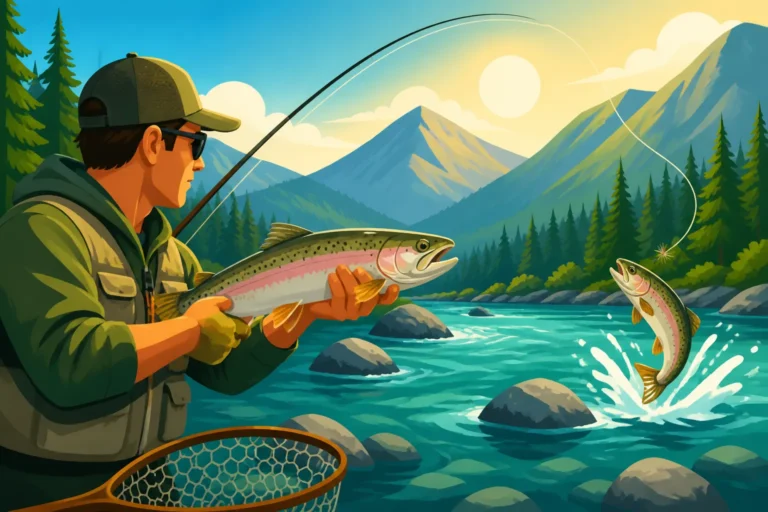
When we talk about fishing the Truckee, we're almost exclusively talking about trout, and glorious trout at that! The river is renowned for its wild brown trout and rainbow trout, both of which grow to impressive sizes here. You might also encounter the occasional Lahontan cutthroat trout, especially closer to Pyramid Lake in Nevada, but browns and rainbows are the bread and butter in the California stretches.
These fish are wild and educated, meaning they’re not easily fooled. They thrive on a varied diet of aquatic insects—mayflies, caddis, stoneflies—along with sculpins and other baitfish. Targeting these species requires a good understanding of their feeding habits and preferred habitats. Many anglers travel from afar specifically for the challenge and reward of hooking into a Truckee River brown trout, known for their aggressive strikes and powerful fights.
Key Sections of the River: California vs. Nevada
The Truckee River originates at Lake Tahoe and flows northeast, passing through Truckee, California, and then crossing into Nevada, eventually emptying into Pyramid Lake. The character of the river changes considerably across this journey, offering different experiences. The California sections, particularly above and below the town of Truckee, are popular for their accessibility and scenic beauty.
These stretches often feature a mix of riffles, runs, and deeper pools, providing diverse holding water for trout. Downstream, as the river enters Nevada, it becomes larger and can hold even bigger fish, particularly as it approaches Pyramid Lake, famous for its trophy Lahontan cutthroat trout. However, the focus of this guide is primarily on the California portions, where regulations can differ significantly from those in Nevada. Always make sure you're aware of the specific rules for the section you're fishing, as California's freshwater fishing regulations explained can be quite detailed.
Essential Gear and Tackle for Truckee River Trout
Fishing the Truckee River effectively means having the right tools for the job. Because the fish are smart and the water can be challenging, skimping on gear isn't going to do you any favors. Let's break down what you'll need to feel prepared on the water, whether you're a seasoned fly angler or prefer to throw lures.
Rods, Reels, and Line: Matching the Hatch
For most Truckee River fly fishing scenarios, a 9-foot, 5-weight fly rod is a fantastic all-around choice. This rod provides enough backbone to cast larger nymph rigs or streamers, but it's sensitive enough for delicate dry fly presentations when the trout are rising. If you plan to focus on smaller fish or tighter casting conditions, a 4-weight might be suitable, while a 6-weight could be better for throwing bigger streamers or fishing in windier conditions. A matching reel with a smooth drag and capacity for at least 100 yards of backing is essential, especially when a big brown decides to make a run for it.
When it comes to line, a weight-forward floating line is versatile for most fly fishing techniques. Consider adding a sink-tip line if you plan on fishing streamers in deeper, faster currents. For spin fishing, a 6 to 7-foot light to medium-light action rod paired with a 1000 or 2000 size spinning reel spooled with 4-6 lb test fluorocarbon or monofilament line is ideal. This lighter setup allows for accurate casts and detects subtle bites from cautious trout. Brands like Orvis, Redington, and Sage are popular among fly anglers for their quality rods and reels, while Shimano and Daiwa offer excellent spinning gear that stands up to river conditions.
Flies, Lures, and Baits: What Works When
The Truckee River is primarily a fly-fishing destination, and matching the hatch is a key principle. Your fly box should be well-stocked with a variety of patterns. Nymphs are often the most productive, so carry stonefly patterns (e.g., Pat's Rubber Legs, Copper Johns), caddis nymphs (e.g., Prince Nymph, Green Rock Worm), and mayfly nymphs (e.g., Pheasant Tail, Hare's Ear). Don't forget emerger patterns for when fish are transitioning from nymphing to surface feeding. Dry flies like Parachute Adams, BWO's, and Caddis patterns are crucial for those magical moments when trout are actively feeding on the surface. Streamers such as Woolly Buggers, Sculpzillas, and articulated patterns can entice larger, predatory trout, especially in off-color water or during low light.
For spin anglers, small inline spinners (like Mepps or Panther Martin), spoons (e.g., Kastmasters), and small jerkbaits or crankbaits that imitate baitfish or crayfish can be very effective. Soft plastic swimbaits rigged on jig heads can also produce results. Live bait, while generally discouraged or outright prohibited in some special regulation areas for trout, might be allowed in certain stretches or for specific species; always check the current California fishing regulations by region before you go. The most ethical approach on the Truckee, however, is often fly fishing or artificial lures with single barbless hooks, aligning with the river's catch-and-release ethos.
Waders and Accessories: Staying Safe and Comfortable
Wading is an integral part of fishing the Truckee River, given its varied terrain and fish-holding lies. High-quality, breathable waders are a must, keeping you dry and comfortable whether it's a chilly spring morning or a warm summer afternoon. Pair these with studded wading boots for superior grip on slippery rocks. The river bottom can be treacherous, so felt or rubber soles with studs are highly recommended to prevent slips and falls. A good wading staff is an invaluable safety tool, providing stability and helping you probe depths before stepping.
Beyond waders, consider a vest or sling pack to keep your fly boxes, tippet, nippers, and other tools organized and easily accessible. Polarized sunglasses are absolutely essential for spotting fish and reading water effectively, as they cut through the glare. A landing net with a rubber bag is also crucial for quickly and safely landing and releasing fish without harming their protective slime coat. Don't forget essential items like sunscreen, a hat, and plenty of water, especially during warmer months.
Mastering Truckee River Fishing Techniques
The Truckee River demands a blend of finesse, knowledge, and adaptability. Simply casting blindly won't cut it. To truly connect with its wild trout, you need to understand the techniques that work best in its unique environment.
Fly Fishing: Nymphing, Dry Fly, and Streamers
Fly fishing is undoubtedly the most popular and often the most effective method for fishing the Truckee River, especially for trout. Nymphing is probably the most consistently productive technique here, as trout spend the vast majority of their time feeding subsurface. This involves drifting weighted fly patterns (nymphs) along the bottom, imitating insects dislodged by the current. Indicators are typically used to detect strikes, and split shot might be added to get the flies down quickly. A common rig involves two nymphs, often a heavier lead fly and a lighter trailing fly, to cover different depths and insect profiles. Successful nymphing on the Truckee often requires precise mends to achieve a drag-free drift, mimicking natural insect movement.
When conditions are right, dry fly fishing can be absolutely magical. This occurs when trout are actively feeding on insects hatching and floating on the surface. Success hinges on precise casts, delicate presentations, and using a fly that accurately imitates the size, shape, and color of the natural insect. This can be one of the most rewarding ways to catch fish, watching a trout rise and sip your fly from the surface. Pay close attention to hatches, especially in the mornings and evenings.
Finally, streamer fishing is an excellent tactic for targeting larger, more aggressive brown trout. Streamers imitate baitfish or larger aquatic creatures like sculpins. This method involves casting a larger fly and stripping it back in various retrieve patterns, mimicking a swimming or injured baitfish. It can be particularly effective in higher flows, off-color water, or during low-light conditions when big trout are on the prowl. Many anglers find that incorporating a variety of retrieves, from short jerks to long pulls, can trigger a strike. For more detailed insights, check out our guide on California fly fishing tips and techniques.
Spin Fishing: Tactics for Success
While often considered a fly-fishing haven, the Truckee River can also be successfully fished with spinning gear, especially for those new to trout fishing or who prefer a different approach. The key is to use light tackle and subtle presentations. Small inline spinners, such as a size 0 or 1 Panther Martin or a similar Rooster Tail, are excellent choices. Cast them slightly upstream and across, allowing them to drift downstream while retrieving just fast enough to get the blade spinning. This mimics small baitfish or larger insects.
Another effective spin fishing technique involves using small spoons or mini crankbaits. Cast these into deeper pools, along current seams, or near submerged structure. Vary your retrieve speed and incorporate pauses to make the lure more enticing. Using fluorocarbon leader can significantly increase your bite rate due to its low visibility in the clear Truckee waters. Remember, stealth is paramount. Avoid heavy wading that might spook fish, and always keep a low profile.
Reading the Water: Where the Trout Hide
Successfully fishing the Truckee River, regardless of your chosen method, boils down to your ability to "read the water." This means understanding where trout position themselves to feed and conserve energy. Look for changes in current speed and depth, as these are prime areas. Current seams (where fast water meets slow water) are excellent holding spots, as they offer passing food without expending too much energy.
Eddies and slack water behind large rocks or logs also provide respite from the current, often holding multiple fish. Riffles (shallow, fast-moving sections) are oxygen-rich and often hold insects, making the downstream ends of these areas productive. Deeper pools are obvious holding areas, especially for larger fish, but don't overlook subtle depressions or shelves along the bank. Learning to identify these features and understanding why fish are there is a skill that develops with time on the water, but it's arguably the most critical factor for consistent success. If you're struggling to understand the nuances, consider booking a trip with one of the best fishing guides in California. They can show you firsthand how to read these tricky waters.
Navigating Regulations and Best Practices
The Truckee River is a highly managed and treasured fishery, which means understanding and adhering to its specific rules is non-negotiable. These regulations are in place to protect the wild trout populations and ensure sustainable fishing for generations to come.
California Fishing Regulations Explained for the Truckee
The Truckee River within California is subject to specific state and local regulations that often differ from general statewide rules. It's not uncommon for sections of the river to have special regulations regarding gear, tackle, and catch limits. For example, many popular stretches are designated as "Artificial Lure/Fly Only" and "Catch-and-Release" zones, often requiring barbless hooks. This means bait fishing is prohibited, and any fish caught must be immediately and carefully released.
Always consult the most current California Freshwater Fishing Regulations booklet, available from the California Department of Fish and Wildlife (CDFW) website or local tackle shops, before heading out. Pay close attention to sections specifically pertaining to the Truckee River and its tributaries, as these can change annually. Knowing your fishing license requirements is also paramount; you can find extensive information in our comprehensive California Fishing License Guide. Remember, ignorance of the law is no excuse, and wardens regularly patrol these waters.
Catch-and-Release: Protecting a Precious Resource
The Truckee River's reputation as a premier trout fishery relies heavily on its robust wild fish populations. To maintain this, catch-and-release is not just a suggestion; in many areas, it's a mandatory practice. Even where it's not strictly enforced, it's highly encouraged to help sustain the fishery. Proper catch-and-release techniques are vital:
- Minimize Fight Time: Bring the fish to hand or net as quickly as possible.
- Keep Fish in Water: Avoid removing the fish from the water entirely. If you must, do so only for a quick photo, holding it horizontally with wet hands.
- Barbless Hooks: Crimp down or remove barbs on all hooks. This makes hook removal much easier and less damaging.
- Gentle Hook Removal: Use hemostats or pliers to carefully remove the hook. If the fish is deeply hooked, snip the line as close to the hook as possible.
- Revive Carefully: Hold the fish gently in the current, facing upstream, until it can swim away on its own.
These practices ensure that the fish you release have the best chance of survival, contributing to the river's future health. You can learn more about these critical practices in our guide on California Catch-and-Release Rules.
Respecting the Environment and Fellow Anglers
Fishing the Truckee River is an immersive experience, and part of that experience is respecting the natural environment and fellow anglers. Practice Leave No Trace principles: pack out everything you pack in, and leave the riverbank cleaner than you found it. Avoid disturbing wildlife, and never litter. This beautiful river sustains a delicate ecosystem, and it's our collective responsibility to protect it.
Furthermore, the Truckee River can get crowded, especially on weekends and during prime seasons. Be mindful of other anglers. Give them plenty of space, especially if they are wading or casting. Avoid walking directly through runs or pools where others are fishing, as this can spook fish for everyone. If you encounter another angler, a friendly nod or brief greeting is usually sufficient. Remember, we're all out there to enjoy the peace and challenge of the river. Good etiquette makes the experience better for everyone.
Best Times and Seasons to Fish the Truckee River
Understanding the ebb and flow of the seasons on the Truckee River is key to planning a successful trip. The river changes dramatically throughout the year, impacting fish behavior and the techniques you'll need to employ.
Seasonal Breakdown: Spring, Summer, Fall, Winter
Spring (March-May): This is often a shoulder season with highly variable conditions. Early spring can still be cold with snowmelt making the river high and off-color. However, as conditions stabilize, some fantastic nymphing opportunities arise, and early caddis and mayfly hatches can bring fish to the surface. As the water warms, trout become more active. It's a time of transition, offering diverse possibilities.
Summer (June-August): Summer brings warmer temperatures and typically lower, clearer flows, especially as the snowmelt subsides. Early mornings and late evenings are prime times for dry fly fishing as insects hatch. Midday can be slower, often requiring deep nymphing or streamer tactics, particularly for larger fish seeking cooler, deeper water. The river can get crowded, so consider fishing during weekdays or hitting lesser-known access points.
Fall (September-November): Many consider autumn to be the absolute best time to fish the Truckee. The weather is usually crisp and pleasant, flows are often ideal, and the brown trout become incredibly aggressive as they prepare for their spawn. Big brown trout will actively chase streamers, and prolific fall hatches of baetis (BWO's) can create incredible dry fly action. The stunning fall foliage adds to the magic, making for a truly memorable experience.
Winter (December-February): Don't dismiss winter fishing on the Truckee! While the days are shorter and colder, the river sees fewer anglers, and the fishing can be surprisingly good. Fish metabolism slows, so they aren't as active, but they still need to feed. Deep nymphing with subtle presentations, often targeting slow, deep pools, can be very effective. Larger stonefly nymphs and midges are key patterns. Proper layering and warm gear are essential for comfort in the cold Sierra Nevada winter. For a more detailed look, check out our guide on California fishing seasons: month-by-month guide.
Daily Considerations: Time of Day and Conditions
Beyond the seasons, the time of day and prevailing weather conditions play a huge role in Truckee River fishing success. Early mornings, especially during warmer months, are often best for dry fly hatches and active feeding. As the sun gets high, trout tend to move to deeper, more shaded lies. Late afternoons and evenings can bring another burst of activity as hatches resume.
Cloudy days can sometimes extend the active feeding periods, making for excellent fishing throughout the day, while bright, sunny days often mean fish are more cautious and require more delicate presentations. Pay attention to changes in barometric pressure, as sudden drops can sometimes trigger a feeding frenzy, while a stable, high pressure can make fish more lethargic. Wind can also be a factor, making casting challenging but sometimes helping to dislodge insects into the water. Our guide on the Best Times to Fish in California provides even more detailed insights into these daily rhythms.
Checking Conditions and Flows
Before you even think about heading to the Truckee River, especially if you're traveling a distance, always check the current conditions. The USGS provides real-time streamflow data for various points on the Truckee River, which is invaluable. Look for flow rates (measured in cubic feet per second, or CFS) that are within a fishable range for your comfort and skill level. Extremely high flows can be dangerous and unfishable, while extremely low flows can make fish very wary.
Local fly shops in Truckee, like Trout Creek Outfitters or Mountain Hardware and Sports, are also fantastic resources. They'll have up-to-the-minute information on river clarity, water temperature, recent hatches, and what flies are currently working. A quick call or stop-in can save you a lot of frustration and vastly improve your chances of success. They can also tell you about any specific closures or special regulations that might be in effect.
Access Points and Local Fishing Resources
One of the great things about the Truckee River is its relative accessibility, but knowing where to go and who to talk to can make all the difference in a successful outing. There are numerous public access points, as well as private properties you'll need to respect.
Popular Access Areas and Their Characteristics
Within California, there are several well-known and easily accessible sections of the Truckee River. Just downstream from Lake Tahoe, the "Trout Creek" or "Upper Truckee" section offers classic Sierra Nevada trout fishing, though it can get crowded. Further downstream, around the town of Truckee, the river flows through a mix of urban and semi-wilderness areas. Public access points are available near parks like Truckee River Regional Park or alongside Highway 89. These areas feature varied water, from deep pools to swift riffles, holding a good population of rainbow and brown trout.
Moving downstream towards Boca and Stampede reservoirs, the river widens, and the character changes slightly. The sections below these reservoirs can offer excellent fishing, especially during periods of regulated water release, which can often be controlled by agencies to benefit the fishery. Always look for designated public lands or easements. Respecting private property signs is crucial to maintaining angler access. When looking for new spots, don't be afraid to pull over safely and look for trails leading to the river.
Hiring a Local Guide or Charter
For those looking to maximize their chances of success, especially on their first few trips to the Truckee, hiring a local fishing guide is an incredibly valuable investment. Guides possess intimate knowledge of the river, its ever-changing conditions, and the specific tactics that are working right now. They can teach you how to read the water, improve your casting, and select the right flies or lures. A day with a guide can compress years of learning into a single outing, drastically improving your skill and understanding of the fishery.
Many excellent guides operate on the Truckee River, specializing in fly fishing. Companies like Trout Creek Outfitters or Matt Heron Fly Fishing offer guided trips. You can also explore options through platforms like FishingBooker, which lists reputable guides in the Truckee area. These platforms allow you to compare guides, read reviews, and book trips that match your preferences, whether you're looking for a half-day intro to nymphing or a full-day hunt for trophy browns.
Fly Shops and Community Support
The local fly shops are the lifeblood of any serious fishing community, and Truckee is no exception. Establishments like Trout Creek Outfitters and Mountain Hardware and Sports are more than just places to buy flies and tackle; they are hubs of information, local knowledge, and camaraderie. The staff are typically avid anglers themselves and are often happy to share insights on recent conditions, hot flies, and effective techniques.
Don't hesitate to pop in, grab a few flies, and ask for a quick fishing report. They can offer invaluable advice on everything from current water temperatures to where to park for the best access. Supporting these local businesses is a great way to give back to the community that helps maintain this incredible fishery. Plus, they're often the first to know about changes in regulations or significant events happening on the river.
| Season | Primary Techniques | Key Flies/Lures | Best Times of Day | Notes |
|---|---|---|---|---|
| Spring | Nymphing, some Dry Fly | Stonefly Nymphs, Caddis Nymphs, BWO Dries | Mid-morning, afternoon | Variable flows, watch for hatches as water warms. |
| Summer | Nymphing, Dry Fly, Streamers | Caddis Dry/Nymphs, Mayfly Dries/Nymphs, Woolly Buggers | Early morning, late evening | Crowds can be an issue, low & clear water often. |
| Fall | Nymphing, Dry Fly, Streamers | Baetis Dries, Stonefly Nymphs, Sculpin Streamers | All day, especially mid-day | Brown trout aggressively feeding, stunning foliage. |
| Winter | Deep Nymphing, Midges | Midge patterns, Heavy Stonefly Nymphs | Mid-day | Fewer anglers, slower bite, requires patience and proper gear. |
Disclaimer
Please remember that fishing regulations, conditions, and fish behavior can change rapidly. Always consult the official California Department of Fish and Wildlife (CDFW) regulations before any fishing trip. The information provided here is for general guidance and educational purposes only. Always prioritize safety and practice ethical angling.