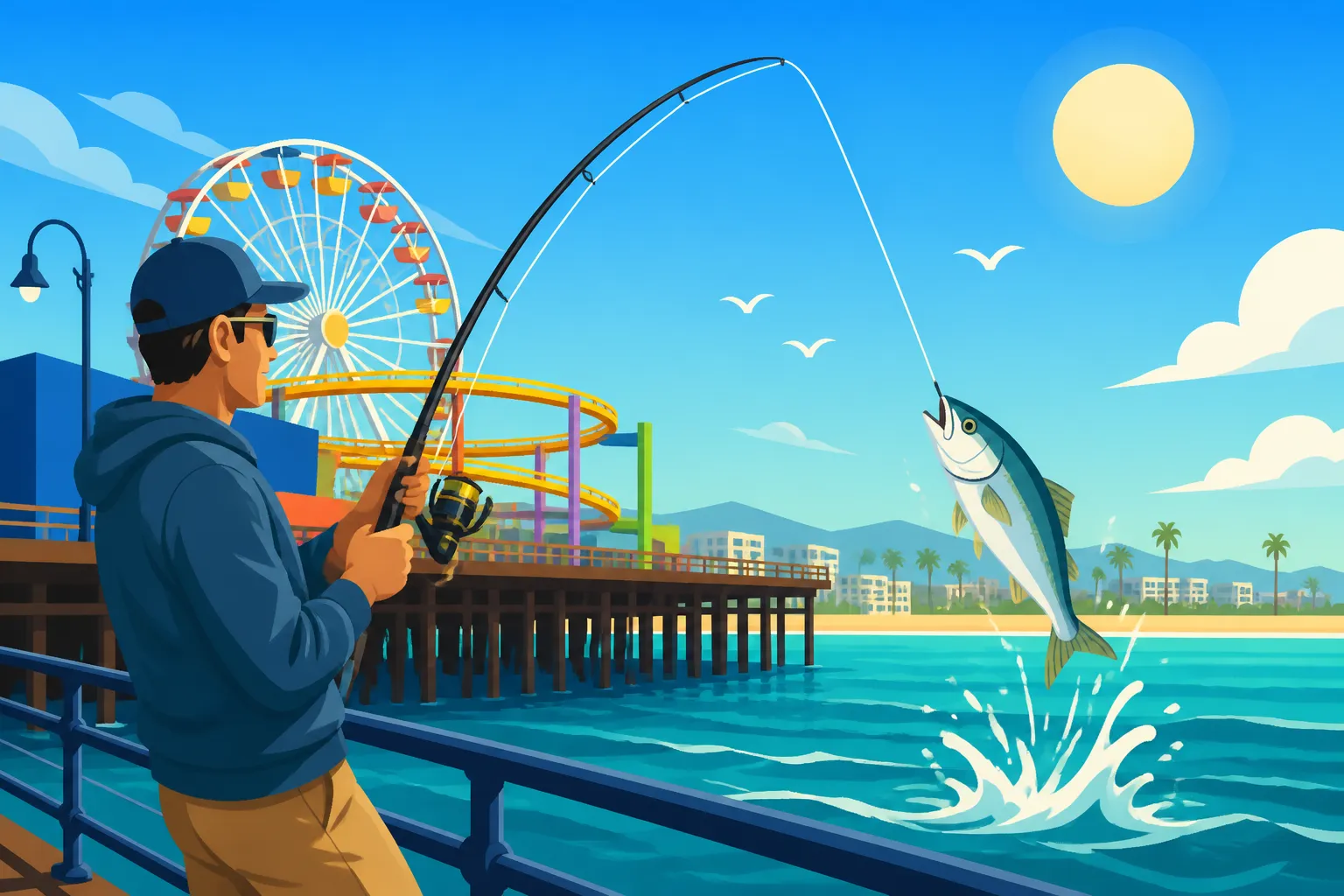
Santa Monica Pier Fishing Guide
There's nothing quite like the allure of casting a line into the Pacific Ocean, but let's be honest, figuring out where to go, what you can catch, and what rules apply can sometimes feel like a bigger challenge than actually reeling in a fish. For many aspiring anglers or those just looking for a relaxing day by the water in Southern California, the Santa Monica Pier often comes to mind. This guide is all about demystifying fishing at this iconic location, giving you all the practical advice you need for a successful and enjoyable outing.
What Makes Santa Monica Pier a Great Fishing Spot?
When you think of fishing, you might picture remote lakes or quiet riverbanks. But the Santa Monica Pier offers a completely different, yet equally rewarding, experience. It's a bustling hub of activity, sure, but it's also a surprisingly productive fishing location that holds a special place in the hearts of many local anglers.
Unbeatable Accessibility and Convenience
One of the biggest headaches when planning a fishing trip can be the logistics: parking, getting to the water's edge, and finding a spot that isn't too crowded. The Santa Monica Pier largely solves these issues. Located right at the end of Colorado Avenue, it's easily accessible by car, public transport, or even just a stroll from nearby areas. Parking can be found in several lots around the pier, though it can get pricey and fill up fast, especially on weekends and holidays. Getting onto the pier itself is a breeze, and its wide-open promenade provides ample space for anglers to set up their gear without feeling crammed. You don't need a boat, you don't need waders – just your rod, reel, and a sense of adventure. It's perfect for families, beginners, or anyone looking for an easy-entry point into California's diverse fishing scene.
A Haven for Diverse Marine Life
Don't let the urban setting fool you; the waters around the Santa Monica Pier are teeming with a surprising variety of marine life. The pier acts like an artificial reef, attracting baitfish that, in turn, draw in larger predatory species. The structure itself provides shelter and feeding grounds, making it a hotspot for many popular catches. From the shallower waters near the beach to the deeper sections at the end of the pier, different zones hold different species, offering a dynamic fishing experience. Whether you're targeting small panfish for fun or hoping to hook into something bigger, the pier provides an opportunity to encounter many of the common saltwater fish found along the Southern California coast.
No Fishing License Required
This is perhaps the single most attractive feature for many who want to try their hand at fishing without the commitment of purchasing a license. In California, you typically need a valid fishing license for most types of fishing. However, there's a fantastic exception: you do not need a license to fish from a public pier in California. This means you can simply show up with your gear and start fishing without worrying about permits or fees. This rule makes the Santa Monica Pier an incredibly inviting spot for tourists, spontaneous outings, or anyone looking for a low-cost way to enjoy the sport. Just remember, while you don't need a license, all other California fishing regulations explained, such as bag and size limits for specific species, still apply. Always be sure to check the latest rules from the California Department of Fish and Wildlife (CDFW) to stay compliant. If you decide to move beyond the pier and explore other areas, you'll definitely want to look into getting your California Fishing License Guide sorted out.
What Fish Can You Catch at Santa Monica Pier?
The beauty of pier fishing, especially at a spot like Santa Monica, is the sheer variety of fish you might encounter. It's not uncommon for anglers to pull in a handful of different species on any given day. While some fish are year-round residents, others are more seasonal, making every trip a little different.
Common Catches: The Usual Suspects
You'll find certain species that are almost always around, providing consistent action for anglers. These are your bread-and-butter fish at the pier, perfect for both beginners and experienced hands looking for a bite.
- Mackerel: Pacific Mackerel are incredibly common, especially when they're running in schools. They're fast, fun to catch, and make excellent bait for larger species. They often hit shiny lures or small pieces of bait.
- Surfperch: Various species of surfperch, including Barred Surfperch and Walleye Surfperch, patrol the pilings and sandy bottom. They're usually caught closer to shore or directly under the pier and respond well to small baits like pieces of shrimp or bloodworms.
- Croaker: Spotfin Croaker and Yellowfin Croaker are bottom dwellers often found around the pier. They can put up a decent fight and are usually targeted with cut bait on the bottom.
- Halibut: While not as common as the smaller species, California Halibut are definitely present and sought after. They tend to hang out near the bottom, often ambushing baitfish. Drift fishing with live anchovies or sardines is a popular and effective method for these prized flatfish. For more detailed insights, check out our guide on California Halibut Regulations and Limits.
- Leopard Sharks: These beautiful, harmless sharks are a frequent catch, especially at night. They're bottom feeders and can be quite strong, offering a thrilling fight. Squid, mackerel, or cut anchovies on a dropper loop rig are excellent choices for targeting them.
Seasonal Visitors: When to Target What
Beyond the year-round residents, the Santa Monica Pier sees a rotation of seasonal visitors, dictated by water temperature, bait availability, and migration patterns. Keeping an eye on these cycles can significantly increase your chances of targeting specific species.
- Bonito: These speedy, hard-fighting tuna relatives show up in warmer months, typically from late spring through fall. They're often caught on shiny Kastmasters or similar spoons cast out and reeled in quickly.
- Barracuda: Another warm-water visitor, barracuda are known for their aggressive strikes and sharp teeth. They'll readily hit lures, plastics, or live bait fished near the surface.
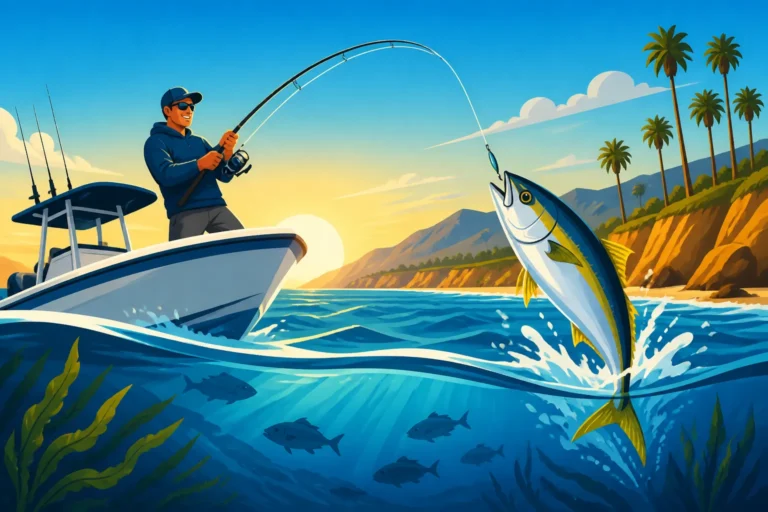
- Yellowtail: While less common than from a boat, during exceptionally warm water years, ambitious anglers occasionally hook into Yellowtail from the very end of the pier. This is a rare treat, often requiring specific techniques and live bait. Our comprehensive California Yellowtail Fishing Guide offers more insights into targeting these powerful fish.
- White Seabass: These elusive and highly prized fish sometimes make an appearance, particularly during squid runs. They can be incredibly challenging to catch from the pier but offer a huge reward if you manage to land one.
Knowing what's biting when can help you plan your trip. Online resources, local bait shops, and fishing forums are great places to get real-time fishing reports. Even a quick call to a tackle shop can give you the current scoop. FishingBooker, for instance, often has local captains and guides who post reports from nearby areas, giving you a general idea of what's active.
Table: Santa Monica Pier Fish Species & Best Times
Here's a quick reference for some of the most common fish species you might encounter at the Santa Monica Pier, along with the best times to target them.
| Fish Species | Best Season(s) | Preferred Baits/Lures | Notes |
|---|---|---|---|
| Pacific Mackerel | Year-round, best Summer-Fall | Sabiki rigs, small spoons, cut anchovies | Excellent baitfish, fun fighters. |
| Surfperch | Year-round, best Winter-Spring | Shrimp, bloodworms, sandworms, Gulp! plastics | Often found closer to the pilings. |
| Yellowfin Croaker | Year-round, best Summer-Fall | Cut squid, anchovy, lugworms | Bottom feeder, good fighters. |
| Spotfin Croaker | Year-round, best Summer-Fall | Cut squid, anchovy, lugworms | Larger cousin of Yellowfin. |
| California Halibut | Spring-Fall, especially during grunion runs | Live anchovies/sardines, swimbaits, jerkbaits | Prized flatfish, often near bottom. |
| Leopard Shark | Year-round, best Spring-Fall | Squid, mackerel, cut anchovies | More active at night, strong fighters. |
| Bonito | Late Spring-Early Fall | Small spoons (Kastmasters), surface irons | Fast and aggressive, great sportfish. |
| Barracuda | Summer-Early Fall | Live bait, plastics, jigs | Toothiest pier catch, use wire leader. |
Essential Gear and Techniques for Santa Monica Pier
You don't need a boatload of expensive equipment to fish from the Santa Monica Pier, but having the right gear and knowing a few fundamental techniques will dramatically improve your chances of success. It's about being prepared for what's typically biting and how they feed.
Recommended Rods, Reels, and Line
For general pier fishing, versatility is key. You'll want a setup that can handle smaller perch and mackerel but also has enough backbone to tackle a surprise halibut or leopard shark.
- Rods: A medium-action spinning rod, typically in the 7 to 9-foot range, is ideal. This length provides good casting distance without being too cumbersome in a crowded pier environment. Look for a rod with a sensitive tip to detect subtle bites but enough power in the butt section to fight larger fish. Brands like Ugly Stik or Penn Battle offer durable and affordable options that are perfect for this kind of saltwater abuse.
- Reels: Pair your rod with a reliable spinning reel in the 3000-5000 size range. This size offers a good balance of line capacity and drag power. Ensure it's saltwater-resistant to withstand the corrosive marine environment. A smooth drag system is crucial for fighting bigger fish without breaking your line.
- Line: Spool your reel with 15-20 lb monofilament or braided line. Braided line offers superior sensitivity and casting distance, and its thinner diameter means you can pack more on your spool. If using braid, a fluorocarbon leader of 20-30 lb test, about 2-3 feet long, is highly recommended. This provides abrasion resistance against pilings and is less visible to fish. If you're targeting specific heavy hitters like larger sharks or a big halibut, you might step up to 30-40 lb braid with a correspondingly heavier leader.
Baits and Lures That Get Bites
The fish at Santa Monica Pier aren't particularly picky, but some baits and lures consistently outperform others. Always try to match the natural forage when possible.
- Live Bait: This is often the undisputed king for larger predatory fish like halibut, barracuda, and even the occasional yellowtail. Live anchovies and sardines, when available, are deadly. You can often buy them from bait shops on or near the pier. Keep them lively in a bait bucket with an aerator.
- Cut Bait: For bottom feeders like croaker, leopard sharks, and larger perch, fresh cut bait is excellent. Squid is a perennial favorite, readily available, tough, and effective. Cut anchovy, mackerel, or even pieces of shrimp also work wonders. These can be purchased at local tackle shops or even many grocery stores.
- Artificial Lures:
- Sabiki Rigs: These multi-hook rigs with small, shiny flies are incredibly effective for catching baitfish like mackerel. Cast them out and jig them slowly. It’s a great way to catch your own fresh live bait for bigger game.
- Spoons/Jigs: Metal spoons like the venerable Kastmaster or MegaBait jigs are fantastic for bonito and mackerel. Cast them far and retrieve quickly to imitate a fleeing baitfish.
- Soft Plastics: Grub tails, swimbaits, and Gulp! Sandworms can be very effective for perch and smaller bottom fish. Fish them on a leadhead jig or a Carolina rig.
For anyone planning a more extensive fishing trip along the California coast, understanding the broader California Fishing Seasons: Month-by-Month Guide can help you decide which baits and lures are best for different times of the year and target species.
Effective Rigs for Pier Fishing
Having a few go-to rigs in your tackle box will cover most situations you'll encounter at the pier. Simplicity is often best.
- High-Low (Dropper Loop) Rig: This is probably the most popular and versatile pier rig. It consists of a sinker at the bottom and two hooks tied on dropper loops above it. This allows you to present two baits at different depths off the bottom, increasing your chances of a bite. It's excellent for croaker, perch, and small sharks.
- Carolina Rig: Ideal for halibut and other bottom-dwelling predators, this rig involves a sliding egg sinker above a swivel, followed by a leader (2-4 feet of fluorocarbon) and a single hook. The sliding sinker allows the fish to pick up the bait without feeling the weight, and the longer leader gives the bait a natural presentation. Use this with live bait or a large soft plastic grub.
- Fish Finder Rig: Similar to a Carolina rig but often used with a pyramid or Sputnik sinker that digs into the sand. This rig is great for fishing in current or when you want your bait to stay put on the bottom for species like leopard sharks or larger croaker. The main line runs through a slider, which then connects to a swivel, leader, and hook.
- Bobber/Float Rig: For fishing live bait (like a freshly caught mackerel) or dead bait near the surface for species like bonito or barracuda, a bobber rig is effective. Attach a large sliding bobber, a small weight, and a hook. This keeps your bait suspended at a desired depth.
It’s always a good idea to have a variety of hooks (sizes 2 to 4/0 are usually good), swivels, and sinkers (1-3 oz pyramid or egg sinkers) on hand. And don't forget pliers, a knife, and a rag – pier fishing can get messy!
Tips for a Successful Day Fishing the Santa Monica Pier
Fishing from a pier is a unique experience, blending urban hustle with the tranquility of the ocean. To make the most of your trip, a little planning and awareness go a long way.
Timing is Everything: Tides and Hours
Just like any fishing spot, the Santa Monica Pier's productivity is heavily influenced by the tides and time of day.
- Tides: The movement of water brings baitfish closer to the pier and activates predators. Generally, the hour leading up to and the hour following a tide change (especially an incoming or outgoing tide) are considered prime fishing times. The moving water stirs up the bottom, dislodging food, and creates currents that concentrate bait. Always check a local tide chart before you head out.
- Time of Day: Dawn and dusk are almost universally the best times to fish for many species. Low light conditions make predators more active and less wary. Early mornings can be incredibly peaceful before the pier gets crowded. Night fishing can also be highly productive, particularly for sharks and some croaker, but be mindful of pier closures and safety. During the day, particularly on bright, sunny afternoons, fishing can slow down, but there's still a chance to catch something, especially if you're targeting mackerel or perch.
Sometimes, the best strategy is simply to be persistent. The pier offers great fishing even during off-peak hours if you're patient and willing to try different techniques.
Understanding Regulations and Etiquette
While the "no license needed" rule is fantastic, it's not a free-for-all. Being a responsible angler means understanding and respecting the rules and your fellow fishermen.
- CDFW Regulations: Even without a license, all California Fishing Regulations Explained apply. This includes specific bag and size limits for various species. For example, California Halibut Size and Bag Limits are strictly enforced, and you don't want to get caught with an undersized fish. Keep a measuring tape handy! It's wise to download the current regulations booklet or have access to the CDFW website on your phone.
- Pier-Specific Rules: Some piers might have additional rules, such as restrictions on casting nets, specific types of bait, or where you can fish. Always look for signage around the pier. While the Santa Monica Pier is quite liberal, it's good practice to be aware.
- Angler Etiquette: The pier can get busy, so be considerate. Don't cast over other people's lines. If someone is fighting a fish, give them space. Clean up your trash, including discarded line and bait. A clean pier makes for a better experience for everyone. If you're using live bait, make sure your bait bucket isn't impeding pedestrian traffic. Being mindful of these small things ensures everyone has a pleasant day.
- Sharing the Space: Remember, the Santa Monica Pier is a multi-use facility. There will be tourists, families, street performers, and diners. Be aware of your surroundings, especially when casting. It's often best to cast parallel to the pier or ensure your backcast is clear.
Safety and Comfort Considerations
Your day at the pier should be enjoyable and safe. A little preparation goes a long way.
- Sun Protection: You're out in the elements for hours. Bring sunscreen, a hat, and sunglasses. Even on cloudy days, UV rays can be intense.
- Layers of Clothing: Coastal weather can change quickly. It might be foggy and cool in the morning, burning off to a warm afternoon, only to get breezy and chilly again at sunset. Layers are your friend.
- Food and Water: While the pier has plenty of food vendors, bringing your own snacks and water can save you money and ensure you stay hydrated.
- Essentials: Don't forget your fishing pliers (for hook removal and cutting line), a towel or rag, a cooler with ice for your catch (if you plan to keep fish), and a small tackle box or bag to keep your gear organized.
- Footwear: Wear comfortable, non-slip shoes. The pier deck can sometimes be wet or slick.
- First Aid: A small personal first-aid kit with band-aids and antiseptic wipes is always a good idea for minor cuts from hooks or fins.
- Observation: Spend a little time observing other anglers. See what they're catching, what baits they're using, and where they're casting. You can learn a lot from simply watching. You might even strike up a conversation and get some insider tips. Websites like FishingBooker can also provide insights from local guides who frequent these areas, offering general best practices for pier fishing.
Fishing the Santa Monica Pier is a fantastic way to experience the California coast, offering a chance to catch a variety of fish in a lively, iconic setting. With the right preparation, a little patience, and respect for the environment and others, you're sure to have a memorable day on the water.
Disclaimer
Please remember that fishing regulations, seasons, and fish populations can change. Always consult the latest California Department of Fish and Wildlife (CDFW) regulations before heading out to fish. The information provided in this guide is for general informational purposes only and should not be considered legal or professional advice.