Best Delta Spots for Striped Bass
If you've ever tried to chase striped bass in the vast, intricate labyrinth that is the California Delta, you know it can feel like trying to find a specific grain of sand on a sprawling beach. It's a huge system, constantly changing with the tides, seasons, and freshwater flows, and what was a hot spot last week might be a ghost town today. This guide is designed to cut through that confusion, giving you the lowdown on the best Delta spots to consistently find those hard-fighting stripers, along with the knowledge you need to fish them effectively.
Understanding the California Delta for Striped Bass
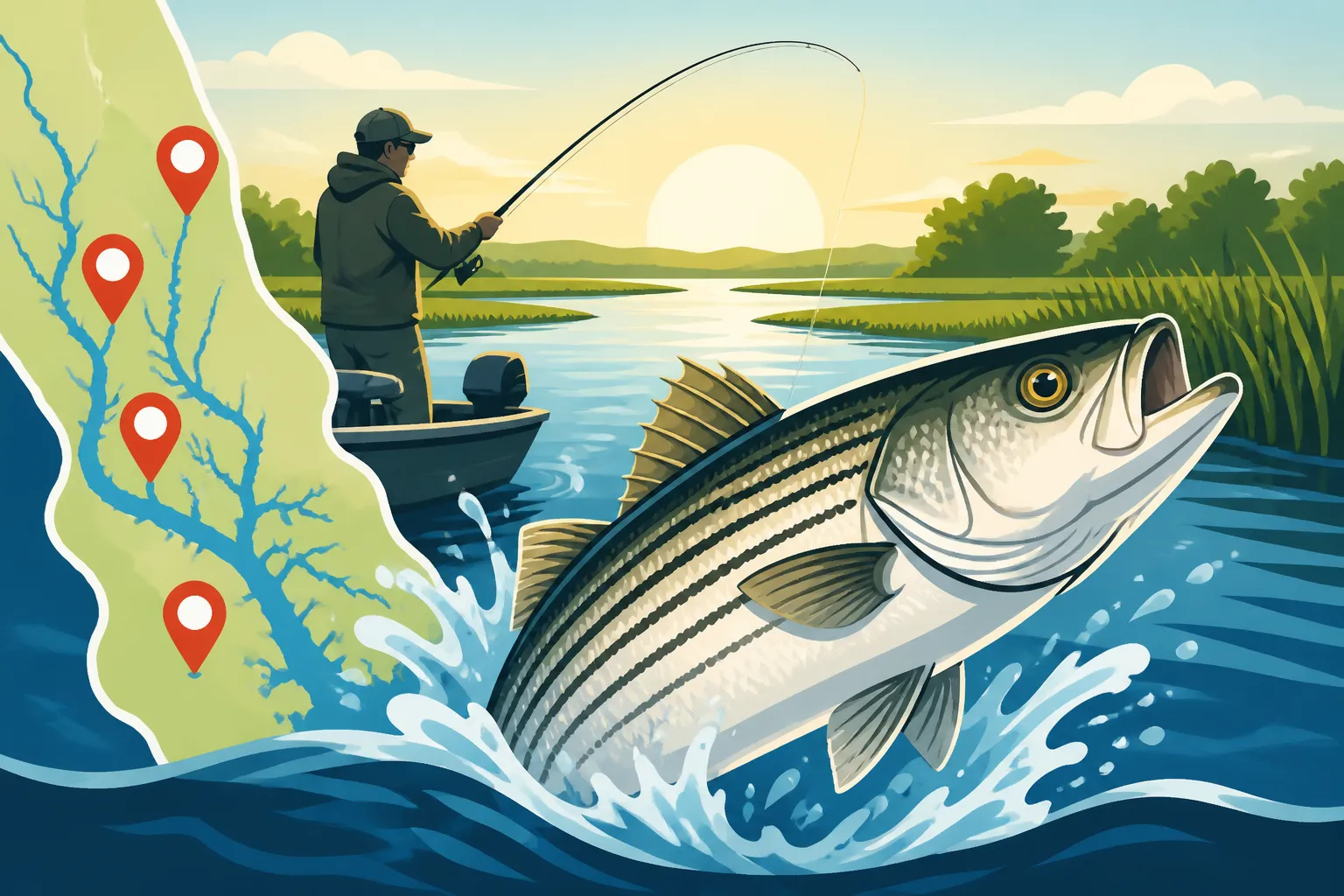
The California Delta, officially known as the Sacramento-San Joaquin River Delta, is an ecological marvel and a true angler's paradise, especially for striped bass. This vast network of sloughs, channels, and islands is where the Sacramento and San Joaquin Rivers meet, creating a unique brackish environment that stripers absolutely thrive in. But understanding its nuances is key to consistent success.
Why the Delta is a Striped Bass Haven
Striped bass are anadromous fish, meaning they spend most of their lives in saltwater but migrate to freshwater to spawn. The Delta provides the perfect conduit for this, acting as both a migratory highway and a year-round pantry. The sheer volume of water and the incredible diversity of habitats – from shallow flats and tule-lined banks to deep river channels and submerged structure – offer stripers everything they need. They've got abundant baitfish like threadfin shad, hitch, and various minnows, plus crayfish and other invertebrates, keeping them well-fed and growing to impressive sizes.
What truly sets the Delta apart is its confluence of freshwater and saltwater. The stripers move between the saltier bays and the freshwater rivers based on spawning cycles, water temperature, and food availability. This constant movement means there's almost always a population of stripers somewhere in the Delta system, you just need to know where to intercept them. It's not just a place they pass through; it's a vital part of their life cycle and a primary feeding ground, making it one of the most productive fisheries for stripers on the West Coast.
Seasonal Movements and Patterns
Understanding the seasonal migration of striped bass in the Delta is arguably the most crucial piece of the puzzle. Their movements are dictated largely by their spawning urge and the availability of food. Generally, the spring brings the most significant push of stripers into the freshwater reaches for spawning, while summer and fall see them spread out to feed aggressively, and winter can be a bit more challenging but still productive if you know where to look.
In spring (March to May), the big push is upriver towards spawning grounds in the Sacramento and San Joaquin rivers and their tributaries. You'll find them congregating in areas like Verona on the Sacramento River or near Stockton on the San Joaquin. As water temperatures rise, they'll become more active, moving into shallower areas to chase bait. By summer (June to August), post-spawn fish are often found throughout the central and western Delta, actively feeding in calmer, oxygenated waters, often seeking shade or deeper holes during the heat of the day. They'll readily hit topwater lures in the mornings and evenings. Fall (September to November) is a spectacular time, often considered prime time by many anglers, as stripers gorge themselves in preparation for winter. They can be found almost anywhere, from the sloughs to the main channels, aggressively feeding on schools of baitfish. Winter (December to February) fishing can be tougher, but fish congregate in deeper holes and channels, often near structure, and can be caught with slower presentations like jigging or soaking bait. Knowing these patterns, as detailed in our guide on the Best Times to Fish in California, will give you a significant advantage.
Top Delta Hotspots for Striped Bass
The California Delta is massive, sprawling over 1,100 square miles with over 1,000 miles of waterways. Trying to pinpoint the "best" spot without any guidance can be overwhelming. However, based on years of experience and countless hours on the water, certain regions and specific areas consistently hold good numbers of striped bass throughout different seasons. Let's break down some of the most reliable locations.
The West Delta: Suisun Bay to Antioch
The western part of the Delta, from the expansive Suisun Bay eastward towards Antioch and Pittsburg, is heavily influenced by tidal flow and saltwater intrusion. This area often holds a good number of resident stripers year-round, along with migratory fish moving in and out of the ocean. It’s characterized by wider channels, open bays, and significant current.
Areas like Honker Bay and Grizzly Bay within Suisun Bay are fantastic for trolling and bait fishing, especially for larger fish. The deep channels near Pittsburg and Antioch, particularly around the power plant discharges, can be winter havens where stripers stack up to take advantage of warmer water. When fishing these areas, look for current breaks, submerged humps, and the mouths of smaller sloughs that empty into the main channels. Trolling with various plugs and swimbaits is a very popular and effective method here, especially using heavier gear to get down to where the fish are holding in stronger currents. For those looking to hire local expertise, fishing charters and guides operating out of Pittsburg or Antioch often specialize in these western Delta waters and can offer invaluable insights into the daily patterns. If you're considering a guided trip, platforms like FishingBooker list many experienced captains in this region who can put you on the fish.
The Central Delta: Stockton and Franks Tract
Moving eastward, the central Delta is arguably the most iconic and frequently fished area for striped bass. This region, centered around Stockton, Isleton, and the popular Franks Tract, is a maze of interconnected sloughs, flooded islands, and submerged weed beds, offering diverse habitats for stripers. The waters here tend to be less salty and are a major feeding ground for post-spawn and resident fish.
Franks Tract is a legendary spot for a reason. This massive flooded island is dotted with submerged islands, weed lines, and shallow flats, making it perfect for both bait and lure fishing. Early mornings in the summer are prime for topwater blowups along the tules and weed edges. Mildred Island, another flooded tract nearby, offers similar opportunities. The main San Joaquin River channel and its connecting sloughs around Stockton and Mandeville Island are excellent for drifting live bait like shad or anchovies, or for casting large swimbaits and deep-diving crankbaits. The constant flow from the rivers keeps oxygen levels high and baitfish moving, attracting hungry stripers. The sheer size of this area means you can spend days exploring, but focusing on confluence points, levee breaks, and areas with submerged structure will yield the best results. Many anglers also find success here by slowly trolling deeper diving lures through the main channels.
The North Delta: Sacramento and Feather River Confluence
The northern Delta, dominated by the influence of the Sacramento River and its major tributaries like the Feather and American Rivers, is primarily a freshwater zone. This region becomes incredibly important during the spring spawning run and can hold excellent numbers of stripers throughout the fall as they migrate and feed.
Key areas here include the stretch of the Sacramento River from Verona downstream to Freeport. Verona, in particular, is a historic hotspot during the spring run, where stripers stage before moving further up the Feather and Yuba rivers to spawn. Anglers line the banks and boats drift live bait or cast jigs and swimbaits to intercept these migrating fish. The confluence of the Feather and Sacramento Rivers is another prime location, creating current breaks and eddies that stripers love to ambush bait from. Further south, the main Sacramento River channel near Rio Vista and Isleton also holds significant numbers of stripers, especially in the fall. These deeper channels often require heavier tackle and jigs or trolling techniques to reach fish holding in the stronger currents. Look for areas where feeder creeks or drains empty into the main river, as these can concentrate baitfish and, consequently, stripers. Understanding the California Freshwater Fishing Regulations is especially important when fishing these river systems to ensure you're compliant with any specific rules for these critical spawning areas.
Essential Techniques and Tackle for Delta Stripers
Catching striped bass in the Delta isn't just about finding the right spot; it's also about using the right tools and techniques. These fish can be finicky, adapting to different feeding patterns based on water conditions, time of year, and bait availability. Having a versatile approach will significantly increase your success rate.
Lures and Baits That Get Bites
Striped bass are opportunistic predators, and their diet in the Delta is varied, so a range of lures and baits can be effective. When it comes to lures, large swimbaits, both hard-bodied and soft plastic, are incredibly popular. Brands like G-Funk Baits or Delta Tackle often make swimbaits specifically designed for the Delta's conditions, mimicking the local baitfish. Topwater lures, such as poppers and walk-the-dog style baits, are thrillingly effective during low-light conditions, especially in the central Delta's calmer waters. Remember to match the hatch; if you see stripers busting on small shad, downsize your lure. If they're hitting larger baitfish, throw something substantial. Crankbaits and lipless crankbaits that can dive to different depths are also essential, particularly when trolling or searching for fish in deeper channels.
Natural bait, however, often proves irresistible. Live bait, such as threadfin shad, hitch, or even large minnows, is highly effective, especially when fished on a Carolina rig or under a slip bobber in current breaks. Cut bait, like anchovies, sardines, or even pieces of shad, can also be deadly, particularly when soaking on the bottom in deeper holes. Pile worms and ghost shrimp, though more common for surf fishing, can occasionally entice Delta stripers, especially in the western, more brackish areas. Experimentation is key; sometimes, what they ignored yesterday, they'll devour today. If you're booking a guide through a service like FishingBooker, they will often provide the most effective baits for the current conditions.
Rods, Reels, and Line Recommendations
For Delta striped bass, you're generally looking for medium-heavy to heavy tackle, capable of handling powerful fish and casting substantial lures or weights. A good all-around spinning rod would be a 7 to 8-foot medium-heavy fast-action rod, paired with a 4000-6000 size reel. For baitcasting, a 7 to 7.5-foot medium-heavy rod with a sturdy baitcasting reel is perfect for throwing larger swimbaits and jigs. The longer rods give you better casting distance and leverage when fighting fish in heavy current or around structure.
When it comes to line, braided line is almost universally preferred for its sensitivity, strength, and lack of stretch. A 30 to 50-pound braided main line is standard. You'll typically want to tie on a fluorocarbon leader of 20 to 40 pounds, as it's nearly invisible underwater and more abrasion-resistant, crucial for fishing around submerged snags. For specific techniques, like heavy trolling, you might opt for even heavier setups, but the described gear will cover most scenarios you'll encounter. Always check your knots and leaders regularly, as these powerful fish can quickly fray your line against rocks or sharp structures. Don't forget, a California Fishing License Guide is essential before you even think about gearing up!
| Delta Region | Primary Seasons | Recommended Techniques | Key Bait/Lures | Notes |
|---|---|---|---|---|
| West Delta | Year-round, Fall | Trolling, Bait Fishing | Plugs, Swimbaits, Anchovies | Tidal influence, deeper channels, good for bigger fish. |
| (Suisun Bay, Pittsburg, Antioch) | ||||
| Central Delta | Spring, Summer, Fall | Topwater, Swimbait, Drifting Bait | Poppers, Shad, Crankbaits | Flooded islands, weed beds, active feeding, diverse habitats. |
| (Franks Tract, Mildred Island, Stockton) | ||||
| North Delta | Spring, Fall | Jigging, Live Bait Drifting | Jigs, Shad, Swimbaits | Spawning runs, freshwater influence, current breaks near confluences. |
| (Verona, Feather River, Freeport) |
Navigating the Delta Like a Pro
Fishing the Delta isn't just about knowing where the fish are; it's about understanding the dynamic environment that influences their behavior. Tides, currents, and water clarity play monumental roles, and knowing how to read them can turn a slow day into a memorable one. For many, especially those new to this complex system, finding a local expert can be a game-changer.
Tides, Currents, and Water Clarity
The Delta is a tidal fishery, even far inland. The twice-daily ebb and flow of the tide push water and baitfish, creating current breaks and eddies where stripers love to stage and ambush prey. Generally, the moving water – both incoming and outgoing tides – is when stripers are most active. Slack tide can be slow. Learning to read the tide charts for your specific area of the Delta is crucial. For instance, an outgoing tide might pull baitfish out of sloughs, concentrating stripers at the mouths, while an incoming tide could push bait upriver, signaling a good time to target river bends. Our article on California Striped Bass Run Explained delves deeper into these migratory patterns influenced by environmental factors.
Water clarity is another huge factor. After heavy rains, the Delta can become muddy and unfishable in some areas. Stripers are sight feeders, so clear or slightly stained water is usually best. However, they can adapt to murkier conditions by relying on their lateral line to detect vibrations. In stained water, consider using louder, more rattling lures or fishing with natural bait. Conversely, in crystal clear water, stealth and realistic presentations become even more important. Paying attention to these subtle environmental cues can drastically improve your odds, allowing you to adapt your approach on the fly.
Finding a Great Charter or Guide
If you're new to the Delta, or just want to maximize your chances of success without the steep learning curve, booking a local fishing guide is an invaluable investment. Delta guides spend hundreds of days a year on the water; they live and breathe these fishing conditions. They know the subtle nuances of tides, water clarity, and where the baitfish are concentrated, often having real-time information on where the stripers are biting. They also have all the necessary gear, bait, and most importantly, the knowledge to navigate this complex waterway safely and effectively. Our comprehensive guide on California Fishing Charters: Complete Guide and specific advice on How to Choose a California Fishing Guide can help you find the perfect match.
Booking through reputable services like FishingBooker can connect you with experienced, licensed captains who specialize in Delta striped bass. They can provide insights into current hotspots, the best techniques for the day, and even share local history and conservation efforts. Many guides offer half-day or full-day trips, catering to all skill levels, from beginners to seasoned anglers looking for that trophy fish. They'll know the best places to fish for Striped Bass in California depending on the season, even adapting to specific California Fishing Seasons: Month-by-Month Guide predictions. It's not just about catching fish; it's about learning the intricacies of this incredible fishery from someone who knows it intimately.
Disclaimer
The information provided in this guide is for general informational purposes only. Fishing regulations in California can change frequently. Always consult the latest California Fishing Regulations Explained booklet or the California Department of Fish and Wildlife (CDFW) website before heading out. It is your responsibility to understand and adhere to all current licensing requirements, bag limits, size limits, and gear restrictions. Fishing involves inherent risks, and safety precautions should always be observed.