Best Spots to Fish in Monterey Bay
Monterey Bay, with its stunning beauty and incredible biodiversity, often presents a delightful dilemma for anglers: where do you even begin? It’s a vast, rich marine sanctuary, and trying to pinpoint the "best" fishing spots can feel like searching for a needle in a kelp forest. This guide is here to cut through the confusion and highlight the most productive and accessible places to cast your line, whether you're a seasoned pro with your own boat or a beginner hoping to catch dinner from the shore.
Understanding Monterey Bay's Unique Fishing Landscape
Before we dive into specific locations, it's crucial to appreciate what makes Monterey Bay such a phenomenal fishing destination. It's not just a pretty stretch of coastline; it's a complex underwater world, home to one of the most significant marine ecosystems on the planet. This understanding will help you not only find the fish but also appreciate the delicate balance of this vibrant environment.
The Deep Canyon's Influence
Right under the surface of Monterey Bay lies an incredible geological feature: the Monterey Canyon. This underwater canyon rivals the Grand Canyon in scale, plunging to depths of over two miles. This isn't just a fun fact; it's a massive factor in why the fishing here is so exceptional. The canyon acts like a massive conveyor belt, funneling nutrient-rich cold water from the deep ocean up towards the shallower parts of the bay.
This upwelling creates a constant supply of food – plankton, krill, and baitfish – which in turn attracts a huge array of larger fish species. Think about it: where there's food, there are feeders. This unique topography means that species typically found far offshore in deep waters, like certain tuna species or even whales, can be found much closer to shore, making them accessible to a wider range of anglers. It’s a natural magnet for marine life, driving a food chain that supports everything from tiny anchovies to massive bluefin tuna, and ultimately, your next big catch.
Diverse Habitats and Marine Life
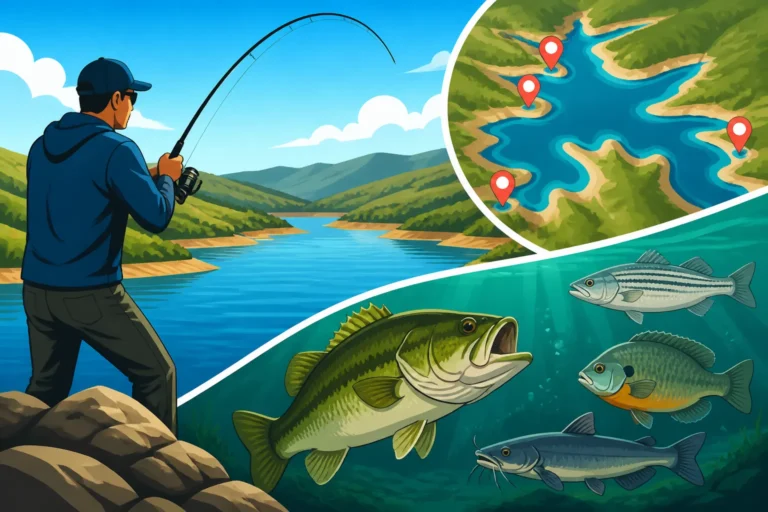
Monterey Bay isn't just deep water; it boasts an incredible variety of habitats that cater to different species. You’ve got rocky reefs, sandy bottoms, expansive kelp forests, and open pelagic waters, all within a relatively short distance. Each of these habitats provides shelter and sustenance for specific types of fish, meaning you can often switch up your target species simply by moving a short distance.
For instance, the dense kelp forests, particularly along the Big Sur coastline and closer to Santa Cruz, are nurseries and feeding grounds for rockfish, lingcod, and various bass species like calico bass. These underwater jungles provide perfect ambush points and plenty of cover. Then you have the sandy flats, which are prime hunting grounds for California halibut and various surfperch. Move offshore, and you're entering the domain of pelagic species like tuna, yellowtail, and dorado, which roam the open ocean currents. This incredible diversity means there's always something biting somewhere, regardless of the season or your preferred fishing method. Understanding these micro-habitats helps you select the right gear and techniques, making your fishing experience much more productive.
Top Piers and Shoreline Spots for Easy Access Fishing
Not everyone has a boat, and honestly, you don't always need one to have a fantastic fishing day in Monterey Bay. The bay offers several excellent, easily accessible spots where you can cast a line from shore or a pier. These are perfect for a casual outing, a family trip, or just when you want to enjoy the fresh sea air without the hassle of launching a boat. Remember, while fishing from public piers in California generally doesn't require a fishing license, you still need to adhere to all other California Fishing Regulations Explained regarding bag limits and seasons.
Monterey Wharf 2 and Santa Cruz Wharf
These two iconic structures are more than just tourist attractions; they are fishing powerhouses.
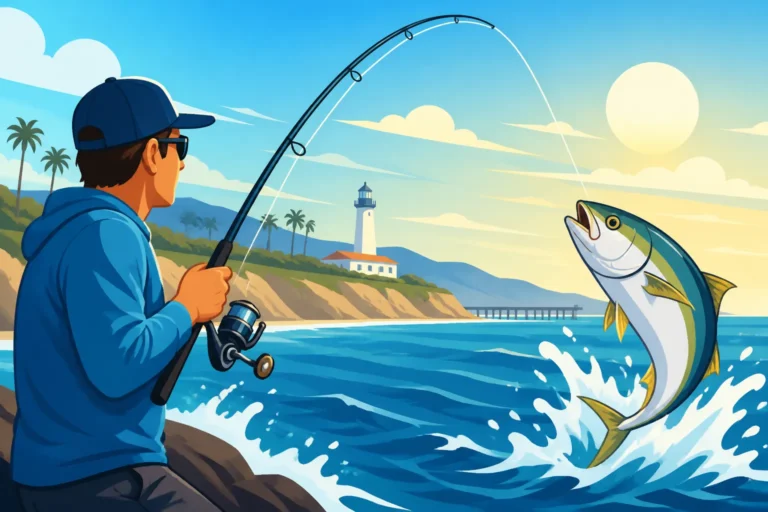
Monterey Municipal Wharf 2: This is the working wharf, distinct from the tourist-heavy Old Fisherman's Wharf. It’s bustling with commercial fishing boats, which often means there's plenty of discarded bait and fish scraps attracting smaller species right to the pilings. You can walk out onto the pier and find a spot easily. It’s a fantastic place for catching mackerel, jacksmelt, sardines, and even squid at night, especially during certain seasons. Larger fish like halibut and leopard sharks are also caught here regularly. The key is to use light tackle for the smaller baitfish and a sturdier setup for the bigger bottom dwellers. Don't forget to check the Fishing from a Pier in California: Rules before you go, as regulations can change.
- Tips for Wharf 2: Early mornings or late evenings are often best to avoid crowds. Use Sabiki rigs for baitfish, or simple high-low rigs with squid, anchovies, or cut bait for larger fish. Keep an eye out for local anglers; they're often a great source of up-to-date information.
Santa Cruz Municipal Wharf: Stretching out into the Pacific, the Santa Cruz Wharf offers incredible opportunities. It’s generally a bit longer and often feels less crowded for fishing than Monterey’s Wharf 2, at least in certain sections. Here, you'll find a similar array of species: mackerel, perch, lingcod, and halibut are common catches. The deeper water at the end of the wharf can also yield rockfish and even the occasional white seabass. The sheer length of the wharf gives you access to various depths and currents, increasing your chances.
- Tips for Santa Cruz Wharf: Pay attention to the tides. A moving tide brings in bait and creates currents that fish like to feed in. Many anglers here use squid or anchovies on a dropper loop rig. If you're targeting perch, try using Gulp! sandworms or small pieces of shrimp near the pilings. It’s a great spot for families, and you can usually rent gear or buy bait right on the pier.
Accessible Beaches and Jetties
Beyond the main wharves, Monterey Bay boasts numerous beaches and jetties that offer fantastic surf fishing and shore angling opportunities. These spots provide a different kind of challenge and reward, often requiring a bit more patience but offering the tranquility of fishing directly from the sand.
Capitola Beach and Pier: While Capitola has a pier, the beach itself is also excellent for surfperch. The sandy bottom here is ideal for throwing out a Carolina rig with Gulp! sandworms or pieces of clam. The protected nature of the bay often means calmer surf, making it more approachable for beginners. You might even hook into a small halibut if you're lucky.
- Tips for Capitola: Fish the troughs and depressions in the sand, as these are where perch congregate to feed. Early mornings are often best, especially on an incoming tide.
Marina State Beach / Fort Ord Dunes State Park: This expansive stretch of beach offers some of the best surf fishing in the area. The consistent waves and sandy bottom create perfect habitat for barred surfperch and even some small leopard sharks. This is where you can really hone your surfcasting skills.
- Tips for Marina/Fort Ord: Use a long surf rod (10-12 feet) to cast beyond the breaking waves. A pyramid sinker will help your bait stay put. Look for rips, holes, and areas where the waves are breaking differently – these indicate structure or feeding zones. Sand crabs, bloodworms, or Gulp! sandworms are all excellent bait options here.
Moss Landing Jetties: Located at the mouth of Elkhorn Slough, the jetties at Moss Landing are a fantastic, often overlooked spot. The jetties provide rocky structure that attracts various species. From the jetties, you can target rockfish, lingcod, and even some striped bass that venture into the bay. Inside the harbor, you can find a calmer environment for perch and small sharks.
- Tips for Moss Landing: Be mindful of the currents here, especially near the mouth of the slough. Use heavy enough weights to hold bottom. For rockfish, try leadhead jigs with plastic grubs or pieces of squid. Inside the harbor, use light tackle and small baits for perch. Remember that specific areas might be part of California Marine Protected Areas Explained, so always check regulations.
Prime Boat Fishing Locations within the Bay
For those with access to a boat, Monterey Bay truly opens up, offering an incredible array of fishing experiences, from shallow-water kelp bed adventures to deep-sea big game pursuits. This is where the true diversity of the bay shines, allowing you to chase a multitude of species. If you don't have your own vessel, don't worry – there are plenty of excellent charters available, and you can often find and book them through platforms like FishingBooker.
Nearshore Kelp Beds and Reefs
The vibrant kelp forests and rocky reefs that hug the coastline of Monterey Bay are absolute magnets for a wide variety of fish. These underwater ecosystems are bustling with life, providing both food and shelter, making them prime targets for anglers.
Cannery Row to Pacific Grove: This stretch of coastline is renowned for its incredible kelp beds and rocky structure. These areas are fantastic for targeting rockfish (like vermilion, copper, and blue rockfish), lingcod, and various cabezon. Jigging with metal jigs or fishing with bait (squid, anchovies) on a dropper loop rig are highly effective methods here. The key is to position your boat near the edge of the kelp or over rocky pinnacles, drifting slowly with the current. This allows you to cover ground and find active schools. Remember, California Rockfish Depth Restrictions are a serious consideration, so always know the current regulations for the area you're fishing.
- Tactics for Kelp Beds: Use a medium-heavy rod with 30-50 lb braid. Jigs like the Ahi Assault Diamond Jigs or P-Line Laser Minnows are great. For bait, use fresh squid or anchovies on a 2/0 to 4/0 hook, just above a heavy sinker. Be prepared for snags; it's part of fishing in the kelp! A fish finder will be invaluable here to locate structure and bait balls.
Outside Moss Landing (North and South Jetties): The areas just outside the Moss Landing jetties, particularly the underwater structure and ledges that extend seaward, are excellent for rockfish and lingcod. The nutrients flowing out of Elkhorn Slough also attract a lot of bait, bringing in larger predators. This area can also be good for halibut, especially on the sandy patches surrounding the rocky outcroppings. Drifting live bait, like anchovies or sardines, is a killer technique here for halibut.
- Tactics for Moss Landing: Pay attention to the tides, as strong currents can make fishing challenging. A good anchor or precise boat positioning with a trolling motor is often needed. For lingcod, try larger swimbaits on heavy jig heads or a whole dead mackerel rigged to swim naturally. For halibut, a live anchovy on a sliding sinker rig fished on the bottom is hard to beat.
Offshore Grounds for Pelagic Species
When conditions are right, and the offshore waters of Monterey Bay come alive, it's an angler's paradise for pelagic species. This is where you chase the powerful, fast-moving fish that make for exhilarating fights and often delicious meals.
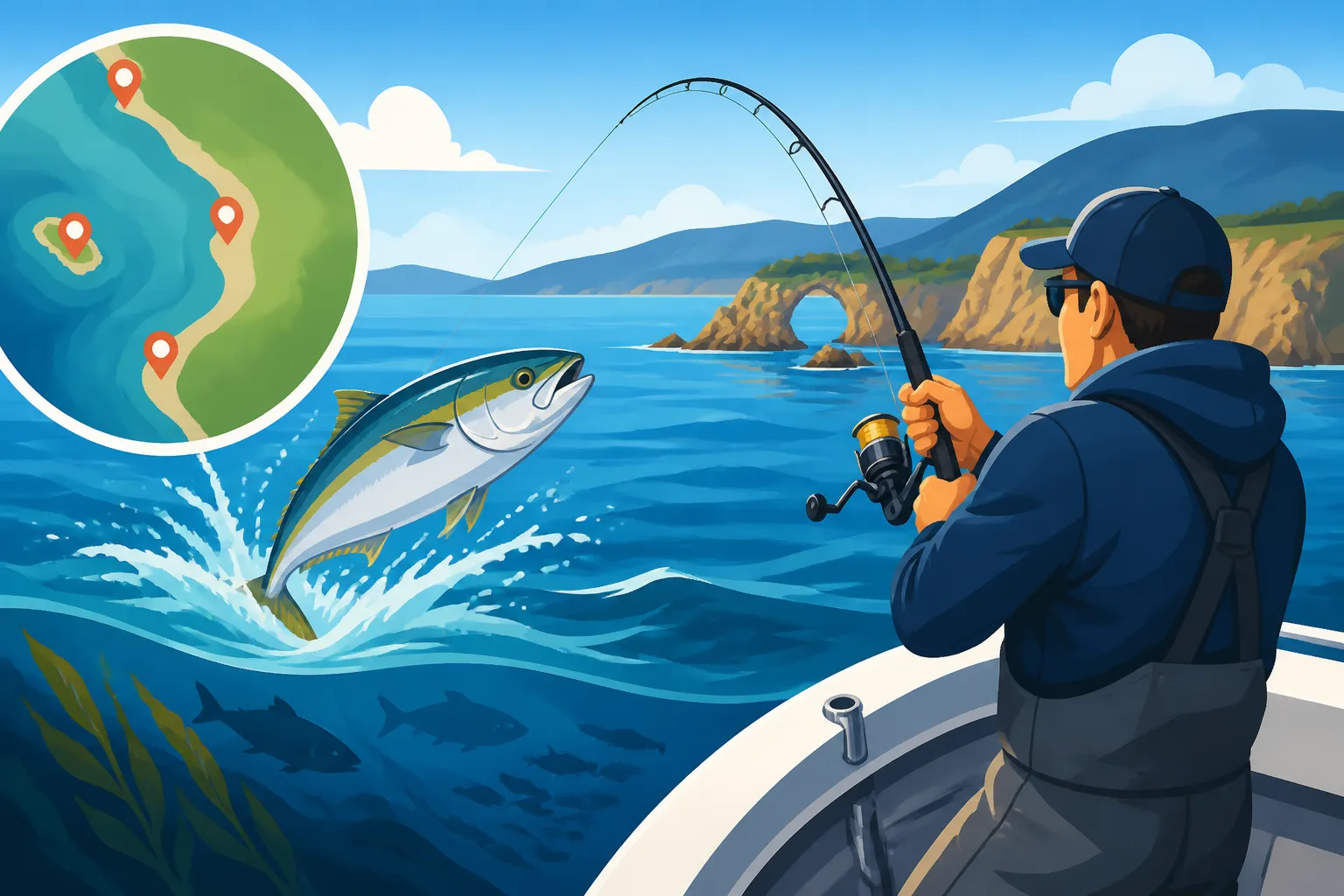
The Canyon Edges and Seamounts: The edges of the Monterey Canyon, as well as various underwater seamounts and pinnacles (like the 60/60 bank or the "canyons mouth"), are prime hunting grounds for tuna (bluefin, yellowfin, albacore depending on the year), yellowtail, and even dorado when warmer waters push up from the south. These areas are characterized by sharp depth changes and upwellings that bring bait to the surface, attracting these predatory fish. Trolling with lures, kite fishing, or chunking with cut bait are common strategies.
- Tactics for Offshore: This is where a good sonar and GPS are indispensable. Look for bird activity (especially diving birds), bait balls on your fish finder, and temperature breaks. Trolling with Rapala X-Raps, Nomad Designs Streaker, or cedar plugs can cover a lot of water. If you find a school, switch to live bait or jigging with vertical jigs. For a successful trip, consider booking a California Deep Sea Fishing Charter Guide to learn the ropes from experienced captains. Many charters operating out of Monterey and Santa Cruz specialize in these trips.
Nearshore Trolling Lanes for Salmon: While salmon fishing can be highly variable year-to-year due to regulations and runs, when the season is open, Monterey Bay is a world-class salmon destination. The deeper waters closer to the canyon and outside the main bay mouth are often productive. Trolling with flashers and hoochies or bait (like anchovies or herring) behind a dodger is the standard approach. Keep a close eye on California Salmon Season Dates Explained as they can change annually.
- Tactics for Salmon: Downriggers are essential for getting your lures or bait down to the desired depth, which can vary from 50 to 200 feet or more. Keep your speed consistent, usually between 2-3 mph. Look for schools of bait on your sonar, as salmon will be nearby.
Seasonal Considerations and Target Species for Monterey Bay Fishing
One of the great joys of fishing in Monterey Bay is its year-round potential. However, what you catch and how you catch it will largely depend on the season. The bay's dynamic ecosystem means different species become active or migrate through at different times of the year. Being aware of these patterns will greatly improve your success rate.
Spring and Summer Opportunities
As the waters warm and the days lengthen, spring and summer truly bring Monterey Bay to life. This is often peak season for many popular species, making it a favorite time for local and visiting anglers alike.
Rockfish and Lingcod Bonanza: Spring, typically starting around April or May, sees a surge in rockfish and lingcod activity. As the ocean conditions stabilize and baitfish become more abundant, these bottom dwellers become aggressive feeders. This is an excellent time for targeting them in the kelp beds and rocky reefs, both from boats and from the deeper sections of the piers. How to Catch Rockfish in California and How to Catch Lingcod in California are skills you'll definitely want to sharpen during this period.
- Spring/Summer Strategy: Focus on vertical jigging or bait fishing with squid or anchovies. The bite can be furious on sunny, calm days. Many party boats and charters, which you can easily find through FishingBooker, will be running daily trips for these species, especially out of ports like Monterey and Santa Cruz. These vessels often have experienced crews who know the current hotspots.
Halibut and White Seabass on the Move: As summer fully kicks in, usually from June through September, California halibut become a prime target. They move into shallower sandy areas, bays, and around structure to feed. Drifting with live anchovies or sardines is incredibly effective for halibut. Similarly, white seabass, a highly prized game fish, can make appearances, especially around kelp beds and structure where squid are present. Their elusive nature makes them a true trophy catch. For comprehensive tips, check out How to Catch California Halibut in California and How to Catch White Seabass in California.
- Summer Strategy: For halibut, slow drifts over sandy flats are key. For white seabass, look for squid schools – where there's squid, there's a good chance of seabass. Fishing at night can also be very productive for these larger, more nocturnal predators.
Pelagic Push: If conditions are right with warmer currents, summer can also bring in the pelagic species like bluefin tuna, yellowfin tuna, and yellowtail. This is more of an offshore boat game, requiring longer runs and specialized gear. These trips are highly dependent on water temperature and bait availability, so it's always wise to check current fishing reports before heading out.
Fall and Winter Fishing Highlights
While some species slow down, fall and winter in Monterey Bay offer unique and often less crowded fishing experiences. The cooler waters can actually invigorate certain fish, and the scenery is just as breathtaking.
Striped Bass and Surfperch: Fall, particularly from September through November, sees increased activity for striped bass, especially in the river mouths and estuaries feeding into the bay, and along the surf zones. They're often chasing baitfish before the cold truly sets in. This is also a fantastic time for surfperch, which can be found in good numbers along sandy beaches as they prepare for their spawning season.
- Fall/Winter Strategy: For stripers, artificial lures like swimbaits and topwater plugs can be effective, as can live bait like anchovies or sardines. For surfperch, continue using small baits like sand crabs, Gulp! sandworms, or pieces of shrimp. Fishing after a storm can often stir up bait and trigger a bite.
Lingcod and Larger Rockfish: As winter deepens, the bigger lingcod and some of the larger rockfish species become more active. They're often found in deeper waters around reefs and rocky structure. The cooler temperatures make them less pressured and sometimes more aggressive, especially on days with good weather windows. Best Season for Rockfish in California often extends into the late fall and early winter.
- Winter Strategy: Fishing with heavy jigs or large swimbaits that imitate baitfish can yield impressive results. Bottom fishing with sturdy gear and fresh dead bait (mackerel, squid) can also attract some monster lingcod. These trips can be challenging due to weather, but the rewards can be substantial.
Here’s a quick overview of key species, where to find them, and best seasons:
| Species | Primary Habitat | Best Fishing Methods | Peak Seasons | Notes |
|---|---|---|---|---|
| Rockfish | Kelp Beds, Rocky Reefs | Jigging, Bait Fishing | Spring, Summer, Fall | Always check depth restrictions! |
| Lingcod | Rocky Reefs, Structure | Jigs, Live/Dead Bait, Swimbaits | Spring, Fall, Winter | Known for aggressive bites. |
| California Halibut | Sandy Flats, Bays | Drifting Live Bait, Artificials | Summer, Early Fall | Often found near structures. |
| Barred Surfperch | Sandy Beaches | Surf Fishing with Bait | Spring, Summer, Fall, Winter | Excellent year-round shore fishing. |
| Mackerel / Sardines | Piers, Open Water | Sabiki Rigs, Light Tackle | Year-round (Seasonal Flux) | Great for bait or light tackle fun. |
| Striped Bass | River Mouths, Surf Zone | Lures, Live Bait | Fall, Spring | Can be challenging to target. |
| White Seabass | Kelp Beds, Structure | Live Squid, Lures | Summer | Highly prized, often nocturnal. |
| Tuna (Bluefin/Yellowfin/Albacore) | Offshore Canyon Edges | Trolling, Jigging, Kite Fishing | Summer, Early Fall (variable yearly) | Requires long-range boats and expertise. |
Ultimately, fishing in Monterey Bay is an ever-evolving adventure. The marine environment is dynamic, and fish movements are influenced by countless factors. The best approach is to stay informed, check current fishing reports, and be willing to adapt your strategies. Whether you're dropping a line from a bustling pier or venturing out onto the deep blue, Monterey Bay offers a fishing experience unlike any other.
Disclaimer
The information provided in this guide is for general informational purposes only. Fishing regulations, seasons, and limits are subject to change by the California Department of Fish and Wildlife (CDFW). Always consult the latest official CDFW regulations booklet or website before heading out on any fishing trip. Adherence to all local, state, and federal laws is the sole responsibility of the angler.