California Fishing in August: What to Catch
Oh, August in California! It’s that tricky month, isn't it? On one hand, the weather is gorgeous, the kids are out of school, and vacation mode is in full swing. On the other, the heat can be intense, the crowds can be thick, and fishing can sometimes feel like a real puzzle. But don't let those warmer temps fool you; August offers some truly incredible opportunities if you know where to look and what to target. This guide is all about helping you cut through the summer haze and find those biting fish, from the deep blue ocean to our shimmering freshwater lakes and rivers.
Understanding August's Unique Fishing Conditions in California
August isn't just "summer fishing"; it's late summer, and that brings a distinct set of conditions that directly impact fish behavior and, consequently, our fishing success. Knowing these nuances is key to turning a slow day into a memorable one.
Water Temperatures and Their Impact
By August, California's waters, both fresh and salt, have usually reached their peak warmth for the year. This isn't necessarily a bad thing, but it changes the game.
In our freshwater lakes and reservoirs, the surface water can get downright toasty, often pushing fish deeper in search of cooler, more oxygenated water. This means your usual shallow-water tactics for bass or trout might need an adjustment. Fish become more lethargic during the midday heat, and their metabolism slows down, making them less inclined to chase a fast-moving lure. You'll often find them congregating near thermoclines, which are layers of water where the temperature changes rapidly. Understanding where these thermoclines are can be a game-changer. For example, if you’re fishing a deep reservoir like Lake Shasta, you might need to target depths of 20-40 feet or more, focusing on points, ledges, and submerged structures where cooler water might upwell or fish can find refuge. This is why techniques like dropshotting or deep cranking become so effective.
Out on the big blue, the story is a bit different but equally impactful. Coastal waters in August still experience significant upwelling, especially in areas like Monterey Bay and along the Central Coast. This upwelling brings nutrient-rich, cooler water from the depths to the surface, creating vibrant ecosystems that attract baitfish and, in turn, larger predatory species. However, farther offshore, especially off Southern California, the water can be quite warm, which is precisely what attracts those desirable pelagic species like tuna and dorado. These warmer offshore currents bring in bait like anchovies and sardines, triggering incredible feeding frenzies. The difference in water temperature between inshore and offshore, and even between different depth layers, dictates where certain species will be found and how actively they’ll be feeding. Keeping an eye on sea surface temperature charts before you head out can give you a massive advantage.
Seasonal Patterns and Species Behavior
August fish are definitely on a summer schedule. For many species, the spring spawn is long over, and they’re now in full-on feeding mode, trying to fatten up before the cooler temperatures of fall and winter set in.
In freshwater, this often means fish are more scattered than during the spawn, but they can be found predictably around certain structures during prime feeding windows. Bass, for instance, will often follow baitfish schools into deeper water, setting up ambush points on main lake points, submerged humps, or deep timber. They'll also feed heavily during low-light conditions – think early mornings, late evenings, and even night fishing, especially for species like Striped Bass in the California Delta or Catfish in many of our large reservoirs. The increased recreational boat traffic during the day can also push fish into less disturbed areas or deeper water, making those quieter times even more productive. If you're planning a trip, be sure to check out our guide on how to read fishing reports to get the latest intel on where the fish are biting.
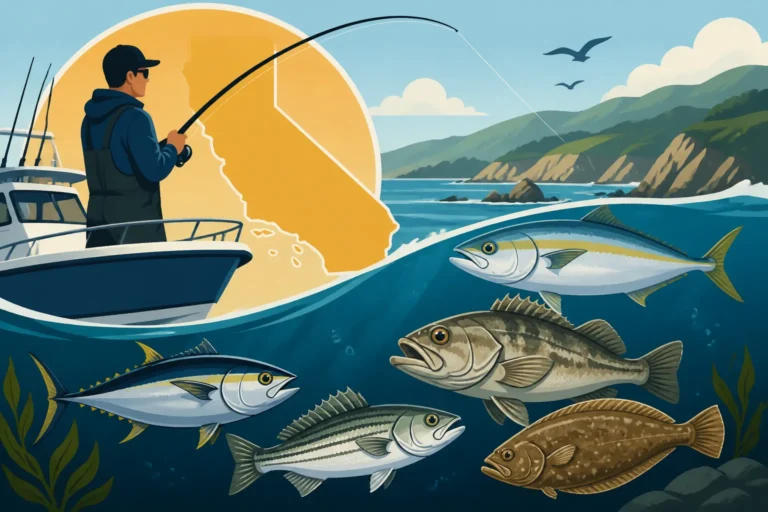
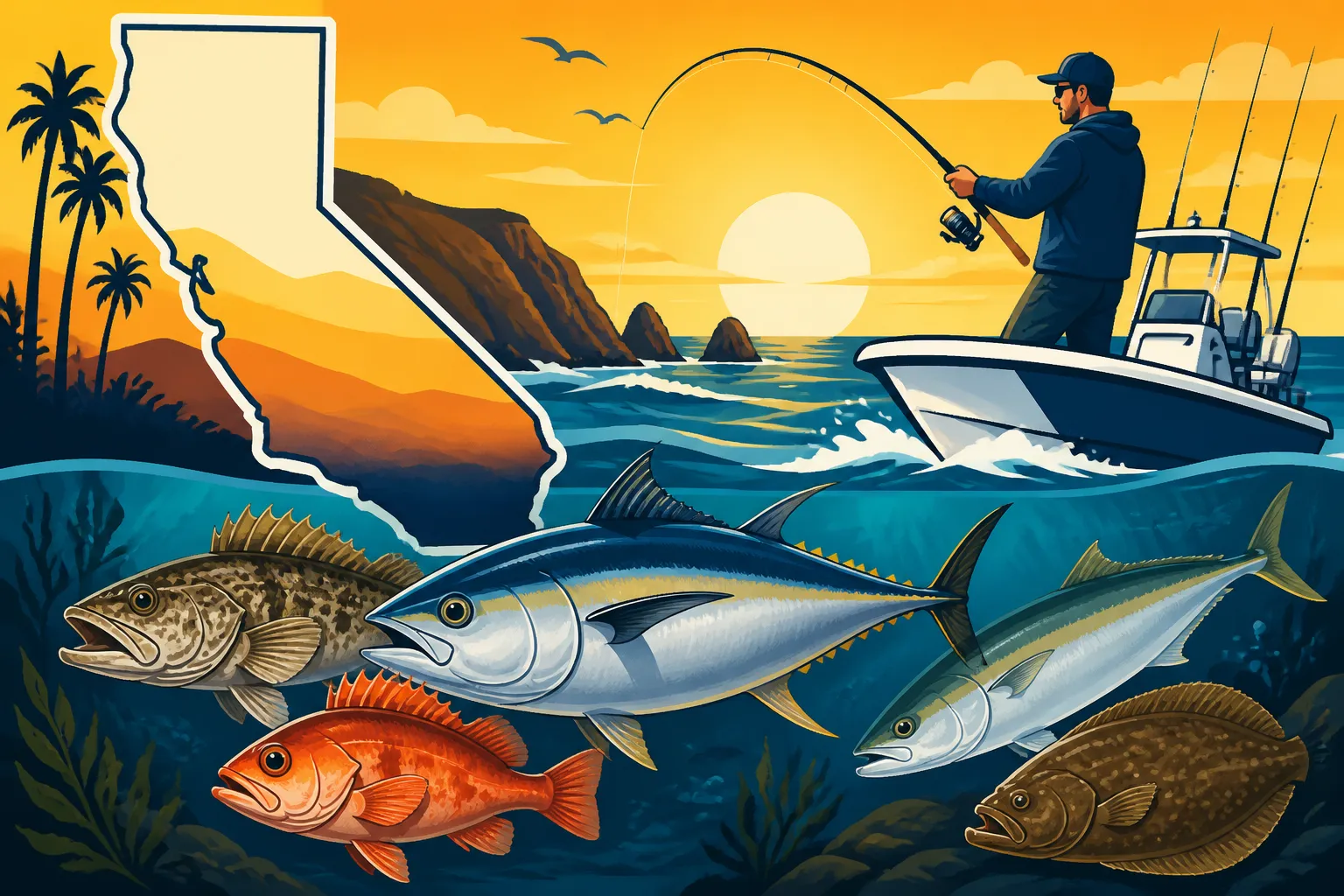
For saltwater anglers, August is prime time for chasing pelagics. The warm offshore currents that flow up from Baja California bring Yellowtail, Dorado (Mahi-Mahi), and the highly sought-after Bluefin Tuna closer to shore, sometimes within day-trip range of ports like San Diego, Dana Point, and Long Beach. These species are highly migratory and their presence is directly tied to the availability of bait and favorable water conditions. Inshore, species like California Halibut and Calico Bass are still active, often holding near kelp beds, rockpiles, and sandy bottoms. Surf fishing for species like Corbina and various Perch is also excellent, especially on incoming tides when these fish move into the shallows to feed on sand crabs. The longer daylight hours mean more time on the water, but it also means planning your trips around the tides and the sun's position for optimal success.
Top Fish Species to Target in California During August
Alright, let's get down to the exciting part: what can you actually catch in California's waters in August? The diversity is truly astounding, offering something for every type of angler.
Saltwater Sensations
August is arguably the pinnacle for saltwater fishing in California, especially if you're chasing the bigger, faster species offshore.
Pelagic Species: The Offshore Thrill
- Bluefin Tuna: This is often the target species for many Southern California anglers in August. These powerful, fast-swimming fish can range from "footsball" size to absolute giants over 200 pounds. They follow vast schools of baitfish, often found far offshore. While historically a Southern California phenomenon, in recent years, they've been pushing further north, occasionally within striking distance of the Central Coast. Targeting these fish usually means long runs on a party boat or private charter. Techniques include heavy jigging (yo-yo jigs), kite fishing with live bait, or slow-trolling bigger baits like mackerel. If you're keen on chasing these giants, our guide on how to catch Bluefin Tuna off California is a must-read.
- Yellowtail: Known for their incredible fighting power, Yellowtail are another highly desirable species in August. They can be found in various locations, from offshore banks and islands (like the Channel Islands) to kelp beds closer to shore. Live bait, especially sardines and mackerel, is king for yellowtail. They respond well to fly-lining baits around kelp paddies or jigging iron over structure.
- Dorado (Mahi-Mahi): These vibrant, acrobatic fish are a true treat, both to catch and to eat. They are typically found in warmer, clear offshore waters, often congregating around kelp paddies or other floating debris. Dorado are aggressive feeders and will readily hit trolled lures or live bait. Their iridescent colors make them an absolute beauty to behold.
Nearshore and Bay Species: Close to Home Adventures
- California Halibut: August continues to be a fantastic month for halibut in bays, estuaries, and along sandy beaches. These flatfish are ambush predators, often burying themselves in the sand and waiting for unsuspecting baitfish. Drifting live anchovies or sardines, or slow-trolling with spoons or swimbaits, are highly effective methods. Look for them in areas with current and structure, such as the San Francisco Bay or Morro Bay. You can dive deeper into specific tactics with our California Halibut fishing guide.
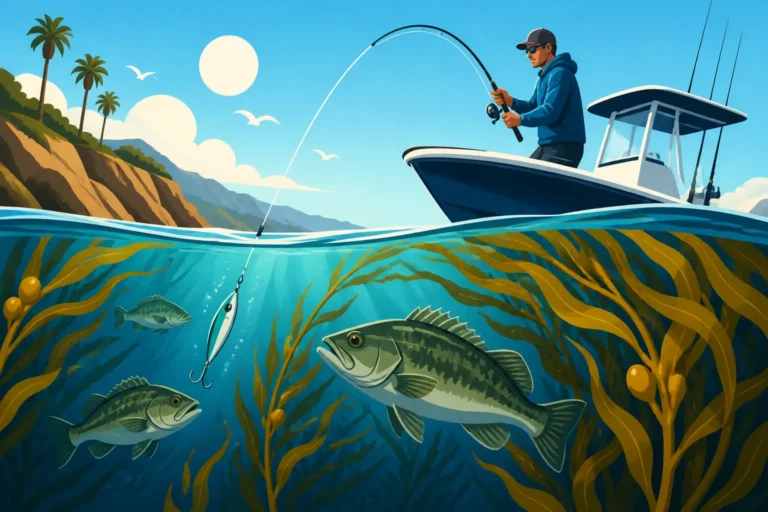
- Calico Bass (Kelp Bass): If you love light-tackle action, calico bass fishing is stellar in August. These fish are synonymous with California's kelp forests. They are aggressive, hard-fighting, and incredibly fun on light tackle. Fishing plastics (like swimbaits or grub-tails) or live bait (squid or anchovies) among the kelp strands is the name of the game. You'll find them thriving along the rocky coastlines from San Diego all the way up to parts of the Central Coast.
- Leopard Shark: For something a bit different, leopard sharks are abundant in many of California's bays and estuaries during August. They offer a strong fight and are relatively easy to target from shore or a small boat. Cut bait (like squid or mackerel) fished on the bottom is usually all it takes. Just remember, these are catch-and-release only in many areas, so handle them with care.
- Striped Bass: While the Delta is their stronghold, you can also find Stripers in certain bays, especially the San Francisco Bay. They are active predators that will chase baitfish schools. Trolling, casting swimbaits, or bait fishing with anchovies or bloodworms can be very productive.
- Surf Fishing (Corbina, Perch): Don't forget the incredible surf fishing opportunities! August's warm water brings Corbina closer to shore, and various species of Surfperch are also plentiful. Targeting these fish with small hooks and fresh sand crabs (Corbina) or Gulp! sandworms (Perch) can provide steady action right from the beach.
Freshwater Favorites
Despite the summer heat, many freshwater species remain highly active, though their habits might shift to cooler parts of the day or deeper sections of their habitat.
Warmwater Species: Heat Seekers and Night Owls
- Largemouth Bass: While they might move deeper during the midday sun, Largemouth Bass are still aggressively feeding. Early mornings and late evenings are prime times for topwater action or shallow cranking. During the day, focus on fishing deeper structure—points, humps, ledges, and submerged trees—with jigs, dropshots, or deep-diving crankbaits. Legendary bass lakes like Clear Lake, Lake Castaic, and Diamond Valley Lake can offer incredible action. For more specific tactics, check out our California Bass Fishing Techniques guide.
- Smallmouth Bass & Spotted Bass: Similar to largemouths, these species will also seek deeper, cooler water during August. Smallmouths in lakes like Lake Shasta or Spotted Bass in Lake Oroville will often relate to rocky structure, points, and bluff walls. Dropshots, tube baits, and small jigs are excellent choices.
- Striped Bass (Inland): Beyond the Delta, many large reservoirs like San Luis Reservoir and Lake Havasu hold healthy populations of Striped Bass. These fish will school up and chase baitfish, often creating explosive surface boils early in the morning or late in the evening. Trolling with umbrella rigs, casting swimbaits, or live baiting with shad can be highly effective.
- Catfish: August is absolutely prime time for Catfish! Whether it's Channel Catfish, Blue Catfish, or White Catfish, they love warm water and are very active, especially during twilight hours and well into the night. Fishing with stink baits, cut bait, or even chicken livers on the bottom of almost any major reservoir or river will usually result in action.
Coolwater Species: High-Country Escapes
- Trout (Rainbow, Brown, Brook, Lake): While lowland trout streams can get too warm for consistent fishing, August is the perfect month to escape to the higher elevations. The Eastern Sierra offers an abundance of pristine alpine lakes and mountain streams where trout thrive in the cooler waters. Lakes like Crowley Lake or those accessible via a hike-in in the John Muir Wilderness provide incredible opportunities for fly fishing or throwing small spinners and spoons. Even some deeper, larger lakes like Lake Tahoe can still offer good Lake Trout (Mackinaw) fishing by targeting deep water with downriggers. Don't forget to review the specific regulations for different waterways, as some have special gear restrictions or catch-and-release rules. Our California Trout Fishing Techniques guide has more details.
August is a month of extremes, but with the right approach, it can yield some of the most diverse and exciting fishing experiences California has to offer.
Effective Techniques and Gear for August Angling
Success in August fishing often comes down to adapting your tactics to the warmer water and specific behaviors of the fish. Being versatile and prepared is key.
Saltwater Strategies That Deliver
For our ocean-bound adventures, mastering a few key techniques can make all the difference, especially when chasing those elusive pelagic species.
- Live Bait is King: This cannot be stressed enough, especially for Bluefin Tuna, Yellowtail, and Dorado. Sardines and anchovies are the go-to baits. Whether you're fly-lining a live sardine for a yellowtail under a kelp paddy or slow-trolling a bigger mackerel for a giant bluefin, having a good live bait tank is crucial. Many party boats have excellent live bait wells, but if you're on a private boat, make sure your system is up to par. For yellowtail, particularly, a well-presented live bait on a strong but discreet fluorocarbon leader will often outfish anything else.
- Jigging Action: Jigs come in various forms and are incredibly effective.
- Yo-Yo Jigging: This involves dropping a heavy, metallic jig (often brightly colored) straight to the bottom and then retrieving it rapidly with a "yo-yo" motion. This technique is fantastic for deep-holding Yellowtail and Rockfish. You'll need stout tackle for this, as the strikes can be brutal.
- Surface Iron/Lures: For active fish feeding on the surface, casting and retrieving a surface iron jig can be explosive. This requires precision casting and a swift retrieve to make the lure "swim" enticingly.
- Knife Jigs: These slender, often heavy jigs are great for vertical jigging in deeper water, especially for Bluefin Tuna or Lingcod. The erratic flutter on the drop and retrieve can trigger aggressive bites.
- Trolling: This is a tried-and-true method for covering ground and finding migratory pelagic species. Whether it's trolling large lures for Bluefin Tuna and Dorado or smaller spoons for bonito, having multiple lines out at varying depths and distances can increase your chances of finding a hot bite. GPS and fish finders are invaluable for identifying temperature breaks and bait concentrations. Remember to always keep an eye out for bird activity, which often signals feeding fish below! Our guide on California Offshore Fishing Techniques provides even more detail.
Freshwater Tactics for Summer Success
Inland, beating the August heat and finding active fish requires a more nuanced approach, often focusing on depth and low-light conditions.
- Deep Water Presentations: As fish push deeper, your lures need to follow.
- Dropshotting: This finesse technique is deadly for bass and trout holding in deep water. It allows you to present a small bait precisely at the fish's depth, keeping it suspended off the bottom.
- Carolina Rig: Similar to a dropshot but designed to drag a bait along the bottom, the Carolina Rig is excellent for covering ground on deep flats and points, targeting bass.
- Deep Cranking/Jigging: Deep-diving crankbaits can reach impressive depths, effectively targeting active bass schools. Heavy jigs or spoons can also be worked vertically over deep structure for bass or even kokanee salmon.
- Early Morning/Late Evening Topwater: Don't abandon your surface lures entirely! During the first hour of daylight and the last hour before dark, when temperatures are cooler and light levels are low, many species, especially Largemouth Bass, will move shallower to feed. Poppers, walking baits, and buzzbaits can produce some exhilarating strikes.
- Targeting Shade and Cover: During the heat of the day, fish will seek refuge in any available shade. Look for deep weed lines, submerged timber, rock ledges, bridge pilings, or even docks. Presenting your bait right into these shaded areas can often entice a strike from otherwise lethargic fish.
- Night Fishing: For species like Catfish and even some Striped Bass and Largemouth Bass, night fishing in August can be incredibly productive. The water cools, boat traffic disappears, and fish often become much more active and less wary. Using glow-in-the-dark lures or light sticks attached to your line can help you track your bait.
Essential Gear for Summer Fishing
Beyond the specific lures and techniques, having the right general gear will make your August fishing trips much more comfortable and successful.
- Sun Protection: This is paramount. Long-sleeved UPF shirts, wide-brimmed hats, polarized sunglasses, and plenty of reef-safe sunscreen are non-negotiable. The California sun in August is intense, and sunburn can ruin a trip.
- Hydration: Bring more water than you think you'll need. Dehydration is a real risk. Electrolyte drinks can also be very helpful, especially on long offshore trips. Consider a quality cooler to keep your drinks and any caught fish properly chilled.
- Appropriate Tackle: Make sure your rods, reels, and line are suited for your target species. For heavy offshore tuna, you'll need heavy conventional gear, 80-100 lb braid, and strong leaders. For light-tackle calico bass or finesse bass fishing, lighter spinning gear is more appropriate. Always check your knots and inspect your line for abrasions regularly. If you need to stock up on gear or replenish your tackle box with fresh line or lures, you can find a huge selection on Amazon with quick delivery.
- Cooler and Ice: For keeping your catch fresh. Nothing is worse than catching a beautiful fish only for it to spoil in the heat. Pack plenty of ice!
- First Aid Kit: Basic first aid, especially for cuts, scrapes, and seasickness medication (if heading offshore), is always a good idea. Brands like Dramamine or Bonine are great for preventing seasickness.
- Fishing License: Double-check your California fishing license to ensure it's current. If you're planning a multi-day trip or anticipate several outings through the season, an annual license is often the most cost-effective option, and it's super easy to get online or from a local agent.
Here's a quick summary table of August fishing targets and tactics:
| Species | Primary Location | Key Techniques | Recommended Bait/Lure | Notes |
|---|---|---|---|---|
| Bluefin Tuna | Offshore Southern CA, Coronado Isl. | Live Bait, Jigging, Trolling | Live Sardines/Mackerel, Knife Jigs, Surface Iron, Cedar Plugs | Heavy tackle needed, often long runs, check reports daily |
| Yellowtail | Offshore banks, Islands, Kelp paddies | Live Bait, Yo-Yo Jigging, Surface Iron | Live Sardines/Mackerel, Colt Snipers, Salas Jigs | Strong fighters, target structure & paddies, active in warm water |
| Dorado (Mahi-Mahi) | Warm offshore water, Kelp paddies | Trolling, Live Bait, Casting | Trolled Lures, Live Sardines, Cedar Plugs, Small Jigs | Beautiful fish, often found under floating debris |
| California Halibut | Bays, Estuaries, Sandy Beaches | Drifting, Slow Trolling, Cast & Retrieve | Live Anchovies/Sardines, Swimbaits, Spoons, Grub Tails | Ambush predators, target current breaks |
| Calico Bass | Kelp Forests, Rocky Shorelines | Plastics, Live Bait, Surface Lures | Swimbaits, Grub Tails, Spinnerbaits, Live Squid/Anchovies | Excellent light tackle action, aggressive, structure-oriented |
| Largemouth Bass | Lakes, Reservoirs, Delta | Deep Presentations, Topwater (AM/PM) | Jigs, Dropshots, Deep Crankbaits, Topwater Poppers | Seek deeper water midday, active in low light |
| Striped Bass | California Delta, Reservoirs, Bays | Trolling, Casting, Bait Fishing | Swimbaits, Umbrella Rigs, Live Shad, Anchovies, Cut Bait | Strong current breaks and structure, especially tidal areas |
| Catfish | Lakes, Rivers, Delta | Bottom Fishing | Stink Baits, Cut Bait, Chicken Livers, Worms | Highly active at night in warm water |
| Trout | High-Elevation Lakes & Streams | Fly Fishing, Spin Fishing, Drifting | Dry Flies, Nymphs, Spinners, Spoons, PowerBait | Cooler water is key, check local stocking reports & regulations |
| Corbina/Surfperch | Sandy Beaches | Surf Fishing, Carolina Rig | Sand Crabs, Gulp! Sandworms, Shrimp, Bloodworms | Excellent from shore, best on incoming tides, light tackle fun |
Where the Bites Are Best: Top August Fishing Locales
Knowing what to catch is great, but knowing where to go is the real secret sauce, especially in a state as geographically diverse as California.
Coastal Hotspots
California's coastline offers endless opportunities in August, from chartering a boat to fishing right from the sand.
- Southern California Offshore: If tuna, yellowtail, and dorado are on your list, your best bet is to launch from ports like San Diego (check out landings like Point Loma Sportfishing or H&M Landing), Oceanside, Dana Point, Long Beach, or Marina del Rey. These locations have a robust fleet of party boats and private charters that specialize in offshore trips. The fish tend to follow the warm water currents that extend up from Baja, so southern ports usually have the shortest run to the action. These trips can range from half-day excursions targeting local yellowtail and calicos to overnight or even multi-day trips chasing bluefin far offshore. Booking a California fishing charter is often the most effective way to access these prime offshore grounds.
- Central Coast Bays and Nearshore: Areas like Monterey Bay, Morro Bay, and Half Moon Bay continue to offer excellent opportunities for rockfish, lingcod, and halibut. While the pelagic action isn't as consistent as down south, these spots shine for bottom fishing and nearshore sport. Charter boats run daily trips for rockfish, often combining them with a shot at lingcod. The piers in these areas, like the Santa Cruz Wharf or Morro Bay Pier, can also be productive for various bottom fish and even mackerel or squid at night.
- Northern California Estuaries and Coastline: The San Francisco Bay remains a major hotspot for Striped Bass and California Halibut in August. Drifting live bait or trolling swimbaits are top methods. Piers like Berkeley Pier and Pacifica Pier can yield diverse catches from perch to leopard sharks. Further north, the coastal rivers and bays continue to produce. Just be mindful of specific regulations for salmon, which can be closed in many areas during August to protect spawning runs. For current information on salmon seasons, always check official CDFW sources.
Inland Lakes and Rivers
Don't underestimate the freshwater scene in August. While the heat is a factor, strategic fishing can lead to fantastic catches.
- The California Delta: This vast network of waterways is an August powerhouse, especially for Striped Bass, Largemouth Bass, and Catfish. The tidal influence here means currents are constantly moving, often pushing baitfish into predictable ambush points for stripers. For largemouth, target deeper structure like submerged tule berms, current seams, and shaded docks. Night fishing for catfish in the Delta is legendary. Our comprehensive California Delta Fishing Guide offers a deep dive into this amazing fishery.
- Large Reservoirs for Bass and Stripers:
- Clear Lake: Known for its trophy Largemouth Bass, Clear Lake in August means targeting deeper weed lines and offshore humps, often with plastics or jigs. Early morning topwater can still be explosive.
- Lake Shasta: A versatile fishery, Shasta offers excellent Largemouth and Smallmouth Bass fishing, with fish often holding on rocky points and ledges. It's also a great spot for trout and kokanee, which will be deeper.
- Castaic Lake: Another Southern California gem for big Largemouth Bass and Striped Bass. August means focusing on deeper water for both species. Live bait for stripers can be incredibly effective here.
- Diamond Valley Lake: This reservoir boasts trophy-sized Largemouth Bass and plentiful Striped Bass. Its deep, clear waters mean fish will be holding deep during the day, so heavy dropshots and deep cranks are essential.
- High-Elevation Trout Lakes: For a truly refreshing fishing experience away from the heat, head to the Eastern Sierra. Lakes like Mammoth Lakes Basin, June Lake Loop, and the countless alpine lakes accessible via hiking trails offer pristine trout fishing. Rainbows, Browns, and Brook Trout thrive in these cool, oxygen-rich waters. Small spinners, flies (dry flies, nymphs), and even PowerBait can be effective. Crowley Lake is a well-known spot, but there are countless smaller, secluded lakes that offer solitude and excellent fishing. Always check with local tackle shops for the most up-to-date conditions and specific hotspots.
No matter your preference, California in August truly offers a smorgasbord of fishing opportunities. Just remember to pack smart, fish hard, and stay hydrated!
Disclaimer
Fishing regulations can change frequently. Always consult the official California Department of Fish and Wildlife (CDFW) regulations booklet or their website before heading out to fish. This guide provides general information and recommendations but does not replace official regulations. Be aware of bag limits, size limits, and seasonal closures for specific species and locations.