Best California Charters for First-Timers
Stepping into the vast and vibrant world of California fishing can feel incredibly overwhelming, especially when you're just starting out. Between deciphering complex regulations, figuring out what gear to buy, and even just knowing where to cast your line, it's enough to make anyone feel like giving up before they've even begun. This guide is specifically designed for first-timers like you, aiming to demystify the process and highlight why booking a fishing charter is hands-down the best way to kick off your angling adventures in the Golden State.
Why a Fishing Charter is Perfect for First-Timers in California
If you've ever thought about fishing but felt a wave of anxiety about where to start, you're not alone. Many aspiring anglers get bogged down by the sheer volume of information and the perceived barrier to entry. This is precisely where a fishing charter shines, acting as your seasoned guide and personal mentor rolled into one, allowing you to bypass much of the initial confusion and jump straight into the fun part: catching fish!
Overcoming the Intimidation Factor
Let's be real, walking into a tackle shop without a clue what you need, or trying to understand the dense California Fishing Regulations Explained, can feel like trying to solve a puzzle with half the pieces missing. A charter completely removes this burden. When you step onto a charter boat, all the essential equipment, from rods and reels to bait and tackle, is typically provided. The crew handles the technicalities, like knowing which lures are working and how to set them up, so you don't have to worry about whether you picked the right rig for that elusive halibut. They’ll also keep you on the right side of the law, ensuring all catches meet current size and bag limits, which is a huge relief for a beginner concerned about accidental violations.
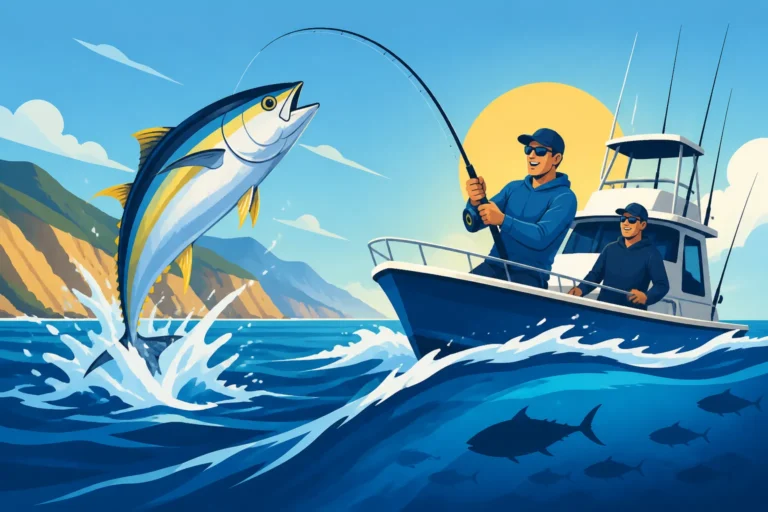
Imagine this scenario: you've seen pictures of people catching massive yellowtail off San Diego, and you dream of doing the same. But then you start researching: what kind of rod? What line strength? What bait? What time of year? It’s a rabbit hole. A charter cuts through all that. The moment you step aboard, you’re equipped, informed, and in capable hands, ready to target species like the hard-fighting tuna or even learn How to Catch California Halibut.
Access to Expertise and Equipment
The biggest advantage for a first-timer on a charter is undoubtedly the crew's expertise. These captains and deckhands live and breathe fishing. They know the local waters like the back of their hand—where the fish are biting, what they're biting on, and the best techniques to coax them onto your hook. They'll show you how to cast, how to reel, and even how to properly handle your catch. This hands-on instruction is invaluable and something you simply can't get from watching YouTube videos alone.
Beyond their knowledge, the quality of equipment on a charter is often far superior to what a beginner might invest in. Charters use commercial-grade rods, reels, and electronics (like sonar and GPS) that give you the best possible chance of success. This isn't just about having fancy gear; it’s about having reliable tools that won't fail you when that fish of a lifetime strikes. Think of it as renting a high-performance sports car for a joyride – you get all the thrill without the commitment and expense of ownership. You’ll be using gear specifically chosen for the target species, whether it's heavy-duty setups for offshore tuna or lighter tackle for inshore bass.
Maximizing Your Chances of Success
Let's be honest, nothing makes a first fishing trip more enjoyable than actually catching fish. Charters are in the business of putting you on fish. Their livelihoods depend on it, which means they are constantly monitoring conditions, bait movements, and fish activity. They have networks of other captains sharing information, and they spend countless hours scouting. This dramatically increases your odds of hooking up compared to trying to find fish on your own from a pier or shoreline, often leading to a much more satisfying and memorable first experience.
A successful first trip can ignite a lifelong passion for fishing. Conversely, a frustrating, fishless outing can dampen spirits and make you hesitant to try again. Charters aim to ensure the former. They often target readily available species that offer good action, making sure even a novice can feel the thrill of a tug on the line. For example, a beginner-friendly rockfish trip out of San Francisco Bay can offer steady action and beautiful scenery, a perfect introduction to saltwater angling. Plus, the crew is there to guide you through every step, from the moment you drop your line to the triumphant moment you bring your catch aboard.
Key Factors When Choosing Your First California Fishing Charter
So, you're convinced a charter is the way to go. Fantastic! But now comes the next hurdle: which one? California is huge, and there are countless charter operations. Don't worry, navigating the options is easier than it seems, especially when you know what to look for.
Trip Type and Duration
The kind of experience you're seeking will largely dictate the type of charter you should consider. For a first-timer, starting with shorter, less intense trips is usually a good idea.
- Half-Day Trips: These are perfect for beginners. Typically lasting 4-6 hours, they're long enough to get a feel for fishing without being overly exhausting or too much of a commitment. You’ll usually stay closer to shore, targeting readily available species like rockfish, kelp bass, or sometimes even smaller halibut. These trips are great for testing the waters (pun intended!) and seeing if offshore fishing is for you.
- Full-Day Trips: Ranging from 8-12 hours, full-day trips venture further out and open up opportunities for a wider variety of species, including larger game fish. While more immersive, they can be a bit much for someone prone to seasickness or who isn't sure they'll enjoy a prolonged boat experience. However, if you're eager to truly dive in and target specific species, and you're confident in your sea legs, this could be a rewarding option.
- Twilight or Evening Trips: Some charters offer shorter evening excursions, particularly popular for bay or nearshore fishing for species like halibut or sometimes even striped bass in certain areas. These can be a fun, relaxed way to experience fishing in a different light, often with stunning sunset views.
For your first time, I'd strongly recommend a half-day or a shorter bay trip. It gives you a taste without overwhelming you. Many charter companies, which you can easily find and compare on platforms like FishingBooker, offer detailed descriptions of their trip durations and target species, making it simple to pick one that aligns with your interest.
Location, Location, Location
California's coastline stretches over 800 miles, offering diverse fishing environments from the chilly waters of the North Coast to the warmer currents of Southern California. Where you decide to fish will largely determine the species you'll encounter and the overall atmosphere of your trip.
- Southern California (San Diego, Orange County, Los Angeles): This region is famous for its vibrant sportfishing scene, offering access to yellowtail, bluefin tuna (in season), dorado (mahi-mahi), rockfish, and various bass species. The waters here are generally calmer in the summer, making it a comfortable experience for first-timers. Ports like Point Loma in San Diego, Dana Point, and Marina del Rey are bustling hubs with numerous charter options. You might even find charters specializing in Nearshore Charter Trips for beginners.
- Central Coast (Santa Barbara, Morro Bay, Monterey Bay): The Central Coast offers excellent opportunities for rockfish, lingcod, and Dungeness crab (seasonal). The waters can be a bit choppier, but the scenery is breathtaking, often including marine wildlife like sea otters and whales. Monterey Bay, for example, is renowned for its diverse marine life and productive fishing grounds.
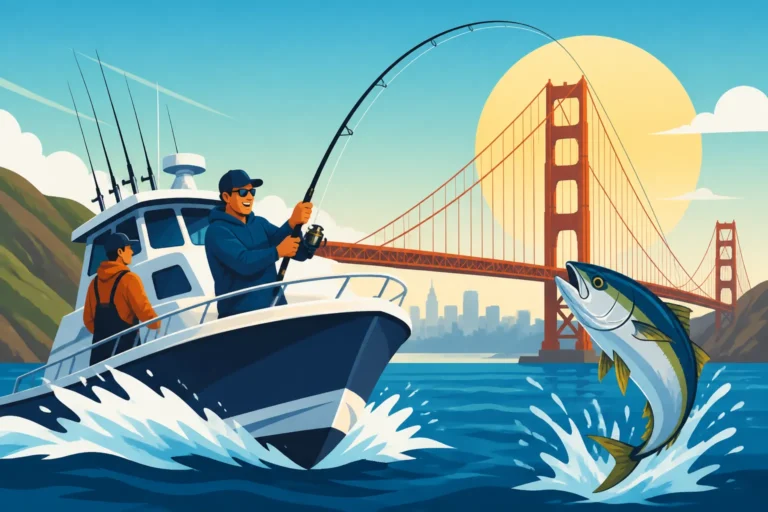
- Northern California (San Francisco Bay Area, Bodega Bay, Crescent City): Northern California fishing is often characterized by salmon (when open), rockfish, and lingcod. The iconic San Francisco Bay also offers excellent opportunities for striped bass and halibut within the calmer confines of the bay itself. Rivers like the Sacramento River can also offer guided freshwater trips for species like salmon and steelhead, which can be an excellent alternative if you prefer not to be on the ocean.
Think about what kind of fish excites you and what part of California you'll be visiting. A good starting point is to look for "Best Fishing Spots in California" and then narrow down charters operating in those areas.
Boat Size and Crew Expertise
For a first-timer, the size of the boat and the demeanor of the crew can significantly impact your experience.
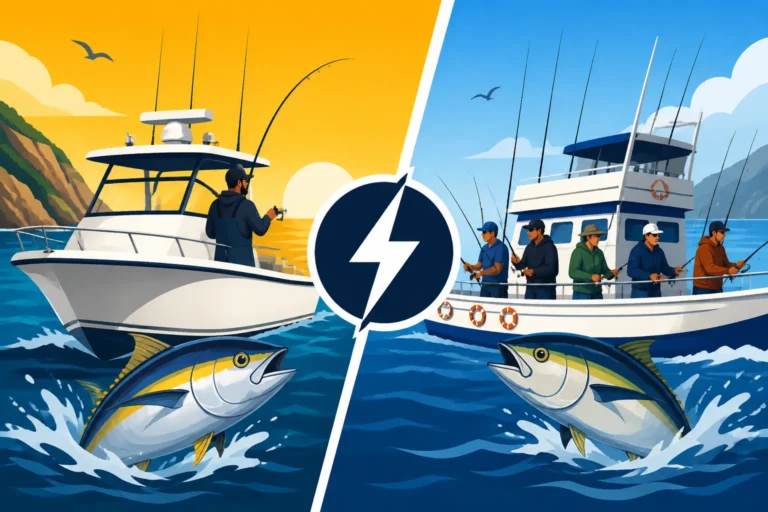
- Party Boats (Open Party Boats): These are larger vessels that take many anglers (sometimes 30-80 people) on a single trip. They are generally the most affordable option and great for socializing. The crew is usually excellent, but their attention is divided among many passengers. If you're comfortable in a crowd and don't mind a bit less one-on-one instruction, a party boat can be a fantastic, low-pressure introduction to fishing. Just make sure to read up on California Party Boat Fishing Explained beforehand.
- Small Private Charters: These boats typically accommodate 4-10 people and offer a much more personalized experience. You'll get more individual attention from the captain and deckhand, which is incredibly beneficial for learning the ropes. While more expensive per person, splitting the cost among a small group of friends or family can make it more accessible. These are ideal if you want a dedicated learning environment or if you’re fishing with kids who might need extra help.
- Crew Temperament: This is harder to gauge from afar, but reading reviews on sites like FishingBooker can give you a good sense. Look for captains and deckhands described as patient, friendly, and good with beginners. A welcoming crew can make all the difference between a good trip and a great one. Don't be shy about calling the charter office ahead of time to ask about their approach to first-timers.
Ultimately, you want a crew that’s not just skilled at finding fish, but skilled at teaching and making the experience fun, especially for a novice.
Top California Charter Options for Beginners
When you're dipping your toes into California fishing, there are a few types of charters that really stand out as excellent choices for first-timers. Each offers a slightly different vibe and learning experience, so you can pick what feels right for you.
Party Boats: Social and Cost-Effective
Party boats, also known as "open party boats," are probably the most popular and accessible option for new anglers in California. Think of them like a floating fishing classroom, but way more fun. These larger vessels, often departing from major sportfishing landings like those in San Diego (e.g., Fisherman's Landing, H&M Landing) or Long Beach, accommodate a good number of passengers, sometimes dozens, all heading out to the same fishing grounds.
The beauty of a party boat for a first-timer is its sheer ease. You show up, pay your fare (which is typically very reasonable), and everything else is largely taken care of. Rods, reels, bait, and tackle are usually included or available for rent at a low cost. The deckhands are constantly moving up and down the rail, untangling lines, rebaiting hooks, and helping you land your fish. They're seasoned pros at handling beginners and can offer quick tips and assistance without making you feel like a burden. It's a fantastic environment to learn by observing others, too. You'll see different techniques, different ways people handle their gear, and you'll often strike up conversations with fellow anglers who are happy to share their wisdom. Plus, the sheer volume of lines in the water often means more fish being caught, upping everyone's morale. If you’re unsure if you’ll enjoy a full day on the water, many landings offer California Half-Day vs Full-Day Charters on party boats, which is an ideal starting point.
Smaller Private Charters: Personalized Attention
If the idea of a crowd makes you a little uneasy, or if you prefer a more focused learning experience, a smaller private charter might be a better fit. These trips typically cater to groups of 2 to 6 people, sometimes up to 10, depending on the boat size. While the per-person cost is higher than a party boat, the level of personalized attention you receive is unparalleled.
On a private charter, the captain and deckhand are entirely dedicated to your group. This means they can spend more time teaching you how to cast correctly, explaining the nuances of different baits, or helping you perfect your retrieve. If you have specific questions about fishing tactics or the species you're targeting, they have the time to go into detail. This one-on-one coaching can accelerate your learning curve dramatically. It’s also an excellent choice for families or groups of friends who want to share a unique experience together without external distractions. You can often customize the trip more, too, within reason. If you’re really keen on learning How to Catch Striped Bass in California, for example, a private guide can dedicate the entire trip to that goal, focusing on specific techniques and locations in the California Delta or local bays.
Shore-Based Guides: A Gentle Introduction
Not every "charter" involves a large boat heading miles offshore. For some first-timers, particularly those prone to seasickness or who prefer to stay on solid ground, a guided shore-based trip or a wade-fishing trip can be the perfect introduction to the world of angling. These guides specialize in fishing from beaches, piers, jetties, or even wading into rivers and streams.
Imagine spending a morning with a knowledgeable guide showing you the ins and outs of California Surf Fishing for Beginners along the beaches of Southern California, teaching you how to read the waves and target surfperch or corbina. Or perhaps a freshwater guide in the Eastern Sierra, teaching you the delicate art of fly fishing for trout in a picturesque river. These experiences are typically less expensive than offshore boat charters and require minimal specialized gear from you. The focus is entirely on technique, understanding the environment, and the thrill of the catch without the complexities of boat navigation or deeper water tactics. It’s a wonderful, low-stress way to learn fundamental fishing skills and build confidence before potentially venturing onto the open ocean.
| Charter Type | Group Size | Cost (Per Person, Est.) | Focus for First-Timers | Pros | Cons |
|---|---|---|---|---|---|
| Party Boat | Large (20-80+) | Low ($50-$150) | High chance of catching, social atmosphere, basic intro | Cost-effective, easy access, crew assistance, social | Less personal instruction, crowded, fixed schedule |
| Private Charter | Small (2-10) | High ($200-$500+) | Personalized instruction, tailored experience | Dedicated teaching, flexible, intimate setting | More expensive, requires a group to split costs, less social |
| Shore/Wade Guide | Small (1-4) | Medium ($150-$350) | Fundamental skills, low-stress, no seasickness | On-land comfort, detailed technique focus, serene | Limited to shore/inland species, specific locations |
Note: Costs are estimates and can vary widely based on duration, location, and target species.
Preparing for Your Maiden Voyage: What to Know and Bring
You've picked your charter, you're excited, and now you're wondering what you need to do to prepare. A little foresight goes a long way in ensuring your first charter trip is as smooth and enjoyable as possible.
Essential Gear and Clothing
Even though most charters provide rods, reels, bait, and tackle, there are still a few personal items you absolutely shouldn't forget. Think of these as your comfort and safety essentials.
- California Fishing License: This is non-negotiable for anyone 16 years or older. You will need a valid California Fishing License Guide, even on a charter. You can usually purchase one online through the California Department of Fish and Wildlife website or from many bait and tackle shops. Make sure it's valid for the day(s) you'll be fishing. Some charters might offer temporary licenses, but it's always best to have yours sorted beforehand. Don't forget, if you're targeting specific species like sturgeon or salmon, you might also need a California Fishing Report Cards Explained.
- Layered Clothing: California weather can change on a dime, especially on the water. It can be cool and foggy in the morning, warm and sunny by midday, and breezy in the afternoon. Dress in layers! A good base layer, a long-sleesleeved shirt for sun protection, a warm fleece or hoodie, and a waterproof/windproof outer shell are usually sufficient. Even on a hot day, it can be significantly cooler on the ocean.
- Sun Protection: The sun's rays reflect off the water, intensifying their effect. Bring a wide-brimmed hat, polarized sunglasses (they help you see fish better too!), and plenty of high-SPF sunscreen.
- Comfortable Shoes: Wear closed-toe, non-slip shoes with good grip. The boat deck can get wet and slippery, and you'll be on your feet for a good portion of the trip. Old sneakers or deck shoes work perfectly.
- Food and Drink: While some longer trips might offer food, it's always wise to pack your own snacks and drinks. Hydration is key, especially on sunny days. Non-alcoholic beverages, of course!
- Cooler (for your catch): If you plan on keeping your fish, bring a cooler with ice to store your fillets on the way home. The crew will usually clean and bag your fish for you, but you're responsible for transporting it.
- Small Backpack: For carrying your personal items, snacks, and extra layers.
- Camera: To capture those memorable first catches!
A quick check on "What to Bring on a California Fishing Charter" before you head out is always a smart move.
Understanding Etiquette and Expectations
Knowing a few basic rules of thumb will make your first charter trip more enjoyable for everyone.
- Listen to the Crew: The captain and deckhands are there for your safety and success. Pay attention to their instructions, especially regarding safety briefings, where to fish, and how to handle fish. They're the experts, and they're trying to help you have a great time.
- Tipping: Tipping the deckhands is customary and highly appreciated, typically 15-20% of your fare. These folks work incredibly hard, from baiting hooks and netting fish to cleaning the boat and processing your catch. They earn every dollar.
- Respect Others' Space: On a party boat, you'll be fishing alongside other people. Be mindful of your casting space and avoid crowding others. If your lines get tangled (it happens!), politely ask a deckhand for assistance rather than trying to untangle it yourself and potentially making it worse.
- No Glass Bottles: Many charters prohibit glass bottles for safety reasons. Stick to cans or plastic bottles for your drinks.
- Alcohol: While some charters allow a limited amount of alcohol, always check beforehand. Intoxication can be a safety hazard on a moving boat.
- Be Patient: Fishing isn't always fast-paced action. There will be downtime. Enjoy the scenery, the ocean air, and the company. The fish will bite when they're ready.
Preventing Seasickness and Staying Comfortable
One of the biggest anxieties for first-timers venturing offshore is seasickness. Don't let it ruin your trip! There are several proactive steps you can take:
- Medication: Over-the-counter medications like Dramamine or Bonine work best when taken before you board the boat, usually an hour or so prior. Follow the directions carefully. Many experienced anglers swear by these.
- Ginger: Natural remedies like ginger chews or ginger ale can also help settle your stomach.
- Stay Hydrated and Eat Light: Avoid heavy, greasy meals before your trip. Opt for light, easily digestible foods. Stay well-hydrated, but avoid excessive caffeine or alcohol.
- Fresh Air and Horizon: Once on the boat, stay on deck in the fresh air if possible. Avoid going below deck where the motion can be more pronounced. Fix your gaze on the horizon; this helps your brain reconcile the motion with what your eyes are seeing.
- Avoid Reading or Phone Use: Looking down at a book or phone can quickly bring on seasickness.
- Know Your Limits: If you start feeling unwell, let a crew member know. They often have tips or remedies that can help.
By taking these precautions, you'll significantly increase your chances of a comfortable and enjoyable first fishing charter experience in California. Whether you're reeling in a feisty rockfish or admiring the coastal views, your first charter trip is sure to be an unforgettable adventure.
Disclaimer
Please remember that fishing regulations, seasons, and limits can change frequently. Always consult the latest California Department of Fish and Wildlife regulations before heading out on any fishing trip. The information provided in this guide is for general informational purposes only and should not be considered legal advice.