Best Baits and Lures for Brook Trout in California
It’s a common scenario for many anglers heading into California’s stunning high-country: you’ve heard tales of vibrant, feisty Brook Trout, and you’re eager to experience it yourself. But sometimes, these beautiful fish can feel like ghosts, darting through crystal-clear streams or hiding in the depths of alpine lakes, seemingly ignoring everything you throw at them. It’s frustrating to put in the effort to reach those remote spots only to come up empty-handed. This guide is dedicated to unlocking the secrets of catching California’s Brook Trout, diving deep into their behaviors and equipping you with the very best baits and lures to make your next high-Sierra adventure a resounding success.
Understanding Brook Trout Behavior in California
Before you even think about tying on a lure or baiting a hook, it’s crucial to get inside the mind of a Brook Trout. These aren’t your average hatchery rainbows; they have specific preferences that, once understood, can dramatically increase your success rate.
Where Brook Trout Live
Brook Trout, or "brookies" as they're affectionately known, absolutely thrive in cold, clean, highly oxygenated water. In California, this means you're generally looking at higher elevations, primarily in the Eastern Sierra Nevada mountains, the Klamath Mountains, and other pristine mountain ranges. Think small, fast-flowing streams that tumble down granite slopes, or the serene, deep-blue waters of high-alpine lakes nestled above the tree line. They love structure – downed logs, submerged rocks, undercut banks, and even patches of weeds provide both ambush points for feeding and protection from predators. If the water looks pristine, feels chilly, and has plenty of nooks and crannies, chances are brookies call it home. These remote spots often require a hike, but the reward of a wild, vibrantly colored Brook Trout is absolutely worth the effort.
When Brook Trout Feed
Brook Trout are generally opportunistic feeders, but like most trout, they have peak feeding times. Early morning and late evening, often referred to as "low light" periods, are prime times. During these hours, insect activity is typically higher, and the fish feel less exposed to aerial predators. Overcast days can extend these feeding windows throughout the day, as the subdued light makes them more comfortable. Water temperature plays a huge role, too. Brook Trout prefer cooler water, ideally between 50-65°F (10-18°C). If the water gets too warm in the midday sun, they'll retreat to deeper, cooler pockets or shaded areas. Conversely, in very cold water, their metabolism slows down, and they might be less active. After a good rain, especially in streams, the increased water flow can dislodge insects and terrestrial creatures into the water, triggering a feeding frenzy. Knowing when and where to present your offering can make all the difference, especially when checking your local California Fishing Seasons: Month-by-Month Guide for general patterns.
What Makes Brook Trout Unique
Compared to their often-wary cousins, the Rainbow and Brown Trout, brookies can sometimes be a bit more aggressive and less particular, especially in remote, less-fished waters. They're not always the biggest fish in the stream, but what they lack in size, they often make up for in striking beauty and a surprising fight. Their vibrant red spots, blue halos, and white-edged fins are truly spectacular. They're also incredibly territorial. If you catch one in a promising spot, there’s a good chance another one, or even several, are holding nearby. They have a relatively short lifespan, often just 3-5 years, which means they grow quickly and are eager to eat. This opportunistic nature means they're often willing to hit a variety of baits and lures, which is fantastic news for anglers looking for consistent action.
Top Natural Baits for California Brook Trout
Sometimes, nothing beats the real thing. Natural baits tap into a Brook Trout's instinctual feeding drives, offering scent, taste, and texture that lures often can't fully replicate.
Worms and Other Terrestrial Delights
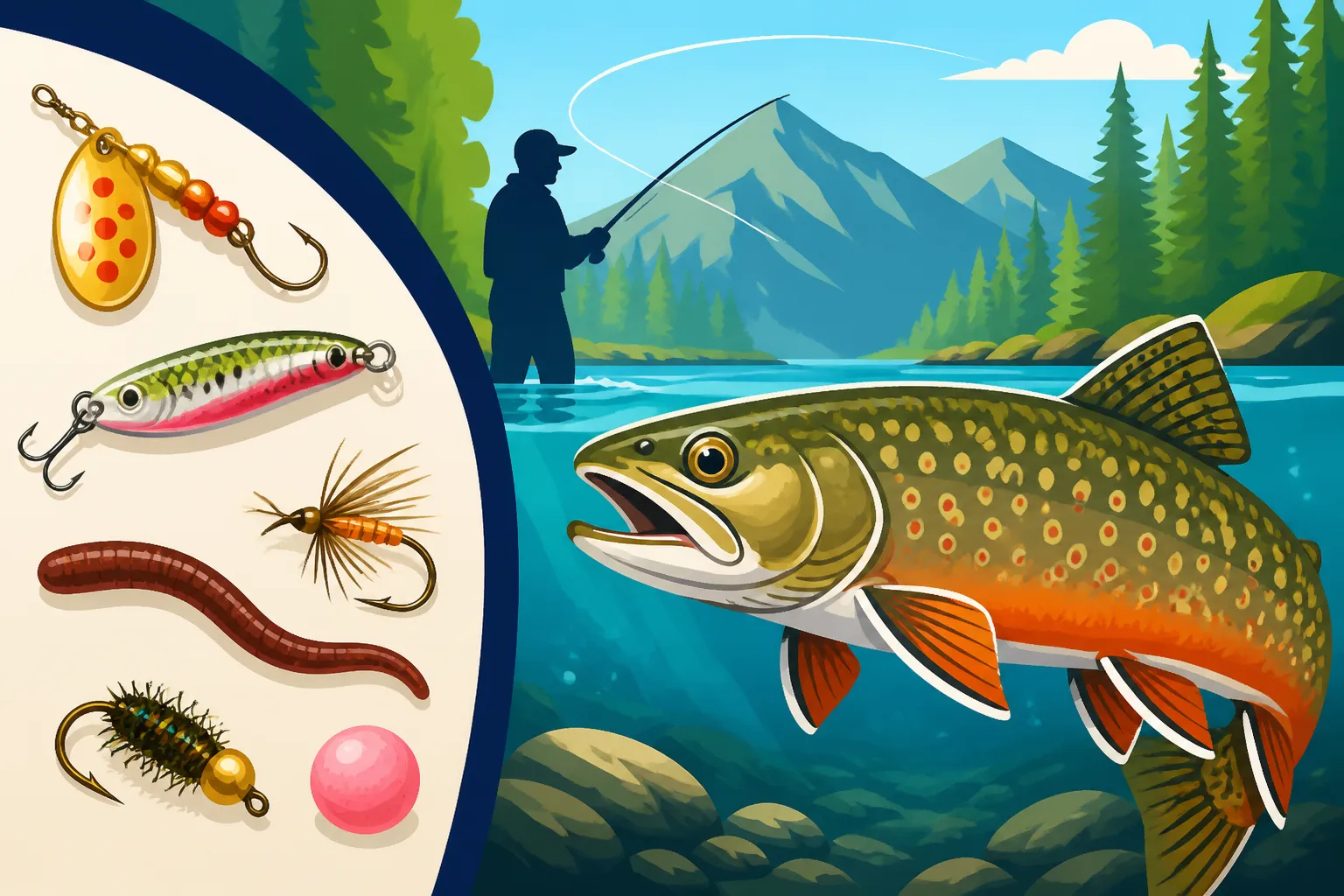
Let's be honest, few things are as universally effective as a humble worm. Brook Trout absolutely devour them. A small piece of a nightcrawler or a whole red wiggler drifted naturally through a pool or along an undercut bank is often irresistible. The key here is natural presentation. Use a small hook (size 10-14), minimal weight (a split shot or two, just enough to get it down), and let the current do the work. The scent and wriggling action are often too much for a hungry brookie to pass up.
Beyond worms, don't underestimate other terrestrial insects. Grasshoppers and crickets are prime targets, especially in late summer and fall when they're abundant near stream banks and alpine meadows. A grasshopper struggling on the surface is a siren call for a Brook Trout. You can catch them yourself or, if you're not keen on wrangling live insects, many bait shops and even online retailers like Amazon offer artificial versions that can work in a pinch. Just remember, these baits mimic food that has accidentally fallen into the water, so presentation should reflect that — a gentle plop, then a natural drift.
Aquatic Insects and Larvae
While technically a "natural bait," these often bridge the gap into fly fishing, showing you what trout truly eat underwater. Brook Trout in their natural environment feed heavily on mayfly nymphs, caddis larvae, and stonefly nymphs. These are the aquatic insects that live on the bottom of streams and lakes, hatching into winged adults. If you're using bait, you can often find these by gently turning over rocks in the streambed. Hooking one of these small critters, again with a tiny hook and light leader, and drifting it along the bottom can be incredibly effective.
For those who prefer a less hands-on approach to bug hunting, artificial aquatic insect imitations made from soft plastic or even rubber are available. Brands like Berkley Gulp! offer scented versions of maggots or wax worms that can fool even picky trout. These can be particularly good when fished under a small bobber or drifted on the bottom in slightly deeper pools. They offer the natural profile and, with the added scent, can make a difference when the fish are less aggressive.
PowerBait and Scented Options
While not strictly "natural" in the sense of living organisms, products like PowerBait have become a staple for trout anglers, and Brook Trout are certainly not immune to their charms. PowerBait comes in various forms – dough, nuggets, and even pre-formed "worms" or "grubs." The appeal lies in its potent scent, bright colors, and often buoyant nature, which allows it to float off the bottom, making it more visible.
Popular colors for PowerBait for Brook Trout include chartreuse, rainbow, pink, and orange. The key is to use a small amount, molding it around a small treble hook (or a single egg hook) to completely conceal it. Cast it out with a light sinker to get it to the bottom, then let the PowerBait float up a few inches, suspending it right in the fish's feeding zone. This is particularly effective in lakes where trout might be cruising deeper. For a convenient way to stock up on different colors and forms before your next trip, you can often find a wide selection of PowerBait products on Amazon. Many anglers also find success with other scented soft plastics, like small Trout Magnets or Berkley Gulp! Trout Dough, which combine scent and subtle action.
Effective Lures for California Brook Trout
When the fish are active, or you want to cover more water, lures are your best friend. The flash, vibration, and erratic movement can trigger an aggressive strike from a Brook Trout.
Spinners and Spoons: Flash and Vibration
These classic lures have been catching trout for generations, and for good reason. They mimic small baitfish or frantic, struggling insects, creating a visual and vibrational appeal that Brook Trout find hard to ignore.
- Spinners: Look for small sizes, typically 1/32 oz to 1/8 oz. Popular brands like Mepps, Panther Martin, and Rooster Tail are consistently effective.
- Colors: Gold, silver, copper, and black are excellent choices. Many also come with colored blades (chartreuse, orange) or dressed hooks (red dots, bucktail) that add extra attraction.
- Technique: Cast upstream and retrieve just fast enough to get the blade spinning, letting it drift naturally downstream through pools or current seams. In lakes, a steady retrieve with occasional pauses can be deadly.
- Spoons: Small, lightweight spoons like the Kastmaster or Little Cleo in 1/16 oz to 1/8 oz sizes are fantastic for casting long distances and getting down to deeper fish.
- Colors: Silver, gold, and various painted patterns (like blue/silver or red/white) work well.
- Technique: A slow, erratic retrieve that allows the spoon to flutter and flash on the fall can imitate a wounded baitfish, enticing a strike. They're also great for jigging vertically in deeper water.
The flash created by these lures can attract Brook Trout from a surprisingly far distance, making them excellent search baits when you're trying to locate schools of fish. Just be sure to use a small swivel to prevent line twist, especially with spinners.
Small Jigs and Soft Plastics
When you need a more subtle approach or want to work specific pockets of water, small jigs and soft plastics really shine. These are often overlooked for Brook Trout but can be incredibly effective.
- Micro Jigs: Think 1/64 oz to 1/16 oz jigs tipped with tiny grub tails, tubes, or Marabou feathers.
- Colors: White, black, olive, and brown are excellent natural choices. Bright colors like chartreuse or pink can work too, especially in stained water or on overcast days.
- Technique: Fish these with ultralight gear. Cast into promising pockets, let the jig sink, and retrieve with subtle twitches and pauses. The idea is to make the jig look like a small insect or minnow darting and resting on the bottom. In streams, a gentle drift through current seams can also be highly effective.
- Small Soft Plastics: Tiny plastic worms (like the Berkley Gulp! Alive! Wax Worms or Maggots), micro grubs, or small creature baits designed for panfish can also catch Brook Trout.
- Technique: Rig these on a small jig head or even under a tiny bobber. The scent in many of these plastics adds another layer of attraction. Work them slowly and patiently around structure.
The beauty of jigs and small plastics is their versatility and subtle presentation. They allow you to meticulously work specific areas where fish are holding, often drawing strikes when flashier lures might spook them. You can find a huge variety of these small jigs and soft plastics on Amazon, often in multi-packs that let you experiment with different colors and styles.
Fly Fishing Essentials
For many, fly fishing is the ultimate way to pursue Brook Trout, offering an intimate connection with nature and the fish. While it requires a different skillset, the rewards are immense. The beauty of these fish, coupled with the tranquility of high-country fly fishing, is an experience not to be missed. If you're looking to start, consider picking up a beginner fly fishing kit, many of which can be found conveniently on Amazon.
- Dry Flies: These imitate adult insects that have landed or fallen onto the water's surface.
- Patterns: Parachute Adams, Elk Hair Caddis, Royal Wulff, and various Ant or Beetle patterns are generally excellent choices. Look for sizes 14-18.
- Technique: The goal is a drag-free drift. Cast upstream or up-and-across, letting the fly float naturally down the current. Watch for rises or subtle sips from the fish. This is the most visually exciting way to catch brookies!
- Nymphs: These imitate the larval stages of aquatic insects that live on the bottom. Trout feed on nymphs year-round, making them incredibly effective subsurface patterns.
- Patterns: Prince Nymph, Pheasant Tail Nymph, Hare's Ear Nymph, and Copper John in sizes 14-18 are reliable.
- Technique: Fish nymphs under an indicator (bobber) or using a "tight-line" or "Euro-nymphing" technique. The key is to get them down to the fish's level and allow them to tumble naturally along the bottom.
- Streamers: These imitate baitfish or larger aquatic insects. While brookies are small, they are surprisingly aggressive and will attack a streamer.
- Patterns: A small Woolly Bugger (black, olive, or brown) in sizes 8-12 is hard to beat.
- Technique: Cast across and slightly downstream, then strip the line in short, erratic pulls, making the streamer dart and weave. This can elicit powerful, reactive strikes.
Matching the hatch (identifying the predominant insects on the water) is the ideal, but general attractor patterns often work well for opportunistic Brook Trout. Don't be afraid to experiment with different patterns and sizes. For those embarking on a California Fly Fishing Guide, these essentials are foundational.
Advanced Tips for Maximizing Your Brook Trout Catch
Catching Brook Trout isn't just about having the right bait or lure; it's also about finesse, observation, and understanding the environment.
Presentation is Key
You could have the perfect bait, but if you don't present it properly, those brookies will ignore it. These fish often live in clear water, so they can be wary.
- Light Line: Always use the lightest line you can get away with. 2-4 pound test monofilament or fluorocarbon is ideal. This makes your bait or lure look more natural and increases sensitivity, helping you detect subtle bites.
- Stealthy Approach: When stream fishing, approach pools and runs slowly and quietly. Avoid heavy footsteps on the bank or casting a long shadow over the water. Trout are easily spooked. In lakes, avoid loud noises or sudden movements in your boat or float tube.
- Natural Drift: Whether you’re using bait or a fly, a natural, drag-free drift is paramount. You want your offering to move with the current as if it were truly detached from your line. This might mean adjusting your casting angle, mending your line, or making small corrections. For lures, vary your retrieve to mimic the erratic movement of natural prey, not a mechanical pull.
- Accurate Casting: Placing your bait or lure in the precise holding lie – near a submerged log, under an undercut bank, or at the edge of a current seam – can make all the difference. Practice your casting accuracy, especially in tight quarters often found in high-country streams.
Reading the Water
Understanding where the fish are likely to be is half the battle. Brook Trout follow the universal rule of trout: they seek out food, cover, and comfortable water temperatures.
- Current Seams: These are lines in the water where fast current meets slower current. Trout often sit in the slower water, waiting for food to be delivered by the faster current.
- Pools and Eddies: Deeper, slower-moving pools offer comfort and protection, while eddies (recirculating currents) can concentrate food.
- Undercut Banks and Submerged Structure: Logs, rocks, and overhanging vegetation provide excellent cover from predators and strong currents. Fish will often hold in these spots.
- Trout Lies: These are the specific places where trout hold. Learning to identify these spots by observing water flow, depth, and cover will drastically improve your efficiency. For a deeper dive into identifying these spots, explore resources like "Best Fishing Spots in California" or "Best Rivers to Fish in California".
Gear Considerations
Having the right equipment won’t guarantee fish, but it certainly makes the experience more enjoyable and effective.
- Ultralight Spinning Gear: A lightweight spinning rod (5-6 foot) with a fast action and a sensitive tip, paired with a small spinning reel spooled with 2-4 lb test line, is perfect for Brook Trout. It allows for delicate presentations and makes even a small brookie feel like a trophy.
- Fly Rod and Reel: A 2-4 weight fly rod with a matching reel and weight-forward floating line is ideal for most California Brook Trout situations. Carry a selection of leaders and tippet in 4x-6x.
- Waders and Boots: If you're planning on wading streams, breathable chest waders and sturdy wading boots will keep you comfortable and allow you to access prime fishing spots.
- Small Tackle Box/Vest: Keep your tackle minimal. A small box with a few essential lures, hooks, split shot, and a bobber is usually all you need. Don't forget a small pair of pliers or forceps for hook removal.
- Report Cards: Remember to check specific regulations for species like steelhead or salmon. If you're targeting other species in certain regions, you might need a California Steelhead Report Card or a California Salmon Report Card.
- License: Always ensure you have a valid California Fishing License Guide and understand the California Freshwater Fishing Regulations before you head out. These regulations also cover the California Trout Limits and Regulations, which are crucial to follow for sustainable fishing. A good habit is to review the California Fishing Regulation Booklet Explained annually to stay current.
Using these specific baits and lures, combined with careful presentation and a good understanding of Brook Trout behavior, will undoubtedly enhance your success on your next California fishing adventure. Enjoy the stunning scenery and the thrill of hooking into those jewel-toned brookies!
Brook Trout Bait and Lure Comparison
Here's a quick rundown to help you decide what to tie on next:
| Bait/Lure Type | Ideal Conditions/Situations | Pros | Cons |
|---|---|---|---|
| Live Worms | All-around, especially after rain, slightly murky water, stream fishing | Natural scent & action, highly effective, readily available | Can be messy, less selective (other fish might bite), difficult to keep alive |
| PowerBait | Still water, stocked lakes, colder water, bait fishing | Strong scent, floats off bottom, bright colors | Less natural movement, may not always fool wild, wary trout |
| Spinners | Moving water, clear water, actively feeding fish, covering water | Flash & vibration attract from afar, quick to deploy, covers ground | Can twist line, less subtle, might not work on hesitant fish |
| Small Spoons | Deeper pools, lakes, casting distance, clear water | Mimics wounded baitfish, good for varying retrieve depths | Can be heavy for ultralight gear, less subtle than flies or jigs |
| Micro Jigs / Soft Plastics | Deeper holes, targeting specific structure, subtle presentation, slow retrieve | Versatile, mimics various small prey, subtle, scented options | Can be harder to cast lighter jigs, takes finesse to work effectively |
| Dry Flies | Insect hatches, calm surface, clear water, fly fishing | Exciting visual takes, highly realistic, lightweight presentation | Requires specific skills (fly casting), weather-dependent, can be delicate |
| Nymphs / Wet Flies | Subsurface feeding, year-round, fly fishing | Highly effective, mimics natural food source, versatile depths | Requires specific skills (fly casting/reading), often subtle takes |
Disclaimer
Fishing regulations can change frequently. Always consult the latest California Department of Fish and Wildlife (CDFW) regulations booklet or their official website before heading out. This guide is for informational purposes only and does not supersede official regulations.