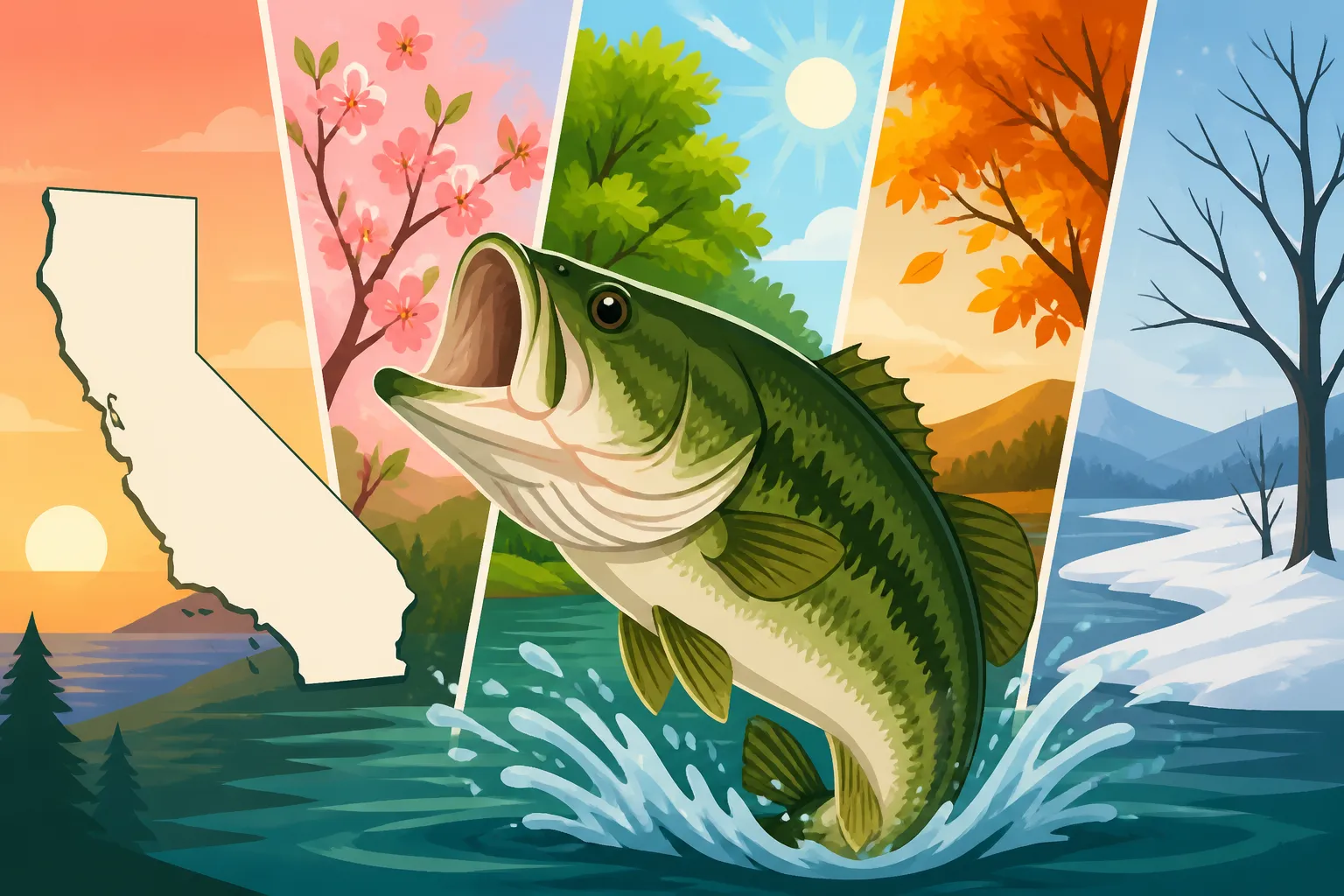
Best Time of Year to Catch Largemouth Bass in California
It's incredibly frustrating to head out to your favorite California lake, brimming with anticipation, only to find the largemouth bass seem to have vanished into thin air. Many anglers feel like they're constantly guessing when it comes to trophy bass, but the truth is, these incredible fish operate on a surprisingly predictable calendar driven by environmental changes. This guide is here to unravel the mysteries of bass seasons, helping you understand the best time of year to catch largemouth bass in California and dramatically improve your success on the water.
Understanding Largemouth Bass Behavior in California
To consistently catch largemouth bass, you've got to think like one. Their entire existence revolves around a few key drivers: survival, feeding, and reproduction. In California, with its diverse climates ranging from the warm Central Valley lakes to cooler northern reservoirs, these behaviors are heavily influenced by the changing seasons, primarily dictated by water temperature and light cycles. If you grasp how these factors trigger specific behaviors, you’ll be much better equipped to find and entice them.
Seasonal Movements and Patterns
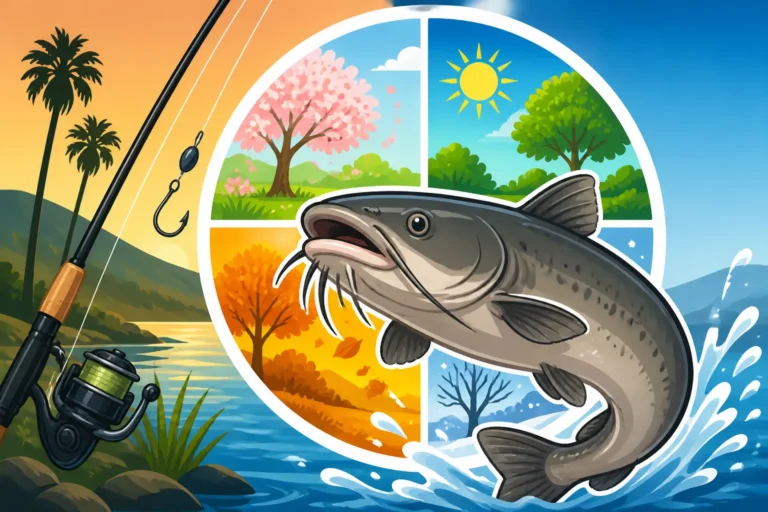
Largemouth bass are highly adaptive, but they generally follow a yearly migration pattern within their chosen body of water. As winter transitions to spring, and spring gives way to summer, you'll see them shift from deep, stable wintering holes to shallower spawning grounds, then to cooler, often deeper summer haunts, and back to feeding areas in the fall.
Consider a large reservoir like Lake Shasta. In the coldest months, bass might suspend over deep timber or cruise along main lake points, seeking refuge from the icy surface waters. As spring approaches, those fish start inching their way towards sun-drenched coves and flats, where the water warms up faster. They'll stage in slightly deeper water nearby, waiting for the perfect conditions to move onto their beds. Post-spawn, some might linger, but many will gradually migrate towards offshore structure or deeper weed lines to recover and find more stable temperatures. This constant movement isn't random; it's a calculated response to their environment. Knowing these general patterns is your first step to unlocking consistent bites. For an even deeper dive into locations, check out our guide on the Best Bass Lakes in California.
Factors Influencing Bite Windows
Beyond the broad seasonal movements, several daily and weekly factors play a massive role in when and how largemouth bass decide to bite. Water temperature is arguably the most critical. Bass are cold-blooded, meaning their metabolism, and thus their activity levels, are directly tied to the water around them. In optimal ranges (typically 60-75°F for largemouth), they are highly active, feeding aggressively. Outside this range, they become more lethargic.
Light penetration is another huge factor. Bass are ambush predators and often prefer lower light conditions, which is why dawn, dusk, and cloudy days can be fantastic. Bright, sunny days might push them deeper or into heavy cover. Weather patterns, too, can be game-changers. A stable period of warm weather often means consistent fishing, while sudden cold fronts can shut down the bite almost completely as bass become finicky. Barometric pressure also plays a role; a dropping barometer often signals an approaching storm and can trigger a feeding spree, while high, stable pressure can make them less willing to chase. Understanding these nuances can help you predict "bite windows" within any given day, regardless of the season.
Spring: The Pre-Spawn and Spawn Bonanza
Ah, spring in California! It's arguably the most anticipated time of year for largemouth bass anglers. As the days grow longer and the sun warms the water, bass activity explodes. This period offers some of the most exciting and productive fishing opportunities, but it’s crucial to understand the two distinct phases: pre-spawn and the spawn itself.
Pre-Spawn Aggression
Early spring, typically from late February through April in many parts of California, marks the pre-spawn period. The water temperature is steadily climbing, hitting that sweet spot (usually 50-60°F) where bass really start to feel their oats. They're recovering from the lean winter months and loading up on calories in preparation for the energy-intensive spawning ritual. This means they are often incredibly aggressive and willing to chase a wide variety of baits.
You'll find these hungry bass staging in transition areas – places between their deep wintering holes and their shallow spawning grounds. Think about secondary points, the mouths of creeks, submerged roadbeds, and the edges of flats with deeper water nearby. They might be relating to stumps, rock piles, or early weed growth. This is the time when heavier lures like lipless crankbaits, jerkbaits, and medium-diving crankbaits can really shine, allowing you to cover water and trigger those reaction strikes. Big swimbaits, both hard and soft, can also be incredibly effective for targeting those larger, pre-spawn females looking for a substantial meal. Many anglers stock up on these versatile lures from places like Amazon to ensure they're ready for this prime time.
The Thrill of the Spawn
The actual spawn usually kicks off when water temperatures consistently reach the mid-60s, often peaking from late March through May in central and southern California, and sometimes extending into June in cooler northern lakes or higher elevations. This is when the bass move onto shallow flats, coves, and protected areas to build their nests (beds) and reproduce. Female bass will move onto these beds, lay their eggs, and then often be guarded fiercely by the males.
Fishing during the spawn, especially targeting bass on beds, is a topic that sparks much debate. If you choose to engage in bed fishing, it's paramount to practice ethical angling. Catching a bass off its bed can leave the eggs vulnerable to predators, so many anglers advocate for quick catches and immediate, gentle release directly back to the bed. This period is less about aggressive feeding and more about territorial defense. Sight fishing with soft plastics like lizards, Senkos, or creature baits can be incredibly effective, pitching them directly onto or near the bed to provoke a strike. Remember, the goal is to trigger a protective reaction, not necessarily a feeding bite. For more on the rules, take a look at our guide on the California Freshwater Fishing Regulations.
Summer: Deep Water and Early Morning Bites
Once the spawn is over and water temperatures really begin to climb, especially in the intense California summer heat, largemouth bass shift their strategy dramatically. The shallow waters that were so productive in spring can become uncomfortably warm, often lacking the oxygen and stability bass prefer. This means anglers need to adjust their tactics, focusing on cooler, deeper water and capitalizing on specific low-light feeding windows.
Heat of Summer Tactics
During the scorching months of June, July, and August, particularly in lakes across the Central Valley or Southern California like Castaic Lake or Diamond Valley Lake, bass will seek refuge from the sun and heat. This usually means moving to deeper areas, often suspending over ledges, submerged humps, deep points, or congregating around structure like offshore brush piles, rock formations, and even man-made structures like bridge pilings or marina docks. Oxygen levels are crucial, and bass will gravitate towards areas with good circulation or springs.
Your techniques need to adapt to these deeper presentations. Carolina rigs, drop shots, and deep-diving crankbaits are fantastic for plumbing the depths. Jigging spoons can also be highly effective for vertical presentations to suspended fish. When bass are relating to heavy cover, flipping and pitching jigs or Texas-rigged creature baits into dense weeds or timber can coax a bite. Remember, the middle of the day, when the sun is highest, is often the slowest time. Focus your efforts on the cooler parts of the day.
Night Fishing for Bass
When the daytime temperatures become almost unbearable, many seasoned California bass anglers turn to the cool, quiet hours of the night. Night fishing for largemouth bass during the summer months can be incredibly productive, often yielding some of the biggest fish of the year. The darkness provides bass with a sense of security, and the cooler water temperatures allow them to move more freely and aggressively into shallower feeding grounds.
Topwater lures are a favorite for night fishing. Buzzbaits, large Whopper Ploppers, and dark-colored frogs can create a ruckus on the surface that bass simply can't resist. Big spinnerbaits with large thumping blades, slowly retrieved, are also deadly. Scented soft plastics like worms or creature baits worked slowly along the bottom can also be effective. The key is to use baits that create a strong vibration or silhouette, as bass rely heavily on their lateral line and sight in low light. When gearing up for these nocturnal adventures, don't forget a good headlamp and plenty of insect repellent. Searching for "night fishing lures" on Amazon can provide a good starting point for your tackle box.
Fall: The Feeding Frenzy Before Winter
As the oppressive heat of summer begins to recede and the days shorten, California's largemouth bass enter one of their most active and rewarding phases: the fall feeding frenzy. This period, typically from September through November, is characterized by bass aggressively gorging themselves to build up fat reserves for the coming winter. They know winter is coming, and it's time to eat!
Post-Summer Recuperation and Feeding
After the stresses of the spawn and the deep-water retreats of summer, fall brings a renewed vigor to largemouth bass. Water temperatures begin to cool back into comfortable ranges (often 55-70°F), oxygen levels improve throughout the water column, and the bass become much more active. Baitfish, like shad and hitch, are often schooling up and migrating, making them easy targets for opportunistic bass. This creates fantastic conditions for anglers, as bass become less finicky and more willing to chase.
During this time, bass will often follow schools of baitfish, pushing them against points, channel swings, and into the backs of coves. You’ll find them shallower than in summer but perhaps not as shallow as the peak spawn, often relating to the edges of deeper flats, submerged humps, and points. Reaction baits that imitate fleeing baitfish are incredibly effective. Think about cranking medium- to deep-diving crankbaits, ripping lipless crankbaits through grass, and burning spinnerbaits. Keep an eye out for surface activity – if you see baitfish showering, you know bass are likely nearby.
Water Temperature Drops and Activity
As fall progresses into late November and early December, especially in the northern parts of California or higher elevation lakes, water temperatures continue to drop. This cooling trend, however, doesn't immediately shut down the bite; instead, it often concentrates bass in specific areas and can trigger some of the most intense feeding periods of the year. The cooler water also means bass can remain active in shallower zones for longer periods during the day.
Look for bass relating to rocky banks, steeper drops, and main lake points where they can ambush passing schools of bait. They'll also hold tightly to dying vegetation as the grass beds recede. While reaction baits are still strong, slower presentations like jigs and various soft plastics become more critical as the water cools further. Football jigs dragged along the bottom, or a trusty Senko twitched near cover, can be deadly. Pay attention to transitions – where different types of bottom meet, or where shallow water abruptly drops into deeper water. These are classic ambush points. Remember, as the water gets colder, fish often need a slower, more deliberate presentation, even if they're actively feeding. Our guide on California Bass Fishing Techniques offers more insights into different approaches for varying conditions.
Winter: Slow and Steady Rewards
Winter in California might not bring the same widespread "ice fishing" opportunities as other states, but it still presents a unique set of challenges and rewards for largemouth bass anglers. While the bite undoubtedly slows down, dedicated anglers who understand winter bass behavior can still find success, often landing some surprisingly large fish. It's about patience and precision.
Deep Water Staging
As winter truly sets in, typically from December through February, water temperatures hit their annual low points. This is when largemouth bass seek stability and comfort, often moving to the deepest parts of the lake or reservoir they can find. They're looking for areas where the water temperature remains most consistent, typically near the bottom of main lake channels, deep points, ledges, and submerged timber. In some clearer lakes, they might even suspend over immense depths, following schools of baitfish that also seek deeper water.
Their metabolism slows significantly, meaning they don't need to eat as frequently or chase prey as aggressively. When they do feed, it’s often a subtle, almost lethargic bite. Therefore, your approach needs to be equally subtle. You're not looking for a "reaction strike" as much as a "nuisance bite" or simply putting a bait right in front of their face.
Finesse Techniques for Cold Water
Finesse is the name of the game when it comes to winter bass fishing. Forget the fast-moving crankbaits and topwaters; this is the time for slow, deliberate presentations that entice rather than provoke. Popular techniques include drop-shotting small worms or minnow imitations, a method that allows you to present a bait precisely at the fish's depth without much movement. Jigging spoons can be effective for vertically jigging over deep structure where bass are schooled up, especially in lakes like Folsom Lake.
Another excellent winter tactic is using a Ned rig, a small jig head paired with a short, buoyant soft plastic that stands up off the bottom. It's incredibly subtle and can often coax a bite from even the most finicky bass. Slow-rolling an Alabama rig, sometimes called an A-rig, can also draw strikes from suspended fish looking for a school of bait. Remember, bait choice is critical; smaller, more realistic presentations often outperform larger, flashier options. Darker colors or natural hues can be more effective in clear winter waters. When shopping for these specific finesse baits, many anglers find a vast selection on Amazon, which can be delivered right to your door. Being patient, making many casts to the same spot, and paying close attention to your line for the slightest tap are all crucial for success during these colder months.
Seasonal Bass Fishing Overview
Here’s a quick glance at what to expect for largemouth bass fishing throughout the year in California:
| Season | Typical Months (CA) | Water Temp Range (approx.) | Bass Behavior | Prime Locations | Recommended Techniques/Lures |
|---|---|---|---|---|---|
| Pre-Spawn | Feb – April | 50-60°F | Aggressive feeding, staging for spawn | Secondary points, creek mouths, warming flats | Lipless/medium-diving crankbaits, jerkbaits, large swimbaits, jigs |
| Spawn | March – May | 60-68°F | Protecting beds, less focused on feeding | Shallow coves, protected flats, weed beds | Soft plastics (Senkos, lizards, creature baits) for sight fishing |
| Post-Spawn | Late May – June | 68-75°F | Recuperating, moving to main lake structure | Main lake points, deeper weed lines, offshore humps | Topwater, spinnerbaits, shaky heads, small crankbaits |
| Summer | June – August | 75°F+ | Seek deep, cool water; low-light feeding | Deep ledges, humps, timber, docks; shallower at night | Carolina rigs, drop shots, deep crankbaits, jigs; Night: topwater, large spinnerbaits, dark soft plastics |
| Fall | Sept – Nov | 55-70°F | Aggressive feeding frenzy before winter | Following baitfish, main lake points, coves | Crankbaits, spinnerbaits, lipless crankbaits, jigs, swimbaits |
| Winter | Dec – Feb | Below 55°F | Lethargic, seeking stable deep water | Deep channels, ledges, submerged timber | Drop shots, Ned rigs, slow-rolled jigs, jigging spoons, small swimbaits |
Remember, these are general guidelines. Local conditions, specific lake characteristics, and yearly weather variations can always shift these patterns slightly. Checking local fishing reports is always a good idea!
Adapting Your Approach for Different California Waters
California is a massive state with an incredible variety of fishing environments. What works for largemouth bass in a sprawling, warm-water reservoir near Redding in Northern California might need a slight tweak for a clear, high-desert lake in Southern California, or a murky, sprawling system like the California Delta. Understanding these nuances is key to becoming a truly versatile bass angler.
Northern California Reservoirs
Lakes like Lake Shasta, Lake Oroville, and Clear Lake in Northern California often experience more pronounced seasonal changes compared to their southern counterparts. Winters can be colder, and spring thaws can lead to significant water level fluctuations and turbidity from snowmelt runoff. This means the bass might take longer to move into their full pre-spawn patterns, and the post-spawn period might feel a bit more drawn out as they recover.
In these lakes, particularly Clear Lake which is renowned for its trophy largemouth, understanding how water clarity affects lure choice is paramount. After heavy rains, a darker, noisier bait might be required, while clearer conditions call for more subtle presentations and natural colors. During the summer, these lakes still see bass moving deep, but the presence of abundant submerged timber in places like Lake Shasta offers unique vertical jigging opportunities. Fall on Clear Lake can be explosive, with bass smashing topwater and reaction baits as they chase baitfish. Always consult local fishing reports, like the Clear Lake Fishing Guide, to get the most up-to-date information on conditions specific to your chosen spot.
Southern California Lakes and Reservoirs
Southern California lakes, such as Castaic Lake, Diamond Valley Lake, and Lake Perris, tend to have milder winters and longer, hotter summers. This often means the bass spawn can occur earlier in the spring, sometimes as early as February in warmer years, and the intense summer heat pushes bass deep for an extended period. Night fishing truly shines in these southern lakes during the summer months due to the consistent high temperatures.
Because many of these reservoirs are drinking water sources, they can be incredibly clear. This clarity demands lighter lines, more natural lure colors, and finesse techniques like drop-shotting and shaky heads throughout much of the year, even outside of winter. On the flip side, when the baitfish are schooling in these clear waters, bass can be incredibly aggressive, and reaction baits will absolutely get eaten. Pay close attention to thermoclines in summer; bass will often hold just above them where oxygen levels are optimal. For specific tactics, consider researching How to Fish for Largemouth Bass in California.
The California Delta
The Sacramento-San Joaquin River Delta is a beast of its own, a vast network of sloughs, channels, and tule islands. Unlike reservoirs, the Delta is heavily influenced by tides, which dictate bass movement and feeding activity daily. The water is generally stained to murky, and there’s an abundance of shallow, heavy cover.
Spring in the Delta sees bass moving into the tules and shallower areas for the spawn, with flipping and pitching jigs and soft plastics being highly effective. Summer fishing often revolves around the cooler water found deeper in the channels or underneath dense mats of vegetation, where punching heavy jigs and Texas-rigged baits can be dynamite. Fall can be fantastic with aggressive topwater and spinnerbait bites as bass ambush bait in the thinner grass. Winter sees bass retreating to deeper holes and eddy currents in the main river channels. Understanding the tides – specifically, fishing the outgoing tide when bass are often ambushing bait flowing out of the shallows – is paramount to success here.
Mastering California Largemouth Bass Fishing
Becoming a truly successful largemouth bass angler in California isn't just about showing up with a rod and reel; it's about understanding the intricate dance between the fish, their environment, and the changing seasons. It's about being a student of the water, paying attention to details, and being willing to adapt your techniques.
No matter which season you choose to target these powerful fish, remember that preparation is key. Having the right gear, from sturdy rods and reels to a diverse tackle box stocked with appropriate lures for the conditions, is crucial. For those just starting out or looking to expand their arsenal, exploring options online through retailers like Amazon can provide access to a wide range of tackle, from basic worm hooks to advanced fish finders. Consider investing in a good quality fishing line, as the nuances of a bite can often be incredibly subtle, especially in colder water.
Beyond gear, continually learning and refining your skills is what truly sets apart the casual angler from the consistently successful one. Reading local fishing reports, chatting with bait shop owners, and observing the behavior of local wildlife can all provide valuable clues. Whether you're chasing the trophy bass of Clear Lake or enjoying a leisurely day on a smaller local pond, understanding the seasonal patterns of largemouth bass will undoubtedly elevate your fishing experience in California. Don't be afraid to experiment, be patient, and most importantly, enjoy every moment out on the water.
Disclaimer
Please note that fishing regulations, seasons, and limits can change frequently. Always consult the latest official California Department of Fish and Wildlife (CDFW) regulations booklet or their website before heading out to fish. This guide is for informational purposes only and should not replace official sources.