What to Bring on a California Fishing Charter
Stepping onto a California fishing charter, whether it's for a half-day rockfish trip out of Morro Bay or an overnight tuna adventure from San Diego, can be incredibly exciting. But that pre-trip buzz often comes with a nagging question: "What in the world do I actually need to bring?" It’s a common frustration, especially with California’s diverse fisheries and ever-changing coastal weather. This guide is here to cut through the confusion, offering a comprehensive checklist to ensure you're perfectly prepared for an enjoyable, successful, and comfortable day on the water.
The Absolute Essentials: Don't Leave Home Without These
When you're heading out on a fishing charter, some items are non-negotiable. Forgetting even one of these can put a real damper on your day, or worse, get you into trouble with the law. Think of these as the foundation of your fishing adventure.
Valid California Fishing License and Report Cards
This is, without a doubt, the most critical item on your list. California takes its fishing regulations very seriously, and rightfully so, to protect its precious marine and freshwater resources. Without a current and valid California Fishing License, you simply cannot legally fish, even if you’re on a chartered boat where rods and tackle are provided. The charter captain and crew are required to verify licenses, and fines for fishing without one can be hefty.
Beyond the general license, depending on what you're targeting, you might also need specific report cards. For instance, if you're hoping to hook into some impressive White Sturgeon, you'll need a California Sturgeon Report Card. The same goes for salmon – if you're on a charter chasing Chinook salmon off the coast, a California Salmon Report Card is mandatory. These cards help the California Department of Fish and Wildlife (CDFW) track catch data, which is vital for managing fish populations and setting future seasons. It's not just about compliance; it's about contributing to the conservation efforts that keep our fisheries healthy. Always double-check the specific regulations for your target species and region, perhaps by consulting a comprehensive California Fishing Regulations Explained guide, before your trip. You can easily purchase your license online through the CDFW website or from authorized vendors, which is often quicker and more convenient than trying to scramble for one on the morning of your charter.
Appropriate Clothing for Layering
California weather, especially near the coast or on large bodies of water, can be famously unpredictable. A sunny, calm morning can quickly turn into a cloudy, windy, and surprisingly chilly afternoon. This is why layering isn't just a suggestion; it's an absolute necessity. You’ll thank yourself when that offshore breeze picks up or the morning fog refuses to lift.
Start with a moisture-wicking base layer – think synthetic materials or merino wool, which draw sweat away from your body, keeping you dry and warm. Over that, a comfortable long-sleeve shirt provides an additional layer of warmth and sun protection. Your mid-layer could be a fleece jacket or a warm sweatshirt, something that offers insulation without being overly bulky. Finally, an outer shell that is both windproof and waterproof is paramount. Even if rain isn't in the forecast, spray from waves or a rogue splash from a hooked fish can drench you in moments. Look for jackets and pants designed for marine environments; they’ll often feature sealed seams and durable water-repellent (DWR) coatings. Brands like Grundéns or Gill offer excellent foul-weather gear that serious anglers swear by, but even a good quality rain jacket and pants from outdoor retailers like Patagonia or Columbia can make a huge difference. Remember, being wet and cold will suck the joy right out of your fishing experience, no matter how hot the bite is.
Sun Protection is Non-Negotiable
The sun’s rays can be incredibly intense on the water, even on overcast days. UV radiation reflects off the water's surface, effectively hitting you twice. Ignoring sun protection isn’t just about getting a sunburn; it can lead to heat exhaustion and long-term skin damage.
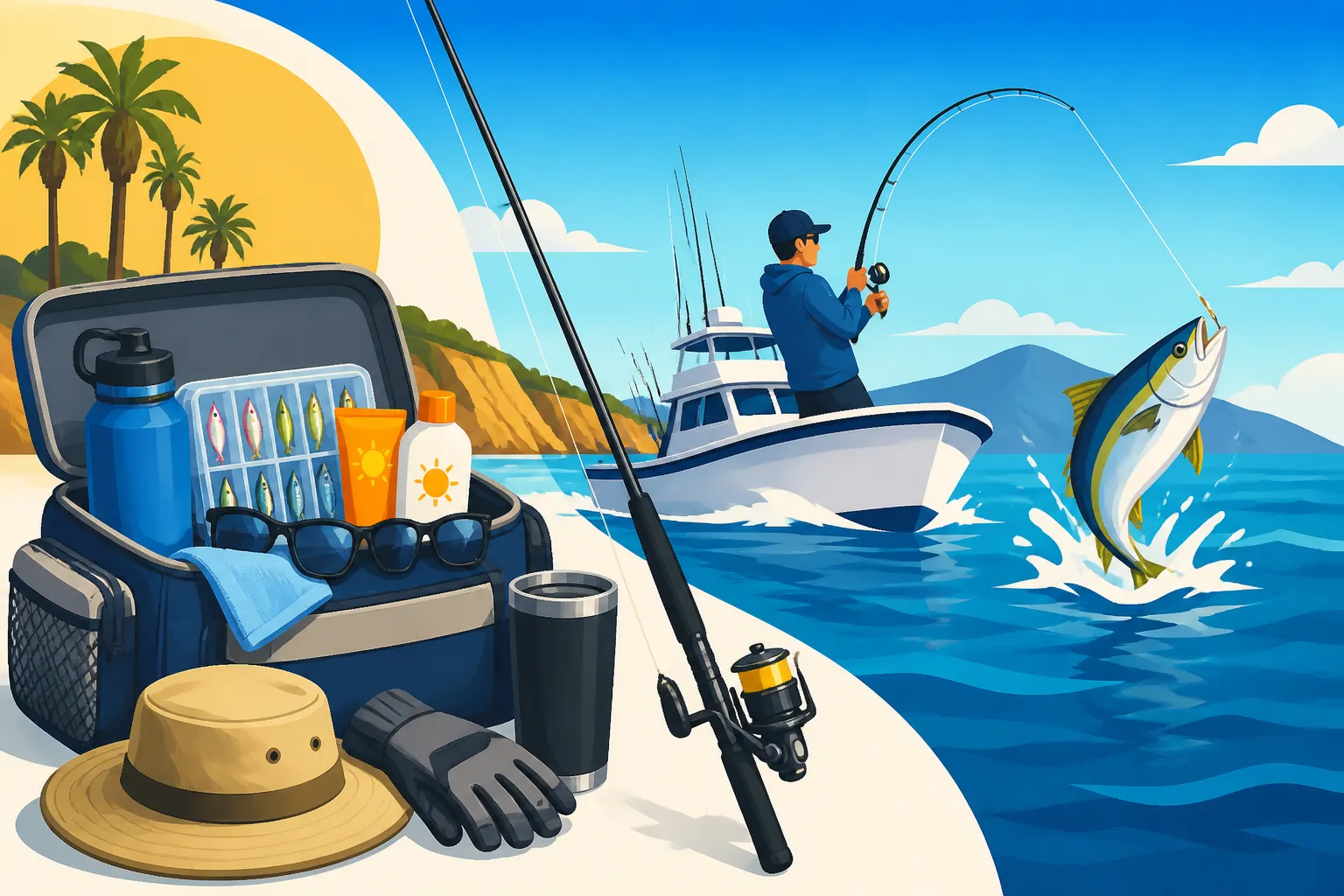
Start with a high-SPF, broad-spectrum, water-resistant sunscreen. Apply it generously to all exposed skin – face, neck, ears, hands, and any part of your legs if you're wearing shorts. Reapply every couple of hours, especially after getting wet or sweating. A wide-brimmed hat is also essential. Baseball caps are better than nothing, but they don't protect your ears and neck. Look for hats with a chin strap; a gust of wind can easily snatch an unprotected hat right off your head and into the ocean, leaving you exposed. Finally, a good pair of polarized sunglasses is a game-changer. They protect your eyes from harmful UV rays and drastically reduce glare off the water, allowing you to see deeper into the water and sometimes even spot fish or structure – a huge advantage, especially in clearer inshore waters. Brands like Costa Del Mar or Maui Jim are popular among anglers for their optical clarity and robust frames, built to withstand the rigors of a day on the boat.
Personal Comfort and Well-being on the Water
A comfortable angler is a happy and focused angler. While the thrill of the catch is paramount, enduring hours on a boat without proper nourishment, hydration, or relief from seasickness can quickly turn your dream trip into a miserable ordeal.
Food and Drink to Keep You Fueled
Fishing is an active pursuit, and you’ll be expending more energy than you might realize, especially if you’re battling a big fish or dealing with constant boat motion. Hydration is absolutely crucial, even more so in the sun and sea air. Dehydration can creep up on you, leading to headaches, fatigue, and even nausea.
Bring plenty of water – more than you think you’ll need. Insulated water bottles or a small cooler filled with ice and a variety of beverages like sports drinks (Gatorade, BodyArmor) or even a can of soda for a pick-me-up can make a big difference. For food, think practical and easy to eat. Sandwiches, wraps, granola bars, fruit (apples, bananas), and trail mix are excellent choices. Avoid anything that requires cutlery or is messy to handle with potentially fishy hands. If you’re on a longer trip, like an overnight run for tuna, you might want to pack a more substantial meal, but always check with your charter beforehand about meal arrangements; some longer trips include catering. A good rule of thumb is to pack enough snacks and drinks to last you even if the trip runs longer than expected, or if the fish are biting so well you don't want to stop.
Medications and First-Aid Basics
Safety and health should always be a priority. While most reputable charters will have a basic first-aid kit onboard, it's always wise to be prepared for your own specific needs or minor mishaps.
If you have any personal prescription medications, make sure you bring them in their original containers and in sufficient quantity for the duration of the trip. This is especially important for anyone with conditions like asthma, allergies, or diabetes. Motion sickness is a very real concern for many anglers, even seasoned ones, and it can ruin your trip faster than anything. Consider taking preventative measures well before the boat leaves the dock. Over-the-counter options like Dramamine or Bonine work best when taken an hour or two in advance. Patches like scopolamine (prescription only) are also highly effective for many. Natural remedies like ginger chews or acupressure wristbands (Sea-Band) can also provide some relief. For minor injuries, a small personal first-aid kit with band-aids, antiseptic wipes, pain relievers (ibuprofen or acetaminophen), and any personal allergy medication can be a lifesaver. Being proactive about seasickness can make the difference between a memorable day of fishing and an unforgettable day of misery.
Personal Hygiene Items
While you’re out on the open ocean or a sprawling lake, you might not think about hygiene much, but a few small items can significantly enhance your comfort, especially on longer trips.
Hand sanitizer is your best friend when handling bait, fish, or just interacting with shared surfaces on the boat. Wet wipes are also invaluable for quick clean-ups when fresh water might be scarce or inconvenient. A small, quick-drying towel can be handy for drying hands or wiping down sunglasses. Don't forget lip balm with SPF; your lips are just as susceptible to sun and windburn as your skin. For overnight trips, you might consider a small toiletry bag with a toothbrush, toothpaste, and any other essentials, but keep it minimal – boat cabins have limited space. Remember, even a small improvement in comfort can make a big difference in your overall enjoyment, especially when you’re spending hours immersed in the fishing action.
Fishing Gear: When to Bring Your Own (and When Not To)
This is where many anglers get confused. Should you lug all your expensive gear onto the boat, or rely on what the charter provides? The answer often lies in the type of trip and your personal preference.
Charter-Provided vs. Personal Gear
For the vast majority of California fishing charters, especially party boats or beginner-friendly trips, rods, reels, and basic terminal tackle are included in the price or available for rent. This is fantastic for casual anglers, tourists, or anyone trying a new type of fishing without investing in specialized equipment. The crew typically has well-maintained gear suited for the target species and conditions, and they'll even rig it for you.
However, if you're an experienced angler with a preferred setup for specific techniques, or if you simply feel more comfortable with your own rod and reel, bringing your own gear is often perfectly fine, provided you clear it with the captain first. Space on a boat can be limited, and too many personal rods can clutter the deck and interfere with other anglers. If you're on a private charter, there's usually more flexibility. Bringing your own gear is especially common on trips targeting specific species like How to Catch Bluefin Tuna off California, where specialized heavy tackle might be preferred by seasoned anglers. The key here is communication – always call or email the charter company in advance to discuss their policy on personal gear. They can advise you on what types of rods and reels are appropriate for their specific trip and vessel.
Essential Terminal Tackle (If Bringing Your Own)
If you do decide to bring your own rods and reels, you might also want to bring some of your own terminal tackle. Again, check with the charter first, as they often have the exact hooks, weights, and leaders that are working best on that particular day.
However, having your own supply can ensure you have what you need for a specific presentation or if you prefer a certain brand. This might include a selection of hooks appropriate for bait fishing, ranging from small hooks for mackerel or anchovies to larger, stronger hooks for larger game fish. Weights, or sinkers, will vary depending on water depth, current, and target species – from small sliding sinkers for surfperch to heavy torpedo sinkers for deep-water rockfish. Leaders, typically fluorocarbon, are crucial for stealth and abrasion resistance; bring a few spools of different pound tests. Swivels are also handy to prevent line twist. Beyond basic tackle, consider bringing a small selection of your favorite lures and plastics. For example, if you're targeting Yellowtail, a few chosen jigs or swimbaits that have worked for you in the past could be invaluable. Always ensure your gear is neatly organized in a tackle box or bag that doesn't take up excessive space.
Specialized Equipment and Tools
Even if you’re using the charter's rods and reels, there are a few personal tools that can significantly improve your fishing experience and efficiency. These are items that, while not strictly necessary, many experienced anglers wouldn't leave home without.
A good pair of fishing pliers is at the top of this list. They're essential for cutting line, crimping sleeves, and, most importantly, safely removing hooks from fish, especially those with sharp teeth or deep-set hooks. Look for stainless steel or aluminum pliers that are corrosion-resistant, as they'll get wet. A pair of sharp line cutters or braid scissors is also invaluable, as braid can be tough to cut cleanly with standard pliers. Depending on the species, a fish gripper or a de-hooking tool can make handling your catch safer for both you and the fish, minimizing direct contact, especially with toothy species like barracuda or lingcod. If you're bringing multiple rods, and the charter allows, small portable rod holders can keep your gear secure and out of the way when not in use. These small, often overlooked items can make a huge difference in your efficiency and safety on the boat.
| Item Category | Must-Haves | Good-to-Haves | Leave-at-Home (Generally) |
|---|---|---|---|
| Documents & Safety | Valid CA Fishing License, ID | Booking Confirmation (digital/print) | Illegal Items, Excessive Valuables |
| Clothing | Layers (base, mid, waterproof outer shell) | Gloves (fishing or warmth) | Bulky casual wear, cotton anything |
| Sun Protection | High SPF Sunscreen, Wide-brimmed Hat | Polarized Sunglasses, Neck Gaiter | Sunglasses without UV protection |
| Food & Drink | Water (plenty!), Snacks | Sports Drinks, Sandwiches/Wraps, Small Cooler | Glass bottles, Messy foods, Excessive alcohol |
| Health & Hygiene | Personal Medications, Seasickness Meds | Hand Sanitizer, Wet Wipes, Lip Balm SPF, Small Towel | Large toiletry kits |
| Fishing Gear | (Charter-provided is default) | Your Preferred Rod/Reel (check with charter!) | Unnecessary extra rods/reels, oversized tackle boxes |
| Tools & Accessories | Fishing Pliers, Line Cutters | Fish Gripper, De-hooker, Small Tackle Box (if bringing own gear) | Gaffs (charter typically has), Large knives |
| Catch Care | Cooler & Ice for Catch | Ziploc Bags for fillets (if cleaning on board) | |
| Electronics | Phone, Portable Charger, Waterproof Case | Camera | Laptops, Tablets (unless specific need) |
| Misc. | Cash for tips | Small backpack for personal items |
Keeping Your Catch Fresh and Transportable
So, you’ve had a successful day on the water, and your cooler is looking pretty good. Now comes the important part: ensuring your hard-earned catch makes it home in prime condition. This requires a little forethought and the right gear.
Cooler and Ice for Your Fish
The absolute best way to preserve the quality of your fish is to get them on ice immediately after they're caught. This slows down rigor mortis and bacterial growth, which are the main culprits behind fish spoilage. Don't rely solely on the boat's fish holds, especially on larger party boats where many fish might be stacked. Bringing your own cooler is a pro move.
Make sure your cooler is properly sized for the amount of fish you realistically expect to catch, plus plenty of ice. A good rule of thumb is a 2:1 ratio of ice to fish. Pre-chill your cooler at home by adding a bag of ice several hours before you leave. When you get to the boat, the crew will usually assist you with putting your fish on ice in your cooler. For overnight or multi-day trips, a high-quality rotomolded cooler from brands like Yeti, RTIC, or Engel will keep ice frozen for days, which is crucial. Clearly label your cooler with your name, especially if there are many similar coolers on the boat. Having a separate, smaller cooler for your food and drinks is also a smart idea, as you won't be constantly opening and closing the cooler containing your fish, thus preserving its ice.
Fish Cleaning Supplies (If Allowed/Preferred)
While many California fishing charters, particularly party boats, offer a fish cleaning service (often for a small fee, which is definitely worth it for convenience and expertise), some anglers prefer to clean their own catch. If you fall into this category, or if you're on a smaller private charter where this is encouraged, you might want to bring your own cleaning supplies.
A sharp, flexible fillet knife is essential. Brands like Bubba Blade or Rapala are popular among anglers for their ergonomic handles and sharp blades. Don't forget a sturdy cutting board, ideally one that's easy to clean and doesn't slide around. Gloves can also be helpful for better grip and to protect your hands. Always check with the charter captain beforehand about their policy on cleaning fish on board. Some boats have dedicated cleaning stations, while others prefer that fish are taken home whole or cleaned by the crew. If you're bringing fillets home, having some sturdy Ziploc freezer bags or vacuum sealer bags (if you plan to process immediately) will keep them fresh and prevent freezer burn. Understanding California Halibut Size and Bag Limits or California Rockfish Regulations and Limits is crucial here, as cleaned fillets must sometimes retain a patch of skin for species identification or to prove legal length, depending on the regulations.
Transporting Your Catch Home
Getting your fish off the boat is only half the battle; successfully transporting it home, especially if you have a long drive, is the final step in ensuring it remains top quality.
Your well-iced cooler is, of course, the primary tool. Ensure it's securely stowed in your vehicle so it doesn't slide around and spill. If you're planning on getting your fish filleted at the dock, have plenty of large, sturdy Ziploc bags ready to hold the fillets. Double-bagging them helps prevent leaks. For really long drives, or if you're flying, consider bringing an extra insulated bag or soft cooler to transfer fillets into once you've had them processed and re-iced. Some charter operations, particularly in larger ports like San Diego or Long Beach, will have dry ice available for purchase, which is excellent for keeping fish frozen solid for extended periods. Always remember to check airline regulations if you plan to fly with your catch. The goal is to minimize temperature fluctuations and keep the fish as cold as possible until it reaches your kitchen or freezer.
Technology and Documentation for a Smooth Trip
In today’s connected world, a few tech items can enhance your fishing trip, while crucial documents ensure everything runs legally and smoothly.
Phone and Camera for Memories
While the primary goal is fishing, capturing those unforgettable moments is a huge part of the experience. Your smartphone is likely your go-to camera, and it’s perfect for snapping photos of impressive catches, stunning sunrises, or fun candid shots with friends and family.
However, a boat is a wet environment, so a waterproof case for your phone is highly recommended. Many modern phones are water-resistant, but an extra layer of protection is always a good idea, especially if it slips from your grasp or gets sprayed by a wave. A portable power bank or charger is also a must-have, as using your phone for photos, videos, or even just checking messages can quickly drain the battery. There might not be charging outlets readily available on the boat, especially on older vessels. If you're a photography enthusiast, consider bringing a dedicated action camera like a GoPro, which is built for rugged, wet conditions and can capture unique underwater or action shots. Just make sure it’s securely mounted or tethered so it doesn’t become an offering to the deep!
Navigation and Communication (Secondary)
While your charter captain handles all the serious navigation and communication with the Coast Guard or other vessels, a few secondary uses of technology can be helpful for you.
Having your phone, as mentioned, is primarily for emergencies or to connect with loved ones once you're back in cell service. It's wise to have your charter company's contact information saved, just in case of any last-minute changes or delays. While on the water, cell service can be spotty, especially offshore, so don't count on being constantly connected. Some anglers like to use fishing apps like Fishbrain or Navionics to log catches or look at bathymetric charts, but remember, the captain is the expert on the water. Focus on the experience, and let the professionals handle the technical aspects. Your job is to fish, not navigate.
Important Documents and Payment
Beyond your fishing license, a few other pieces of documentation can be helpful to have on hand. Always have a form of personal identification, like your driver's license or state ID.
It's also a good idea to have your booking confirmation, either printed or easily accessible on your phone. This includes the name of the charter, the departure time, and any payment details. This can be particularly useful if you booked through a service like FishingBooker, where all your trip details are readily available in your confirmation. Finally, and this is crucial, bring cash. While you might have paid for the trip in advance, cash is typically preferred for tipping the deckhands and crew. Tipping is an important part of the sportfishing culture and a way to show appreciation for their hard work, guidance, and assistance throughout the day. A general guideline is 15-20% of the trip cost. You might also need cash for any fish cleaning services, snacks from the boat's galley (if available), or other small incidentals. Check out our detailed guide on Tipping on a California Fishing Charter for more insights.
What to Leave Behind: Lightening Your Load
Just as important as knowing what to bring is knowing what not to bring. Overpacking or bringing inappropriate items can make your trip less enjoyable for you and potentially for other passengers on a shared charter.
Unnecessary Valuables and Electronics
A boat environment is not the place for your most cherished or expensive possessions. The combination of water, salt, tight spaces, and constant motion creates a high risk for loss or damage.
Leave expensive jewelry, watches, or large amounts of cash at home. If you bring a camera, ensure it's either waterproof or housed in a protective case and securely tethered. Resist the urge to bring laptops, tablets, or other large electronic devices unless there's an absolute, specific need (like for professional photography). Not only are they vulnerable to water damage, but they also take up valuable space. The goal is to simplify and minimize. Enjoy being unplugged and immersed in the fishing experience. You'll worry less about your belongings and more about catching fish.
Bulky, Unwieldy Gear
Space is always a premium on fishing boats, especially on shared party boats with many anglers. Being considerate of others is a fundamental part of boat etiquette.
Avoid bringing oversized tackle boxes that sprawl across the deck, or multiple unnecessary rod-and-reel combos if you're not explicitly using them. If the charter provides tackle, trust their expertise and save yourself the hassle of transporting your own. Large, rigid backpacks or bags can also be cumbersome. Opt for soft-sided bags that can be easily stowed in overhead compartments or under benches. Every angler deserves enough room to comfortably fish, and cluttering the deck or communal areas makes it harder for everyone, including the deckhands who need clear pathways to assist with tangled lines or landed fish. This also applies to things like large beach umbrellas or chairs unless specifically approved by the captain – most charters will have ample seating and shade.
Illegal or Prohibited Items
This should go without saying, but it's crucial to adhere to all laws and charter rules.
Illegal substances are, of course, strictly prohibited and will result in immediate termination of your trip and potential legal action. Weapons, unless you are authorized law enforcement and have made prior arrangements with the captain, are also generally not allowed on board. Many charters also have specific rules against glass bottles, as broken glass on a rocking boat can be incredibly dangerous. Check the charter's website or ask when booking about any specific prohibitions. Remember, the captain has the final say on what is allowed on their vessel, and their rules are there for the safety and enjoyment of everyone onboard. Violating these rules is not only disrespectful but can also jeopardize the trip for everyone else. For a general overview of what's expected, our California Charter Fishing for Beginners guide offers some great foundational advice.
Planning Ahead: Maximizing Your Charter Experience
A little bit of preparation goes a long way in ensuring your California fishing charter is not just successful, but also truly enjoyable and stress-free.
Communicating with Your Charter Captain
This is perhaps the most undervalued aspect of trip preparation. Don't be afraid to reach out to the charter company or captain a few days before your trip. They are a wealth of information and can answer virtually any question you have.
Ask about current fishing conditions: "What species are we primarily targeting right now?" "What's the best bait or lure been lately?" Inquire about what's provided: "Do you supply all the tackle, or should I bring my own?" "Is there a fish cleaning service?" This is also the time to mention any specific needs, such as dietary restrictions if meals are included on an overnight trip, or if anyone in your party has mobility issues. A great place to start your search and review charters is on platforms like FishingBooker, which often include captain profiles and direct contact information. Clear communication ensures there are no surprises and helps the captain and crew prepare for your group, ultimately leading to a more tailored and successful trip.
Checking the Weather and Conditions
While the captain will make the final call on whether conditions are safe to sail, it's always a good idea for you to check the marine forecast in the days leading up to your trip. This helps you pack appropriately for the weather and understand what to expect on the water.
Look beyond just air temperature; pay close attention to wind speed and direction, as this directly impacts sea swell. A calm day on land can still be choppy offshore if there's a strong wind. Knowing this can help you decide whether to take seasickness medication. Websites like NOAA Marine Forecast or local surf reports can provide detailed marine weather information. Also, consider the tides and currents, especially if you're fishing inshore bays or estuaries. While you don't need to be an expert, a basic understanding helps you appreciate the dynamics of the fishing environment. Preparing for all possible conditions, from warm sun to unexpected squalls, will ensure you're comfortable no matter what Mother Nature throws your way.
Tipping Etiquette
This is a frequently asked question, and rightly so. Knowing the proper etiquette for tipping charter boat crews is a sign of respect and appreciation for their hard work. Deckhands, in particular, work incredibly hard – rigging lines, baiting hooks, gaffing fish, untangling lines, and cleaning up – all while making sure you have a great time.
The general standard for tipping on a California fishing charter is 15-20% of the total trip cost. If the crew went above and beyond, or if you had an exceptional day, don't hesitate to tip more. It's customary to tip the deckhand(s) directly, usually in cash, at the end of the trip. This ensures your gratuity goes straight to the crew members who worked tirelessly to assist you. If you're unsure how many deckhands there are, you can ask the captain, or simply hand the tip to one of them and trust they will split it appropriately. Remember, while the captain steers the boat, it's often the deckhands who make your hands-on fishing experience enjoyable and productive. A generous tip acknowledges their expertise and effort.
Disclaimer
Please note that fishing regulations, conditions, and charter policies can change. Always verify the latest California Department of Fish and Wildlife regulations, consult directly with your chosen fishing charter, and prioritize safety before embarking on any fishing trip. The information provided here is for general guidance only.