What to Expect on a Santa Barbara Fishing Trip
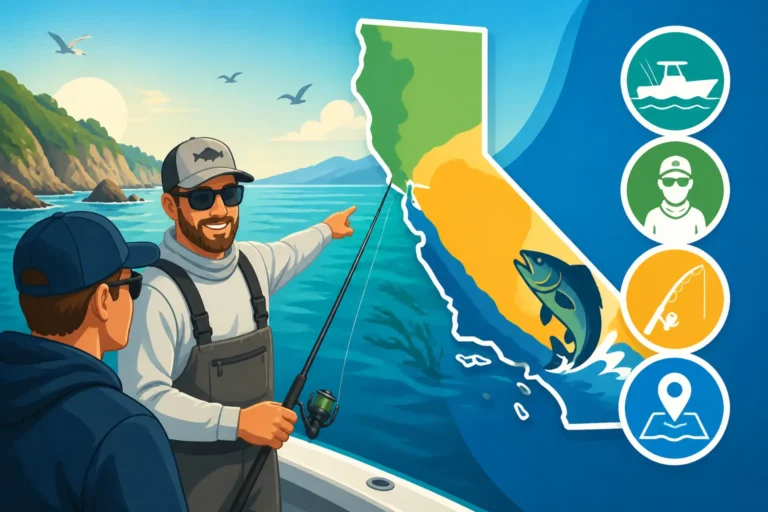
Planning a fishing trip to a new place like Santa Barbara can feel like navigating a maze of unknowns. You're probably wondering what fish bite, what kind of boat you should hop on, and what you even need to bring to make sure you have a fantastic day out on the water. This comprehensive guide is designed to peel back the curtain, giving you a crystal-clear picture of what a Santa Barbara fishing trip truly entails, from the moment you consider booking to the triumphant return to the dock with your catch.
Discovering the Bounty of Santa Barbara's Waters
Santa Barbara, often called the "American Riviera," isn't just known for its beautiful beaches and Spanish Colonial architecture; it's a legitimate fishing paradise. The unique oceanography here, with its deep canyons, kelp forests, and proximity to the Channel Islands, creates a rich ecosystem teeming with a diverse array of fish species. It’s a place where anglers of all skill levels can find something to excite them, whether you’re a seasoned pro chasing trophy fish or a family looking for a fun day reeling in smaller, abundant species.
The Diverse Fish Species You'll Encounter
When you drop a line in Santa Barbara waters, you're tapping into a vibrant underwater world. The most common targets change with the seasons and your chosen fishing grounds, but a few species consistently steal the show.
One of the most popular groups you'll encounter are rockfish. This isn't just one type of fish; it's a broad category that includes a variety of species like Vermilion, Copper, Bocaccio, and even the formidable Cabezon. These bottom-dwelling fish are often found around rocky reefs and kelp beds, offering consistent action and making for excellent table fare. They're typically caught using bait-and-sinker rigs or jigs dropped to the ocean floor. While not always the hardest fighters, their abundance and deliciousness make them a staple of any Santa Barbara fishing trip. Understanding the various types and how to target them can make a huge difference in your success, and it’s always a good idea to brush up on specific regulations for each to ensure you’re compliant.
Then there are the prized game fish like California halibut and lingcod. Halibut are notorious for their camouflaged ambush tactics, often laying flat on sandy bottoms near structure. Catching a "flattie" requires patience and a good drift, often using live bait like anchovies or sardines, or artificial lures mimicking baitfish. They put up a decent fight with powerful runs, especially the larger ones, and are considered one of the best-eating fish in California. Lingcod, on the other hand, are aggressive predators found in rocky, deeper areas. They have a reputation for their toothy grins and hard-hitting strikes. Anglers often target them with large swimbaits, jigs, or live mackerel. Both halibut and lingcod are highly sought after, and landing one of these can turn a good day into a truly memorable one. Keep in mind that specific California Halibut Regulations and Limits and California Lingcod Regulations and Limits are strictly enforced to protect these popular species.
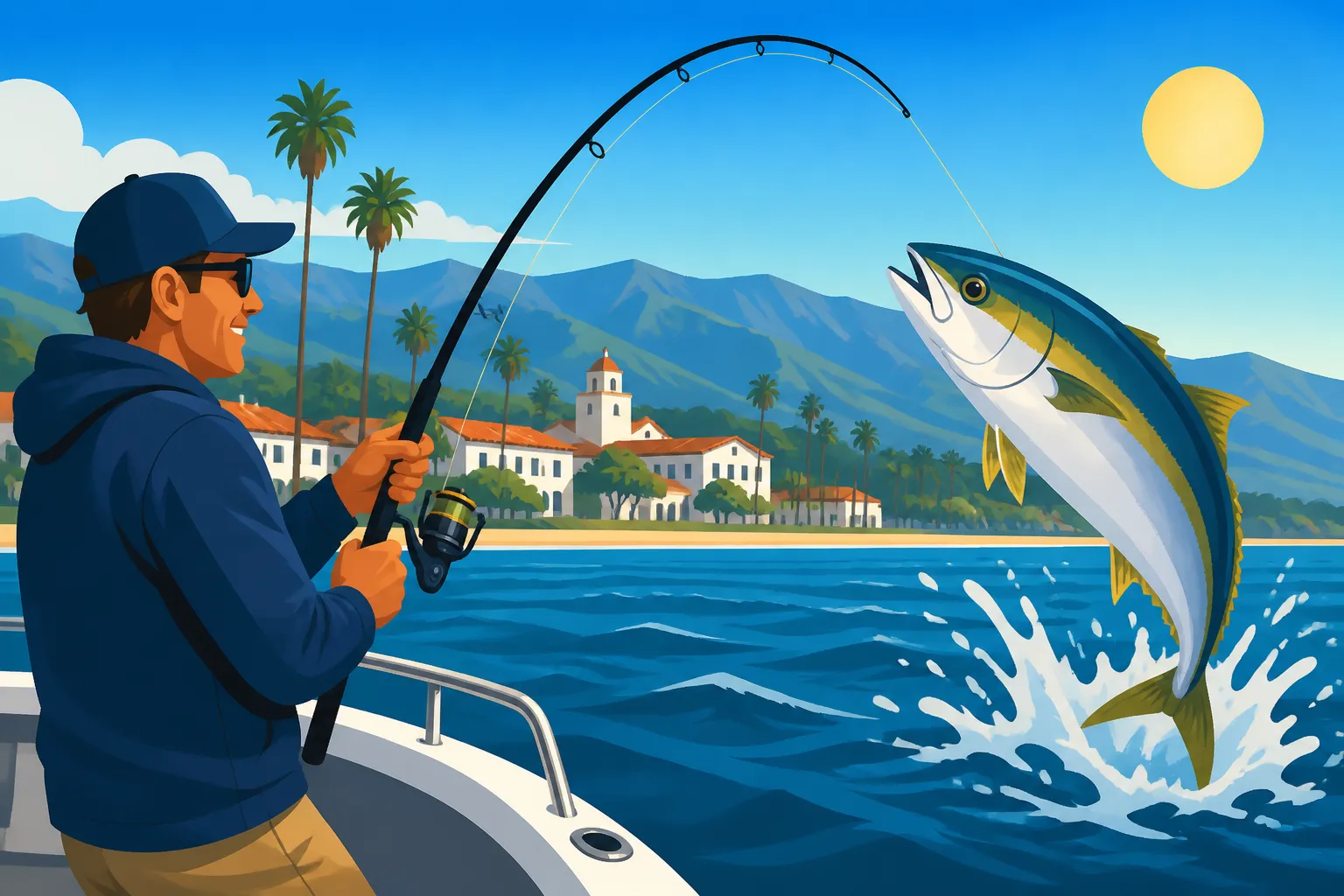
During warmer months, especially from late spring through early fall, pelagic species like yellowtail and white seabass can migrate into the area, especially around the Channel Islands. Yellowtail are powerful, fast swimmers known for their incredible fighting spirit, often making long, blistering runs that test both angler and tackle. They respond well to live bait, surface iron jigs, and even fly-lined sardines. White seabass are more elusive but highly prized for their size and superb eating quality. Often found in kelp beds, they can be finicky, requiring specific baits like live squid or finbait and a stealthy approach. These pelagics offer a different kind of thrill compared to bottom fishing, demanding more specialized techniques and equipment. If you're hoping to target these, you'll want to look into the prime season for a California Yellowtail Fishing Guide to maximize your chances.
Beyond these, you might also hook into various species of bass, including calico bass, often found in kelp forests, and perhaps even bonito or barracuda on certain trips. The sheer variety ensures that no two trips are exactly alike, keeping things exciting for regular anglers.
Popular Fishing Methods and Techniques
Santa Barbara fishing charters employ a range of techniques, often adapting to the target species, time of year, and prevailing conditions. Knowing what to expect can help you prepare and get the most out of your trip.
Bottom fishing, as you might guess, involves getting your bait or lure down to the ocean floor where species like rockfish and lingcod reside. This is a very common method, especially on half-day and full-day trips targeting the plentiful reef fish. The deckhands will usually provide you with a two-hook dropper loop rig or a similar setup, often baited with squid strips. You'll drop your line, feel for the bottom, and then reel up a few cranks to keep your bait just off the structure. It’s a relatively straightforward technique, making it perfect for beginners or those who just want consistent action. The trick is often to stay in contact with the bottom without getting snagged, which the experienced crew will guide you through.
For species like halibut or sometimes yellowtail, drifting with live bait is incredibly effective. Charters will often have a live bait well full of anchovies, sardines, or mackerel, depending on what's available and what the fish are biting. When drifting, the boat moves slowly with the current or wind, allowing your bait to cover a lot of ground naturally. This technique often involves a lighter setup than heavy bottom fishing, letting the bait swim freely. You might be "fly-lining" a bait with minimal weight, or using a light sinker to get it deeper in the water column. The excitement of a live bait strike is something else entirely – often a sudden, aggressive pull that signifies a larger, more active fish.
Jigging and trolling are also popular, particularly for pelagic species. Jigging involves rapidly raising and lowering a metal or plastic lure, mimicking a distressed baitfish, which can trigger aggressive reaction strikes from yellowtail, barracuda, or even some rockfish. Trolling, on the other hand, involves dragging lures or baits behind a moving boat, usually at a slow to moderate speed. This is a highly effective way to cover large areas and find schools of fish, especially for species like tuna if you venture offshore, or sometimes for halibut and salmon in other parts of California. While not as prevalent for the typical Santa Barbara local trip, some specialized charters might employ trolling for specific targets or conditions. The best part is, you don't need to be an expert in any of these; the knowledgeable deckhands are there to assist, instruct, and even rig your lines for you.
Navigating Your Charter Options and Trip Styles
One of the biggest decisions you'll make when planning your Santa Barbara fishing adventure is choosing the right type of trip and vessel. The options range from bustling party boats to intimate private charters, each offering a distinct experience. Your choice will largely depend on your budget, group size, fishing goals, and desired level of comfort and privacy.
Party Boat Adventures vs. Private Charter Experiences
Party boats, also known as open party boats or head boats, are a fantastic and cost-effective way to get out on the water. These vessels take multiple individual anglers or small groups, up to their licensed capacity, on a shared fishing experience. In Santa Barbara, reputable landings like Sea Landing operate several such boats daily.
On a party boat, you'll have access to experienced deckhands who are constantly moving around, helping anglers with baiting hooks, untangling lines, gaffing fish, and offering advice. The atmosphere is often lively and social, with a mix of seasoned regulars and first-timers. This is an excellent option for solo anglers, couples, or small groups who want to fish without breaking the bank. The drawback, if you can call it that, is less personalized attention than a private charter, and you're fishing alongside many others, which means less space for casting and potentially more tangled lines (though the deckhands are masters at resolving these!). Gear rental is typically available for a small fee, and fishing licenses are usually still required individually, although some charter operations may offer a temporary fishing license as part of the package for an added fee, especially for rockfish trips. If you're a beginner, a party boat is a great way to learn the ropes without a huge upfront investment.
Private charters, on the other hand, offer an exclusive and highly customizable experience. You book the entire boat for your group, meaning you get personalized attention from the captain and crew. This is ideal for families, corporate outings, or groups of friends who want privacy, flexibility in their fishing targets and locations (within reason and regulation), and a more bespoke adventure. The costs are significantly higher than a party boat, as you're covering the entire boat's operating expenses, but the benefits often justify the price for those seeking a premium experience.
With a private charter, you can often choose your departure time, request specific fishing grounds (like venturing closer to the Channel Islands for pelagics), and even dictate the pace of the trip. The crew will focus solely on your group, offering expert guidance and ensuring everyone, from beginners to experienced anglers, has a fantastic time. For a truly unforgettable experience, especially if you have a specific target species or a large group, a private charter can't be beaten. You can find many excellent options for private trips by searching for Best Fishing Charters in Santa Barbara.
| Feature | Party Boat (Open Party) | Private Charter |
|---|---|---|
| Cost | Lower per person | Higher total cost, but can be cost-effective for larger groups |
| Group Size | Individual anglers or small groups join others | Exclusive to your booked group |
| Privacy | Shared with strangers | Complete privacy |
| Flexibility | Fixed schedule, target species, and location | Flexible schedule, customized targets/locations (within limits) |
| Attention | Shared crew attention | Dedicated crew attention |
| Best For | Budget-conscious, solo anglers, meeting new people, beginners | Families, corporate events, serious anglers, special occasions, large groups |
| Booking Method | Online, phone, walk-in | Online (e.g., via FishingBooker), direct with charter, phone |
Understanding Trip Durations and Destinations
Santa Barbara fishing trips typically fall into a few categories based on duration, each taking you to different, productive fishing grounds.
Half-day trips are usually around 5-6 hours long, often departing in the morning and afternoon. These are perfect for families with young children, beginners, or anyone looking for a shorter, more accessible outing. Due to the shorter duration, half-day trips generally focus on fishing closer to shore, targeting abundant rockfish, calico bass, and sometimes even smaller halibut. You won't venture far offshore or to the Channel Islands, but you'll still get plenty of action in the local reefs and kelp beds, which are surprisingly productive. These trips are all about consistent bites and a fun, relaxed experience without a huge time commitment.
Full-day trips, lasting approximately 8-10 hours, offer a more comprehensive fishing experience. With more time on the water, charters can travel further, often reaching productive spots around the inner Channel Islands like Anacapa Island or Santa Cruz Island, or venturing to deeper offshore banks. This extended range significantly increases your chances of encountering a wider variety of species, including larger rockfish, lingcod, and seasonal pelagics like yellowtail and white seabass when they are in the area. Full-day trips are a popular choice for more dedicated anglers who want to maximize their time fishing and have the opportunity for a trophy catch. The longer travel time also means more time for the crew to scout for active fish and adjust locations as needed.
Sometimes, you'll find extended full-day or even overnight trips, particularly during prime tuna season or for specialized expeditions. These are less common for general Santa Barbara offerings but do exist, especially if you're looking for true offshore big-game experiences. These longer trips usually target distant banks or even further out to sea, chasing bluefin tuna, yellowfin, or dorado. These require a significant commitment in terms of time and cost but offer the ultimate challenge and potential for truly massive catches. Before booking, always confirm the exact duration and what areas the trip typically covers. Reputable platforms like FishingBooker make it easy to compare trip lengths and destinations offered by different charters in Santa Barbara.
Preparing for Your Santa Barbara Fishing Expedition
A successful fishing trip isn't just about catching fish; it's about being prepared for whatever the ocean throws at you. Santa Barbara's coastal weather can be fickle, and knowing what to bring and what to expect can make all the difference in your comfort and enjoyment.
Essential Gear, Attire, and Supplies to Bring
First things first, let's talk about what to wear. The marine layer in Santa Barbara can linger well into the morning, even on sunny days, and temperatures can drop significantly once you're out on the open water. Layering is absolutely critical. Start with a moisture-wicking base layer, add a warm mid-layer like a fleece or sweatshirt, and top it off with a waterproof and windproof outer shell. Even if it looks sunny on shore, bring that jacket! Nobody enjoys being cold and wet. Non-slip, closed-toe shoes are also a must. The decks can get wet and slippery, and hooks, weights, or fish spines can pose hazards. Flip-flops or open-toed sandals are a definite no-go.
Beyond clothing, there are a few other essentials. Sun protection is non-negotiable, even on overcast days. A wide-brimmed hat, sunglasses (polarized ones really help spot fish or structure), and a high-SPF sunscreen should be in your bag. If you're prone to seasickness, take preventative measures before you board the boat. Motion sickness patches, wristbands, or over-the-counter medications like Dramamine or Bonine can save your trip. Pack plenty of food and drinks, especially for full-day trips. Hydration is key! Bring a small cooler to keep your snacks and beverages fresh.
While most party boats offer rod and reel rentals for a modest fee (typically $10-$20), many experienced anglers prefer to bring their own gear. If you do bring your own, ensure it's appropriate for the target species and conditions. For general bottom fishing, a medium-heavy rod with a conventional reel spooled with 30-50 lb test line is a good starting point. For lighter halibut or bass fishing, a medium spinning rod might be suitable. Don't forget a small tackle box with any specific lures or terminal tackle you might want to use, though basic bait and weights are usually provided or sold on the boat. Lastly, a small backpack or dry bag is handy for keeping your personal items secure and dry. For a more detailed checklist, consider checking out this guide on What to Bring on a California Fishing Charter.
Deciphering California's Fishing Regulations and Permits
This is where things can get a little complicated, but don't worry, the charter crew is there to help guide you. First and foremost, almost everyone needs a valid California fishing license to participate in ocean sportfishing. There are very few exceptions, such as fishing on a designated "free fishing day" or from a public pier (though not all piers are license-free, so always check locally). This applies to residents and non-residents alike, with various options including annual, one-day, or two-day licenses. You can purchase these online through the California Department of Fish and Wildlife (CDFW) website, or from authorized license agents like bait and tackle shops, and even some sporting goods stores like Big 5 Sporting Goods or Walmart. Make sure to purchase it before you get to the dock, as it can be a scramble if you wait until the last minute. This comprehensive California Fishing License Guide can walk you through all the options.
Beyond the general license, certain species require a report card. For instance, if you plan to target California halibut, you might need an additional report card to record your catch, though this often depends on current regulations and whether you are fishing within specific bay or ocean zones. Similarly, specialized report cards are required for species like abalone (when in season, which they currently are not), salmon, or sturgeon, though these are less likely to be relevant for a typical Santa Barbara sportfishing trip. The crew on your charter will be intimately familiar with all current California Fishing Regulations Explained, bag limits, and size restrictions for the species you're targeting. They'll instruct you on what fish you can keep, what needs to be released, and how to properly measure your catch. It’s crucial to listen to their instructions, as violations can lead to hefty fines and legal trouble. Many areas in California, including around the Channel Islands, are designated as California Marine Protected Areas Explained, which may have specific rules about what can and cannot be fished, or even no-take zones. Your captain will always ensure the boat operates within these boundaries.
Maximizing Your Catch and Experience
A great fishing trip is a blend of preparation, knowledge, and a little bit of luck. Understanding the best times to go and how to interact with the crew can significantly elevate your overall experience.
The Best Seasons and Times to Hit the Water
Santa Barbara offers decent fishing year-round, but specific seasons shine for different species. Knowing when to go can drastically improve your chances of catching your desired fish.
Spring (March to May) often sees an increase in rockfish activity as waters begin to warm up, and they move into shallower depths. It's also a good time for California halibut, as they become more active in the bays and nearshore areas. As spring progresses, there's often anticipation for the arrival of pelagic species like yellowtail, which typically start showing up as warmer currents move north. The weather can still be a bit unpredictable, with occasional strong winds, but many days offer calm seas and productive fishing.
Summer (June to August) is prime time for a wide variety of species. The water temperatures are at their warmest, making it ideal for targeting yellowtail, barracuda, and potentially white seabass, especially around the Channel Islands. Rockfish remain abundant, and lingcod are still biting well. This is arguably the most popular season for Santa Barbara fishing trips, with consistent action and generally pleasant weather, though the morning marine layer can still be present. This is a great time to explore California Offshore Fishing Techniques if you're venturing further out.
Fall (September to November) can be one of the best-kept secrets for fishing in Santa Barbara. The summer crowds thin out, but the warm water often lingers well into the season, meaning yellowtail and other pelagics can still be caught. Rockfish and lingcod fishing remains strong, sometimes even picking up as fish feed aggressively before winter. The weather can be exceptionally pleasant, with clear, calm days perfect for a long day on the water.
Winter (December to February) typically means a shift in focus. While yellowtail and white seabass are generally gone, rockfish and lingcod are still available, though often found in deeper waters due to cooler temperatures. Winter can also bring opportunities for larger California halibut, especially on calmer days when drifting techniques are effective. The main challenge in winter is the weather; rougher seas and storms can limit fishing days, but when conditions are good, the fishing can be excellent, and the boats are less crowded. For a general overview of species availability, check out a California Fishing Seasons: Month-by-Month Guide.
Working with the Crew and Deckhands
The deckhands are the unsung heroes of any successful charter trip. They are incredibly knowledgeable, hardworking, and essential for ensuring your safety and maximizing your fishing success. Think of them as your personal fishing assistants, guides, and sometimes even therapists!
Listen to their instructions carefully. They will tell you where and how to fish, what bait to use, and when to reel in. Their advice is based on years of experience on those specific waters and knowing what the fish are doing right now. If they tell you to drop your line a certain way or retrieve it at a specific speed, do it. Don't be afraid to ask questions, whether it's about rigging your line, identifying a fish, or understanding a regulation. They are there to help you learn and succeed. Many beginners feel intimidated, but trust me, they've seen it all and are happy to assist.
When you hook a fish, they'll often be right there to help you land it, especially larger species. They’ll use a gaff or net to bring your catch aboard safely, and then they'll expertly remove the hook. Once the fish is landed, they'll usually place it in a communal fish hold, or in a personal cooler if you've brought one, to keep it fresh. At the end of the trip, the deckhands will often offer to filet your catch for a small fee, typically a few dollars per fish. This service is invaluable, as it saves you the mess and effort of cleaning your fish at home.
Finally, and this is important, tipping your deckhands is customary and highly encouraged. These folks work incredibly hard, often for long hours, and their income relies heavily on tips. A standard tip is usually 15-20% of your trip fare, or a flat amount of $20-$40 per person for a full-day trip, depending on the service. If they went above and beyond, a more generous tip is always appreciated. They contribute significantly to your enjoyment and success, so showing your gratitude is a small but meaningful gesture. Learning proper Tipping on a California Fishing Charter is a mark of a considerate angler.
Disclaimer
Fishing involves inherent risks, including but not limited to adverse weather, rough seas, and injuries from fishing equipment or fish. Always follow the instructions of your captain and crew. Fishing regulations are subject to change; it is your responsibility to ensure you have the appropriate licenses and adhere to all current California Department of Fish and Wildlife (CDFW) rules and limits. This guide is for informational purposes only and does not constitute professional advice.