Best Multi-Day Fishing Trips in California
Thinking about casting off for more than just a quick day trip? You've likely felt that pull towards a truly immersive fishing adventure, but the idea of a multi-day trip can seem a bit daunting with all the planning involved, from understanding what's even possible to what gear you'll need. This guide is here to demystify the world of multi-day fishing excursions in California, breaking down everything you need to know to experience the offshore trip of a lifetime.
Understanding Multi-Day Fishing Trips in California
When we talk about multi-day fishing trips in California, we're really diving into the deep end of offshore angling. These aren't your typical 6-hour jaunts or even the popular 1.5-day trips. These are commitments, adventures that take you far from shore, often into international waters or remote, highly productive fishing grounds that simply can't be reached in a shorter timeframe.
What Defines a "Multi-Day" Adventure?
The term "multi-day" might seem straightforward, but in the world of California sportfishing, it typically refers to trips that last anywhere from two full days and two nights, stretching up to five or even seven days on the water. Unlike a 1.5-day trip, which usually involves a night steam out, a full day of fishing, and a night steam back, a true multi-day trip means you're sleeping on the boat for multiple nights and spending several consecutive days actively fishing.
The primary distinction lies in the sheer distance covered and the time spent on the grounds. These boats are designed to be self-sufficient for extended periods, carrying massive amounts of bait, fuel, water, and provisions. The goal is often to chase highly migratory species like various tunas or wahoo that roam far offshore, sometimes hundreds of miles from the coast, in areas like the offshore banks southwest of San Diego, or even down into Mexican waters. It's an expedition, not just an outing. This extended time allows the captain to follow fish movements, adjust strategies, and really get into a rhythm that maximizes everyone's chances of a successful trip.
The Allure of Extended Offshore Excursions
So, why would anyone sign up for such a long trip, spending days away from land? The answer is simple: unparalleled fishing opportunities and an incredible sense of camaraderie. For many anglers, myself included, the dream of a true trophy fish often means getting way offshore, away from the heavily pressured inshore and nearshore spots. Multi-day trips increase your chances exponentially. More time on the water means more time over fish, more opportunities to present baits, and more chances to encounter that elusive giant Bluefin Tuna or a school of hard-fighting Yellowfin.
Beyond the fishing itself, there's an undeniable appeal to the lifestyle. You get into a rhythm with the ocean, the boat, and your fellow anglers. You wake up, grab a hot breakfast prepared by the galley crew, and within minutes you're scanning the horizon for signs of life. The conversations on deck, the shared excitement when a jig strike goes off, the collective effort of landing a big fish – these are experiences that forge bonds and create memories far deeper than a quick trip ever could. You become part of a temporary, floating community, all focused on the shared passion of the catch. Plus, escaping the daily grind for several days, disconnected from cell service and emails, is a mental reset unlike any other.
Top Destinations and Target Species for Multi-Day Trips
California's coastline is vast, but when it comes to multi-day offshore fishing, one region stands head and shoulders above the rest: Southern California. This area serves as the launchpad for some of the most famous long-range sportfishing adventures in the world.
Southern California's Long-Range Hotspots
If you're looking for a multi-day fishing trip in California, your journey will almost certainly begin in San Diego. Ports like Point Loma, Shelter Island, and the Embarcadero are home to legendary landings such as H&M Landing, Fisherman's Landing, and Point Loma Sportfishing. These are the epicenters for what's known as "long-range" fishing, a term often synonymous with multi-day trips. From here, massive, purpose-built sportfishing vessels embark on voyages that can last anywhere from two to eighteen days.
The fishing grounds are diverse and dynamic, constantly shifting with water temperatures and bait concentrations. For 2-5 day trips, common targets include the offshore banks like the Cortez Bank and Tanner Bank, or even San Clemente Island, which are rich ecosystems attracting pelagic predators. The primary target species for these extended trips are usually:
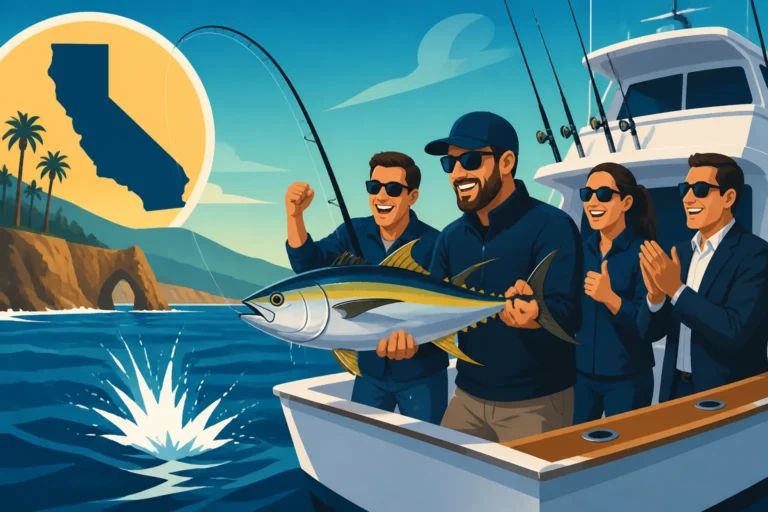
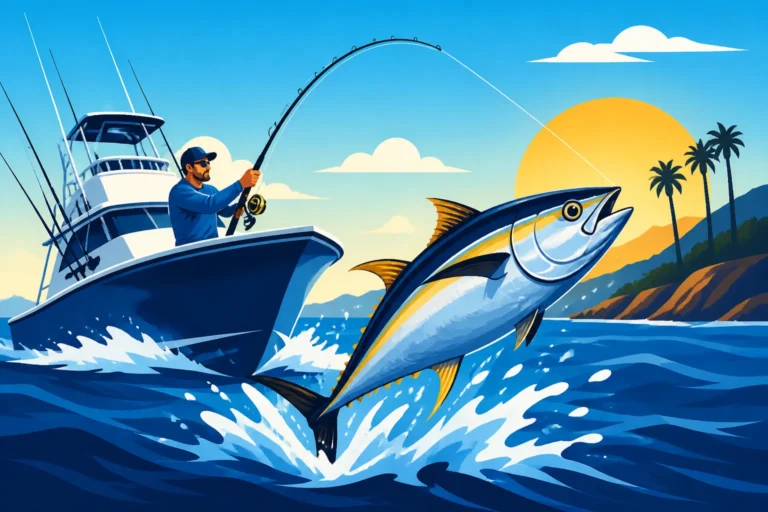
- Bluefin Tuna: These powerful, highly sought-after fish have become a staple of Southern California's long-range scene, especially in recent years. Anglers on multi-day trips often pursue giants weighing well over 200 pounds, requiring heavy tackle and serious endurance.
- Yellowfin Tuna: Known for their impressive speed and strength, Yellowfin tuna are another popular target, often found in schools further offshore, sometimes mixed with Bluefin.
- Dorado (Mahi-Mahi): With their vibrant colors and acrobatic fights, dorado are a blast to catch, frequently found around kelp paddies or other floating debris.
- Yellowtail: While also found closer to shore, large "mossback" yellowtail can be encountered on offshore banks, offering a formidable fight.
- Wahoo: These sleek, toothy predators are a prized catch, offering blistering runs and often requiring specialized techniques to land.
The season for these species typically runs from late spring through fall, with peak action often in the summer and early fall months. Booking through reputable platforms like FishingBooker can help you sort through the options and find a boat perfectly suited to your desired species and trip length. For specific information on tuna, you might want to check out our guide on how to catch Bluefin Tuna off California or even the Best Season for Bluefin Tuna in California.
Northern/Central California Multi-Day Potential
While Southern California is the undeniable king of multi-day offshore expeditions, Northern and Central California do offer some longer trips, though they are generally less frequent and typically max out at two days rather than extending to five or more. Boats departing from ports like San Francisco, Emeryville, or Bodega Bay occasionally run 2-day trips, especially when offshore conditions align to bring certain species within a reasonable steaming distance.
These trips might target:
- Albacore Tuna: Historically, Central and Northern California have seen strong albacore runs, though these can be highly migratory and unpredictable year-to-year. A 2-day trip allows the boat to travel further offshore to find these fast-moving schools.
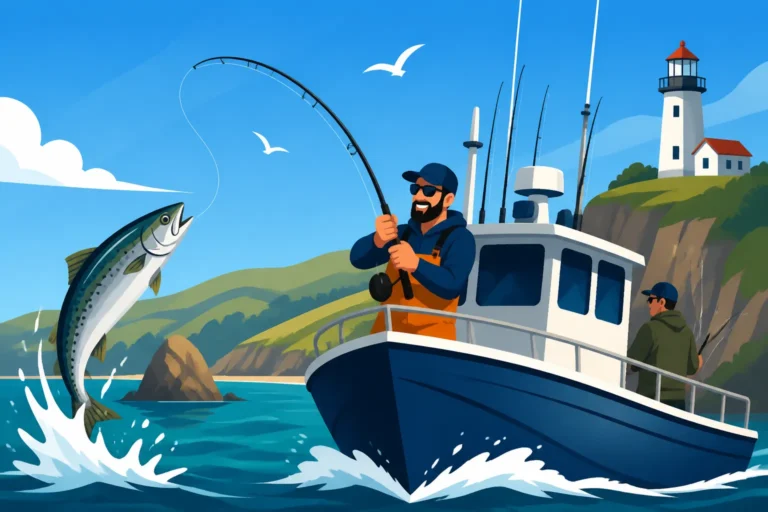
- King Salmon: During peak salmon seasons, especially when the fish are concentrated far offshore, a 2-day trip might be offered to maximize fishing time over the prime grounds, like those found off the Farallon Islands.
- Deeper Water Rockfish and Lingcod: While usually done on single-day trips, exceptionally good deepwater fishing might warrant a 2-day excursion to hit multiple remote reefs or seamounts for larger specimens.
It's important to set expectations correctly: a multi-day trip in Northern or Central California is a very different beast from a Southern California long-range trip. The focus, duration, and target species usually differ significantly. Always confirm the specific itinerary and target species with the charter operator before booking.
Preparing for Your Multi-Day Offshore Journey
Embarking on a multi-day fishing trip is a serious commitment, and proper preparation is key to ensuring you have a comfortable, productive, and enjoyable experience. You'll be living on a boat with a group of strangers, often miles from land, so knowing what to bring and what to expect makes all the difference.
Essential Gear and Packing List
One of the biggest questions is always about gear. Most long-range boats offer rental tackle, which is a great option if you don't own heavy offshore setups or are trying it for the first time. However, if you plan to go regularly, investing in your own gear can be rewarding. For those serious about multi-day fishing, a diverse selection of rods and reels is crucial:
Gear Type Description Packing your clothes for a three-day trip means bringing a few key things to make sure you're ready for different weather and activities without overpacking. Instead of thinking about exact outfits, think about layers. California weather, especially on the coast, can change from cool mornings to warm afternoons, and then cool down again in the evening.
First up, you'll want some comfortable basics. Two or three t-shirts are usually plenty, maybe one or two short-sleeved and one long-sleeved for sun protection or cooler evenings. For bottoms, a pair of quick-drying fishing shorts or convertible pants are a must, as are comfortable pants like jeans or hiking trousers. A light fleece jacket or sweatshirt is invaluable for those chilly mornings and evenings on the water, and a waterproof, windproof outer shell jacket is non-negotiable. Even if the forecast looks clear, a rogue spray or unexpected drizzle can make you miserable fast.
Don't forget your hat – a wide-brimmed one for maximum sun protection is ideal – and good quality polarized sunglasses. On your feet, waterproof deck boots or sturdy, non-slip athletic shoes are critical. Pack a couple of pairs of socks, too. Beyond clothes, bring any personal medications, sunscreen (SPF 50+!), lip balm with SPF, and any preferred toiletries. A small, dry bag is also super handy for keeping your phone, wallet, and other essentials safe from spray. And a personal tip: a good quality travel towel dries quickly and saves space. If you're wondering what else to bring, our article on what to pack for an overnight tuna trip has even more detailed suggestions for longer excursions.
Booking Your Trip and What to Expect on Board
Booking a multi-day trip is a bit different from a typical charter. You're often looking at "open party" boats, where individuals or small groups book spots on a larger vessel. The best way to find and compare these trips is through dedicated sportfishing landing websites or online platforms. This is where resources like FishingBooker really shine, as they consolidate listings from various operators, making it easier to compare dates, durations, target species, and prices. You'll often find options from premier operators like the ones out of H&M Landing or Fisherman's Landing in San Diego. When comparing, pay close attention to what's included in the price. Typically, food, non-alcoholic beverages, ice for fish storage, and sometimes even basic bait are included. However, rental tackle, specialized live bait (like sardines or mackerel), fish processing, and crew gratuities are usually extra.
Life on board a multi-day boat is an experience in itself. Most boats feature comfortable bunk-style sleeping arrangements, a galley serving hot meals, and plenty of deck space for fishing. The rhythm revolves around the fish: early mornings, late nights, and sometimes even fishing through the night under the deck lights for species like swordfish or squid. The crew, from the captain to the deckhands, are there to help you. They’ll offer advice, rig baits, gaff fish, and keep things running smoothly. Don't be shy about asking questions or for assistance – that's what they're there for! Understanding California Party Boat Etiquette will help you fit right in and make the most of your time on the water.
Before you go, make sure you've discussed any specific needs with the landing, especially if you have dietary restrictions or require certain accommodations. Always confirm your booking, departure times, and any last-minute changes to the itinerary. Communication is key to a smooth trip.
Navigating Regulations and Maximizing Your Experience
Fishing far offshore, sometimes close to international borders, brings a unique set of regulations you need to be aware of. It's not just about a standard fishing license; there are often additional requirements and specific rules for highly migratory species.
Licenses, Report Cards, and Regulations
First and foremost, you absolutely need a valid California Fishing License Guide for every day you plan to be on the water. Even though you might be fishing in federal or international waters, you'll be departing from and returning to a California port. Beyond the general license, an often-overlooked requirement for offshore saltwater fishing is the California Ocean Enhancement Stamp. This stamp is mandatory for anglers fishing in ocean waters south of Point Arguello (Santa Barbara County) and is vital for funding programs that enhance Southern California's marine resources.
For certain highly migratory species, you might also need a specific report card. While the California Steelhead Report Card or California Sturgeon Report Card are for freshwater species, federal permits are sometimes required for specific tuna or shark species, and your charter will usually cover the vessel permit, but it’s always good to double-check. The crew will be experts on the current rules, but it’s your responsibility as an angler to be compliant. Familiarize yourself with the California Fishing Regulations Explained, paying close attention to bag and size limits for all potential target species, as these can change annually. The regulations governing tuna, for example, can be complex, often with specific daily bag limits and even vessel limits that apply to the total catch on the boat.
Onboard Etiquette and Best Practices
Being a good shipmate contributes immensely to the overall experience for everyone. Here are a few pointers to ensure your trip is smooth and enjoyable:
- Respect the Crew: Deckhands work incredibly hard, often for long hours, to ensure your trip is successful and safe. Listen to their instructions, especially regarding safety and fish handling. A simple "please" and "thank you" goes a long way. And remember, Tipping on a California Fishing Charter is customary and very much appreciated, as a large part of their income comes from gratuities.
- Share the Rail: Space can be tight on a busy boat. Be mindful of your casting and retrieve, and be prepared to move if another angler hooks up with a big fish that needs to be fought around the boat. Everyone wants to catch fish, and a cooperative spirit makes it better for all.
- Fish Handling: Once a fish is on deck, the crew will typically handle the gaffing and getting it into the fish hold. If you’re keeping your catch, they’ll usually bleed it out and place it on ice. If it’s a catch-and-release species or an undersized fish, follow the crew’s instructions for safe and quick release to maximize its survival chances.
- Keep Your Area Clean: The boat is your home for the next few days. Keep your bunk area tidy and dispose of trash properly. A clean boat is a safer and more pleasant boat for everyone.
- Prevent Seasickness: Nothing ruins a multi-day trip faster than debilitating seasickness. Take preventative measures seriously. Over-the-counter medications like Dramamine or Bonine, or prescription patches, can make a huge difference. Start taking them before you even board the boat, as per instructions. You can learn more about How to Prevent Seasickness on a California Charter to ensure you're well-prepared.
- Ask for Help: Don't struggle in silence. If your line is tangled, your reel isn't working right, or you need help rigging, ask a deckhand. They are there to assist you and want you to have a great time. Preparing yourself mentally and physically for the long hours and potential challenges is also crucial; consider reading up on How to Prepare for a Long-Range Tuna Trip for more in-depth advice.
By following these guidelines, you'll not only maximize your own fishing success but also contribute to a positive and memorable experience for everyone on board, making that multi-day trip a truly epic adventure you'll want to repeat.
Disclaimer
Please note that fishing regulations, seasons, and limits in California can change frequently. Always consult the latest official California Department of Fish and Wildlife (CDFW) regulations booklet or website before your trip to ensure compliance. This guide is for informational purposes only and should not be considered a substitute for official regulations.