Fishing Charters in Point Loma
Trying to figure out where to launch your next epic fishing adventure in Southern California can feel overwhelming, especially with so many options. Many anglers hear about "Point Loma" and know it's a hub, but the specifics of fishing charters there – what kind, what to catch, and how to book – can be a real mystery. This guide is here to cut through the confusion, offering a comprehensive look at everything you need to know about fishing charters out of Point Loma, ensuring your next trip is a memorable one.
Why Point Loma is a Premier Fishing Charter Destination
Point Loma, with its stunning cliffs and strategic location at the entrance to San Diego Bay, isn't just a picturesque peninsula; it's a true angler's paradise and a major gateway to some of California's most productive fishing grounds. The deep, nutrient-rich waters just offshore, combined with its proximity to both local kelp forests and the migratory paths of pelagic species, make it an incredibly dynamic place to wet a line. It’s no wonder that countless legendary catches have been landed by boats operating out of this iconic spot.
The Unique Geographic Advantage
Point Loma's geographic position is its biggest asset for fishing. Situated perfectly between the protected waters of San Diego Bay and the vast expanse of the Pacific Ocean, it offers quick access to a remarkable variety of fishing environments. Anglers don't have to endure long, bumpy rides just to get to the fish. Within minutes of leaving the harbor, you can be dropping lines over a productive rockfish reef or steaming towards offshore banks where tuna roam. This minimizes travel time and maximizes fishing time, which is invaluable on any charter trip. The peninsula also provides a natural windbreak for vessels heading south, often making for smoother rides even when the open ocean gets a bit choppy further out.
Access to Diverse Marine Ecosystems
From Point Loma, you can easily reach an incredible array of marine habitats. Just beyond the jetty, you'll find expansive kelp beds teeming with calico bass, yellowtail, and sheepshead. These underwater forests are vibrant ecosystems, acting as natural nurseries and feeding grounds for a multitude of species. A bit further offshore, the bottom contours create excellent structure for various rockfish species and lingcod. Head southwest, and you're entering the fertile waters of the offshore banks and canyons, which are vital migration corridors for pelagic species like tuna and dorado. This diversity means that no matter the season or the prevailing conditions, there's usually something biting within a reasonable distance, offering charters a wide range of options to target.
A Rich History of Sportfishing
San Diego, and Point Loma specifically, boasts a storied history in West Coast sportfishing. For generations, anglers have departed from these docks in pursuit of trophy fish, establishing a culture of excellence and a deep understanding of the local waters. This tradition means that the captains and crews operating out of Point Loma aren't just boat drivers; they are often seasoned veterans with decades of experience, intimately familiar with the currents, bait movements, and fish behavior that dictate success. Many of the original sportfishing landings, like H&M Landing and Point Loma Sportfishing, have been operating for over 70 years, continuously refining their craft and passing down invaluable knowledge. This lineage contributes to the high quality and success rate of charters from this area.
Types of Fishing Charters Departing from Point Loma
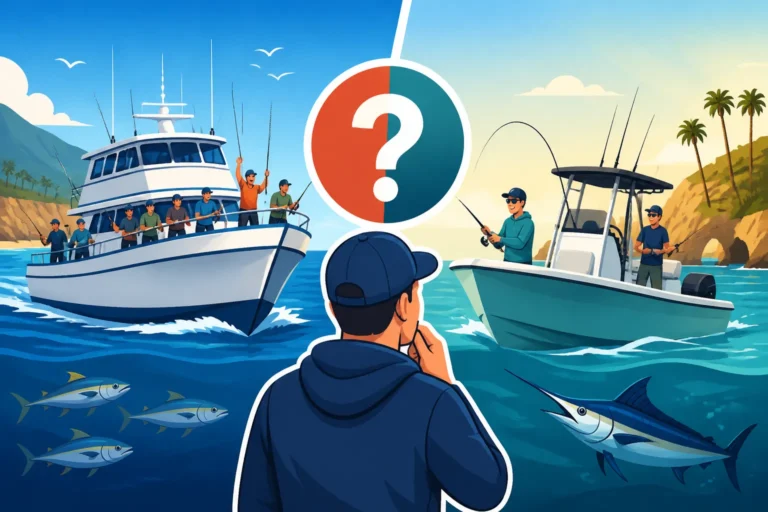
When you decide to book a fishing charter out of Point Loma, you'll quickly realize there’s a whole spectrum of options available, designed to cater to different group sizes, budgets, target species, and levels of experience. Understanding these categories is key to choosing the perfect trip for you and your companions. It's not just about getting on a boat; it's about matching the adventure to your expectations.
Open-Party vs. Private Charters
This is often the first major decision you'll face.
Open-Party Trips: The Social Angler's Choice
Open-party charters, also known as "party boats" or "head boats," are the most common and often the most budget-friendly option. On these trips, you book a single spot, and you share the boat with other individual anglers or small groups. These boats are typically larger, designed to accommodate anywhere from 20 to 80 or more passengers, depending on the vessel. The atmosphere on a party boat is usually lively and communal. You'll meet fellow anglers, share stories, and learn from experienced deckhands who are constantly moving around the boat, offering advice, rigging baits, and gaffing fish.
The downside? You have less control over where the boat goes or what species it targets. The captain makes those decisions based on recent fishing reports and prevailing conditions, aiming to put the most fish in the boat for the collective group. While you might sacrifice some personalized attention, the cost savings and the social aspect make these trips incredibly popular. They are an excellent way to experience offshore fishing without having to organize a large group yourself. For more insights into these communal trips, check out our guide on California Party Boat Fishing Explained.
Private Charters: Tailored for Your Group
Private charters offer an entirely different experience. Here, you book the entire boat for your group, whether that's two people or twelve (depending on the boat's capacity). This means you have the captain's undivided attention and the flexibility to customize your trip. Want to specifically target yellowtail in the kelp? Or maybe spend the day deep dropping for rockfish? A private charter allows for this kind of bespoke planning. You can also dictate the departure time, the pace of the trip, and even the music playing on board.
While private charters are significantly more expensive on a per-person basis, they offer unparalleled flexibility, privacy, and personalized instruction. They are perfect for families with kids, corporate outings, or a group of serious anglers who want to focus on specific techniques or species. You'll often find a higher staff-to-guest ratio, meaning the deckhands can provide more one-on-one assistance.
Half-Day, Full-Day, and Multi-Day Trips
The duration of your trip is another critical factor influencing both the cost and the type of fishing you'll experience.
Short-Range Adventures: Half-Day and 3/4 Day Trips
Half-day trips typically run for about 4 to 6 hours, usually in the morning or afternoon. These trips generally stay closer to shore, targeting species like rockfish, calico bass, and sometimes halibut, often within a few miles of the coast or inside the bay. They are fantastic for beginners, families with young children, or anyone looking for a shorter, less intensive fishing experience. The ride out is quick, and the action can be steady, making them very accessible.
Three-quarter day trips bridge the gap, usually lasting 7-9 hours. These allow the captain to venture a bit further, perhaps to some offshore reefs or a bit deeper into Mexican waters (with the right permits, of course), opening up opportunities for larger rockfish, more migratory yellowtail, or even a chance at white seabass depending on the season. This extra time can make a big difference in reaching more productive spots.
Full-Day and Extended Offshore Expeditions
Full-day trips, running 10-12 hours, are the bread and butter for many Point Loma charters. This duration allows ample time to reach the outer banks, islands like Coronado Islands (requiring valid Mexican fishing permits for fishing in Mexican waters), or even the bluefin tuna grounds if they are within a reasonable run. On a full-day trip, you're primarily targeting pelagic species like tuna, yellowtail, dorado, and sometimes even marlin, depending on the season. These are more serious endeavors, often involving longer runs and more intense fishing, perfect for anglers seeking bigger game.
Then there are the multi-day trips, ranging from 1.5 days up to 16 days or more, colloquially known as "long-range trips." These trips are almost exclusively focused on chasing large pelagic species far offshore, often hundreds of miles south into Mexican waters, venturing to places like Guadalupe Island or Alijos Rocks. These are serious commitments, requiring specialized gear and a significant investment of time and money, but they offer the chance at truly world-class tuna, wahoo, and dorado fishing. If you're considering a long-range trip, platforms like FishingBooker can help you find reputable operators specializing in these extended adventures, ensuring you're booking with experienced crews for such a significant undertaking.
What Species You Can Expect to Catch from Point Loma
One of the most exciting aspects of fishing out of Point Loma is the sheer variety of fish species you can encounter. The diverse marine environments, from the shallow bay to deep offshore banks, support a rich ecosystem, meaning there’s almost always something biting. Your target species will largely depend on the season, the type of charter you choose, and how far offshore you're willing to venture.
Inshore and Nearshore Species
When you're staying closer to the coast or fishing in the San Diego Bay, you'll primarily be targeting species that thrive in shallower, structured waters. These trips are often perfect for families or those prone to seasickness, as the ride is typically much calmer.
Rockfish, Lingcod, and Other Bottom Dwellers
The rocky reefs, ledges, and kelp beds that hug the Point Loma coastline are prime habitat for a wide array of rockfish, often collectively referred to as "rock cod." You might pull up vermilion rockfish (often called "reds"), bocaccio, chilipeppers, greenspots, and many other colorful species. These are generally caught by dropping lead-head jigs or bait to the bottom. Mixed in with the rockfish, you'll often find impressive lingcod, a highly prized, toothy predator known for its delicious white meat and aggressive bite. They hide in rocky crevices and ambush passing prey. When fishing these areas, it's crucial to be aware of California Rockfish Depth Restrictions and specific bag limits, as regulations can change frequently to protect these valuable populations.
Calico Bass and Halibut: Kelp and Sand Specialists
The sprawling kelp forests near Point Loma are playgrounds for calico bass, also known as kelp bass. These feisty fish are a favorite among sport anglers due to their strong fighting capabilities, especially when hooked on light tackle. They love to ambush baitfish around the kelp stalks. Surface iron, swimbaits, and live bait are all effective for calicos.
Another popular nearshore target is the California halibut. These flatfish bury themselves in sandy bottoms, often near structure or in transition zones between sand and kelp, waiting to ambush baitfish. They can be caught by drifting with live bait like anchovies or sardines, or by slow-trolling spoons and swimbaits. Halibut fishing requires patience and a good understanding of tides and currents. Knowing the California Halibut Size and Bag Limits is essential before you head out, as strict rules are in place to ensure sustainable fishing.
Offshore and Pelagic Game Fish
For many anglers, the real draw of Point Loma charters is the opportunity to chase powerful pelagic species that roam the open ocean. These trips typically require longer boat rides and more specialized gear but offer the chance at truly epic battles and trophy catches.
Bluefin Tuna, Yellowfin Tuna, and Albacore
San Diego is world-renowned for its tuna fishing, and Point Loma is at the heart of it. Depending on the year and the water temperatures, you can find massive bluefin tuna, sleek yellowfin tuna, and fast-swimming albacore. Bluefin tuna have become particularly famous in recent years, with individuals often exceeding 100 or even 200 pounds, requiring heavy-duty gear and serious stamina to land. Yellowfin tuna offer powerful, sustained fights, while albacore, when they show up, provide consistent, hard-pulling action. These fish are often targeted by trolling lures, kite fishing with live bait, or throwing bait at foaming schools. Understanding the Best Season for Bluefin Tuna in California will greatly increase your chances of connecting with these incredible fish.
Yellowtail and Dorado (Mahi-Mahi)
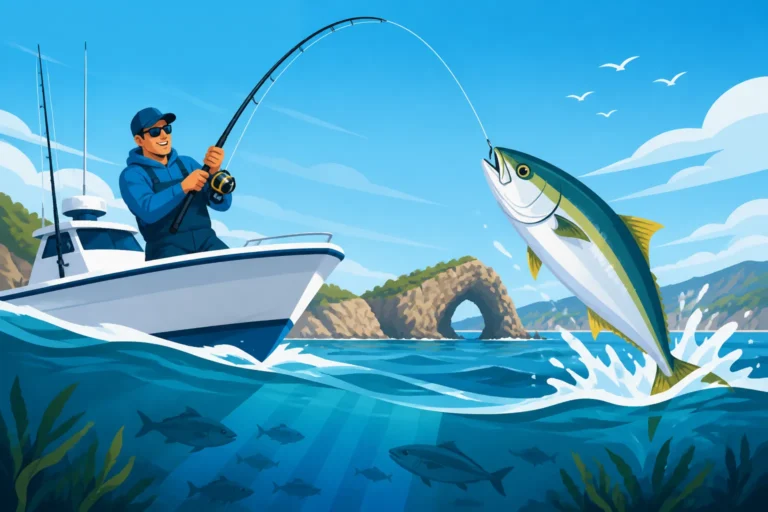
Yellowtail are another highly sought-after game fish in Southern California. Known for their incredible speed and strong runs, they frequent kelp beds, offshore islands, and submerged banks. They can be caught on a variety of methods, including yo-yo jigs, surface iron, and live bait. When the warm water pushes north, dorado, also known as mahi-mahi, make an appearance. These stunningly colored fish are acrobatic fighters and excellent table fare. They are often found under kelp paddies or other floating debris offshore, eager to strike lures or bait. Both yellowtail and dorado offer thrilling, visual bites and unforgettable fights.
Table of Common Species Targeted from Point Loma Charters
| Species Group | Typical Location | Preferred Baits/Lures | Best Season (General) | Notes |
|---|---|---|---|---|
| Rockfish | Coastal Reefs, Kelp Beds | Lead-head jigs, cut squid, anchovies | Year-round (seasonal closures) | Variety of species, good eating, often targeted on shorter trips |
| Lingcod | Rocky Reefs, Wrecks | Live mackerel, large jigs, swimbaits | Year-round (seasonal closures) | Aggressive, excellent table fare, can grow quite large |
| Calico Bass | Kelp Beds, Rocky Shorelines | Swimbaits, surface iron, live anchovies | Spring – Fall | Exciting fights, catch-and-release common |
| California Halibut | Sandy Flats, Bay Mouths | Live anchovies/sardines, grubs, swimbaits | Spring – Fall | Prized for meat, requires patience, drift fishing is key |
| Yellowtail | Islands, Banks, Kelp Beds | Live mackerel/sardines, jigs, surface iron | Spring – Fall | Powerful fighters, can be found nearshore and offshore |
| Bluefin Tuna | Offshore Banks, Open Water | Kite fishing, live bait, heavy jigs | Summer – Fall | Trophy fish, challenging fight, often requires heavy tackle |
| Yellowfin Tuna | Offshore Banks, Open Water | Live bait, poppers, trolling lures | Summer – Fall | Strong, sustained fights, excellent meat |
| Albacore Tuna | Offshore (cooler water) | Trolling lures, live bait | Summer (seasonal dependent) | Fast, hard fighters, make great sashimi |
| Dorado (Mahi-Mahi) | Floating Kelp Paddles, Open Water | Live bait, trolling lures, poppers | Summer – Early Fall | Striking colors, acrobatic jumps, warm-water indicator |
Note: Seasons can vary annually due to ocean conditions and bait availability. Always check current regulations before fishing.
Choosing the Right Charter and What to Expect
Selecting a fishing charter can feel like a big decision, especially if you’re investing in a special trip. Beyond just picking a boat, it’s about finding the right fit for your fishing style, comfort level, and budget. Knowing what to look for and what to expect can make all the difference between a good trip and a truly great one.
Researching Reputable Operators
The first step in choosing a charter is doing your homework. Point Loma is home to several well-known sportfishing landings that host fleets of reputable boats, such as H&M Landing, Point Loma Sportfishing, and Fisherman's Landing. These landings have long histories and maintain high standards for their vessels and crews. However, there are also numerous independent captains operating private charters.
When researching, look for operators with strong online reviews (Google, Yelp, TripAdvisor), clear communication, and detailed information about their trips. Websites like FishingBooker are fantastic resources because they aggregate listings from many different charter operators, allowing you to filter by location (like Point Loma), target species, price, and boat size. You can also read genuine reviews from past customers, which often provide invaluable insights into the crew's demeanor, the boat's condition, and the overall fishing experience. Don't be shy about calling the landing or captain directly to ask questions about their fishing philosophy, what gear they provide, and their safety protocols.
Understanding Inclusions and Exclusions
It's absolutely critical to understand what is included in the price of your charter and what isn't. Nothing sours a trip faster than unexpected charges or realizing you needed to bring something you didn't.
What's Typically Included
Most charters will include the boat, captain, and crew. On many open-party boats, basic fishing gear (rod, reel, tackle) might be included or available for rent at a nominal fee. Live bait, if used, is almost always included in the price of the trip, especially on larger sportfishing boats. Some charters, particularly private ones, might offer complimentary drinks or snacks. Many boats will also provide fish cleaning services at the end of the day, either included or for a small fee per fish. For visitors, understanding California Fishing License Requirements for Visitors is key, as you'll almost always need a valid California fishing license, and often a California Ocean Enhancement Stamp, which are typically not included in the charter price.
Common Exclusions to Look Out For
The biggest exclusion is almost always your California fishing license. You must purchase this beforehand. Additionally, if you're fishing in Mexican waters (common for many offshore trips from Point Loma targeting tuna or yellowtail), you'll need a Mexican fishing license and FMM (tourist card), which are also separate purchases. Gratuities for the deckhands and captain are another significant exclusion; it's customary to tip 15-20% of the trip cost if you're satisfied with the service. Food and drinks beyond basic provisions are often not included, so planning your own snacks and beverages is a good idea. Specialized gear, like heavy-duty outfits for giant bluefin tuna or specific fly-fishing setups, might also be an extra rental cost or something you need to bring yourself. Our guide on What to Bring on a California Fishing Charter offers a detailed checklist.
The Typical Flow of a Charter Trip
Knowing what to expect can help ease any first-timer jitters. While every trip is unique, there’s a general rhythm to a Point Loma fishing charter.
Pre-Departure and Onboard Briefing
You’ll typically be asked to arrive at the landing 30-60 minutes before the scheduled departure time. This allows you time to check in, get your rod rental (if needed), grab any last-minute snacks or drinks from the bait shop, and find a spot on the boat. Once everyone is on board and accounted for, the captain or a deckhand will give a safety briefing, explaining emergency procedures, where life vests are located, and how to safely move around the vessel. They’ll also often give an update on the day’s fishing plan – what species they're targeting and where they expect to go, based on the latest fish counts and weather.
The Fishing Experience and Deckhand Assistance
Once underway, the crew will guide you on setting up your gear, demonstrating proper baiting techniques (for live bait), or explaining how to jig effectively. On an open-party boat, deckhands are constantly circulating, helping anglers with tangled lines, unhooking fish, and re-baiting. Don't hesitate to ask them for advice – they are there to help you catch fish! When a fish is hooked, especially a larger one, a deckhand will often assist with gaffing or netting the catch and ensuring it's safely brought aboard. The camaraderie on a boat can be infectious, with cheers and encouragement from fellow anglers when someone hooks a good one. Learning about proper Tipping on a California Fishing Charter is good practice so you are ready when the trip concludes.
Booking Your Point Loma Fishing Adventure
Booking a fishing charter from Point Loma is an exciting step towards an unforgettable day on the water. While it's fairly straightforward, knowing the best platforms and practices can help you secure the ideal trip for your group and ensure a smooth experience from start to finish.
Online Booking Platforms
In today's digital age, online platforms have made booking fishing charters incredibly convenient. They allow you to browse a wide array of options, compare prices, check availability, and read reviews, all from the comfort of your home.
The Convenience of Aggregators like FishingBooker
Platforms like FishingBooker have revolutionized how people find and book fishing charters. They act as a central hub, listing hundreds of charters from various operators, including many departing from Point Loma. What's great about FishingBooker is the extensive filtering capabilities. You can search specifically for "Fishing Charters in Point Loma," then narrow down your results by boat type (private, open party), trip duration (half-day, full-day, multi-day), target species (tuna, rockfish, yellowtail), and even specific amenities. Each listing typically includes detailed information about the boat, the captain's experience, photos, pricing, and most importantly, verified customer reviews. This transparency helps you make an informed decision, giving you confidence in the operator you choose. They also often provide secure payment processing and clear cancellation policies, which is a huge plus.
Direct Booking with Landings or Captains
While aggregators are convenient, some anglers prefer to book directly with a specific landing or independent captain. This is particularly common for those who have a favorite boat or captain they’ve fished with before, or for larger groups seeking a highly customized private charter. Websites for major Point Loma sportfishing landings (like H&M Landing, Point Loma Sportfishing, or Fisherman's Landing) will list their daily schedules, special trips, and contact information. Booking directly allows for more direct communication with the operator, which can be beneficial for discussing very specific requests or understanding nuanced details about a trip. However, it often requires contacting multiple operators individually to compare options, which can be more time-consuming than using a platform like FishingBooker.
Essential Information for Booking
Regardless of how you book, having certain information ready will streamline the process.
Group Size and Preferences
First, know your group size. This is crucial as boat capacities vary widely, especially for private charters. Be prepared to provide the number of adults and children in your party. Also, consider your group's preferences: are you seasoned anglers looking for a challenging offshore trip, or a family with young kids hoping for some consistent action closer to shore? Communicating these preferences will help the booking agent or captain recommend the most suitable trip. If anyone in your party has specific needs, such as mobility issues or a tendency for seasickness, mention these upfront so the crew can best accommodate.
Target Species and Dates
Have a clear idea of what you'd like to catch, or at least the type of fishing you're interested in (e.g., "bottom fishing" vs. "tuna hunting"). While captains will always strive to put you on fish, knowing your preference helps them suggest the right trip during the right season. Point Loma is excellent for California Offshore Fishing Techniques, so be ready for that if you're after bigger game. Equally important is having your preferred dates and some backup dates ready. Popular trips, especially during peak season for species like bluefin tuna, can book up quickly. Being flexible with your dates, even by a day or two, can significantly increase your chances of securing a spot on a desired charter. Don't forget to account for acquiring your California Fishing License Guide ahead of time, as you'll need it for the trip.
Preparing for Your Point Loma Fishing Trip
A successful fishing trip from Point Loma isn't just about what happens on the boat; it's also about how well you prepare beforehand. A little planning can go a long way in ensuring your comfort, safety, and overall enjoyment of the day.
What to Pack and Wear
Being prepared for the elements and having the right essentials can make a huge difference in your experience. The ocean environment can be unpredictable, even on a sunny San Diego day.
Layered Clothing and Sun Protection
The weather on the water can change dramatically throughout the day. It might be chilly and damp in the morning as you depart, warm up significantly by midday, and then cool down again in the afternoon or evening. The key is layers. Start with a base layer, add a fleece or sweatshirt, and top it off with a waterproof and windproof jacket. Even on a hot day, a light long-sleeved shirt can protect you from the sun.
Speaking of sun, offshore fishing exposes you to intense UV radiation, often amplified by reflection off the water. Sun protection is non-negotiable. Bring a wide-brimmed hat, polarized sunglasses (essential for spotting fish and structure), and plenty of high-SPF sunscreen. Don't forget to apply it to commonly missed spots like the back of your neck, ears, and the tops of your hands.
Food, Drinks, and Personal Comfort Items
While some private charters might offer snacks or drinks, it's always best to bring your own supply, especially for longer trips. Pack plenty of water to stay hydrated, and bring easy-to-eat snacks and a hearty lunch. Sandwiches, fruit, granola bars, and chips are all great options. Avoid anything overly greasy or that might make you feel queasy.
For personal comfort, consider a small backpack or soft-sided cooler for your provisions. If you have any personal medications, make sure to bring them. A small towel can also be handy for drying hands or wiping down gear. And don't forget your camera to capture those trophy shots!
Dealing with Seasickness
Seasickness is a common concern, especially for those new to offshore fishing. It can quickly turn an exciting trip into a miserable one, but there are proactive steps you can take to prevent or mitigate it. Learning How Seasickness Works on California Offshore Trips is the first step.
Proactive Measures Before and During the Trip
The best offense is a good defense. If you're prone to seasickness, start taking over-the-counter medications like Dramamine or Bonine the night before your trip, and again in the morning. Follow the package directions carefully. Non-drowsy formulas are usually preferred. Acupressure wristbands (Sea-Bands) can also offer some relief for some individuals, though their effectiveness varies.
On the boat, try to stay on deck in the fresh air, focusing on the horizon rather than looking down at your phone or into the cabin. Avoid reading. Position yourself in the middle of the boat, where the rocking motion is generally less pronounced than at the bow or stern. Stay hydrated and avoid heavy, greasy meals before and during the trip. Small, bland snacks like crackers can sometimes help settle your stomach if you start to feel queasy. It's always better to take preventative measures rather than waiting until symptoms set in.
Post-Trip Considerations and Etiquette
Your fishing adventure doesn't quite end when the boat docks. There are a few important considerations and etiquette points to remember after a successful (or even slow) day on the water. These ensure a smooth return and show appreciation for the hard work of your crew.
Fish Handling and Cleaning
After a day of fishing, your catch needs proper handling. On most Point Loma charters, the deckhands are experts at processing fish.
Professional Cleaning Services
Most reputable charters offer fish cleaning services at the dock. On open-party boats, this is usually done by the deckhands, who will fillet and bag your fish for a small fee, often based on the number or weight of your fish. This service is incredibly convenient, ensuring your catch is properly prepared for transport and cooking. They'll typically ask you how you want your fish filleted (e.g., skin on/off, boneless). It’s common practice to tip the person cleaning your fish separately, especially if they’ve done a good job. For private charters, fish cleaning might be included in the price or handled directly by the crew without an additional fee, but it's always good to clarify this beforehand. Bringing a cooler with ice in your vehicle is essential for keeping your fillets fresh on the drive home.
Following Bag and Size Limits
Remember, every fish caught has specific regulations regarding size and bag limits. The crew on your charter boat will be meticulous about adhering to these rules, often measuring fish immediately upon capture and releasing any that don't meet the legal requirements. Anglers are responsible for knowing these rules, but the crew will certainly guide you. For example, knowing the California Halibut Bag Limit Explained or the rules for rockfish is part of responsible angling. These regulations are in place to ensure sustainable fishing practices and protect fish populations for future generations. Don't pressure the crew to keep undersized fish; they could face severe fines, and it's simply not good sportsmanship.
Tipping Your Hardworking Crew
Tipping is a standard and highly appreciated practice in the charter fishing industry, acknowledging the hard work and dedication of the crew.
Guidelines for Gratuities
A good rule of thumb for tipping your captain and deckhands is 15-20% of the total trip cost. If it was an open-party boat, this means 15-20% of your individual fare. For a private charter, it’s 15-20% of the entire boat’s cost. The deckhands often rely heavily on tips as part of their income, and they work incredibly hard throughout the day – assisting with gear, rigging baits, gaffing fish, and cleaning up. Even on slow fishing days, if the crew worked hard, provided excellent service, and made a genuine effort, a tip is still warranted. They can't control whether the fish bite, but they can control their effort and attitude. If you're unsure about the local customs, you can discreetly ask the booking agent or other experienced anglers at the dock. Our detailed guide on How to Tip a California Fishing Deckhand provides even more insights.
Showing Appreciation Beyond the Tip
Beyond monetary tips, there are other ways to show your appreciation. A heartfelt thank you and a positive review online (on platforms like FishingBooker, Google, or the landing's website) can go a long way. Sharing your positive experience helps other anglers choose a reputable charter and supports the crew's livelihood. If you have great photos from your trip, offer to share them with the captain – they often love to use them for their social media or website. Building a good rapport can even lead to insider tips for future trips or priority booking. Ultimately, showing respect and gratitude for their expertise and hard work ensures a positive experience for everyone involved in the vibrant sportfishing community of Point Loma.
Disclaimer
The information provided in this guide is for general informational purposes only. Fishing regulations, seasons, and limits are subject to change by the California Department of Fish and Wildlife (CDFW) and other governing bodies. Always consult the latest official regulations booklet or the CDFW website before heading out to fish. Weather and ocean conditions can change rapidly, and safety should always be your top priority.