California Lingcod Regulations and Limits
Oh boy, Lingcod! If you're anything like me, you've probably spent countless hours dreaming of wrestling one of those toothy, prehistoric-looking beauties from the deep. But let's be real, the moment you start planning that trip, a little knot forms in your stomach, right? Figuring out the labyrinth of California's fishing regulations can feel more challenging than actually catching the fish. Don't worry, friend, you're not alone. This guide is here to untangle the specifics of California's lingcod regulations and limits, helping you stay compliant and focus on what truly matters: a successful, stress-free day on the water.
Understanding the Lingcod's Place in California's Fisheries
Lingcod are absolutely iconic in California's nearshore and offshore waters. They're a favorite target for many anglers, not just for their formidable fight but also because they make for some incredible table fare. However, their popularity and relatively slow growth rate mean that the California Department of Fish and Wildlife (CDFW) keeps a pretty close eye on their populations. The regulations aren't just there to make your life difficult; they're crucial for ensuring these fantastic fish remain abundant for generations to come. It’s a delicate balance between allowing anglers to enjoy the sport and protecting the species from overfishing.
Why Lingcod Regulations Are So Complex
You might wonder why it feels like the rules for lingcod, and groundfish in general, change more often than the tides. Well, there's a good reason. Lingcod are part of a larger group known as groundfish, which includes various rockfish species, cabezon, and greenlings. These species often inhabit similar rocky reef structures and are frequently caught together. Because of this, regulations for lingcod often intertwine with broader groundfish management plans, which themselves are subject to federal and state oversight. Factors like scientific stock assessments, environmental conditions, and even political decisions can influence these rules, sometimes leading to annual or even mid-season adjustments. It can be a real headache trying to keep up, especially when you're just trying to plan a weekend trip out of San Francisco or San Diego.
The Role of Management Areas
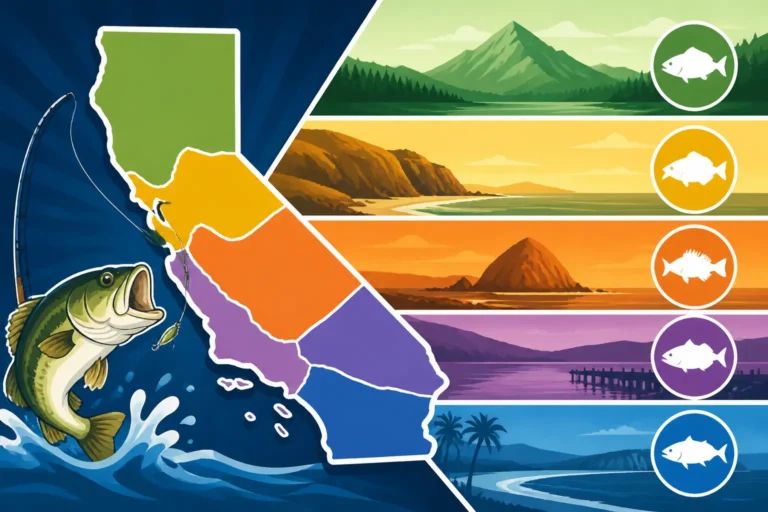
California's vast coastline isn't a "one-size-fits-all" scenario when it comes to fishing regulations. The state is divided into distinct management areas – typically the Northern, Central, and Southern Management Areas for groundfish, though sometimes even more specific sub-areas come into play. What's perfectly legal in terms of season or depth in one area might be strictly prohibited just a few miles down the coast. This is largely due to variations in fish populations, habitat types, and historical fishing pressure in different parts of the state. For instance, a particularly strong year class of lingcod might warrant more liberal limits in one area, while another area might need stricter rules to rebuild a struggling stock. Always knowing which management area you're in and checking its specific rules is paramount to avoiding fines.
Key Lingcod Regulations: Seasons, Size, and Bag Limits
Alright, let's get down to the nitty-gritty. When it comes to lingcod, there are three main pillars of regulation you absolutely need to nail down: the open season, the minimum size limit, and the daily bag limit. Getting any of these wrong can lead to a costly citation, or worse, contribute to unsustainable fishing practices.
Lingcod Seasons by Management Area
The open season for lingcod can vary significantly depending on where you're fishing along the California coast. While the statewide recreational minimum size limit and bag limit are generally consistent, the when you can fish for them is highly localized. These seasonal closures are primarily designed to protect spawning fish and allow populations to recover. It's not uncommon for different regions to have different start and end dates, or even different open periods within the year. For example, some areas might open in spring and then close for a period in summer, only to reopen in the fall.
It's crucial to consult the latest CDFW regulations booklet or their website. I always recommend checking just before your trip, even if you think you know the rules, because they can and do change. Imagine driving all the way to Monterey Bay, rigging up your gear, only to find out the season's closed for lingcod that week! A quick check could save you a lot of disappointment.
Lingcod Size Limits
This one is pretty straightforward across the board for recreational anglers: there's a minimum size limit. For lingcod, the statewide recreational minimum size limit in California is 22 inches total length. This measurement is taken from the tip of the longest jaw to the tip of the longest lobe of the tail. No ifs, ands, or buts about it. If you catch a lingcod shorter than 22 inches, it needs to go back into the water immediately and with as little harm as possible. Carrying a reliable measuring tape on your boat or kayak is non-negotiable. You can find some excellent, durable measuring devices on sites like Amazon that are perfect for marine environments.
Why 22 inches? This minimum size ensures that most lingcod have had at least one chance to spawn before they're harvested. Protecting these younger, breeding fish is vital for the health and sustainability of the lingcod population. It's a key conservation measure that every responsible angler must respect.
Daily Bag Limits
The daily bag limit dictates how many lingcod you can keep per person per day. For recreational fishing in California, the daily bag limit for lingcod is generally 2 fish. This means that if you're out with a buddy, together you can keep a total of 4 lingcod, provided you both have valid licenses and stamps (if applicable). It's not 2 fish per species or 2 fish per boat; it's 2 fish per person. This limit applies to all lingcod taken from state or federal waters.
It's important to remember that these limits are daily. You can't catch your two lingcod, offload them at the dock, and then head back out for two more on the same calendar day. The limit resets at midnight. These limits are designed to prevent excessive harvest and spread the opportunity to catch these prized fish among more anglers.
Here’s a simplified breakdown of the core regulations for quick reference, but remember to always verify with the official CDFW regulations for the most current and specific details for your fishing location:
| Regulation Type | General Statewide Rule (Recreational) | Important Considerations |
|---|---|---|
| Minimum Size Limit | 22 inches total length | Measure from tip of jaw to tip of tail lobe. |
| Daily Bag Limit | 2 fish per person | Applies per calendar day, not per trip. |
| Season | Varies significantly by Management Area | Critical: Check CDFW regulations for your specific location and dates. |
| Depth Restrictions | Often tied to Rockfish/Groundfish rules | Can vary by management area and season, impacting access to lingcod habitat. |
Gear Restrictions and Best Practices for Lingcod Fishing
Beyond just the fish-specific regulations, there are broader rules that impact how you can fish for lingcod. Many of these fall under general sport fishing regulations or specific groundfish rules, and knowing them is just as important as knowing your size and bag limits.
Barbless Hooks and Descending Devices
California has become increasingly focused on responsible fishing practices, particularly in its marine fisheries. While not always a blanket requirement for all lingcod fishing, it's generally a good habit to use barbless hooks, especially if you're targeting other species that might require them, or if you plan on practicing catch and release for undersized lingcod. Barbless hooks minimize tissue damage, making it easier for fish to survive after release. Always check if a specific area or season mandates barbless hooks for groundfish.
Another vital piece of gear, particularly when fishing in deeper waters for lingcod, is a descending device (also known as a fish descender or recompression tool). Lingcod, like many groundfish, can suffer from barotrauma (the bends) when brought up quickly from deep water. This is because gases in their swim bladder expand. A descending device allows you to return a fish, especially an undersized one or one you're not keeping, back to the depth it was caught, increasing its chances of survival. Carrying one of these devices is not only a responsible practice but often legally required when fishing for certain species, including groundfish, in federal waters off California. Investing in a good quality descending device is highly recommended and you can often find a variety of options on Amazon.
Depth Restrictions and Marine Protected Areas (MPAs)
Lingcod love rocky structure, and that often means deeper water. However, many areas in California have strict depth restrictions for groundfish fishing, which directly impacts where you can target lingcod. These "Rockfish Depth Restrictions" are designed to protect various groundfish species, especially those that are particularly vulnerable to overfishing in deeper habitats. The depth limits can change seasonally and by management area, so what's okay in the Northern Management Area might be different from the Southern Management Area. These depth limits are crucial. For instance, in some parts of the Central Coast, you might be restricted to fishing in waters shallower than 50 fathoms (300 feet) or even shallower, while other times it's much more liberal.
Beyond depth, California also has an extensive network of Marine Protected Areas (MPAs). These are like underwater parks, and within many of them, fishing is either entirely prohibited (State Marine Reserves), or highly restricted (State Marine Conservation Areas). It's your responsibility to know the boundaries of these MPAs and what activities are allowed or prohibited within them. Fishing accidentally inside a "no-take" zone can result in hefty fines and penalties. Tools like Navionics or other marine chart plotters often have MPA boundaries clearly marked, which can be a lifesaver. You can learn more about how to navigate these areas in our guide on California Marine Protected Areas Explained.
Respecting the Habitat
When fishing for lingcod, especially around rocky reefs, it's easy to get snagged. Always be mindful of your tackle and retrieve any lost gear whenever safely possible. Ghost fishing, where lost fishing gear continues to trap and kill marine life, is a significant problem. Using lead-free weights where possible is also a growing trend that helps protect the marine environment from lead contamination. These small steps, while not always explicitly regulated for lingcod, demonstrate a commitment to being a responsible angler and preserving the habitat where these magnificent fish thrive.
Staying Compliant and Avoiding Common Pitfalls
Navigating California's fishing regulations for lingcod can be daunting, but with a bit of diligence, it's entirely manageable. The key is proactive research and understanding that rules can change.
Where to Find the Most Up-to-Date Information
Honestly, the absolute best source for current California fishing regulations is the California Department of Fish and Wildlife (CDFW).
- CDFW Website: Their website (wildlife.ca.gov) has a dedicated section for recreational ocean fishing regulations. This is usually updated promptly with any changes.
- Annual Sport Fishing Regulations Booklet: Every year, the CDFW publishes a comprehensive booklet that details all state sport fishing regulations. While it's annual, pay attention to in-season updates on their website. You can often pick up a physical copy at tackle shops or download a PDF version. This booklet is an invaluable resource, often explaining how to read the California Fishing Regulations Booklet.
- Local Tackle Shops: These places are goldmines of information. The folks working there usually know the local rules inside and out and can offer advice on current conditions and any recent regulatory changes. Don't be shy about asking questions!
- Fishing Reports and Forums: Many online forums and local fishing report websites can also provide real-time insights into what's open, what's biting, and any recent regulation changes. However, always cross-reference information with official CDFW sources.
Remember, ignorance of the law is not an excuse. It's your responsibility as an angler to know and follow the rules. This includes understanding the specific requirements outlined in our comprehensive California Fishing License Guide, as well as any special requirements like the California Ocean Enhancement Stamp.
Common Mistakes Anglers Make
It's easy to make a mistake when the rules are complex, but some common errors can be avoided with a bit of care:
- Not checking the season for your specific area: This is probably the biggest culprit for violations. Don't assume the season open in San Diego is the same as in Fort Bragg. Always double-check.
- Misidentifying your catch: While lingcod are distinctive, sometimes smaller ones can be confused with other groundfish. Be certain of your catch before you keep it.
- Incorrectly measuring fish: A slightly bent fish or an inaccurate measure can put you over the line. Lay the fish flat, jaw closed, tail compressed, and measure accurately. A quick search on YouTube for "how to measure fish" can give you a visual tutorial if you're unsure.
- Fishing in a closed depth or MPA: This one is serious. Always be aware of your location and the current depth restrictions. Modern fish finders and chart plotters often have these boundaries marked, but a paper chart backup isn't a bad idea, especially in unfamiliar territory. Understanding California Marine Protected Areas Explained is critical.
- Not having a valid fishing license: This might seem obvious, but sometimes in the excitement, you might forget to renew or ensure everyone on board has one. Check out our guide on the California Fishing License Cost for different options.
By being proactive and double-checking, you can avoid these pitfalls and enjoy your lingcod fishing experience knowing you're doing it right.
The Consequences of Non-Compliance
Let's be blunt: violating fishing regulations in California can have serious consequences. Depending on the severity of the offense, penalties can range from hefty fines to the confiscation of your catch and gear, and even the suspension of your fishing license. Repeat offenses can lead to even more severe penalties. Wildlife officers are out there doing their job to protect our natural resources, and they take violations seriously.
Beyond the legal ramifications, there's the ethical consideration. Each regulation exists for a reason – to ensure the sustainability of our fisheries. Violating these rules undermines conservation efforts and can negatively impact fish populations for all future anglers. Being a responsible angler means doing your part to protect the resource, not just for your enjoyment today, but for everyone tomorrow.
Final Thoughts on Your Lingcod Quest
Catching a lingcod in California is truly a fantastic experience, whether you're targeting them specifically or they come up as a welcome surprise while rockfishing. They're a powerful, beautiful fish that deserves our respect, and that respect extends to understanding and abiding by the regulations set in place to protect them.
Before your next adventure, take a few minutes to dive into the latest CDFW regulations for California Lingcod Regulations and Limits. Check the seasons for your specific fishing zone, confirm the minimum size, and be clear on your bag limit. Equip yourself with a reliable measuring device and, if you're fishing deeper water, a descending device. Remember, a little preparation goes a long way in ensuring a legal, ethical, and ultimately more enjoyable day on the water. Tight lines out there, fellow anglers!
Disclaimer
Please note that fishing regulations are subject to change. While every effort has been made to provide accurate and up-to-date information, it is the angler's responsibility to consult the official California Department of Fish and Wildlife (CDFW) regulations before engaging in any fishing activity. This article is intended for informational purposes only and should not be considered a substitute for the official regulatory guides.