California White Seabass Regulations and Limits
Getting out on the water in California, especially when you're targeting a prized catch like white seabass, should be an exciting adventure, not a nerve-wracking test of legal compliance. It’s all too easy to get tripped up by the myriad of rules and regulations, making you second-guess every cast. This guide is designed to cut through the confusion, clearly laying out the current California white seabass regulations and limits so you can fish with confidence and respect for this incredible species.
Understanding White Seabass Fishing in California
White seabass, or Atractoscion nobilis, are truly one of California's most sought-after game fish. They're a coastal icon, known for their elusive nature, powerful fights, and absolutely delicious fillets. But what makes them such a special target for anglers up and down the Golden State?
Why White Seabass Are So Coveted
There's something uniquely thrilling about hooking into a white seabass. Unlike some fish that readily bite, these "ghosts of the kelp" often require patience, skill, and a bit of luck to locate and entice. They're masters of camouflage, blending seamlessly into the kelp forests and rocky reefs they call home. When you do get one to bite, be prepared for a serious tug-of-war. They're powerful swimmers, often making blistering runs and deep dives, testing your tackle and your resolve. And let's be honest, beyond the thrill of the catch, white seabass are prized for their firm, white, flaky meat, making them a top-tier table fish. The combination of their challenge and culinary appeal elevates them to legendary status among California anglers, fueling many a quest along our beautiful coastline.
General Seasonality and Best Times to Target
While white seabass can theoretically be caught year-round in various parts of California, there are definitely peak seasons and conditions that increase your chances of success. Generally speaking, the warmer months from late spring through early fall tend to be the most productive. This is when large schools of spawning squid, often referred to as "candy bait" by local anglers, move into nearshore waters. Where there's squid, there are usually white seabass, and the bite can be absolutely electric.
Water temperature plays a huge role; they prefer warmer, stable conditions, typically in the 60s Fahrenheit. You'll often find them congregating around kelp beds, structure, and canyons in depths ranging from 20 to 200 feet, following the bait. Pay close attention to local fishing reports and water temperature charts, as these factors can shift the bite by weeks or even months each year. For a more comprehensive understanding of when various species bite throughout the year, check out our guide on California Fishing Seasons: Month-by-Month Guide.
Navigating California White Seabass Regulations
Fishing for white seabass means playing by the rules, and these rules are designed to protect the population while still allowing for a sustainable fishery. Understanding the specific bag limits, size restrictions, and gear requirements is paramount for any angler hoping to target these magnificent fish.
Statewide Bag and Size Limits
This is where many anglers, especially newcomers, can get confused, but for white seabass, the rules are fairly straightforward across California's ocean waters.
- Bag Limit: You are allowed to keep one (1) white seabass per day. This means no matter how many you hook, only one can come home with you. This low limit underscores their conservation status and the importance of responsible angling.
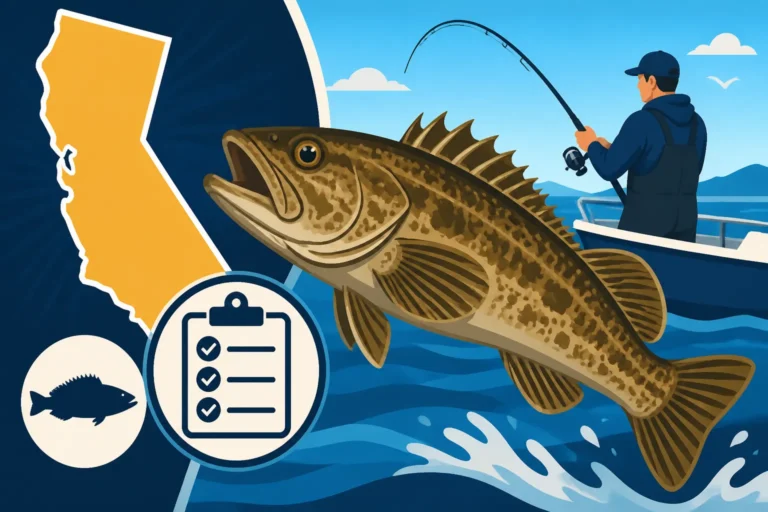
- Minimum Size Limit: The white seabass you keep must measure at least 28 inches total length. Total length is measured from the tip of the longest jaw (snout) to the tip of the longest lobe of the tail, with the fish laid flat on its side. It's not uncommon for Fish and Wildlife officers to perform checks at boat ramps and docks, so make sure your measuring device is accurate and easily accessible. A good quality, clearly marked fish measuring tape or board is an essential item for any white seabass angler and can be found readily on platforms like Amazon.
These limits are subject to change based on stock assessments and management decisions by the California Department of Fish and Wildlife (CDFW). Always consult the most current regulations booklet, which you can usually find at tackle shops or online, before heading out. Our guide on California Fishing Bag and Size Limits provides a broader overview for various species.
Gear Restrictions and Methods
While white seabass are often targeted with conventional gear, there are specific rules about how you can rig up, especially when using certain types of bait.
- Barbless Hook Requirements: When fishing for white seabass with live or dead bait, California law requires the use of a single-point, single-shank, barbless hook. This regulation is crucial for minimizing harm to any undersized fish that might be caught and released, increasing their chances of survival. Many anglers prefer to crimp down the barbs on their existing hooks, which is perfectly acceptable and a common practice.
- Spearfishing: White seabass are also a popular target for spearfishermen. The same daily bag limit of one fish and the 28-inch minimum size limit apply. Spearfishing for white seabass is allowed during daylight hours.
- Common Fishing Methods: Anglers employ various methods to catch white seabass, often dictated by the presence of bait. Live squid, when available, is arguably the most effective bait, often fished on a simple sliding sinker rig or fly-lined with no weight. When squid isn't around, artificial lures like jigs (surface irons, yo-yo jigs) or swimbaits can be highly effective, especially when worked around kelp beds and structure. Trolling can also produce results, particularly with lures that imitate anchovies or sardines. For more details on various fishing techniques, explore our guide on California Offshore Fishing Techniques.
Daily and Possession Limits Explained
It's common for daily bag limits and possession limits to be the same for most species in California, and white seabass fall into this category. The daily bag limit of one fish also serves as the possession limit while you are in the field or in transit.
This means if you're out for a full day of fishing, you can only have one white seabass that meets the legal requirements in your possession at any given time. If you're on a multi-day trip, say a two-day excursion that returns to port, the possession limit at the end of the trip and while you're transporting your catch home might be greater than the daily bag limit if those fish were legally caught on separate calendar days. For example, if you caught one on Friday and another on Saturday, you could possess two upon your return to shore. However, for white seabass, with a one-fish daily limit, this distinction typically only applies if you process the fish between fishing days and can prove it was from a previous day's catch, which gets complicated quickly. It's always safest to assume the daily limit is your possession limit unless you are absolutely sure of the multi-day rules and can demonstrate compliance.
Special Considerations and Report Cards
Fishing in California is a tapestry of varied rules, and sometimes what applies to one species might not apply to another. White seabass have their own set of specific guidelines, and it's essential to understand how they fit into the broader regulatory landscape.
Marine Protected Areas (MPAs) and White Seabass
California boasts an extensive network of Marine Protected Areas (MPAs) established to conserve marine ecosystems. These areas have varying levels of protection, from "no-take" State Marine Reserves where no fishing is allowed, to State Marine Conservation Areas that permit some recreational fishing with restrictions.
It is absolutely crucial to be aware of any MPAs in the area you plan to fish for white seabass. Accidentally fishing within a no-take zone can lead to severe penalties, including hefty fines and confiscation of your gear. Before you drop a line, consult detailed MPA maps and regulations for your specific location. These are readily available on the CDFW website or through many fishing apps. Don't rely on memory or guesswork; always double-check. Our comprehensive guide, California Marine Protected Areas Explained, offers a deep dive into these critical zones and how they impact your fishing.
California Fishing License Requirements
Unless you are fishing from a public pier or jetties where no license is required (though catching a legal white seabass from a pier is rare), you will need a valid California sport fishing license to legally target white seabass. This applies to fishing from shore, a private boat, a kayak, or even a licensed fishing charter. The license helps fund conservation efforts and ensures a sustainable fishery for all.
Make sure your license is current and that you have it with you while fishing, either a physical copy or an electronic version on your phone. Getting caught without one can result in significant fines. If you're planning a trip, make sure to read our guide on California Fishing License Guide to understand all your options, or specifically learn How to Get a California Fishing License. For visitors, there are specific requirements detailed in California Fishing License Requirements for Visitors.
Understanding Report Card Requirements
This is a point of common confusion for many anglers because several other popular California species do require a specific report card in addition to a general fishing license. However, for white seabass, you do NOT need a specific report card.
Report cards are typically required for species like salmon, steelhead, sturgeon, abalone (when open), and spiny lobster, to help the CDFW gather data on catch effort and harvest. White seabass, despite their importance and conservation status, are managed through bag and size limits and do not currently have a dedicated report card requirement. This simplifies things a bit, but it’s a good example of why checking regulations for each specific species you target is so important. Don't confuse the need for a general California fishing license with the need for species-specific report cards.
Best Practices for Sustainable White Seabass Fishing
As anglers, we have a responsibility to not just enjoy the resource but also to protect it for future generations. This is especially true for a species as valuable and sometimes vulnerable as white seabass. Practicing ethical and sustainable fishing methods is key to ensuring their populations thrive.
Importance of Accurate Measurement and Handling
Given the strict 28-inch minimum size limit and the one-fish bag limit, accurate measurement and careful handling of fish you intend to release are absolutely critical.
- Measure Quickly and Carefully: When you land a white seabass that appears close to the legal size, measure it immediately. Lay the fish flat on a measuring board or alongside a tape measure, ensuring the mouth is closed and the tail is naturally extended to get an accurate total length. If it's undersized, get it back in the water as quickly and gently as possible. Avoid excessive handling, especially touching the gills or eyes.
- Proper Release Techniques: For undersized fish, or any fish you decide to release (catch and release is a great option even for legal fish, especially if you've already kept one or don't need the meat), proper release is paramount. Use a de-hooking tool if the hook is deep, avoiding tearing the fish's mouth. Support the fish horizontally, ideally in the water, allowing it to regain strength before letting it swim away on its own. If fishing in deeper water, consider using a descending device to help fish suffering from barotrauma return to depth safely. Tools for proper measurement and release can easily be found on Amazon, making it simple to equip yourself for responsible angling.
Conservation Efforts and Angler Responsibility
The history of white seabass in California is a testament to both their resilience and the impact of human activities. Historically, populations faced significant pressure, leading to the strict regulations we see today. Ongoing conservation efforts, including habitat protection and careful management of fishing seasons and limits, are vital.
As anglers, our role extends beyond simply following the rules. It means:
- Adhering to all regulations: Not just bag and size limits, but also gear restrictions and avoiding MPAs. Our guide on California Fishing Regulations Explained can offer a broader view.
- Reporting violations: If you witness illegal fishing activity, such as keeping undersized fish or exceeding bag limits, report it to the CDFW. This protects the resource for everyone.
- Minimizing bycatch: Be mindful of what you're catching and release non-target species unharmed whenever possible.
- Supporting sustainable practices: Choose fishing tackle that minimizes environmental impact and learn about the science behind the regulations.
By understanding and respecting these beautiful fish and the regulations put in place to protect them, we can all contribute to a healthy and thriving white seabass fishery in California for generations to come.
California White Seabass Regulations at a Glance
To make things a little easier, here’s a quick summary of the key regulations for white seabass in California. Remember, this is a general overview, and always check the official CDFW regulations before you head out, as rules can change.
| Regulation Category | Specific Rule | Details |
|---|---|---|
| Bag Limit | 1 Fish per day | Only one legal white seabass may be kept per angler per calendar day. |
| Size Limit | 28 inches total length minimum | Measured from the tip of the longest jaw (snout) to the tip of the longest lobe of the tail, with the fish laid flat. |
| Possession Limit | Same as daily bag limit in the field | Generally 1 fish while fishing or in transit. Exceptions for multi-day trips might apply if fish are legally caught on separate days. |
| License Required | Yes | A valid California Sport Fishing License is required for all fishing, unless fishing from a public pier (where white seabass are rarely caught). |
| Report Card | No specific report card required | White seabass do not require a separate report card like salmon, steelhead, or sturgeon. |
| Hook Type | Single-point, single-shank, barbless hook | Required when fishing with live or dead bait. Barbs may be crimped down. |
| MPA Restrictions | Always check local rules | Fishing for white seabass is prohibited in "no-take" Marine Protected Areas. Consult current maps and regulations for your fishing area. |
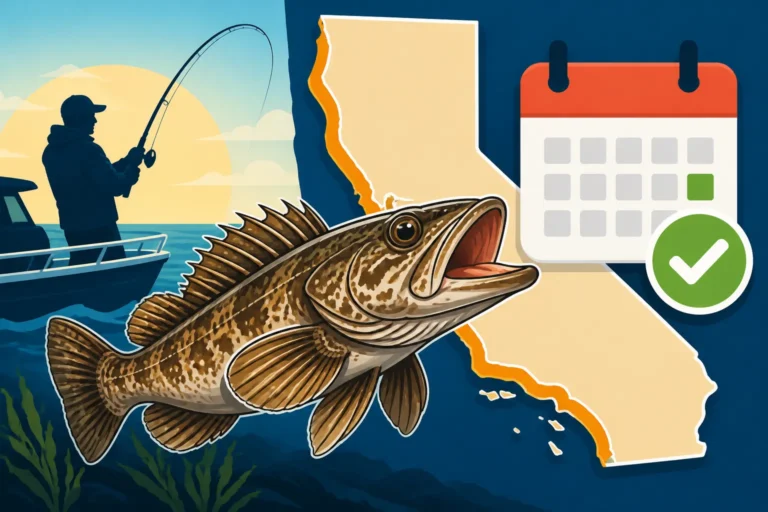
| Season | Open year-round | While open year-round, peak fishing typically occurs from late spring through early fall. |
Disclaimer
The information provided in this guide is intended for general informational purposes only and is subject to change. Fishing regulations in California are complex and can be updated at any time by the California Department of Fish and Wildlife (CDFW). It is always the angler's responsibility to consult the most current official CDFW regulations and local advisories before engaging in any fishing activity. Reliance on the information presented here is at your own risk.