San Joaquin River Fishing Guide
Fishing the San Joaquin River can feel like trying to solve a puzzle with a thousand pieces. It’s a vast, dynamic waterway that stretches through diverse landscapes, from the Sierra foothills all the way to the sprawling Sacramento-San Joaquin Delta. This complexity can be intimidating for even seasoned anglers, making it tough to know where to go, what to use, and when the bite will be hot. This comprehensive guide is here to untangle that knot, walking you through the river's sections, its prime fish species, the best times to cast your line, and the essential techniques to make your next trip a successful and enjoyable one.
The Mighty San Joaquin River: A Comprehensive Overview
The San Joaquin River isn't just a river; it's a lifeline, a historical pathway, and a truly remarkable fishery. It’s one of California's longest rivers, and its character shifts dramatically as it makes its way across the state. Understanding these different personalities is the first step to unlocking its fishing potential.
Tracing the River's Journey: Upper, Middle, Lower Sections
Imagine starting high up in the Sierra Nevada mountains, where the river begins as a cold, clear stream, fed by snowmelt. This is the Upper San Joaquin, a rugged, beautiful stretch that flows through canyons and remote wilderness areas, often accessible only by hike or pack animal. The fishing here is a world apart from what you’ll find downstream, offering opportunities for pristine trout in a truly wild setting. As the river descends, it’s impounded by several dams, most notably Friant Dam, which forms Millerton Lake. Below the dam, the river changes significantly, particularly in its historic flows, which have been heavily managed for agriculture and other human uses.
The Middle San Joaquin is where the river really starts to feel like a "river" in the more conventional sense for many anglers. This section, downstream from Friant Dam through agricultural areas and cities like Fresno and Madera, sees a mix of managed flows and sometimes intermittent sections due to water diversions. Historically, it was a major salmon and steelhead producer, but those runs are largely gone or severely impacted due to habitat loss and water management. However, this stretch still holds resident warmwater species. Further downstream, the river eventually merges with the Sacramento River to form the vast and intricate Sacramento-San Joaquin Delta, a network of channels, sloughs, and islands that is a mecca for many fish species, particularly anadromous ones. The Delta portion of the San Joaquin is arguably the most famous and productive fishing ground on the entire river system.
A River of Contrasts: Natural Beauty and Agricultural Lifeline
The San Joaquin River is a study in contrasts. One moment you might be in a serene, tree-lined stretch, feeling a connection to wild California, and the next you're passing through vast agricultural fields, with evidence of human impact all around. The river serves as a critical water source for the Central Valley, nourishing one of the most productive agricultural regions in the world. This means that river flows, water temperatures, and even clarity can fluctuate dramatically based on irrigation demands and water releases from dams.
For anglers, this dynamic environment presents unique challenges and opportunities. The highly modified nature of the river in its middle and lower sections means that fish populations and habitats are often influenced by human activity. However, it also creates diverse environments, from deep channels to shallow backwaters, each holding different species. The health of the river is a constant topic of discussion, with ongoing efforts to restore its natural processes, particularly for species like salmon and steelhead. Understanding these influences can help you anticipate conditions and target your efforts more effectively.
Prime Targets: Fish Species of the San Joaquin River
The San Joaquin River is a treasure trove of fish, offering something for every type of angler. Depending on where you cast your line, you could be battling powerful ocean-run fish or enjoying a relaxing day catching panfish. Let’s dive into the most sought-after species.
Freshwater Giants: Striped Bass and Sturgeon
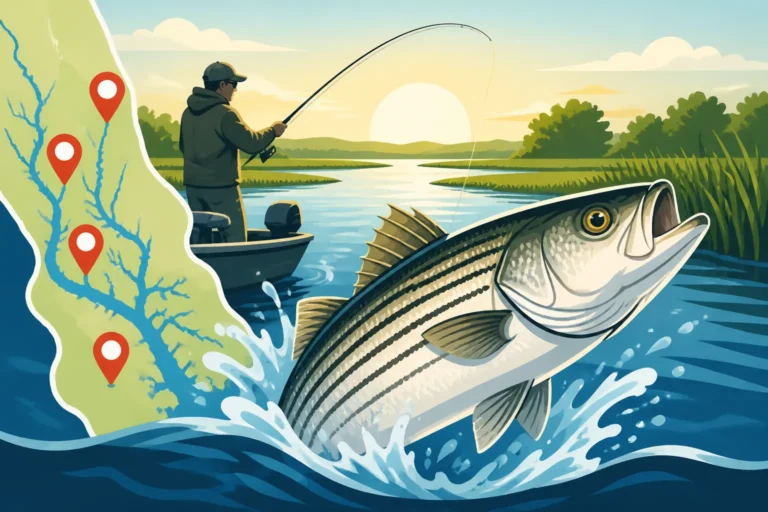
When most people talk about fishing the lower San Joaquin, especially within the Delta, their thoughts immediately turn to Striped Bass. These aggressive, hard-fighting fish are a major draw. Stripers migrate from the San Francisco Bay and Pacific Ocean into the Delta and up the San Joaquin (and Sacramento) River system primarily to spawn in the spring. During their spawning runs, and throughout the warmer months when they feed heavily, they can be found in impressive numbers. Anglers target them with everything from live bait to artificial lures, and the fight they put up is legendary. You’ll find them congregating in deeper channels, around structure, and chasing baitfish in the shallows. Getting a good grasp of their habits can make all the difference, and you might want to check out our guide on how to Catch Striped Bass in California for more detailed tactics.
Then there are the majestic Sturgeon, truly prehistoric fish that can grow to enormous sizes. Both White Sturgeon and Green Sturgeon inhabit the San Joaquin River, though Green Sturgeon are federally protected and cannot be targeted. White Sturgeon are the main draw for trophy hunters, offering an incredible challenge. These bottom-feeders are often found in the deeper holes and channels of the lower San Joaquin and Delta, particularly during cooler months. Catching a sturgeon is often a patient game, requiring stout tackle and specific baits like ghost shrimp, pile worms, or fresh roe. Remember, these are highly regulated fish, and anyone targeting them needs a California Sturgeon Report Card in addition to their fishing license, and must adhere to strict slot limits and gear restrictions. It’s a truly unique experience, and landing one is a memory that lasts a lifetime.
Year-Round Residents: Bass, Catfish, and Panfish
Beyond the anadromous giants, the San Joaquin River system is home to a robust population of resident freshwater species that provide fantastic fishing opportunities throughout the year. Largemouth Bass, Smallmouth Bass, and Spotted Bass thrive in various parts of the river. Largemouths are particularly prevalent in the quieter sloughs, backwaters, and areas with plenty of submerged vegetation and structure within the Delta and mid-river sections. They love to ambush prey, making them a thrilling target for lure anglers. Smallmouth and Spotted Bass prefer rockier, clearer areas, which can be found in some of the more upstream sections and tributaries. For specific regulations, our California Bass Fishing Regulations guide can be very helpful.
Catfish are another incredibly popular species, with Channel Catfish and White Catfish being common throughout the river, especially in the slower-moving, warmer sections. These whiskered bottom-dwellers are abundant and offer consistent action, making them a great target for families or those looking for a relaxed fishing experience. They’ll readily take a variety of baits, from stink baits to cut bait and nightcrawlers.
And let's not forget the panfish! Bluegill, Crappie, and Sunfish are plentiful in many of the calmer stretches, offering light tackle fun for anglers of all ages. These species are fantastic for introducing kids to fishing, or for simply enjoying a peaceful day on the water with a bobber and a worm. They can be found around docks, submerged logs, and weed beds.
Anadromous Visitors: Salmon and Steelhead (When Available)
Historically, the San Joaquin River was a significant producer of King Salmon (Chinook) and Steelhead (Rainbow Trout). However, due to extensive damming, water diversions, and habitat alteration, the runs of these species on the main stem of the San Joaquin are severely depleted and often non-existent in many areas. While there are ongoing restoration efforts, particularly on some tributaries, the main San Joaquin River itself is not a primary destination for these species anymore.
However, in certain years and specific locations, particularly closer to the Delta where the Sacramento and San Joaquin rivers merge, you might find incidental salmon catches, especially during strong migration years. Always consult the latest California Salmon Report Card regulations and DFW updates before targeting salmon, as seasons can be highly restricted or even closed due to conservation concerns. Steelhead, being a sea-run rainbow trout, are similarly affected. While some tributaries still offer steelhead opportunities, the main San Joaquin is not where you’d typically go looking for them. It’s a somber reminder of the river’s ecological past and the challenges of managing such a vital natural resource.
Navigating the Seasons: When to Fish the San Joaquin
Just like the river itself, fishing conditions on the San Joaquin are constantly changing with the seasons. What works in spring might be useless in summer, and the species you target will shift too. Knowing when to go for what is key to a successful outing.
Spring and Summer: Awakening Waters
Spring (March-May) is arguably the most exciting time to fish the lower San Joaquin, especially if you’re after Striped Bass. This is when the big spawning runs begin, bringing large numbers of fish up from the Bay. The water starts to warm up, signaling increased activity across the board. You’ll find stripers aggressively feeding on baitfish, and they’ll hit a variety of lures and baits. Many anglers focus on trolling or casting large swimbaits and plugs during this period. Beyond stripers, bass (largemouth, smallmouth, spotted) also become very active as they move into their spawning phases. They'll be found in shallower, warmer waters, often around cover. Catfish and panfish also start to awaken, making spring a fantastic time for diverse fishing.
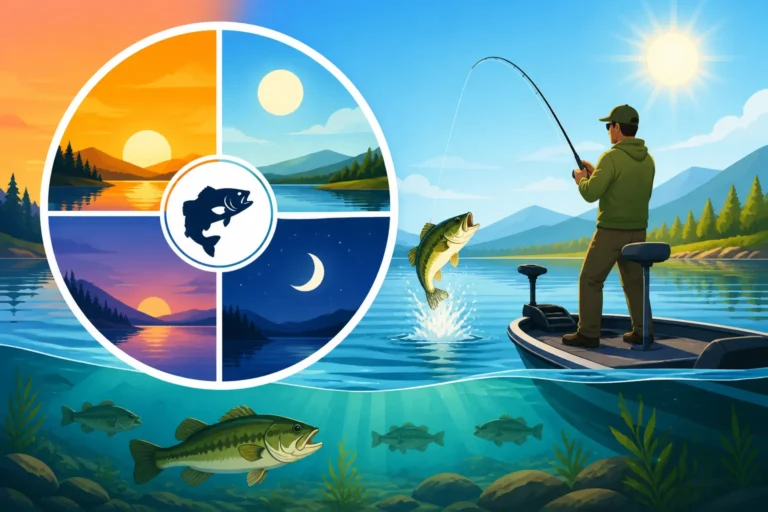
As we move into Summer (June-August), the San Joaquin really heats up – both literally and figuratively. Water temperatures can get quite warm, especially in the slower-moving middle and lower sections. This can make daytime fishing for some species challenging, but early mornings, late evenings, and even night fishing can be incredibly productive. Stripers might move into deeper, cooler channels during the day but will feed aggressively at dawn and dusk. Night fishing for stripers with bait is a popular summer tactic. Catfish, on the other hand, absolutely thrive in the warm summer waters and offer consistent action throughout the day and night. Largemouth bass will often retreat to shaded cover or deeper holes during the hottest parts of the day, making them challenging but still catchable with the right techniques. If you’re planning a trip, consider checking out our general California Fishing Seasons: Month-by-Month Guide for broader trends.
Fall and Winter: Cooler Temps, Hotter Bites
Fall (September-November) on the San Joaquin can be absolutely incredible, especially for those targeting Striped Bass. As water temperatures begin to drop, stripers often go on a pre-winter feeding frenzy, bulking up before the colder months. This "fall run" can rival the spring spawn in terms of action, with fish actively chasing bait. It's a prime time for both lure and bait fishing. Additionally, if there are any significant salmon runs on the Sacramento River system, you might find stripers congregating near the confluences, preying on salmon smolts or even eggs. This is also a fantastic time for bass, as they become more aggressive with cooler water and reduced recreational pressure. Sturgeon also become more active as the water cools, making fall a promising season for these giants as well.
Winter (December-February) sees the river at its coldest, and fishing can slow down, but it’s by no means a dead season. For dedicated anglers, winter is prime time for trophy Sturgeon. These fish are often concentrated in deeper holes, and a patient approach with quality bait can yield impressive results. Striped Bass are still present, though often less active and found in deeper, slower waters. They might be caught by vertical jigging or slow-trolling. Catfish can also be caught in winter, though their metabolism slows down, requiring slower presentations. Many anglers take advantage of the calmer conditions and fewer crowds to explore the vast network of sloughs and channels that make up the lower San Joaquin and Delta, especially on those crisp, clear winter days.
Here’s a quick overview of what you might target:
| Season | Primary Target Species | Secondary Target Species | Typical Conditions |
|---|---|---|---|
| Spring | Striped Bass (spawning run) | Largemouth Bass, Catfish, Panfish | Warming water, increased flow, active fish |
| Summer | Catfish, Largemouth Bass (early/late) | Striped Bass (night fishing) | Warm water, slower flows, morning/evening bites best |
| Fall | Striped Bass (feeding frenzy) | Sturgeon, Largemouth Bass, Catfish | Cooling water, strong feeding activity, clearer water |
| Winter | Sturgeon | Striped Bass (slow-fished), Catfish | Cold water, slower metabolism, patient fishing |
Tried and True: Techniques and Tackle for the San Joaquin
Successfully fishing the San Joaquin River means adapting your techniques to the varied conditions and target species. From soaking bait to casting artificials, having the right approach and gear is half the battle.
Bait Fishing Fundamentals: Anchors and Attractors
Bait fishing is a time-honored tradition on the San Joaquin, particularly for species like Striped Bass, Sturgeon, and Catfish. For Striped Bass, popular baits include live minnows, threadfin shad, anchovies, or cut bait (sardines or mackerel). A Carolina rig or a three-way swivel rig is commonly used, allowing the bait to sit on the bottom or drift naturally with the current. Many anglers also use ghost shrimp or pile worms, especially when stripers are less aggressive. When fishing for them, pay attention to current seams and submerged structure where they ambush prey.
For Sturgeon, patience is truly a virtue. The go-to baits are often ghost shrimp, pile worms, mudsuckers, or salmon roe, presented on a two-hook rig or a sliding sinker rig. Your bait needs to be on the bottom, in deep channels or holes where sturgeon often feed. Strong currents in some areas mean you'll need heavy sinkers to keep your bait in place. It's not uncommon for sturgeon anglers to sit for hours waiting for that telltale tap. Remember to keep your hooks small enough to fit within the mouth of the sturgeon for easy release, as many are caught for catch-and-release only.
Catfish are less picky, readily taking nightcrawlers, chicken liver, or various commercial stink baits. A simple bottom rig with a weight and a hook is usually sufficient. Fishing in deeper pools or near structure where catfish like to hide can be very productive. The beauty of bait fishing is its simplicity and effectiveness, making it a great option for all skill levels.
Lure & Artificial Presentation: Covering Water
For more active fishing, especially for Striped Bass and Largemouth Bass, artificial lures are incredibly effective. Striped Bass are often targeted with a variety of lures. Trolling is a very popular method in the wider sections of the Delta, using deep-diving crankbaits or bucktail jigs. Casting swimbaits (both soft plastic and hard-bodied), jerkbaits, and topwater lures can be incredibly exciting, especially during active feeding periods. Look for schooling baitfish or surface boils to pinpoint active stripers. When they’re chasing bait, nearly anything flashy or resembling a fleeing fish can get a strike.
Largemouth Bass in the San Joaquin's sloughs and backwaters respond well to classic bass techniques. Spinnerbaits, crankbaits, jigs, plastic worms, and topwater frogs (especially in weedy areas) are all go-to options. Focus your casts on docks, submerged timber, weed lines, and tule patches where bass hide. Flipping and pitching jigs or soft plastics into heavy cover can coax out big fish. For those new to lure fishing, practicing different retrieves and understanding how your lure imitates prey is crucial. Exploring different options is part of the fun!
Fly Fishing Opportunities: A Niche Pursuit
While the San Joaquin River isn't typically renowned as a premier fly-fishing destination in the same vein as some of California's mountain rivers, there are indeed opportunities for the dedicated fly angler, particularly for bass and panfish. In the quieter sloughs and backwater sections of the Delta and mid-river, where currents are slower and vegetation is abundant, you can have excellent success targeting Largemouth Bass with poppers, streamers, and bass bugs. The thrill of a bass blowing up on a topwater fly is something every angler should experience.
For Panfish like bluegill and crappie, a lightweight fly rod with small poppers, nymphs, or even tiny dry flies can provide endless entertainment, especially during the warmer months. These smaller fish are fantastic for honing your casting skills and enjoying a peaceful day on the water. While opportunities for anadromous species like salmon or steelhead on the fly are extremely limited on the main San Joaquin due to habitat constraints, focusing on the abundant warmwater species can still make for a rewarding fly-fishing experience. Consider hiring a local guide through platforms like FishingBooker if you're looking to learn the ropes of fly fishing in this unique environment, as their expertise can quickly put you on fish.
Essential Knowledge: Regulations and Access
Before you even think about wetting a line in the San Joaquin River, it is absolutely crucial to understand the rules and where you can legally access the water. California's fishing regulations are complex, and ignorance is no excuse.
Decoding the Rules: Licenses, Report Cards, and Zone-Specific Regulations
First and foremost, almost everyone needs a valid California fishing license to fish in the San Joaquin River. There are very few exceptions, such as during California Free Fishing Days or when fishing from a public pier in specific areas of the Delta (which is rare on the San Joaquin mainstem). If you’re over 16, you’ll need to purchase one, and prices vary for residents and non-residents, as detailed in our How to Get a California Fishing License guide. It's an investment in conservation and ensures you're fishing legally.
Beyond the basic license, specific species require additional documentation. If you're targeting Sturgeon, you absolutely need a California Sturgeon Report Card. For Salmon, you'll need a California Salmon Report Card – even if the season is closed, it's essential to understand the restrictions. These report cards help the California Department of Fish and Wildlife (CDFW) manage populations and track angler effort, so filling them out accurately and returning them on time is your responsibility as an ethical angler.
The San Joaquin River also falls under varying regulations depending on the specific section. What's allowed in the Delta might be different from an upstream section near a dam or a special regulation area. It's imperative to consult the current California Freshwater Sport Fishing Regulations booklet annually. This booklet, available online through the CDFW website or at most license agents, is your bible. Pay close attention to bag limits, size limits (like California Striped Bass Regulations or California Sturgeon Slot Limit), gear restrictions (e.g., barbless hooks in certain areas), and seasonal closures. Ignorance of these rules can lead to hefty fines and loss of fishing privileges. Don’t just assume – always check the current regulations for the specific stretch you plan to fish. This level of detail is critical, as discussed more broadly in our California Fishing Regulations Explained article.
Public Access Points: Bank, Boat, and Kayak
Accessing the San Joaquin River can be tricky due to extensive private property along its banks, especially in the agricultural areas. However, there are numerous public access points for both bank anglers and those with boats or kayaks.
For Bank Anglers, public parks, designated fishing access points, and some bridges offer opportunities. In the Stockton area, places like the Pixley Slough access point or sections of the riverwalk can provide bank access. Further upstream, opportunities might be more limited to county parks or bridges, so always be respectful of private land and posted signs. Remember, trespassing is not only illegal but also harms the reputation of all anglers.
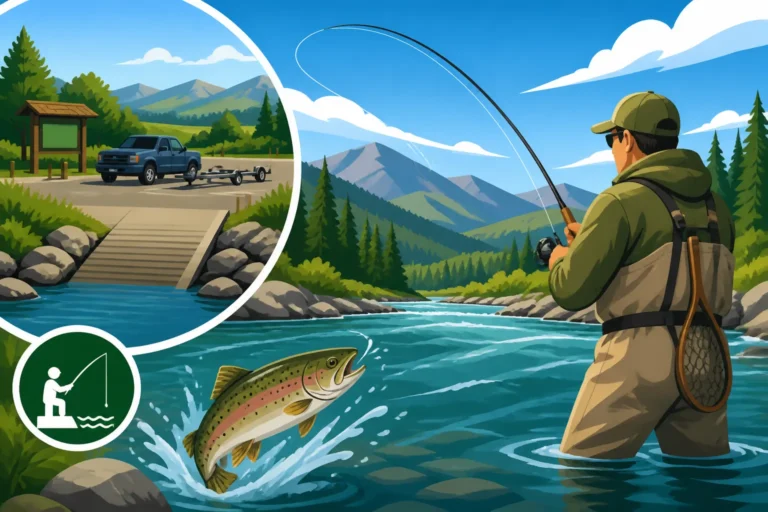
Boaters and Kayakers generally have more options. The lower San Joaquin and Delta region boasts numerous public and private boat ramps. Popular ramps can be found in Stockton, Lathrop, and other Delta communities. These ramps provide access to the vast network of channels and sloughs, which are prime fishing grounds for stripers and sturgeon. Kayak anglers can often launch from these same ramps or from more informal access points, offering a quiet and intimate way to explore the river. Keep in mind that heavy boat traffic, especially on weekends, can be a factor in some areas of the Delta. Always prioritize safety, wear a life vest, and be aware of other boaters.
If you’re unfamiliar with the vastness of the Delta or want to maximize your chances, hiring a local fishing guide is an excellent idea. Guides know the best spots, the current patterns, and the right techniques. Platforms like FishingBooker can help you find reputable guides who specialize in the San Joaquin River and its diverse species, ensuring you have a safe and productive trip without the headache of finding access or decoding every nuance of the regulations yourself.
Top Spots Along the San Joaquin: Where to Cast Your Line
The San Joaquin River offers such a variety of environments that it’s hard to pick just one “best” spot. Your ideal location depends heavily on what you want to catch and your preferred fishing style. Let’s break down some of the most productive areas.
The Delta Stretch: Striper and Sturgeon Heaven
Without a doubt, the Sacramento-San Joaquin Delta is the crown jewel of San Joaquin River fishing. This intricate maze of channels, sloughs, and islands begins roughly downstream of Stockton and extends all the way to Suisun Bay. It's where the San Joaquin truly comes alive, becoming a mecca for trophy-sized Striped Bass and Sturgeon.
- Around Stockton: The main channel of the San Joaquin River through Stockton, along with nearby sloughs like Fourteenmile Slough and Disappointment Slough, are hugely popular. There are numerous boat launches and some bank access points here. Anglers here often target stripers with live bait (shad, minnows) or by trolling large swimbaits and crankbaits. The deep holes and current breaks in this area are also prime for sturgeon. During the spring striper run, the activity can be frenetic.
- Lower San Joaquin Channels: As you head further west into the Delta, towards areas like Antioch and Pittsburg, the river widens, and the influence of the tides becomes more pronounced. This section is known for its strong currents and deep channels, excellent for both stripers and sturgeon. Fishing around bends, submerged islands, and pipeline crossings can be very productive. Many long-range sturgeon anglers focus their efforts in these deep, tidal waters. If you're looking for guidance in this complex ecosystem, exploring options on FishingBooker for a local Delta guide can be a game-changer.
- Specific Sloughs and Backwaters: Don't overlook the myriad of smaller sloughs and backwaters off the main river. These calmer areas often hold impressive numbers of Largemouth Bass, especially those with plenty of submerged vegetation, tules, and docks. They also provide excellent habitat for catfish and panfish. Explore areas like Whiskey Slough, Little Potato Slough, or Bishop Cut for a change of pace. Our detailed California Delta Fishing Guide offers even more specific insights into these productive waters.
Mid-River Sections: Bass and Catfish Havens
Moving upstream from the Delta, the San Joaquin River's character changes significantly, flowing through more agricultural lands. While the anadromous runs are minimal here, these sections still offer fantastic fishing for resident warmwater species.
- Near Fresno and Madera: The stretches of the San Joaquin River in and around Fresno and Madera, particularly below the various diversions, offer excellent opportunities for bass and catfish. While public access can be more fragmented here, spots like Lost Lake Park or various bridges and county access points can be productive for bank anglers. Largemouth Bass will be found around slower pockets, submerged trees, and any available cover. Smallmouth Bass might appear in rockier sections.
- Millerton Lake: While technically a reservoir on the San Joaquin River's main stem formed by Friant Dam, Millerton Lake is a hugely popular fishing destination often associated with the river's upper-mid section. It's renowned for its Largemouth Bass, Smallmouth Bass, and Spotted Bass populations, as well as decent numbers of Kokanee Salmon and Rainbow Trout, especially in the cooler months. The lake offers excellent boat access and numerous coves and points for both boat and bank anglers. It’s a different experience from river fishing, but undeniably a top-tier San Joaquin system fishery. For those looking at a wider range of options, our guide on the Best Fishing Spots in California highlights many such gems.
Upper Reaches: Foothill Gems
The very upper reaches of the San Joaquin River, above Friant Dam, wind through the rugged Sierra Nevada foothills and wilderness. This is a very different kind of fishing experience, focusing more on pristine conditions and wild trout.
- Above Friant Dam (Kaiser Wilderness and Beyond): This is where the San Joaquin River reverts to its wilder self, offering opportunities for Rainbow, Brown, and Golden Trout. Access often requires hiking, and some areas are quite remote, making it ideal for backpackers and those seeking solitude. The river here is smaller, clearer, and colder, demanding different tactics, often favoring fly fishing or light spin gear with small lures or bait. Always check the specific regulations for these highly sensitive sections, as some may have special gear or catch-and-release rules. It’s a truly rewarding experience for those willing to make the journey.
Each section of the San Joaquin River tells a different story and offers unique fishing adventures. Whether you're chasing trophy stripers in the Delta or peaceful trout in the mountains, this river has a spot for you.
Disclaimer
Please remember that fishing regulations, conditions, and fish populations can change rapidly in California. Always consult the latest California Department of Fish and Wildlife (CDFW) regulations booklet and local advisories before heading out on the water. This guide is for informational purposes only and should not replace official sources. Practice responsible angling, respect private property, and prioritize safety on all your fishing adventures.