New Melones Lake: Fish Species and Best Spots
Trying to figure out where to cast your line at a massive reservoir like New Melones Lake can feel overwhelming, especially when you're dreaming of landing that trophy bass or a stringer full of trout. It’s easy to get lost in the sheer size of the place and wonder if you're even in the right spot or using the best approach for what you want to catch. This guide is designed to cut through that confusion, giving you the lowdown on the specific fish species thriving in New Melones and the absolute best spots to find them, ensuring your next fishing trip is productive and enjoyable.
Understanding New Melones Lake: A Central Valley Gem
Nestled in the foothills of the Sierra Nevada, New Melones Lake is a truly spectacular body of water that draws anglers from all over California. It’s not just a big lake; it’s a living, breathing ecosystem carved out by the Stanislaus River, offering a diverse array of fishing experiences that can challenge and reward even the most seasoned angler. Before we dive into the nitty-gritty of what swims beneath its surface, let’s get a feel for what makes this particular lake so special.
A Reservoir with a Rich History and Diverse Ecosystem
New Melones Lake was formed by the construction of the New Melones Dam, which was completed in 1979. This massive undertaking created a reservoir that can hold up to 2.4 million acre-feet of water, making it one of the largest in California. Its primary purpose is flood control, irrigation, power generation, and recreation, but for us anglers, it's a prime destination for some incredible fishing. The lake stretches across parts of Calaveras and Tuolumne counties, with its waters reaching deep into numerous canyons and coves. The varying depths, from shallow, brush-laden arms to deep, open water near the dam, create a multitude of habitats that support a very healthy and diverse fish population. What’s really fascinating about New Melones is how its ever-changing water levels, a common characteristic of many California reservoirs, dictate where the fish will be and how you’ll need to adapt your strategies.
Why New Melones Draws Anglers
Anglers flock to New Melones for a few compelling reasons. First, it’s renowned as one of California's premier destinations for black bass fishing, consistently producing both quantity and quality. Whether you’re a fan of the explosive topwater bite or prefer to probe the depths with finesse techniques, the lake offers ample opportunity. Beyond bass, the California Department of Fish and Wildlife (CDFW) regularly stocks trout, ensuring a vibrant cold-water fishery, particularly during the cooler months. The sheer size of the lake means there’s always a new cove to explore or a new point to target, preventing that feeling of fishing out a spot. Plus, with excellent facilities like two main marinas – Glory Hole Recreation Area and Tuttletown Recreation Area – launching a boat is a breeze, and you can even find supplies, bait, and tackle right on site. It’s an accessible wonderland for anyone looking for a serious fishing adventure in the Central Valley.
The Prized Fish Species of New Melones Lake
New Melones Lake is truly a multi-species angler's paradise. While bass and trout often steal the spotlight, a host of other exciting fish species call these waters home, offering varied challenges and delicious rewards. Understanding what's available and their typical behaviors is key to a successful outing.
Black Bass Galore: Largemouth, Smallmouth, and Spotted Bass
When most people talk about bass fishing at New Melones, they're usually referring to a combination of these three fantastic species. Each has its own personality, offering a unique fight and requiring slightly different tactics.
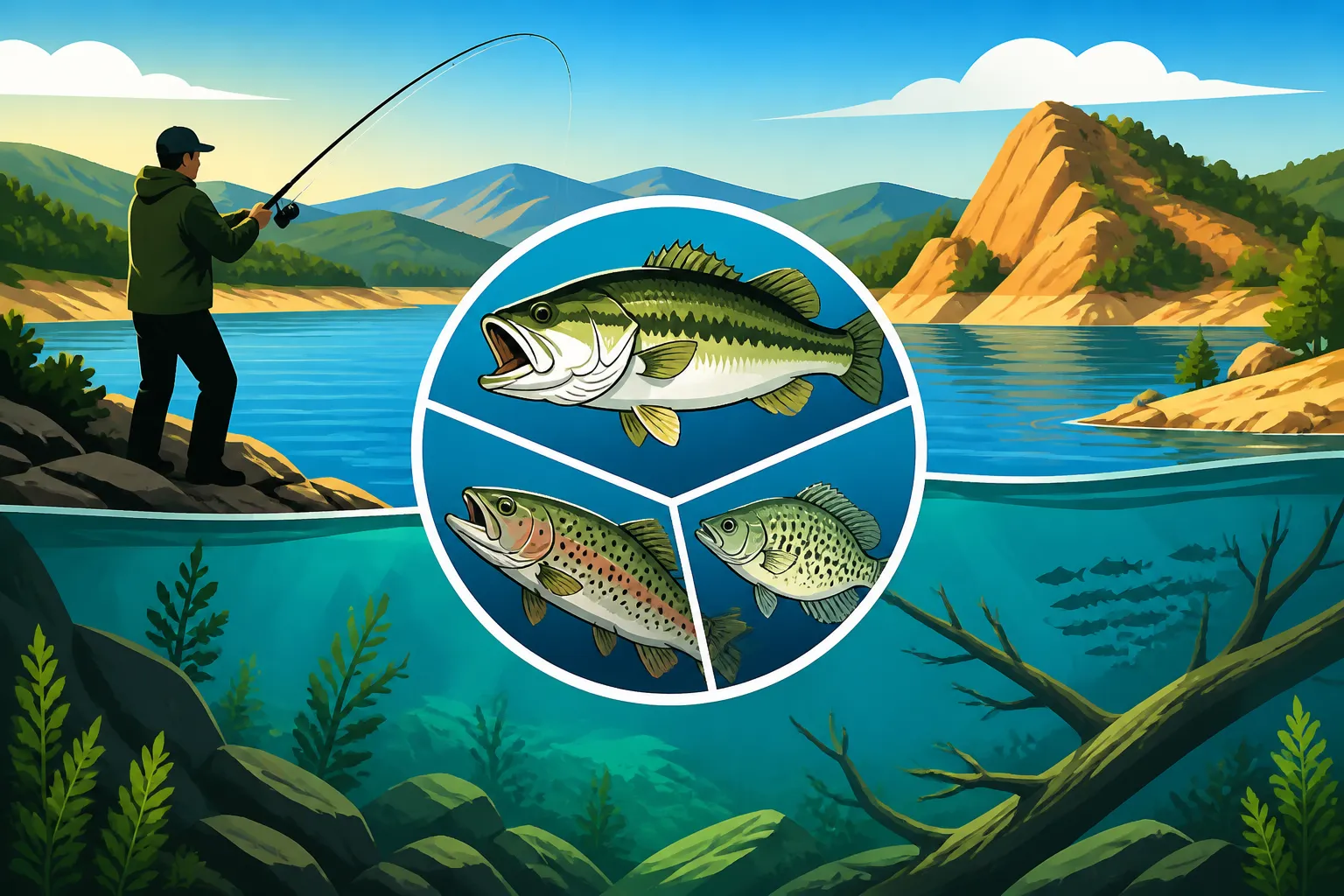
- Largemouth Bass: The king of ambush predators, largemouth bass are what many anglers dream of catching. In New Melones, you’ll find them hunkering down in structure – think submerged trees, rocky points with brush, weed lines (when present), and any shaded cover. They love warm water, so as the lake heats up, they become more active, often chasing topwater lures during dawn and dusk. During the spawn in spring, they’ll be shallow, guarding nests, making them prime targets for sight fishing. Look for them in coves and bays with gradual slopes, especially in the larger arms of the lake like the Angels Creek arm or the main channel heading towards the river forks. Your best bet for these is often a jig, plastic worm, or crankbait worked slowly around cover.
- Smallmouth Bass: If you're looking for a hard fight, the smallmouth bass is your fish. Known for their powerful runs and aerial acrobatics, smallmouth in New Melones prefer rocky bottoms, ledges, and sheer rock walls. They don't mind deeper, cooler water as much as largemouth, and they tend to congregate in schools. You'll often find them along the main lake body, particularly on steeper banks and points near the dam or where the water drops off quickly. Tubes, grubs, jerkbaits, and small crankbaits are excellent choices for tempting these feisty fish. During the cooler months, they might move a bit deeper, but during the spring and fall, they can be found shallower on those rocky points.
- Spotted Bass: The most abundant bass species in New Melones, spotted bass are often overlooked but offer incredible action. They share characteristics of both largemouth and smallmouth, often inhabiting areas with a mix of rock and timber. What makes them so fun is their schooling behavior; if you find one spotted bass, you've likely found a whole group. They’ll readily hit a variety of lures, from swimbaits to dropshot rigs, and they are notorious for their aggressive strikes. You can find them almost anywhere, but they tend to be especially prevalent in the main lake body and around the dam area, often schooling over baitfish in open water. They are typically a bit smaller than largemouth but make up for it in sheer numbers and fighting spirit.
Trout and Salmon: Cold Water Favorites
For those who enjoy a different kind of fight, New Melones offers fantastic opportunities for cold-water species, thanks to regular stocking efforts.
- Rainbow Trout: New Melones Lake is a prime destination for rainbow trout, which are regularly stocked by the CDFW. These beautiful fish thrive in the cooler, deeper waters, especially during the fall, winter, and spring. You'll often find them cruising near the surface in the early mornings or evenings, or holding deeper in the water column during the heat of the day. Trolling with spoons, like a 'sockeye slammer,' or dodgers and kokanee bugs is a very popular and effective method. Bank anglers can have great success using PowerBait, nightcrawlers, or Kastmasters from shore in accessible areas. The dam area and the deep channels are typically productive spots for trout, especially after recent stockings. For an even more detailed guide on targeting these beauties, check out our piece on how to fish for trout in California.
- Kokanee Salmon: While not always as heavily targeted as trout, New Melones boasts a healthy population of landlocked kokanee salmon. These silvery fish are known for their delicate, delicious flesh and require specific techniques to catch. They are primarily plankton feeders, making them a challenge to entice with artificial lures, but specialized kokanee tackle, like small hoochies or wedding rings tipped with corn, trolled slowly at precise depths, can be incredibly effective. Kokanee tend to school up in open water, often suspending over deep channels. Using a fish finder to locate schools and understand the optimal depth is crucial. Knowing the specific season for these might require checking local reports, but typically summer and fall offer good opportunities. If you're keen on pursuing these elusive fighters, you might find more success by studying up on how to catch Kokanee salmon in California.
Other Notable Catches: Catfish, Crappie, and Bluegill
Beyond the headliners, New Melones also provides excellent fishing for a variety of other species that offer their own unique appeal.
- Channel Catfish: New Melones holds some truly impressive channel catfish, with fish weighing into the double digits not uncommon. These bottom dwellers are primarily nocturnal but can be caught during the day, especially in cloudy water or deeper areas. They love stinky baits – chicken livers, cut bait, and commercial catfish dough baits are all highly effective. Look for them in the shallower, warmer coves and flats, especially those with submerged timber or rocky structure where they can hide. Night fishing for catfish at New Melones can be an incredibly rewarding experience, with anglers often setting up camp and fishing through the dark hours.
- Crappie: For a fun, fast-paced panfish bite, crappie are an excellent target. Both black and white crappie can be found in New Melones, though black crappie are more common. They tend to school around submerged brush piles, standing timber, and bridge pilings. Small jigs, minnows, or even tiny spinners are fantastic for crappie. The spring spawn sees them moving into shallower water, making them easier targets. Check out areas like the Bear Creek arm or the upper reaches of the lake where there's plenty of brush for them to hide in.
- Bluegill: The ubiquitous bluegill provides endless entertainment, especially for families or new anglers. They are eager biters and can be found almost anywhere there's cover in shallow water. A small hook, a piece of red worm or mealworm, and a bobber are all you need for a day of bluegill fun. They're particularly active in the spring and early summer when they move to shallow nests. These panfish, while small, offer a great way to introduce kids to the joy of fishing.
Unlocking the Best Fishing Spots on New Melones
Knowing what to catch is only half the battle; knowing where to catch it is the real secret. New Melones Lake is vast, but certain areas consistently produce for specific species.
Prime Locations for Bass Anglers
If bass are your primary target, New Melones offers a plethora of hotspots. The varying terrain, from steep rock walls to brushy coves, means diverse opportunities.
- Glory Hole Recreation Area and its Surrounding Coves: This area, particularly the main body of the lake around the Glory Hole marina, is phenomenal for spotted and smallmouth bass. The steep rock walls and deep drop-offs provide ideal habitat. As you move into the coves leading off the main channel, like those near Eagle Point, you’ll start finding more largemouth bass, especially where submerged timber or old river channels offer cover. Jigging spoons, dropshot rigs, and swimbaits are highly effective here. Don't overlook the points themselves; they act as magnets for schooling bass.
- Tuttletown Recreation Area and the Stanislaus River Arm: Moving further up the lake towards the Tuttletown marina and into the Stanislaus River arm, the lake takes on a more riverine feel. This area is often shallower and features more submerged trees and brush, making it a largemouth bass haven. The many small coves and inlets here are perfect for flipping jigs or Texas-rigged plastics. Points with scattered rocks and brush are also excellent. As the water warms, you'll find bass tucked into the deepest cover available. The region where the Stanislaus River feeds into the lake offers dynamic current and structure, perfect for active bass.
- Bear Creek Arm: This extensive arm of the lake, stretching towards the east, is a fantastic all-around fishing zone. It has a good mix of shallow, brushy coves for largemouth and deeper, rocky sections for smallmouth and spotted bass. It's also a known area for crappie when they move shallow in the spring. Pay close attention to changes in bottom contour, submerged island tops, and any visible structure. This arm can be particularly productive after a slight rise in lake level, as it floods new vegetation.
Top Areas for Trout and Kokanee
For those seeking the thrill of trout and kokanee, the strategies shift to open water and deeper regions.
- Near the Dam and Deep Channels: The deepest parts of New Melones Lake, particularly near the dam and along the main river channel, are where you'll find the most consistent trout and kokanee action. These fish prefer cooler water, so they'll hold at specific depths, which can vary day by day. Trolling is the name of the game here. Using a good fish finder to locate schools of baitfish or the fish themselves is invaluable. Downriggers or lead core lines are often necessary to get your lures down to the right depth. Look for suspended schools in the 30-80 foot range, depending on the season and water temperature.
- Main Lake Body and Open Water: Don't be afraid to venture into the open expanses of the main lake. Kokanee and trout will often roam these areas in search of plankton and baitfish. During the cooler months, you might even find them closer to the surface. Popular trolling routes often follow the old river channel bends. Bank anglers can still find success by focusing on deeper access points near the marinas or established fishing spots around the dam, especially when trout have been recently stocked. Remember to check the current California Freshwater Fishing Regulations for specific rules regarding trout and salmon.
Productive Spots for Panfish and Catfish
Sometimes, you just want some consistent action or a good meal. New Melones delivers on both fronts with its healthy populations of panfish and catfish.
- Shallow, Brushy Coves and Flats: For crappie and bluegill, concentrate your efforts in the shallower, brushier coves and flats, especially those protected from the main lake wind. Areas within the Bear Creek arm, Mormon Creek arm, and even some of the smaller inlets near Tuttletown are excellent. Look for submerged trees, downed brush, or even standing dead trees from the original flooding of the reservoir. A small boat, kayak, or float tube can be incredibly effective for navigating these tighter spots.
- Submerged Timber and Night Fishing Hotspots: Catfish, being scavengers and bottom feeders, love structure and areas with a muddy or silty bottom. The upper reaches of the lake where the rivers feed in, as well as coves with a lot of submerged timber, are prime catfish territory. Fishing at night dramatically increases your chances. Areas around the main marinas, where boat traffic stirs up the bottom, can also be surprisingly productive for catfish, especially after hours. Any place with good bank access where you can set up multiple rods with pungent baits will yield results.
| Fish Species | Primary Habitat | Best Time to Catch | Recommended Lures/Bait |
|---|---|---|---|
| Largemouth Bass | Submerged timber, brushy coves, weed lines | Spring, Summer, Fall | Jigs, Plastic Worms, Crankbaits |
| Smallmouth Bass | Rocky points, ledges, sheer rock walls | Spring, Summer, Fall | Tubes, Grubs, Jerkbaits |
| Spotted Bass | Mixed rock/timber, open water schools | Year-round (highly active) | Swimbaits, Dropshot, Spinners |
| Rainbow Trout | Deep channels, dam area, open water | Fall, Winter, Spring | PowerBait, Spoons, Nightcrawlers |
| Kokanee Salmon | Open water, suspended over deep channels | Summer, Early Fall | Hoochies, Wedding Rings, Corn |
| Channel Catfish | Shallow, warm coves, submerged timber | Summer (especially at night) | Chicken Liver, Cut Bait, Dough Bait |
| Crappie | Submerged brush piles, standing timber | Spring (spawn), Fall | Small Jigs, Minnows, Tiny Spinners |
| Bluegill | Shallow cover, brushy edges, docks | Spring, Summer | Worms, Mealworms, Small Spinners |
Essential Tips for Fishing New Melones Lake
Alright, we’ve covered the fish and where they like to hang out. Now, let’s talk about maximizing your chances and making your New Melones adventure truly memorable. From timing your trip to knowing what gear to pack, these tips will give you an edge.
Seasonal Strategies for Success
Fishing New Melones is a year-round affair, but understanding how the seasons affect fish behavior and lake conditions is crucial.
- Spring (March – May): The Spawn and Aggressive Bites: This is prime time for bass fishing as all three species move shallow to spawn. Look for largemouth in protected coves, smallmouth on rocky points, and spotted bass everywhere in between. Topwater action picks up, and plastics worked slowly near beds are deadly. Trout fishing also remains strong, especially early in the season before waters get too warm. The lake levels might be rising with snowmelt, which can open up new fishing opportunities as flooded vegetation provides fresh cover. This is often one of the Best Times to Fish in California for variety.
- Summer (June – August): Early Mornings, Deep Water, and Night Fishing: As temperatures soar, bass will largely retreat to deeper, cooler water during the day, making early morning and late evening topwater bites your best bet. You’ll need to adjust to deeper techniques like dropshotting, Carolina rigs, and deep crankbaits for bass. Trout and kokanee will be holding even deeper, requiring precise trolling tactics. Summer nights are fantastic for catfish in the shallower coves. Hydrilla and other aquatic vegetation, if present, will be at their peak, offering great cover but also challenging fishing.
- Fall (September – November): The Fall Feed and Cooler Water: Many anglers consider fall to be one of the best times to fish New Melones. Fish are actively feeding, bulking up for winter. Bass will be chasing baitfish in open water and moving shallower, often in aggressive schooling patterns. Crankbaits, lipless crankbaits, and swimbaits are incredibly effective. Trout and kokanee fishing picks back up as the surface waters cool, making them more active and accessible. It’s a great time for both quantity and quality catches across species.
- Winter (December – February): Slower Pace, Bigger Fish: Winter fishing at New Melones can be slower, but it often rewards patient anglers with larger fish. Bass will be sluggish and holding deep, so finesse techniques like dropshotting, jigs, and slow-rolled swimbaits are key. Focus on vertical presentations and slow retrieves. Trout fishing can be excellent, especially for bank anglers, with fresh stockings and cold water keeping them active. The lake is generally less crowded, offering a peaceful fishing experience.
Gear, Bait, and Lure Recommendations
Having the right tackle can make all the difference. While personal preference plays a huge role, some essentials are consistently effective at New Melones.
- Bass Gear: For largemouth, a medium-heavy to heavy casting rod with a baitcasting reel spooled with 15-20 lb fluorocarbon or braid is versatile. For smallmouth and spotted bass, a medium-light to medium spinning rod with 8-12 lb fluorocarbon is ideal for dropshotting and lighter presentations. Essential lures include various plastic worms (Roboworm, Yamamoto Senko), jigs (football, swim jigs), crankbaits (squarebill, deep divers), topwater lures (poppers, walking baits), and swimbaits.
- Trout/Kokanee Gear: A light to ultralight spinning rod with 4-6 lb monofilament or fluorocarbon is perfect. For trolling, specialized kokanee rods or lighter trolling rods are common. PowerBait in various colors (chartreuse, rainbow), small spoons (ACME Kastmaster, Thomas Buoyant), and live nightcrawlers are staples for trout. For kokanee, small hoochies or wedding rings tipped with Shoepeg corn are a must. Don't forget dodgers or flashers to attract them.
- Catfish/Panfish Gear: A medium-action spinning rod with 8-15 lb mono is suitable for catfish. For panfish, an ultralight setup with 2-4 lb line works wonders. For catfish, heavy-duty circle hooks with a sliding sinker rig are popular. For crappie, tiny jigs (1/32 to 1/16 oz) or live minnows under a bobber are proven winners. Bluegill will readily hit small hooks (#8 or #10) with pieces of worm.
- Essential Accessories: Always carry a pair of pliers, line cutters, a net (especially for bigger fish), a measuring tape, and a scale. A good cooler with ice for your catch is also critical. Don't forget your California Fishing License Guide and any necessary report cards!
Navigating the Lake: Marinas and Ramps
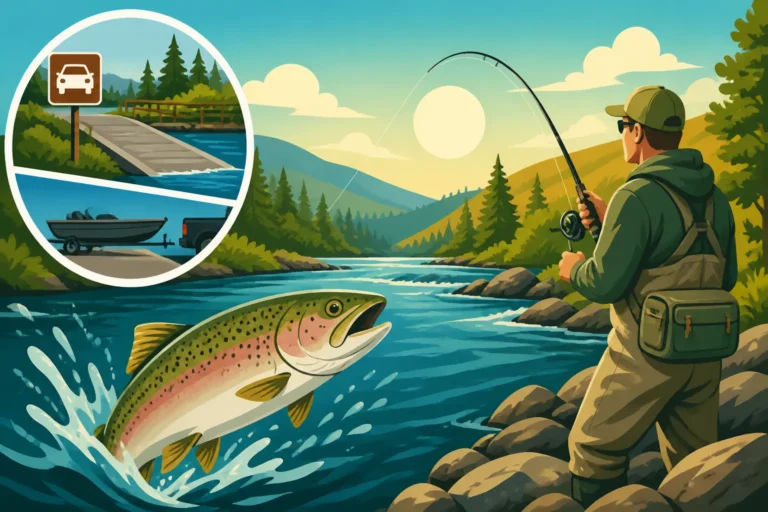
Getting onto New Melones is straightforward, with two primary recreation areas providing excellent access.
- Glory Hole Recreation Area: Located on the north side of the lake near Angels Camp, Glory Hole offers multiple boat ramps, ample parking, a full-service marina with boat rentals, a store, and camping facilities. This is a very popular starting point for all types of fishing. It's often the hub for accessing the main lake body and the deeper dam areas.
- Tuttletown Recreation Area: Situated on the south side of the lake near Sonora, Tuttletown also features boat ramps, a marina, camping, and a store. This area provides easier access to the Stanislaus River arm and the more secluded, brushier coves upstream. It’s a great choice if you prefer slightly less crowded waters or are specifically targeting largemouth bass in heavy cover.
- Hiring a Guide: If you're new to New Melones or want to quickly learn the ropes, hiring a local fishing guide is an invaluable investment. They know the lake intimately, understand the fish patterns, and can put you on fish faster than you might on your own. Many reputable guides who specialize in New Melones fishing can be found and booked through platforms like FishingBooker, making it simple to compare options and reviews. Whether you're after bass, trout, or a mixed bag, a guide can significantly enhance your experience. They’ll often supply all the necessary gear and baits, taking the guesswork out of your trip. Another advantage of booking through a service like FishingBooker is the peace of mind knowing you're working with licensed professionals.
Lake Levels and Their Impact
It’s impossible to talk about fishing New Melones without mentioning lake levels. As a multi-purpose reservoir, its water levels can fluctuate significantly throughout the year, especially from year to year depending on snowpack and rainfall.
- Adaptation is Key: High water years can flood new vegetation, creating incredible new cover for bass but also spreading fish out. Low water years can concentrate fish in smaller areas and expose structure that’s usually underwater, which can be both a blessing and a curse. Always check the current lake level before your trip – websites like the New Melones Lake website or apps like Fishbrain often provide this data. Be prepared to adjust your tactics and target different areas based on the current conditions. What might be a prime spot at 900 feet elevation might be dry at 800 feet. Local knowledge, often gleaned from guides found on platforms like FishingBooker, can be particularly helpful during these fluctuating periods. This dynamic nature means that while this guide provides excellent starting points, being observant and adaptable on the water is crucial to consistent success.
Disclaimer
Fishing inherently carries risks, and regulations can change. Always consult the latest California Department of Fish and Wildlife (CDFW) regulations before heading out. The information provided here is for general guidance and entertainment purposes only. Fishing conditions and success are never guaranteed.