Cabrillo Pier Fishing Guide
Ever feel like fishing can be needlessly complicated, especially when you're trying to figure out if a spot like Cabrillo Pier is even worth the drive and the effort? The thought of hauling all your gear down to the coast only to find confusing rules, disappointing catches, or unexpected challenges can be a real buzzkill. This guide is here to cut through that noise, giving you a detailed, insider's breakdown of everything you need to know to have a successful and genuinely enjoyable fishing trip at San Pedro's iconic Cabrillo Pier.
Unraveling the Allure of Cabrillo Pier: More Than Just a Plank Over Water
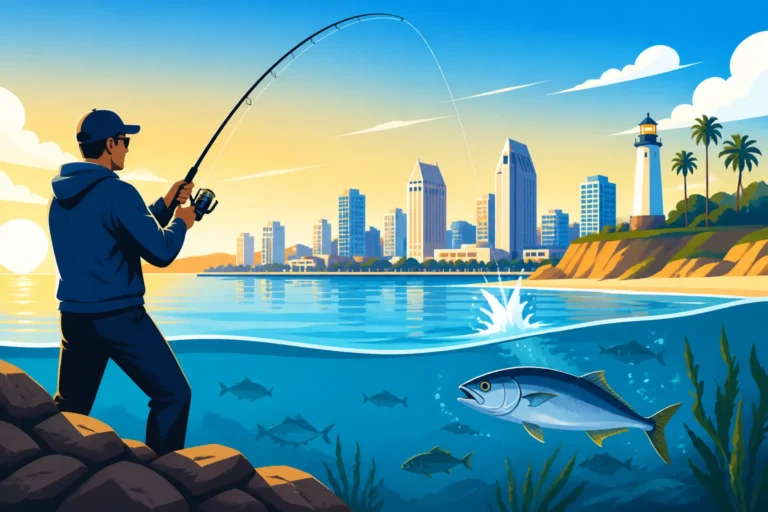
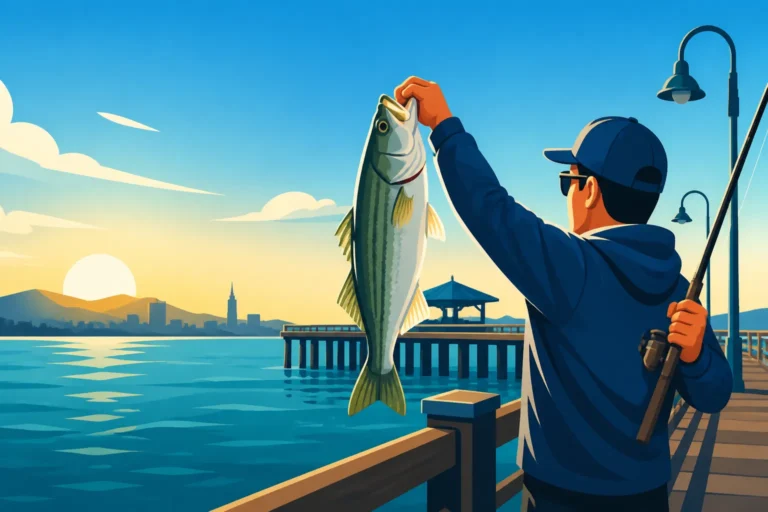
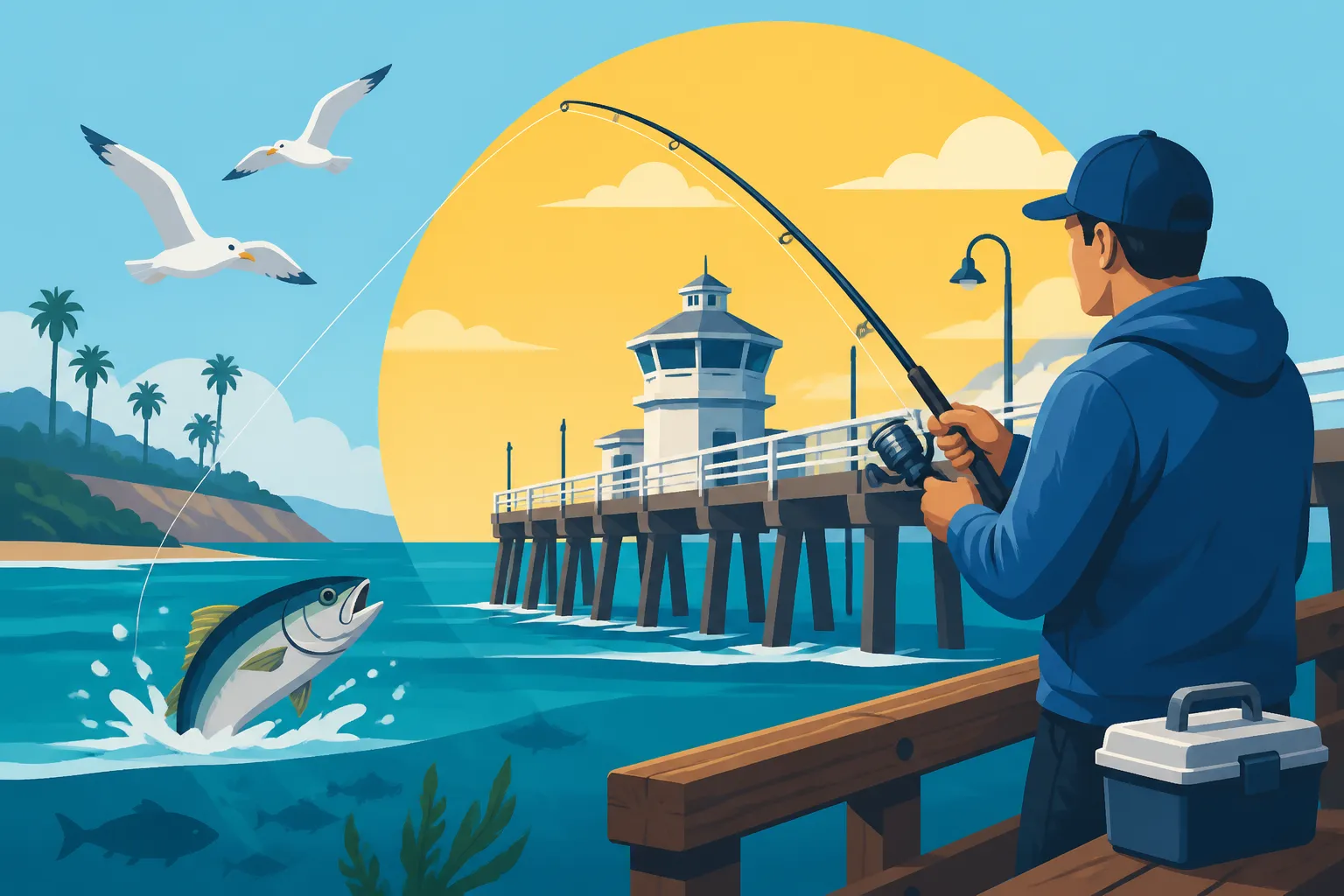
Cabrillo Pier, nestled in the historic San Pedro neighborhood of Los Angeles, isn't just any old fishing pier. It's a true Southern California gem that offers surprisingly diverse angling opportunities for both seasoned veterans and complete beginners. What really draws people here is its accessibility and the sheer variety of marine life that congregates around its structure and the adjacent breakwater. It’s a fantastic entry point into saltwater fishing, often serving up action when other spots are quiet.
Pier's Unique Location and Accessibility
The pier itself stretches out into the outer harbor of San Pedro Bay, offering views of the bustling port and, on clear days, even Catalina Island. Its location is particularly strategic because it's right next to the famous San Pedro Breakwater, which creates a sheltered environment while still exposing anglers to open ocean species. Getting there is generally straightforward, with ample parking available in the Cabrillo Beach parking lot, though it can get pretty busy on weekends, especially during peak season. You might have to walk a bit from your car, so keep that in mind when you're loading up your fishing cart. There are restrooms and even a small concession stand sometimes open, adding to the convenience, which is a huge plus when you’re planning a family outing. This really makes it one of the Best Fishing Piers in California.
Diverse Marine Life: What to Expect to Catch
One of the most exciting aspects of fishing at Cabrillo Pier is the incredible variety of species you might hook. This isn't a one-trick pony pier; depending on the season and your technique, you could be reeling in anything from small baitfish to larger game. The most common catches include Pacific mackerel, various types of surfperch, queenfish, croaker, and even small halibut if you're lucky and persistent. During warmer months, especially late spring through fall, you might also encounter barracuda, bonito, or even a stray yellowtail if schools move into the bay. Anglers also regularly pull up small sharks like leopard sharks or shovelnose guitarfish, which can be a thrilling fight on lighter tackle. It’s always an adventure, and you never quite know what’s going to bite next.
Key Features and Prime Fishing Zones
Cabrillo Pier boasts a few features that make it particularly angler-friendly. First, there's often a decent current flowing past the pier, which brings in baitfish and, in turn, predatory species. The pilings themselves provide excellent structure for fish to hide and ambush prey, so casting close to them can be very productive. At the end of the pier, the water tends to be deeper, making it a good spot for targeting species that prefer cooler, darker depths. Along the sides, closer to shore, the water is shallower and more conducive to catching surfperch and croaker, especially if there's any kelp or rock structure. Additionally, the pier is typically equipped with fish cleaning stations, which are incredibly handy after a successful day, saving you the mess at home. The lighting on the pier also allows for night fishing, a popular activity for targeting mackerel and squid when they're running.
Your Toolkit for Success: Gear, Baits, and Rigs for Cabrillo Pier
You don't need a boatload of expensive gear to have a great time at Cabrillo Pier, but having the right setup can definitely improve your chances. It’s all about matching your tackle to the fish you're targeting and the conditions you're facing. Trying to catch mackerel with a heavy rock cod setup, for instance, isn't going to be much fun. A little preparation goes a long way.
Rod and Reel Combinations
For general pier fishing at Cabrillo, a medium-light to medium-heavy spinning rod between 7 to 9 feet in length is your best friend. This length gives you enough casting distance to reach different zones while still being manageable on a crowded pier. Pair it with a reliable spinning reel in the 3000 to 5000 size range, spooled with 10-20 lb monofilament or braided line. Braided line offers superior sensitivity and casting distance, but a good quality monofilament is perfectly fine, especially for beginners. If you’re specifically targeting larger species like halibut or a decent-sized shark, you might want to step up to a medium-heavy rod with 20-30 lb line. Remember, it's not always about brute strength; finesse often catches more fish.
The Bait Debate: Live, Cut, or Artificial?
When it comes to bait, variety is key at Cabrillo.
- Live Bait: This is often the undisputed king, especially for species like barracuda, halibut, and larger game. Live anchovies or sardines, if available from a local bait receiver or caught fresh with a sabiki rig right off the pier, are incredibly effective. The erratic movement of live bait is irresistible to many predatory fish.
- Cut Bait: Fresh squid strips or pieces of mackerel/sardine are highly versatile and work wonders for everything from perch and croaker to bottom-dwelling sharks and rays. Squid is particularly tough and stays on the hook well, making it a great choice for soaking bait.
- Artificial Lures: Don't underestimate artificials! Small Kastmaster spoons or Krokodile lures in chrome or blue/silver are fantastic for casting to schooling mackerel or bonito. Soft plastic grubs or swimbaits on a lead head can entice halibut or sand bass closer to the bottom. For a more detailed look at baiting strategies, check out our guide on California Bait Fishing Tips and Techniques.
Effective Rigs and Setups
Matching your rig to your target species and conditions is crucial. Here are a few common and effective setups for Cabrillo Pier:
- Sabiki Rig: This is your go-to for catching live bait (anchovies, mackerel, sardines). It's a string of small, shiny hooks designed to mimic tiny baitfish. Cast it out and gently jig it up and down.
- High-Low Rig: Consisting of two hooks spaced above a sinker, this rig is excellent for targeting multiple species like perch, croaker, and queenfish, often allowing you to present different baits at varying depths.
- Carolina Rig (or Sliding Sinker Rig): A very popular choice for bottom fishing, especially for halibut, sharks, and rays. It involves a sliding sinker above a swivel, followed by a leader and a hook. This allows the bait to move naturally near the bottom.
- Dropper Loop Rig: Similar to a high-low, but the loops for the hooks are tied directly into the main line, making it very strong. Great for general bottom fishing.
- Fish Finder Rig: Similar to the Carolina rig but often uses a heavier sinker, ideal for presenting larger baits for bigger bottom fish or sharks.
Using a leader (fluorocarbon is preferred for its invisibility) is always a good idea, especially when the water is clear, to protect your main line from abrasion and shy fish.
Here’s a quick overview of popular fish and optimal setups at Cabrillo Pier:
| Target Species | Preferred Bait/Lure | Recommended Rig/Setup | Rod/Reel Type | Best Zones |
|---|---|---|---|---|
| Pacific Mackerel | Sabiki Rig, Small Spoons, Cut Squid | Sabiki, High-Low | Light-Medium Spin | Mid-pier to End |
| Surfperch | Bloodworms, Small Shrimp, Cut Squid | High-Low, Carolina | Light Spin | Nearshore, Pier Pilings |
| Halibut | Live Anchovies/Sardines, Soft Plastics | Carolina, Fish Finder | Medium Spin/Cast | Pier End, Bottom |
| Barracuda | Live Anchovies, Spoons, Jigs | Live Bait Rig, Spoon/Jig | Medium Spin/Cast | Mid-pier to End, Surface |
| Croaker/Queenfish | Cut Squid, Shrimp, Bloodworms | High-Low, Dropper Loop | Light-Medium Spin | Anywhere, Bottom |
| Sharks/Rays | Mackerel Heads, Whole Squid, Large Cut Bait | Fish Finder, Heavy Carolina | Heavy Spin/Conventional | Pier End, Bottom |
Mastering the Rules: Regulations and Responsible Angling at the Pier
Fishing in California, even from a pier, comes with its own set of rules and best practices. It's not just about avoiding fines; it's about preserving the resource for everyone and ensuring a safe, enjoyable experience. Trust me, nobody wants to be that angler who ruins it for others.
The Golden Rule: California Fishing License Requirements
Here’s some fantastic news that makes Cabrillo Pier (and most other public piers in California) incredibly accessible: you generally do NOT need a California fishing license when fishing from a public pier or public jetty. This is a massive benefit and one of the main reasons why pier fishing is such a popular activity for families and casual anglers alike. You can simply show up with your gear and start fishing!
However, there's a crucial caveat: this exemption only applies while you are physically on the pier or jetty. If you step off onto a boat, kayak, or even the shore to continue fishing, you will need a valid license. It's also important to note that while the license isn't required, any specific report cards for species like steelhead, sturgeon, or spiny lobster would still be necessary if you happened to catch them, although these are unlikely targets directly from Cabrillo Pier itself. For a full understanding, you should always consult the official California Pier Fishing License Rules and the broader California Fishing License Guide.
Understanding Bag and Size Limits
Even without a license, all California sport fishing regulations regarding bag limits (how many fish you can keep) and size limits (minimum or maximum length) still apply when fishing from a pier. These rules are in place to ensure sustainable fishing and protect fish populations. For example, many rockfish have specific size and bag limits, and halibut have a minimum size. Pacific mackerel, while often abundant, also have a generous but still regulated bag limit.
It's your responsibility to know these limits for the species you intend to keep. The best way to stay informed is to carry a current copy of the California Department of Fish and Wildlife (CDFW) Ocean Sport Fishing Regulations booklet or download their mobile app. You can also find a lot of this information in our comprehensive guide to California Fishing Bag and Size Limits. Ignoring these rules can lead to significant fines, so it's always worth taking a few minutes to educate yourself before you cast out.
Embracing Ethical Angling and Pier Etiquette
Cabrillo Pier can get busy, especially on a sunny weekend. Practicing good pier etiquette isn't just polite; it makes the experience better for everyone.
- Give Space: Don't crowd other anglers. Cast in a way that minimizes tangles with others.
- Manage Your Trash: Pack it in, pack it out. This includes fishing line, bait containers, and any other waste. Keep the pier clean for the next person.
- Respect Others' Lines: If someone has a fish on, give them room to reel it in. Avoid casting over their line.
- Handle Fish Responsibly: If you're practicing catch and release, handle fish gently and return them to the water quickly. Avoid dragging them on the pier surface. For species you intend to keep, dispatch them humanely.
- Report Violations: If you see egregious poaching or polluting, report it to the CDFW. It helps protect the resource.
- Know Marine Protected Areas (MPAs): While Cabrillo Pier is generally open, it's always good to be aware of nearby MPAs. Although typically not affecting the pier directly, knowing the boundaries of California Marine Protected Areas Explained can prevent accidental violations if you ever fish close to restricted zones from a boat or kayak.
Beyond the Basics: Advanced Tips for Maximizing Your Cabrillo Catch
Once you've got the gear and regulations down, it’s time to fine-tune your approach. The difference between a decent day and an epic day at Cabrillo Pier often comes down to understanding the nuances of timing, technique, and reading the water.
Timing is Everything: Best Hours and Tides
Just like real estate, fishing is often about location, location, location – but also timing!
- Dawn and Dusk: These are almost universally the best times to fish from any pier. Low light conditions give predatory fish an advantage, making them more active in their search for food. The first few hours after sunrise and the last few hours before sunset are prime windows.
- Tidal Influence: Tides play a significant role in pier fishing. An incoming or outgoing tide usually generates current, which stirs up bait and gets fish moving. A slack tide (the period of minimal water movement between tides) can sometimes be slow, but it can also concentrate baitfish. Pay attention to the tide charts for San Pedro. Often, a strong outgoing tide can pull baitfish out from the harbor, and an incoming tide can push them back in, both creating feeding opportunities.
Seasonal Hotspots: What's Biting When
California's diverse climate means fishing can be productive year-round, but specific species definitely have their seasons.
- Spring (March-May): As waters warm, baitfish become more abundant. This is a good time for surfperch, croaker, and queenfish. Halibut start becoming more active on the bottom.
- Summer (June-August): Peak season for fast-action species. Mackerel often school in large numbers, and barracuda make their appearance. Bonito and even smaller yellowtail can surprise anglers during particularly warm water years.
- Fall (September-November): Often considered one of the best times to fish. Water temperatures are still warm, and fish are actively feeding before winter. Mackerel, barracuda, and bonito remain strong targets. Halibut fishing can also be excellent as they gorge themselves.
- Winter (December-February): While generally slower, winter still offers opportunities for various perch species, small sharks, and occasionally larger bottom fish. Some of the biggest halibut are sometimes caught during the colder months, though they are fewer and far between.
For a broader perspective on what you might catch across the state, our California Fishing Seasons: Month-by-Month Guide offers invaluable insights.
Reading the Water and Spot Selection
Don't just cast blindly! Take a few moments to observe your surroundings before settling down.
- Look for Activity: Are birds diving? Are there baitfish flickering on the surface? These are tell-tale signs of predatory fish nearby.
- Identify Structure: The pier pilings themselves are structure, but look for other anomalies like patches of kelp, rocks, or even subtle changes in bottom contour (though this is harder to see from above). Fish love to hide around structure.
- Consider Depth: The end of Cabrillo Pier offers deeper water, often preferred by halibut, larger sharks, and schooling pelagics. Closer to shore, the shallower water holds surfperch and smaller bottom fish.
- Follow the Bait: If you can locate schools of anchovies or sardines, you're usually not far from the fish that prey on them.
- Observe Other Anglers: Politely watch what others are catching and what techniques they're using. This can provide valuable clues about what's working on a given day. Just remember to be respectful and not invade their space or try to replicate their spot precisely.
For those who want to level up their experience and explore beyond the pier, consider booking a nearshore or offshore trip from a local marina – a quick search on FishingBooker will show you available options. Even if you’re just pier fishing, understanding local conditions can be helpful. Sometimes charter captains listed on sites like FishingBooker provide insights in their trip descriptions that can hint at general local activity. While Cabrillo Pier is a fantastic free option, for those looking to target bigger game or get a different perspective, checking out charter availability on platforms like FishingBooker can open up new opportunities. Planning a trip to other fishing hotspots in California? FishingBooker can be a great resource to find guides and charters across the state.
Disclaimer
Fishing conditions and regulations in California can change frequently. While we strive to provide the most accurate and up-to-date information, it is always your responsibility to verify current regulations with the California Department of Fish and Wildlife (CDFW) before engaging in any fishing activity. Always prioritize safety and environmental stewardship.