Best High Sierra Alpine Lakes for Trout
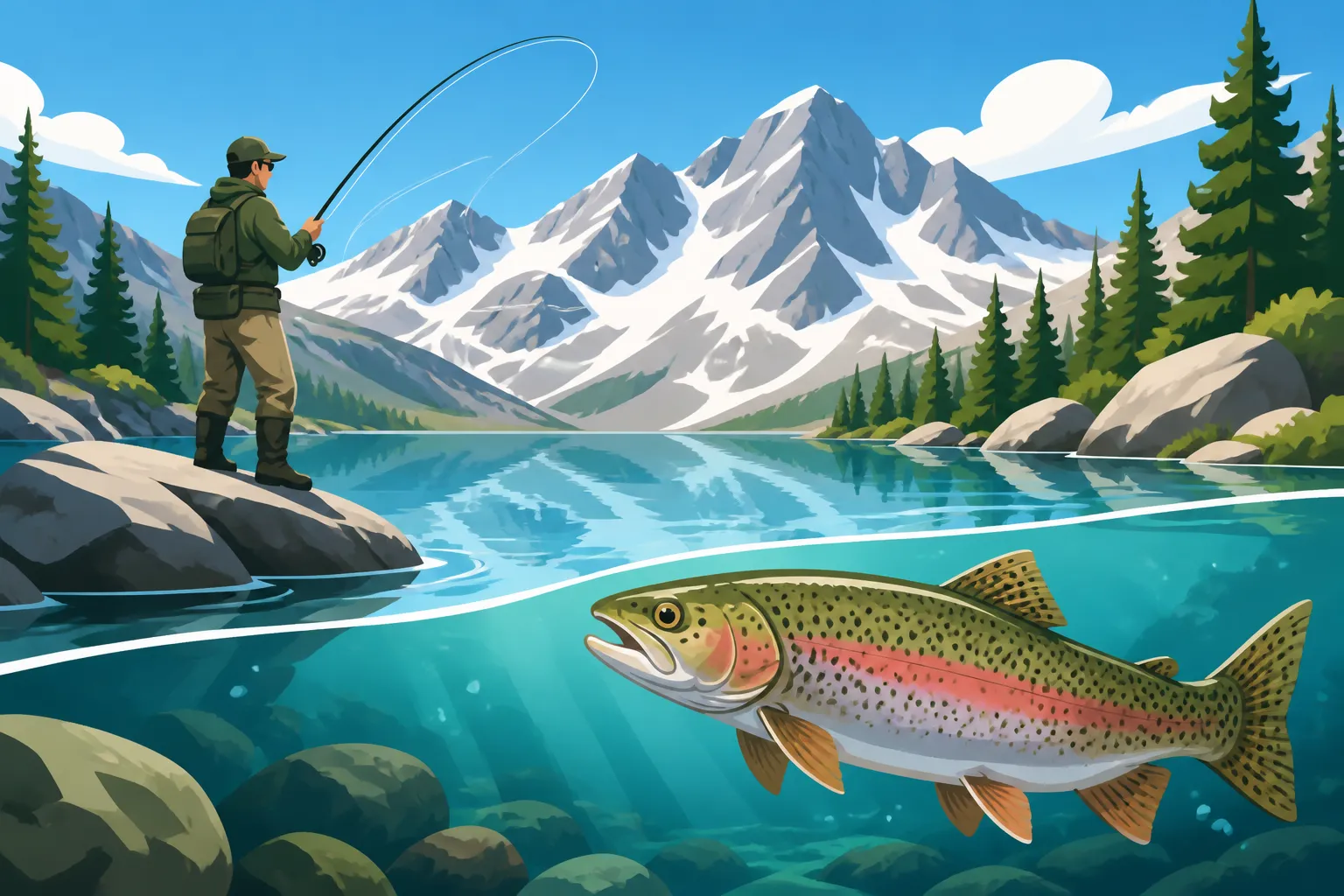
There’s nothing quite like the feeling of reaching a sparkling, crystal-clear alpine lake nestled high in the Sierra Nevada, the air crisp and thin, and knowing that beneath its surface, wild, hungry trout are waiting. But getting there? That’s often half the battle, and once you’re there, figuring out how to actually catch those elusive mountain gems can be another challenge entirely. This guide is all about helping you unlock the secrets to successful trout fishing in California’s most breathtaking high-country waters, ensuring your effort is rewarded with unforgettable experiences and, hopefully, some incredible catches.
The Unique Allure of High Sierra Alpine Trout Fishing
Fishing in the High Sierra isn't just about catching fish; it's an immersive experience that strips away the noise of everyday life and connects you deeply with nature. The sheer beauty of these landscapes, combined with the challenge of accessing them, makes every fish caught feel like a hard-earned trophy.
Why Alpine Lakes Are Different
Unlike your local, easily accessible reservoirs or rivers, High Sierra alpine lakes are defined by their remoteness, elevation, and often, their pristine, untouched nature. Most of these lakes are only reachable by foot, often requiring significant hikes through challenging terrain, gaining thousands of feet in elevation. This journey itself is a filter, meaning fewer anglers make it to these spots, preserving their wild character. The water is typically snow-fed, incredibly cold, and remarkably clear, offering incredible visibility but also making the fish warier. The ecosystem is simpler, with fewer baitfish species, meaning the trout often feed on insects, small crustaceans, or whatever falls into the water. This pristine environment means the fish are often native or wild strains, exhibiting vibrant colors and incredible fight. It's a stark contrast to the often crowded, heavily pressured waters closer to civilization.
The weather up high can change in an instant, swinging from warm sunshine to chilling hail or even snow, even in the middle of summer. This unpredictability means you have to be self-reliant and prepared for anything. The air is thinner, making physical exertion more demanding, and the sun's UV rays are much stronger, so protection is paramount. These factors contribute to the "wildness" of the experience and the fish themselves. When you cast into one of these deep blue jewels, you're fishing in a truly special, ancient place where the fish haven't seen a parade of lures every day of the week.
The Trout You'll Find Here
The High Sierra is a stronghold for several species of trout, many of which have adapted to these challenging conditions and often display stunning, vibrant colors. While some lakes might be stocked periodically, especially those with easier access, the true allure lies in finding wild, self-sustaining populations.
Perhaps the most iconic is the Golden Trout. California's state fish, known for its dazzling gold, crimson, and olive hues, is often found in the most remote, highest elevation lakes and streams. Catching a pure strain Golden is a bucket-list item for many anglers, and their fight, despite their smaller size, is surprisingly spirited. You'll also encounter plenty of Rainbow Trout, especially in lakes that receive stockings or have good stream connections. These high-country 'bows are often feistier and more colorful than their hatchery counterparts.
Then there are the Brook Trout, easily identifiable by their worm-like markings (vermiculations) on their backs and vibrant red fins with white edges. Brookies are often found in prolific numbers in certain lakes, especially those that are slightly less acidic or have good spawning grounds. While typically smaller, they are aggressive eaters and a blast to catch. Lastly, some larger, deeper alpine lakes, particularly those at slightly lower elevations or with good natural forage, can hold healthy populations of Brown Trout, which can grow to impressive sizes and offer a significant challenge to any angler. Understanding these different species and their preferred habitats can significantly improve your chances.
Top High Sierra Alpine Lakes and Regions for Trout
California's High Sierra stretches for hundreds of miles, offering an overwhelming number of lakes and drainages to explore. While naming every single gem is impossible (and would spoil some of the adventure of discovery!), certain regions and valleys are renowned for their consistent trout fishing and breathtaking scenery.
Iconic Eastern Sierra Gems
The Eastern Sierra, with its dramatic granite peaks dropping sharply into Owens Valley, is a mecca for alpine fishing. Access is often easier here, with numerous trailheads leading into incredible high country.
One of the most beloved areas is the Little Lakes Valley near Mammoth Lakes. Trailheads like Mosquito Flat provide relatively gentle ascents to a chain of stunning lakes, each offering different fishing opportunities. Lakes like Mack, Marsh, Heart, and Box Lake are easily accessible and regularly produce rainbow and brook trout. Further up, the more adventurous can reach Gem Lakes for even wilder fishing. The beauty here is astounding, and it's a fantastic spot for families or those new to alpine hiking who still want a genuine high-country experience. Similarly, the entire Mammoth Lakes Basin itself, though more developed, offers several smaller lakes that are regularly stocked with trout, providing easy access and high catch rates for families.
Another fantastic option is the June Lake Loop, which boasts a series of larger, more accessible lakes like Grant Lake, June Lake, Gull Lake, and Silver Lake. While these aren't "alpine" in the same remote sense as the Little Lakes Valley, they are nestled in stunning mountain terrain and are heavily stocked with rainbow and brown trout, often including trophy-sized fish. Many anglers hire local guides or rent boats on these lakes, and booking a trip through a service like FishingBooker can set you up with experienced captains who know the local patterns. For those willing to hike a bit, trails leading out of the June Lake Loop can take you to smaller, less pressured alpine lakes that hold wild fish.
Western Sierra Backcountry Treasures
Venturing into the Western Sierra often means deeper dives into true wilderness, typically within national parks and wilderness areas like Yosemite, Sequoia, and Kings Canyon. These require more commitment, often multi-day backpacking trips, but the rewards are immeasurable.
The Desolation Wilderness near South Lake Tahoe is an absolute treasure trove of alpine lakes. Requiring a permit to enter, this area is dotted with hundreds of lakes, many teeming with brook, rainbow, and even some native Lahontan cutthroat trout. Lakes like Aloha, Pyramid, and Echo are popular but spread out enough to offer solitude. The terrain is rugged, a mix of granite slabs and scattered pine forests, making navigation challenging but deeply rewarding. This is where you truly feel immersed in the high country, miles from any road.
Further south, Sequoia and Kings Canyon National Parks offer some of the most pristine and remote alpine fishing experiences in California. The Rae Lakes Loop, for instance, is a classic backpacking trip that takes you past a string of spectacular lakes, many of which hold strong populations of rainbow and golden trout. Access to these areas typically involves significant mileage and elevation gain from trailheads on both the eastern and western sides of the Sierra. For these deeper wilderness trips, preparation is key. Researching specific lake regulations, species, and access points is paramount, and a resource like a detailed trail map is invaluable. Many of these areas are strictly catch-and-release or have specific regulations designed to protect sensitive populations, so always check the latest California Freshwater Fishing Regulations.
Lesser-Known Wonders
Beyond the popular spots, hundreds of smaller, unheralded alpine lakes dot the Sierra Nevada, often tucked away in cirques and basins that see only a handful of visitors each season. These are the places where true solitude and exceptional fishing can often be found.
One such area is the Hoover Wilderness north of Mammoth Lakes, bordering Yosemite National Park. Here, countless small lakes and streams, often requiring some serious bushwhacking or cross-country navigation, hide eager brook and rainbow trout. Names like the Peeler Lake basin or the upper reaches of the West Walker River drainage offer incredible opportunities for the adventurous angler. These spots aren't usually listed on "best of" lists precisely because their charm lies in their obscurity. They demand more effort, better navigational skills, and a willingness to embrace the unknown.
Another incredible, though challenging, region is the high country of the John Muir Wilderness. This vast expanse, encompassing some of the highest peaks in the contiguous United States, contains thousands of lakes. While iconic areas like the Evolution Basin are well-traveled by backpackers, countless smaller, nameless tarns off the main trails offer incredible wild golden and brook trout fishing. Finding these spots requires detailed topographic maps, a strong sense of direction, and often, an early start to beat afternoon thunderstorms. The reward for this extra effort is often a lake all to yourself, where every cast feels like a discovery.
| Region/Area | Primary Fish Species | Accessibility | Typical Season | Notes |
|---|---|---|---|---|
| Little Lakes Valley | Rainbow, Brook, Golden | Moderate Hike | Jul – Oct | Great for families, chain of lakes |
| June Lake Loop | Rainbow, Brown | Easy (roadside) | Apr – Nov | Heavily stocked, boat rentals available |
| Desolation Wilderness | Rainbow, Brook, Cutthroat | Moderate to Strenuous Hike | Jul – Oct | Requires permit, rugged beauty |
| Rae Lakes Loop (Sequoia/Kings) | Rainbow, Golden | Strenuous Backpack | Late Jul – Sep | Multi-day trip, iconic Sierra trail |
| Hoover Wilderness | Brook, Rainbow | Strenuous Hike/Backpack | Jul – Oct | More remote, less crowded, wild fish |
| John Muir Wilderness | Golden, Brook, Rainbow | Strenuous Backpack | Late Jul – Sep | Vast, remote, ultimate wilderness experience |
Essential Techniques and Gear for Alpine Trout
Success in alpine lakes often hinges on simplicity, stealth, and adapting to the unique conditions. Forget the heavy bass gear; ultralight is the name of the game here.
Fly Fishing Strategies
Fly fishing is arguably the most effective and rewarding way to target high-country trout. The clear waters and insect-rich environment make these fish highly attuned to natural presentations.
When fly fishing, a lightweight 3- or 4-weight rod is usually perfect, allowing for delicate presentations and comfortable casting all day. A floating line is a must, and a selection of dry flies, nymphs, and a few small streamers will cover most situations. Start with dry flies like Parachute Adams, Royal Wulff, Mosquito, or various Caddis patterns (#14-18), especially during hatches or when fish are visibly rising. A common and often productive strategy is the dry-dropper rig: a visible dry fly with a small nymph (e.g., Copper John, Pheasant Tail, Hare's Ear, zebra midge #16-20) suspended below it. This allows you to prospect both the surface and subsurface at the same time.
For fish that are holding deeper or when there's no surface activity, tight-line nymphing or fishing a small streamer (like a Woolly Bugger or sculpin pattern) can be very effective. Remember, stealth is critical. Approach the water slowly, stay low, and make accurate casts. These fish can be spooky due to the extreme water clarity. Observing what insects are present and matching the hatch, if possible, will significantly increase your success. Even if you're new to fly fishing, a basic setup and a handful of confidence patterns can get you started.
Spin Fishing Approaches
If fly fishing isn't your style or you're just looking for a simpler approach, spin fishing can be incredibly productive for alpine trout, especially when using ultralight gear.
An ultralight spinning rod (4-6 foot) paired with a small reel spooled with 2-4 lb test monofilament or fluorocarbon is ideal. The key here is using small, subtle presentations. Popular lures include tiny spoons (like Kastmasters, Thomas Buoyants, or Phoebes in 1/16 to 1/8 oz), small inline spinners (Mepps, Panther Martin, Rooster Tail in size #0-2), and mini jigs. Cast these out and retrieve slowly, varying your retrieve to mimic injured baitfish or insects. The flash and vibration often prove irresistible to hungry trout.
Bait fishing can also be effective, particularly for brook trout or recently stocked rainbows in more accessible lakes. A simple bobber rig with a small hook tipped with powerbait, salmon eggs, or a piece of worm can work wonders. However, many wild trout lakes have "artificial lures and flies only" regulations, so always check before you go. The most important thing is to keep your tackle light and minimize your footprint. Heavy gear and loud splashes will often send these wary alpine fish scurrying for cover.
Packing Smart for the High Country
A successful high Sierra fishing trip isn't just about rods and reels; it's about being prepared for the environment. Every item in your pack needs to justify its weight.
Start with a comfortable, well-fitting backpack that can handle the volume and weight of your gear. Layers are crucial: a moisture-wicking base layer, an insulating mid-layer (fleece or puffy), and a waterproof/windproof outer shell. Even in summer, evenings can drop below freezing, and afternoon thunderstorms are common. Sturdy hiking boots that are broken in are non-negotiable, along with extra socks. Navigation tools like a detailed topographic map and compass (and knowing how to use them) are essential, especially in remote areas where cell service is non-existent. A GPS device or a reliable app like Gaia GPS on your phone (download maps offline!) can be a lifesaver.
Don't forget essentials like a first-aid kit, headlamp, sun protection (hat, sunglasses, high SPF sunscreen), a water filter or purification tablets, plenty of high-energy food, and a small trowel for Leave No Trace ethics. For fishing gear, keep it minimal: a breakdown rod or travel rod, a small tackle box with essential lures/flies, forceps, and a measuring tape if you plan to keep fish (check regulations!). A small, collapsible landing net can be useful, but many anglers prefer to hand-land smaller trout to save weight. Remember that every ounce counts when you're gaining thousands of feet in elevation.
When to Plan Your Alpine Trout Adventure
Timing is everything when it comes to High Sierra alpine fishing. The season is relatively short, dictated by snowmelt and weather patterns.
The Short Alpine Season
The fishing season in the High Sierra is typically brief, opening after the snowmelt allows access, usually from late June or early July, and running until the first significant snowfalls in late September or October.
Early season (July) can be fantastic as fish are often hungry after being under ice, but access might still be challenging with lingering snowfields and high stream crossings. As summer progresses into August, most trails are clear, and weather is generally more stable, making it a prime time for backpacking and fishing. The fish are active, and insect hatches are common. September offers beautiful fall colors and often fewer crowds, but the weather becomes more unpredictable, with colder nights and the possibility of early season snowstorms. Many anglers find late August to mid-September to be the sweet spot for a balance of good weather, accessible trails, and active fish. Always check trail conditions, weather forecasts, and California Fishing Report Cards Explained before heading out, as conditions can vary dramatically year to year and region to region.
Best Times of Day for Action
Just like in lower elevations, trout in alpine lakes often have peak feeding times that coincide with cooler temperatures and insect activity.
Generally, the best times to fish are during the cooler parts of the day: early morning, from sunrise until a couple of hours after, and late evening, from a few hours before sunset until dark. During these periods, insect hatches are more likely, and the fish feel more secure feeding in shallower water. On bright, sunny afternoons, especially in the clear water of alpine lakes, trout tend to move to deeper, cooler water or seek shade. If you're fishing mid-day, try focusing on drop-offs, shaded areas, or deeper sections of the lake. However, even during the "slow" times, a patient angler with a well-presented fly or lure can still entice a strike. Don't be afraid to experiment with different depths and retrieve speeds, even if you've already found a successful pattern earlier in the day.
Respecting the High Sierra Environment
The pristine nature of the High Sierra is one of its greatest assets, and it's up to every visitor to help keep it that way. Practicing responsible angling and outdoor ethics is not just a suggestion, it's a necessity.
Leave No Trace Principles
Adhering to Leave No Trace principles is paramount in sensitive alpine ecosystems. These simple guidelines ensure that the wild places we cherish remain wild for future generations.
This means packing out everything you pack in, including all trash, food scraps, and even fish entrails (pack them out or sink them deeply in the deepest part of a lake, away from shore). Bury human waste in a cathole 6-8 inches deep and at least 200 feet from water, trails, and campsites. Stay on established trails whenever possible to minimize erosion, and camp on durable surfaces. Never build new fire rings or collect live wood for campfires; it's best to use a lightweight camp stove for cooking. Keep your fishing practices sustainable: release fish carefully if not keeping, and avoid disturbing spawning areas. Being mindful of your impact ensures that the next person to visit these incredible lakes finds them just as beautiful and untouched as you did.
Understanding Regulations and Limits
The California Department of Fish and Wildlife (CDFW) has specific regulations in place to protect the fragile fish populations in the High Sierra. Ignorance is no excuse, and fines can be steep.
Before any trip, always consult the most current California Freshwater Fishing Regulations. These regulations specify general statewide rules but also detail special regulations for specific lakes, streams, and watersheds. For instance, some alpine lakes may be designated "catch and release only," while others might have restrictions on bait, barbless hooks, or specific season dates different from the general season. Pay close attention to bag and size limits, especially for sensitive species like Golden Trout, which often have very conservative limits or are entirely protected in certain areas. You’ll also need a valid California Fishing License Guide (and potentially a California Fishing License Cost breakdown) and, for certain species, a California Fishing Report Cards Explained. Knowing these rules protects the resource and ensures you have a legal and enjoyable trip. Consider booking a guided trip through a service like FishingBooker if you're unsure about the local rules, as guides are experts in the region's specific regulations.
Planning Your High Sierra Trout Adventure
Embarking on a High Sierra fishing adventure requires careful planning, but the rewards are truly unmatched. It's not just about catching fish; it's about the entire experience—the hike, the solitude, the stunning views, and the deep connection with California's wild heart.
Trip Preparation Checklist
A well-organized trip is a safe and enjoyable trip. Here’s a quick checklist to get you started:
- Research: Consult CDFW regulations, check trail reports, and weather forecasts. Look into specific lake conditions, and species present.
- Permits: Secure any necessary wilderness permits (e.g., Desolation Wilderness, John Muir Wilderness). These often have quotas and need to be reserved well in advance.
- Gear Check: Ensure all fishing gear (rod, reel, line, lures/flies, forceps) is in good working order. Pack appropriate layers of clothing, rain gear, sturdy boots, and navigation tools.
- Food & Water: Plan high-energy, lightweight meals. Pack a reliable water filter or purification tablets.
- Safety: First-aid kit, headlamp, emergency shelter (even a lightweight tarp), whistle, fire starter. Inform someone of your itinerary.
- Physical Conditioning: Be realistic about the physical demands of high-elevation hiking. Start training beforehand if necessary.
- Booking: If considering a guided experience or a party boat for more accessible mountain lakes, check out options on platforms like FishingBooker to find reputable operators who know the high country.
Embracing the Journey
Remember, the journey to a high alpine lake is often as much a part of the adventure as the fishing itself. The quiet contemplation on the trail, the breathtaking vistas, the wildlife encounters—these are all integral to the High Sierra experience. Don't rush. Take time to enjoy the climb, breathe the crisp air, and soak in the majestic scenery.
Even if the fishing is slow, the sheer beauty of a remote Sierra lake at sunrise or sunset will leave an indelible mark. These are the moments that stick with you long after the hike out. The wild trout of the High Sierra are more than just fish; they are symbols of wilderness, resilience, and the incredible natural heritage we are so lucky to have in California.
Disclaimer
The information provided in this guide is for general informational purposes only and is subject to change. Always consult the latest California Department of Fish and Wildlife (CDFW) regulations, local advisories, and weather forecasts before embarking on any fishing trip in California. Fishing in remote areas carries inherent risks, and proper preparation, safety precautions, and Leave No Trace principles are essential.