Best Surf Fishing Beaches in California
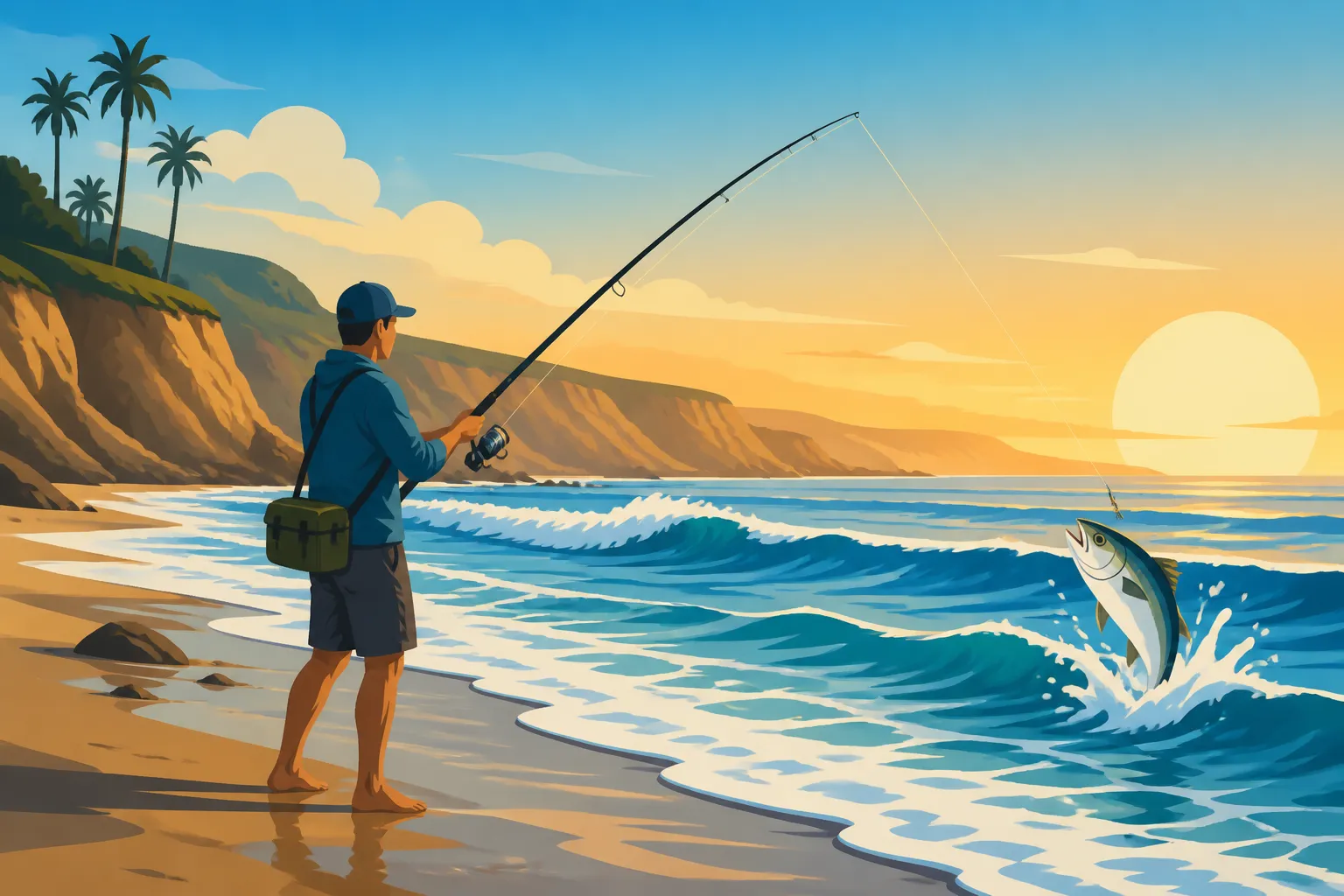
There’s nothing quite like the feeling of the salty spray on your face, the roar of the waves, and the anticipation of a tug on your line as you cast into California’s vast Pacific Ocean. But let's be honest, trying to figure out where to even start with surf fishing in this huge state can be incredibly overwhelming. You want to find those prime spots where the fish are biting, not just endless stretches of sand. This guide is here to cut through the confusion and point you toward some of the best surf fishing beaches across California, so you can spend less time guessing and more time reeling in your next trophy.
Why California Surf Fishing is So Rewarding (and Tricky!)
California's coastline offers an incredible array of opportunities for the surf angler, from sandy beaches perfect for casting for corbina to rocky stretches where you might hook a halibut. The sheer beauty of it all, with the golden sun setting over the Pacific, makes every outing feel like a mini-vacation. Yet, despite its allure, mastering the art of surf fishing here comes with its own set of unique challenges that can frustrate even seasoned anglers.
The Unique Appeal of California's Coastline
What makes California so special for surf fishing? It’s truly a combination of factors. First, the biodiversity is phenomenal. You’re not just targeting one or two species; you could be after surfperch, corbina, croaker, halibut, leopard sharks, and even the elusive striped bass, depending on where and when you're fishing. This variety keeps things exciting, as you never quite know what might grab your bait. Then there's the accessibility. Many fantastic beaches are just a short drive from major metropolitan areas, offering an escape into nature without needing a full-blown expedition. Plus, the dynamic nature of the ocean means conditions are constantly changing – tides, swell, water clarity, and bait migration all play a role, making each trip a new puzzle to solve. For many, it's the perfect blend of challenge and relaxation, a chance to connect with nature while honing a craft. Don't forget, most surf fishing in California generally requires a valid California Fishing License Guide, so make sure you're always squared away on that front.
Common Frustrations for Surf Anglers
Now, let's talk about those frustrations we all face. California beaches can get crowded, especially on a beautiful weekend. Trying to find a peaceful stretch of sand where you won't accidentally cast into someone's picnic or surf lesson can be a real headache. Then there's the "reading the beach" aspect – identifying those subtle gutters, troughs, and sandbars that hold fish, which often requires experience and a keen eye. The dynamic nature of the tides and currents also means a spot that was hot yesterday might be dead today. And, of course, a huge challenge is avoiding California Marine Protected Areas Explained, which are scattered along the coast and prohibit fishing. Accidentally casting into one can lead to serious fines, so it's crucial to know your boundaries before you even wet a line. It’s enough to make you want to throw your hands up, but with a bit of knowledge, these frustrations become part of the adventure!
Essential Gear and Tackle for California Surf Fishing
Having the right equipment is absolutely crucial when you’re battling the waves and targeting powerful fish from the shore. You don’t need to break the bank, but investing in a few key pieces will significantly improve your chances and overall enjoyment.
Rods, Reels, and Line – What You Really Need
For California surf fishing, a longer rod is generally your best friend. We're talking anywhere from 9 to 12 feet, sometimes even longer for specialized applications. This length helps you cast further, clear the breaking waves, and keep your line above the surf zone, reducing tangles. A medium to medium-heavy action rod is versatile enough for most species you'll encounter. Popular choices include spinning rods from brands like Penn or Daiwa, which are rugged and handle the sandy, salty conditions well.
Pair that rod with a good quality, corrosion-resistant spinning reel in the 4000 to 6000 size range. It needs a smooth drag system to handle those unexpected runs. For line, many anglers opt for 15-20 lb monofilament for its stretch and abrasion resistance, or 20-30 lb braided line for its casting distance and sensitivity. If you go with braid, you'll definitely want to tie on a 15-20 lb fluorocarbon leader, about 3-5 feet long, as it's nearly invisible underwater and provides extra abrasion resistance against sharp shells and rocks. This setup allows you to handle everything from scrappy surfperch to a decent-sized halibut.
Baits and Rigs for Common Species
When it comes to bait, fresh is always best. The undisputed king for corbina and yellowfin croaker is the sand crab. Learning how to find and rig them properly will give you a huge advantage. Bloodworms and Gulp! Sandworms are also excellent choices for a wide variety of surfperch and croaker. For larger fish like halibut or striped bass, cut bait (like pieces of anchovy, mackerel, or squid) can be very effective, especially when fished on a Fishfinder rig.
Here's a quick rundown of popular rigs:
- Carolina Rig: This is probably the most common and versatile rig for surf fishing. It consists of a sliding egg sinker (1/2 to 2 ounces, depending on current), a small bead, a swivel, and a 12-24 inch fluorocarbon leader with a hook (sizes #2 to #4 are good for most surf species). It allows your bait to move naturally with the current. This rig is particularly effective when you're trying to How to Surf Fish for Corbina.
- High-Low Rig (or Dropper Loop Rig): Great for targeting multiple species or fishing with multiple baits. It uses two hooks on short leaders (droppers) tied above a pyramid or Sputnik sinker. This rig keeps your baits off the bottom, making them more visible. It's a favorite for How to Surf Fish for Perch in California.
- Fishfinder Rig: Similar to a Carolina rig but with a clip or slider for the sinker, allowing you to quickly change sinker weight. Ideal when conditions change or you're targeting bigger game with heavier weights.
Top Surf Fishing Beaches Across California
California's extensive coastline means there are incredible surf fishing opportunities from the Oregon border all the way down to Mexico. Each region offers its own unique charm and target species, so let's explore some of the standout spots.
Southern California Hotspots
Southern California beaches are famous for their sandy stretches, perfect for targeting corbina, surfperch, and halibut. The water here is generally warmer, and the waves can be gentler, making for a more comfortable fishing experience.
- San Clemente Pier / T-Street Beach (Orange County): While you can't fish directly from the pier without specific rules, the beaches surrounding the San Clemente Pier, especially T-Street, are fantastic. The pier itself creates structure that attracts baitfish, and consequently, game fish. You’ll find excellent corbina fishing here, especially during the summer months when sand crabs are plentiful. The nearby structure also holds good numbers of barred surfperch and occasional halibut. It’s a popular spot, so arrive early! If you're looking to explore more specific rules about Fishing from a Pier in California: Rules, it's always good to check local ordinances.
- Bolsa Chica State Beach (Huntington Beach, Orange County): This expansive beach offers miles of open sand, perfect for spreading out. It's a prime location for barred surfperch year-round and sees good runs of corbina and spotfin croaker in warmer months. The long, flat beach allows for good wave action, which can create those crucial troughs where fish forage. It's also known for halibut, especially during spring and fall.
- Zuma Beach (Malibu, Los Angeles County): A classic Malibu spot, Zuma is another long, sandy beach popular with surf anglers. It’s excellent for surfperch, corbina, and often provides opportunities for both leopard sharks and bat rays, especially at dawn or dusk. The deeper water close to shore in some areas makes it attractive for larger species. Keep an eye on local regulations for species like leopard sharks.
- Coronado Beach (San Diego County): With its iconic Hotel del Coronado backdrop, this isn't just a pretty place; it's a productive surf fishing spot. Known for its sparkling sand (due to mica deposits), Coronado Beach offers great fishing for corbina, surfperch, and often small to medium-sized halibut. The gentle slope makes it easy to wade out and target deeper troughs. Many anglers find success here casting parallel to the shore. If you're considering a more structured fishing experience, you can find a lot of knowledgeable local guides on platforms like FishingBooker who can show you the ropes at these spots or even take you out on a boat for a different kind of adventure.
Central California Gems
Moving north, the water gets a bit cooler, and the scenery often becomes more rugged. Central California offers fantastic surf fishing, particularly for a different mix of species, including larger perch and an increased chance of striped bass.
- Pismo Beach (San Luis Obispo County): Pismo is legendary for its surfperch fishing, especially the large barred surfperch that frequent these waters. It’s also a renowned clamming spot, indicating the rich invertebrate life that attracts fish. Beyond perch, you can find corbina, croaker, and even some halibut. The long, open beach offers plenty of casting room.
- Morro Bay (San Luis Obispo County): While the bay itself is excellent for fishing, the beaches north and south of Morro Rock offer superb surf fishing. North of the rock, you'll find more open sand where barred surfperch and corbina are common. South of the rock, toward Montana de Oro State Park, the coastline becomes more diverse with rocky outcrops interspersed with sandy beaches, creating varied habitats for different species, including lingcod near the rocks. Check the California Ocean Enhancement Stamp requirements if you're venturing into certain areas here, as it may apply.
- Capitola Beach (Santa Cruz County): This charming beach town offers accessible surf fishing. Capitola Beach and its adjacent stretches are great for barred surfperch and occasionally striped bass during their migratory runs. The pier also creates structure, drawing in baitfish and larger predators. The general area around Santa Cruz and Monterey Bay offers diverse fishing, from calm bay waters to exposed surf.
Northern California Beaches for the Adventurous
Northern California surf fishing presents a more rugged experience, often with cooler temperatures, stronger currents, and bigger waves. This is prime territory for large surfperch and, most notably, striped bass.
- Pacifica State Beach (Linda Mar Beach, San Mateo County): One of the most popular surf fishing spots close to San Francisco, Pacifica State Beach (also known as Linda Mar) is a consistent producer of barred surfperch, often quite large. During the spring and fall, it's also a hotspot for striped bass, which cruise the troughs in search of baitfish. The beach has a relatively gentle slope, making it accessible, but the conditions can be sporty.
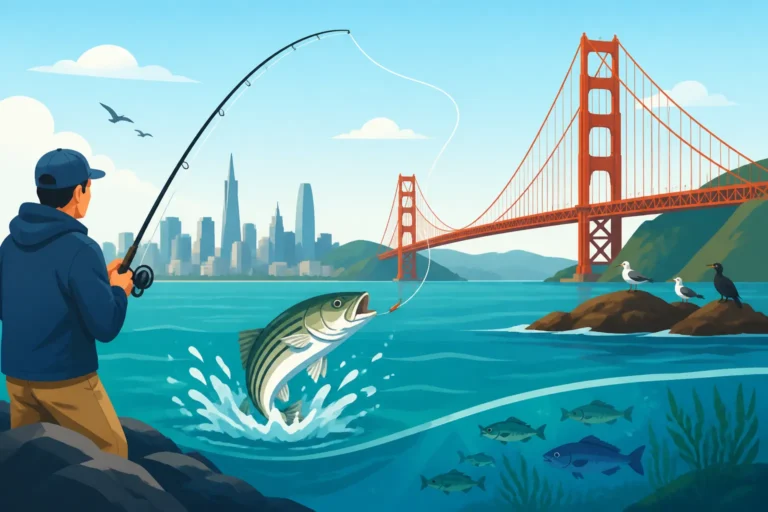
- Ocean Beach (San Francisco County): This iconic, vast stretch of sand is known for its powerful waves and can be challenging, but it holds some of the largest barred surfperch in the state and is a premier location for striped bass. The sheer size of the beach means you can often find a quiet spot, even if the conditions are demanding. Anglers here often use heavier gear to cast into the deep troughs and battle the strong currents. Remember to be mindful of California Saltwater Fishing Regulations, as rules can vary by species and location.
- Beaches Near Bodega Bay (Sonoma County): The coastline around Bodega Bay offers numerous beaches, from Doran Beach to Salmon Creek Beach, where you can find excellent surfperch and opportunities for striped bass, especially during their migratory seasons. The conditions can be rugged and windy, but the rewards can be significant. Local knowledge here is invaluable, so checking recent fishing reports or talking to bait shops is a great idea. Sometimes, securing a local guide through FishingBooker for a short half-day trip can provide immense value in understanding these dynamic waters.
Strategies for Success on California's Surf
Beyond just showing up with a rod and reel, successful surf fishing in California hinges on understanding the environment and employing smart tactics. The ocean is a complex system, and learning to read its subtle cues will put you leagues ahead.
Reading the Beach and Understanding Tides
This is arguably the most critical skill for any surf angler. Fish don't just swim anywhere; they patrol specific areas where food is concentrated or where they feel safe. These areas are typically "structure" created by the waves and currents.
- Troughs and Gutters: These are deeper depressions parallel to the shore, often found between sandbars. They act like highways for fish, especially corbina and surfperch, as bait gets washed in and currents bring food. Look for darker stretches of water, or areas where waves break, reform, and then break again further in.
- Rips and Cuts: These are channels of deeper water where waves don't break, often seen as calmer sections in an otherwise turbulent surf line. Rips are currents moving perpendicular to the shore, carrying baitfish out to sea. Fish often stage on the edges of these rips, waiting for an easy meal.
- Sandbars: These are elevated areas of sand that waves break over. Fish often feed on the backside of sandbars or in the deeper water adjacent to them.
Understanding the tides is also paramount. Generally, an incoming tide (the period leading up to high tide) is considered the most productive for surf fishing, as the rising water pushes baitfish closer to shore and covers fresh feeding grounds. However, different species might prefer different stages. For instance, How to Fish for Halibut in California can sometimes be excellent on a slower outgoing tide in specific areas. Always consult a tide chart before heading out, and pay attention to the "tidal swing" – a larger swing often means stronger currents and more active feeding. You can check the Best Times to Fish in California to align your trips with optimal conditions.
Stealth, Patience, and Presentation
These three virtues are non-negotiable for consistent surf fishing success.
- Stealth: Believe it or not, fish in the shallow surf can be spooky. Avoid stomping around on the sand or casting a long shadow over the water. Approach your chosen spot quietly and observe for a few minutes before casting. Sometimes, a subtle approach can make all the difference, especially when targeting wary corbina.
- Patience: Surf fishing isn't always about constant casting and reeling. Often, it's about letting your bait sit in a productive zone, allowing the current to do its work. If you're not getting bites, try moving 20-50 yards down the beach and casting again. Don't be afraid to experiment with different depths and distances from shore. Sometimes, the fish are right at your feet!
- Presentation: This ties into your bait and rig choices. Ensure your bait is fresh, properly hooked, and presented naturally. A sand crab that's barely hanging on or a worm that's tangled up won't entice a bite. Cast smoothly to avoid tangling your rig, and once it's in the water, retrieve just enough slack to feel any bites without pulling your bait out of the strike zone. If you're using cut bait for bigger species, ensuring it drifts naturally with the current can be key. Always be aware of California Halibut Size and Bag Limits, and ensure any fish you keep are legal. You don't want to get caught off guard with regulations, especially with species like Striped Bass that have specific California Striped Bass Regulations.
| Species Targeted | Best Time of Year | Preferred Baits | Common Rigs | Key Locations |
|---|---|---|---|---|
| Barred Surfperch | Year-round | Sand crabs, Gulp! Sandworms, Shrimp | Carolina, High-Low | Most sandy beaches statewide |
| California Corbina | Summer-Fall | Sand crabs, Bloodworms | Carolina | Southern & Central California sandy beaches |
| Spotfin Croaker | Summer-Fall | Sand crabs, Ghost shrimp, Cut bait | Carolina, Fishfinder | Southern California sandy beaches |
| California Halibut | Spring-Fall | Live/cut anchovy, Squid, Lucky Craft lures | Fishfinder, Carolina (live bait) | All sandy beaches, near structure |
| Striped Bass | Spring, Fall | Large swimbaits, Cut bait, Live anchovy | Fishfinder, Bucktail jigs | Northern & Central California, especially river mouths |
| Leopard Shark | Year-round | Mackerel, Squid, Sardine (cut bait) | Fishfinder (heavy leader) | Most beaches, especially at night |
No matter where you cast your line in California, the surf offers a unique and exhilarating fishing experience. By understanding the environment, having the right gear, and applying a bit of patience and strategy, you'll be well on your way to enjoying some fantastic catches. Don’t hesitate to use resources like FishingBooker if you want to find a local expert who can guide you to secret spots and teach you the nuances of a specific beach. Good luck, and tight lines!
Disclaimer
Please remember that fishing regulations in California can change. Always check the latest rules and regulations from the California Department of Fish and Wildlife (CDFW) before heading out. This guide provides general information and recommendations, but it is your responsibility to ensure compliance with all current laws, including possessing the correct licenses and adhering to bag and size limits.