California Fishing in Spring
Spring in California can be a bit of a tease for anglers, can't it? One day you're basking in warm sunshine with fish biting left and right, and the next you're dodging an unexpected rain shower or facing a sudden cold snap that sends fish deep and locks their jaws. It's this beautiful, unpredictable transition period where winter's chill gives way to summer's bounty, but figuring out where to go and what to chase can feel like a guessing game. This guide is here to cut through that uncertainty, helping you understand the unique opportunities and challenges of fishing California in the spring, so you can land more fish and enjoy every moment on the water.
The Allure and Challenges of Spring Fishing in California
For many of us, spring represents a rebirth, and it's no different for the fish and the anglers who pursue them. The longer days, the warming sun, and the vibrant return of green to the landscape all signal a shift in activity. But with this excitement comes a set of unique challenges that require a thoughtful approach to your fishing strategy.
Why Spring is a Special Time to Fish
There's just something magical about spring fishing in California. After the slower, often colder months of winter, the entire ecosystem seems to wake up. Water temperatures slowly begin to rise, and this warmth acts like a switch, igniting a flurry of activity beneath the surface. Fish that were sluggish and deep-seated start moving into shallower areas, actively feeding and preparing for their spawning rituals. This means they’re often more aggressive and accessible, making for some truly fantastic fishing.
Beyond the increased fish activity, spring offers a quieter, more reflective fishing experience compared to the bustling summer months. You'll often find popular spots less crowded, allowing for a more peaceful connection with nature. The landscape itself is a spectacle, with wildflowers blooming across hillsides and lush greenery lining riverbanks. It's a chance to enjoy California's stunning natural beauty before the peak season crowds arrive, feeling that fresh air and renewed energy all around you.
The sheer variety of species becoming active is another huge draw. From trout in alpine lakes shaking off their winter slumber to largemouth bass moving shallow for their spawn, and even the anticipation of saltwater species returning to the nearshore, there's a smorgasbord of opportunities. It’s a period where you might genuinely have a shot at multiple different species in a single day, or at least a productive trip targeting one of your favorites as they become more active.
Navigating Spring's Unpredictable Nature
As wonderful as spring can be, it's also notoriously fickle. One of the biggest frustrations anglers face is the unpredictable weather. A gorgeous, sunny morning can quickly turn into a windy, overcast, or even rainy afternoon. Sudden cold fronts can roll in, dropping air and water temperatures, making fish suddenly lock up and refuse to bite. This kind of variability can be really disheartening when you’ve driven hours to a favorite spot, only to find the conditions completely changed.
These shifts in weather directly impact fish behavior. Rapid temperature drops can send fish back to deeper, more stable water, making them harder to locate. Rain and snowmelt, especially in the Sierra Nevada, can lead to increased runoff, turning clear rivers into murky, fast-flowing torrents. While this influx of water can sometimes be beneficial by washing in new food sources, it often makes fishing challenging due to poor visibility and strong currents. You might have your heart set on sight-fishing for trout, only to arrive and find the water a muddy chocolate milk.
Because of this inherent unpredictability, adaptability is not just a good idea—it’s absolutely essential for spring fishing success. You can't just stick to one technique or one type of bait. You need to be ready to change your approach based on the conditions you encounter. This might mean switching from lighter tackle to heavier gear if the current picks up, or moving from artificial lures to natural bait if the fish get finicky. Dressing in layers, checking the forecast constantly, and having a backup plan are all crucial for navigating the often-tricky waters of California's springtime.
Prime Freshwater Targets in California's Spring
California’s freshwater scene truly comes alive in spring. From the high Sierra lakes to the sprawling lowland reservoirs, fish are shaking off the winter lethargy and getting ready for the warmer months. This is a fantastic time to target a variety of species that offer both sport and table fare.
Trout Fishing in Spring: Lakes and Rivers
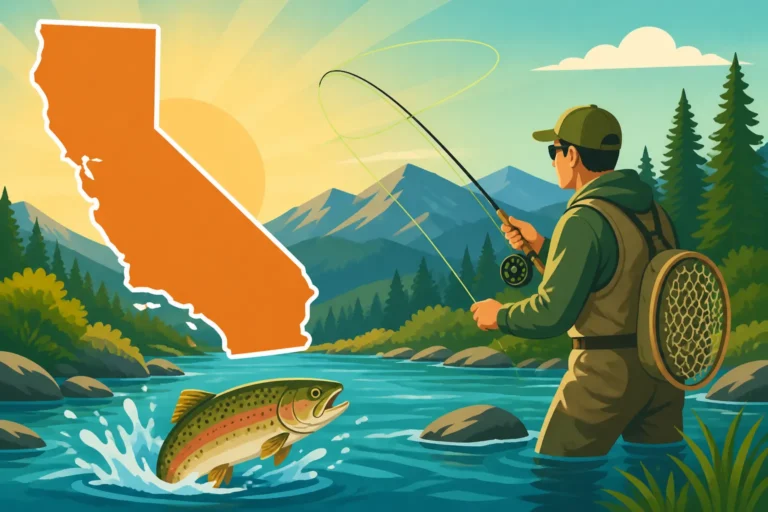
Spring is arguably one of the best times to chase trout in California. As the ice recedes from higher elevation lakes and reservoirs warm up, the California Department of Fish and Wildlife (CDFW) really ramps up its stocking programs. Popular destinations like Big Bear Lake, Lake Tahoe, and the vast network of waters in the Eastern Sierra Fishing Guide become prime spots. These freshly stocked rainbows are often eager biters, providing excellent opportunities for anglers of all skill levels. You'll find success with tried-and-true methods like still-fishing with PowerBait or worms, or casting small spinners and spoons like a Kastmaster or Thomas Buoyant.
For those who prefer a more wild experience, river fishing for native and wild trout also heats up. While snowmelt can initially make some rivers high and cloudy, as the runoff stabilizes, the fishing can be exceptional. Rivers in the Eastern Sierra like the Lower Owens River, or even parts of the Truckee River, can offer incredible fly fishing opportunities. Nymphs and streamers are usually the go-to flies early in the season, imitating the aquatic insects that are becoming more active. As the weather warms, you might even start to see some dry fly action on calmer days, which is truly a treat for any fly angler. It’s crucial to pay attention to water levels and clarity, as heavy snowpack years can delay prime river conditions until late spring or early summer.
When it comes to tackle for spring trout, versatility is your friend. For bait fishing in lakes, a light to medium-light spinning rod with 4-6 lb test line is perfect. For lure casting, the same setup works wonders. Fly anglers will want a 4-6 weight rod, depending on the size of the water and the flies they're throwing. Don't forget a small net; it's always helpful to land your catch safely, especially if you're practicing catch and release, or if you plan on bringing home some delicious trout for dinner.
Bass Activity and Spawning Season
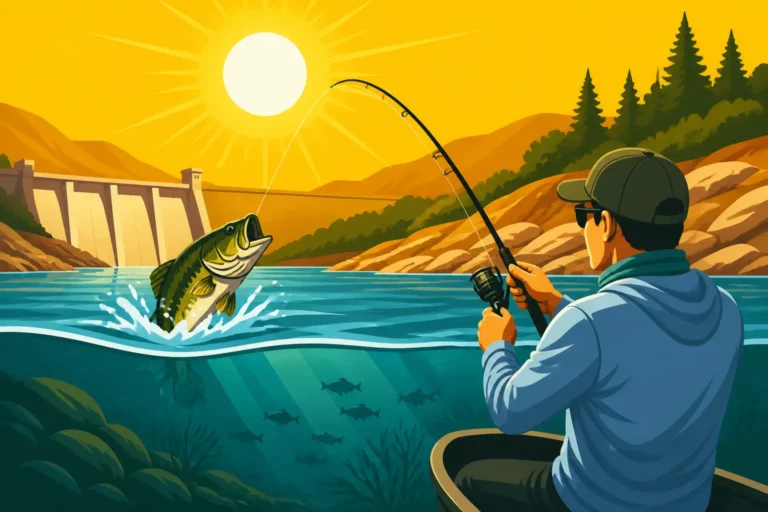
If bass fishing is your passion, spring in California is absolutely prime time. This is when largemouth, smallmouth, and spotted bass move shallow to prepare for their annual spawn, making them incredibly active and often quite aggressive. Lakes like Clear Lake Fishing Guide, known for its monster largemouth, and Diamond Valley Lake Fishing Guide, a renowned trophy fishery, really shine during these months. Bass will be cruising the warmer, shallower flats, coves, and points, looking for suitable nesting sites and defending them vigorously.
As the water temperatures climb into the 50s and 60s, bass enter their pre-spawn, spawn, and post-spawn phases. During pre-spawn, they are often gorging themselves, trying to build energy for the strenuous spawning process. This is a fantastic time for throwing reaction baits like crankbaits, spinnerbaits, and swimbaits to cover water and find active fish. As they move onto the beds, flipping and pitching jigs, creature baits, or Texas-rigged worms into visible cover can be incredibly effective. Smallmouth bass in reservoirs like Lake Shasta or spotted bass in the myriad of lakes across the foothills also follow similar patterns, often favoring rocky points and ledges.
Ethical angling during the spawn is an important consideration. While it can be incredibly tempting to target bass on beds, many anglers choose to leave spawning fish undisturbed to ensure healthy future populations. If you do target bedding fish, quick catches and immediate release are paramount to minimize stress. Always check local regulations, as some areas may have specific rules regarding bass fishing during spawning periods. For those who prefer a less invasive approach, targeting pre-spawn or post-spawn bass around deeper cover adjacent to spawning flats can still yield fantastic results.
Other Freshwater Opportunities: Crappie and Catfish
While trout and bass often steal the spotlight, spring in California offers fantastic opportunities for other panfish and bottom feeders that can provide incredible action, especially for families or those looking for a relaxing day on the water. Crappie fishing, in particular, really picks up as the water warms. These prolific panfish move into shallow, brushy areas, often congregating around submerged timber, docks, or weed lines to spawn.
Lakes and reservoirs throughout the state, from the Central Valley to Southern California, can offer excellent crappie action. Anglers typically target them with lightweight gear, using small jigs (1/32 to 1/16 ounce) tipped with a mini-tube or grub, or by suspending a live minnow under a bobber. The bite can be furious when you find a school, making for a fun and fast-paced fishing experience. Crappie are also delicious, so catching a limit for a fish fry is a popular spring activity. Just make sure you have a light touch and are prepared for their delicate mouths.
Catfish, too, become much more active as spring progresses and water temperatures rise. They often frequent similar shallow areas as bass and crappie, especially in the evenings or on cloudy days, as they forage for food. Channel catfish, in particular, are widespread and can be found in many of California’s lakes, rivers, and the expansive California Delta. They are not picky eaters and will readily take baits like cut anchovies, chicken liver, or various commercial stink baits. Fishing for catfish is often a relaxing affair; you can set up a couple of rods with circle hooks on the bottom and wait for the tell-tale tug. It’s a great way to introduce beginners or kids to fishing, offering consistent action and the chance for a substantial catch.
| Species | Primary Location Type | Best Spring Technique | Common Baits/Lures | Notes |
|---|---|---|---|---|
| Rainbow Trout | Lakes, Reservoirs, Rivers | Bait fishing, Trolling, Fly Fishing | PowerBait, Worms, Spinners, Nymphs, Dry Flies | Heavily stocked in many lakes. Watch runoff in rivers. |
| Largemouth Bass | Reservoirs, Lakes, Ponds | Flipping/Pitching, Crankbaits | Jigs, Soft Plastics, Spinnerbaits, Swimbaits | Pre-spawn/spawn can be intense. Ethical considerations. |
| Smallmouth Bass | Clear-Water Lakes, Rivers | Jigs, Drop-Shots, Crankbaits | Small Jigs, Tubes, Grubs, Crawfish Imitations | Often found on rocky structure. |
| Spotted Bass | Reservoirs, Rivers | Drop-Shots, Finesse Jigs | Small Worms, Grubs, Swimbaits | Similar to smallmouth, but often in bigger schools. |
| Crappie | Lakes, Reservoirs | Jigging, Bobber fishing | Small Jigs, Live Minnows | Look for submerged brush, docks. Excellent eating. |
| Catfish | Lakes, Rivers, Delta | Bottom Fishing | Cut Bait, Stink Bait, Worms | Most active in warmer water, often nocturnal. |
| Halibut | Bays, Nearshore Ocean | Drifting, Trolling, Live Baiting | Live Bait (anchovies/sardines), Swimbaits | Improves as water warms. |
| Surfperch | Ocean Beaches | Surf Fishing | Sand Crabs, Gulp! Sandworms, Small Grubs | Consistent throughout spring. |
| Rockfish/Lingcod | Reefs, Wrecks, Offshore Banks | Jigging, Bait Fishing | Jigs (metal/soft plastic), Squid, Cut Bait | Seasons often reopen May 1st. Check depth limits. |
| Yellowtail | Offshore, Kelp Beds (SoCal) | Surface Iron, Live Baiting | Live Sardines/Mackerel, Jigs | Early season potential in warmer years. |
Coastal and Offshore Opportunities in Spring
The California coast is a dynamic environment, and spring brings exciting changes to the saltwater fishing scene. As ocean waters begin to warm, new opportunities arise, particularly for nearshore species and, eagerly anticipated, the reopening of certain bottom fish seasons.
Coastal Nearshore Species: Halibut and Surfperch
Spring can be a fantastic time to target California halibut in the state's bays and nearshore coastal waters. As ocean temperatures slowly tick upwards, these elusive flatfish become more active and begin to move into shallower areas to feed and eventually spawn. Key locations like San Francisco Bay Fishing Guide, San Diego Bay, and the expansive estuaries of the California Delta are prime spots. Anglers often find success drifting with live bait, such as anchovies or sardines, or slow-trolling swimbaits along sandy bottoms near structure. The incoming and outgoing tides can be crucial for halibut, as they use the current to ambush baitfish.
Meanwhile, surfperch fishing remains a reliable bet along California's vast coastline throughout the spring. These feisty fish are a staple for shore anglers, providing consistent action from sandy beaches and rocky outcroppings. While winter can offer some great perch fishing, spring often brings calmer conditions and more comfortable weather for spending a day on the sand. Redtail, barred, and calico surfperch are commonly caught species. Your best bet is to use small pieces of sand crabs, Gulp! sandworms, or small pieces of shrimp fished on a Carolina rig or a simple high-low rig. Target areas where waves break, creating churn that dislodges their food. Many anglers swear by the effectiveness of a good long surf rod for reaching the deeper gutters where the bigger perch often hold.
The beauty of targeting these nearshore species in spring is their accessibility. You don't necessarily need a boat; many prime halibut and surfperch spots can be fished from shore, piers, or kayaks. It's a great way to experience California's diverse marine environment without the commitment of an offshore trip, and there’s nothing quite like pulling a fat halibut or a chunky surfperch out of the waves.
Rockfish and Lingcod Reopenings
One of the most anticipated events for many California saltwater anglers in the spring is the reopening of the rockfish and lingcod seasons. These seasons are typically closed during the winter months for conservation purposes, with specific reopening dates that can vary by management area and change annually. For many parts of the state, particularly the Central and Northern coast, May 1st is often the magic date when anglers can once again target these delicious bottom dwellers. It’s always, always critical to check the latest California Fishing Regulations Explained, as well as specific California Rockfish Depth Restrictions, as these rules are regularly updated by the CDFW.
When the season reopens, anglers flock to reefs, wrecks, and offshore rockpiles aboard sportfishing charters departing from ports like Monterey, Half Moon Bay, Bodega Bay Fishing Guide, and San Diego. These trips are incredibly popular because rockfish, which include a wide variety of species like vermilion, copper, canary, and bocaccio, are plentiful and excellent eating. Lingcod, often found in the same habitats, are aggressive predators that offer a thrilling fight and a substantial fillet. Common techniques include dropping leadhead jigs tipped with soft plastic swimbaits, or using bait rigs with squid or cut fish.
The excitement around these reopenings is palpable. Deckhands are busy tying leaders, anglers are checking their gear, and the boats are booked solid. Many anglers purchase a quality jigging rod and reel from Amazon specifically for these trips, ensuring they have the right tool for battling strong fish in deep water. It's not just about catching fish; it's about the camaraderie on the boat, the stunning coastal views, and the rewarding experience of bringing home fresh, wild-caught seafood. Just remember to be prepared for potentially chilly and damp conditions, even in spring, as you'll be out on the open ocean.
Early Offshore Action: Yellowtail and Tuna Potential
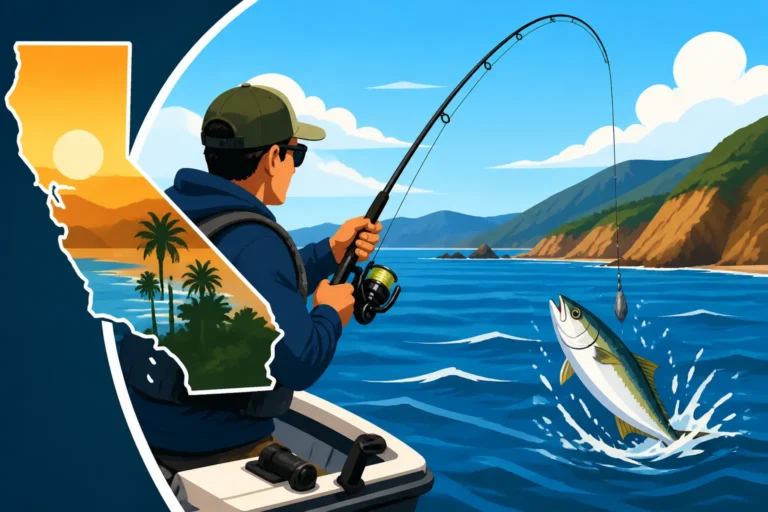
While the true peak for California's offshore pelagic species like yellowtail and various tuna species usually hits in the summer and fall, spring can sometimes offer exciting early glimpses, especially in the warmer waters of Southern California. As the ocean currents begin to shift and warmer water pushes north from Baja California, species like yellowtail can follow, occasionally showing up around offshore islands or kelp beds earlier than expected.
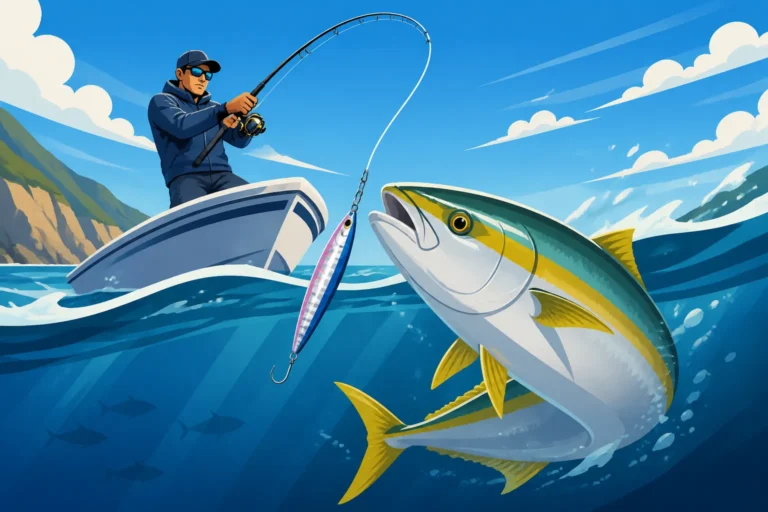
Anglers departing from San Diego or Orange County ports on longer-range trips might find opportunities to target yellowtail as early as late spring, particularly during warmer-than-average years. These early season fish are often aggressive and can be caught on surface iron jigs, yo-yo jigs, or live bait like sardines or mackerel. It's a game of chasing water temperature breaks and relying on sophisticated sonar to locate schools of bait and predators. While not a guaranteed spring bite, the potential is always there for an adventurous angler to be among the first to hook into a hard-fighting "yellow."
Bluefin tuna, the true leviathans of the California coast, are even more of a long shot in spring. However, in recent years, their presence has become less predictable, and some schools have shown up earlier. If the water gets warm enough, fast-moving schools of bluefin might make an appearance, offering a chance at these highly prized fish. This type of fishing requires specialized heavy tackle and boats designed for chasing large pelagic species. It's a high-stakes game where luck and a good skipper play a huge role. For those eyeing these opportunities, keeping a close watch on detailed fishing reports from reputable sportfishing landings is key, as conditions can change day by day.
Essential Gear and Techniques for Spring Success
Spring’s changeable conditions mean your gear and techniques need to be just as adaptable. You can’t just rely on a single setup or strategy. Being prepared for anything will significantly increase your chances of success on California’s waters during this transitional season.
Versatile Rods, Reels, and Line Choices
Given the wide array of fishing opportunities in California during spring, having a versatile setup, or better yet, multiple setups, is truly beneficial. For freshwater applications like trout and bass, a medium-light to medium-action spinning rod (6'6" to 7'6") paired with a 2500-3000 series spinning reel is a fantastic starting point. This combination offers enough sensitivity for light bites while providing the backbone to handle larger fish. For those who prefer casting gear, a medium-heavy casting rod with a good baitcaster can be excellent for bass fishing, especially when throwing heavier lures or working through thick cover. Many anglers find high-quality, durable rods and reels from brands like Shimano or Daiwa readily available on Amazon, making it easy to build a versatile arsenal.
When it comes to line, braid with a fluorocarbon leader has become an almost universal choice for its versatility. A 10-20 lb braided main line (depending on the target species) offers excellent sensitivity, long casting distance, and incredible strength for its diameter. Tying on a 6-15 lb fluorocarbon leader (say, a 6lb leader for trout and 12-15lb for bass) provides the invisibility needed to fool wary fish, while also offering abrasion resistance. For heavier saltwater applications, particularly for rockfish or potential yellowtail, you might step up to 40-65 lb braid with a 20-40 lb fluorocarbon leader to handle the bigger fish and deeper water.
The key here is not necessarily to buy a dozen different rods, but to choose a few that can cover a broad spectrum of situations. If you're on a budget, one good medium-action spinning combo and perhaps one heavier casting setup could get you through most spring scenarios. The ability to quickly swap out leaders or even pre-spool an extra reel with a different line weight can make a huge difference when conditions change unexpectedly, allowing you to maximize your time actually fishing, not re-rigging.
Baits, Lures, and Tackle Box Essentials
Your tackle box in spring should look like a miniature fishing tackle store, ready for anything! For freshwater trout, reliable standbys include PowerBait (in various colors like garlic or rainbow), small worms, and inflated nightcrawlers. Lure-wise, small inline spinners (like Mepps or Rooster Tail) and spoons (Kastmasters, Little Cleos) are deadly. For bass, you'll want a selection of soft plastics (senkos, creature baits, worms for Texas or Carolina rigs), jigs (football jigs, swim jigs), and reaction baits like shallow-running crankbaits, lipless crankbaits, and spinnerbaits. Don't forget topwater lures for those warmer, calmer mornings – a frog or popper can be electrifying!
Moving to saltwater, live bait is often king. If you’re targeting halibut in bays, a frisky live anchovy or sardine is hard to beat. For surfperch, fresh sand crabs are gold, followed closely by Gulp! sandworms or small pieces of shrimp. When the rockfish and lingcod seasons reopen, you’ll need a good supply of metal jigs (often called "iron" – flat falls, Salas jigs, Ahi Assault jigs) in various weights and colors, along with grub-tail soft plastics on leadhead jigs. Squid is also a universal bait for bottom fish, so having some on hand is always a good idea.
Beyond the specific baits and lures, don't overlook terminal tackle. A variety of hooks (EWG hooks for plastics, circle hooks for bait, treble hooks for lures), sinkers (bullet weights, egg sinkers, drop shot weights), and swivels are absolute must-haves. A good pair of pliers, line cutters, and a measuring tape (to ensure you're within California Halibut Size and Bag Limits or other regulations) should always be in your bag. Consider organizing your gear efficiently in a sturdy tackle box or bag, which you can easily find on Amazon, ensuring you can quickly access what you need when the bite turns on.
Weather Protection and Safety Gear
Given the temperamental nature of California spring weather, what you wear and what safety gear you bring can make or break your fishing trip. Layering is paramount. Start with a moisture-wicking base layer, add an insulating fleece or synthetic mid-layer, and top it off with a waterproof and windproof outer shell. This allows you to adjust to changing temperatures, from chilly mornings to warm afternoons, and to sudden rain showers or gusty winds that can pop up unexpectedly. There's nothing worse than being cold, wet, and miserable when the fish are biting!
Even though it's not peak summer, sun protection is still crucial. The California sun can be intense, even on cloudy days, and reflection off the water amplifies its effects. A wide-brimmed hat, polarized sunglasses (essential for spotting fish or structure in clear water), and high-SPF sunscreen are non-negotiables. You might also consider sun-protective clothing, like long-sleeved shirts made from technical fabrics.
Finally, safety should always be your top priority, especially if you're fishing from a boat, kayak, or in remote areas. Always wear a properly fitted personal flotation device (PFD) if you're on the water. A basic first-aid kit is essential for dealing with minor cuts, hooks, or scrapes. Carry a fully charged cell phone or a VHF radio for communication, particularly in areas with spotty cell service. If you're heading into the backcountry for some trout, let someone know your float plan and expected return time. A headlamp, extra water, and some high-energy snacks are also smart additions to your pack, ensuring you're prepared for any unexpected delays or conditions.
Navigating Regulations and Seasonal Changes
Fishing in California means playing by the rules, and spring is a particularly important time to be clued into the regulations. With seasons reopening and fish moving into spawning patterns, staying informed isn't just about avoiding fines; it's about being a responsible angler and contributing to the health of our fisheries.
Understanding Your California Fishing License Guide
This might sound obvious, but it bears repeating: you absolutely need a valid California Fishing License Guide to fish legally in California waters, both fresh and salt, unless you're fishing on one of the few designated California Free Fishing Days or from a public pier in specific areas where a license isn't required (though rules often apply to pier fishing too). Spring is a fantastic time to check the expiration date on your annual license, as many expire on December 31st of the previous year. If yours has run out, now’s the perfect time to get a California Fishing License Renewal.
The good news is that getting a license is pretty straightforward. You can usually buy a California Fishing License online through the CDFW website, which is incredibly convenient. Alternatively, you can visit one of the many authorized California Fishing License Agents Explained, like sporting goods stores such as Big 5 Sporting Goods or tackle shops, which often provide excellent local fishing advice along with your license. Options range from annual resident and non-resident licenses to shorter-term choices like a California One-Day Fishing License or California Two-Day Fishing License, perfect for a quick weekend trip.
Beyond the basic license, keep in mind that certain species require additional report cards or endorsements. If you're targeting salmon, steelhead, or sturgeon, you'll need to obtain the appropriate California Fishing Report Cards Explained, and accurately fill them out and return them by their respective deadlines. Missing these extra requirements can lead to hefty fines, so always double-check what's needed for your target species and fishing location.
Staying Current with California Fishing Regulations
California's fishing regulations are a living document; they change and adapt based on fish populations, environmental conditions, and conservation efforts. What was legal last year might not be this year, and what's allowed in one region might be prohibited in another. This dynamic nature means it's absolutely crucial to stay current, especially in spring when many seasonal openers occur. The official California Fishing Regulations Explained booklet, available online and at license agents, is your bible. It's comprehensive, but it can be a bit daunting to read through, so take your time and focus on the sections relevant to your planned trip.
Pay close attention to species-specific rules that are particularly relevant in spring. For example, trout limits and bait restrictions can vary wildly depending on whether you're in a general regulation water or a designated Wild Trout Water. For bass, understanding spawning season ethics and any special regulations that protect nesting fish is important. And as discussed earlier, the reopening of the recreational rockfish and lingcod seasons is a prime example of a spring regulatory change. Knowing the exact dates, bag limits, and depth restrictions (like the critical California Rockfish Depth Restrictions) for the specific management area you're fishing in is non-negotiable.
Furthermore, California has a robust system of Marine Protected Areas (MPAs) along its coast, where fishing activities are restricted or prohibited to protect marine ecosystems. Before heading out, familiarize yourself with these zones and know if your fishing spot falls within one. The CDFW website provides maps and detailed information on California Fishing Regulations by Region. Taking the time to understand these rules ensures you're fishing responsibly and legally, protecting our precious natural resources for future generations.
Leveraging Fishing Reports and Local Knowledge
In the ever-changing landscape of spring fishing, current information is your best friend. Relying solely on last year's hotspots or general seasonal advice can leave you frustrated, so leveraging up-to-date fishing reports and tapping into local knowledge is paramount. Reputable fishing reports, often issued by sportfishing landings, tackle shops, and online forums, provide real-time intelligence on what's biting, where, and under what conditions. They'll tell you if the trout are active after a recent plant, if the bass have moved onto their beds, or if the rockfish bite is red hot following the season opener.
Local tackle shops are an absolute goldmine of information. The folks who work there are often passionate anglers themselves, with an intimate knowledge of local waters. They can tell you about recent successes, specific baits or lures that are currently working, and even advise on areas to avoid due to poor conditions or recent regulatory changes. Don't be shy about striking up a conversation – buying a few items from their shop is a great way to support them and often opens the door to invaluable advice.
Online fishing forums and social media groups dedicated to California fishing can also be excellent resources. Anglers often share their experiences, photos, and tips in real-time. While it's always good to take some online reports with a grain of salt, consistently positive reports from multiple sources can indicate a strong bite. However you gather your information, the key is to synthesize it and be prepared to adjust your plans. The ability to pivot your target species, technique, or even location based on the latest intel is a hallmark of a successful spring angler.
Disclaimer
Please remember that fishing regulations, seasons, and limits are subject to change at any time by the California Department of Fish and Wildlife. Always consult the most current official regulations booklet or the CDFW website before heading out to fish. The information provided in this guide is for general informational purposes only and does not constitute legal advice or an exhaustive list of all regulations. It is every angler's responsibility to know and adhere to all applicable laws and regulations.