California Fishing in September: What to Catch
September in California can feel like a tricky transitional month for anglers. You're trying to hold onto those incredible summer bites while secretly hoping for the cooler weather patterns that bring new opportunities. It's a time when you might find yourself wondering if it's still worth chasing that elusive tuna offshore or if the trout are finally waking up in the high country. This comprehensive guide is here to cut through that uncertainty, giving you a clear picture of what's biting across California's diverse waters in September and how to maximize your success.
The Transition Month: Understanding September's Fishing Dynamics
September isn't just another month on the calendar for California anglers; it's a dynamic period where summer's warmth often clashes with the first hints of autumn. This can create some truly unique and exciting fishing conditions, but it also means you need to be flexible and observant. Many fish species are still active from their summer patterns, but some are already beginning to sense the changes and shift their behavior, making it a truly rewarding time to be on the water if you know where to look.
Why September is Unique for Anglers
The beauty of September fishing in California lies in its duality. On one hand, the ocean waters often remain warm enough to keep those pelagic species like tuna and dorado around for fantastic offshore action, especially in Southern California. On the other hand, cooler nights, particularly in the northern parts of the state and at higher elevations, start to drop water temperatures, signaling to freshwater fish like trout that it's time to get active again after the summer doldrums. This means you might be able to chase big game offshore one weekend and then switch gears entirely to stalking trout in a mountain stream the next. It’s a diverse smorgasbord, and it’s why so many seasoned California anglers eagerly anticipate this month. You're often catching fish that are actively feeding, either to bulk up before winter or because comfortable water temperatures have revitalized their appetites.
General Weather and Water Conditions
Generally, September still offers plenty of sunshine and pleasant temperatures, especially along the coast and in Southern California. Inland valleys, however, might start seeing those classic warm days but with noticeably cooler evenings. Water temperatures, particularly in the ocean, can remain surprisingly high through the first half of the month, holding onto that summer warmth. This is crucial for species like tuna, which follow warmer currents. As the month progresses, especially towards the latter half, you might notice ocean temperatures gradually start to dip.
For freshwater bodies, especially larger reservoirs and lakes, the thermocline (the layer where water temperature changes rapidly) might begin to break down as the surface cools, allowing fish to move into different depths they avoided in the peak summer heat. Rivers and streams, especially those fed by snowmelt in the Sierra Nevada, will experience more significant cooling, invigorating trout populations. Pay close attention to local weather forecasts and water temperature reports – these can be found in a good California Fishing Report Cards Explained. Knowing these conditions can make all the difference between a frustrating day and a fantastic catch.
Prime Saltwater Targets in September
When it comes to saltwater fishing in California during September, you're often looking at some of the year's most exciting opportunities. The warm ocean currents can still hold a fantastic array of species, offering everything from adrenaline-pumping offshore battles to more relaxed nearshore jigging. Southern California, in particular, often shines in September for its pelagic action, but there are plenty of bites up and down the coast.
Offshore Pelagics: Tuna and Dorado
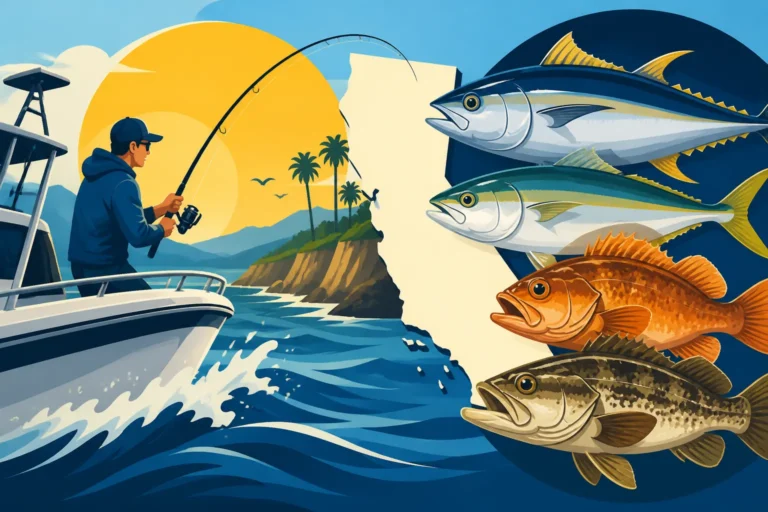
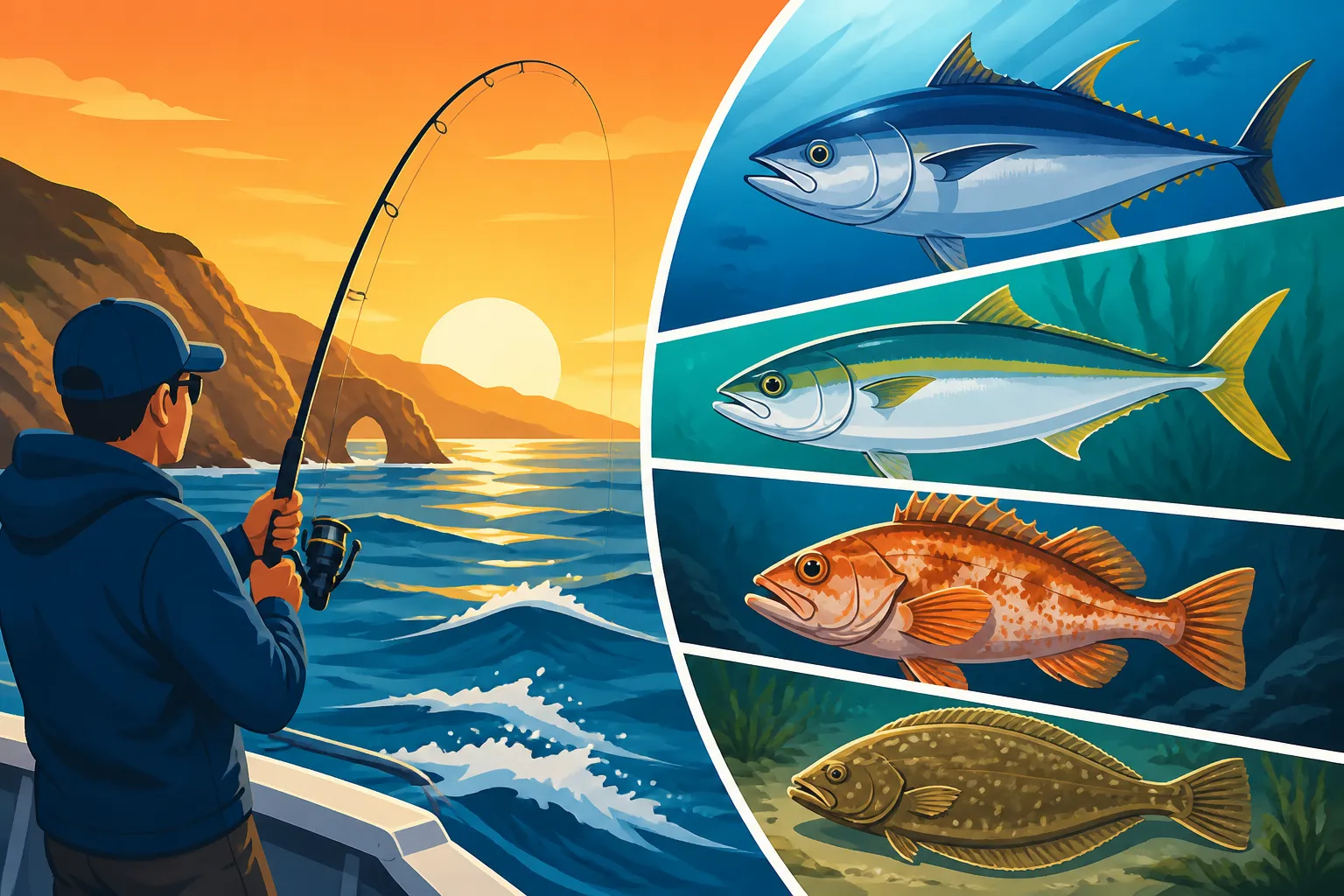
If there’s one thing that gets offshore anglers buzzing in September, it’s the chance to connect with Bluefin Tuna in California and sometimes Yellowfin Tuna in California. This month is often peak season for these powerful pelagics, especially off the coast of Southern California, stretching from San Diego up towards Orange County and even Los Angeles. The warm water that pushes up from Baja California brings these highly migratory species within range of multi-day and even some extended full-day trips. Anglers often employ methods like chumming with live bait (sardines or anchovies) or slow-trolling with jigs and poppers.
Beyond tuna, September is also a fantastic time for Dorado in California, also known as Mahi-Mahi. These vibrant, acrobatic fish are drawn to kelp paddies and floating debris, providing both a visual thrill and a challenging fight. They’re often found in the same warm waters as tuna. For tackling these fish, strong conventional setups are a must, along with a variety of lures and jigs. You'll want to have a good selection of high-quality line and terminal tackle, which can easily be found on Amazon, ready for these hard-fighting species. Charter trips, particularly those focusing on San Diego Overnight Tuna Trips Explained, are immensely popular this time of year, and spots fill up fast.
Nearshore Action: Yellowtail and Halibut
Closer to shore, September still offers incredible opportunities for Yellowtail in California. These "submarine" game fish are notorious for their powerful runs and are often found around kelp beds, islands, and structure. Catalina Island, San Clemente Island, and the various coastal reefs off San Diego and Orange County are prime locations. Live bait, like mackerel or sardines, is king for yellowtail, whether fly-lined, slow-trolled, or fished on a dropper loop. Surface iron jigs can also be incredibly effective when the fish are in a chasing mood.
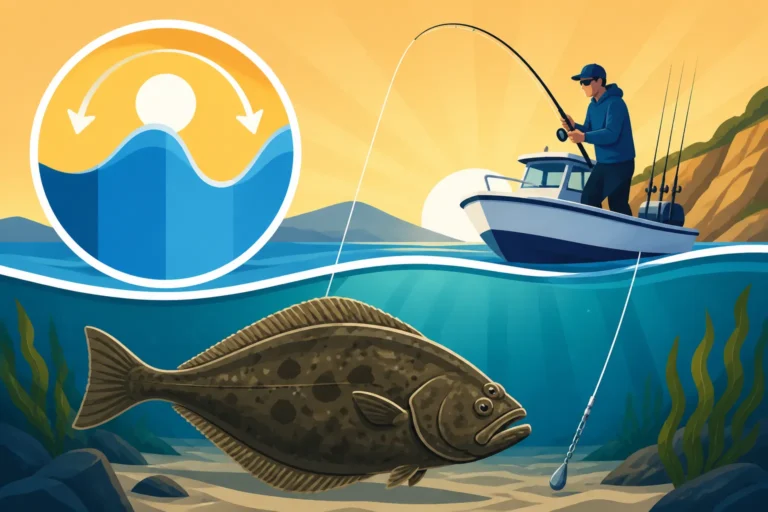
California Halibut in California fishing remains strong through September, especially in sandy bottoms near structure or in bays and estuaries. Areas like San Francisco Bay, Monterey Bay, and various Southern California harbors can yield impressive flatfish. Drifting with live bait (anchovies, sardines, or smelt) or slow-trolling with large grubs and swimbaits are popular and effective techniques. The key is to keep your bait or lure close to the bottom where these ambush predators lie in wait. Be sure to check the specific California Halibut Size and Bag Limits, as they can vary slightly by region and year.
Rockfish and Lingcod Opportunities
While many anglers focus on pelagics, September is still a prime month to target bottom-dwelling species like Rockfish in California and Lingcod in California. These fish are a staple of California’s recreational fishery and are found along rocky reefs, pinnacles, and kelp forests up and down the entire coast. Whether you’re fishing from a private boat, a kayak, or even a party boat, the action can be consistent.
Rockfish, a diverse group including Vermilion Rockfish, Bocaccio, and many others, are typically caught using bait like squid or cut fish on multi-hook dropper loop rigs. Jigs and swimbaits also work well. Lingcod, known for their aggressive strikes and tasty white meat, often lurk in deeper, rockier areas and will readily hit larger swimbaits, jigs, and live mackerel. While specific California Rockfish Depth Restrictions and seasons can vary, September generally offers open seasons for both these species, making them excellent targets for a cooler full of delicious fillets. A quality fish finder can be a huge asset for locating structure where these fish congregate, and there are many reliable models available on Amazon to fit any budget.
| Species | Primary Location | Typical Method | Key Considerations |
|---|---|---|---|
| Bluefin Tuna | Offshore Southern CA | Live Bait, Jigs, Poppers | Fast boats, heavy tackle, multi-day trips often best |
| Yellowfin Tuna | Offshore Southern CA | Live Bait, Jigs, Poppers | Similar to Bluefin, often found in warmer, calmer waters |
| Dorado | Offshore Southern CA | Live Bait, Jigs, Poppers | Look for kelp paddies, floating debris |
| Yellowtail | Nearshore, Islands, Kelp | Live Bait, Surface Iron | Strong fighters, target structure |
| California Halibut | Sandy Bottoms, Bays | Drifting Live Bait, Swimbaits | Bottom fishing, check tide charts |
| Rockfish | Rocky Reefs, Pinnacles | Bait (Squid), Jigs, Rigs | Consistent action, check depth limits |
| Lingcod | Deeper Rocky Structure | Large Live Bait, Jigs | Aggressive bites, good eating |
Freshwater Bounty: What's Biting Inland
While the offshore scene often grabs headlines in September, don't overlook California's incredible freshwater fishing opportunities. As summer’s grip loosens, many inland fisheries come alive, offering fantastic action for a variety of species, from high-mountain trout to delta monsters. The slightly cooler water temperatures can often kick-start feeding patterns that were suppressed during the hotter months, making September a prime time for those who prefer lakes, rivers, and reservoirs.
High Sierra Trout Fishing
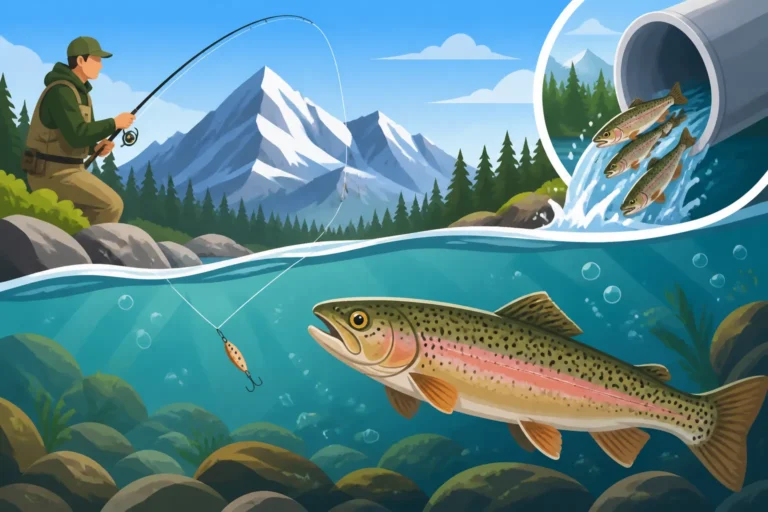
September is arguably one of the best months for trout fishing in the Eastern Sierra Fishing Guide and other high-elevation areas. The sweltering summer heat has passed, but the harsh winter snows haven’t yet set in. This "sweet spot" means that trout, including Rainbow Trout in California, Brown Trout in California, and the elusive Golden Trout in California, become much more active, feeding aggressively to fatten up before winter. The crowds from peak summer often thin out, offering a more serene experience.
Lakes like Crowley Lake and Bridgeport Reservoir, as well as countless smaller alpine lakes, will be excellent for trolling with lures or bait fishing from shore. For river and stream anglers, the Owens River, East Walker River, and the Truckee River Fishing Guide become prime destinations for fly fishing. Look for active hatches in the mornings and evenings, and don't be afraid to try nymphs and streamers during the day. Access to some high country lakes might start to become more challenging towards the end of the month with early season storms, so plan accordingly and check road conditions.
Bass Fishing in Reservoirs and the Delta
For bass anglers, September brings a shift in tactics, but the action remains strong. Largemouth Bass in California, Smallmouth Bass in California, and Spotted Bass in California in the state’s massive reservoirs often start to transition from their deep summer patterns to more active feeding closer to structure. Lakes like Clear Lake Fishing Guide, Lake Shasta Fishing Guide, and Diamond Valley Lake Fishing Guide continue to produce big fish. As water temperatures start to drop, bass will often chase baitfish more actively, making topwater lures, crankbaits, and swimbaits highly effective, particularly during morning and evening bites.
The California Delta Fishing Guide remains a powerhouse for both Largemouth Bass and the ever-popular Striped Bass in California. Stripers, in particular, begin to feel the urge to move as water temperatures cool, often leading to strong runs and aggressive feeding. Trolling with plugs, casting swimbaits, or bait fishing with sardines or anchovies can yield excellent results. For largemouth in the Delta, targeting weed lines, submerged structure, and riprap with jigs, Senkos, and frogs can be very productive. A reliable set of fishing pliers, readily available on Amazon, can be invaluable for safely removing hooks from feisty bass.
Sturgeon and Striper on the Lower Rivers
As the fall approaches, the lower sections of California's major river systems really start to come alive for both Sturgeon in California and Striped Bass in California. The Sacramento River Fishing Guide and the Feather River Fishing Guide are legendary for their fishing during this transitional period.
For sturgeon, September marks the beginning of increased activity as these prehistoric giants start to move into the bays and lower river systems. While peak sturgeon season is often considered later in the fall and winter, dedicated anglers can find success bait fishing with ghost shrimp, grass shrimp, or fresh roe on the bottom. Remember that White Sturgeon in California have very specific slot limits, so understanding and adhering to the California Sturgeon Slot Limit is paramount.
Striped bass also begin to stage and feed more actively in the lower rivers and bays in September. They’ll chase baitfish upriver, offering exciting opportunities for casting swimbaits, trolling plugs, or soaking live or cut bait. This can be some of the most dynamic fishing of the year for stripers, as they are often aggressive and plentiful. Staying on top of local fishing reports will be key to finding the schools.
Essential Gear and Tips for September Fishing
Fishing in September means you need to be prepared for a range of conditions and tactics. Because it's a transitional month, you might encounter anything from warm, sunny days to cooler, windy conditions, and the fish themselves will be reacting to these shifts. Having the right gear and a flexible approach can significantly improve your chances of success. It's not just about what to catch, but how you're rigged up to catch it.
Recommended Tackle Adjustments
Your tackle box might need a few thoughtful additions or adjustments for September. For offshore pelagic species like tuna and dorado, you'll want heavy-duty conventional setups (e.g., 50-80 lb braid with fluorocarbon leaders) capable of handling powerful, long runs. A 7-foot heavy action rod paired with a high-capacity reel spooled with 60lb braided line is a good starting point. For nearshore yellowtail and halibut, a medium-heavy spinning or conventional rod (20-40 lb line) offers a good balance of power and sensitivity.
When targeting freshwater bass in reservoirs, having a versatile selection of spinning and baitcasting setups is wise. A medium-heavy baitcaster for heavier lures and jigs, and a medium-light spinning rod for finesse techniques, will cover most situations. For trout in the High Sierra, lighter spinning gear (4-8 lb test) or appropriate fly fishing setups are essential. Investing in a good quality rod and reel combo that offers versatility across different species you might target in the month can be a great idea, and many reputable brands offer excellent options through retailers like Amazon. Don't forget sharp hooks – always a non-negotiable!
Best Baits and Lures for Fall
September sees fish actively feeding, often voraciously, which means a variety of baits and lures can be effective.
- Saltwater:
- Live Bait: Sardines, anchovies, mackerel, and squid are universally excellent. Live bait is often the top choice for tuna, yellowtail, and halibut.
- Jigs: Heavy metal jigs ("surface iron" or "yo-yo jigs") are fantastic for yellowtail and tuna, especially when they're actively chasing bait. For bottom fish like rockfish and lingcod, soft plastic swimbaits on lead heads or diamond jigs are highly effective.
- Plugs/Poppers: Topwater poppers and diving plugs can trigger aggressive strikes from tuna, dorado, and yellowtail, especially during active feeding frenzies.
- Freshwater:
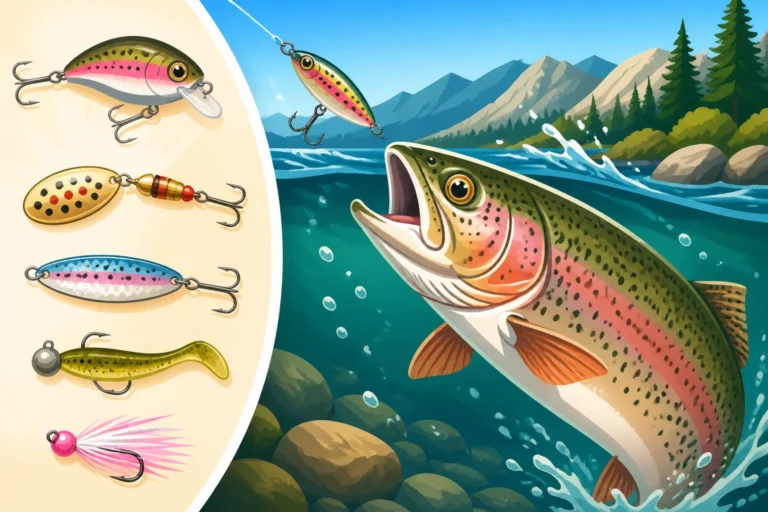
- Trout: PowerBait, salmon eggs, nightcrawlers for bait fishing. Small spinners (e.g., Panther Martin, Mepps), spoons (e.g., Kastmaster), and small jerkbaits for lures. For fly fishing, September means matching the hatch with dry flies in the mornings and evenings, and nymphing with patterns like Prince Nymphs, Hare's Ears, or Copper Johns during the day.
- Bass: Swimbaits, crankbaits, jigs, spinnerbaits, and topwater lures (frogs, poppers) can all be very productive as bass become more aggressive. Senkos and other soft plastics fished weightless or on a Texas rig are always reliable.
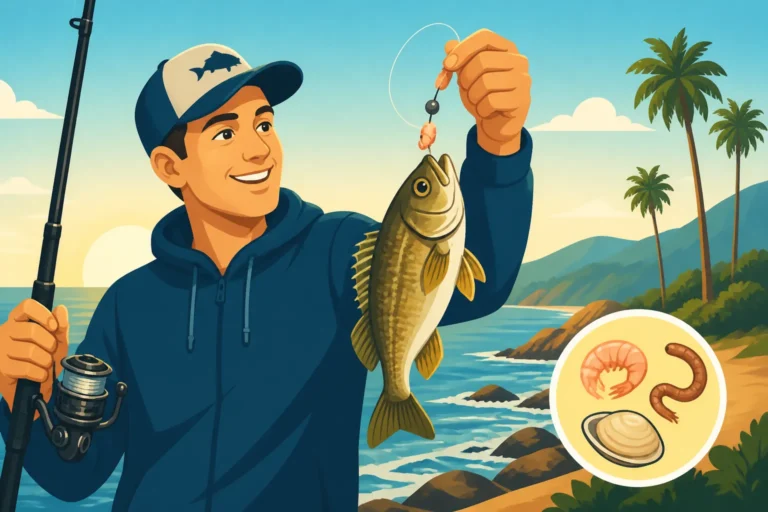
- Striped Bass/Sturgeon: Live anchovies or sardines are prime for stripers. Cut bait (sardine, mackerel) also works. For sturgeon, ghost shrimp, grass shrimp, pile worms, or fresh roe are the go-to baits, fished on a Carolina rig.
Navigating Regulations and Report Cards
California’s fishing regulations can be complex, and September is no exception. It's absolutely critical to stay informed, as seasons, size limits, and bag limits can change based on species, region, and even year-to-year. Before you even think about casting a line, make sure you have your current California Fishing License Guide.
Beyond the general license, many species require a specific report card. For instance, if you're targeting sturgeon, you'll need a California Sturgeon Report Card. If you hook into a salmon, a California Salmon Report Card is mandatory. Even steelhead, if you're lucky enough to encounter one, requires a California Steelhead Report Card. These report cards are vital for data collection by the California Department of Fish and Wildlife (CDFW) and help manage fisheries. Always check the official CDFW website or their current regulation booklet for the most up-to-date information before each trip. Being prepared with your paperwork isn't just about avoiding fines; it's about being a responsible angler and contributing to the health of California's incredible fisheries.
Disclaimer
Fishing conditions and regulations in California can change frequently. Always consult the latest California Department of Fish and Wildlife (CDFW) regulations booklet or website before heading out. This guide provides general information and recommendations, but it is the individual angler's responsibility to know and follow all current rules and laws. Fishing inherently involves risks; please prioritize safety on the water.