California Fishing in November: What to Catch
Ah, November in California! It’s that time of year when the crisp air signals a shift, not just in the leaves, but in our fishing opportunities too. Many anglers find themselves wondering what's biting, where to go, and what gear to use as the days shorten and the weather cools down. You’ve probably experienced the frustration of showing up to your favorite spot only to find the action completely different from a month or two prior. This guide is here to help you navigate the unique challenges and fantastic rewards of fishing in California during November, ensuring you're well-equipped for success.
The Transition Month: Understanding November's Fishing Dynamics
November isn't just another month; it's a pivotal transition period for fishing across California. We’re moving distinctly out of the long, warm days of summer and early fall, and heading straight into the cooler, often more unpredictable conditions of winter. This shift brings with it a whole new set of rules and exciting opportunities for those willing to adapt.
Weather Changes and Water Conditions
First off, let’s talk about the weather. Gone are the days of consistent sunshine and warm water. November often introduces cooler air temperatures, especially in the mornings and evenings. You might wake up to frost in the Eastern Sierra or experience brisk, foggy conditions along the coast. Rain becomes a more frequent visitor, especially in Northern California, which can significantly impact river flows and water clarity.
In freshwater systems, cooler ambient temperatures lead to a gradual drop in water temperature. Lakes might start to "turn over," a natural process where the surface water cools, becomes denser, and sinks, mixing with deeper water. This can temporarily spread fish out or push them deeper as they seek stable temperatures and oxygenated areas. Rivers and streams, particularly those fed by snowmelt or heavy rains, will see increased flows and potentially murkier conditions, which can be both a blessing and a curse depending on the species you're targeting. Along the coast, ocean temperatures also cool, though typically at a slower rate than inland waters. However, you'll still feel that distinct chill in the air and the water, especially if you're out on the open ocean. It's a month that truly reminds us to check the forecast religiously and dress in layers.
Shifting Species Behavior
With these environmental changes, it's only natural that fish behavior shifts dramatically. Species that were highly active in the warmer months might become more sluggish or move to deeper, more stable environments. For instance, many warm-water bass species in lakes will transition from active surface feeding to deeper, structure-oriented patterns, conserving energy as their metabolism slows. They might not chase a fast-moving topwater lure like they would in August.
On the other hand, cooler temperatures can trigger increased activity for other species. Trout, which often seek refuge in deeper, cooler water during summer, become more active and accessible in the shallower parts of lakes and rivers as the water cools down. Steelhead and salmon, driven by their ancient spawning instincts, often begin their runs up coastal rivers and streams during this time, creating incredible angling opportunities for those targeting anadromous fish. Even saltwater species like rockfish and lingcod can become more concentrated as they seek out structure in specific depth ranges. Understanding these behavioral changes is key to adapting your approach and finding success.
Top Species to Target in California in November
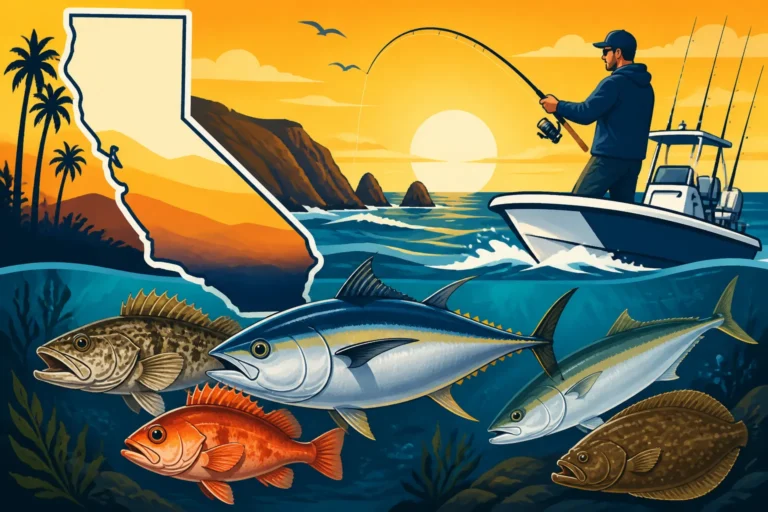
So, with all these changes, what should you really be aiming for? November offers some truly fantastic fishing if you know where to look. It's a month of diversity, allowing you to chase a variety of species from mountain lakes to the deep blue sea.
Freshwater Hotspots and Techniques
For many freshwater anglers, November is prime time for trout. The California Department of Fish and Wildlife (CDFW) often continues its stocking programs into the fall, especially in popular urban and regional lakes. Places like Lake Casitas, Castaic Lake, and even smaller community ponds can be absolute goldmines for rainbows. In the higher elevations, while some areas might be closing down due to snow, lower elevation trout streams and lakes remain very productive. The cooler water makes trout more active and willing to feed. Common techniques include using power baits, small spinners, or even drifting salmon eggs. If you're looking to brush up on your regulations, our guide on California Trout Limits and Regulations is a must-read, and you can also learn How to Fish for Trout in California with more detailed techniques.
Steelhead also start to make their presence known in November, particularly in Northern California rivers. The first rains often signal the start of their migration from the ocean into rivers like the Trinity, Klamath, and Eel. This is an incredible, albeit challenging, fishery. Anglers often use fly fishing techniques, drift fishing with roe or various beads, or small lures. It's crucial to understand that these fish are often heavily protected, and specific tackle and release regulations apply. Checking the California Steelhead Season Dates Explained will give you vital information on when and where you can pursue these magnificent fish.
While not as aggressive as in summer, bass fishing can still be excellent, especially for largemouth bass in lakes like Clear Lake, Lake Oroville, and the California Delta. They typically move to deeper structure – points, ledges, and submerged timber – where they can ambush baitfish. Slower presentations are key: deep-diving crankbaits, jigs, or slow-rolled swimbaits can entice a bite. Early mornings and late afternoons, especially on cloudy days, can be particularly productive.
Here’s a quick overview of freshwater targets:
| Species | Typical Location | Key Tactics for November |
|---|---|---|
| Rainbow Trout | Stocked lakes, lower elevation rivers | PowerBait, kastmasters, small spinners, drifting eggs |
| Steelhead | Northern California rivers (Trinity, Klamath) | Fly fishing (nymphs, streamers), drift fishing (roe, beads) |
| Largemouth Bass | Deep structure in major lakes (Clear Lake, Delta) | Jigs, deep crankbaits, slow-rolled swimbaits |
| Crappie | Brush piles, submerged trees in warmer lakes | Small jigs, minnows under a bobber |
Saltwater Opportunities Nearshore and Offshore
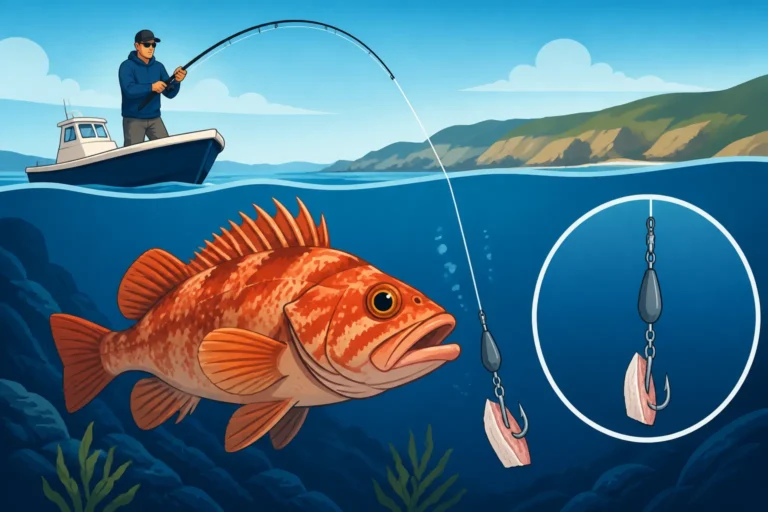
Out in the saltwater, November really shines for bottom fish. The season for many rockfish species and lingcod is still open, though specific depth restrictions apply depending on the management area. For instance, in some regions, you might be limited to fishing in shallower waters, making it crucial to understand California Rockfish Depth Restrictions before you head out. Party boats from ports like San Diego, Long Beach, and Monterey will often target these species using jigs, cut bait, or even live squid dropped over reefs and rocky structures. Lingcod, in particular, are aggressive predators and often hit large jigs or swimbaits bounced along the bottom. Our article on California Lingcod Season and Limits provides all the necessary details to keep you on the right side of the law.
And speaking of a delicious November treat, the Dungeness crab season typically opens in November for commercial and recreational fishermen along much of the California coast, although exact dates can vary by region and year due to environmental conditions. Setting crab pots from a private boat or a dedicated crab charter can yield an amazing harvest. This is a very popular activity, so expect competition for prime crabbing spots. Check out California Dungeness Crab Regulations for specific details on gear, limits, and season openings.
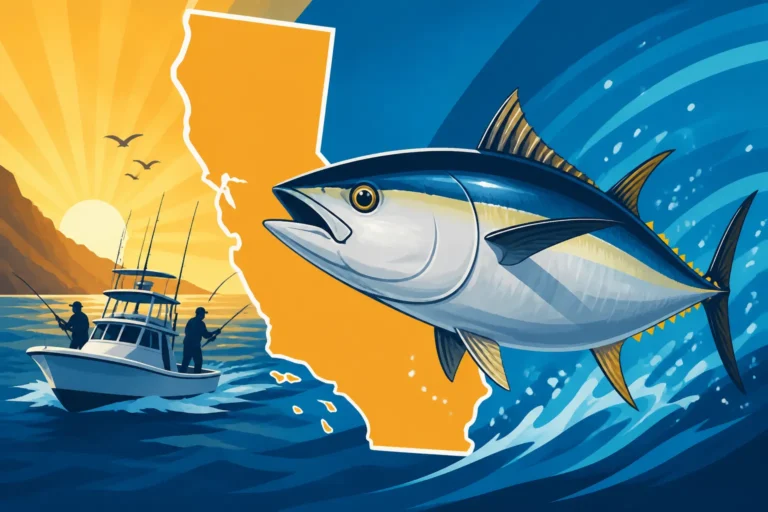
While the peak season for species like bluefin tuna and yellowtail is generally summer and early fall, a warm November can still surprise you. If conditions remain favorable with warmer ocean currents, you might get a late-season shot at these powerful fighters, especially offshore from Southern California ports. Charter boats keep a close eye on water temperatures and bait schools. This late-season window can sometimes offer a less crowded experience, but it’s definitely more hit-or-miss. Keep an eye on local fishing reports if you're hoping for a shot at bluefin; our article California Bluefin Tuna Season Explained can give you some background.
Essential Gear and Tactics for November Fishing
Fishing in November means being prepared for anything. The weather can change on a dime, and the fish are often more particular. Having the right gear and employing smart tactics will make all the difference between a frustrating day and a successful outing.
Layering Up and Staying Prepared
This is perhaps the most critical piece of advice for November fishing. Forget the t-shirt and shorts. You'll likely start your day in the dark, with temperatures near freezing in some areas, and it could warm up considerably by midday, only to get cold again as the sun sets. Layering is your best friend. Start with a moisture-wicking base layer, add an insulating fleece or down jacket, and top it off with a waterproof and windproof outer shell. A good quality rain suit is non-negotiable, especially if you're on a boat or fishing riverbanks where spray or unexpected showers are common. Companies like Grundens or Simms make fantastic gear that holds up to the elements, though more budget-friendly options can be found on sites like Amazon.
Don't forget your extremities! Warm hats, gloves (waterproof ones are a game-changer), and insulated, waterproof boots are essential. Nothing saps the fun out of a fishing trip faster than cold, wet hands and feet. Pack extra socks, a thermos of hot coffee or tea, and plenty of snacks. Being comfortable allows you to focus on fishing, not shivering. Always bring a small dry bag for your phone, wallet, and keys – you never know when a splash or a sudden downpour will occur.
Lure and Bait Selection for Fall Success
As mentioned, fish metabolism slows in cooler water, so your bait and lure choices need to reflect that. For trout, classic choices like PowerBait, Gulp! trout baits, or inflated nightcrawlers fished off the bottom with a sliding sinker are highly effective in stocked lakes. Small spinners like Mepps or Panther Martins, and spoons like Kastmasters, can also be deadly, especially when retrieved slowly. For the dedicated fly angler, nymphs that imitate aquatic insects are often the most productive, fished deep and slow. Our guide on Best Lures for California Trout has even more detailed recommendations.
When targeting bass, slow-moving baits are key. Jigs, creature baits, and drop-shotted worms presented near deep structure can coax a bite. Blade baits and lipless crankbaits can also work if you find active schools of fish. For saltwater bottom fish like rockfish and lingcod, heavy jigs (ranging from 4-16 oz depending on depth and current), scent-enhanced plastics, and cut bait (squid is a universal favorite) are standard. Many anglers find pre-rigged sabiki rigs useful for catching baitfish if conditions allow, which can then be used to target larger predators. You can find a huge variety of these specialized baits and lures, often at better prices, on platforms like Amazon. Remember, presentation often trumps color in cooler water, so focus on getting your bait or lure to the fish's depth and working it slowly and enticingly. If you’re drift fishing for halibut, for example, a slower drift and a fresh sardine can make all the difference, as covered in our Best Bait for California Halibut article.
Navigating Regulations and Planning Your Trip
California's fishing regulations are extensive and can be complex, and they change with the seasons and regions. November is no exception, with several important openings and closures to keep track of.
Staying Current with Seasonal Regulations
It cannot be stressed enough: always check the latest California Department of Fish and Wildlife (CDFW) regulations before you head out. Regulations for species like salmon, crab, and rockfish are particularly prone to annual adjustments based on stock assessments and environmental factors. For example, specific bay and estuary areas might have different rules than open ocean, and trout regulations can vary significantly from one river to another, particularly for wild trout waters. The CDFW website is your go-to resource, or you can pick up a current regulation booklet from any bait and tackle shop. Our comprehensive guide to California Fishing Regulations Explained is an excellent starting point, and for those targeting specific species, understanding the nuances of a California Fishing Report Cards Explained for species like salmon, steelhead, and sturgeon is critical. Many species have strict size and bag limits that are enforced. For instance, California Salmon Season Dates are often announced fairly close to the season, making last-minute checks vital.
Ignoring regulations can lead to hefty fines and loss of fishing privileges, which nobody wants. It’s not just about what you catch, but also how you catch it – barbless hooks might be required in some areas, or specific gear restrictions might be in place. Don't let a great day turn sour because you weren't informed.
Finding Fishing Reports and Local Knowledge
One of the best ways to plan a successful November fishing trip is to tap into current information. Online fishing forums, local bait and tackle shop websites, and dedicated sportfishing reports are invaluable. Websites like SportfishingReport.com or Bloodydecks often have up-to-the-minute reports from private boaters and charter captains. Many tackle shops, like those found in San Diego or Emeryville, also post daily or weekly reports detailing what's biting, where, and what baits or lures are working.
Don't underestimate the power of simply walking into a local bait and tackle shop. The folks behind the counter are often anglers themselves and can provide hyper-local, real-time advice on conditions, hot spots, and specific gear recommendations. They might tell you if the How Weather Affects California Fishing has made the bite slow, or if a particular tide is perfect for halibut. For instance, if you're looking to target Dungeness crab, a local shop will not only sell you traps but also tell you the best spots in their immediate area, whether the season has officially opened, and any recent changes in local rules. This kind of nuanced, on-the-ground intelligence is often more valuable than anything you'll read online.
Disclaimer
Fishing in California is subject to rapidly changing regulations and conditions. This guide provides general information and recommendations. Always consult the latest official California Department of Fish and Wildlife (CDFW) regulations before any fishing trip. Adhere to all licensing requirements, bag limits, and gear restrictions. Fishing involves inherent risks; please prioritize safety and environmental responsibility.