How to Fly-Line Sardines for Yellowtail
Ah, yellowtail! The mere mention of these hard-fighting torpedoes gets any California angler's blood pumping. But let's be real, these aren't always easy fish to fool. They can be finicky, boat-shy, and notoriously selective. If you've ever found yourself staring at a foamer of yellowtail refusing every jig and chunk bait, you know the frustration. This is where mastering the art of fly-lining sardines comes in – a deadly technique that often turns those refusals into thrilling hookups, making you feel like a true Jedi angler. This guide will break down everything you need to know to successfully fly-line sardines for yellowtail in California waters.
Understanding Yellowtail Behavior and Habitat
Before we even think about tying on a hook, it's crucial to understand the fish we're chasing. Yellowtail, or Seriola lalandi, are apex predators known for their incredible speed, strength, and cunning. They’re a highly sought-after game fish in California, offering a fantastic fight and delicious fillets. Knowing where they live and how they act will give you a significant advantage.
Why Yellowtail are a Prize Catch
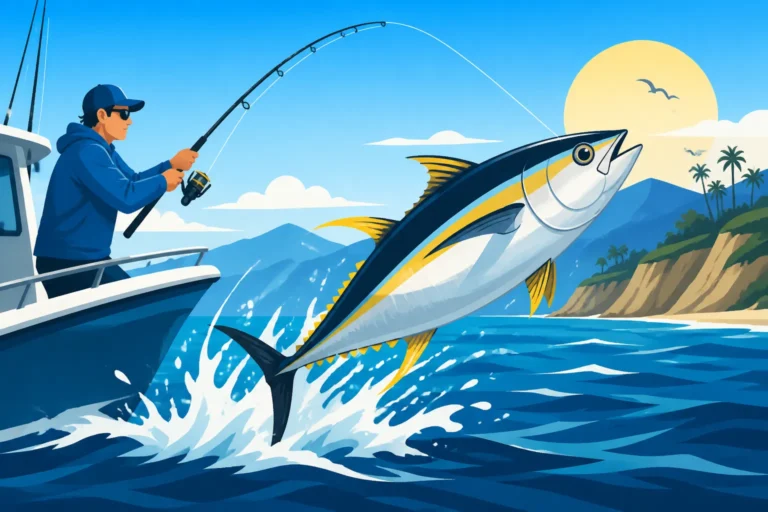
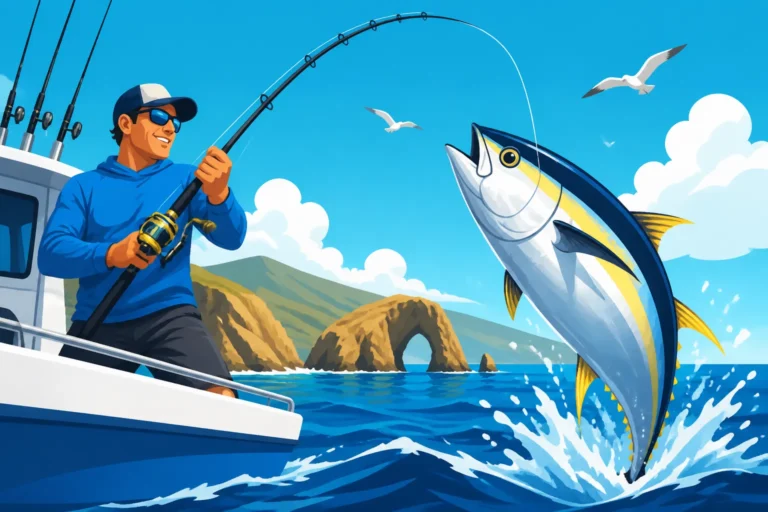
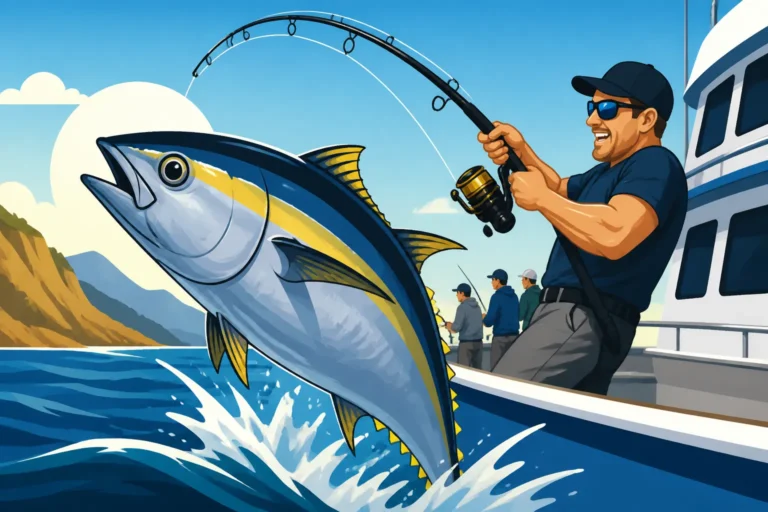
There's a reason yellowtail fishing inspires such passion among anglers. First off, their fight is legendary. When a yellowtail hits a fly-lined sardine, it’s not just a bite; it’s an explosion. They make blistering runs, often pulling drag with an intensity that can surprise even seasoned fishermen. Unlike some other species that might give up after a initial burst, yellowtail will dig, turn, and try every trick in the book to get off the hook, right up to the gaff or net.
Beyond the fight, yellowtail are also fantastic table fare. Their firm, flaky, and rich meat is perfect for grilling, searing, or even making sashimi. Catching one isn't just about the thrill of the battle; it's about bringing home a gourmet meal that was hard-earned. The challenge and reward combined make them a true prize in California's diverse fishing scene.
Key Yellowtail Habitats in California
Yellowtail are opportunistic feeders and highly migratory, following baitfish and temperature changes throughout the year. In California, you’ll primarily find them in warmer, nutrient-rich waters. This often means offshore banks, islands, and kelp beds, particularly along the Southern California coast. Iconic spots include the Channel Islands, San Clemente Island, Catalina Island, and offshore banks like the Cortez and Tanner Banks.
They also show up in coastal waters, especially during warmer months, patrolling the edges of kelp paddies, breakwalls, and even deeper water near piers and jetties in places like San Diego and Orange County. These fish are masters of their environment, using structure and current to ambush prey. Understanding these preferred habitats will help you pinpoint where to deploy your fly-lined sardines. Keep an eye on fishing reports, as yellowtail movements can be quite dynamic, reflecting bait availability and water temperatures.
What is Fly-Lining Sardines?
Okay, let's get into the nitty-gritty of the technique itself. Fly-lining sardines is perhaps one of the most exciting and effective ways to target yellowtail, especially when they're feeding on natural bait near the surface or are particularly boat-shy. It’s all about presenting a live bait in the most natural, unencumbered way possible.
The Philosophy Behind the Technique
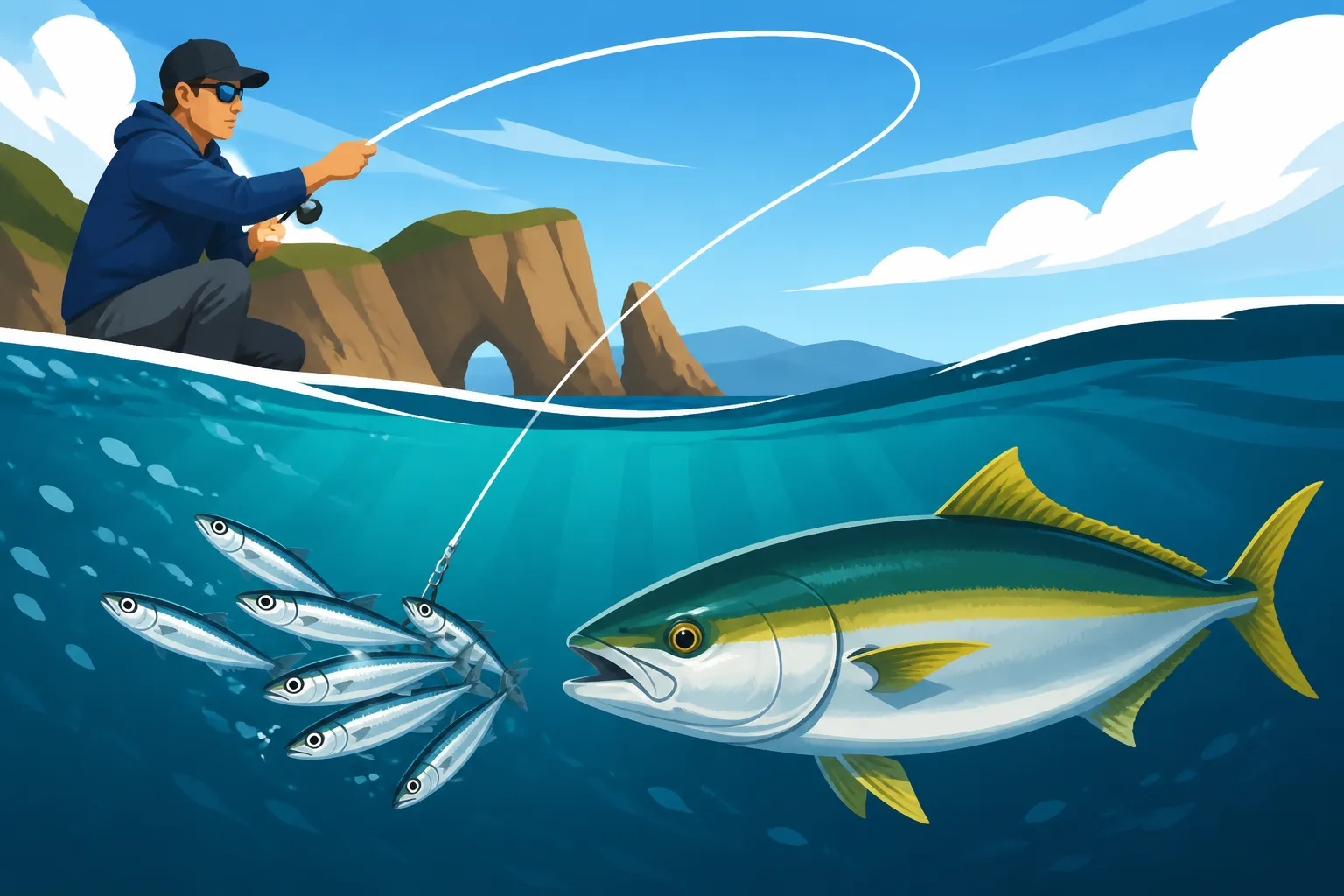
The core idea of fly-lining is to make your live sardine look like just another panicked baitfish swimming freely in the water, completely unaware of your hook. This means using minimal terminal tackle – often just a hook, a leader, and your main line, with no weights or floats to impede the bait's natural swimming action. The goal is a stealthy, realistic presentation.
Yellowtail are highly visual predators, and they can be incredibly wary of anything that looks unnatural. A sardine struggling with a big sinker, or one that's not swimming right, will often be ignored. When you fly-line correctly, your bait can swim freely with the school, enticing a strike from even the most cautious yellowtail. It requires patience, finesse, and the ability to "read" your bait and the water. This technique is particularly effective when the yellowtail are "boiling" on the surface, pushing baitfish, or cruising in the upper water column.
Why Sardines are the Bait of Choice
While various live baits can work for yellowtail, fresh, lively sardines are the undisputed champions for fly-lining. Here's why:
- Natural Prey: Sardines are a primary food source for yellowtail in California waters. They are what the yellowtail are actively hunting and eating, so they instantly recognize them as a meal.
- Liveliness: A good sardine is a strong swimmer. When hooked correctly, it will dart, dive, and try to escape, mimicking a baitfish in distress. This natural panic attracts predatory yellowtail. The more lively your bait, the better your chances.
- Size and Profile: Sardines are typically the perfect size for yellowtail. They're large enough to present a substantial meal but small enough for a yellowtail to easily engulf. Their silver flash in the water is also a huge attractant.
- Availability: Sardines are usually readily available at bait receivers in California, especially during the peak yellowtail season. You can often buy them directly from bait boats or through local tackle shops. Make sure you get the freshest, liveliest bait possible – it makes all the difference. Sometimes, a dead or sickly sardine will be completely ignored, while its lively counterpart gets slammed.
Essential Gear for Fly-Lining Yellowtail
Having the right tackle is non-negotiable when targeting hard-fighting yellowtail with such a subtle technique. You need a setup that offers both sensitivity for detecting bites and enough power to handle a determined fish. Getting the right gear will elevate your chances significantly. For many of these items, reliable options are easily found on Amazon, which can be a convenient way to stock up before your next trip.
Rod, Reel, and Line Selection
Choosing the right rod, reel, and line is paramount for successful fly-lining.
- Rods: Look for a medium-heavy to heavy conventional or spinning rod, typically 7 to 8.5 feet long, with a fast action. The length helps with casting those light baits a good distance away from the boat, while the fast action provides the backbone to set the hook and control a powerful fish. A softer tip allows the sardine to swim naturally without undue resistance, yet transitions quickly into a powerful blank. Brands like Phenix, Calstar, Seeker, and Daiwa all make excellent yellowtail-specific rods.
- Reels:
- Conventional Reels: Many seasoned anglers prefer conventional reels for their direct power and control. Look for models in the 15-30 size range (e.g., a Penn Fathom 25N, Shimano Trinidad 16A, or Daiwa Saltiga 20). These offer strong drags, good line capacity, and smooth retrieves. They excel at fighting powerful fish head-on.
- Spinning Reels: For lighter tackle or those who prefer spinning gear, a 6000-8000 size heavy-duty spinning reel (like a Shimano Saragosa 8000SW or Penn Spinfisher VI 6500) can also be effective. Spinning reels are often easier for making long casts with light baits and are fantastic for anglers less experienced with conventional gear.
- Line: Your main line should be 40 to 60 lb braided line. Braid offers incredible strength-to-diameter ratio, no stretch for excellent sensitivity, and long casting capabilities. However, because yellowtail have keen eyesight, you must use a fluorocarbon leader. More on that in the next section. When spooling up, ensure you have enough capacity – yellowtail can make surprisingly long initial runs!
| Gear Type | Recommendation | Key Features | Examples (for reference) |
|---|---|---|---|
| Rod | 7-8.5 ft, Medium-Heavy to Heavy, Fast Action | Long casts, sensitive tip, powerful backbone | Phenix Black Diamond, Calstar Grafighter, Shimano Teramar |
| Reel | Conventional (15-30 size) / Spinning (6000-8000) | Strong drag, high capacity, smooth retrieve, durable gears | Penn Fathom 25N, Shimano Saragosa 8000SW, Daiwa Saltiga 20 |
| Main Line | 40-60 lb Braided Line | No stretch, high strength, thin diameter, long casting | PowerPro, Daiwa J-Braid, Seaguar Smackdown |
| Leader | 25-50 lb Fluorocarbon | Low visibility, abrasion resistance, good knot strength | Seaguar Blue Label, Seaguar Gold Label, Yo-Zuri H.D. Carbon |
| Hook | 1/0 to 4/0 Live Bait Hook | Strong, sharp, light wire, appropriate size for sardine and fish | Gamakatsu Octopus Hook, Owner Gorilla Light, Mustad Ultrapoint |
Hook and Leader Considerations
This is where the "fly-line" aspect really shines through – minimal, nearly invisible terminal tackle.
- Fluorocarbon Leader: This is absolutely essential. Yellowtail have excellent eyesight, and standard monofilament leader can be visible in clear water. Fluorocarbon is nearly invisible underwater due to its refractive index being similar to water. You’ll typically want a 25 to 50 lb fluorocarbon leader, depending on the size of the yellowtail and the water clarity. Tie your braid to your fluorocarbon leader using a strong, low-profile knot like an FG knot or an Albright knot. The leader length can vary, but generally aim for 4 to 8 feet to ensure invisibility and provide abrasion resistance.
- Hooks: The goal is a hook that is strong enough to handle a yellowtail but light enough not to impede the sardine's swim. A 1/0 to 4/0 live bait hook is usually perfect. Brands like Gamakatsu Octopus, Owner Gorilla Light, or Mustad Ultrapoint are excellent choices. Ensure they are sharp! A dull hook means missed opportunities. The size of the hook should match the size of your sardine – you don't want a huge hook on a small bait, and vice-versa. The hook should be just large enough to get a good bite into the yellowtail's jaw.
Essential Accessories
Don’t forget these critical items that make your fly-lining experience smoother and more successful.
- Pliers/Forceps: Essential for removing hooks and cutting line.
- Bait Tank/Livewell: Keeping your sardines lively and healthy is paramount. A good bait tank with proper circulation and aeration is a must on any boat trip targeting yellowtail. If you're buying bait at a receiver, transport them carefully in a well-aerated bucket.
- Gaff or Net: For landing those larger yellowtail. Make sure it's sturdy and handled by an experienced crew member.
- Sun Protection: Hat, sunglasses, sunscreen – California sun can be intense offshore.
- Cooler with Ice: To keep your prize catch fresh on the way home.
- Knife and Cutting Board: For preparing bait or cleaning fish.
- Appropriate Clothing: Dress in layers. Offshore weather can change quickly.
Having a good stock of terminal tackle, including extra hooks and fluorocarbon leader, is always a good idea. You can easily replenish these supplies through various fishing retailers or even online via Amazon.
Step-by-Step Guide to Fly-Lining Sardines
Now that you have your gear sorted, let's walk through the actual process. It’s a delicate dance between presenting the bait naturally and being ready for that explosive strike. Every step matters, from choosing your bait to the final landing.
Choosing and Bridling Your Sardine
The success of fly-lining often hinges on the quality and presentation of your live bait.
- Choosing Your Bait: Always pick the liveliest sardine from the bait tank. Look for one that's actively swimming, has bright eyes, and no signs of scales missing or red spots, which indicate stress. A strong swimmer will attract more attention and swim away from the boat naturally. Don't be afraid to take your time and select the best one.
- Hook Placement (Bridling): There are several ways to hook a sardine, and each has its proponents.
- Nose Hooking: This is often preferred for fly-lining as it allows the sardine to swim most naturally. Gently thread the hook through the nostril cartilage, being careful not to hit the brain or eyes. This gives the bait a natural forward swim.
- Shoulder Hooking: Inserting the hook just behind the gill plate, above the lateral line. This can make the sardine swim with a slightly more erratic, injured motion, which can sometimes be effective.
- Tail Hooking: Rarely used for fly-lining, but can be effective if you need the bait to swim away from the boat very quickly or present a "wounded" profile. However, it can make casting harder and stress the bait more.
For fly-lining, nose-hooking is generally the standard. The key is to secure the bait without hindering its movement or killing it. The more "happy" your sardine is on the hook, the longer it will last and the more effectively it will swim.
The Art of the Cast and Presentation
This is where the "fly" in fly-lining comes in – you want to cast your bait out far from the boat, letting it swim freely.
- Casting: With your live sardine hooked, make a gentle, lob cast away from the boat. The goal is distance and a soft landing. You don't want to sling the bait, as this can kill or stun it. Aim to cast into the direction the current is flowing or towards any visible signs of feeding fish.
- Presentation: Once your sardine hits the water, engage your reel (if it’s a conventional setup) or open your bail (on a spinner) and let the sardine swim naturally away. The less resistance, the better. You want it to look like it has no line attached. Keep your rod tip pointed low towards the water, allowing the line to peel off freely. As the sardine swims, it creates a "bow" in your line. This light line tension helps you feel the fish, but also lets the bait move unhindered. This is where patience comes in; let the sardine do its job and swim as far as it can. Sometimes, the bite will come within meters of the boat, other times it'll be a hundred yards out. Pay attention to how the sardine is swimming – a sudden burst of speed or change in direction often means a yellowtail is hot on its tail.
Detecting a Bite and Setting the Hook
This is often the trickiest part, as yellowtail bites on fly-lined sardines can be subtle or explosive.
- Detecting the Bite: When a yellowtail targets your sardine, you might feel a sudden change in line tension, a sharp pull, or see your line peel off rapidly. Sometimes, your sardine might suddenly get frantic, trying to escape before the actual strike. It's crucial to pay constant attention to your line and the bait's behavior. Don't immediately react to a subtle pull.
- The Drop Back: This is a common and highly effective strategy. When you feel the initial grab or run, resist the urge to set the hook immediately. Instead, let the fish "eat" the bait for a few seconds. This is often called "dropping back" or "giving them line." Disengage your reel or open the bail, letting the line free-spool for a count of three to five seconds. This allows the yellowtail to fully engulf the sardine and turn away with it.
- Setting the Hook: After the drop-back, smoothly engage your reel and reel down until you feel the weight of the fish. Then, deliver a firm, sweeping hookset by lifting your rod tip sharply. You're trying to drive that hook home, often through tough jaw cartilage. Don’t over-crank or jerk violently; a smooth, powerful motion is what you want. Be prepared for an immediate, drag-screaming run!
Fighting and Landing Your Yellowtail
Once you’ve set the hook, the real battle begins. Yellowtail are notoriously strong fighters.
- The Fight: Maintain constant pressure on the fish. Pump the rod and reel down, gaining line whenever the fish isn't running. Avoid giving slack line at all costs; this is how hooks come dislodged. Yellowtail will make powerful, sustained runs, so your drag needs to be set correctly – tight enough to wear the fish down but loose enough to prevent line breakage. Keep your rod tip up and pointed towards the fish to absorb shocks and maintain leverage. Don't fight the fish from directly overhead; angle your rod to the side.
- Working the Fish: As the fish tires, you’ll be able to gain more line. If fishing from a boat, communicate with your captain or deckhands to maneuver the boat and keep the fish off the anchor line, prop, or other anglers’ lines. Be aware of where other anglers are casting, especially if you're on a party boat. If the fish sounds (dives deep), be patient and keep the pressure on.
- Landing: Once the yellowtail is close to the boat, it will often make a final, desperate dash. Stay calm. Have a gaff or net ready. Ensure the fish is tired and close to the surface before attempting to gaff or net it. A good gaff shot to the head or shoulder is quick and humane. If netting, guide the fish headfirst into the net. This final stage is often where fish are lost due to excitement or rushing. Successfully landing a yellowtail you've fly-lined with sardines is an incredibly rewarding experience. For more detailed insights, check out our guide on how to hook a yellowtail.
Advanced Tips and Common Mistakes to Avoid
While the basics are crucial, a few advanced tactics and awareness of common pitfalls can significantly boost your success rate. Mastering these nuances can be the difference between a good day and a great day.
Reading the Water and Current
Yellowtail aren't just randomly swimming; they use currents and structure to their advantage, and so should you.
- Current Awareness: Understand how the current is moving your boat and your bait. Often, yellowtail will face into the current, waiting for bait to be swept to them. Casting up-current and letting your sardine drift naturally down can be incredibly effective. Conversely, if the fish are on a specific side of a kelp paddy, you might want to cast so your bait swims along that edge. Sometimes a fast drift is what you want, allowing your bait to cover more ground.
- Spotting Signs of Life: Keep an eye out for birds diving, baitfish showering on the surface, or even a subtle ripple that indicates a school of yellowtail is in the area. These are prime indicators that it's time to get a fly-lined sardine in the water. Looking for "foamers" – where yellowtail are actively busting bait on the surface – is the holy grail. When you see one, cast quickly but accurately. Also, learn to identify the edges of kelp beds and underwater structures using your boat's fish finder; yellowtail often patrol these areas.
The Importance of Stealth
Yellowtail are sharp-eyed and can be incredibly wary. Your approach can make or break your trip.
- Boat Noise: Minimize loud noises on the boat. Dropping weights, stomping around, or shouting can spook fish, especially in shallow or clear water. If you're on a charter, try to keep your commotion to a minimum.
- Line Management: Keep your line as light and inconspicuous as possible. That's why fluorocarbon is crucial. Also, try to keep your main line out of the water or minimized to avoid spooking fish directly under the boat. Avoid casting directly over the school if possible; aim to land your bait just ahead of or to the side of the activity.
- Boat Positioning: A good boat captain will position the vessel to allow for the most natural drift and presentation of your fly-lined sardines, keeping the boat just far enough from the action to avoid spooking the fish but close enough for accurate casts. If you're running your own boat, practice subtle approaches to prime spots.
Troubleshooting Common Issues
Even with the perfect setup, things can go wrong. Knowing how to troubleshoot can save your day.
- Sardine Dying Quickly: This is a common frustration. Ensure your bait tank has fresh, well-aerated water. Handle your sardines gently – use a bait scoop, not your hands, to minimize scale loss and stress. Hook them carefully. If a sardine is sluggish, it’s often better to re-bait with a fresh one. Sometimes, smaller, harder-to-find baits are tougher and last longer than larger, softer ones.
- Yellowtail Following but Not Biting: This is maddening! Often, it means the fish are wary or finicky. Try lighter leader (e.g., dropping from 40 lb to 30 lb fluorocarbon). Sometimes, a smaller hook can make a difference. Vary your retrieve – let the bait swim longer, or give a subtle twitch to imitate a wounded fish. If they're just not committing, they might want a different presentation altogether, perhaps a jig. For those really tough days, you might need to adjust your approach or even move to a new spot. Our guide to the Best Times to Fish in California might help you understand species behavior better.
- Missed Hooksets: If you're getting bites but not hooking up, review your hookset technique. Are you giving them enough time to eat the bait? Is your hook sharp? Is your drag set appropriately for a solid hookset? Sometimes, a yellowtail will just nip at the bait, requiring you to be extra patient. Don't pull the bait away prematurely. Also, consider the angle of the fish – a side-on bite is easier to hook than a head-on chase.
Prime Times and Locations for Fly-Lining Yellowtail
Knowing when and where to deploy this technique is just as important as knowing how. California offers a vast array of yellowtail grounds, but their presence is highly seasonal and weather-dependent.
Best Seasons and Weather Conditions
Yellowtail are migratory and highly sensitive to water temperature.
- Seasons: In Southern California, the prime yellowtail season generally runs from late spring through fall, typically May to October, sometimes extending into November if warm water persists. During these months, warmer water pushes baitfish closer to shore and to the offshore islands and banks, attracting yellowtail. However, schools can sometimes be found in shallower, inshore areas earlier or later in the season if conditions are right. For specific seasonal patterns, a detailed look at the Best Season for Yellowtail in California would be incredibly helpful.
- Weather: Overcast days with light chop can sometimes be excellent, as the subdued light can make fish less wary and break up the surface, making it harder for them to see the boat. Conversely, calm, clear days require maximum stealth. Look for stable weather patterns; sudden drops in temperature or strong winds can shut down the bite. Tide swings can also play a role, with moving water often sparking a feeding frenzy.
Top California Spots for Yellowtail
California is blessed with numerous yellowtail hotspots. Here are some of the most consistent locations:
- Channel Islands (Southern California): Islands like Catalina, San Clemente, Santa Barbara, and San Nicolas are legendary yellowtail haunts. The kelp beds and offshore structure around these islands provide ideal habitat. They are accessible via private boat or through numerous Best Offshore Fishing Charters in California departing from ports like San Diego, Long Beach, or Ventura.
- Offshore Banks: The Cortez Bank and Tanner Bank, further offshore from San Diego, are renowned for producing larger, trophy-sized yellowtail, especially during late summer and fall. These require longer range trips, often on multi-day charters.
- San Diego Coast: Areas like La Jolla, Point Loma, and the local kelp forests around San Diego Bay can hold schools of yellowtail, sometimes even within a few miles of the harbor. This is a favorite spot for many half-day and full-day charters out of Point Loma Sportfishing, H&M Landing, and Fisherman's Landing. The proximity to bait receivers makes it easy to get fresh sardines.
- Baja California Waters (near the border): While technically Mexico, many California long-range trips extend into Northern Baja waters, where yellowtail are often abundant year-round, especially around Coronado Islands.
- Central California (seasonal): Though less consistent than Southern California, yellowtail occasionally push north into areas like Monterey Bay during exceptionally warm water years, offering a rare treat for anglers in that region. However, these are typically transient appearances.
Always check the latest fishing reports and water temperature charts before heading out. Yellowtail are a moving target, and being informed is your best bet for success. A local fishing guide or charter captain will have the most up-to-date information on where the fish are biting.
Disclaimer
Fishing involves inherent risks, including but not limited to adverse weather conditions, marine life encounters, and equipment malfunction. Always prioritize safety, wear appropriate personal flotation devices, and adhere to all local, state, and federal fishing regulations. Ensure you have a valid California Fishing License Guide and are aware of all California Fishing Bag and Size Limits for yellowtail and other species. This guide is for informational purposes only and does not constitute professional advice.