How to Troll for Trout in a Reservoir
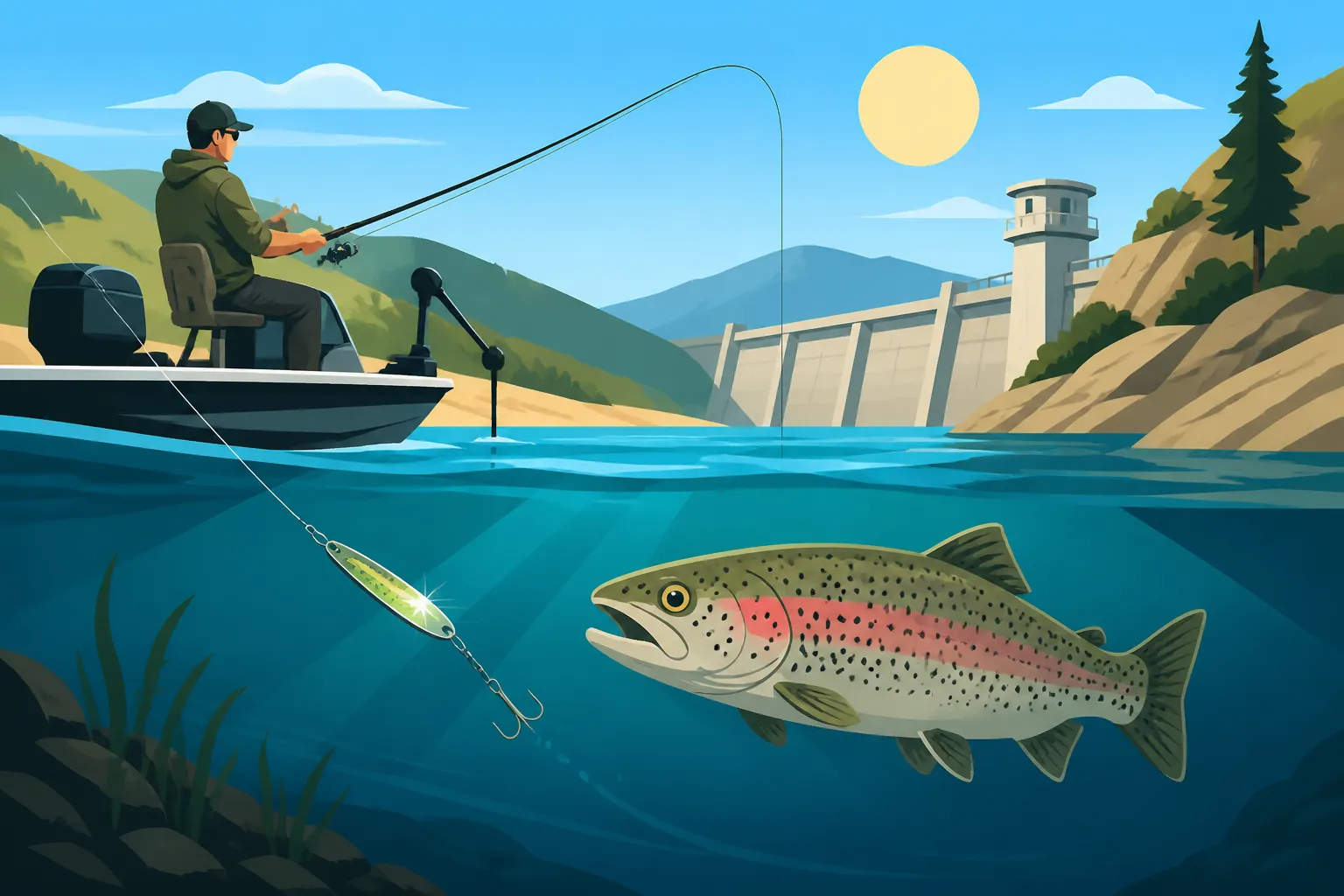
There's nothing quite as frustrating as spending a beautiful day out on a California reservoir, trolling for trout, only to come back empty-handed while others are reeling them in. It often feels like a secret club with unspoken rules, right? But fear not, because this comprehensive guide is going to pull back the curtain on the art of trolling for trout in California's diverse reservoirs, giving you the insights and techniques you need to make your next trip a resounding success.
Understanding Trout Behavior in Reservoirs
Before you even think about dropping a line in the water, it's crucial to understand what makes trout tick in a reservoir environment. These aren't wild river trout; they're often stocked fish that behave differently, influenced heavily by water temperature, light, and available food. Knowing their habits is your first step to consistent success.
Seasonal Movements and Depths
Trout in reservoirs are constantly on the move, driven largely by temperature. In the colder months of winter and early spring, you'll often find them suspended in the upper water column or cruising closer to the surface, especially after a fresh plant by the Department of Fish and Wildlife. As the California sun intensifies and water temperatures rise in late spring and summer, trout will seek out cooler, deeper waters. This is where thermal stratification comes into play – a fancy term for layers of water at different temperatures. They'll often hang out just above or within the thermocline, which is the boundary between the warm surface water and the colder, deeper water. This is why knowing your depth is absolutely critical, and it can change daily! Early mornings or late evenings might see them rise to the surface to feed, even in summer, thanks to reduced light and slightly cooler temperatures.
The key takeaway here is that you can't just troll at the same depth all year. You need to be adaptable. Think about reservoirs like Lake Tahoe or Lake Shasta; their sheer size and depth mean trout have plenty of room to roam and find their comfort zone. In smaller, shallower reservoirs like some of the urban lakes near Los Angeles, temperature changes can push trout into deeper, more consistent pockets much faster. Your approach needs to match the conditions of the specific body of water you're fishing.
Preferred Forage and Feeding Patterns
Trout in California reservoirs are opportunists, but they definitely have their preferences. Their diet largely consists of whatever is abundant and easy to catch. This often includes various insects, crustaceans, and smaller baitfish like threadfin shad or kokanee salmon. When trolling, you want to "match the hatch," so to speak, by presenting lures or baits that mimic these natural food sources. For instance, if a reservoir has a strong population of Kokanee, using a lure that imitates a juvenile kokanee can be incredibly effective.
Their feeding patterns also vary. Early mornings and late evenings are typically prime feeding times when light is low, and they feel safer. Overcast days can extend this feeding window, making for fantastic mid-day action. On bright, sunny days, trout might feed in deeper water or stick close to cover, ambushing prey. Understanding these patterns helps you choose not only your bait but also your presentation. Are they actively chasing, or are they more likely to strike something slow-moving and easy to catch? This consideration will heavily influence your trolling speed and lure choice, creating the perfect setup for success.
Essential Gear for Successful Reservoir Trout Trolling
Alright, let's talk tackle. You can have all the knowledge in the world about trout behavior, but if you don't have the right tools, you'll still struggle. Trolling for trout effectively in a reservoir requires specific gear designed to get your presentation to the right depth and keep it there.
Rods, Reels, and Line Choices
For reservoir trout trolling, you'll want a rod that's sensitive enough to detect subtle bites but has enough backbone to handle a good-sized trout. A medium-light to medium action rod, typically 7 to 9 feet long, is ideal. This length helps with spreading lines out if you're running multiple rods and provides a nice flex for fighting fish without tearing the hook out. Look for rods with a fast to moderate-fast tip section. Brands like Ugly Stik or Lamiglas offer great options that can stand up to the rigors of frequent trolling.
When it comes to reels, a reliable spinning reel in the 2000-3000 size range or a small baitcasting reel is perfect. The key is smooth drag, because even a modest trout can make a powerful run. For line, many anglers prefer monofilament in 6-10 pound test for its stretch, which acts as a shock absorber. However, a lot of folks are switching to braided line (10-20 pound test) with a fluorocarbon leader (6-10 pound test). Braid offers incredible sensitivity and less stretch, which is great for feeling those light bites, while fluorocarbon is virtually invisible underwater and abrasion resistant. You can find excellent braided line and fluorocarbon leaders on Amazon, which often have competitive prices.
Downriggers, Dipsy Divers, and Weight Systems
This is where the depth control really comes in. Simply casting out a lure won't get you to 30, 40, or even 100 feet where trout might be holding.
- Downriggers: These are the kings of precision depth control. A downrigger uses a heavy cannonball weight to carry your line down to a precise depth, which you set on a counter. Your fishing line is then clipped to a release clip on the downrigger cable. When a fish strikes, the line pops free from the clip, and you fight the fish directly on your rod, without the weight of the cannonball. This is invaluable for targeting trout suspended in specific depth bands, especially in deep, clear reservoirs like Lake Tahoe or Crowley Lake.
- Dipsy Divers (or Planer Boards): These devices clip to your line and, as you troll, they dive and pull your lure out to the side of the boat, as well as down to a specific depth, depending on their setting. They’re excellent for spreading out multiple lines and covering a wider area. Different sizes and settings allow for varying depths and lateral spreads.
- Weighted Lines and Lead Core: Lead core line is a multi-colored line with a lead core that sinks at a predictable rate (typically 5-7 feet per color, with each color being 10 yards). By letting out a certain number of colors, you can achieve a specific depth. This is a simpler, less expensive option than downriggers but offers less precise depth control. It's often used by anglers targeting trout in the middle depths.
- Snap Weights and Trolling Sinkers: These are simpler weights that you can add directly to your line at varying distances from your lure. They're good for adding extra depth in a pinch or for targeting shallower areas without complex equipment. However, they can sometimes dampen the action of your lure.
Choosing the right depth-control system depends on your budget, boat setup, and the specific conditions you're fishing. Many anglers start with snap weights or lead core and eventually move up to downriggers once they get serious about their trolling game. For getting started, a good selection of diving lures and a few snap weights from Amazon can go a long way.
Lures, Baits, and Scent Strategies
The array of lures and baits available for trout trolling can be overwhelming, but a few standbys consistently produce.
- Plugs and Stickbaits: These mimic baitfish and come in various sizes and colors. Classic choices like Rapalas, AC Plugs, and J-Plugs are highly effective. Their wobbling and darting action can entice aggressive strikes. Smaller sizes (2-4 inches) are usually best for reservoir trout.
- Spoons: Spoons like the venerable Kastmaster, Little Cleo, or Needlefish spoons have a fluttering action that imitates injured baitfish. They are versatile and can be trolled at various speeds and depths. Silver, gold, and vibrant colors tend to work well.
- Spinners: In-line spinners, such as Mepps or Rooster Tails, create flash and vibration that trout find irresistible. Trolling them behind a dodger or flasher can amplify their attraction. These are particularly effective for active, chasing trout.
- Soft Plastics: Small grubs, tubes, or worm imitations, often tipped with scent, can be deadly when trout are being finicky. These typically need to be trolled very slowly or behind some sort of attracting device.
- Natural Baits: While lures are popular, don't underestimate the power of natural bait. Live or cut bait, such as shad, worms, or even corn (where permitted), can be incredibly effective, especially when tipped onto a small jig or slow-trolled behind a dodger. PowerBait, specifically PowerBait for trout, is also a classic, though typically still-fished rather than trolled.
- Scent Strategies: Trout have an incredible sense of smell. Adding a scent like Pro-Cure, Smelly Jelly, or Berkley Gulp! Alive to your lures or baits can make a huge difference, especially in murky water or when fish are less aggressive. Applying it liberally and refreshing it often is key. These scents can often be found in multi-packs on Amazon, which is convenient for trying different flavors.
A common setup for trolling in California reservoirs is to use a dodger or a small flasher ahead of your chosen lure or bait. The dodger creates a large flash and vibration, attracting trout from a distance, while the lure or bait behind it presents the actual meal. Popular dodgers include the Sep's Pro Dodger or the various F-series Flashers.
Mastering Trolling Techniques for Reservoir Trout
Now that you've got the gear sorted, it's time to put it all together and learn how to present your offerings effectively. Trolling isn't just about dragging a lure behind your boat; it's a nuanced dance of speed, direction, and constant observation.
Speed, Direction, and Patterning
Your trolling speed is arguably one of the most critical factors. Most trout lures are designed to work optimally within a specific speed range, typically between 1.0 to 3.0 miles per hour. Too slow, and your lure might not have the right action; too fast, and fish might not be able to catch it or it might look unnatural. The best way to determine the optimal speed is to observe your lure's action next to the boat before deploying it or by using an underwater camera. Factors like water temperature, lure type, and how active the fish are will influence this. On a cold day or when fish are sluggish, a slower speed might be better. When they're aggressive, you can often speed up a bit.
Direction and patterning are also crucial. Don't just troll in a straight line. Trout often relate to structure like points, submerged humps, creek channels, or even changes in the bottom contour. Making wide S-turns or figure-eights can be incredibly effective. As you turn, your lures on the inside of the turn will slow down and drop, while those on the outside will speed up and rise. This change in speed and depth can often trigger strikes from following fish who might have been hesitant to commit. Pay attention to where you get bites. If you get a hit on a specific turn, try to replicate that same turn and speed on subsequent passes. This helps you develop a pattern and pinpoint exactly where the fish are holding. For example, if you're fishing Folsom Lake, you might find trout congregating around the submerged trees or along the old river channel, requiring precise turns and depth control.
Reading Your Electronics and Water Conditions
Modern electronics are a game-changer for trout trolling. A good fish finder is your best friend. It allows you to see not only the depth but also baitfish schools, thermoclines, and, crucially, individual trout or schools of trout. Look for arches or dots on your screen, and pay attention to the depth at which they appear. That's the depth you want to target with your lures. Many fish finders, especially models from Garmin or Humminbird, also show water temperature, which, as we discussed, is a primary driver of trout location.
Beyond your fish finder, observe the water conditions. Is it clear or murky? Clear water often means fish are more wary and might be deeper or require more subtle presentations. Murky water, on the other hand, might make fish more aggressive as their visibility is reduced, and flash/vibration become more important. Wind and current also play a role. Wind can create chop, which breaks up light penetration and can make fish more active, or it can make boat control challenging. Current, especially near inlets or outlets, can concentrate baitfish and, consequently, trout. Understanding these factors and making real-time adjustments is what separates a good troller from a great one. Consider fishing in areas like Lake Oroville after a heavy rain, when nutrient runoff can create feeding opportunities for trout.
Multi-Rod Spreads and Presentation
Trolling with multiple rods allows you to cover different depths, present various lures, and experiment with different speeds simultaneously. Most anglers will run two to four rods, depending on state regulations and boat size. A common spread might involve:
- Two outside rods: These might use Dipsy Divers or planer boards to get lures out to the side and slightly deeper, covering more horizontal water.
- Two inside rods: These might be straight-back trolling with downriggers to target specific depths or weighted lines to explore mid-depths.
When setting up your spread, vary your lure types and colors until you find what the fish prefer. If you're getting hits on a silver spoon at 25 feet, replicate that setup on another rod. Staggering the depths of your lures (e.g., one at 20 feet, one at 25 feet, one at 30 feet) helps you quickly pinpoint the active depth zone. Remember to keep an eye on your rod tips for the tell-tale bounce of a dodger or flasher working correctly, and the sudden bend that indicates a strike. Learning to read your rod tips is a skill that comes with practice, allowing you to tell the difference between a lure working and a fish hitting. This strategy is also discussed in depth in our guide on Best Fishing Techniques for California Waters.
| Trolling Method | Target Depth Range | Pros | Cons | Best Use Case |
|---|---|---|---|---|
| Downrigger | Very precise, deep | Pinpoint depth control, minimal line drag | Expensive, requires specific boat setup, more complex | Deep reservoirs, targeting suspended fish |
| Dipsy Diver | Moderate to deep | Spreads lines, adds side-to-side coverage | Can be finicky to set, adds drag, less precise depth | Covering wide areas, targeting varied depths |
| Lead Core Line | Shallow to moderate | Simple, no extra equipment, cost-effective | Less precise depth, heavy line, can spook wary fish | Mid-depths, simpler setups, smaller boats |
| Snap Weights | Shallow to moderate | Easy to use, adjustable, portable | Adds drag, can interfere with lure action, less precise | Quick depth adjustments, targeting varied depths |
| Weighted Lures | Shallow to mid | Integrated weight, simple | Fixed depth (for specific lure), less versatile | Targeting consistent shallow to mid-depths, simple setups |
Common Challenges and Troubleshooting
Even with the best gear and knowledge, reservoir trout trolling can present its fair share of head-scratchers. Being able to quickly diagnose and adapt to changing conditions is key to turning a slow day into a successful one.
Dealing with Finicky Biters
We've all been there: seeing fish on the sonar, trying every lure in the box, and still nothing. Finicky biters are often the result of high fishing pressure, clear water, or sudden weather changes. When this happens, it's time to finesse them. First, slow down your troll speed. A slower, more enticing presentation can be less threatening. Second, downsize your lures and leaders. Sometimes, the slight profile difference of a smaller lure or a thinner, less visible leader (like a 4-6 lb fluorocarbon) is all it takes.
Another trick is to add natural bait or scent. Tipping a small spoon with a piece of a nightcrawler or adding a liberal amount of a strong fish attractant can make a huge difference. Think about the subtle changes: is your dodger too big? Try a smaller one or switch to a subtle flasher. Are your knots perfectly tied? Even minor imperfections can affect lure action. Sometimes, moving to a different part of the reservoir, perhaps a shadier cove or a deeper channel, can put you on more aggressive fish. Always remember to check the local California Trout Limits and Regulations, as some areas may have specific rules for bait use or gear.
Navigating Structure and Snags
Reservoirs are man-made lakes, often created by flooding valleys, which means they can hide a lot of underwater structure like old trees, submerged foundations, and rock piles. While these structures are magnets for fish, they're also notorious for snags. The best defense is a good offense: know your reservoir. Use your electronics to map out potential hazards. If you see a submerged tree on your sonar, mark it and give it a wide berth with your downrigger or lead core lines.
If you do get snagged, don't panic. First, stop the boat and reverse direction, trying to pull the lure out from the opposite angle it went in. Sometimes, simply letting out a bit more line and giving it slack can allow the lure to float free. If you're using a downrigger, ensure your release clips are set correctly – they should pop off under moderate tension, saving your expensive cannonball and minimizing line breakage. Carrying a "lure retriever" can also be a lifesaver. These devices slide down your line and help dislodge snagged lures. It's a small investment that pays off big time in the long run, especially when you're using those pricier lures from brands like Luhr Jensen or Rapala that you might have picked up on Amazon.
Adjusting to Weather and Pressure Changes
California weather can be fickle, and trout are incredibly sensitive to changes in atmospheric pressure, cloud cover, and wind. A sudden cold front can put fish into a funk, sending them deep or shutting down their bite entirely. Conversely, an approaching warm front or consistent overcast conditions can turn them on.
When the weather shifts, so should your strategy. On bright, high-pressure days, fish might go deeper, so you'll need to adjust your downriggers or lead core accordingly. They might also prefer darker, more natural lure colors or slower presentations. On low-pressure, overcast days, trout often rise in the water column and can be more aggressive, responding well to brighter colors and faster retrieves. Wind can create currents and chop that break up light and make it harder for trout to see you, often stimulating a bite. However, strong winds can also make boat control and precise trolling nearly impossible. Always keep an eye on the forecast and be ready to adapt. Knowing the best time of day to fish in California can also play a huge role in planning your trips around these weather patterns.
Navigating the complexities of reservoir trout trolling takes practice, patience, and a willingness to learn. But with these insights into trout behavior, the right gear, and refined techniques, you'll be well on your way to enjoying some incredible fishing experiences on California's beautiful reservoirs. Don't be afraid to experiment, keep a fishing log of what works, and most importantly, enjoy every moment out on the water!
Disclaimer
Fishing regulations and conditions can change rapidly. Always consult the latest California Department of Fish and Wildlife regulations before heading out. This guide is for informational purposes only and does not guarantee fishing success. Always prioritize safety on the water.