Do You Need a License to Fish in California
It can be incredibly confusing to figure out the legalities of fishing in California. You're eager to cast a line, maybe planning a serene weekend escape to the Eastern Sierra or an exciting offshore adventure out of San Diego, but then that nagging question pops up: do I actually need a license for this? The short answer for most adults is a resounding "yes," and understanding the nuances is crucial to avoid a frustrating encounter with a game warden, hefty fines, or inadvertently harming our precious aquatic ecosystems. This comprehensive guide will untangle the rules, explain who needs a license, when you might be exempt, and why these regulations are so vital for maintaining California's incredible fisheries.
The Short Answer: Yes, Most of the Time
Let's cut right to it: if you're 16 years old or older and you plan to take any kind of fish, mollusk, crustacean, invertebrate, amphibian, or reptile from the waters of California, you're going to need a valid California sport fishing license. It doesn't matter if you're using a fancy rod and reel, a simple hand line, or a net; if you're actively engaging in "take" – which means to hunt, pursue, catch, capture, or kill – you're required to have that license in hand (or on your phone via the CDFW app). This rule applies whether you're standing on the bank of the Sacramento River, casting from a kayak in Monterey Bay, or deep-dropping off the coast of Southern California. The intent behind this is universal: to ensure that everyone participating contributes to the conservation and management of these vital natural resources.
Why a License is Required
It might feel like just another hurdle, another fee to pay before you can enjoy a relaxing day, but fishing licenses are far more than just a bureaucratic formality. Every single dollar generated from the sale of sport fishing licenses goes directly back into managing and enhancing California's fisheries and wildlife. This includes critical programs like fish stocking, habitat restoration, scientific research on fish populations, and enforcement of fishing laws to prevent overfishing and poaching. Without these funds, the vibrant fishing opportunities we cherish in places like Clear Lake or the iconic salmon runs in the Klamath River would simply not exist as we know them. It's an investment in the future of fishing, ensuring that our children and grandchildren can enjoy the same experiences we do today.
The Legal Basis for Licensing
The requirement for a fishing license in California isn't just a suggestion; it's codified in state law. Specifically, the California Fish and Game Code dictates who needs a license, what activities it covers, and the penalties for non-compliance. The California Department of Fish and Wildlife (CDFW) is the state agency responsible for implementing and enforcing these regulations. Their authority stems from a long-standing understanding that wildlife and fish are public trust resources, meaning they belong to all the people of California, and the state has a duty to manage them sustainably. This legal framework provides the foundation for the complex system of licenses, stamps, and report cards that anglers navigate, all designed to protect the integrity of our aquatic environments. Understanding the comprehensive California Fishing License Guide can help you delve deeper into these regulations.
Who Absolutely Needs a California Fishing License?
Let's get down to the nitty-gritty of who precisely falls under the license requirement. It's not always as straightforward as "adults need one"; there are distinctions based on residency, age, and even the type of water you're fishing. Misunderstanding these details is a common pitfall for many eager anglers.
Adult Residents
If you're a California resident aged 16 or older, a fishing license is your golden ticket to the state's waters. This applies whether you're spending a peaceful morning at your local pond for trout or heading out for a challenging day of deep-sea fishing for rockfish and lingcod. The standard annual resident license covers most recreational fishing activities for a full calendar year. Keep in mind that "resident" typically means someone who has resided continuously in California for six months immediately prior to the date of applying for a license. The California Resident Fishing License Cost can vary, so it's always good to check the most current fees.
When you purchase your license, you'll want to make sure you have it readily accessible. Many anglers these days keep a digital copy on their phone, often through the CDFW's mobile application. While a physical copy is often preferred, the digital version is generally accepted by wardens. It’s also wise to carry a form of identification, like your driver's license, especially if you're asked to prove your residency or age.
Non-Residents and Visitors
For those visiting our beautiful state with dreams of casting a line, the rules are very similar. Non-residents aged 16 and older also need a license. The key difference is the cost, which is typically higher for non-residents, reflecting their non-contribution to other state taxes that indirectly support conservation efforts. California offers several options for visitors, including a California One-Day Fishing License or a California Two-Day Fishing License, which can be perfect for a short trip without committing to a full annual license. If you're planning an extended stay or multiple trips throughout the year, an annual non-resident license might make more economic sense.
It's important to remember that these licenses cover the person, not the boat or the area. So, if you're a non-resident fishing with a local friend, both of you (if 16+) need your own valid licenses. Don't assume that because you're on someone else's boat, their license covers you. This is a common misunderstanding that can lead to unexpected citations. For a detailed breakdown, check out the California Non-Resident Fishing License Cost page.
Fishing from a Boat or Kayak
This is where some people get tripped up. The myth that "you don't need a license if you're on a boat" is just that—a myth. Whether you're in a fancy offshore sportfisher, a small aluminum rowboat on a lake, or a kayak paddling the kelp beds near La Jolla, if you are 16 or older and actively fishing, you need a license. The vessel itself doesn't exempt you. In fact, fishing from a boat often means you're targeting species that require additional stamps or report cards, adding another layer to the licensing requirements.
Even if you're just assisting someone else who is fishing from a boat—say, you're netting a fish they hooked—you technically fall under the "take" definition and should possess a license. The only exception would be if you are truly only a spectator or driving the boat and not participating in any aspect of fishing. It's always better to be safe than sorry and ensure everyone on board who might touch a rod or a fish has their own valid license and any necessary stamps.
Key Exceptions: When You Don't Need a License
While the general rule is "license required," California does offer a few specific situations where you can cast a line without one. These exceptions are important to know, especially if you're introducing a beginner to the sport or just want a casual outing.
Kids Under 16
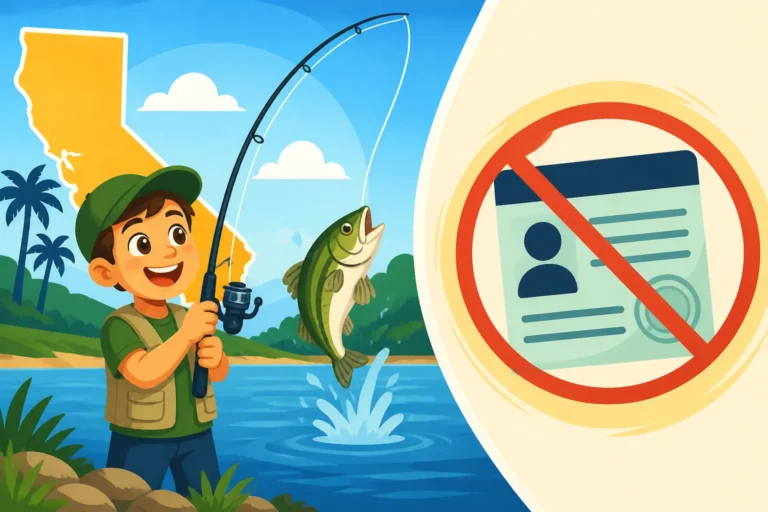
This is probably the most widely appreciated exception: children under the age of 16 do not need a California fishing license. This policy is fantastic for encouraging young anglers to get into the sport without the added barrier of cost or paperwork. It allows families to enjoy fishing trips to places like Lake Tahoe or the local community park pond without having to purchase multiple licenses.
However, even though kids don't need a license, they are still subject to all other fishing regulations, including bag limits, size limits, and season closures. For instance, if a child catches a fish that is undersized, it must be immediately released, just like an adult would. An adult supervising a child should ensure that the child understands and adheres to these rules. It’s a wonderful opportunity to teach responsible angling from a young age, instilling a respect for nature and regulations. This allowance also extends to report cards, meaning if a child catches a species requiring a report card (like steelhead or sturgeon), an adult's report card cannot be used for the child's catch; a child is simply exempt from needing one.
Public Fishing Piers
Here's a fantastic perk for those who love coastal fishing: most public ocean piers in California are license-free zones! This means you can show up at a pier like Santa Monica Pier or the Pacifica Pier, cast a line into the ocean, and try your luck without needing a sport fishing license. This rule applies to any public pier, public jetty, or breakwater in ocean waters. This exemption is primarily designed to provide easy, accessible fishing opportunities for everyone, including tourists and those who might not have access to a boat or specialized gear.
There are, however, important caveats. This exemption only applies when fishing directly from the pier, jetty, or breakwater into the ocean. If you step off the pier into a boat, launch a kayak from the beach next to the pier, or venture into a nearby estuary, the license requirement immediately kicks back in. Furthermore, while the license isn't needed, all other regulations, such as bag and size limits for various species like mackerel, croaker, or perch, still apply. It's crucial to check local signage or the Fishing from a Pier in California: Rules information from CDFW to understand any specific restrictions for that location. Some piers, for example, might have specific rules about what bait you can use or what species you can target.
California Free Fishing Days
Another wonderful opportunity for license-free angling comes with California's designated Free Fishing Days. The CDFW typically offers two of these days each year, usually in the summer and early fall, specifically chosen to encourage new anglers and families to experience fishing without the usual license hurdle. On these specific dates, anyone can fish California's public waters without needing a sport fishing license.
These days are perfect for introducing friends or family members who are hesitant to commit to a license purchase. It's a risk-free way to try out the sport. Just like with pier fishing, while the license requirement is waived on these days, all other fishing regulations—bag limits, size limits, gear restrictions, and species-specific rules—remain fully in effect. So, you still need to know what you can legally keep and how to measure it. Always check the official CDFW calendar for the exact dates each year to plan your outing. You can find more details on California Free Fishing Days to mark your calendar!
Private Ponds or Stocked Waters
This exception is a little trickier and less common for the average angler. Generally, if you are fishing in a privately owned pond or reservoir that is completely enclosed and does not have any natural inflow or outflow of public waters, and it has been stocked by the owner, you might not need a state fishing license. The key here is "completely enclosed" and "private." This often applies to aquaculture facilities or private property lakes where the fish are essentially considered the property of the landowner.
However, most lakes, rivers, and even many seemingly "private" ponds in California are considered "public waters" because they are connected to other waterways or receive water from them. Even a small stream running into a pond can negate this exemption. If you're fishing a pond at a pay-to-fish facility, they usually have their own internal licensing or permit system, and a state license is often not required unless that facility explicitly states it is connected to public waters and requires it. Always err on the side of caution and assume a license is needed unless you are absolutely certain of the private, enclosed nature of the water and have confirmed with the property owner.
Understanding Different License Types and What They Cover
Navigating California's fishing license options can feel like solving a puzzle, especially with the various durations and endorsements available. It's not just a single "fishing license" you need to think about; rather, it's a combination of a base license and potentially several specialized stamps or report cards depending on your fishing targets.
Annual vs. Short-Term Licenses
The most common option for California residents and frequent visitors is the Annual Sport Fishing License. This license is valid from January 1st through December 31st of the calendar year it's issued. If you plan on fishing more than a few times a year, this is almost always the most cost-effective choice. It provides year-long access to both freshwater and saltwater opportunities (though additional stamps might be needed, which we'll cover next). Many anglers choose to renew their license around the New Year to ensure continuous coverage. You can learn more about California Fishing License Renewal to stay on top of your game.
For those who fish less frequently or are just visiting, California offers several Short-Term Licenses:
- One-Day Sport Fishing License: Perfect for a quick weekend trip or a spontaneous decision to go fishing.
- Two-Day Sport Fishing License: A great option for a full weekend outing.
- 10-Day Non-Resident Sport Fishing License: This is specifically for non-residents, providing a longer window than the one or two-day options, ideal for an extended vacation.
These short-term licenses provide the same basic fishing privileges as an annual license for their duration, making them a flexible choice for various travel plans. Always consider how many days you expect to fish when deciding which type of license to purchase to get the best value.
Freshwater vs. Saltwater Coverage
California's base sport fishing license covers both freshwater and saltwater fishing. This means you don't typically need separate "freshwater" and "saltwater" licenses like in some other states. If you buy a standard annual or short-term license, you're good to go whether you're chasing trout in the Eastern Sierra or targeting rockfish off the coast.
However, while the base license covers both, certain species found predominantly in saltwater, or specific regions, might require additional endorsements. For example, if you plan to fish in ocean waters south of Point Arguello (near Santa Barbara), you'll likely need an California Ocean Enhancement Stamp if you're 16 or older and not fishing from a public pier. This stamp helps fund the stocking of white seabass and other programs. It's a small additional cost but crucial for legality in those areas. Always check the specific regulations for the area and species you're targeting to avoid any surprises.
Report Cards and Stamps
Beyond the basic license, many popular California fish species, particularly those with sensitive populations or those managed with strict catch limits, require what are called Report Cards or additional Stamps. These are not just extra fees; they are critical data collection tools for the CDFW.
- Steelhead Report Card: If you plan to fish for steelhead, a highly prized anadromous rainbow trout, this report card is mandatory. It requires you to record details of your catch, including whether you kept or released the fish. This data helps biologists monitor populations.
- Sturgeon Report Card: Similar to steelhead, white sturgeon are a protected species with specific slot limits. Anglers must possess a sturgeon report card and record all catches, even those released, to help manage this ancient fish.
- Salmon Report Card: While ocean salmon seasons can be variable, when open, a salmon report card is often required for specific areas or methods, particularly for Chinook salmon.
- Spiny Lobster Report Card: If you're diving or hooping for California's spiny lobster, this report card is essential for tracking your take.
For a comprehensive overview of these essential documents, check out California Fishing Report Cards Explained. For some of these, like the Ocean Enhancement Stamp, you might find it convenient to add them when you purchase your license online, or through a licensed agent. They often appear as optional add-ons during the purchase process. It's a small but vital step to ensure compliance and support species-specific conservation efforts.
Here's a quick reference table for common license needs:
| Angler Type | Minimum License Required | Common Additional Needs |
|---|---|---|
| CA Resident, 16+ | Annual Sport Fishing License | Ocean Enhancement Stamp (South of Pt. Arguello), Report Cards (Steelhead, Sturgeon, Salmon, Lobster) |
| Non-Resident, 16+, < 3 days | 1-Day or 2-Day Sport Fishing License | Ocean Enhancement Stamp (South of Pt. Arguello), Report Cards (Steelhead, Sturgeon, Salmon, Lobster) |
| Non-Resident, 16+, > 3 days | 10-Day Non-Resident Sport Fishing License or Annual Non-Resident License | Ocean Enhancement Stamp (South of Pt. Arguello), Report Cards (Steelhead, Sturgeon, Salmon, Lobster) |
| Under 16 (Resident/Non-Resident) | None | None (but must follow all other regulations) |
| Public Ocean Pier | None | None (must follow all other regulations) |
The Consequences of Fishing Without a License
Fishing without a valid California sport fishing license isn't just a minor oversight; it's a serious violation of state law. Many anglers mistakenly believe it's a slap on the wrist, but the reality can be far more unpleasant and costly. Game wardens are highly trained peace officers dedicated to protecting California's natural resources, and they take these violations very seriously.
Fines and Penalties
The most immediate consequence of fishing without a license is a fine. These aren't just small tickets; they can range from several hundred dollars to well over a thousand, depending on the specifics of the violation, any prior offenses, and the discretion of the court. For instance, a first-time offense for fishing without a license in California can cost an angler between $200 and $1,000, not including additional court fees and assessments. If you're found without a necessary report card or stamp, that's often considered a separate violation, stacking up the costs even further. Imagine spending an afternoon fishing only to come home with a $500 ticket instead of a delicious dinner—it happens more often than you think.
Beyond the initial fine, a conviction can appear on your record, potentially impacting future recreational permits or even professional licenses. It's a preventable headache that far outweighs the cost of a proper license. For more information on the potential financial repercussions, you can look into California Fishing License Fines and Penalties.
Equipment Confiscation and Legal Ramifications
In addition to significant fines, game wardens have the authority to confiscate your fishing equipment if you are found to be in violation of fishing laws, especially for repeat offenses or egregious violations. This could mean losing your beloved rod, reel, and tackle box—items that can represent a significant financial investment. While often associated with more severe crimes like poaching, equipment confiscation is a real possibility even for license violations, particularly if the offender is uncooperative or has a history of non-compliance.
Furthermore, severe or repeated violations can lead to the suspension or revocation of your fishing privileges for a period of time, meaning you won't be able to legally fish in California even if you wanted to buy a license. In some extreme cases, particularly involving commercial poaching or the illegal take of endangered species, violations can even lead to misdemeanor charges, requiring court appearances and potentially even jail time. It's a stark reminder that fishing regulations are indeed laws, with real and significant legal consequences for those who choose to ignore them.
Impact on Conservation Efforts
While the personal costs are certainly impactful, the larger, more subtle consequence of fishing without a license is the harm it does to conservation efforts. As mentioned earlier, license sales directly fund the programs that sustain our fisheries. When individuals fish without a license, they are essentially taking from a shared resource without contributing to its upkeep. This undermines the funding model for fish stocking programs, habitat restoration projects, scientific research, and essential enforcement activities.
Imagine if a significant portion of anglers decided to forgo licenses; the CDFW's budget for these critical initiatives would shrink dramatically, leading to reduced fish populations, degraded habitats, and fewer opportunities for everyone to enjoy. Every illegal fish caught, every unrecorded catch that should have been on a report card, skews the data that biologists rely on to make informed management decisions. So, while it might seem like a small act, collectively, unlicensed fishing can have a detrimental impact on the health and sustainability of California's aquatic ecosystems, affecting the very fish we love to catch.
How and Where to Purchase Your California Fishing License
Getting your California fishing license is a straightforward process, but knowing your options can save you time and hassle. The CDFW has made it quite accessible, with both online and in-person purchasing methods.
Online Through CDFW
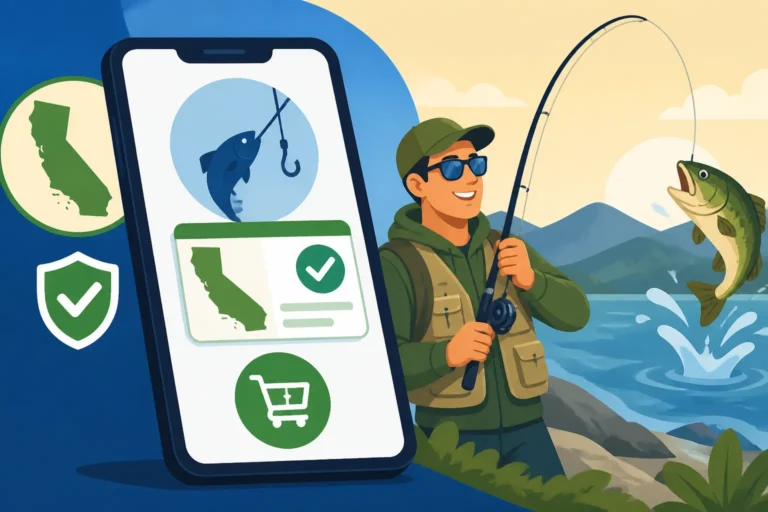
The easiest and often most convenient way to purchase your California fishing license is directly through the California Department of Fish and Wildlife's online licensing system. This digital platform allows you to purchase new licenses, renew existing ones, and add any necessary stamps or report cards from the comfort of your home, 24/7.
Here's how it generally works:
- Visit the CDFW Website: Navigate to the official CDFW licensing page.
- Create an Account or Log In: If you're a first-time purchaser, you'll need to create a customer account. Returning anglers can log in with their existing GO ID (a unique identification number assigned by CDFW).
- Select Your License Type: Choose between annual, one-day, two-day, or non-resident options.
- Add Stamps/Report Cards: During the process, you'll be prompted to add any required report cards (like for steelhead or sturgeon) or stamps (like the Ocean Enhancement Stamp) based on your planned fishing activities.
- Pay and Print/Save: After payment, you'll receive a temporary license that you can print immediately. You can also save a digital copy to your smartphone, which is increasingly accepted by wardens. Often, your official physical license card will be mailed to you later.
Purchasing online is generally quick and efficient, avoiding queues and ensuring you have your license before you even leave for your trip. You can also explore How to Buy a California Fishing License Online for a step-by-step guide.
Authorized License Agents
For those who prefer a more traditional, in-person experience or need immediate assistance, California has a vast network of authorized license agents. These agents are typically bait and tackle shops, sporting goods stores, and even some large chain retailers across the state. Places like Big 5 Sporting Goods or even some independent local shops will be able to process your license.
When visiting an agent, simply tell them what type of license you need, and they'll help you fill out the necessary information on their point-of-sale system. They can also advise you on any additional stamps or report cards you might need for local fishing. You'll receive your physical license immediately, which is great if you're making a last-minute decision to fish. Many anglers appreciate the personal interaction and local fishing advice that often comes with purchasing from a dedicated bait and tackle shop. You can find a list of California Fishing License Agents Explained on the CDFW website. It's often helpful to call ahead to confirm their hours and that their licensing system is operational.
What Information You'll Need
Regardless of whether you purchase online or in person, you'll need to provide some basic personal information to get your license. This typically includes:
- Full Name: Your legal first and last name.
- Date of Birth: To verify your age for license requirements and any age-based discounts (like for seniors).
- Physical Address: For mailing your physical license and for residency verification.
- Height and Weight: Standard identification details.
- Eye Color: Another standard identification detail.
- Driver's License or ID Number: Your California Driver's License number is commonly used as identification for residents. Non-residents may use their home state's driver's license or another government-issued ID.
- GO ID (if renewing): If you've purchased a license before, having your GO ID handy will speed up the process.
It's a good idea to have this information readily available to ensure a smooth and quick transaction. Having this information helps the CDFW keep accurate records for individual anglers, which is vital for enforcement and resource management. If you are having trouble getting a license, resources are available on sites like Amazon that sell guides and informational books about California fishing that sometimes include tips on navigating the license process, although you can't buy the license itself there.
Beyond the License: Other Essential California Fishing Regulations
A fishing license is your entry ticket, but it's crucial to understand that it's just one piece of the regulatory puzzle. California has an extensive set of rules designed to protect fish populations and ensure fair chase. Ignoring these can lead to penalties just as severe as fishing without a license. It’s not enough to simply have the license; you must also follow the code. For a broad overview, you should definitely read the California Fishing Regulations Explained guide.
Bag and Size Limits
Perhaps the most commonly encountered regulations, bag and size limits are critical for managing fish populations.
- Bag Limits: This specifies the maximum number of a particular species you can keep in one day. For example, you might be allowed to keep a certain number of rainbow trout or a specific quantity of rockfish. These limits are set based on scientific data about population health and reproductive rates. Exceeding a bag limit is a serious offense that contributes directly to overfishing.
- Size Limits: Many species have minimum or maximum size limits (or both, known as a "slot limit"). An undersized fish must be immediately released unharmed, as it hasn't had a chance to reproduce yet. Oversized fish might also need to be released, particularly for species like sturgeon, to protect large breeding adults. Always have a measuring device handy, like a tape measure, to ensure your catch is legal before deciding to keep it. The regulations can be highly specific, even differentiating between species within the same family, such as different types of rockfish. For specific details on common catches, check out California Halibut Size and Bag Limits or California Trout Limits and Regulations.
Season Dates and Closures
Fishing in California is a year-round activity in many places, but most species have specific seasons when they can be legally harvested. These seasons are implemented to protect fish during critical life stages, such as spawning, or to allow populations to recover.
- Open and Closed Seasons: Some species, like certain types of salmon or groundfish, have very specific open seasons that can vary year to year based on environmental conditions and population assessments. Other areas might have year-round open seasons for certain species.
- Area-Specific Closures: Beyond species-specific seasons, certain bodies of water or sections of rivers might be closed to fishing entirely or to specific gear types during certain times. This is common in salmon and steelhead spawning grounds or sensitive trout streams. For instance, the California Salmon Season Dates can change annually based on federal and state fishery council recommendations, making it vital to stay current.
Always check the current California Sport Fishing Regulations booklet (available online from CDFW or at license agents) or the CDFW website before you head out. Regulations are dynamic and can change seasonally or even mid-season if necessary. Having a copy of the regulations, perhaps a printed one or a digital PDF on a tablet or phone, is as important as your license. Many avid anglers purchase waterproof regulation guides or laminated cards from tackle shops or online at places like Amazon for easy reference on the water.
Marine Protected Areas (MPAs) and Special Waters
California has established an impressive network of Marine Protected Areas (MPAs) along its coastline. These are like underwater parks, designed to protect marine biodiversity and habitats.
- MPA Zones: MPAs come in different classifications, from "State Marine Reserves" (where all taking of marine life is prohibited) to "State Marine Conservation Areas" (where some recreational fishing may be allowed with specific restrictions). Fishing in a no-take MPA, even unintentionally, can result in severe penalties. It's absolutely crucial to know if your fishing spot falls within an MPA and what the specific rules are for that zone.
- Special Regulation Waters: In freshwater, certain lakes or river stretches are designated as "Special Regulation Waters." These areas often have unique rules regarding gear (e.g., "artificial lures only" or "barbless hooks only"), catch-and-release mandates, or specific season dates that differ from general statewide regulations. This is particularly common in sensitive trout streams or wild trout waters.
Always consult official California Marine Protected Areas Explained maps and specific regulation details for your intended fishing location. Ignorance of the rules is not considered a valid defense. Planning your trip means checking these maps and regulations first, not as an afterthought.
The Bigger Picture: Why Licensing Matters for California's Waters
When we talk about needing a fishing license, it’s easy to focus on the individual cost or the potential penalties. But stepping back, it's clear that the licensing system is a cornerstone of responsible natural resource management, crucial for ensuring that California's incredible fishing heritage endures. It’s an investment, not just a fee.
Funding Conservation and Management
At its core, the primary purpose of fishing licenses and related fees (like stamps and report cards) is to generate funding for the conservation and management of California's fish and wildlife resources. These funds are not funneled into a general state budget; by law, they are dedicated specifically to the California Department of Fish and Wildlife for programs that directly benefit fish and their habitats.
This includes essential activities such as:
- Fish Hatcheries and Stocking Programs: Ensuring healthy populations of popular species like trout and certain salmon are available for anglers.
- Habitat Restoration: Protecting and restoring critical spawning grounds, riparian zones, and marine ecosystems that fish rely on for survival.
- Scientific Research: Conducting studies to monitor fish populations, assess environmental impacts, and understand fish biology, which informs sustainable management practices.
- Law Enforcement: Funding game wardens and enforcement efforts to prevent poaching and ensure compliance with fishing regulations, protecting the resource for all legal anglers.
Without these dedicated funds, the health and abundance of California's diverse fisheries would inevitably decline, leading to fewer fishing opportunities for everyone. Every license purchased is a direct contribution to keeping our waters vibrant and full of life.
Protecting Fish Populations
Beyond funding, the licensing system and associated regulations are fundamental tools for protecting fish populations from overexploitation. When anglers purchase a license, they become part of a managed system that strives for sustainability. The data collected through report cards helps biologists understand catch rates, migration patterns, and overall population health. This information is invaluable for setting appropriate bag limits, size restrictions, and season closures, all of which are designed to prevent overfishing and allow fish populations to reproduce and thrive.
Imagine a world without these controls: unregulated fishing would quickly deplete fish stocks, leading to irreversible damage to ecosystems. The license system, therefore, acts as a mechanism to balance human enjoyment of a resource with the biological imperative to preserve that resource for future generations. It fosters a sense of collective responsibility among anglers for the health of the waters they enjoy.
Ensuring Sustainable Fishing for Future Generations
Ultimately, the licensing requirements in California are about ensuring that the rich tradition of fishing remains accessible and enjoyable for generations to come. From the serene solitude of a mountain stream to the bustling excitement of a party boat offshore, California offers unparalleled fishing diversity. But this diversity is not accidental; it's the result of decades of careful management, scientific research, and dedicated conservation efforts, largely funded by anglers themselves.
When you purchase a fishing license, you're not just buying the right to fish; you're buying into a legacy of conservation. You're supporting the very systems that make those memorable days on the water possible. It's a small price to pay for the privilege of enjoying one of California's most cherished outdoor activities and knowing that you're playing a part in protecting it for your children and grandchildren. So, the next time you're wondering, "Do I need a license to fish in California?", remember that it's not just about avoiding a fine; it's about being a responsible steward of our precious natural world.
Disclaimer
Please note that fishing regulations are subject to change. While this guide provides comprehensive information based on current understanding, it is always your responsibility to consult the latest official California Department of Fish and Wildlife (CDFW) regulations before engaging in any fishing activity. The CDFW website and their annual Sport Fishing Regulations booklet are the definitive sources for all current rules and requirements.