California Golden Trout Explained
There’s something truly magical about the California Golden Trout, isn't there? For many anglers, just the mention of these shimmering, jewel-toned fish conjures images of pristine alpine lakes, breathtaking mountain vistas, and challenging, rewarding days spent in the high country. But getting to know these elusive beauties, let alone successfully catching them, can feel like trying to solve a complex riddle amidst the towering peaks. This comprehensive guide is here to unravel the mysteries of the California Golden Trout, from their unique biology to the best ways to find, fish for, and protect them, ensuring your next High Sierra adventure is nothing short of golden.
What Exactly is a California Golden Trout?
When you first lay eyes on a California Golden Trout, it’s easy to understand why they’re considered one of the most beautiful freshwater fish in the world. Their vibrant colors and unique markings set them apart, making them a prize for any angler. But their beauty is more than skin deep; it tells a story of evolution in some of the most remote and stunning environments California has to offer.
A Unique Golden Legacy
The California Golden Trout, scientifically known as Oncorhynchus mykiss aguabonita, isn't just any trout. It's a subspecies of rainbow trout, but one that has evolved in isolation within the high-elevation streams and lakes of the Sierra Nevada mountains. This isolation, primarily in the South Fork Kern River and Golden Trout Creek drainages, is what gave them their distinctive coloring and adapted them perfectly to their harsh, yet beautiful, habitat. They are actually California's official state freshwater fish, a testament to their significance and unique heritage. Think about that for a moment: a fish so special, it represents the entire state!
Originally, these trout were found in very specific, high-altitude creeks, often above 10,000 feet, which were naturally protected from invasive species by waterfall barriers. Over time, through diligent stocking efforts in the late 19th and early 20th centuries, their range was expanded to many other high mountain lakes and streams throughout the Sierras, primarily to provide additional recreational fishing opportunities. This history of isolation and subsequent translocation has shaped their current distribution and conservation status. Understanding their origins helps us appreciate not just their appearance, but also the delicate balance of their ecosystem.
Physical Characteristics and Identification
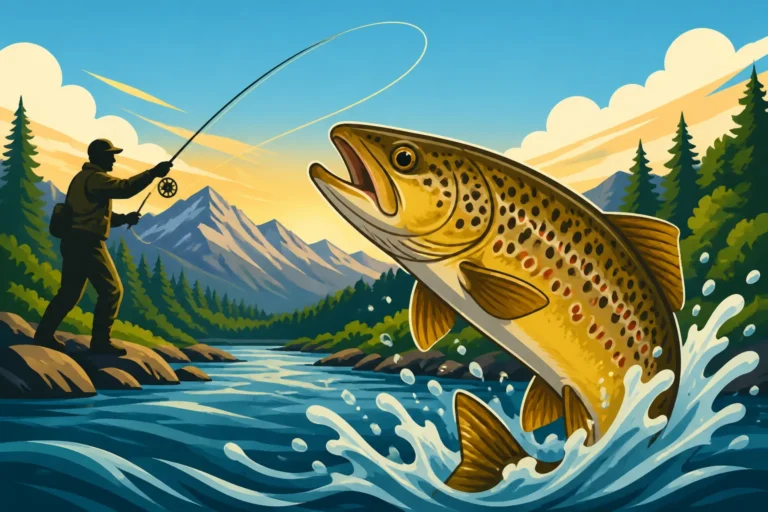
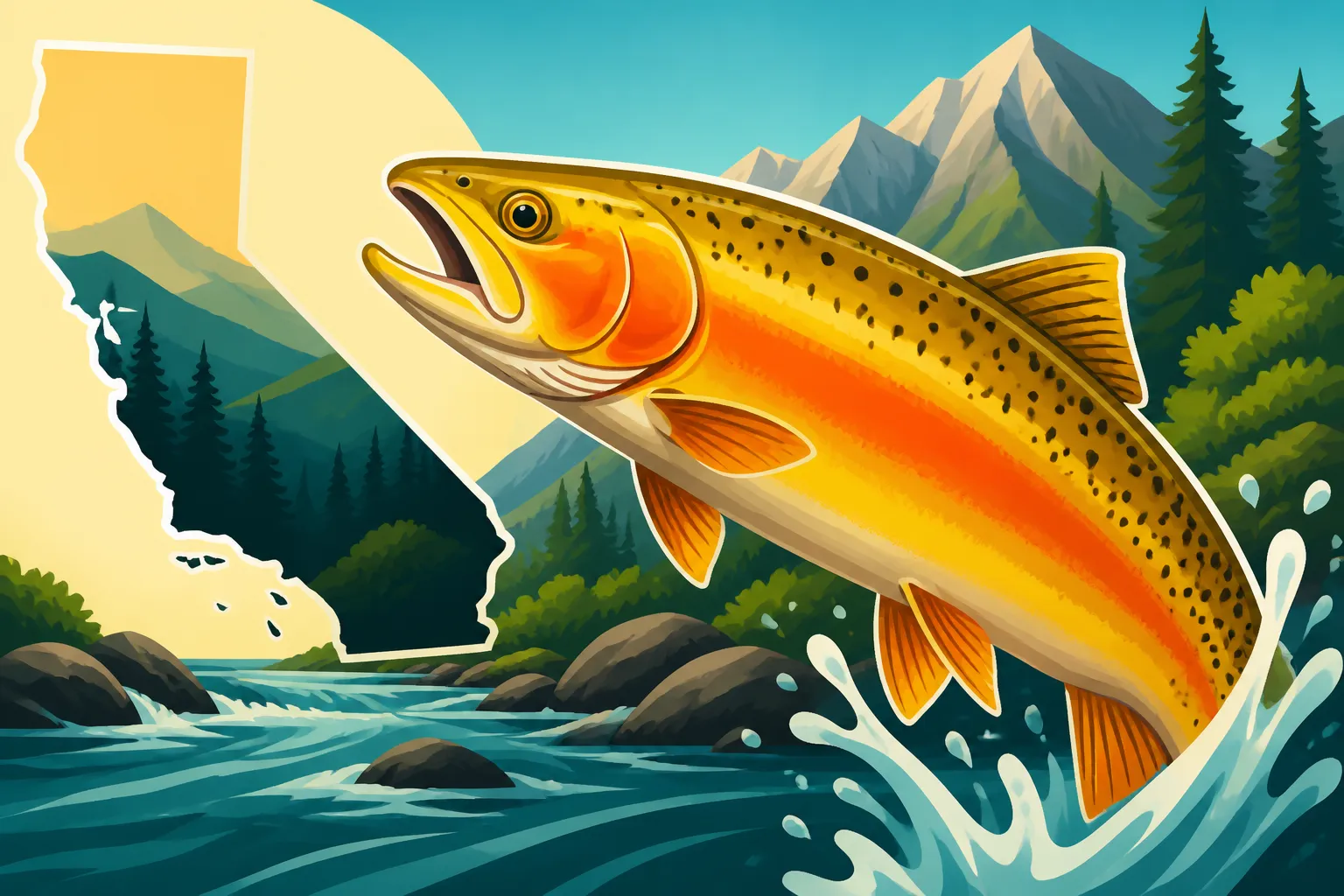
Identifying a California Golden Trout is usually a thrill. You'll know it when you see one! They boast an unmistakable palette of colors: a brilliant golden-yellow belly and sides that fade into an olive-green back. Two prominent, cherry-red stripes run along their flanks, separated by a series of oval, parr-like marks (though these can fade in older fish). Their fins are often tipped with white or orange, and their cheeks are a vibrant golden-red. Unlike other trout, their spots are typically confined to the dorsal fin and tail, and are generally small and faint, if present at all on their body.
Size-wise, they tend to be smaller than their rainbow trout cousins, especially in their native high-altitude, nutrient-poor waters. A typical golden trout caught in the backcountry might range from 6 to 12 inches, though larger specimens of 15 inches or more are occasionally found in certain lakes with richer food sources or hybrid populations. Their sleek, streamlined bodies are perfectly adapted for navigating the clear, cold, and often fast-moving waters of their mountain homes. Seeing one shimmer in the crystal-clear water before you is truly an unforgettable sight. It’s no wonder they inspire so much passion among anglers!
Where to Find These Golden Gems
The hunt for California Golden Trout isn't just about fishing; it's an adventure into some of California's most pristine wilderness. These fish thrive in specific environments, and knowing where to look is half the battle.
The High Sierra Strongholds
If you’re dreaming of catching a true California Golden Trout, you need to set your sights on the High Sierra. Their native range includes the upper reaches of the South Fork Kern River, Golden Trout Creek, and the Kern River tributaries, all nestled within the rugged beauty of Sequoia National Park and Golden Trout Wilderness. These are the ancestral waters, where the fish have existed for millennia, displaying their purest genetic strain. Accessing these areas often means multi-day backpacking trips, traversing challenging terrain, and reaching elevations well over 9,000 feet. It’s not for the faint of heart, but the reward of solitude, untouched nature, and the chance to catch a genuine native golden is unparalleled.
Beyond their native drainages, golden trout have been successfully introduced into hundreds of other high-altitude lakes and streams throughout the Sierra Nevada range, extending from Yosemite National Park south through Kings Canyon and Sequoia National Parks, and into the John Muir Wilderness. Many of these transplanted populations have thrived, creating incredible fishing opportunities for those willing to trek into the backcountry. Places like the Cottonwood Lakes Basin near Mount Whitney, various lakes in the Dusy Basin, and parts of the Rae Lakes Loop are legendary for their golden trout populations. For more specific location ideas, checking out a guide on the Best High Sierra Alpine Lakes for Trout can point you in the right direction. The sheer scale and remoteness of these areas mean that even experienced anglers can spend a lifetime exploring and discovering new golden trout haunts.
Stocked Waters and Hybrid Zones
While the pursuit of native golden trout in remote wilderness areas is a dream for many, there are also opportunities to catch golden trout in more accessible, stocked waters. The California Department of Fish and Wildlife (CDFW) occasionally stocks golden trout or golden rainbow trout hybrids in some lakes and reservoirs that are more easily reached by road or shorter hikes. These fish often grow larger due to more abundant food sources. However, it’s important to understand that these stocked fish might not possess the same vibrant colors or pure genetic lineage as their wild, native counterparts. Always check the current California Trout Stocking Schedule to see where and when these opportunities might arise.
You might also encounter "hybrid" populations, particularly where golden trout have been introduced into waters already inhabited by rainbow trout. When these two subspecies interbreed, the offspring can display a mix of characteristics, often resulting in fish that are less intensely golden and may have more spots than a pure golden trout. While still beautiful and fun to catch, these hybrids don't carry the same genetic significance as the wild golden trout. For anglers focused on conservation or those seeking the truly authentic experience, understanding the difference between native, stocked, and hybrid populations is crucial. The California Fishing Regulation Booklet Explained offers details on specific water bodies and any unique regulations that might apply to these different populations.
The Challenge and Rewards of Golden Trout Fishing
Fishing for California Golden Trout isn't your everyday fishing trip; it's an immersive experience that demands preparation, patience, and a deep appreciation for the natural world. The challenges are numerous, but the rewards are truly golden.
Best Seasons and Times to Fish
The short season is one of the biggest challenges for golden trout enthusiasts. Because their habitats are locked in the high country, accessibility is limited by snowpack. Generally, the prime season for golden trout fishing runs from late June or early July, once the high-elevation trails are clear of snow, through September. Some years, heavy snow can push the opening even later, sometimes into August for the highest passes. Once October rolls around, the temperatures drop, days shorten, and the fish become less active as they prepare for winter. The window is tight, so planning your trip well in advance is essential.
Within this narrow season, timing your actual fishing day matters. Golden trout are generally most active during the cooler parts of the day. Early mornings, from sunrise until about 10 AM, and late afternoons, from 4 PM until sunset, are typically the most productive. During the bright, high-sun hours of midday, these fish often retreat to deeper, cooler waters or seek shade under rocks and banks. However, if an afternoon thunderstorm rolls in, or it’s a cloudy day, the fish might stay active longer. Always keep an eye on the weather; the High Sierra can change in an instant! If you're planning a trip, looking at a California Fishing Seasons: Month-by-Month Guide can help you pinpoint the ideal window for the specific area you have in mind.
Essential Gear for High-Altitude Angling
Tackling the High Sierra for golden trout requires a thoughtful approach to your gear. You're not just bringing fishing equipment; you're equipping yourself for a wilderness expedition.
First and foremost, a lightweight backpack is crucial. You’ll be hiking, often for miles, and every ounce counts. As for fishing tackle, simplicity and portability are key. A lightweight fly rod, typically a 2 or 3-weight in a 7.5 to 8.5-foot length, is perfect. Pair this with a matching reel and a floating fly line. Don't forget extra leader and tippet (2x to 5x is usually good). For flies, think small and imitative. Dry flies like Parachute Adams, Royal Wulff, Elk Hair Caddis, and small terrestrials (ants, hoppers) in sizes 14-18 are usually very effective. For subsurface action, small nymphs like Gold Ribbed Hare’s Ear, Prince Nymph, and Pheasant Tail in sizes 16-20 can also produce. Sometimes, if the fish are really keyed in, tiny streamers like Woolly Buggers or micro-jigs can work.
Spin anglers can find success with ultralight spinning gear. A 5 to 6-foot ultralight rod with a small spinning reel spooled with 2-4 pound test line is ideal. Small spinners (Panther Martin, Mepps, Rooster Tail) in sizes #0 to #2 are deadly. Micro jigs or even a small piece of worm under a bobber can also entice bites. Remember, these fish are often in pristine, clear water and can be spooky, so light line and a stealthy approach are essential.
Beyond fishing gear, wilderness essentials are paramount. High-quality hiking boots, layered clothing (temperatures can swing wildly), a map and compass or GPS device (know how to use it!), water filter or purification tablets, food, sun protection, and a first-aid kit are non-negotiable. Don't forget bear canisters if camping overnight in designated wilderness areas, as required by the US Forest Service or National Park Service. You can often find a lot of these specialized items, from ultralight backpacking gear to specific fly patterns, available on Amazon.
Recommended Golden Trout Fishing Gear
| Category | Item | Key Features for Golden Trout |
|---|---|---|
| Rods | Fly Rod (2-3 wt, 7.5-8.5 ft) | Lightweight for backpacking, sensitive enough for small fish, good for delicate presentations. |
| Ultralight Spinning Rod (5-6 ft) | Short and light for accurate casting in tight spaces, sensitive tip for light bites. | |
| Reels | Lightweight Fly Reel | Balances rod, smooth drag for light tippets. |
| Small Spinning Reel (500-1000 size) | Smooth drag, minimal line twist, handles light mono/fluoro. | |
| Line | Floating Fly Line (WF or DT) | Essential for dry fly presentation. |
| Monofilament/Fluorocarbon (2-4 lb test) | Low visibility, good knot strength for ultralight spinning. | |
| Leaders/Tippets | Tapered Fly Leader (7.5-9 ft, 2x-5x) | Delicate presentation, good turnover. |
| Tippet Spool (3x-6x) | Match to conditions, allows for longer, finer leader adjustments. | |
| Flies | Dry Flies (Parachute Adams, Royal Wulff, Caddis, Ants) | Sizes #14-18, for surface feeding. |
| Nymphs (Hare's Ear, Prince, Pheasant Tail) | Sizes #16-20, for subsurface feeding. | |
| Micro Streamers (Woolly Bugger, Crystal Bugger) | Small sizes, for aggressive fish or larger water. | |
| Lures | Small Spinners (Panther Martin, Mepps, Rooster Tail) | Sizes #0-#2, natural colors, single barbless hooks recommended. |
| Micro Jigs | Small, weighted jigs, often tipped with bait. | |
| Bait | Small Worms/PowerBait | Minimal, as many areas are artificial lure/fly only; check regulations carefully. |
| Essentials | Wading Boots/Shoes | Good grip on slippery rocks, quick-drying. |
| Polarized Sunglasses | Spot fish, reduce glare, eye protection. | |
| Nippers, Hemostats, Net (rubber mesh) | For hook removal, line cutting, and safe handling. | |
| Backpacking Gear (Tent, Sleeping Bag, Cookware, Food) | For multi-day trips. | |
| Navigation (Map, Compass, GPS, Phone with downloaded maps) | Crucial for safety in remote areas. | |
| First-Aid Kit, Sunscreen, Insect Repellent | Personal safety and comfort. | |
| Bear Canister (if camping in designated wilderness) | Required in many Sierra wilderness areas. |
Techniques for Tricky Trout
Golden trout are often found in crystal clear, shallow water, making them incredibly wary. Stealth is your best friend. Approach fishing spots slowly, keeping a low profile, and avoid casting a shadow over the water. Long casts are often necessary to avoid spooking fish. For fly anglers, delicate presentations are key. Dry fly fishing is often the most exciting method, especially during hatches or when terrestrials are abundant. Cast your dry fly upstream and let it drift naturally with the current, mending your line to avoid drag. When fish are not rising, fishing nymphs under a strike indicator or using a dry-dropper rig can be very effective. Remember, a good California Fly Fishing Guide can provide more advanced techniques specific to trout in these conditions.
Spin anglers should focus on small, natural-looking lures. Cast upstream or across the current and retrieve slowly, just fast enough to get the spinner blade turning. Experiment with retrieve speeds and depths until you find what triggers a strike. Many high mountain lakes have very little cover, so targeting rocky points, drop-offs, or areas with submerged vegetation can be productive. Keep in mind that many specific waters, especially within national parks and designated wilderness areas, have special regulations. For instance, some lakes might be "artificial lures and flies only" or "catch-and-release only." Always check the specific California Fishing Regulations Explained for the area you plan to visit before you cast your first line.
Conservation Efforts and Ethical Angling
The California Golden Trout is a symbol of California's natural heritage, but like many native species, it faces threats. Protecting these magnificent fish and their pristine habitats is paramount, and every angler plays a critical role.
Protecting a Native Treasure
The unique genetic purity of the California Golden Trout is constantly under threat from hybridization with non-native rainbow trout, habitat degradation, and climate change. Over a century ago, the practice of stocking non-native trout into golden trout waters led to significant hybridization, diluting the pure genetic strains. Thankfully, modern conservation efforts, led by organizations like the California Department of Fish and Wildlife (CDFW) and various environmental groups, are working tirelessly to reverse this trend. Projects often involve electrofishing to remove hybrid and non-native trout from key golden trout streams and lakes, followed by replanting genetically pure golden trout.
Furthermore, protecting their high-altitude habitat is crucial. Climate change poses a long-term threat by potentially altering water temperatures and flows, impacting the delicate ecosystems where golden trout thrive. Anglers can contribute by practicing Leave No Trace principles, minimizing their impact on fragile alpine environments, and supporting conservation organizations. Knowing the difference between a pure golden trout and a hybrid can also inform your fishing practices, helping to preserve the integrity of native populations. Remember, the journey to catch a golden trout is about more than just the fish; it's about valuing the untouched wilderness it represents.
Catch and Release Best Practices
Because of their conservation status and the delicate nature of their high-altitude habitats, practicing responsible catch and release is highly encouraged, if not outright required in some areas. To maximize the survival rate of released fish, follow these guidelines:
- Use Barbless Hooks: Crushing the barb on your hooks or using hooks that are already barbless makes removal much easier and reduces injury to the fish's mouth. Many fishing tackle suppliers, including options found on Amazon, offer barbless hooks.
- Minimize Handling: Try to keep the fish in the water as much as possible. If you must handle it, do so with wet hands and support its body, especially if it's a larger fish. Avoid squeezing or touching its gills.
- Quick Release: The longer a fish is out of water, the lower its chances of survival. Remove the hook gently and quickly, using forceps or hemostats if necessary.
- Revive If Needed: If the fish seems sluggish, hold it gently in the water, facing into the current, until it regains strength and swims away on its own.
- Check Regulations: Always consult the current California Fishing Regulations Explained for the specific body of water you're fishing. Some areas have specific restrictions on harvest, tackle, or are strictly catch and release. This also ties into knowing your California Fishing License Guide and understanding the California Catch-and-Release Rules for various species.
By adhering to these practices, you ensure that future generations of anglers can also experience the thrill of catching these magnificent fish in their wild, golden splendor.
Planning Your Golden Trout Adventure
Embarking on a golden trout fishing trip is often a multi-day backpacking expedition. It requires careful planning, not just for the fishing itself, but for a safe and enjoyable wilderness experience.
Accessing Remote High Sierra Lakes
Accessing the prime golden trout waters typically means venturing deep into the High Sierra wilderness. Most of these locations are not accessible by road, requiring a significant hike, sometimes covering dozens of miles with elevation gains of thousands of feet. Trailheads like those near Lone Pine for the Cottonwood Lakes or various entry points in the John Muir Wilderness (e.g., Bishop Pass, North Lake) serve as popular starting points. Before you even think about packing your rod, you need to plan your route, assess your physical fitness, and understand the demands of high-altitude trekking.
Navigation is paramount in these remote areas. Carrying a detailed topographical map, a compass, and knowing how to use them is non-negotiable. A reliable GPS device or a smartphone with downloaded offline maps (and a portable charger!) can also be incredibly helpful. Be prepared for rapidly changing weather conditions; sunny skies can give way to hail, snow, or thunderstorms in a matter of hours, even in summer. Layered clothing, waterproof outerwear, and proper backcountry safety gear are critical. Always inform someone of your itinerary and expected return date, and consider hiking with a buddy, especially if you're venturing into extremely remote territory. Remember, rescue can be hours, or even days, away.
Permits, Licenses, and Regulations
Before you even step foot on a trailhead, you need to make sure your paperwork is in order. First, you'll need a valid California Fishing License Guide for the current year. This is standard for anyone aged 16 or older who plans to fish in California's public waters. You can often purchase these online or from authorized vendors.
For most multi-day trips into the High Sierra wilderness, especially within National Parks (Sequoia, Kings Canyon, Yosemite) and designated Wilderness Areas (John Muir Wilderness, Golden Trout Wilderness), you will also need a Wilderness Permit. These permits are usually required for overnight stays and are often quota-controlled, especially for popular trailheads during peak season. You'll need to apply for these well in advance, sometimes months ahead of your trip, through recreation.gov or the specific National Park or Forest Service website. These permits help manage visitor impact and ensure the preservation of these fragile ecosystems.
Beyond the general fishing license and wilderness permit, it’s critical to review the specific fishing regulations for the particular body of water you intend to fish. The rules can vary widely from general statewide California Freshwater Fishing Regulations to highly specific rules for certain lakes or streams. These may include special gear restrictions (e.g., artificial lures and flies only, barbless hooks only), catch-and-release requirements, or specific size and bag limits. The CDFW website is your best resource for this, and reviewing the California Fishing Regulation Booklet Explained annually is a smart habit for any serious angler. Failing to adhere to these rules can result in hefty fines and penalties.
The Golden Trout Experience: More Than Just Fishing
While the primary goal might be to catch a golden trout, the true value of these trips extends far beyond the bend in your rod. It’s about the journey, the surroundings, and the connection you forge with nature.
Connecting with Nature
There's something profoundly spiritual about being in the High Sierra. The crisp, clean air, the scent of pine and granite, the absolute silence broken only by the chirping of a pika or the rush of a distant waterfall—it’s an antidote to the hustle and bustle of modern life. A golden trout adventure forces you to slow down, to be present, and to truly appreciate the raw, untamed beauty of California’s wilderness. The panoramic views from mountain passes, the vibrant wildflowers blooming in meadows, the crystal-clear waters reflecting the towering peaks—these are the moments that truly enrich the soul.
Watching a golden trout sip a dry fly from the surface of an alpine lake, with no signs of human development in sight, is an unparalleled experience. It's a reminder of what wildness still exists and why it's so important to protect it. Many anglers find that these trips are less about the number of fish caught and more about the quality of the experience, the solitude, and the challenge of navigating and living in such a majestic environment. It truly underscores the magic of the California Fishing License Guide and the opportunities it unlocks.
The Joy of the High Sierra Journey
Every step of a golden trout trip contributes to its unique charm. The planning, the training, the excitement of hitting the trailhead, the physical exertion of ascending mountain passes, the awe of seeing a new lake, and the camaraderie with fellow adventurers (if you're not going solo) all weave together to create an unforgettable narrative. It’s a chance to test your limits, to problem-solve in real-time, and to disconnect from screens and reconnect with yourself and the natural world.
These journeys often lead to unexpected encounters—a deer grazing at dusk, an eagle soaring overhead, or even just the stunning simplicity of a Sierra sunset painting the peaks in hues of orange and purple. The golden trout is indeed a jewel, but it’s the entire setting—the high alpine lakes, the granite peaks, the vast wilderness—that makes pursuing them such a profoundly rewarding experience. It's a journey that builds character, creates lasting memories, and fosters a deep appreciation for one of California's most precious natural resources. It’s an adventure that stays with you long after you’ve left the mountains.
Disclaimer
Please remember that fishing regulations and wilderness permit requirements are subject to change. Always consult the latest official resources from the California Department of Fish and Wildlife and the appropriate National Park or Forest Service before planning your trip. Practice Leave No Trace principles to protect these fragile environments for future generations.