Barracuda in California: Where and How to Catch
There's nothing quite like the electrifying strike of a California barracuda, often feeling like your rod just got ripped out of your hands! For many anglers, these sleek, toothy predators represent an exciting challenge, yet knowing where to find them and how to entice them can sometimes feel like trying to solve a cryptic puzzle. This comprehensive guide is designed to demystify barracuda fishing in California, helping you understand their habits, preferred habitats, and the most effective techniques to get them on your line.
Understanding California Barracuda: The "Saltwater Pike"
California barracuda are magnificent creatures, renowned for their incredible speed and aggressive feeding habits. If you're new to targeting them, or even if you've had a few frustrating outings, getting to know these fish on a deeper level is the first step to consistent success. They're not just another fish; they're an experience.
What Makes Barracuda a Unique Target?
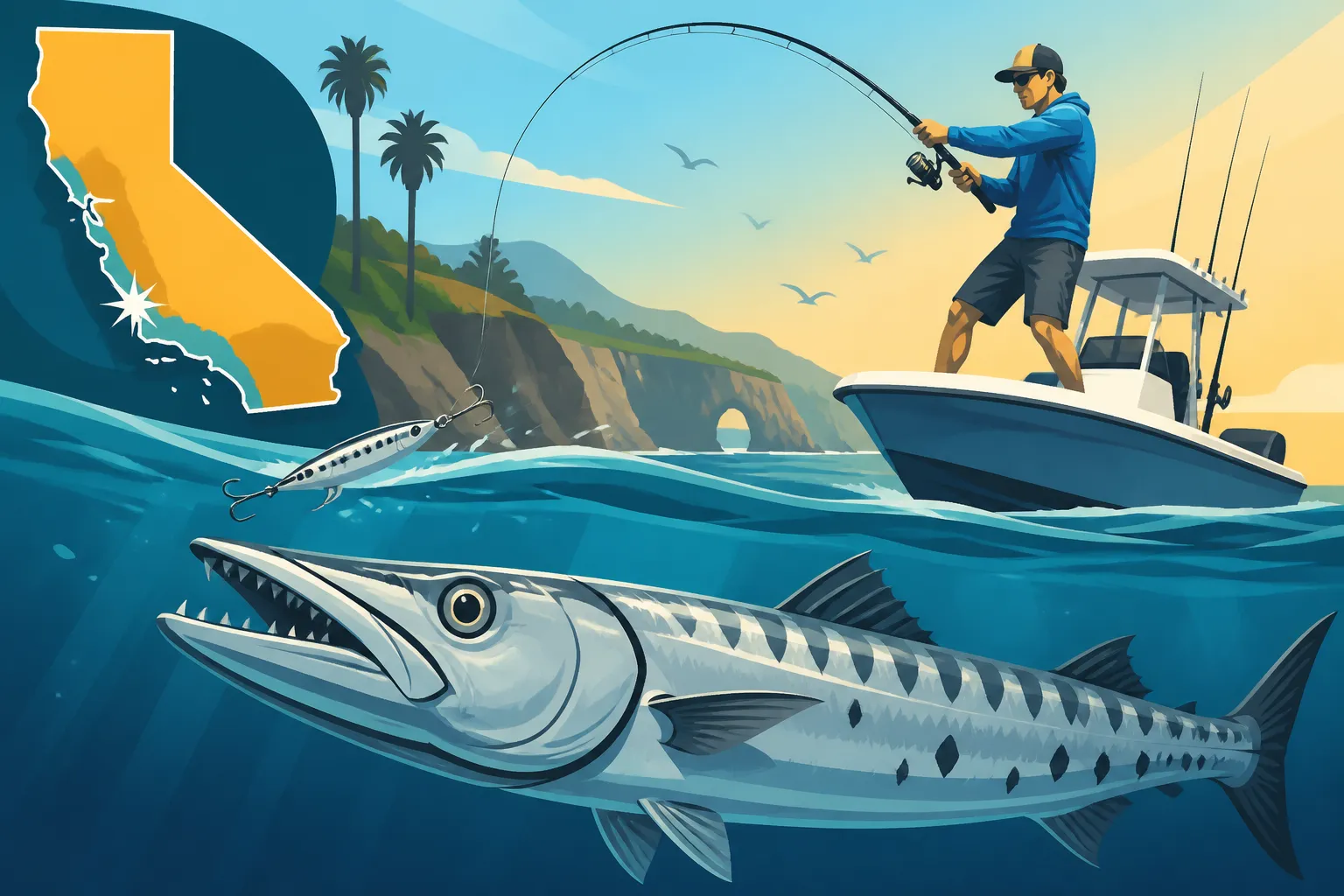
Imagine a fish that’s built for speed, with a long, torpedo-shaped body, and armed with a set of teeth that could make a piranha blush. That's your California barracuda. They're often affectionately, and accurately, referred to as the "saltwater pike" due to their similar ambush predation style and formidable dental work. Their aggressive nature means they'll often hit a lure or bait with a ferocity that can startle even seasoned anglers, making for an adrenaline-pumping fight.
When a barracuda decides to strike, it's usually with a full-force commitment. They'll either smash your lure with incredible speed, or slash at bait with surgical precision. This isn't a subtle nibble; it's a decisive, powerful attack. Their fighting style is characterized by short, powerful runs and headshakes, trying to throw the hook. And those teeth? They're designed to snip, shred, and hold prey, which means any weak link in your tackle can result in a quick escape. Understanding their predatory instincts is key to presenting your offerings effectively and choosing the right gear to stand up to their challenge.
Key Identification and Characteristics
Identifying a California barracuda is pretty straightforward once you've seen one. They boast an unmistakable profile: a long, slender, cylindrical body, typically silver on the sides fading to a darker, iridescent blue-green on their back. Their most distinctive features are their incredibly prominent lower jaw, which extends beyond the upper jaw, and the array of razor-sharp, conical teeth lining both. These teeth are visible even when their mouth is closed, giving them a perpetually menacing grin.
In California, these barracuda typically range from 2 to 5 pounds, but it's not uncommon to hook into a larger specimen pushing 10-15 pounds, especially in prime conditions. While they might not be the largest fish in the ocean, their length and fighting spirit make them feel substantial on the line. They are an oceanic species, but they frequently venture into coastal waters, kelp beds, and even large bays and harbors, especially when baitfish are abundant and water temperatures are to their liking. Knowing their average size helps in selecting appropriate tackle, ensuring you're ready for whatever size "cuda" decides to bite.
Where to Find Barracuda in California Waters
Barracuda are widely distributed along the California coast, but they do have their preferred hangouts. Knowing these hotspots, and understanding why barracuda congregate there, will dramatically increase your chances of a successful outing.
Coastal Waters and Nearshore Structures
The Southern California coast is undoubtedly the epicenter for barracuda fishing. From San Diego up through Orange County and the greater Los Angeles area, these fish patrol the waters, especially where there's good structure or ample bait. Kelp beds are absolute barracuda magnets. These underwater forests provide perfect ambush points for barracuda to hide and dart out at unsuspecting baitfish like sardines and anchovies. If you're on a boat, working the edges of kelp paddies or drifting through open lanes within the kelp can be incredibly productive.
Beyond kelp, look for barracuda around shallow reefs, submerged rocks, and any other type of nearshore structure that provides cover and attracts bait. Transition zones, where warmer offshore water masses meet cooler nearshore currents, can also be hotbeds for barracuda, as these temperature breaks often concentrate baitfish. Many local charter boats, particularly those running "half-day" or "three-quarter day" trips, will target these exact areas. For more details on finding prime locations, check out our guide on the Best Saltwater Fishing Spots in California.
Bays, Harbors, and Inshore Environments
While often associated with open ocean and kelp, barracuda also make significant forays into California's large bays and harbors, especially during the warmer months. They're drawn into these inshore environments by massive schools of baitfish that seek refuge and food within the calmer waters. Locations like San Diego Bay, Newport Harbor, and Long Beach Harbor can host surprisingly large numbers of barracuda, offering excellent opportunities for both boat and shore anglers.
Pier fishing for barracuda is another fantastic option, making it accessible to anglers without a boat. Piers such as the Santa Monica Pier, Redondo Beach Pier, and Oceanside Pier often have periods where barracuda congregate within casting distance. The pilings and surrounding structures provide ideal hunting grounds. When fishing these areas, pay attention to current lines and baitfish activity, as barracuda are rarely far from their food source. If you're planning a trip to one of these spots, our article on the Best Fishing Piers in California has more tips.
Seasonal Movements and Best Times
Barracuda are primarily a warm-water species, which means their presence in California is highly seasonal. The prime time to target them generally runs from late spring through early fall, roughly May through October. As ocean temperatures warm up, these fish become more active and push closer to shore, following the migrating baitfish schools.
Water temperature is a critical factor. Barracuda prefer water temperatures typically above 60-62 degrees Fahrenheit (15-17 degrees Celsius). If you're seeing water temps dip below that, especially for extended periods, the barracuda might move further offshore or south. Local fishing reports are your best friend here; they provide real-time updates on where the barracuda are biting and what the water conditions are like. You can also get a good sense of when different species are active by consulting our California Fishing Seasons: Month-by-Month Guide. During a strong El Niño year, when ocean temperatures are unusually warm, barracuda can show up earlier and stay later, sometimes even into early winter in some areas.
| Location Type | Typical Season | Key Features | Access Methods |
|---|---|---|---|
| Kelp Beds | Late Spring-Fall | Baitfish, Structure | Boat (private/charter) |
| Nearshore Reefs | Late Spring-Fall | Baitfish, Structure | Boat (private/charter) |
| Large Bays/Harbors | Summer-Early Fall | Baitfish, Warmer Water | Boat, Pier, Shore |
| Open Coastline | Late Spring-Fall | Baitfish Schools | Boat, Kayak |
Essential Gear and Tackle for Barracuda Fishing
Getting your tackle right for barracuda isn't just about catching fish; it's about minimizing frustration. Their sharp teeth and aggressive strikes demand specific considerations.
Rod, Reel, and Line Setups
When it comes to barracuda, you want a setup that's robust enough to handle their strong runs and sharp teeth, but sensitive enough to cast lighter lures and feel subtle bites.
- Rods: A medium-light to medium-heavy spinning or conventional rod, typically 7 to 8 feet in length, is ideal. The longer rod helps with casting distance, which can be crucial when barracuda are busting bait just out of reach. For casting lures, a fast action rod will give you the backbone to set the hook firmly. If you're primarily live bait fishing, a slightly softer tip can be advantageous.
- Reels: A reliable spinning reel in the 4000-6000 series size is perfect for most barracuda applications, especially if you're casting lures from shore or a pier. For boat fishing, a small conventional reel, like a Penn Squall or a Shimano Torium 10/12, spooled with braid, gives you excellent cranking power and line capacity for those longer runs.
- Line: Spool up with 15-25 lb test monofilament or braided line. Braided line offers superior casting distance and sensitivity, allowing you to feel even the slightest tap. If you use braid, a top shot of monofilament (15-20 feet) or a fluorocarbon leader is absolutely crucial. Barracuda have excellent eyesight, and the low visibility of fluorocarbon can make a big difference, especially in clear water. Plus, fluorocarbon offers some abrasion resistance, though it's not foolproof against their teeth.
Lures, Baits, and Rigs
This is where you can have a lot of fun, as barracuda respond well to a variety of presentations.
- Live Bait: Sardines, anchovies, and small mackerel are the gold standard. Rig them on a single hook, often size 2/0 to 4/0, either through the nose or lightly through the back to keep them lively. Fly-lining a live bait with no weight is a deadly technique, allowing the bait to swim naturally.
- Artificial Lures:
- Surface Iron/Jigs: Classic California lures like the "Kastmaster" or similar metal jigs (e.g., Megabait, Tady) are incredibly effective. A fast, erratic retrieve mimics a fleeing baitfish perfectly. Colors like chrome, blue/white, and green/yellow are consistent producers.
- Swim Baits/Soft Plastics: Long, slender soft plastics, often referred to as "slug-go" style lures, rigged weedless or on a weighted hook, can be irresistible. Work them with twitches and pauses to imitate an injured baitfish. Brands like Berkley Gulp! or Yamamoto Senko can work well.
- Spoons: Similar to surface iron, spoons like the Krocodile or other casting spoons can be effective, especially when barracuda are feeding on smaller bait.
- Wire Leaders: This is perhaps the most important piece of terminal tackle. Barracuda teeth are no joke. A short section (6-12 inches) of single-strand or multi-strand wire leader (20-30 lb test) tied directly to your lure or hook is highly recommended. Without it, you'll be constantly losing tackle to their sharp choppers. Many anglers prefer a dark brown or black wire to be less visible. You can find a good selection of various leader materials and pre-made wire leaders on Amazon.
Essential Accessories
Beyond your rod and reel, a few key items will make your barracuda fishing safer and more enjoyable.
- Pliers/Fish Grippers: These are non-negotiable. Do not try to handle a barracuda by hand. Their teeth are incredibly sharp, and a struggling fish can inflict serious injury. Long-nosed pliers are great for hook removal, and a sturdy fish gripper (like a BogaGrip or similar) allows you to safely control the fish without touching its body. You can easily find these essential tools on Amazon.
- Dehooker: Especially for catch and release, a dehooker minimizes handling time and injury to the fish.
- Cutting Tools: Wire cutters are essential for working with wire leaders. A sharp knife is also useful for cutting bait or line.
- Gloves: A good pair of fishing gloves can protect your hands from scrapes, sun, and yes, even incidental contact with sharp teeth.
- Cooler and Ice: If you plan on keeping your catch, immediately bleeding and icing the barracuda will ensure the best possible table fare.
- Sun Protection: California sun can be intense. A wide-brimmed hat, polarized sunglasses (which also help spot fish!), and high-SPF sunscreen are vital.
Effective Techniques for Catching Barracuda
Barracuda are opportunistic predators, but they do respond best to certain presentations. Mastering these techniques will put you in a prime position to hook up.
Casting and Retrieving Lures
This is probably the most common and exhilarating way to catch barracuda.
- Speed is Key: When throwing surface iron or jigs, a fast, almost burn-back retrieve is often the most effective. Barracuda are drawn to fast-moving, fleeing bait. Cast your lure as far as you can, let it sink for just a second or two, then reel it in quickly, keeping your rod tip up slightly. Don't be afraid to add erratic twitches or pauses to mimic a struggling baitfish; sometimes that subtle change in retrieve speed is all it takes to trigger a strike.
- Targeting Boils and Breezing Fish: Keep an eye on the water for signs of feeding activity. Birds diving, baitfish scattering, or actual "boils" on the surface are all indicators that barracuda are actively hunting. Cast directly into or just past these disturbances. Sometimes barracuda will "breeze" or swim just below the surface in schools, creating a ripple effect. Casting ahead of these schools and retrieving through them can result in multiple hookups.
- Working Structure: When fishing around kelp beds or other structure, cast your lures parallel to the edges or into open lanes. Barracuda often hide within the cover, waiting to ambush prey moving along the perimeter. A strategic cast near a kelp paddy can often entice a barracuda to shoot out and grab your offering.
Live Bait Fishing Strategies
When the barracuda are picky, or if you prefer a more natural presentation, live bait can be deadly.
- Fly-Lining: This is arguably the most effective live bait technique for barracuda. Hook a lively sardine or anchovy through the nose or back, and cast it out with no weight. Let the bait swim freely. The natural movement of the baitfish is often irresistible. Keep a loose drag and be ready for a rapid takeoff when the barracuda strikes. This method is particularly effective when barracuda are spread out or being wary.
- Dropper Loop Rigs: If you need to get your bait down a bit deeper, especially when fishing near the bottom or in stronger currents, a dropper loop rig with a sinker at the bottom and a short leader with a hook above it can work well. This allows your live bait to swim enticingly while staying in the strike zone.
- Slow Trolling: On a boat, slow trolling live or dead bait (like a strip of mackerel) can cover a lot of ground and locate schools of barracuda. Maintain a slow speed, just enough to give the bait a natural swimming action.
- Chumming: Sometimes, a bit of chum (small pieces of cut bait) can draw barracuda closer to your boat or position, especially if they are a bit scattered. Throw a handful of chum into the water every few minutes to create a scent trail and attract fish.
Pier and Shore Fishing Tactics
Fishing from shore or a pier requires slightly different tactics but can be just as rewarding.
- Casting Distance and Current: From a pier, casting distance is often crucial. Use heavier jigs or lures that can be cast a good distance and sink quickly. Pay attention to current seams around the pier pilings, as these are natural ambush points for barracuda.
- Best Times: While barracuda can be caught throughout the day, dawn and dusk often provide the best action from shore or piers. The lower light conditions can make them more aggressive feeders. Overcast days can also be productive.
- Safety First: When pier fishing, be mindful of other anglers. Always use caution when swinging in a barracuda, as their teeth can be dangerous. Keep a pair of pliers handy for immediate hook removal once the fish is on the deck. Our guide on Fishing from a Pier in California: Rules has more detailed safety tips.
Regulations, Safety, and Handling
Before you even cast a line, it's vital to be familiar with California's fishing regulations, not only to stay legal but also to ensure you're contributing to sustainable fishing practices. Safety is also paramount, especially when dealing with a fish as toothy as a barracuda.
California Barracuda Regulations
The California Department of Fish and Wildlife (CDFW) sets the rules for all sport fishing in the state. For California barracuda, the regulations are generally straightforward, but it's always smart to double-check the latest California Fishing Regulations Explained before heading out, as rules can change.
Currently, California barracuda are open for harvest year-round. The bag limit for California barracuda is 10 fish per angler. There is no minimum size limit for barracuda in California. While these regulations are quite generous, always adhere to them. You'll also need a valid California fishing license to fish for barracuda, unless you're fishing on one of California's designated free fishing days or from a public pier in ocean waters. Even then, remember that specific regulations, like those for California Saltwater Fishing Regulations, still apply to the fish you catch.
Safe Handling Practices
Those menacing teeth aren't just for show; they can cause serious injury if you're not careful. Safety should be your number one priority when handling a barracuda.
- Always Use Tools: Never grab a barracuda by its mouth, gills, or body without protection. Use a fish gripper or a glove and firmly grasp the fish behind the head or on its body to control it. Long-nosed pliers are essential for removing hooks safely. If the hook is deeply embedded, don't be afraid to cut the line and leave the hook in place, especially if you plan to release the fish. The hook will usually corrode away.
- Minimize Harm for Release: If you're practicing catch-and-release, try to unhook the fish quickly while it's still in the water or held gently in a fish-friendly cradle. Avoid dragging it on rough surfaces or prolonged handling. Proper unhooking minimizes stress and increases the fish's chances of survival.
- Be Aware of Your Surroundings: A thrashing barracuda can fling hooks, lures, and itself around. Be mindful of others on the boat or pier, and give yourself enough space to safely manage your catch.
Best Practices for Preparing Your Catch
Barracuda often get a bad rap as table fare, but when handled correctly, they can be delicious. The key is proper care immediately after the catch.
- Bleed and Ice Immediately: This is the most important step for improving the taste and texture of barracuda. As soon as you catch one, cut its throat or gills to bleed it out thoroughly. Then, get it on ice as quickly as possible. This stops the metabolic processes that can lead to a "gamey" taste.
- Filleting Tips: Barracuda have a fair number of small, Y-shaped bones along their lateral line, which can make filleting a bit tricky for beginners. Many experienced anglers will fillet them by cutting around the bone structure, or simply steaking the larger fish. If filleting, aim to remove the red meat along the lateral line, as it can be stronger in flavor.
- Cooking Methods: Barracuda meat is firm and white, with a mild flavor when prepared correctly. It holds up well to grilling, frying, baking, or even smoking. Many people enjoy it battered and fried in fish tacos, or marinated and grilled like swordfish. Avoid overcooking, as it can dry out quickly.
California Barracuda Fishing Fact Sheet
Here’s a quick overview of key information for targeting barracuda in California:
| Feature | Details |
|---|---|
| Scientific Name | Sphyraena argentea (California Barracuda) |
| Season | Year-round |
| Bag Limit | 10 fish per angler |
| Size Limit | No minimum size limit |
| Key Habitat | Kelp beds, reefs, coastal waters, bays, harbors |
| Prime Time | Late Spring through Early Fall (May-October), warmer water |
| Best Baits | Live sardines, anchovies, mackerel |
| Effective Lures | Surface iron (jigs), swimbaits, spoons |
| Gear | Medium-light to medium-heavy rod, 4000-6000 spinning reel, wire leader |
| Safety | Always use pliers/fish grippers due to sharp teeth |
Disclaimer
Always consult the latest California Department of Fish and Wildlife (CDFW) regulations before any fishing trip, as rules can change. This guide is for informational purposes only and does not supersede official regulations.