Best Baits and Lures for Largemouth Bass in California
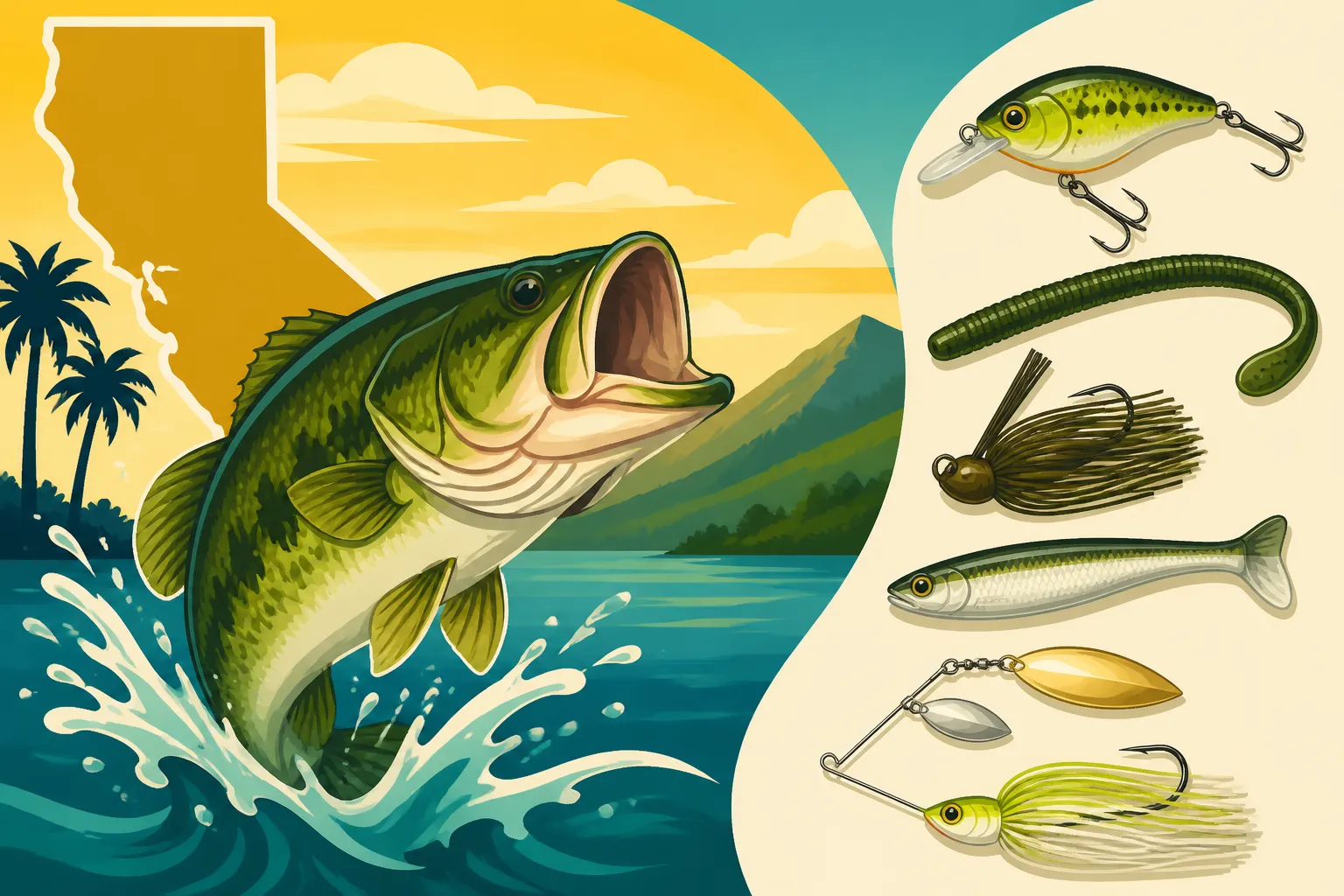
Trying to dial in the perfect bait or lure for California's notoriously finicky largemouth bass can feel like you're constantly playing a guessing game. One day they hit anything, the next they're completely shut off, leaving you wondering if you're using the right presentation or even the right color. This comprehensive guide is here to cut through that confusion, helping you understand the psychology of a California largemouth and arming you with the knowledge to pick the best baits and lures for consistent success, no matter where you're fishing in the Golden State.
Understanding Largemouth Bass Behavior in California Waters
Before we even talk about hooks and plastics, let's get into the head of a largemouth bass. These creatures are apex predators in their freshwater domains, and their behavior is heavily dictated by survival: finding food, avoiding becoming food, and reproducing. What they eat and where they hang out varies wildly based on the time of year, water conditions, and the specific lake or reservoir you're fishing. California's diverse geography means bass fishing isn't a one-size-fits-all endeavor; understanding their natural tendencies is the first step to choosing the right offering.
Seasonal Influences on Bass Feeding Habits
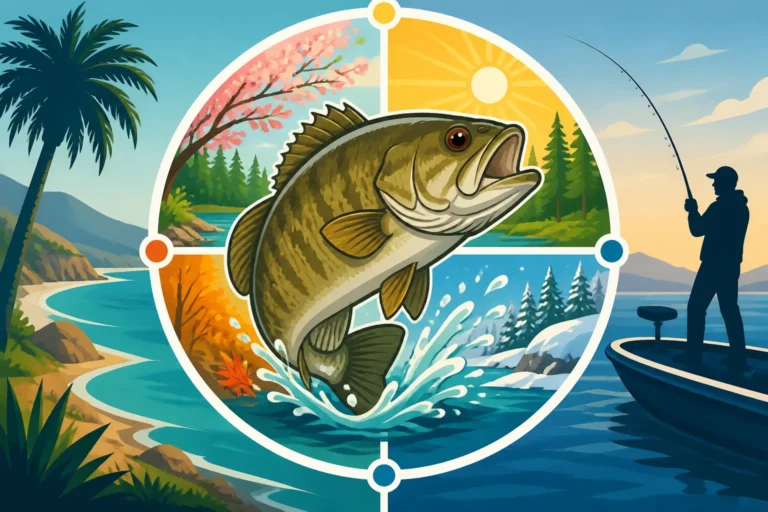
Just like us, largemouth bass have different priorities throughout the year, and these priorities directly impact how and what they'll bite. If you're looking to catch bass year-round, you absolutely need to adjust your strategy.
Pre-Spawn (Late Winter to Early Spring): This is a prime time! As water temperatures climb into the 50s Fahrenheit, bass start to move from their deep winter haunts into shallower staging areas. They're bulking up for the energy-intensive spawn, making them aggressive feeders. Think high-protein meals. This is when you can really shine with reaction baits like lipless crankbaits, spinnerbaits, and even large jerkbaits that imitate baitfish. They’re looking for a substantial meal and are often willing to chase. This is also a good time to start exploring techniques covered in our guide on Best Season for Bass in California.
Spawn (Spring): Once water temperatures hit the mid-50s to low 60s, bass move onto beds in very shallow water to reproduce. Males guard the nests, making them highly territorial. Females are focused on spawning and can be tougher to catch. Sight fishing with soft plastics like Senkos or creature baits is key here, often targeting the bed itself to provoke a protective strike rather than a feeding one. It's a delicate dance, as you don't want to overstress them or pull them off the bed repeatedly. For more detailed insights, check out California Bass Spawn Timing and Tactics.
Post-Spawn (Late Spring to Early Summer): After the spawn, bass are often exhausted and scattered. They might hold on points or around cover near spawning flats, slowly recovering their energy. This can be a challenging period. Smaller, less aggressive presentations often work best, like wacky-rigged worms, small finesse jigs, or drop-shot rigs. They're still hungry but might not be willing to expend a lot of energy chasing.
Summer (Summer to Early Fall): As water temperatures soar, bass often go deep during the day, seeking cooler, oxygenated water and dense cover. Early mornings, late evenings, and overcast days might bring them shallower to feed. This is when deep-diving crankbaits, heavy jigs, and Texas-rigged worms become staples. Topwater action can be phenomenal during low light conditions, especially around grass mats or shaded banks. Understanding the nuances of summer bass behavior is crucial for success.
Fall (Mid-Fall): The "fall feed" can be incredible. Bass are often gorging themselves in preparation for winter, actively chasing schools of baitfish. Spinnerbaits, crankbaits, swimbaits, and jerkbaits mimicking shad or hitch are incredibly effective. Look for them around points, channel swings, and areas where baitfish are congregating. They're often aggressive and willing to chase down a meal.
Winter (Late Fall to Early Winter): When water temperatures dip below 50 degrees, bass activity slows considerably. They'll often move to deeper main lake points, steep drop-offs, or suspended over deep water. Finesse techniques dominate here: slow-rolled jigs, blade baits, spoons, and subtle drop-shots. The bites are often very light, and patience is a virtue.
Habitat Preferences and Cover
Largemouth bass are ambush predators. They love structure and cover because it provides them with protection from the sun, a place to hide from bigger predators, and a perfect ambush point for unsuspecting prey.
Weed Beds and Hydrilla: California is famous for its healthy aquatic vegetation in many lakes, particularly places like Clear Lake. Bass absolutely love to hide in and around these green jungles. They provide shade, oxygen, and a buffet of smaller fish and insects. Frogs, flippin' jigs, and Texas-rigged worms are perfect for punching through or crawling over dense mats.
Submerged Timber and Brush Piles: Old submerged trees, fallen branches, and man-made brush piles are magnets for bass. These provide complex structures where bass can hold tight, waiting for prey. Jigs, creature baits, and heavy-duty Texas-rigged plastics are ideal for fishing in these snaggy environments. Consider locations like Lake Shasta, where flooded timber is abundant.
Rock Piles and Riprap: Rocky areas, especially those with steep drops or transitions, hold heat and attract crawfish, a primary food source for bass. Crankbaits, jigs, and shaky head worms are excellent choices for bouncing off rocks and enticing strikes. You'll find plenty of these features in reservoirs like Don Pedro Reservoir.
Docks and Boat Houses: Man-made structures offer shade, cover, and often, submerged cables or tires that bass love. Skipping jigs or soft plastics under docks is a deadly technique, especially on sunny days when bass are seeking refuge from the sun.
Points and Channel Swings: These topographical features are highways for bass. Fish often use points as staging areas to move from deep to shallow water, and channel swings provide sudden changes in depth that congregate fish. Deep-diving crankbaits, football jigs, and Carolina rigs excel at covering these deeper, transitional areas. When you're fishing a spot like Castaic Lake, knowing where these structures are is key.
Top Soft Plastic Baits for California Largemouth Bass
If there's one category of bait that consistently produces largemouth bass in California, it's soft plastics. They're incredibly versatile, imitate a wide range of forage, and can be fished in countless ways. Every serious bass angler in California has a tackle box overflowing with these.
Senkos and Stick Baits
The Yamamoto Senko, and its many imitators, is arguably one of the most effective and simplest bass baits ever invented. Its unique fall rate, thanks to its dense salt content, drives bass crazy.
Why They're Effective: They don't look like much, but the subtle wiggle as they sink, even on a slack line, is irresistible. They mimic dying baitfish or worms perfectly. They're excellent when fish are finicky or when you need a natural, subtle presentation. You can find a vast array of colors and sizes on Amazon to match any water condition or forage.
Rigging Techniques:
- Wacky Rig: This is perhaps the most famous way to fish a Senko. Hooked through the middle, both ends of the bait flutter tantalizingly as it sinks. It's fantastic for open water, skipping under docks, or when bass are suspended.
- Texas Rig: Essential for fishing heavy cover, brush, or weeds. The hook point is buried in the plastic, making it weedless. This allows you to punch through vegetation without snagging.
- Carolina Rig: Great for covering larger areas on deeper flats or points. The Senko trails behind a leader and swivel, offering a more natural, unweighted presentation.
- Weightless: Simple, yet deadly. Cast it out, let it sink on a slack line, then reel in the slack and repeat. The fish often hit it on the fall.
Color Choices: Natural colors like green pumpkin, watermelon, and black and blue are staples. For clear water, stick to natural patterns with flakes. In stained or muddy water, black and blue, junebug, or even bubblegum can be effective.
Creature Baits and Jigs
When bass are keyed in on crawfish, or you're fishing dense cover, creature baits and jigs are your best friends. They're designed to look like a variety of critters, providing bulk and action.
Creature Baits: These come in countless shapes and sizes, often with multiple appendages that provide an erratic, lifelike action. Brands like Zoom's Brush Hog or Strike King's Rage Tail series are popular.
- Appeal: They mimic crawfish, bluegill, or other bottom-dwelling prey. The flapping claws and wiggling tails create significant vibration and profile.
- How to Fish Them: Most often Texas-rigged with a bullet weight for pitching and flipping into heavy cover. Work them slowly on the bottom, mimicking a crawfish scurrying or a bluegill rooting around. They're also fantastic as a jig trailer, adding bulk and action to a jig.
Jigs (Rubber Skirted Jigs): A bass fishing staple, jigs combine a lead head with a rubber or silicone skirt and are almost always paired with a soft plastic trailer.
- Appeal: They mimic crawfish, baitfish, or even small frogs. The skirt "breathes" in the water, giving a pulsating, lifelike action. The trailer adds bulk, profile, and action.
- Types:
- Flipping Jigs: Designed for heavy cover, often with a compact head and stout hook.
- Football Jigs: Best for fishing rocky bottoms or deep structure, designed to stand up and mimic a feeding crawfish.
- Swim Jigs: Fished like a spinnerbait, through cover or open water, often with a paddle tail swimbait as a trailer.
- Fishing Them: Cast or pitch them into cover, let them hit the bottom, and then use short hops, drags, or shakes to impart action. The key is often to keep them in contact with the bottom or structure.
Worms and Flukes
The classic plastic worm and its more streamlined cousin, the fluke, continue to put bass in the boat for a reason.
Plastic Worms: From straight-tail worms to ribbon-tail worms, these are incredibly versatile.
- Appeal: They imitate a wide variety of natural forage, from earthworms to leeches to eels. The long, slender profile and undulating tail are very enticing.
- Rigging: Texas rigs for cover, Carolina rigs for covering water, shaky heads for finesse, and drop shots for deep, clear water. Each presentation gives a different action. The larger ribbon-tail worms are particularly effective when fished with a slow, steady retrieve.
- Modern Applications: Finesse worms on a shaky head or Neko rig are essential for pressured fish or in clear water. A 6-inch finesse worm in green pumpkin can be deadly on a lake like Diamond Valley Lake when bass are acting shy.
Flukes (Soft Jerkbaits): These soft plastic baits have no built-in action; you impart it with rod twitches.
- Appeal: They perfectly mimic an injured or dying baitfish darting erratically. The frantic, lifelike action often triggers aggressive strikes.
- How to Fish Them: Rigged weightless on an EWG (Extra Wide Gap) hook, cast them out, and then twitch your rod tip, allowing the bait to dart and glide. Pause, and let it sink slowly. This "slash and pause" retrieve is incredibly effective, especially around schooling baitfish or points. Z-Man and Zoom are popular brands for flukes.
Hard Baits and Reaction Baits to Trigger Bites
Sometimes, you need to make some noise, cover a lot of water, or simply trigger an aggressive strike from a bass that isn't actively feeding. That's where hard baits and reaction lures come into play. These are fantastic for pre-spawn, fall feeding frenzies, or simply locating active fish.
Crankbaits and Lipless Crankbaits
These are workhorses for covering water and triggering reaction strikes, especially when fish are spread out or actively chasing bait.
Crankbaits (lipped): These lures have a bill (lip) that makes them dive to a specific depth when retrieved.
- Different Dive Depths: You'll find shallow divers (0-5 feet), medium divers (6-12 feet), and deep divers (15+ feet). It's crucial to match the dive depth to the water you're fishing. If you're targeting bass suspended over a thermocline at 20 feet, a deep diver is essential.
- Retrieval Methods: A steady retrieve is common, but varying your speed, pausing, or deflecting them off cover like rocks or wood can often trigger a strike. The deflection makes the bait act erratically, mimicking an injured baitfish.
- Color Patterns: Crawfish patterns are excellent when bass are feeding on craws, especially around rocky banks. Baitfish patterns (shad, hitch, bluegill) are go-to choices when bass are chasing schooling fish. Brands like Rapala, Strike King, and Lucky Craft offer a massive selection, many of which can be found readily on Amazon. For example, a red crawfish pattern Rapala DT-6 can be phenomenal on riprap in early spring.
Lipless Crankbaits: These lures don't have a lip but have a flat front and often a rattle chamber inside.
- Appeal: They're designed to be fished aggressively, ripping through grass or yo-yoing off the bottom. The loud rattles and tight wobble make them incredibly effective at calling in bass from a distance.
- Retrieval Methods:
- Rip-and-Pause: Cast, let it sink to your desired depth (or the bottom), then rip your rod upwards, letting it flutter back down on slack line. This is deadly in grass beds or over rocky points.
- Steady Retrieve: A fast, steady retrieve through open water or over submerged vegetation can trigger savage reaction strikes.
- When to Use: Excellent for colder water, schooling bass, or when fishing expansive flats. A Bill Lewis Rat-L-Trap in chrome and blue or a Strike King Red Eye Shad in chili craw can be absolute magic.
Spinnerbaits and Chatterbaits
These vibrating, flashy lures are fantastic for covering water, fishing through weeds, and generating reaction strikes.
Spinnerbaits: Characterized by one or more blades that spin and vibrate, creating flash and movement.
- Blade Types:
- Colorado Blades: Rounder, create maximum thumping vibration and lift, excellent for dirty water or slow retrieves.
- Willowleaf Blades: Long and slender, create less vibration but more flash, great for clear water or fast retrieves.
- Tandem (Colorado/Willowleaf Combo): A popular all-around choice.
- When to Use Them: Excellent for fishing through sparse grass, around submerged timber, or paralleling shorelines. The flash and vibration can draw strikes in stained water where bass rely more on their lateral line.
- Trailer Options: Adding a grub or a small swimbait as a trailer can enhance the profile and action, especially when fish are looking for a larger meal.
- Color Choices: White or chartreuse are popular for baitfish imitations, while black and blue can be deadly in dark water or at night.
Chatterbaits (Bladed Jigs): These lures combine the vibration of a bladed jig with the bulk of a skirted jig.
- Appeal: The unique hexagonal blade vibrates violently, giving the lure an erratic, swimming action that's hard for bass to resist. It pushes a lot of water and creates a distinct thumping sound.
- How to Fish Them: Typically fished with a steady retrieve, much like a crankbait or spinnerbait. They excel at fishing through emergent grass, around docks, and over submerged structure.
- Trailer Options: A grub, soft plastic swimbait, or even a creature bait makes an excellent trailer, adding to the bait's profile and action. The Z-Man ChatterBait is the original and still a top performer.
Topwater Lures
There's nothing quite like a bass exploding on a topwater lure. These baits are designed to be fished exclusively on the surface, creating commotion that draws aggressive strikes.
Frogs: Soft plastic frogs, often weedless, are perfect for fishing over dense lily pads, matted grass, or heavy cover.
- Appeal: They perfectly mimic a frog or other small creature struggling on the surface. The weedless design allows you to fish them where no other lure can go.
- How to Fish Them: Cast them onto or near cover, let them sit, then twitch and pause, making them "walk" or "pop" across the surface. Wait for the splash, then pause before setting the hook.
- When to Use: Best in warm water conditions, especially early mornings, late evenings, or on overcast days.
Poppers and Walking Baits: Hard plastic lures designed to create a disturbance on the surface.
- Poppers: Have a concave face that "cups" water, creating a loud "pop" or "chug" sound when twitched.
- Walking Baits (e.g., Heddon Super Spook): Designed to be retrieved with a specific rod cadence that makes them "walk the dog" – a side-to-side sashaying motion that mimics a frantic baitfish.
- Appeal: Both are excellent for calling in fish from a distance, especially over open water, around points, or near sparse cover. They often trigger incredibly aggressive strikes.
- When to Use: Ideal in calm conditions, low light, or when bass are actively feeding on the surface.
Live Bait and Other Natural Options for Persnickety Bass
While artificial lures dominate modern bass fishing, sometimes the real deal is just too good to pass up, especially when bass are incredibly finicky or pressured. Just be sure to check local regulations, as some waters have restrictions on live bait.
Common Live Baits
Live bait can be a game-changer when bass are difficult to entice with artificial presentations.
Shiners and Minnows: These are classic choices, especially for larger bass.
- Appeal: They are natural forage for bass and often the most effective live bait. Their natural swimming action is hard for any bass to ignore.
- How to Fish Them: Typically hooked through the lips or dorsal fin and fished under a bobber, free-lined, or slowly trolled. Often used in larger reservoirs like San Luis Reservoir or Lake Oroville.
- Regulations: Always verify if live baitfish are permitted in your chosen California water body, and if so, what species are allowed. Some regulations restrict the use of certain non-native baitfish to prevent the spread of disease or invasive species.
Crawfish: A primary food source for bass in many California lakes and reservoirs.
- Appeal: Bass absolutely love crawfish, especially in rocky areas. Their erratic movements and defensive postures are a natural trigger.
- How to Fish Them: Hooked through the tail or the very back of the carapace, and fished slowly on the bottom, often near rocks or submerged wood. They can be incredibly effective, especially during the pre-spawn and fall.
Worms (Nightcrawlers, Red Worms): While artificial worms are popular, the real thing still has its place.
- Appeal: The natural scent and squirming action of a live worm can be irresistible to bass, especially smaller ones, or when conditions are tough.
- How to Fish Them: Fished on a simple hook under a bobber, on a slip sinker rig, or even a drop shot. Excellent for catching numbers of bass or for introducing kids to fishing.
Scented Baits and Attractants
Even when using artificial lures, sometimes you need an extra edge. Scent can be that secret weapon, especially in stained water or when bass are just "nipping" at your bait.
Scented Soft Plastics: Many soft plastic manufacturers infuse their baits with salt, fish oils, or proprietary scents directly into the plastic. Brands like Berkley PowerBait or Gulp! are famous for this.
- Appeal: The added scent profile can encourage bass to hold onto the bait longer, giving you more time to set the hook. In murky water, scent can help bass locate your bait.
- Integration: These baits are used just like their unscented counterparts but provide that extra olfactory appeal.
Liquid Attractants and Pastes: These are applied to existing lures, whether hard baits or soft plastics.
- Appeal: They add a strong scent trail to your bait, masking human odors and mimicking natural prey. Scents like crawfish, shad, or garlic are common.
- Application: Simply spray or spread the attractant on your lure before casting. Reapply periodically as it washes off. Brands like Pro-Cure or attractants from Bait-Werx are popular choices. This is often a critical factor when bass are reluctant to commit fully to a strike.
Matching Your Baits to California's Diverse Bass Fisheries
California is a massive state with an incredible variety of bass fisheries. What works in a clear, deep Sierra reservoir might not be the ticket in the murky, current-laden California Delta. Understanding how to adapt your bait selection to the specific environment is paramount. This goes hand-in-hand with mastering various California Bass Fishing Techniques.
Reservoir and Lake Strategies
Most of California's trophy largemouth bass come from large, man-made reservoirs. These bodies of water often feature varied topography, from steep rock walls to submerged timber and expansive flats.
Clear, Deep Lakes (e.g., Lake Tahoe, Diamond Valley Lake):
- Challenge: The extreme water clarity in these lakes means bass rely heavily on sight, and they can be easily spooked. They often hold deeper during the day.
- Bait Selection: Finesse is key. Drop shots with small worms (4-6 inches), shaky head jigs, and small swimbaits are highly effective. Light fluorocarbon line is a must. Deep-diving crankbaits in natural baitfish patterns can also work to target bass suspended over structure. Small, subtle creature baits on a football head jig bounced along deep points are excellent. For surface action, stick to low-light conditions and natural-looking topwater baits.
- Trophy Hunting: For giant bass in these lakes, large swimbaits (hard and soft) that imitate trout or kokanee salmon can be incredibly effective, but it's a commitment to a few big bites rather than many smaller ones. These are often fished slowly and methodically. Many anglers target trophy bass by focusing on the Best Reservoirs for Trophy Bass in California.
Stained or Moderate Clarity Lakes (e.g., Clear Lake, Lake Castaic):
- Challenge: These lakes offer a balance of clarity and cover. Bass might be found throughout the water column and in various types of structure.
- Bait Selection: This is where a mixed bag of strategies works. Spinnerbaits and chatterbaits in white or chartreuse are great for covering water and fishing through grass. Texas-rigged Senkos and creature baits are fantastic for punching into dense cover. Medium-diving crankbaits in crawfish or shad patterns excel on points and ledges. Topwater frogs can be deadly over mats of hydrilla. Jigs (flipping and football) are consistent producers around wood and rock.
- Specifics: On Clear Lake, known for its massive bass, you'll want robust tackle and larger baits. For instance, a 1/2 oz Strike King KVD spinnerbait or a Yamamoto Senko in green pumpkin with black flake are often go-to choices. Our Clear Lake Fishing Guide dives deeper into this specific fishery. Meanwhile, Castaic Lake: Fish Species and Best Spots is another great resource for targeting its renowned bass population.
Delta and River Systems
The California Delta is a unique fishery, characterized by tidal influences, strong currents, abundant tules (reeds), and a mix of clear and muddy water. River systems like portions of the Sacramento River or San Joaquin River present similar challenges with current and specific cover types.
The California Delta:
- Challenge: The changing tides dictate fish movement and feeding windows. Strong currents make some presentations difficult. Tules, submerged weeds, and undercut banks provide extensive cover.
- Bait Selection:
- Reaction Baits: Spinnerbaits, chatterbaits, and squarebill crankbaits are excellent for covering water and fishing the edges of tules or riprap when the tide is moving. The current often positions bass to ambush bait.
- Punching and Flipping: For targeting bass deep within the tule mats or hydrilla, heavy Texas-rigged creature baits or jigs with stout hooks and heavy line are essential. You need to penetrate the dense cover.
- Topwater: Frogs and walking baits can be incredibly effective over matted vegetation or along the edges of tules, especially during slack tide or early mornings.
- Swim Baits: Medium-sized soft swimbaits rigged weedless can be fantastic when bass are targeting shad or other baitfish in open water or along grass lines.
- Current Considerations: Adjust your weight to the current. You might need heavier jigs or Texas weights to get your bait down and maintain contact with the bottom in stronger flows. For more on this fishery, consult our California Delta Fishing Guide.
River Sections:
- Challenge: Similar to the Delta, current is a major factor. Bass will often position themselves out of the main current, behind rocks, logs, or in eddies, waiting for food to wash by.
- Bait Selection: Focus on baits that can be fished effectively in current. Spinnerbaits, jigs (often lighter to drift naturally), and crawfish imitations are excellent. Flipping and pitching into current breaks and eddies are key tactics. Soft plastic tubes or grubs on jig heads can also be drifted effectively.
| Bait/Lure Type | Best Conditions | Suggested Colors (Examples) | Key Rigging/Presentation |
|---|---|---|---|
| Senkos/Stick Baits | Finicky fish, clear water, around docks, sight fishing | Green Pumpkin, Watermelon, Black & Blue | Wacky, Texas, Carolina, Weightless |
| Creature Baits | Heavy cover, bottom fishing, imitating crawfish | Green Pumpkin, Black & Blue, Brown | Texas, Jig Trailer |
| Plastic Worms | Finesse situations, deep water, post-spawn | Green Pumpkin, Plum, Motor Oil | Drop Shot, Shaky Head, Texas, Carolina |
| Flukes (Soft Jerk) | Schooling baitfish, open water, clear conditions | Shad, White, Alewife | Weightless EWG, Erratic twitch & pause |
| Crankbaits | Covering water, targeting specific depths | Shad, Crawfish, Bluegill | Steady retrieve, varied speed, deflection |
| Lipless Crankbaits | Active fish, grass, muddy water, calling fish | Chrome/Blue, Chili Craw, Fire Tiger | Rip & Pause, Fast retrieve |
| Spinnerbaits | Stained water, wind, around cover, fast retrieve | White, Chartreuse, Black & Blue | Steady retrieve, slow roll, bumping cover |
| Chatterbaits | Grass, stained water, active fish, vibration | Green Pumpkin, White, Black & Blue | Steady retrieve, jig trailer |
| Topwater Frogs | Dense mats, lily pads, heavy surface cover | Green, Black, White | Walk the dog, twitch & pause |
| Poppers/Walkers | Calm water, low light, open water, active fish | Shad, Bone, Chrome | Pop & Pause, Walk the dog |
| Live Bait (Shiners) | Highly finicky fish, natural presentation | Natural | Free-lined, under bobber, slow troll |
The Never-Ending Quest for the Perfect Bite
The truth is, there's no single "best" bait or lure for largemouth bass in California. It's a dynamic puzzle that changes with the season, weather, water conditions, and even the specific mood of the fish on any given day. What was red-hot yesterday might get ignored today. The key to consistent success is to develop a deep understanding of bass behavior, master a variety of presentations, and most importantly, be willing to experiment.
Always pay attention to what the fish are telling you. Are they chasing fast-moving baits? Are they only biting on the pause? Are they holding tight to cover, or are they suspended? With a tackle box stocked with a diverse range of soft plastics, hard baits, and maybe a few live options, you'll be well-equipped to tackle whatever challenge California's incredible bass fisheries throw your way. Happy fishing, and remember, a day on the water, especially in California, is always a good day, even if the bass are playing hard to get!
Disclaimer
The information provided in this guide is for general informational purposes only. Fishing regulations, seasons, and licensing requirements in California can change frequently. Always consult the latest official California Department of Fish and Wildlife (CDFW) regulations booklet or their website before heading out on the water. Fish and wildlife laws are subject to change without notice. We recommend verifying all information with official sources.