California Surfperch Fishing Guide
There’s nothing quite like the feeling of the salty air, the sound of crashing waves, and the anticipation of a tug on your line as you stand on one of California's beautiful beaches. But if you’ve ever tried surf fishing, you know it can feel like a guessing game sometimes – what are you even trying to catch out there? This guide is all about one of the most accessible and rewarding targets in the California surf: the humble, yet feisty, surfperch. We’ll cover everything you need to know to start landing these fun fish, from identifying different species to the best gear and techniques.
Understanding California Surfperch
California's coastline is home to a surprisingly diverse array of surfperch, and getting to know them is the first step to successful angling. These aren't just any fish; they're perfectly adapted to life in the turbulent, sandy, and sometimes rocky nearshore environments. Many anglers, myself included, started their saltwater journey targeting these abundant and cooperative species.
Common Surfperch Species in California
When you're out on the beach, you're most likely to encounter a few key players in the surfperch family. Each has its own little quirks, but they all share that characteristic flattened, oval body shape that makes them instantly recognizable.
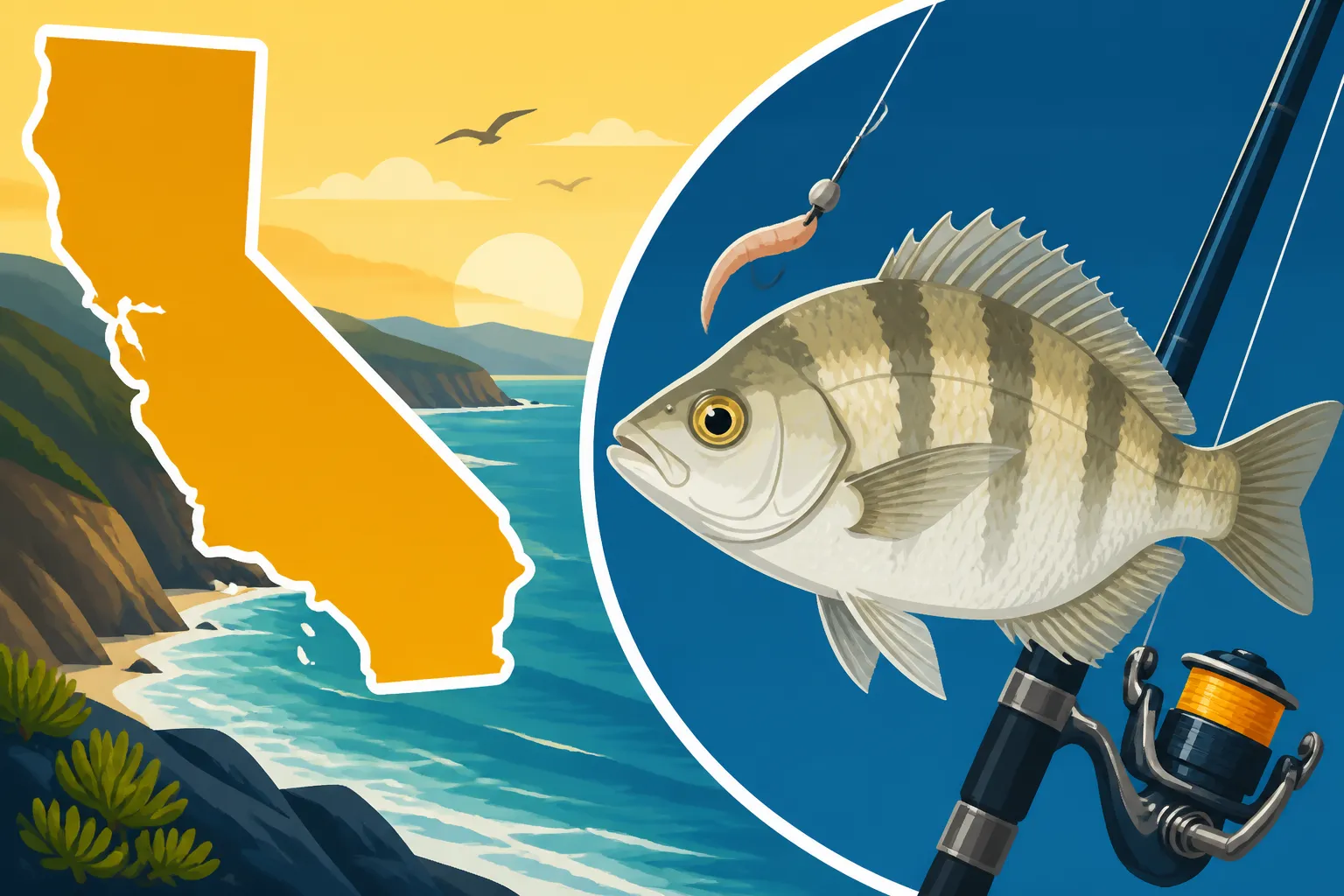
The Barred Surfperch is probably the most famous, and for good reason! These guys are widespread along sandy beaches from Santa Barbara all the way up into Washington. They're often silver-bodied with distinct vertical bars along their sides, which helps them camouflage in the ripple marks of the sand. They can grow to a decent size, sometimes exceeding 15 inches, making them a really fun catch on light tackle. They love to cruise the shallow water, especially in the wash zone, rooting around for sand crabs.
Then there's the Redtail Surfperch, a beauty primarily found north of Point Conception. You'll know them by their often reddish or orange fins and tail, which really pop against their silvery bodies. They tend to be a bit chunkier than barred surfperch and can grow quite large, making them a prized catch for many Northern California surf anglers. They prefer more turbulent, colder waters and are often found in similar sandy or mixed sand/rock habitats.
Further south, particularly around rocky areas and harbors, you might encounter the Spotfin Surfperch. These are identifiable by a dark spot on their soft dorsal fin and often have a more mottled, brassy coloration. They generally don't get as large as their barred or redtail cousins but are still plentiful and fun to catch. They're a bit more tolerant of slightly calmer waters and can often be found in bays or around structures like jetties.
Finally, let's not forget the smaller, schooling Shiner Perch. While you might not be actively targeting these little guys, they're super common. They're much smaller, often only a few inches long, with a silvery, shiner-like appearance. They tend to school in huge numbers, especially in bays, estuaries, and around piers, and can be a blast on tiny hooks, providing continuous action for kids or beginners. They're often seen as baitfish but are legally considered a surfperch species.
Habitat and Behavior
Surfperch are perfectly designed for their environment. They thrive in the dynamic, oxygen-rich waters of the surf zone, where waves constantly churn up food. This means understanding their preferred hangouts is key to finding them.
You’ll typically find them cruising along sandy beaches, especially in what we call the "wash zone" – that foamy area where waves break and recede. They love to hang out in gutters and troughs, which are deeper depressions running parallel to the shore. These areas provide a bit of shelter from the main force of the waves and act as natural foraging highways where sand crabs, marine worms, and other small invertebrates get dislodged and become easy meals. These fish are masters of using the waves to their advantage, often swimming just behind the breaking surf, darting in to grab food, and then retreating with the backwash.
Beyond sandy stretches, many surfperch species will also congregate around rocky outcroppings, jetties, and piers. These structures offer additional food sources like mussels, barnacles, and small crabs, along with protection from larger predators. The shiner perch, in particular, will gather in massive schools around pier pilings and within calmer bay waters.
Their behavior is mostly dictated by food availability and safety. They are primarily bottom feeders, constantly on the hunt for small crustaceans and worms. They're opportunistic, and while they might feed throughout the day, their activity often peaks during certain tidal movements when food is most accessible. This consistent feeding behavior makes them a reliable target for anglers who understand how to present their bait effectively in the moving water.
Getting Geared Up for the Surf
One of the best things about surfperch fishing is that you don't need a boatload of fancy, expensive gear. It’s a very accessible form of fishing, which is why so many people get hooked on it! That said, having the right setup makes a world of difference for comfort, casting distance, and ultimately, your success rate.
Rods, Reels, and Line
Choosing the right rod and reel combo for surfperch is about striking a balance between casting distance and sensitivity. You need something long enough to cast beyond the immediate whitewater, but sensitive enough to detect those subtle nibbles in the moving water.
For rods, I generally recommend a medium-light to medium action rod, anywhere from 8 to 11 feet long. An 8-foot rod is a great all-around choice for most California beaches, offering good castability and control. If you're on a particularly wide beach or need to reach distant troughs, a 10 or 11-foot rod can really help sling your bait further. Brands like Ugly Stik offer durable, affordable options, while Daiwa and Penn also have great surf-specific rod series that won’t break the bank. The flexibility of a medium-light tip is crucial for feeling those bites, but a stout backbone is important for fighting bigger surfperch and for those longer casts.
When it comes to reels, a spinning reel in the 3000 to 4000 series is pretty much standard. They're easy to cast, retrieve smoothly, and hold enough line. Make sure it's a saltwater-rated reel, as the corrosive nature of the ocean will quickly ruin a freshwater reel. Models like the Penn Battle, Shimano Sedona, or Daiwa BG are popular choices that offer excellent value and durability for the price point.
For line, you've got a couple of good options. Many seasoned surf anglers prefer braided line (10-15 lb test) as their main line because it offers incredible sensitivity and casts further due to its thinner diameter. The no-stretch property of braid means you feel every little bump and bite. However, braid is visible, so you’ll absolutely need a leader. A fluorocarbon leader (8-12 lb test) of about 3-5 feet is perfect – it’s nearly invisible in the water and provides excellent abrasion resistance against sand and shell. Alternatively, if you prefer a simpler setup, monofilament line (10-15 lb test) works just fine. It has some stretch, which can be forgiving, and it's less visible than braid, potentially allowing you to skip the leader in some situations. I often find a spool of good quality fluorocarbon like Seaguar or a more budget-friendly option from P-Line on Amazon for leader material.
Terminal Tackle: Rigs, Hooks, and Weights
This is where the magic happens! Your terminal tackle is what presents your bait to the fish, and a proper setup is paramount.
The most popular and effective rig for surfperch is undoubtedly the Carolina Rig. This rig is simple, effective, and allows your bait to move naturally in the current. To tie one, slide an egg sinker (½ to 1 oz, depending on current and wave action) onto your main line, followed by a small bead (to protect the knot from the sinker), and then tie on a barrel swivel. To the other end of the swivel, tie a 12-24 inch fluorocarbon leader (6-10 lb test). Finally, tie a hook to the end of the leader. This setup keeps your bait just above the bottom, where surfperch feed, allowing it to drift enticingly.
Another excellent option, especially if you want to present multiple baits, is the High-Low Rig (also known as a "lucky craft" or "dropper loop" rig). This rig uses a pyramid or torpedo sinker on the bottom (again, ½ to 1 oz) with two dropper loops tied above it, each with a short leader (4-6 inches) and a hook. This lets you present two different baits or just double your chances. You can often find pre-tied high-low rigs, which are super convenient if you're just starting out, and many tackle shops and online retailers like Amazon carry them.
For hooks, you want something sharp and strong, but not too big. Size 4 or 2 baitholder hooks are ideal for most surfperch. The baitholder barbs help keep your bait securely on the hook. Brands like Owner, Gamakatsu, or Eagle Claw offer reliable options. If you're targeting smaller shiner perch, you might drop down to a size 6 or 8.
Sinker choice depends entirely on the conditions. For a typical sandy beach with moderate surf, a ½ oz or ¾ oz egg sinker for a Carolina rig, or a pyramid or Sputnik sinker for a high-low rig, works well. The pyramid shape helps it dig into the sand and hold bottom better. If the current is strong or the waves are really churning, you might need to go up to a 1 oz or even 1.5 oz sinker to keep your bait in the strike zone. The key is to use the lightest weight that still holds your bait in place.
Bait and Lure Choices
Surfperch aren't picky eaters, which is great for anglers! They're primarily scavengers, so anything that mimics their natural food sources will work well.
The undisputed champion bait for surfperch is the sand crab. These little crustaceans live right in the surf line and are the primary food source for most larger surfperch. You can often dig them up yourself right on the beach during the receding wave, especially at low tide. Look for their V-shaped antennae sticking out of the sand. Hook them through the bottom shell and out the top, making sure the hook point is exposed.
If sand crabs aren't available or you're looking for an alternative, Gulp! sandworms are an absolute game-changer. These artificial baits, often available in red or bloodworm colors, are infused with scent and have an incredibly lifelike action in the water. Many anglers swear by them, and sometimes they even outfish natural bait! You can buy them in tubs, and a little piece goes a long way. They’re a staple in my tackle box, and a quick search on Amazon will show you just how popular they are. Other effective natural baits include pieces of market shrimp, mussel meat (gathered from rocks at low tide), or live bloodworms/lugworms from bait shops.
While bait is usually king, surfperch can also be caught on small grub lures or soft plastics. A 2-3 inch grub in a motor oil, red flake, or root beer color, fished on a light jig head (⅛ to ¼ oz), can be surprisingly effective, especially when the fish are actively chasing baitfish. Work them slowly along the bottom with a subtle twitch. These artificial options are a great way to cover more water and find active fish.
Mastering Surfperch Fishing Techniques
It's not enough to just cast out and wait. To consistently catch surfperch, you need to understand where they're likely to be and how to present your bait in a way that triggers a strike. This involves a bit of observation and a good feel for the ocean.
Reading the Beach
This is perhaps the most crucial skill in surf fishing. The ocean isn't a uniform bathtub; it has structure, even on seemingly endless sandy beaches. Learning to "read the beach" means looking for subtle cues that tell you where fish might be holding.
First, identify the wash zone – that turbulent area where waves break. This is the prime feeding ground. Within this zone, look for gutters and troughs. These are depressions in the sand, often deeper than the surrounding area, that run parallel to the shore. They act like highways for fish, collecting dislodged food. You might see a darker line of water where a trough is, or a section where the waves seem to "disappear" or break differently. Sometimes, if you're high enough, you can even spot them from a pier or bluff. As a general rule, you want your bait to land in or near these gutters.
Also, keep an eye out for rips or currents. These are often visible as calmer stretches of water where the waves aren't breaking, indicating water flowing back out to sea. Fish often stage on the edges of these rips, waiting for food to be carried past. Another sign of fish activity? Bird life. If you see gulls or terns actively diving in a specific area, it's a good bet there's baitfish, and potentially larger fish, below.
Don't be afraid to move! If you're not getting bites after 15-20 minutes in one spot, pack up your gear and walk a hundred yards down the beach. Sometimes, just a slight change in location can put you right on top of a school of fish. I’ve had many days where a productive spot was just a short walk away from a barren stretch.
Casting and Presentation
Once you've identified a promising spot, it's time to cast. The goal is usually to cast just beyond the breaking waves, allowing your bait to settle into a trough or gutter. A good overhead cast or even a basic sidearm cast can get you where you need to be.
After your sinker hits the water, let it settle to the bottom. Once it's down, slowly reel in any slack until you feel the weight. Then, the key is a slow, methodical retrieve. Imagine your bait is a sand crab or a worm being naturally tossed around by the waves. You want to mimic that.
A common technique is the "sweep and pause." Slowly lift your rod tip a few feet, sweeping it along the sand, and then slowly reel down to take up the slack, pausing for a few seconds. The lift moves your bait, and the pause allows the current to work it, making it look natural. Repeat this process. Often, the bites come on the pause or as you start your next sweep. With braided line, you'll feel every bump and tick. If using monofilament, you might just see your rod tip gently load up. Don’t be too aggressive; a soft, consistent retrieve is usually best. Don’t forget to occasionally check your bait, especially after a missed bite, to ensure it’s still on the hook and hasn't been stripped clean by smaller fish or the current.
Best Times and Conditions
Timing is everything in fishing, and surfperch are no exception. While they can be caught throughout the day, certain conditions tend to be more productive.
Tides are arguably the most important factor. The incoming tide, especially the couple of hours leading up to and during the high tide, is often prime time. As the tide comes in, it pushes baitfish and dislodges sand crabs closer to shore, bringing the buffet right to the surfperch. The higher water also allows fish to move into shallower feeding grounds they couldn't access during low tide. Conversely, the outgoing tide can concentrate fish in deeper channels or force them to retreat with the receding water. While you can catch them on an outgoing tide, it’s often more challenging.
Water clarity also plays a role. Surfperch are primarily sight feeders (though scent is also important), so moderately clear water is generally better. After a big storm, the surf can be heavily churned and muddy, making it harder for fish to find your bait. However, a bit of turbidity can actually be good, as it provides camouflage for the fish and can make them bolder.
When it comes to time of day, early mornings and late afternoons/evenings often prove most productive, similar to many other fish species. The lower light conditions can make them more active, and there's often less human traffic on the beach during these times. However, if the tides are right in the middle of the day, don't hesitate to go! The sun doesn't typically deter surfperch as much as it might other species, especially if food is abundant.
Regulations and Responsible Fishing
Just like with any other type of fishing in California, there are rules in place to protect the fishery and ensure healthy populations for years to come. Understanding and adhering to these regulations isn’t just about avoiding a ticket; it's about being a responsible angler.
California Surfperch Regulations
The California Department of Fish and Wildlife (CDFW) sets the rules for all fishing in the state, and surfperch are no exception. While general regulations apply statewide, it's always critical to consult the most current California Fishing Regulations Explained booklet or their website before heading out, as rules can change. This is especially true when it comes to specific bag and size limits for various species.
Generally, for common surfperch like Barred Surfperch, there's a daily bag limit, often around 10 fish, and a minimum size limit (e.g., 10.5 inches). However, smaller species like Shiner Perch usually have much higher bag limits, sometimes up to 20 fish, with no minimum size. It's important to be able to identify your catch to ensure you're complying. For example, if you're specifically targeting Shiner Perch, your catch limits will be different than if you're catching Barred Surfperch.
Remember, you'll need a valid California Fishing License Guide if you're 16 years or older to fish in the ocean, even from the beach. There are some exceptions, like California Pier Fishing License Rules, but if your feet are on the sand, you need that license! You can easily purchase one online through the CDFW website or at many bait and tackle shops. You can also learn more about the California Fishing License Cost.
Here's a quick reference table for common surfperch regulations, but please, always verify with the current CDFW regulations:
| Species | Typical Size Range (Inches) | Typical Daily Bag Limit | Typical Minimum Size Limit (Inches) | Primary Habitat |
|---|---|---|---|---|
| Barred Surfperch | 8 – 15 | 10 | 10.5 | Sandy beaches |
| Redtail Surfperch | 10 – 18 | 10 | 10.5 | Northern sandy beaches, turbulent surf |
| Spotfin Surfperch | 6 – 12 | 10 | 10.5 | Sandy beaches, rocky areas, bays |
| Shiner Perch | 3 – 7 | 20 | None | Bays, piers, nearshore |
| Walleye Surfperch | 5 – 10 | 10 | 10.5 | Sandy beaches |
Note: These are general guidelines. Always consult the current CDFW Ocean Sport Fishing Regulations booklet for precise and up-to-date information.
Conservation and Catch & Release
Even if you plan to keep a few fish for dinner, practicing responsible angling, including proper catch and release techniques for those you don't intend to keep, is vital.
When you land a surfperch, handle it gently. If you're releasing it, try to keep it in the water as much as possible. If you must bring it onto the sand, wet your hands first to protect its slime coat, which is crucial for its health and disease prevention. Remove the hook quickly and carefully. If the fish is deeply hooked, especially in the gills, it might be best to snip the line close to the hook rather than trying to remove it, as this can cause more damage.
Consider using barbless hooks, or crimp the barbs on your hooks, as this makes hook removal much easier and quicker, reducing stress on the fish. This is a great practice, especially if you're fishing purely for sport or targeting species with tighter limits. Also, always pack out everything you pack in. Leave the beach cleaner than you found it. This simple act benefits not only the environment but also the entire fishing community.
Surfperch are a fantastic entry point into the world of California Surf Fishing Guide, offering consistent action and a delicious meal. By understanding their habits, using the right gear, and practicing responsible angling, you'll be well on your way to enjoying many successful days on the beautiful California coast. For more detailed information on specific locations, check out guides like Best Surf Fishing Beaches in California to find your next great spot! You can also find tips on How to Surf Fish for Perch in California for even more advanced techniques.
Disclaimer
The information provided in this guide is for general informational purposes only and is not a substitute for official regulations. Fishing regulations, seasons, and limits in California are subject to change. Always consult the latest California Department of Fish and Wildlife (CDFW) regulations before engaging in any fishing activity.