California Ocean Enhancement Stamp
Navigating California's complex fishing regulations can feel like trying to untangle a hundred-pound test line in the dark, especially when you encounter something as specific as the California Ocean Enhancement Stamp. Many anglers find themselves scratching their heads, wondering if they truly need this extra endorsement and what it even does. This comprehensive guide is here to clear up all that confusion, helping you understand the Ocean Enhancement Stamp's purpose, who needs it, and how it contributes to the vibrant saltwater fisheries we all cherish.
What Exactly is the California Ocean Enhancement Stamp?
When you’re gearing up for a fantastic day of saltwater fishing along California’s breathtaking coastline, it’s easy to get caught up in the excitement of choosing the right bait or lure. But before you even cast a line, there's a crucial piece of paper (or digital record!) that plays a quiet but mighty role in sustaining those very fish you're hoping to catch: the California Ocean Enhancement Stamp. It's not just another fee; it's a direct investment in the future of our precious marine resources. Many anglers don't realize the significant impact this small stamp has on the health and abundance of some of our most sought-after species, particularly in the southern reaches of the state.
Understanding Its Core Purpose and History
At its heart, the Ocean Enhancement Stamp (OES) is a funding mechanism specifically designed to support the restoration and enhancement of California's marine fisheries. While our state boasts incredible natural resources, certain species faced significant pressures over the decades due to a combination of factors including overfishing, habitat degradation, and environmental changes. The OES was established in 1982 by the California Legislature with a clear objective: to provide a dedicated revenue stream that could directly fund programs aimed at boosting these struggling populations. It was a forward-thinking move, recognizing that the health of our fisheries wasn't just about regulations but also active, tangible conservation efforts.
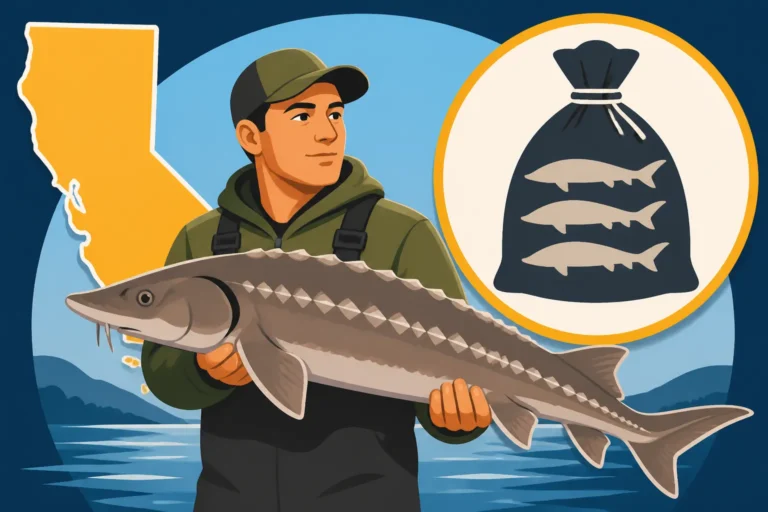
The initial focus, and still a major beneficiary today, was the white seabass. This iconic game fish, once abundant, saw its numbers dwindle significantly. The stamp was conceived as a way for anglers to directly contribute to the recovery of this and other important species, ensuring that recreational fishing opportunities would remain viable for generations to come. It became an integral part of the overall California Fishing License Guide, serving as an endorsement that signaled an angler's commitment to marine conservation.
Where Do the Funds Go? Supporting Marine Life
The money collected from the sale of the Ocean Enhancement Stamp doesn't just disappear into a general fund. It's earmarked specifically for ocean enhancement projects, primarily focusing on marine stock enhancement. The most notable recipient of these funds is the California White Seabass Fishery Management Plan, which oversees projects like the White Seabass Grow-out Facility Program. This program, often in collaboration with institutions like the Hubbs-SeaWorld Research Institute in Carlsbad, involves raising white seabass in specialized hatcheries and then releasing them into strategic locations along the Southern California coast.
Beyond direct hatchery operations, the funds also support critical scientific research, habitat restoration initiatives, and programs that monitor the effectiveness of these enhancement efforts. The California Department of Fish and Wildlife (CDFW) meticulously manages and reports on how these funds are allocated, striving for transparency to ensure that every dollar genuinely contributes to the stamp's core mission. The success of these programs can be seen in the gradual recovery of certain species, offering a glimmer of hope and improved fishing opportunities for anglers targeting species like white seabass and California halibut. This isn't just about throwing fish into the ocean; it's a science-backed approach to ecological recovery.
Do You Need This Stamp to Fish California's Ocean Waters?
This is where the rubber meets the road for many anglers, and it can get a little confusing, I know. You've got your fishing license, maybe a few report cards, and now another stamp? The good news is that the requirement for the California Ocean Enhancement Stamp is very specific, but if you fall within those specifics, it's non-negotiable. Missing this small detail could put a damper on your fishing trip, not to mention land you with a potential fine. Understanding who needs it and where is absolutely paramount before you head out.
Eligibility and Requirements for Anglers
The golden rule for the Ocean Enhancement Stamp is this: if you are 16 years of age or older and are fishing for fin fish in ocean waters located south of Point Arguello (which is in Santa Barbara County), you need it. This applies whether you're casting from your own boat, a kayak, or even shore fishing within bays and estuaries that are considered ocean waters. It's about where you're fishing and what you're targeting, not just your method.
Let's break down those key phrases. "Fin fish" means any fish with fins, which pretty much covers every recreational fish species you'd target in the ocean. "Ocean waters" includes not just the open sea but also the expansive bays and estuaries like San Diego Bay, Mission Bay, Newport Bay, and Alamitos Bay. These are all considered part of the ocean ecosystem for regulatory purposes. If you're wondering, "Do You Need a License to Fish in California?" for these waters, the answer is usually yes for adults, and the stamp typically comes with it.
There are a few key exemptions. Children under 16 years of age are generally exempt from needing a fishing license in California, and therefore do not need the Ocean Enhancement Stamp either. Additionally, if you're fishing from a public pier in ocean waters, you are often exempt from the general fishing license requirement, which also means you don't need the OES. However, even on piers, there are often limits on species and gear, so always check the Fishing from a Pier in California: Rules before you go.
Geographical Specifics: South of Point Arguello
The "south of Point Arguello" demarcation is critical and often the source of confusion. Point Arguello is a prominent headland located in Santa Barbara County. The reason for this specific boundary largely stems from historical fisheries management practices and the distribution of the species that the stamp primarily benefits, such as white seabass, which are more prevalent and have greater recreational value in Southern California waters.
Practically, this means if you launch your boat from a port like San Diego, Dana Point, Long Beach, Marina del Rey, or even Santa Barbara (and head south), you will need the Ocean Enhancement Stamp if you plan to fish for fin fish. Conversely, if you're fishing out of ports further north, such as Morro Bay, Monterey, or San Francisco, you typically do not need the Ocean Enhancement Stamp, even though you are fishing in ocean waters. This is a common point of misunderstanding, and it's essential to pinpoint your exact fishing location to avoid any compliance issues. A trip for rockfish out of Half Moon Bay, for example, would not require the stamp, but a similar trip out of Oceanside would. Make sure you know your fishing zones!
The Impact and Benefits: Why It Matters
It’s easy to look at an extra fee, however small, and see it as just another cost. But with the California Ocean Enhancement Stamp, that perspective really misses the mark. This isn't a frivolous charge; it's a vital contribution that actively works to ensure that the thrill of catching a magnificent white seabass or a hefty California halibut remains a possibility for current and future generations. The health of our marine ecosystems is incredibly complex, and direct intervention through programs funded by this stamp plays a tangible role in offsetting pressures from various sources.
Boosting Key Marine Fisheries
The most direct and visible impact of the Ocean Enhancement Stamp is its role in boosting specific marine fisheries, most notably the white seabass. Prior to the establishment of the OES and the subsequent enhancement programs, the white seabass population faced serious decline, making a prized catch like this increasingly rare. Thanks to consistent funding from the stamp, hatchery operations have been able to release millions of juvenile white seabass into Southern California waters over the years. These efforts have led to a noticeable recovery, offering anglers more frequent opportunities to tangle with these powerful fish.
While white seabass might be the poster child for the stamp, other species, like California halibut, also benefit directly and indirectly. The funds support habitat research and restoration, which creates a healthier overall environment for many nearshore species. By maintaining or increasing the numbers of these keystone species, the stamp helps to maintain a balanced and resilient marine ecosystem, which in turn supports a wider variety of marine life. It's a clear example of how angler contributions directly fuel the very resources they love to pursue. These programs are a critical component of sensible California Saltwater Fishing Regulations that aim for long-term sustainability.
Contribution to Research and Management
Beyond simply stocking fish, the Ocean Enhancement Stamp funds are also crucial for ongoing scientific research and comprehensive fisheries management. The CDFW, in conjunction with academic institutions and research partners, uses these funds to conduct studies on fish behavior, genetics, migration patterns, and the effectiveness of stocking programs. This scientific backing ensures that enhancement efforts are strategic, informed by the latest data, and continually adapted for optimal results. For instance, understanding the genetic diversity of hatchery-raised fish is vital to ensure they don't negatively impact wild populations.
This commitment to research extends to monitoring efforts that track fish populations, assess environmental factors, and evaluate the overall health of California’s marine waters. It’s not just about producing fish; it’s about understanding the intricate dynamics of the ocean. This long-term, adaptive management approach is what ultimately ensures the sustainability of recreational fishing. The OES contributes directly to the larger framework that helps define California Fishing Regulations Explained, making sure that these rules are based on sound ecological principles and continuous scientific observation. Your small stamp purchase truly contributes to a bigger, healthier ocean for all.
Purchasing Your Ocean Enhancement Stamp
Getting your hands on the California Ocean Enhancement Stamp is actually quite straightforward, especially if you're already familiar with purchasing your annual fishing license. It's designed to be an easy add-on, not a complicated separate process, so you can focus more on what lure to tie on and less on bureaucratic hurdles. Let's walk through the simple steps and clear up any questions about its cost and how it integrates with your primary fishing credentials.
Step-by-Step Guide to Acquisition
The most convenient way to purchase your Ocean Enhancement Stamp is typically online through the California Department of Fish and Wildlife's (CDFW) automated license data system (ALDS). When you go to buy or renew your annual California Fishing License Cost online, you'll see the Ocean Enhancement Stamp listed as an endorsement option. You simply check the box, and it's added to your cart along with your main license. It's quick, easy, and you get an immediate digital record, which is super handy.
If you prefer an in-person transaction, you can also purchase the stamp from any authorized CDFW license agent. These include most major sporting goods stores, tackle shops, and many larger department stores like Walmart or Big 5 Sporting Goods. Just let the clerk know you need a fishing license with the Ocean Enhancement Stamp, and they’ll process it for you. They’ll print it directly onto your physical license document. This means you won't get a separate little sticky stamp like in the old days; it will be clearly noted as an endorsement on your official license. Always remember to carry your physical or digital license with you when fishing. Some anglers even buy waterproof license holders from Amazon to keep their documents safe and legible on the water.
Cost and Integration with Your Fishing License
The cost of the California Ocean Enhancement Stamp is relatively modest, especially when you consider the significant conservation work it funds. As of late 2023/early 2024, the fee for the Ocean Enhancement Stamp is usually around $6.95. This fee is subject to minor adjustments annually, so it’s always a good idea to check the most current CDFW fee schedule when planning your purchase.
It's absolutely crucial to understand that the Ocean Enhancement Stamp is an endorsement, not a stand-alone license. You cannot buy just the stamp and go fishing. You must first possess a valid California sport fishing license. Think of it like an optional extra feature for your main license, required only if you meet the specific criteria of fishing for fin fish south of Point Arguello. When you purchase your California Sport Fishing License Options, the OES is simply an add-on during that process. It's a minor additional expense for a major benefit to the health of our fisheries.
Clarifying Common Misconceptions
It's totally understandable to have questions about fishing regulations, especially when it comes to things like stamps and report cards that have specific rules. I've heard countless stories of anglers getting confused, and honestly, the system can be a bit intricate! Let’s tackle some of the most common misunderstandings surrounding the California Ocean Enhancement Stamp to ensure you’re always fishing within the rules, hassle-free.
Pier Fishing and Other Exemptions Re-examined
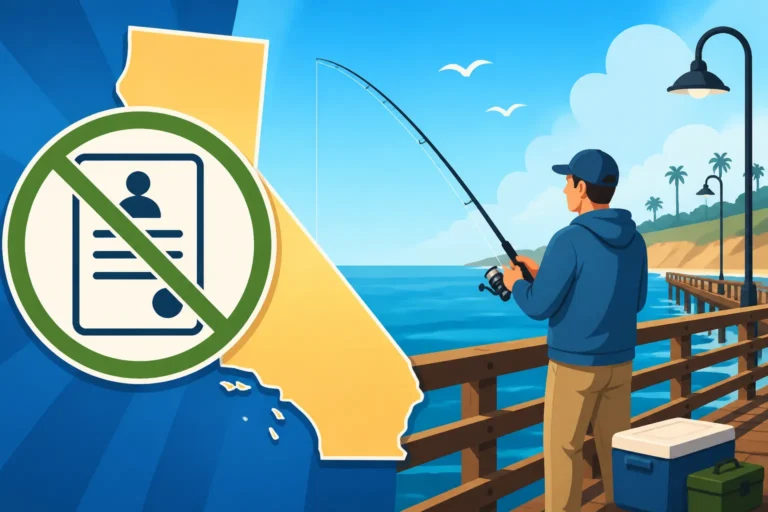
One of the most persistent myths surrounding fishing licenses in California, and consequently the Ocean Enhancement Stamp, is about pier fishing. It's true that generally, a fishing license is not required for individuals fishing from a public pier or jetty in ocean waters. This means that if you're casting lines from, say, the Oceanside Pier or the Santa Monica Pier, you typically won't need a license, and by extension, you won't need the Ocean Enhancement Stamp either. This exemption is a fantastic way for beginners or visitors to try out fishing without the upfront cost of a license.
However, there's a huge caveat: this exemption applies only to public piers or jetties and only if you are within the legal boundaries of that pier structure. If you leave the pier and fish from the beach, rocks, or a private boat, then the standard license and stamp requirements kick in immediately if you're 16 or older and fishing in the stamp-required zone. Moreover, even when pier fishing, all other regulations, such as bag limits, size limits, and gear restrictions, still apply. For a deeper dive into these rules, check out California Pier Fishing License Rules.
Another common area of confusion is fishing on party boats or charter trips. Many anglers assume that because the boat is licensed, individual passengers don't need their own. This is incorrect. While the vessel itself might hold commercial licenses, you as an individual angler, if you are 16 years or older and fishing south of Point Arguello for fin fish, are still required to possess your own valid California fishing license and the Ocean Enhancement Stamp. The captain and crew ensure the boat complies, but your personal responsibility for your license and endorsements remains.
Finally, remember the OES is strictly for ocean waters. If you’re heading inland to fish one of California’s amazing freshwater lakes or rivers, the Ocean Enhancement Stamp is completely irrelevant. You’ll need a freshwater fishing license, of course, but the OES doesn't apply there.
Distinguishing from Other California Fishing Stamps and Report Cards
California’s system includes various endorsements and report cards, and it's easy to get them mixed up. The Ocean Enhancement Stamp has a very specific purpose and shouldn't be confused with other requirements.
For instance, the OES is not a California Salmon Report Card or a California Steelhead Report Card. Those report cards are required specifically for anglers targeting those anadromous species, regardless of whether you're fishing in freshwater or saltwater where these species migrate. They are designed for data collection to help manage those specific populations and have separate costs and reporting requirements. You'll often find special fishing guides or reference books on Amazon that help clarify these distinctions, which can be a real lifesaver for new anglers.
Similarly, the Ocean Enhancement Stamp is distinct from a Second-Rod Stamp, which simply allows you to fish with two rods in specific waters (mostly freshwater, but sometimes applicable in certain saltwater scenarios for non-finfish like crabs). Each stamp or card serves a unique purpose for conservation and management, and while they might all seem like "extra costs," they each contribute to a specific aspect of maintaining California's diverse fisheries. Understanding these differences is key to staying compliant with California Fishing Regulations Explained.
What Species Benefit from the Ocean Enhancement Stamp?
While the Ocean Enhancement Stamp plays a broad role in the overall health of California's marine ecosystems, its impact is most directly felt by a few specific, highly valued recreational species. Understanding which fish benefit from your stamp purchase can give you a deeper appreciation for this small but mighty contribution to conservation. It’s not just about paying a fee; it’s about participating in a cycle of sustainability that ensures these incredible creatures continue to thrive.
The Focus on White Seabass and California Halibut
Without a doubt, the white seabass is the primary beneficiary and the flagship species for the Ocean Enhancement Stamp. As we touched on earlier, white seabass populations faced significant challenges, prompting the creation of the stamp and the subsequent development of aggressive enhancement programs. Through the network of white seabass grow-out facilities, largely supported by OES funds and managed by organizations like the Hubbs-SeaWorld Research Institute, millions of juvenile white seabass have been raised and released into Southern California's coastal waters. This direct intervention has undeniably played a crucial role in their recovery, making encounters with these elusive and powerful fish more common for anglers today. It’s a remarkable success story in active fisheries management, and every stamp purchased helps keep these facilities running and the programs expanding.
While not as directly "stocked" as white seabass, California halibut also receive significant indirect benefits from the OES. Halibut are another incredibly important and popular game fish in Southern California, prized for their delicious meat and challenging fight. The broader research, habitat restoration, and water quality improvement efforts funded by the stamp create a healthier marine environment overall, which naturally supports robust halibut populations. Funds might also support studies focused on halibut specific behaviors, reproduction, or habitat needs, helping to inform California Halibut Size and Bag Limits and other management strategies. Your stamp contributes to a healthier ecosystem where these prized flatfish can thrive.
Broader Ecological Benefits and Other Indirectly Supported Species
The impact of the Ocean Enhancement Stamp stretches beyond just white seabass and halibut. A healthy, well-managed marine ecosystem benefits countless other species, even if they aren't directly part of a stocking program. Funds might be allocated to research on kelp forest restoration, which are vital nurseries and feeding grounds for a myriad of fish, including various rockfish species, calico bass, and even baitfish like sardines and anchovies. These foundational species are critical components of the marine food web.
Consider the interconnectedness of ocean life: improving water quality, restoring damaged habitats, and conducting thorough scientific studies create a more resilient and productive environment. This means stronger populations of many other fish species that recreational anglers target, from yellowtail to barracuda, and even the smaller surfperch you might catch from the beach. The OES contributes to the scientific understanding necessary for effective management of all our marine resources, including informing rules for fishing in California Marine Protected Areas Explained. It's a testament to the idea that investing in one part of an ecosystem often yields benefits across the entire system, ensuring a more vibrant and diverse fishing experience for everyone who loves California's ocean.
| Fishing Scenario | License Required? | Ocean Enhancement Stamp Required? | Notes |
|---|---|---|---|
| Ocean fishing (private boat, 16+) south of Pt. Arguello for finfish | Yes | Yes | Applies to bays, estuaries too. |
| Ocean fishing (private boat, 16+) north of Pt. Arguello for finfish | Yes | No | Stamp not required in this zone. |
| Pier fishing (public pier, 16+) | No | No | Check local rules for specific piers and species. |
| Freshwater fishing (16+) | Yes | No | OES is strictly for ocean finfish south of Pt. Arguello. |
| Fishing on a licensed party boat (16+) south of Pt. Arguello for finfish | Yes | Yes | Your personal license and stamp are still needed. |
| Under 16 years old | No | No | Minors typically exempt from license and stamps. |
| Spearfishing south of Pt. Arguello for finfish | Yes | Yes | The method doesn't change the requirement. |
Disclaimer
Please remember that fishing regulations, including those pertaining to the California Ocean Enhancement Stamp, can change. While we strive to provide the most current and accurate information, it is always your responsibility to consult the official California Department of Fish and Wildlife (CDFW) regulations booklet or website before heading out to fish. This guide is for informational purposes only and should not be considered a substitute for official legal advice or current regulations.