California Charter Fishing for Beginners
Thinking about dipping your toes into the exciting world of ocean fishing in California, but feeling a little overwhelmed by where to start? You're definitely not alone! Many aspiring anglers look at the vast Pacific, teeming with incredible fish, and wonder how on earth to access it without owning a boat or knowing all the secret spots. This comprehensive guide is designed to demystify California charter fishing, giving beginners all the insights, tips, and confidence you need to book your first unforgettable trip and hook into some amazing memories.
Why Choose a Charter for Your First Ocean Fishing Trip?
Let's be real, the thought of buying all the gear, learning complex navigation, understanding currents, and figuring out where the fish are hiding can be a huge barrier. That's where a fishing charter truly shines, especially for newcomers. It’s like having an experienced friend with all the right tools and knowledge taking you directly to the action.
The Learning Curve Advantage
One of the biggest hurdles for anyone new to fishing, especially saltwater angling, is the steep learning curve. There’s so much to absorb: what bait to use, what lure works best, how to read the water, how to rig your line, and the subtle art of feeling a bite versus just snagging some kelp. On a charter boat, all that heavy lifting is done for you. The captain and deckhands are seasoned professionals who live and breathe fishing. They’re there to explain techniques, show you how to properly drop your line, help you untangle snags, and even coach you through fighting a feisty fish. It’s an invaluable, hands-on education without the stress of being solely responsible for everything.
Imagine yourself on the rail, rod in hand, feeling that distinct tug. Instead of fumbling, a friendly deckhand is right there, guiding your motions, teaching you to keep the rod tip up, and showing you the rhythm of reeling. You get to focus on the thrill of the moment, soaking in the experience, while gradually picking up skills that would take months or years to acquire on your own. This direct mentorship is priceless for building foundational fishing knowledge and confidence.
Access to Prime Fishing Grounds
California's coastline is incredibly diverse, offering everything from shallow bays to deep offshore canyons. Knowing where certain species are at any given time requires intimate knowledge of migratory patterns, water temperatures, current conditions, and even bait movements. For a beginner, trying to locate these productive zones would be like finding a needle in a haystack. Charter captains, however, spend hundreds of days a year on the water, constantly monitoring these factors. They have advanced electronics, years of accumulated knowledge, and often share information with other reputable captains, ensuring they put you on the fish.
Whether you're dreaming of battling a powerful Bluefin Tuna far offshore, jigging for rockfish over a rocky reef near shore, or drifting for California Halibut in a coastal bay, a charter provides immediate access to these prime locations. They know the secret spots, the local hotbeds, and the seasonal migrations that lead to successful trips. You don't need to worry about navigation, fuel, or costly gear; you simply show up ready to fish, and they take you to where the bite is happening.
Understanding Different Types of California Fishing Charters
California's vast fishing landscape means there's a charter option for almost every preference and budget. Deciding between a bustling party boat and a more intimate private trip, or choosing the right trip duration, is key to a fantastic first-time experience.
Party Boats: The Social Sportfishing Experience
Also widely known as "open party boats" or "sportfishing boats," these are large vessels that accommodate many anglers, sometimes up to 50 or more, on a first-come, first-served basis. They are a fantastic, cost-effective option for beginners because they spread out the cost among many people. You'll find these boats departing from major landings up and down the coast, like San Diego's Point Loma Sportfishing, Fisherman's Landing, and H&M Landing, or Dana Wharf Sportfishing & Whale Watching in Orange County, or Berkeley Charter Boats in the Bay Area.
The atmosphere on a party boat is usually lively and social. You'll be fishing alongside a diverse group of people, from seasoned regulars to other first-timers, all sharing the same goal: catching fish. The deckhands are incredibly efficient, helping multiple anglers at once, baiting hooks, untangling lines, and gaffing fish. While you might not get one-on-one instruction for the entire trip, they are always available to assist. These trips typically target abundant species like various rockfish species, lingcod, yellowtail, bonita, and barracuda, depending on the season and location. For an in-depth look, check out our guide on California Party Boat Fishing Explained. It's a great way to experience offshore fishing without the high price tag of a private boat and can be a lot of fun if you enjoy a communal fishing environment.
Private Charters: Tailored Adventures
If you prefer a more exclusive and personalized experience, a private charter is the way to go. You book the entire boat for your group, whether it's just you and a friend, your family, or a small group of buddies. This means you have the captain and crew's undivided attention, allowing for more specific instruction, customization of the trip based on your interests, and flexibility in targeting particular species or locations. You can decide if you want to spend more time trolling for tuna, jigging for yellowtail, or focusing on catching California Halibut.
Private charters are perfect for families with kids who might need extra help, groups celebrating a special occasion, or anglers who want to learn advanced techniques. While more expensive than a party boat per person, the value lies in the bespoke experience. Many smaller boats, often 6-packs (meaning they can take up to six passengers), offer private charters. This allows for more intimate conversations with the captain, access to smaller, lesser-fished spots, and a greater sense of control over your fishing day. If you’re looking to delve deeper into specific techniques or target a challenging species, a private charter provides that focused opportunity.
Deciding on Trip Duration and Target Species
When booking a charter, you'll notice a range of trip durations. These typically include:
- Half-Day Trips (4-6 hours): Ideal for beginners, families, or those prone to seasickness. These trips usually stay closer to shore and target common, reliable species like rockfish, calico bass, bonito, or sand bass.
- Full-Day Trips (8-12 hours): These ventures take you further out, allowing access to a wider variety of species, including larger yellowtail, barracuda, or even some of the pelagic species like Dorado or smaller tuna if they're in range. They offer more fishing time and a more comprehensive experience.
- Overnight or Multi-Day Trips: These are for the more adventurous and experienced angler, often targeting migratory tuna species far offshore. They aren't generally recommended for a first-time beginner due to the duration and intensity, but they offer an incredible experience once you've gained some sea legs.
Your choice of trip duration often dictates the target species. If you’re keen on catching California Halibut Regulations and Limits, a half or full-day trip in a bay or nearshore might be perfect. If you’re dreaming of a bigger battle, like with Yellowtail in California, a full-day or longer trip venturing to offshore islands or kelp paddies would be more appropriate. Always consider what you hope to catch and how much time you're comfortable spending on the water when making your decision.
Here's a quick comparison of common charter types:
| Feature | Party Boat (Open Party) | Private Charter (6-Pack) |
|---|---|---|
| Cost | Lower per person, shared expense | Higher total cost, more expensive per person |
| Group Size | Large groups (20-100+ anglers) | Small, private groups (typically 1-6 anglers) |
| Experience | Social, less personalized instruction | Intimate, highly personalized instruction |
| Flexibility | Fixed schedule & target species | Customizable schedule & target species |
| Target Species | Common, abundant nearshore/offshore species | Can target specific, harder-to-reach species |
| Ideal For | Budget-conscious, social anglers, first-timers | Families, dedicated learners, specific goals |
| Best Season to Book | Varies by target species and region | Varies by target species and region |
What to Expect Before Your Trip: Planning & Booking
The secret to a stress-free and enjoyable first charter trip often lies in the preparation. Knowing what to arrange beforehand can make all the difference, setting you up for success from the moment you step on the boat.
Essential Preparations: Licenses and Gear
First things first, you'll absolutely need a valid California Fishing License Guide before you even think about dropping a line. Even if you're on a charter boat, it's your responsibility to have one. You can easily purchase a one-day, two-day, or annual license online through the California Department of Fish and Wildlife (CDFW) website, or from licensed bait and tackle shops. Often, the landing you're departing from will also sell licenses, but it's always best to get it beforehand to avoid any last-minute stress. For saltwater fishing, especially south of Point Conception, you might also need a California Ocean Enhancement Stamp. It's a small additional fee but supports programs that enhance marine resources. Make sure to understand the specific requirements for where and what you plan to fish by reviewing the California Fishing Regulations Explained.
As for gear, most charter boats, especially party boats, include rod and reel rentals in the price or offer them for a small additional fee. This is fantastic for beginners because you don't need to invest in expensive equipment right away. However, you'll want to bring some personal items. Think layers of clothing, because conditions can change rapidly on the ocean. A good hat, polarized sunglasses, sunscreen, and non-slip closed-toe shoes are a must. Pack a small backpack with snacks, water, and any personal medications. For a detailed rundown of what to bring, check out our guide on What to Bring on a California Fishing Charter.
Finding and Booking Your Ideal Charter
With so many options, how do you pick the right one? Start by identifying what kind of experience you're looking for. Are you hoping for a lively social trip, or a more intimate instructional one? What species are you most interested in targeting? Once you have a general idea, you can start researching. Major sportfishing landings like those in San Diego, Long Beach, Marina del Rey, and Monterey are great places to start, as they often have multiple boats and schedules. You can check their websites or call them directly.
Online booking platforms are also incredibly helpful resources. Websites like FishingBooker allow you to browse numerous charters, compare prices, read reviews from other anglers, and even book your trip directly. It’s a convenient way to see a wide array of options in one place, giving you confidence in your choice. When reading reviews, pay attention to comments about the crew's helpfulness, the boat's condition, and how well they cater to beginners. Don't be afraid to call the charter office with any questions you might have about the trip. This direct communication can help you gauge their responsiveness and ensure they can accommodate your needs as a first-timer. Finding a good fit is crucial for a memorable trip.
Reading the Fish Counts and Weather
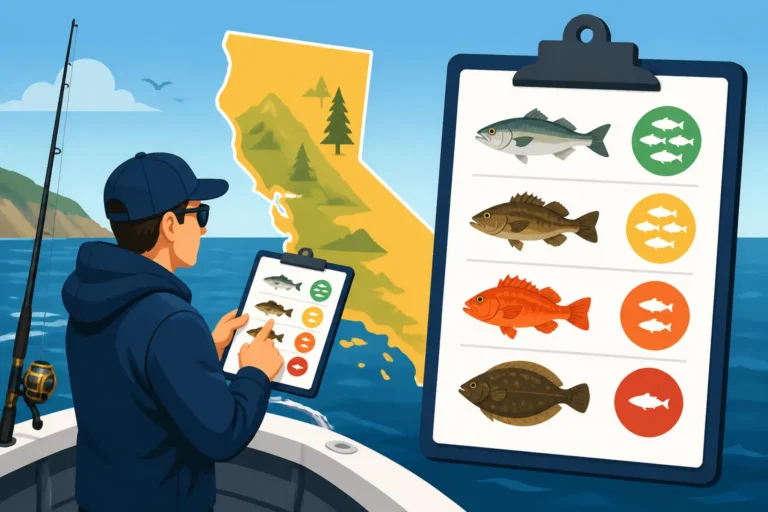
A little bit of research before you go can help manage expectations. Many sportfishing landings post daily "fish counts" online, detailing what species were caught, how many, and on which boats. This gives you a snapshot of what’s biting and what kind of action to expect. While it's exciting to see a boat land 100 yellowtail, remember that fishing is never a guarantee, and conditions can change overnight. Use these reports as a general guide, but approach your trip with an open mind and a flexible attitude.
Equally important is checking the marine weather forecast. Rough seas can lead to a less enjoyable trip, especially for those new to boating. Look for forecasts that predict calm winds and minimal swell. If the weather looks questionable, most reputable charters will offer to reschedule or provide a refund for safety reasons. It's always better to err on the side of caution than to endure a miserable day on choppy water. Knowing what to expect from the conditions will help you prepare mentally and physically, making your first experience much more comfortable.
What to Expect On the Water: The Day of Your Charter
The morning of your charter is filled with anticipation! Arriving at the dock, smelling the salt air, and seeing the boats lined up is an experience in itself. Here’s a breakdown of what typically happens once you're on board.
Deckhand Roles and Onboard Etiquette
The deckhands are the unsung heroes of any successful charter trip. They are incredibly skilled, multitasking individuals who bait hooks, help land fish, disentangle lines (and trust me, lines will get tangled!), clean fish, and ensure everyone has a safe and enjoyable time. Think of them as your personal fishing assistants and coaches. They'll be moving quickly around the boat, offering advice and assistance, so pay attention to their instructions.
As a beginner, don't be shy about asking for help. That's what they're there for! However, be respectful of their time and the other anglers. When you hook a fish, they'll often come directly to you. Listen carefully to their guidance on how to fight the fish. A key piece of etiquette to remember is to keep your fishing area tidy and to be mindful of others' lines to prevent tangles. Also, a generous tip for the deckhands at the end of the trip is customary and greatly appreciated, as their hard work often goes beyond just fishing. Our guide on Tipping on a California Fishing Charter offers more details on this important gesture.
Battling Seasickness and Staying Comfortable
One of the biggest anxieties for new anglers heading offshore is seasickness. It's a valid concern, and it can definitely put a damper on your trip. The good news is that there are many preventative measures you can take. Over-the-counter medications like Dramamine or Bonine work wonders for many people, but they often need to be taken before you board the boat, usually an hour or so beforehand. Some people also find relief with ginger candies, acupressure wristbands, or even prescription patches from their doctor.
Once on the boat, focus on the horizon, stay in the fresh air, and avoid going below deck or reading. Hydrate well, but avoid greasy foods or excessive alcohol the night before. Most importantly, don't let the fear of seasickness deter you from trying! Many people who think they'll get sick are pleasantly surprised. If you do start to feel queasy, let a deckhand know; they can often offer advice or a quiet spot to rest. For a deeper dive into prevention, check out How Seasickness Works on California Offshore Trips. Being prepared can help you relax and enjoy the ride.
The Thrill of the Catch
This is what you came for! When a fish bites, it's an unmistakable thrill. You'll feel a solid pull, often followed by the zzzzzzzzzzz of line peeling off your reel. This is where those deckhands jump into action, quickly moving to your side. They'll instruct you to keep your rod tip up, reel steadily, and pump the rod (lifting the rod and then reeling down) to gain line on the fish. For many beginners, battling a strong fish like a yellowtail or a chunky rockfish can be a surprising workout!
The deckhands will guide you on how to bring the fish to the boat safely and efficiently. Once it's alongside, they'll either net it or gaff it, bringing it aboard. The moment that fish hits the deck is incredibly exciting, a culmination of all the anticipation and effort. Don't be afraid to ask for a photo with your catch! It’s a memory you’ll want to preserve. Every hook-up, every battle, and every fish landed contributes to the unforgettable experience of your first California charter fishing trip.
After Your Trip: Fish Care & Future Adventures
The trip might be over, but the experience continues, especially if you've been fortunate enough to land some fish. Knowing what happens next and how to prepare for future trips will round out your beginner's guide.
Fish Cleaning and Your Take-Home Catch
So, you've got some fish! What now? On most party boats and private charters, the deckhands offer a fish cleaning service. This is usually for a small fee per fish or based on the size of your catch, but it's well worth it. They are experts at filleting, skinning, and bagging your fish quickly and efficiently. You'll go home with clean fillets, ready for the cooler and then your dinner table. Make sure to bring a good-sized cooler with plenty of ice in your car to transport your catch home safely and keep it fresh.
It's important to be aware of bag and size limits for all species you catch. The California Fishing Regulations Explained guide is your go-to resource for this. Deckhands are knowledgeable about these limits and will ensure that all legal requirements are met. You can't just keep every fish you catch; there are strict rules in place to ensure sustainable fishing practices. Knowing your limits beforehand helps you manage expectations and appreciate the fish you are legally allowed to take home.
Reporting Requirements and Conservation
For certain species, particularly highly regulated ones like sturgeon or steelhead, you might need a specific report card in addition to your fishing license. For example, if your charter specifically targets these fish, you might need a California Sturgeon Report Card or a California Steelhead Report Card. These cards help the CDFW monitor populations and manage fisheries. It's your responsibility to accurately fill out and return these cards by their deadlines, even if you don't catch any of the target species. Your captain or deckhands will be able to clarify any reporting requirements for the species caught on your specific trip.
Participating in responsible angling practices is vital for the future of fishing. This includes adhering to all regulations, releasing undersized or unwanted fish carefully to maximize their survival, and minimizing your impact on the environment. Charter captains and crews are typically strong advocates for conservation, and following their lead contributes to healthy fish stocks for everyone.
Planning Your Next Adventure
Your first charter trip is often just the beginning of a lifelong passion! Once you've experienced the thrill, you'll likely be eager to plan your next outing. Perhaps you want to target a specific species you didn't catch, explore a new fishing ground, or try a different type of charter. Maybe you want to learn more about California Salmon Season Dates Explained or delve into California Rockfish Regulations and Limits.
Consider what you enjoyed most about your first trip and what you might want to try differently. Did you love the social atmosphere of the party boat, or are you now leaning towards a private charter for more focused instruction? Did you find the half-day trip too short, and are you ready for a full-day excursion? There are so many possibilities, from targeting specific species in the Best Fishing Spots in California to exploring different techniques outlined in our California Fly Fishing Guide. Each trip offers a new opportunity to learn, grow, and create more incredible fishing memories in the Golden State.
Disclaimer
The information provided in this guide is for general informational purposes only and is subject to change. Fishing regulations, seasons, and local conditions in California can vary significantly and are updated frequently. Always consult the official California Department of Fish and Wildlife (CDFW) regulations booklet or website, as well as your chosen charter operator, for the most current and accurate information before planning any fishing trip. Adherence to all local, state, and federal laws is the sole responsibility of the angler.