Best Fishing Charters Departing from Long Beach
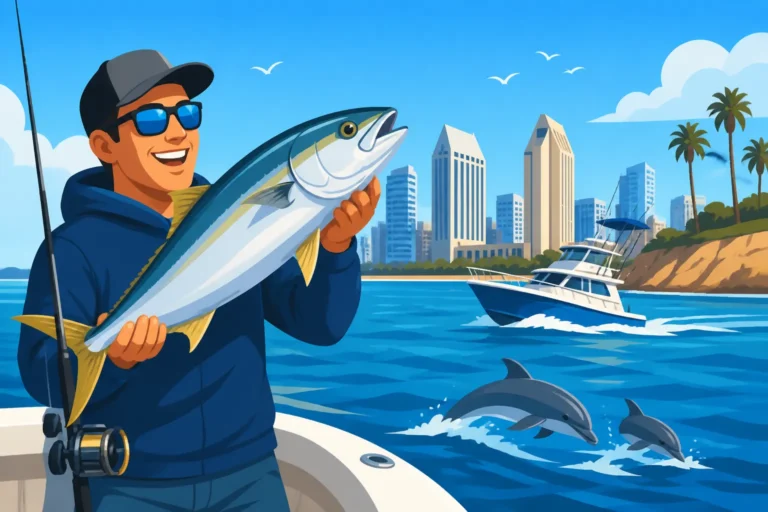
Trying to navigate the dizzying array of fishing charters departing from Long Beach can feel like you need a fishing guide just to pick a guide! With so many options, from quick nearshore trips to multi-day offshore excursions, it's easy to get overwhelmed and wonder which boat is truly going to deliver the experience you're hoping for. This comprehensive guide is here to untangle the lines, helping you understand the different types of charters available and how to choose the perfect one for your next Southern California fishing adventure.
Long Beach: Your Gateway to Southern California Fishing Adventures
Long Beach isn't just a beautiful coastal city; it's a bustling hub for sportfishing, offering anglers incredible access to some of Southern California's most productive waters. From the sheltered bays and kelp beds close to shore to the expansive offshore banks, the opportunities are endless. What makes Long Beach so special is its strategic location, providing relatively quick access to both the inner coast and the open ocean, including the famed Catalina and San Clemente Islands, which are true fishing havens.
The Strategic Advantage of Long Beach Harbors
When you think about fishing in Southern California, Long Beach stands out as a prime departure point. Its well-maintained harbors provide easy access for boats of all sizes, and the proximity to diverse fishing grounds means less travel time and more fishing time, which is always a win in my book! For anglers coming from the greater Los Angeles area, Long Beach is often more convenient than heading further south, offering a robust fleet without the longer drive. The deep-water access allows larger vessels to operate efficiently, making it a hotspot for those looking to chase bigger game further offshore. Plus, the sheer volume of boats means competition, which often translates to better deals and more options for us anglers.
Key Sportfishing Landings in Long Beach
Long Beach is home to a couple of prominent sportfishing landings, which act as the nerve centers for most charter operations. These landings are where you’ll typically check in, board your boat, and return with your catch.
- Berth 55 Sportfishing: Located in the heart of Long Beach Harbor, Berth 55 is a long-standing institution. They run a variety of trips, from half-day excursions targeting local species to full-day and overnight trips venturing out to the islands and offshore banks. They have a solid reputation for experienced crews and well-maintained boats.
- Long Beach Sportfishing: Also a fixture in the local fishing scene, Long Beach Sportfishing operates out of the city's marina. Similar to Berth 55, they offer a range of trips catering to different fishing preferences and budgets. Many anglers have fond memories of their first big catch on one of their boats.
Both of these landings usually have tackle shops on-site, where you can pick up last-minute gear, snacks, drinks, and even rent rods and reels if you don't have your own. They are the heart and soul of the local charter scene, providing a vital service to the angling community.
Understanding the Types of Fishing Charters from Long Beach
When you decide to go fishing from Long Beach, one of the first choices you'll face is the type of trip you want to take. The options can range dramatically in length, cost, and the kind of fish you'll be targeting. It's not a one-size-fits-all situation, and understanding the differences will help you pick the adventure that's right for you.
Half-Day and Three-Quarter Day Trips: Quick Bites and Nearshore Action
These are your bread-and-butter trips, perfect for beginners, families with kids, or anyone looking for a shorter, more accessible fishing experience. A half-day trip typically runs about 5-6 hours, while a three-quarter day can extend to 7-9 hours. They usually stick to waters closer to shore, targeting abundant species found in kelp beds, reefs, and local banks.
- What to Expect: On these trips, you'll generally be fishing within a few miles of the coast, often around structure or kelp. The pace can be quite active, especially if the bite is on. The focus is usually on consistency and getting everyone on the boat a chance to catch fish. You’ll be back at the dock well before dinner, making it easy to fit into a busy day.
- Target Species: Common catches include various rockfish species (like vermilion, bocaccio, and chilipepper), calico bass, sand bass, sculpin, and sometimes even a legal halibut if you’re lucky. These are excellent trips for learning basic techniques like bait fishing and light tackle jigging.
- Pros & Cons:
- Pros: More affordable, less time commitment, good for first-timers, less prone to seasickness (as you stay closer to shore), often productive.
- Cons: Limited range, unlikely to encounter big pelagic species like tuna, shorter fishing time overall.
Full-Day and Extended Day Trips: Deeper Waters, Bigger Game
Stepping up from the shorter trips, full-day charters usually run 10-12 hours, giving the captain and crew more time to venture further afield. These trips might head out to the offshore islands like Santa Catalina Island or San Clemente Island, or explore deeper coastal banks. This expanded range opens up opportunities for a wider variety of fish and often more challenging, exciting fishing.
- What to Expect: You'll depart early in the morning, often before sunrise. The boat will motor for a longer period to reach prime fishing grounds. Once there, you might drift, troll, or anchor, depending on the target species. The fishing can be more varied, sometimes requiring different techniques and heavier gear. Expect a longer, more immersive experience on the water.
- Target Species: In addition to the nearshore species, full-day trips often target yellowtail, especially around the islands, and sometimes even larger game like white seabass, barracuda, or even smaller tuna species if they are within range. This is where you might start using heavier jigs or live bait for more aggressive fish.
- Pros & Cons:
- Pros: Access to more productive fishing grounds, higher chance of catching larger or more sought-after species, more fishing time.
- Cons: Longer time commitment, higher cost, can be more susceptible to changing weather conditions, greater chance of seasickness if conditions are rough.
Overnight and Multi-Day Excursions: True Offshore Adventures
For the serious angler looking for an epic adventure, overnight or multi-day trips are the pinnacle of sportfishing from Long Beach. These trips often target distant offshore banks and international waters (south of the border, requiring a passport!), chasing migratory pelagic species.
- What to Expect: These trips are truly immersive. You'll often depart in the afternoon or evening, steam all night to distant fishing grounds, fish all day, and then either steam back or continue fishing the next day. Accommodations are typically bunk beds in communal cabins. Meals are usually provided, and the crew works tirelessly to put you on fish. It’s a marathon, not a sprint, and camaraderie among anglers is a huge part of the experience.
- Target Species: This is where you go after the big ones: bluefin tuna, yellowfin tuna, dorado (mahi-mahi), and wahoo. These are fast, powerful fish that demand skill and stamina. You'll likely be fishing with heavy gear, casting jigs, fly-lining live bait, or kite fishing.
- Pros & Cons:
- Pros: Best chance at trophy pelagic fish, a truly unique and memorable experience, often includes meals and bunks.
- Cons: Most expensive, longest time commitment (often 1.5 days to several days), can be physically demanding, requires specific gear and advanced techniques, high chance of seasickness for those prone to it. You’ll definitely want to check the How to Prepare for a Long-Range Tuna Trip guide if you’re considering one of these.
Here’s a quick overview of the different trip types:
| Trip Type | Duration | Primary Target Waters | Typical Species | Ideal For |
|---|---|---|---|---|
| Half-Day | 5-6 hours | Nearshore, local reefs, kelp | Rockfish, Bass, Sculpin, Perch | Beginners, families, quick trips |
| Three-Quarter Day | 7-9 hours | Coastal banks, islands (closer) | Rockfish, Bass, Halibut, Barracuda | More serious day anglers, slightly wider range |
| Full-Day | 10-12 hours | Santa Catalina/San Clemente, offshore banks | Yellowtail, White Seabass, Tuna (seasonal) | Experienced anglers, chasing specific game |
| Overnight/Multi-Day | 1.5+ days | Distant offshore banks, Mexico | Bluefin Tuna, Yellowfin Tuna, Dorado, Wahoo | Serious big-game anglers, adventure seekers |
Top Fish Species You Can Target from Long Beach
The waters accessible from Long Beach are teeming with a diverse array of fish, offering something for every angler. Knowing what you're likely to encounter can help you choose the right trip and prepare your gear.
Nearshore Favorites: Rockfish, Calico Bass, and Halibut
For those staying closer to the coast or fishing shorter trips, these are your bread and butter. They provide consistent action and are often fantastic table fare.
- Rockfish (Vermilion, Bocaccio, Chilipepper, and more): California is home to an incredible variety of rockfish, and many of them thrive on the rocky reefs and structures easily reachable from Long Beach. You'll often catch these using lead-head jigs tipped with squid or cut bait, or even sabiki rigs. Remember, California Rockfish Regulations and Limits can be quite strict, especially regarding depth and seasons, so always check the latest rules from the California Department of Fish and Wildlife (CDFW). They're tasty, often vibrant in color, and a staple of local sportfishing.
- Calico Bass and Sand Bass: These feisty bass species are synonymous with Southern California inshore fishing. Calico bass love structure, especially kelp beds, and put up an incredible fight on light tackle. Sand bass prefer sandy bottoms and are often found in huge schools. You'll often target them with plastics, live bait (like anchovies or sardines), or even surface iron. Catching a limit of these can make for a fantastic day on the water, and they are excellent eating.
- California Halibut: The "phantom of the flats," California halibut are highly prized for their delicious white meat and challenging nature. They are ambush predators that lie camouflaged on sandy or muddy bottoms. Drifting with live bait, like a sardine or mackerel, or slow-trolling swimbaits are popular and effective methods. While they can be found nearshore, landing a legal-sized one takes patience and a bit of luck. Make sure you're up-to-date on California Halibut Size and Bag Limits before you head out.
Offshore Thrills: Yellowtail and Pelagic Tuna
When you venture further out, especially to the Channel Islands or offshore banks, the game changes. You're now targeting faster, stronger, and often much larger migratory species that provide an adrenaline rush like no other.
- Yellowtail Amberjack: Often referred to simply as "yellowtail," these powerful fighters are a favorite among California anglers. They congregate around offshore islands, kelp paddies, and banks. They're incredibly aggressive and will hit a variety of lures, from surface iron to jigs, and are absolute suckers for live bait like anchovies or sardines. Their runs are legendary, and landing a big "forkie" is a badge of honor. To really dial in your tactics, check out our California Yellowtail Fishing Guide.
- Pelagic Tuna (Bluefin, Yellowfin, Albacore): For many, bluefin tuna are the ultimate prize when fishing out of Southern California. These powerful fish can range from 20 pounds to over 200 pounds, and they test every ounce of an angler's strength and gear. Long Beach is a major jumping-off point for tuna trips, especially during the summer and fall months when these giants migrate into our waters. You might encounter bluefin, yellowfin, or even albacore depending on the season and where the fish are. Methods include trolling, jigging, fly-lining live bait, or even kite fishing for the biggest models. Targeting these requires specialized gear and often longer trips. For a deep dive into catching these ocean giants, consult our California Bluefin Tuna Fishing Guide.
Choosing the Right Long Beach Fishing Charter for Your Trip
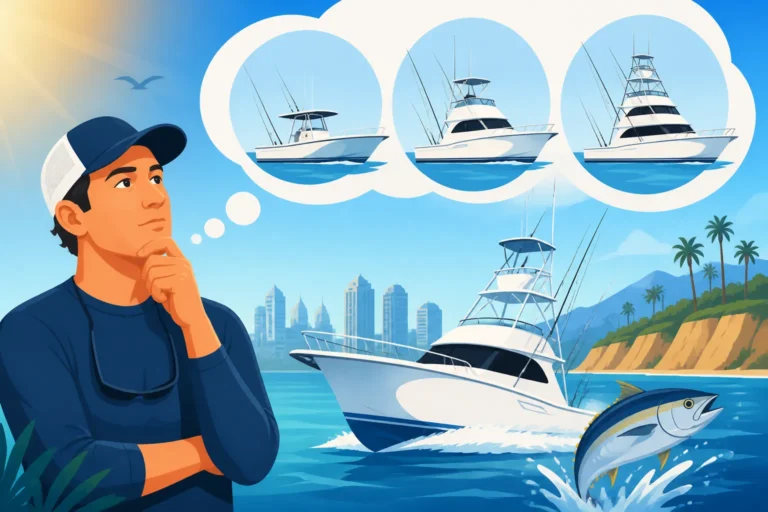
Selecting the perfect fishing charter isn't just about picking the biggest boat or the cheapest fare. It's about matching your expectations, experience level, and desired adventure with the right operator. There are several factors to consider to ensure you have a fantastic time on the water.
Factors to Consider Before Booking
Before you even look at a booking website, take a moment to consider what kind of trip you truly want.
- Your Experience Level: Are you a seasoned angler who can handle heavy gear and long hours, or are you a beginner who needs more guidance? For newcomers, a half-day or three-quarter day trip focusing on rockfish or bass is a fantastic way to get your feet wet. If you're an experienced angler looking for a challenge, an overnight tuna trip might be more your speed.
- Target Species: What do you want to catch? If it's rockfish and bass for dinner, a local half-day will suffice. If you're dreaming of a trophy yellowtail or a giant bluefin, you'll need to book a longer, more specialized trip. Different trips target different fish, and aligning your goals with the charter's focus is crucial.
- Budget: Charter costs vary significantly based on duration, boat size, and amenities. Half-day trips are the most economical, while multi-day offshore trips can be quite an investment. Remember to factor in potential extras like rod rentals, bait, tackle, food, and don't forget Tipping on a California Fishing Charter—it's customary and appreciated!
- Group Size & Preference: Are you going solo, with a few friends, or with a large group? Most charters offer "open party" trips where you buy an individual ticket and fish with other anglers. If you have a larger group, you might consider booking a private charter, which gives you more flexibility and personalized attention. For families with kids, a private charter or a shorter, less intense open party trip might be ideal.
- Time of Year and Weather: The best time to fish for certain species varies throughout the year in California. For example, tuna season is typically summer and fall, while rockfish are consistent year-round (though regulated). Always check the weather forecast before your trip, especially for offshore excursions. A quick glance at the Best Times to Fish in California can help you plan.
Booking Your Charter: Platforms and Best Practices
Once you have a good idea of what you're looking for, it's time to book.
- Online Booking Platforms: Websites like FishingBooker are incredibly popular for finding and booking charters. They allow you to browse numerous boats, compare prices, read reviews, and often book directly online. This can be a huge time-saver and gives you a good overview of available options. When using platforms like FishingBooker, pay close attention to the boat's amenities, what's included (like tackle, bait, license), and the captain's experience.
- Contacting Landings Directly: You can also call Berth 55 Sportfishing or Long Beach Sportfishing directly. Their staff are usually very knowledgeable and can help you find a trip that matches your needs, especially if you have specific questions or want to inquire about current fishing conditions.
- Read Reviews: Don't just look at the star rating; read through the actual comments from previous anglers. Look for recurring themes regarding the crew's helpfulness, the condition of the boat, and the overall fishing experience. Good reviews often highlight a crew's dedication to making sure everyone has a good time, regardless of the catch.
- Inquire About Current Conditions: Fishing is dynamic. What was biting yesterday might not be biting today. It's always a good idea to call the landing or charter operator a day or two before your trip to get an update on recent catches and what to expect. This can help manage expectations and even suggest slight adjustments to your gear.
Preparing for Your Long Beach Fishing Adventure
A little preparation goes a long way in ensuring a smooth and enjoyable fishing trip. Knowing what to bring, what's provided, and the rules of the road can make all the difference.
Essential Gear and What's Provided
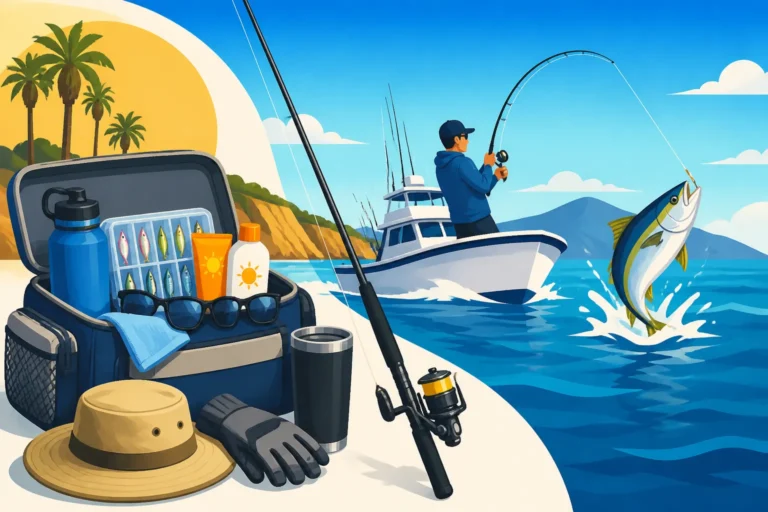
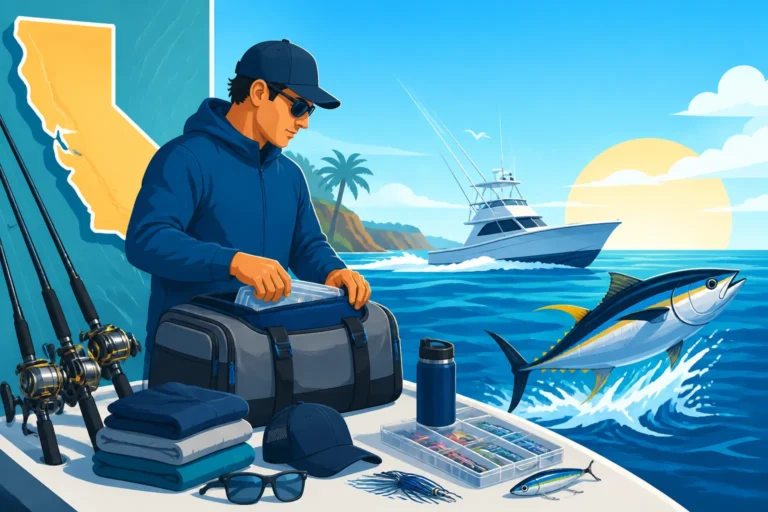
Most open party charters will have certain things available for you, but it’s crucial to know what you need to bring yourself.
- Fishing License: This is non-negotiable for anyone aged 16 or older. You must have a valid California Fishing License Guide (or a short-term option like a California One-Day Fishing License) to fish from a boat in California, even if you’re on a charter. You can usually buy these online through the CDFW website or at tackle shops, including those at the landings. Make sure to purchase it before you get to the dock, as connectivity can be spotty.
- Rod and Reel: Most charter boats offer rod and reel rentals for a small fee (typically $15-$25). These are usually adequate for the species being targeted on shorter trips. If you have your own gear, you're welcome to bring it. For offshore tuna trips, however, you might need more specialized heavy-duty setups, which often are not included in standard rentals and might need to be sourced elsewhere or discussed with the charter in advance.
- Tackle and Bait: On open party trips, basic bait (like anchovies or squid) is usually included in your fare. Some charters might include terminal tackle (hooks, weights), while others expect you to bring your own or purchase it on board. For specialized lures, jigs, or artificials, it’s best to bring your own. If you’re unsure, ask when you book!
- Clothing: Dress in layers! Even on sunny California days, it can be chilly on the water, especially in the early morning or evening. Bring a waterproof jacket, sturdy shoes with good grip (the decks can get wet), a hat, and sunglasses. Sunscreen is also a must.
- Food and Drink: While some longer charters provide meals, for most day trips, you'll need to bring your own snacks, lunch, and beverages. Avoid glass bottles. A small cooler is perfect for your personal stash.
- Cooler for Your Catch: This is vital! Bring a separate cooler to keep your filleted fish fresh on the ride home. Leave it in your car until the boat returns to the dock. The crew will usually clean and fillet your fish for a small fee, or you can do it yourself at the cleaning stations.
- Seasickness Medication: If you're prone to seasickness, take preventative medication before you get on the boat. Bonine or Dramamine can make a huge difference, or consider sea bands. Nothing ruins a trip faster than feeling ill.
Understanding Regulations and Licenses
California has some of the most comprehensive and complex fishing regulations in the country. It’s absolutely essential to understand them.
- The Captain's Responsibility: While the captain and crew are experts and will guide you, ultimately, each angler is responsible for knowing and adhering to bag limits, size limits, and season closures. The crew will inform you of the rules for the day's targeted species, but it doesn't hurt to do a little homework beforehand, especially for specific species like rockfish or halibut.
- Report Cards: For certain species like white seabass, yellowtail, or sturgeon, you might need a specific report card in addition to your general fishing license. These help the CDFW track catches. Make sure you have any necessary report cards and know how to fill them out properly.
- Marine Protected Areas (MPAs): California has many California Marine Protected Areas Explained along its coast, which are zones where fishing activity is restricted or prohibited. Charter captains are well aware of these boundaries and will ensure the boat operates legally.
By doing a little bit of planning and preparation, you'll be set for an unforgettable fishing trip departing from Long Beach, whether you're chasing rockfish close to shore or battling a monster tuna far offshore.
Disclaimer
The information provided in this guide is for general informational purposes only and is subject to change. Fishing regulations, seasons, and availability of fish species can vary greatly due to environmental factors and management decisions by the California Department of Fish and Wildlife (CDFW). Always check the most current regulations directly with the CDFW before heading out on any fishing trip. While we strive for accuracy, we cannot guarantee that all information is up-to-date at all times.