Best Sturgeon Guides in California
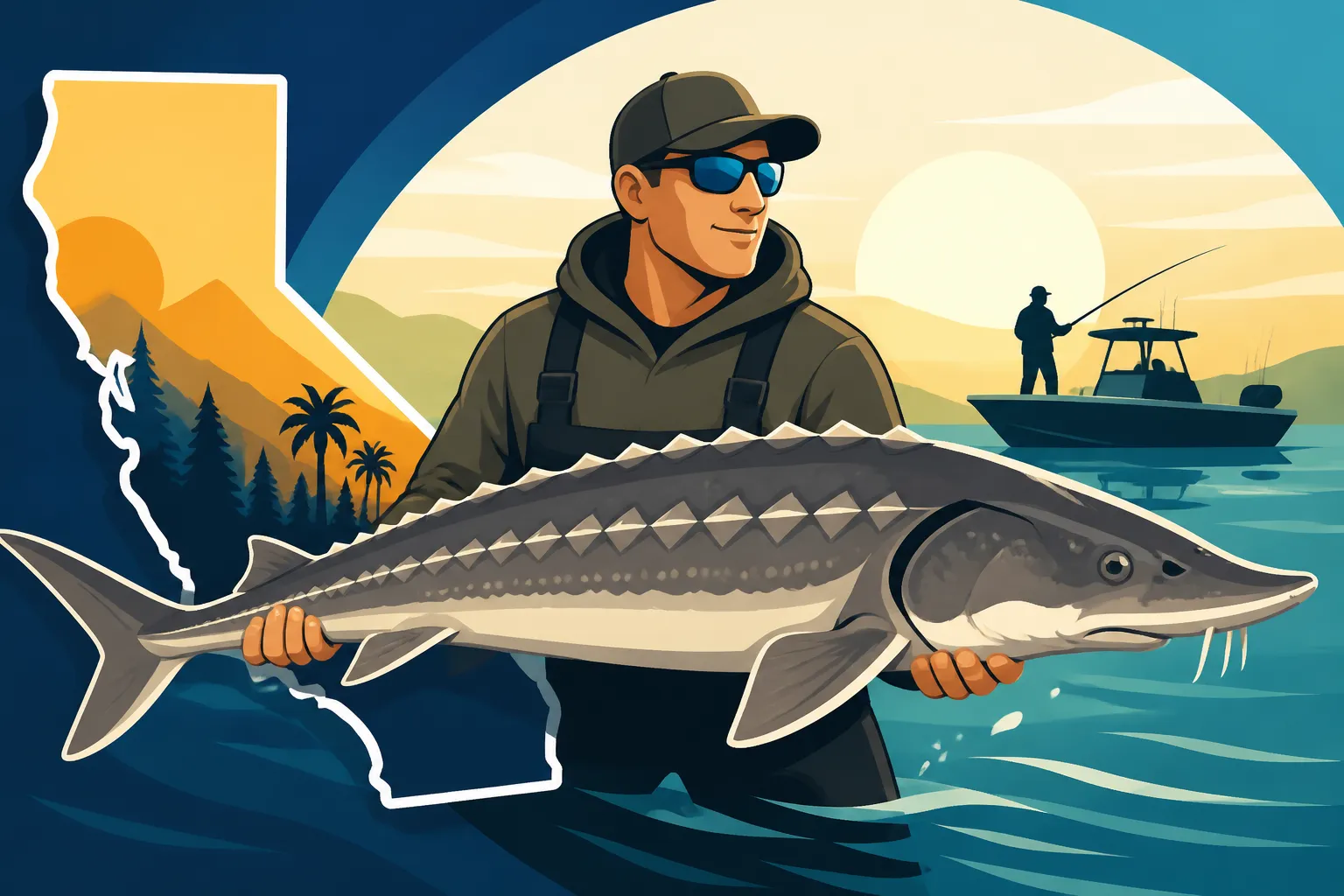
Trying to hook into one of California's ancient white sturgeon can feel like chasing a ghost. These magnificent, prehistoric fish are notoriously challenging to find and even harder to land, making many anglers feel frustrated and overwhelmed by the sheer scale of the task. This guide is here to shed light on why a dedicated sturgeon guide is often your best bet for success and how to find the most knowledgeable pros in the Golden State.
Why Hire a Sturgeon Guide in California?
Let's be honest, sturgeon fishing isn't like casting for trout in a stocked pond. It requires a specific skill set, intimate knowledge of the waterways, and specialized gear that many recreational anglers simply don't possess. Trying to go it alone can often lead to hours of fruitless waiting and a whole lot of head-scratching. That's where a seasoned sturgeon guide truly shines, transforming a potentially frustrating endeavor into a memorable, productive experience.
Navigating Complex Regulations and Seasons
One of the biggest hurdles for any sturgeon angler in California is the ever-changing and often intricate web of regulations. The California Department of Fish and Wildlife (CDFW) takes sturgeon conservation very seriously, and for good reason—these fish are a precious resource. This means specific seasons, bag limits, size restrictions (including a strict slot limit), and the mandatory use of a California Sturgeon Report Card are all part of the game. Get any of these wrong, and you could face hefty fines.
A professional guide lives and breathes these rules. They're constantly up-to-date on the latest changes, emergency closures, and regional nuances that might affect your trip. They'll ensure you're fishing legally, using the correct gear, and handling the fish according to best practices, safeguarding both your wallet and the sturgeon population. For instance, understanding the California Sturgeon Slot Limit is critical; keeping a fish outside that slot is a major violation, and a good guide will measure every fish meticulously, often right in the water.
Mastering Specialized Techniques and Gear
Sturgeon fishing isn't about fancy lures or aggressive casting. It's often a game of patience, precision, and presentation. White sturgeon are bottom feeders with incredibly sensitive barbels, meaning your bait presentation, anchor placement, and understanding of currents are paramount. Most anglers going after sturgeon are using heavy-duty rods and reels, stout line, and specific bait rigs designed to keep their offering firmly on the bottom in often swift currents.
A top sturgeon guide brings a treasure trove of experience to the table. They know exactly what baits are working, from ghost shrimp to pile worms or even cured salmon roe, and how to rig them perfectly to entice a bite. They'll teach you the subtle art of feeling for a sturgeon "tap" rather than a rip, and how to set the hook into their tough, cartilaginous mouths. Beyond the techniques, they provide all the specialized gear—from the heavy rods and reels to the intricate leaders and weights—saving you the significant investment in equipment you might only use a few times a year. This expertise is exactly what you need to learn How to Fish for Sturgeon in California.
Accessing Prime Sturgeon Hotspots
California's sturgeon fishery primarily revolves around the vast Sacramento-San Joaquin Delta, San Pablo Bay, and Suisun Bay. These waterways are immense, with countless channels, holes, and flats. Simply put, these areas are huge, and knowing where the fish are holding at any given time requires an intimate, daily knowledge of water conditions, tides, and fish movements.
Guides spend hundreds of days a year on these waters. They know the subtle changes in depth, the hidden humps, and the specific eddies where sturgeon congregate during different tide cycles and seasons. They've built up years of "milk runs" – those reliable spots where they consistently find fish. Without this insider knowledge, you could spend days aimlessly drifting or anchored in unproductive water. A good guide isn't just taking you fishing; they're taking you to the fish, significantly increasing your chances of success. They know the Best Places to Catch Sturgeon in California.
What Makes a Top California Sturgeon Guide?
When you're looking to book a sturgeon trip, you're not just buying a boat ride. You're investing in an experience and the expertise of someone who can put you on fish. It's crucial to distinguish between a good guide and a great one, especially when targeting a challenging species like sturgeon.
Experience and Local Knowledge
The absolute bedrock of a great sturgeon guide is their deep, historical knowledge of the local waterways and the fish behavior within them. This isn't something you learn from a book; it's gained through thousands of hours on the water, observing, experimenting, and adapting.
- Years on the Water: Look for guides with at least 5-10 years of dedicated experience specifically targeting sturgeon in their chosen region. A guide who primarily fishes for bass might know the Delta, but their sturgeon-specific knowledge might be limited. The best guides have seen it all—high water, low water, hot bites, tough bites—and know how to adjust their strategy accordingly.
- Reading the Water: Top guides can "read" the water like an open book. They understand how factors like tide, current, water temperature, salinity, and even barometric pressure influence sturgeon behavior. They know how to position the boat precisely to present baits effectively in challenging currents and can tell you exactly why they're fishing a particular spot at a particular time. For example, a veteran guide targeting the California Delta Fishing Guide will often know the specific bends and scour holes in rivers like the Sacramento or San Joaquin that hold fish during different tidal pushes.
- Reputation and Referrals: Word of mouth is incredibly powerful in the guiding community. Ask around at local tackle shops, peruse online fishing forums, or check out reviews on platforms like FishingBooker. A guide with a stellar reputation for consistently putting clients on fish, being personable, and prioritizing safety is a strong indicator of quality.
Equipment and Boat Setup
Sturgeon fishing demands robust, reliable equipment. A guide's boat and gear speak volumes about their professionalism and commitment to client comfort and success.
- Properly Equipped Boat: Sturgeon boats are typically large, stable, and spacious enough to comfortably accommodate several anglers, plus the guide. They should be equipped with powerful, reliable engines, modern electronics (such as fish finders and GPS with detailed mapping), and a safe, clean deck. Storage for personal gear, a cooler for drinks, and a comfortable seating arrangement are also key. Many guides operate custom-built jet boats or larger center consoles designed for the specific challenges of river and bay fishing.
- High-Quality Gear: As mentioned, sturgeon gear is heavy-duty. A top guide will provide a full complement of well-maintained, high-quality rods and reels specifically spooled with appropriate line strength (often 50-80 lb braid with heavy mono or fluorocarbon leaders). Terminal tackle, including swivels, weights, and hooks, should be fresh and robust. They’ll also have essential tools like large nets or tail ropes for handling big fish, often designed to keep the fish in the water as much as possible for its safety.
- Safety First: Beyond fishing gear, a professional guide always prioritizes safety. Their boat will be equipped with all required safety gear: life jackets (often self-inflating PFDs), first-aid kits, communication devices (VHF radio, cell phone), and emergency signaling equipment. They should also hold all necessary Coast Guard certifications and commercial fishing licenses.
Client-Focused Approach and Safety
Ultimately, a guided trip is about the client's experience. A truly great guide understands this and goes above and beyond to ensure everyone has a fantastic, safe, and memorable day.
- Patient Instruction: Not everyone is an experienced angler. A top guide is patient, clear, and willing to teach. They'll explain the techniques, help with baiting, demonstrate how to fight a big sturgeon, and answer all your questions without making you feel silly. They understand that a big part of their job is to educate and empower their clients.
- Adaptability: Fish don't always cooperate. A skilled guide knows how to adapt. If the bite is slow in one spot, they're willing to move. If one bait isn't working, they'll switch it up. They're constantly thinking, analyzing, and trying new strategies to find success.
- Enthusiasm and Professionalism: A guide's attitude can make or break a trip. Look for someone who is genuinely enthusiastic about fishing, respectful, and professional from the moment you book until you're back at the dock. They should be punctual, organized, and focused on making your day enjoyable, even if the fish are finicky. Finding a guide with these qualities can sometimes be tricky, but platforms like FishingBooker often include detailed reviews that highlight a guide’s personality and client interactions, which can be super helpful.
Top Regions and Noteworthy Guides for California Sturgeon
California's sturgeon fishery is primarily concentrated in a few key areas, each with its unique characteristics and a cadre of specialized guides. While it's impossible to list every fantastic guide, here's a look at some prominent regions and the types of guides you might encounter.
Sacramento-San Joaquin Delta Guides
The heart of California's sturgeon fishery, the vast and intricate California Delta Fishing Guide, is where many of the best sturgeon guides spend their careers. This network of rivers, sloughs, and bays offers diverse habitats for white sturgeon. Guides here often operate out of towns like Pittsburg, Antioch, or Rio Vista.
- Captain Steve Mitchell (NorCal Sportfishing): Captain Steve is a name many anglers recognize in the Delta. He's known for his extensive knowledge of sturgeon habits in both the main rivers and smaller sloughs. He runs a comfortable boat and has a reputation for being patient and excellent with both seasoned anglers and beginners. His focus is often on the Sacramento River and its tributaries, and he’s excellent at helping clients understand the nuances of the Sacramento River Fishing Guide sturgeon fishery.
- Captain Bryan Shuler (Fish Whisperer Guide Service): Bryan Shuler is another highly respected guide who has built a strong following. He's particularly adept at finding big sturgeon and is known for his detailed approach to bait presentation and boat positioning. He fishes extensively throughout the central and western Delta, often moving to follow the bite.
- Captain Zack Mediatore (The Gillz Guide Service): Zack is a younger, energetic guide who has quickly made a name for himself. He’s incredibly passionate about sturgeon and uses modern techniques and electronics to locate fish. His enthusiasm is contagious, and he's great for anglers looking for a high-energy trip.
San Pablo Bay and Suisun Bay Specialists
Just west of the main Delta, San Pablo Bay and Suisun Bay offer significant sturgeon opportunities, especially during certain times of the year when fish migrate into these brackish waters. The fishing here can be more exposed to wind and weather, requiring experienced bay guides.
- Captain Joey Gamez (Golden State Sportfishing): Captain Joey is a veteran guide with years of experience fishing the Bay Area's diverse waters, including San Pablo and Suisun Bays for sturgeon. He’s meticulous with his setups and known for his ability to find fish even when conditions are challenging. His knowledge of the San Francisco Bay Fishing Guide system extends deeply into its eastern reaches.
- Captain Benita Thompson (Lady of the Lake Sportfishing): Captain Benita is a highly respected guide known for her calm demeanor and consistent results. She’s particularly knowledgeable about the tides and currents that influence sturgeon movements in these expansive bays, making her a solid choice for anglers looking to learn the intricacies of bay sturgeon fishing.
Beyond the Delta: Lesser-Known Sturgeon Waters
While the Delta and its adjacent bays are the primary hotspots, there are occasionally sturgeon opportunities in other, less publicized areas. These might include deeper sections of the San Joaquin River further upstream or even certain coastal estuaries where sturgeon might briefly venture. However, these are often more challenging and require even more specialized, hyper-local knowledge from a guide. It's rare to find guides exclusively focused on these fringe areas for sturgeon, as the more consistent fishing is found in the main Delta complex. If you're looking for a specific, more obscure location, ensure your chosen guide truly specializes in it.
To help visualize the primary sturgeon guiding areas:
| Region | Primary Waterways | Key Towns/Departure Points | Typical Fishing Depth | Main Sturgeon Species |
|---|---|---|---|---|
| Sacramento-San Joaquin Delta | Sacramento River, San Joaquin River, Georgianna Slough, Cache Slough | Rio Vista, Antioch, Pittsburg, Walnut Grove | 15-40 feet | White Sturgeon |
| Suisun Bay | Honker Bay, Grizzly Bay, Suisun Slough | Martinez, Pittsburg | 10-30 feet | White Sturgeon |
| San Pablo Bay | Petaluma River entrance, Pinole Shoals, Brothers Island area | Richmond, Vallejo | 15-50 feet | White Sturgeon |
Planning Your Guided Sturgeon Trip
Now that you have a better idea of what to look for in a guide and where to find them, let's talk logistics. Planning ahead will ensure your trip runs smoothly and that you get the most out of your time on the water.
Booking and Preparation Tips
Booking a sturgeon guide isn't always as simple as picking a date; popular guides, especially during peak seasons, can be booked solid months in advance.
- Book Early: Sturgeon fishing can be excellent year-round, but late fall through early spring often sees some of the most consistent action. If you have specific dates in mind, especially on weekends, aim to book at least 2-3 months out, sometimes even more for top guides.
- Utilize Online Platforms: Websites like FishingBooker are fantastic resources for finding reputable guides. You can filter by species (sturgeon!), location, read client reviews, see available dates, and often book directly. This is an efficient way to research and compare different operations. Many guides also have their own websites and social media channels where they post current fishing reports and availability.
- Confirm What's Included: Always clarify what your trip fee covers. Does it include bait, tackle, and ice? What about fish cleaning (though sturgeon are rarely kept due to regulations and mercury advisories)? Most importantly, confirm whether a California Fishing License Guide and California Sturgeon Report Card are required and if the guide will help you acquire them, or if you need to purchase them beforehand. You will need to purchase your own, but a good guide can point you in the right direction. Remember, you absolutely need both before you step on the boat.
- Discuss Expectations: Have an open conversation with your guide before booking. Are you looking for a trophy fish or just to catch a few? Are you comfortable with catch-and-release only (which is the norm for sturgeon)? Communicating your expectations ensures you and your guide are on the same page.
- What to Bring: Even though guides provide gear, you'll still need some essentials. Bring layers of clothing, as Delta and Bay weather can change rapidly. Sun protection (hat, sunglasses, sunscreen) is a must. Pack your own snacks and drinks, and don't forget your valid California fishing license and sturgeon report card! A small cooler to take home any legal catch (highly unlikely for sturgeon due to regulations, but good for other species on a combo trip) is also useful.
What to Expect on Your Trip
A guided sturgeon trip is typically a full-day affair, often starting early in the morning to capitalize on favorable tides or feeding windows.
- Meet and Greet: You'll usually meet your guide at a designated boat ramp or marina. After a brief safety talk and license check, you'll head out to the fishing grounds.
- Anchoring and Baiting: Expect to spend time anchored in prime sturgeon territory. Your guide will set up the rods, instruct you on how to bait your hook (or do it for you), and explain the nuances of feeling for a sturgeon bite. This can sometimes involve long periods of waiting, which is par for the course with sturgeon.
- The Bite and the Fight: When a sturgeon bites, it’s usually a slow, deliberate tap or bend of the rod. Your guide will coach you on when to set the hook. Once hooked, these fish put up an incredible fight, often making powerful runs and even jumping. Be prepared for a physical battle! Your guide will provide instructions on how to properly fight the fish to land it efficiently and safely.
- Catch and Release Ethic: For most sturgeon trips, especially for white sturgeon outside the slot limit or any green sturgeon (which are federally protected and illegal to keep), it will be strictly catch and release. Your guide will demonstrate proper handling techniques, often keeping the fish in the water to remove the hook, measure, tag (if part of a research program), and then safely release it. This commitment to conservation is part of what makes these fisheries sustainable. Remember to refer to the California Sturgeon Regulations and Limits for the latest on what can and cannot be kept.
- Enjoy the Scenery: Even if the fish aren't biting constantly, take time to enjoy the incredible natural beauty of the Delta or Bay. It's a unique ecosystem teeming with wildlife.
Understanding Costs and Tipping Etiquette
Like any guided service, there are costs involved, and understanding proper etiquette for tipping your guide and deckhand is important.
- Trip Costs: Sturgeon guide trips typically range from $600 to $1000+ for a full day, depending on the guide's experience, boat size, and the number of anglers. This usually covers the boat, fuel, guide's time and expertise, and all fishing gear and bait. Always clarify the total cost and any potential additional fees before booking. You can typically find a breakdown of how much a How Much Does a California Fishing Charter Cost from various ports.
- Tipping: Tipping your guide is customary and highly appreciated, much like tipping in a restaurant. A standard tip for a good day of fishing and excellent service is 15-20% of the trip's total cost. If there's a deckhand on board, a portion of the tip, or a separate tip, should go to them as well. Tips acknowledge their hard work, knowledge, and dedication to making your trip a success, regardless of how many fish you catch. Even if the fishing is slow, if the guide worked hard, was personable, and did everything they could, a good tip is still warranted.
Booking a trip with one of the Best Fishing Guides in California for sturgeon is an investment in a memorable, educational, and often successful angling adventure. It takes the guesswork out of a challenging fishery and allows you to focus on the thrill of connecting with one of California's most magnificent freshwater giants.
Disclaimer
The information provided in this guide is for general informational purposes only and is subject to change. Fishing regulations, seasons, and licensing requirements in California can change frequently. Always consult the latest official California Department of Fish and Wildlife (CDFW) regulations before planning any fishing trip.