Best California Charters for Fly Fishing
Finding the perfect fly fishing charter in California can feel like searching for a needle in a haystack, especially with the state's incredible diversity of waters and species. Many anglers struggle to differentiate between general fishing guides and those truly specialized in the delicate art of fly fishing. This comprehensive guide will cut through the confusion, helping you identify and connect with the best California charters tailored specifically for fly fishing, ensuring you hook into the experience you're truly looking for.
Understanding California's Unique Fly Fishing Landscape
California isn't just a big state; it's a fly fishing paradise with an astounding variety of ecosystems, each offering its own unique challenges and rewards. From crystal-clear alpine lakes to vast saltwater estuaries, the opportunities are endless, but they demand specialized knowledge and techniques. This diversity is precisely why a dedicated fly fishing charter can make all the difference, transforming a potentially frustrating outing into a memorable success.
Diverse Waters, Diverse Fish for the Fly
When we talk about fly fishing in California, we're not just talking about casting for trout in a mountain stream (though we certainly are!). This state boasts an incredible array of habitats that support a surprising number of species amenable to the fly rod. You might find yourself knee-deep in a Sierra Nevada river chasing wild rainbows one day, and the next, you could be on a flats skiff in a bay, targeting an unexpected saltwater species.
For instance, the freshwater scene is dominated by various trout species—rainbow, brown, brook, and the iconic golden trout in the high country. Rivers like the Lower Sacramento are famous for their healthy populations of wild trout and even anadromous steelhead, while larger lakes such as Crowley Lake in the Eastern Sierra are renowned for their trophy-sized trout caught on dries and nymphs. Beyond trout, bass—both largemouth and smallmouth—offer exciting fly fishing challenges in many reservoirs, particularly in regions like the California Delta. Even panfish like bluegill and crappie can provide fantastic action for lighter fly setups. Understanding the nuances of these different fisheries and the specific flies, lines, and techniques required is where a specialized guide truly shines.
Moving to the saltwater realm, California offers an often-overlooked but incredibly exciting fly fishing frontier. Imagine stalking corbina and surfperch in the shallow surf along the Southern California beaches or casting for bonito and calico bass in the kelp beds from a specialized boat. The San Francisco Bay, too, offers unique opportunities for striped bass on the fly, particularly during their seasonal runs. These saltwater experiences require different gear, different casting skills to combat wind, and a keen understanding of tides and coastal marine life. A guide who specializes in these niche areas can save you countless hours of trial and error, getting you straight to the fish.
Why a Dedicated Fly Fishing Charter?
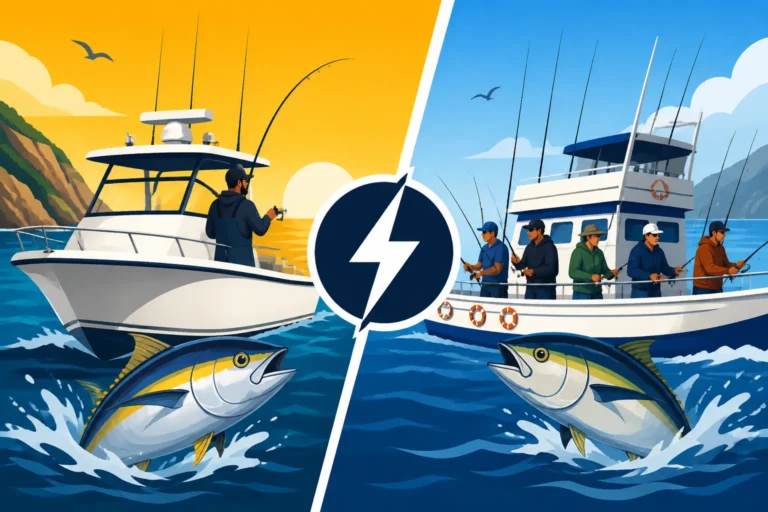
You might be thinking, "Can't any fishing charter just take me out and I'll bring my fly rod?" While technically true, it's like asking a general contractor to perform intricate neurosurgery. A standard spin-fishing or bait-fishing charter operates with a completely different mindset, boat setup, and knowledge base. Their success is often measured by total fish caught by any means, which doesn't always align with the specific challenges and rewards of fly fishing.
A dedicated fly fishing charter, on the other hand, is built from the ground up for the fly angler. The guides are not just skilled boat operators; they are experienced fly casters themselves, understanding the delicate presentations, the nuances of reading water for subtle rises, and the specific entomology (insect life) or baitfish patterns required for different species. Their boats are typically rigged for fly casting, with clear decks, proper poling platforms for sight fishing, and often feature specialized equipment like drift boats for river fishing or technical skiffs for shallow bay work.
Moreover, a fly fishing guide often acts as a patient instructor, whether you're a beginner needing help with casting mechanics or an experienced angler looking to refine specific techniques like nymphing or streamer fishing in complex currents. They carry a comprehensive arsenal of flies, leaders, and often loaner rods and reels perfectly matched to the target species and conditions, saving you the hassle of bringing specialized gear that might not be quite right. This specialization means they're focused on helping you achieve a quality fly fishing experience, not just catching fish by any means necessary. They understand that for fly anglers, the how is just as important as the what.
Key Regions for Fly Fishing Charters in California
California's vastness means that fly fishing opportunities are spread across the state, each region offering distinct experiences. Knowing where to look for specific types of fly fishing charters can significantly narrow down your search and ensure you find a guide perfectly suited to your desired adventure.
Northern California Rivers and Lakes: Trout and Steelhead Haven
Northern California is arguably the state's fly fishing heartland, particularly for trout and steelhead. The region is crisscrossed by legendary rivers and dotted with high-elevation lakes that draw anglers from around the world.
The Eastern Sierra is a prime example, renowned for its stunning scenery and prolific trout fishing. Rivers like the Owens River, the Truckee River, and numerous smaller creeks offer incredible opportunities for rainbow, brown, and cutthroat trout, often year-round. Lakes such as Crowley Lake and Bridgeport Reservoir are famous for their stillwater fly fishing, especially for large trout feasting on aquatic insects. Guides in this region often specialize in drift boat trips on wider rivers or walk-and-wade excursions in smaller, more intimate streams, teaching everything from dry fly presentations to intricate nymphing strategies. For those looking for an immersive experience, many guides offer multi-day trips that allow you to explore various waters. You can find excellent advice on specific locations in our guide on the best rivers to fish in California.
Further north, the Trinity River and Klamath River are synonymous with steelhead fly fishing. These powerful, scenic rivers offer world-class opportunities for both summer and winter steelhead runs, requiring dedicated guides with drift boats and expertise in spey casting or nymphing heavy rigs. The challenge and reward of hooking into these chrome giants on a fly rod is an unparalleled experience. The Lower Sacramento River near Redding is another gem, famous for its wild rainbow trout that can grow to impressive sizes, offering consistent action almost every day of the year. Fly fishing guides here are experts at navigating the strong currents and targeting these wary fish. If you're specifically targeting these elusive fish, you might want to look into the California Steelhead Report Card requirements.
Central and Southern California Freshwater Gems
While Northern California gets much of the trout attention, Central and Southern California still offer fantastic freshwater fly fishing, often closer to major population centers. These regions present diverse opportunities, from rugged mountain streams to large, accessible reservoirs.
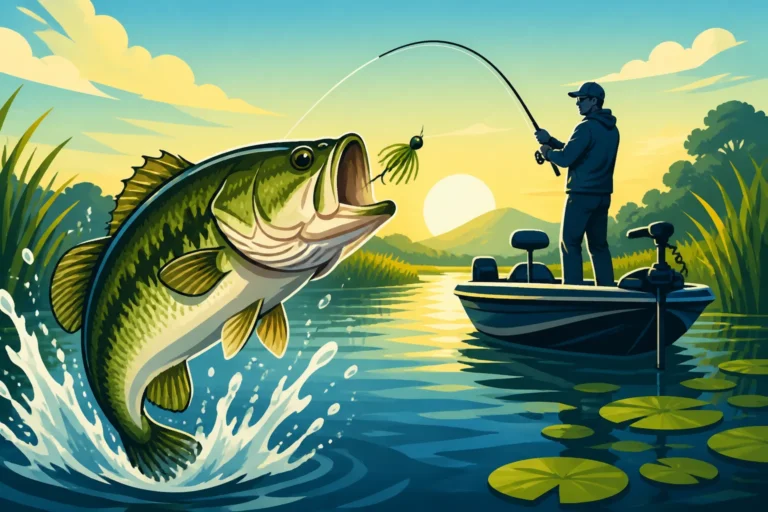
The Kern River in the Southern Sierra Nevada is a fantastic example, offering classic trout fishing in a picturesque canyon setting. Both wild rainbows and planted trout can be found here, providing opportunities for both technical dry fly fishing and indicator nymphing. Guides in this area are adept at navigating the challenging terrain and diverse water types. Further south, while less known for traditional fly fishing, some Southern California reservoirs like Lake Castaic or Diamond Valley Lake can offer exciting largemouth bass and striped bass action on the fly, especially during topwater seasons. These are often less about delicate presentations and more about powerful casts and aggressive retrieves, making for a thrilling experience. Our guide on how to fish for largemouth bass in California provides more specific techniques you might encounter with a guide.
Many urban and suburban lakes throughout these regions are regularly stocked with trout by the California Department of Fish and Wildlife, providing accessible fly fishing for beginners or those seeking a quick fix. While not always requiring a guide, some local fly shops offer clinics or short guided trips to these waters, focusing on fundamental skills and local patterns. These areas often involve more leisurely bank fishing or float tube adventures, perfect for honing casting skills without the pressure of strong currents or dense brush.
Coastal and Saltwater Fly Fishing Opportunities
The California coastline, stretching for over a thousand miles, holds immense potential for saltwater fly fishing that's often overlooked. It's a completely different game from freshwater, demanding unique tactics, hardy gear, and an understanding of marine ecosystems.
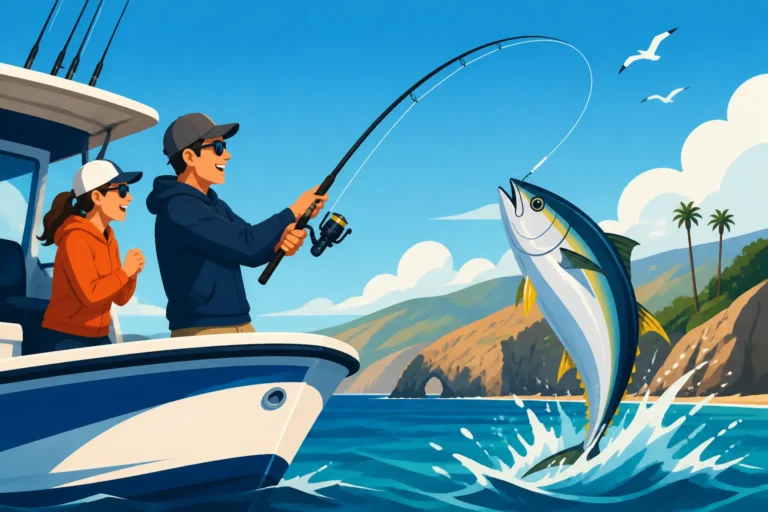
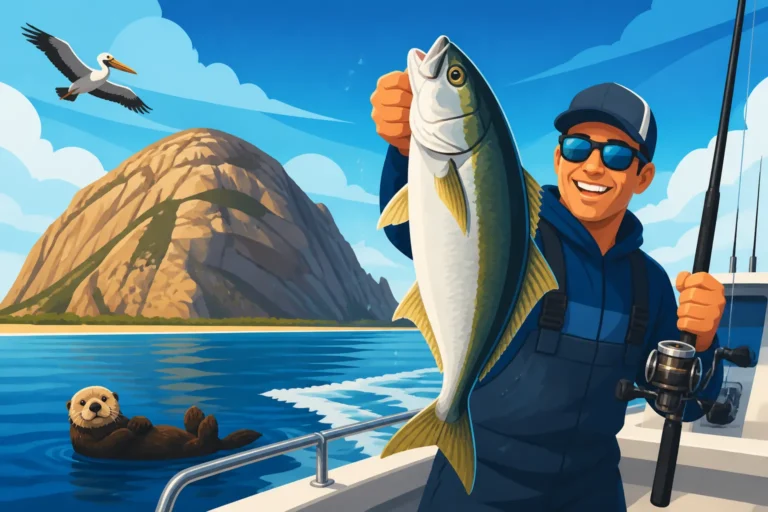
In Southern California, the expansive bays and nearshore waters offer incredible opportunities. Imagine poling a shallow skiff through the calm waters of Mission Bay or San Diego Bay, sight-casting to corbina, spotted bay bass, or even leopard sharks. Guides specializing in this niche will have custom-built boats designed for stealth and shallow water access, along with the expertise to spot camouflaged fish against diverse bottom structures. Further offshore, chasing bonito, barracuda, and even smaller yellowtail on the fly around kelp paddies or structure can be an adrenaline-pumping experience. These trips often involve faster boats and a guide experienced in finding active fish in open water.
The Central Coast and San Francisco Bay Area also present compelling saltwater fly fishing options. The San Francisco Bay, a vast estuary, provides seasonal opportunities for striped bass and leopard sharks on the fly. Fishing from a small boat or even shore can be productive, but a knowledgeable guide will know the tides, currents, and hotspots that maximize your chances. Bay Area guides often run specialized skiffs or center consoles equipped for navigating the bay's dynamic conditions. While rarer, even rockfish can sometimes be targeted on the fly in certain nearshore areas, though this requires very specific conditions and presentations. Always be mindful of local regulations, especially when fishing near California Marine Protected Areas Explained.
What to Look for in a California Fly Fishing Charter
Choosing the right fly fishing charter is crucial for a successful and enjoyable trip. It's not just about finding someone with a boat; it's about finding a true expert whose passion for fly fishing matches your own and who can tailor the experience to your skill level and desired adventure.
Guide Expertise and Specialization
The single most important factor when selecting a California fly fishing charter is the guide's expertise and specialization. You want a guide who lives and breathes fly fishing for the specific species and waters you intend to target. Someone who primarily guides for bait fishing may know the area, but they won't possess the nuanced understanding of fly patterns, presentation, and fish behavior that a fly fishing specialist does.
Look for guides who:
- Are passionate fly anglers themselves: Do they genuinely enjoy casting a fly rod, or is it just another way to get clients on fish? You can often tell by their website content, social media, and direct conversations.
- Specialize in your target species/technique: If you want to chase trophy trout on dry flies, don't book a guide who mainly does conventional trolling. If you're keen on saltwater fly fishing for corbina, ensure they have extensive experience with that specific pursuit. Ask them about their preferred flies, leaders, and tactics for your chosen fish.
- Have deep local knowledge: California's waters are complex. A good guide knows the subtle seams, riffles, and pools of a river, or the precise depth and structure in a lake or bay where fish hold. They understand seasonal patterns, water flows, and how weather affects fishing, providing invaluable insights you simply can't get from a map or general fishing report. This local insight is key to maximizing your chances, especially in systems like the Truckee River or the Lower Sacramento.
- Are patient instructors: Especially if you're a beginner or looking to learn new techniques, a patient and clear instructor is vital. A good guide will offer constructive feedback, demonstrate techniques, and adapt their teaching style to your learning pace. Don't be afraid to ask about their approach to teaching when you first inquire.
Gear and Boat Considerations
The right equipment can make or break a fly fishing trip. A specialized fly fishing charter will provide or recommend gear perfectly suited to the conditions and target species.
For freshwater river fishing, you'll often encounter drift boats (like Hyde or ClackaCraft) or rafts. These boats are designed for quiet navigation downriver, offering stability for casting and comfortable seating. They allow anglers to cover significant stretches of water efficiently. For smaller creeks or high-country lakes, a walk-and-wade guide is more common, or perhaps a float tube or pontoon boat for stillwater fly fishing. The guide should provide high-quality fly rods and reels (e.g., from brands like Sage, Orvis, or Scott) matched to the fish, along with appropriate lines, leaders, and a wide selection of effective flies. They should also be able to advise you on waders and boots, if applicable.
For saltwater fly fishing, the boats vary widely. For shallow bay fishing, a flats skiff (like those from Maverick Boats or Hewes) designed for stealth and poling is ideal for sight fishing. For nearshore or kelp bed excursions, a center console boat offers more speed and stability in choppier waters. Saltwater fly gear needs to be robust to handle larger, stronger fish and corrosive saltwater. Guides will typically provide heavier rods (8-10 weight), durable saltwater reels with good drag systems, and specialized saltwater fly lines. Always confirm what gear is provided versus what you might need to bring, such as specialized sun protection or non-marking shoes for boat decks.
Trip Customization and Inclusions
A top-tier fly fishing charter should offer a degree of customization to ensure your trip aligns with your expectations and skill level. Not every angler wants the same experience, and a good guide understands that.
Trip Length and Type: Are you looking for a half-day introduction, a full-day immersion, or even multi-day adventures? Discuss options with the guide. Some charters specialize in specific trip types, like "How to Fly Fish the Eastern Sierra" packages or dedicated "California Steelhead Fishing Guide" trips.
Instruction vs. Fishing Focus: Clearly communicate if you want a purely instructional trip, a hardcore fishing mission, or a mix of both. A good guide will adjust their approach accordingly, dedicating time to casting practice if desired or focusing purely on finding and catching fish if you're already proficient.
What's Included: Always confirm what's included in the charter fee. This typically covers the guide's service, boat, fuel, and often flies, leaders, and tippet. Many full-day charters will also provide lunch, snacks, and non-alcoholic beverages. Some might offer loaner gear (rods, reels, waders), while others expect you to bring your own. Clarify this beforehand to avoid surprises. For instance, make sure you understand if a California Fishing License Guide is included in their service or if you need to secure that yourself beforehand (usually the latter!).
Group Size: Fly fishing often benefits from smaller group sizes, especially on rivers or when sight fishing. Confirm the maximum number of anglers per guide to ensure a comfortable and effective experience. For many fly fishing scenarios, a 1:1 or 1:2 guide-to-angler ratio is ideal.
Booking Your California Fly Fishing Adventure
Once you've got a handle on what you're looking for, the next step is to actually find and book your ideal California fly fishing charter. This process involves a bit of research, asking the right questions, and knowing how to prepare for your day on the water.
Researching and Vetting Guides
Finding a reputable fly fishing guide requires a bit of detective work, but it's well worth the effort to ensure a quality experience. Start by leveraging online resources and word-of-mouth recommendations.
- Online Platforms: Websites like FishingBooker are excellent starting points. They aggregate numerous charter listings, often with detailed profiles of guides, their specializations, boat types, and most importantly, reviews from past clients. You can filter by location, species, and even type of fishing (like fly fishing). Other platforms might exist as well, but a comprehensive site like FishingBooker can give you a broad overview and help you compare options easily.
- Local Fly Shops: Don't underestimate the power of local fly shops. They are often the nerve center of the fly fishing community in a given area. They employ or are affiliated with many of the best local guides and can offer unbiased recommendations based on your specific needs and skill level. For instance, if you're planning a trip to the Eastern Sierra, calling a shop in Bishop or Mammoth Lakes can be incredibly informative.
- Fishing Forums and Social Media Groups: Online communities dedicated to California fly fishing can be a goldmine of information. Anglers often share their experiences with guides, offering honest opinions and recommendations. This is a great way to get a feel for a guide's personality and effectiveness.
- Guide Websites and Social Presence: Once you have a few names, visit their individual websites and social media pages. Look for up-to-date content, recent fish photos (especially of fly-caught fish), testimonials, and clear descriptions of their services. A professional online presence often correlates with a professional operation.
When vetting, pay close attention to reviews. Look for comments that specifically mention the guide's fly fishing expertise, patience, ability to teach, and knowledge of the specific waters. A guide with consistently positive feedback, particularly regarding their fly fishing chops, is a strong contender.
Essential Questions to Ask Before Booking
Before you commit, have a detailed conversation with the prospective guide. This is your chance to clarify everything and ensure they're a good fit for your expectations.
Here are some crucial questions to ask:
- "What's your experience level specifically with fly fishing in these waters for target species?" Push beyond general fishing experience. You want to hear about their specific fly fishing background.
- "What kind of gear do you provide, and what should I bring?" Clarify rods, reels, flies, waders, boots, and any personal items like rain gear or sunglasses.
- "What does a typical day look like on this trip?" This helps set expectations regarding timing, locations, and general flow of the day. For example, if you're exploring the Best Fishing Spots in California, what specific areas will you target?
- "What's your teaching style? I'm [beginner/intermediate/advanced] and hoping to learn XYZ/catch a trophy/enjoy the scenery." Being upfront about your skill level and goals helps the guide prepare.
- "What's your policy on cancellations, weather, and gratuities?" Understand the logistics and unspoken rules, like tipping on a California fishing charter.
- "Do I need to bring my own California Fishing License Guide, or is that handled?" Remember, you almost always need your own, but it's good to confirm.
- "What's the best time of year for target species in this area, and what are the current conditions like?" A good guide will be honest about recent fishing success and current challenges.
If you're considering a multiple-day trip or a more involved excursion, don't hesitate to ask for references from past fly fishing clients. A confident and reputable guide will be happy to provide them.
Preparing for Your Trip
Once your charter is booked, it's time to prepare! A little foresight can make a big difference in your enjoyment of the day.
- Secure Your License: This is non-negotiable. Make sure you have the correct and current California Fishing License Guide for the waters you'll be fishing (freshwater, saltwater, or both). Don't forget any necessary report cards, like a California Steelhead Report Card if targeting those species. You can often buy these online or at bait and tackle shops.
- Dress in Layers: California weather can change rapidly, especially in mountain or coastal environments. Layers allow you to adapt to temperature swings throughout the day. Quick-dry clothing is always a good idea.
- Sun Protection: Sunscreen, a wide-brimmed hat, and polarized sunglasses are essential. Polarized lenses are not just for comfort; they help you spot fish beneath the surface.
- Bring Water and Snacks: Even if lunch is provided, extra hydration and snacks are always welcome on a long day of fishing.
- Communicate Any Needs: If you have dietary restrictions, mobility concerns, or specific health considerations, inform your guide well in advance. They can often accommodate reasonable requests.
- Practice Your Casting (if needed): If you're new to fly fishing or rusty, a little practice in your backyard before the trip can boost your confidence and make the actual fishing more enjoyable.
- Manage Expectations: Fishing is fishing, not catching. While a good guide will put you in the best position for success, there are no guarantees. Be open to learning, enjoy the scenery, and appreciate the experience. Often, the best memories come from the unexpected moments, not just the biggest fish. Our comprehensive California Fishing Seasons: Month-by-Month Guide can help you understand general patterns, but conditions always vary.
Following these steps will not only help you find an outstanding California fly fishing charter but also ensure you're fully prepared to make the most of your adventure on California's diverse and beautiful waters.
Summary of California Fly Fishing Regions and Target Species
To help you visualize the different opportunities, here's a quick overview of key regions and what you can typically expect to target with a fly rod:
| Region | Primary Water Type | Target Freshwater Species | Target Saltwater Species | Best Seasons (General) | Typical Guide Boats/Methods |
|---|---|---|---|---|---|
| Eastern Sierra | Rivers, High Lakes | Rainbow, Brown, Brook, Cutthroat Trout | N/A | Spring, Summer, Fall | Drift Boat, Walk & Wade, Float Tube |
| Northern Rivers (Trinity, Klamath, Lower Sac) | Large Rivers | Steelhead, Rainbow Trout | N/A | Fall, Winter (Steelhead); Year-round (Trout) | Drift Boat, Walk & Wade |
| Central/Southern Reservoirs | Large Lakes/Reservoirs | Largemouth, Smallmouth, Striped Bass | N/A | Spring, Summer, Fall | Bass Boat, Pontoon Boat |
| Southern California Bays | Saltwater Bays/Estuaries | N/A | Spotted Bay Bass, Corbina, Halibut, Leopard Shark | Year-round | Skiff, Kayak |
| Southern California Coast (nearshore) | Ocean, Kelp Beds | N/A | Bonito, Barracuda, Calico Bass, Yellowtail | Summer, Fall | Center Console, Offshore Charter |
| San Francisco Bay Area | Large Estuary | N/A | Striped Bass, Leopard Shark | Spring, Fall (Stripers); Year-round (Sharks) | Skiff, Center Console |
Disclaimer
The information provided in this guide is for general informational purposes only and is subject to change. Fishing regulations, seasons, and conditions in California can vary significantly and are regularly updated by the California Department of Fish and Wildlife. Always consult the latest official regulations booklet and verify specific rules with your chosen guide or local authorities before embarking on any fishing trip.