How to Tip a California Fishing Deckhand
Figuring out how to properly tip your fishing deckhand in California can sometimes feel like navigating a kelp forest in the fog – you know it’s important, but the path isn't always clear. It's a common source of anxiety for anglers, wondering if they're doing enough, too much, or even doing it right. This guide will cut through the confusion, helping you understand the value deckhands bring and how to show your appreciation appropriately for their hard work on your California fishing adventures.
Understanding the Deckhand's Role: More Than Just a Helper
When you step onto a California fishing charter, whether it's for a quick half-day trip out of Marina del Rey or a longer offshore excursion from San Diego, it's easy to focus solely on the fishing. But behind every successful cast, every hooked fish, and every safe journey, there's a dedicated team working tirelessly. At the heart of that team are the deckhands. These folks aren't just there to point you to the bait tank; they are the unsung heroes of your trip, making sure everything runs smoothly from start to finish.
The Daily Grind Behind the Scenes
Before you even arrive at the dock, your deckhands are likely already hard at work. Their day often begins long before dawn, preparing the boat, loading bait, checking gear, and ensuring all safety equipment is in place. They’re the ones who untangle the lines that somehow always get snarled, rig your baits perfectly so you actually have a chance at a bite, and are constantly on the lookout for signs of fish or hazards. Imagine trying to manage a dozen or more excited anglers, all with their own questions and needs, while also keeping an eye on the ocean and the boat's operations. It's a demanding physical job, requiring strength, stamina, and a keen eye for detail. They clean up messes, assist with seasick passengers (and trust me, that's not always a pleasant task), and keep the vessel pristine. This comprehensive effort is part of what makes a California fishing charter truly enjoyable and productive.
Expertise and Customer Service on the Water
Beyond the manual labor, deckhands bring a wealth of knowledge and expertise to the table. They’re seasoned anglers themselves, intimately familiar with local fishing conditions, what baits are working, and the specific regulations for different species like yellowtail or rockfish. Need help with a stubborn knot? They've got you. Can’t figure out how to properly jig for that elusive bluefin tuna? They’ll show you. They provide instruction, encouragement, and often a bit of friendly banter to keep spirits high, even when the bite is slow. They’re also critical for safety, constantly monitoring the sea state and making sure everyone on board is secure. When you hook into a big one, who's there to expertly net or gaff your prize, ensuring it doesn't get away at the last second? Your deckhand. This level of service and specialized skill is a cornerstone of the charter fishing experience in California, and it’s a huge part of why many anglers, especially those on a California Charter Fishing for Beginners trip, rely so heavily on them. Their role is truly invaluable.
The Unspoken Rule: How Much to Tip on a California Fishing Charter
Let's get down to the brass tacks of tipping, because this is where a lot of the confusion and even awkwardness often comes in. Unlike many other service industries where a standard percentage is widely known, fishing charters can feel a bit more ambiguous. However, there are established norms that can guide you, and understanding them will help you confidently show your appreciation.
General Guidelines: The 15-20% Standard
In the world of California sportfishing, the generally accepted tipping standard for deckhands is between 15% and 20% of the total trip cost. This isn't just a random number; it reflects the hard work, skill, and dedication that deckhands put into making your trip a success. Think about it: they're out there in all kinds of weather, dealing with everything from untangling lines to gaffing large fish, and often doing it all with a smile. Their base wages are often not particularly high, and tips make up a significant portion of their income. So, when you're looking at the price of your trip, remember that an additional 15-20% is what's typically expected for excellent service. If you're wondering How Much Does a California Fishing Charter Cost in general, factor in this gratuity from the start.
Now, this percentage applies to the overall cost of the trip, not just your individual share, especially on open-party boats. If you're on a private charter, the 15-20% applies to the total boat fee. For example, if you booked a private six-pack charter for $1,000, a 15-20% tip would be $150-$200, which would then be split among your group members. Services like FishingBooker often make it clear that tips are not included in the booking price, so it's always good to have this in mind.
Factors Influencing Your Tip: Going Above and Beyond
While 15-20% is the standard, there are definitely times when you might want to consider tipping more. This isn't just about catching fish – though a fantastic bite certainly helps! It’s about the effort and service provided.
Consider these factors:
- Exceptional Service: Did the deckhand go out of their way to help you? Were they patient with your kids? Did they provide extra instruction or special rigging tips that made a real difference? Did they clean your fish meticulously and pack it perfectly?
- Tough Conditions: Fishing isn't always sunny skies and calm seas. If the deckhand worked extra hard in challenging weather, keeping spirits up and ensuring safety despite the elements, that extra effort deserves recognition.
- Fish Handling and Care: Did they handle your prized catch with care, ensuring it was properly bled and iced for the best table fare? This post-catch service is often overlooked but crucial.
- Safety and Professionalism: Did the crew demonstrate an unwavering commitment to safety and professionalism throughout the trip? This is paramount and always warrants a good tip.
On the flip side, if the service was genuinely subpar – not just a slow fishing day, but actual negligence or rudeness – you might consider adjusting your tip. However, it's rare to encounter truly bad service on reputable charters in California, especially those found on platforms like FishingBooker, which often highlight reviews of the crew. Before you consider tipping less, make sure it's about the service, not just the fishing outcome, as catching fish is never guaranteed.
Here’s a handy table to help visualize tipping guidelines:
| Service Level | Recommended Tip Range (% of Trip Cost) | Example Scenario |
|---|---|---|
| Good/Standard Service | 15% | Deckhand performed duties, was polite, and helpful. |
| Excellent Service | 18% | Deckhand was attentive, proactive, provided great assistance, and worked hard. |
| Exceptional/Above & Beyond | 20% – 25%+ | Deckhand went out of their way, fantastic instruction, tireless effort, great attitude in tough conditions, meticulous fish care. |
| Minimal/Subpar Service (Rare) | <15% (or none, with serious issues) | Deckhand was disengaged, unhelpful, or unprofessional. (Address issues with captain first). |
Remember, a tip is a direct way to say "thank you" for hard work and good service. It encourages these dedicated individuals to continue providing the best possible experience for all anglers.
When and How to Hand Over the Tip
Knowing how much to tip is one thing, but the "when and how" can also be a point of hesitation for many anglers. You don't want to fumble around or make it awkward; you want your appreciation to be received gracefully.
Timing is Key: At the End of the Journey
The best time to offer your tip is at the very end of the trip, before you disembark from the boat. As the charter pulls back into the dock and the engines cut, or as the deckhands are starting to offload gear and assist with fish processing, that’s your window. This timing is ideal for a few reasons:
- Full Service Evaluation: By waiting until the end, you’ve experienced the entirety of the deckhand’s service, from departure to return, including fish cleaning and any final assistance. This allows you to base your tip on the complete experience.
- Clear Transition: It marks a natural conclusion to the service provided. As you gather your belongings and prepare to leave, it’s a smooth transition to express your thanks.
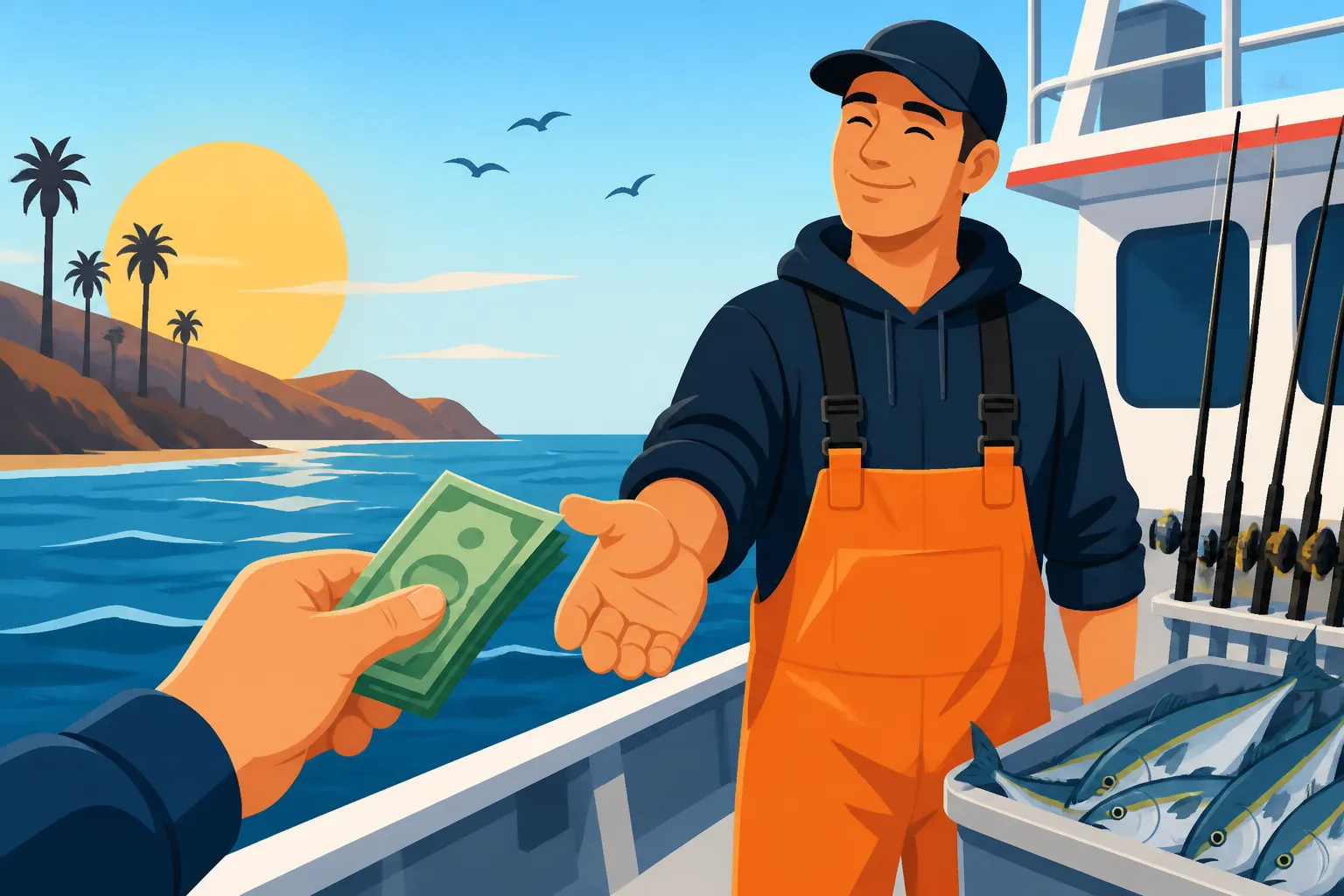
- Respectful Acknowledgment: Handing the tip directly to the deckhand(s) at this point shows your personal appreciation and allows for a brief, genuine thank you.
Avoid trying to tip in the middle of the trip, as it can feel out of place and distract from the fishing experience. Also, don't wait until days later or try to mail it; immediate cash at the dock is always preferred. For a great trip, like a California Offshore Fishing Techniques adventure, you'll feel good knowing you've properly thanked the crew for their expertise.
The Preferred Method: Cash is King
When it comes to the actual method of tipping, cash is overwhelmingly preferred. Here’s why:
- Direct Impact: Cash goes directly into the hands of the deckhand(s) who earned it, usually at the end of their shift. They don't have to wait for it to clear, and there are no processing fees involved.
- Ease of Distribution: If there are multiple deckhands, they can easily split cash tips among themselves immediately.
- Privacy: Handing cash allows for a discreet exchange, if preferred.
It's a really good idea to plan ahead and bring enough cash for your tip. Many anglers forget this crucial step, and scrambling for an ATM after a long day on the water can be a real hassle. If you booked your trip through a platform like FishingBooker, make sure to consider the tip amount in your overall budget for the day. While some larger operations might have ways to add a tip to a credit card payment, it's not universally available and cash is always the most direct and appreciated method.
Tipping on Different Types of Trips
- Open-Party Boats (Head Boats): These are the most common in places like San Diego or Long Beach, where many individuals or small groups share a larger vessel. Here, you'll often have multiple deckhands. It's customary to hand your tip to one of the senior deckhands, or sometimes there's a designated tip jar or envelope. You can also give it to the individual deckhand who assisted you most directly. They usually pool the tips to ensure fair distribution amongst the crew.
- Private Charters: On a private trip, you typically have one or two dedicated deckhands, along with the captain. It's best to hand the tip directly to the deckhand(s). If there are two deckhands, you can either give each one a portion, or hand the total tip to the senior deckhand and ask them to share it.
- Long-Range or Multi-Day Trips: For extended trips, the tipping process is similar, but the total amount will naturally be higher due to the duration and intensity of the service. You'll want to tip based on the total cost of the multi-day excursion. Often, there's a designated envelope or collection at the end, sometimes handled by the galley staff or a senior crew member, to ensure all deserving crew members receive their share. Always ask the captain or trip organizer if you're unsure of the best way to distribute on these longer trips. These trips are an incredible experience, and the crew works tirelessly around the clock, so a generous tip is especially warranted. Consider checking out tips on How to Prepare for a Long-Range Tuna Trip to make sure you're ready for all aspects of such an adventure, including tipping.
Common Tipping Scenarios and Etiquette
Navigating the social graces of tipping can sometimes be tricky, especially when unforeseen circumstances arise. However, maintaining proper etiquette ensures both your appreciation is genuinely conveyed and the hard work of the crew is respected.
Dealing with Slow Fishing Days
This is perhaps the most common dilemma for anglers when it comes to tipping: "We didn't catch much, so do I still tip as much?" The answer, unequivocally, is yes. A deckhand's tip should reflect the effort and service they provided, not solely the number of fish in the cooler. Fishing is inherently unpredictable; some days are banner days, and some are absolute grinders. The deckhands don't control the fish bite or the weather patterns.
Think about it:
- Did they still work tirelessly to find fish?
- Did they continuously change baits, adjust tactics, and try new spots?
- Were they still attentive, helpful, and pleasant, despite the challenging conditions?
- Did they keep a positive attitude and try to keep everyone's spirits up?
If the answer to these questions is yes, then their effort was still 100%, and your tip should reflect that. A generous tip on a slow day can be a huge morale booster for the crew, showing them that you value their professionalism and hard work even when nature isn't cooperating. This is especially true for those tough California Sportfishing Trips Explained where the bite is just off. It's part of the understanding that anglers and crew share when heading out into the open ocean.
Who to Tip: Focusing on the Deckhands
The article's focus is on deckhands, but it's common to wonder if you should also tip the captain. Generally, the tip is primarily for the deckhands. Most captains are the owners or higher-salaried employees of the charter operation, and their income structure is different. While a captain certainly works hard, steers the boat, and makes crucial fishing decisions, the hands-on, direct service you receive—the bait rigging, the fish netting, the cleaning—comes from the deckhands.
However, if the captain also performed significant deckhand duties, went exceptionally above and beyond, or if it's a very small charter where the captain is essentially doing everything (like a smaller private guide boat), a small additional gesture for the captain can be appropriate. But when you’re on a larger party boat, focus your gratuity on the deck crew. They rely heavily on those tips. When you're considering Tipping on a California Fishing Charter in general, remember to prioritize the individuals who are physically working with you throughout the day.
Making it Smooth and Appreciative
A few simple etiquette tips can make the tipping process smooth and genuine:
- A Sincere Thank You: When you hand over the tip, make eye contact and offer a genuine "Thank you for a great trip!" or "I really appreciate all your help today." A few kind words go a long way.
- Don't Overthink It: While it’s good to be prepared, don’t stress so much that it overshadows the end of your trip. Have your cash ready, offer it with thanks, and enjoy the memories you've made.
- Consider an Envelope: If you prefer discretion or want to ensure the tip is given privately, placing the cash in a simple envelope can be a nice touch. You can even write a quick "Thank You" note inside.
- Group Coordination: If you’re with a group on a private charter, designate one person to collect contributions from everyone and present the tip on behalf of the group. This avoids multiple people trying to tip individually and ensures a consolidated, fair amount is given. This is especially useful for California Half-Day vs Full-Day Charters where groups are common.
Ultimately, tipping is a gesture of gratitude and recognition for hard work and good service. By understanding these guidelines, you can ensure your appreciation for California's dedicated fishing deckhands is always well-received. Before your next trip, whether you're booking through FishingBooker or directly with a landing, remember to factor in the tip!
Disclaimer
The information provided in this guide is for general informational purposes only and is not intended as legal, financial, or professional advice. Fishing regulations, charter practices, and tipping customs can vary and change. Always consult with the specific charter operator and review current California Department of Fish and Wildlife regulations before your trip.