California Groundfish Regulations
It can feel like you need a law degree just to go fishing in California, especially when it comes to groundfish. The regulations seem to change yearly, sometimes even mid-season, leaving many of us scratching our heads and constantly checking our phones at the dock. This guide is here to untangle the complexities of California groundfish regulations, helping you understand the "why" behind the rules and giving you the practical information you need to fish legally and responsibly.
Understanding What "Groundfish" Actually Means
When the California Department of Fish and Wildlife (CDFW) talks about "groundfish," they're referring to a broad and diverse group of species that primarily live on or near the ocean bottom. It's not just rockfish, though rockfish certainly make up a huge portion of the complex! This group includes a wide array of fascinating creatures that are both fun to catch and often delicious to eat, but their slow growth rates and long lifespans make them particularly vulnerable to overfishing, hence the strict rules.
Common Groundfish Species in California
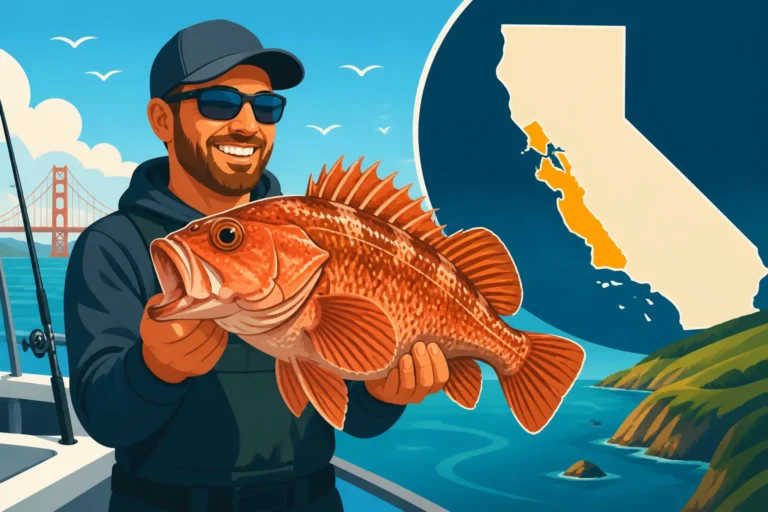
Think beyond just the flashy game fish like tuna or yellowtail. Groundfish are the backbone of many nearshore and offshore fisheries along our coast. The most commonly targeted species include various types of rockfish, which can range from the vibrant Vermilion Rockfish to the often-elusive Bocaccio. But it doesn't stop there. Lingcod, known for their aggressive strikes and tasty fillets, are also a major player. Then you have the smaller but equally important Cabezon and several species of greenlings. Even California Scorpionfish, with their distinctive spines, fall into this category. Flounder, sole, and other flatfish are often managed under the broader groundfish umbrella, although some species like California Halibut might have their own distinct regulations.
Why These Species Need Special Management
The reason groundfish regulations are so intricate isn't just to make our lives harder; it's rooted in science and conservation. Many groundfish, especially rockfish and lingcod, are long-lived and slow to reproduce. Some rockfish species can live for decades, even over a hundred years! This means that if too many are removed from the population too quickly, it takes an incredibly long time for their numbers to recover. They also tend to stay in relatively localized areas, making them susceptible to concentrated fishing pressure. For instance, a favorite rockpile teeming with fish today might be barren for years if not managed carefully. The federal government, through the Pacific Fishery Management Council (PFMC) and NOAA Fisheries, works with state agencies like CDFW to create these management plans, ensuring that future generations can also enjoy the bounty of our oceans.
The Ever-Changing Nature of Groundfish Regulations
If you've ever felt like you just figured out the rules only for them to change again, you're not alone. The dynamic nature of ocean ecosystems, combined with ongoing scientific research and conservation goals, means groundfish regulations are not static. It's a constant balancing act between allowing recreational and commercial fishing opportunities and protecting these vital populations.
Conservation Efforts and Scientific Data
The primary driver behind regulation changes is conservation. Scientists continually monitor fish populations, assessing factors like spawning success, recruitment rates (how many young fish make it to maturity), and overall biomass. When data suggests a particular species or stock is declining, or not recovering as expected, stricter measures are often implemented. Conversely, if a stock shows robust health and recovery, regulators might ease restrictions slightly. This process involves complex modeling and sometimes heated debates among stakeholders, but the goal is always sustainable fishing. Understanding these efforts can help us appreciate why sometimes our favorite spot for rockfish might suddenly have a deeper depth limit or a shorter season.
Regional Differences and Federal Alignment
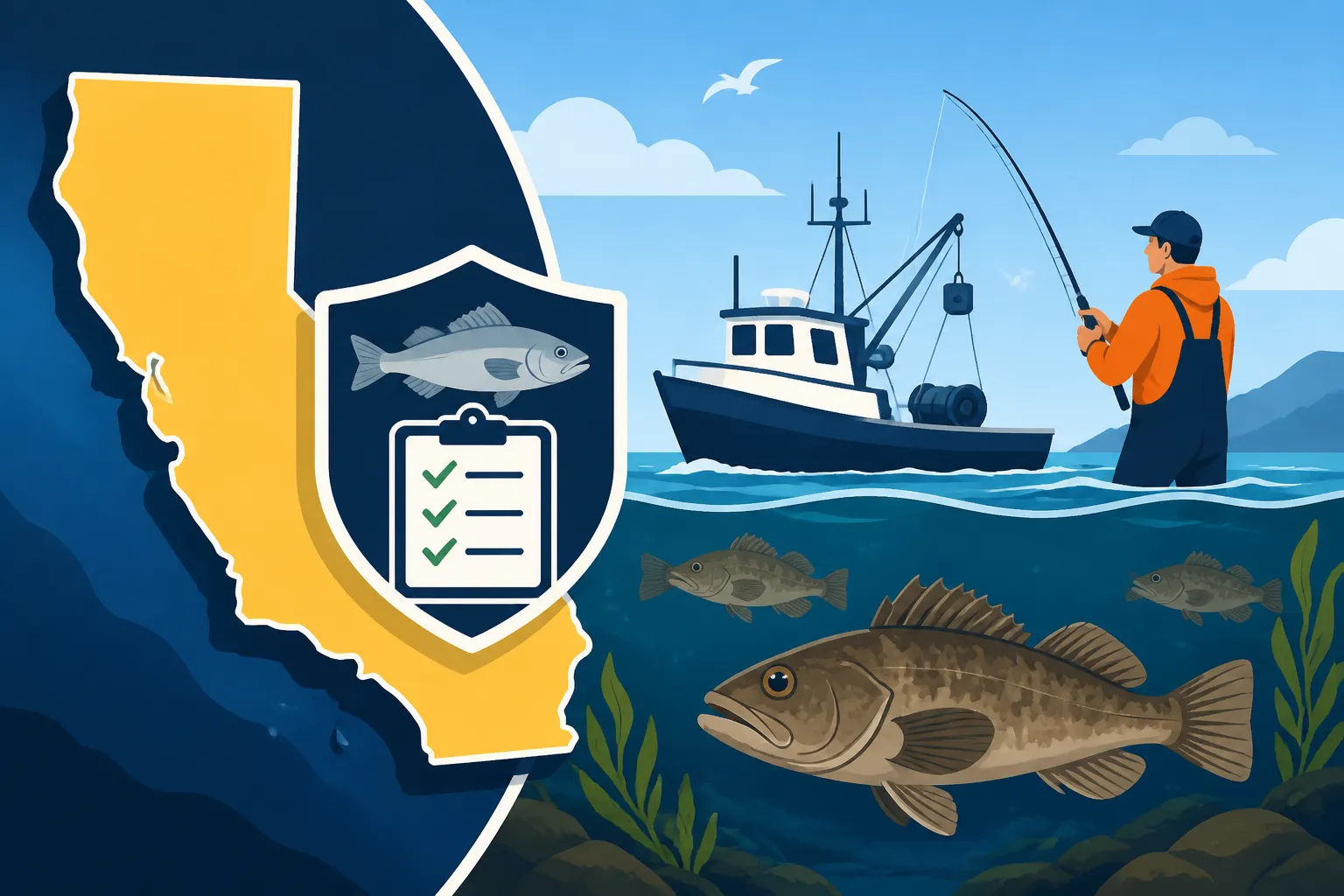
California's vast coastline means that what applies in Crescent City might be very different from what's allowed off San Diego. Groundfish regulations are often broken down into various management areas – typically the North Coast, San Francisco Bay, Central Coast, and Southern California. These regions can have different season openings and closures, bag limits for specific species, and even varying depth restrictions based on local stock assessments and historical fishing patterns. Furthermore, California's state regulations must align with the federal Pacific Coast Groundfish Fishery Management Plan, which covers waters from three to 200 nautical miles offshore. This means that changes at the federal level often trigger corresponding adjustments in state rules, adding another layer to the regulatory landscape. Keeping up with these regional nuances is crucial, especially if you venture from your usual fishing grounds.
Key Components of California Groundfish Regulations
Navigating the specifics can feel like a maze, but there are core elements to the regulations that, once understood, make it easier to stay compliant. These usually revolve around how many fish you can keep, what size they need to be, when you can fish for them, and where you can fish for them.
Bag and Possession Limits
This is probably the most straightforward, yet often confused, aspect of groundfish regulations. Bag limits specify how many fish of a certain species or group you can keep per person, per day. Possession limits refer to the total number of fish you can have in your possession, whether on your boat, in your vehicle, or at home. For groundfish, these limits often group species together. For example, there's usually a general "rockfish, lingcod, and cabezon complex" bag limit. Within that overall limit, there might be sub-limits for specific, more sensitive species like Vermilion Rockfish or Bocaccio. It's crucial to know both the overall complex limit and any individual species limits. Always check the current California Fishing Bag and Size Limits before heading out.
Let's look at a common scenario:
Imagine the general aggregate bag limit for groundfish is 10 fish. Within that, there might be a sub-limit of 4 Vermilion Rockfish and 2 Bocaccio. This means if you catch 5 Vermilion Rockfish, you're already over the sub-limit for that species, even if your total count of groundfish is still under 10. You'd have to release one of those Vermilions. Keeping a small cooler on your boat to organize your catch can help you keep track throughout the day, ensuring you don't accidentally exceed a limit. Many anglers even mark their cooler lid with the day's specific limits for quick reference.
Size Limits
Size matters when it comes to groundfish, particularly for species like Lingcod. Minimum size limits are put in place to ensure that fish have a chance to reproduce at least once before being harvested, contributing to the next generation. These are usually measured from the tip of the jaw to the tip of the tail. For Lingcod, you'll typically find a minimum size limit in place, and sometimes there might even be a maximum size limit, protecting the largest, most prolific breeders. Always have a reliable measuring device on hand. You can find excellent, durable fish rulers on Amazon that are perfect for marine environments. If you catch a fish that doesn't meet the minimum size, it must be immediately released unharmed.
| Species (Example) | Bag Limit (per person/day) | Minimum Size Limit | Notes |
|---|---|---|---|
| Rockfish (aggregate) | 10 | None (generally) | Sub-limits for specific species apply. |
| Vermilion Rockfish | 4 (within 10 aggregate) | None | Must be part of overall 10 rockfish limit. |
| Bocaccio | 2 (within 10 aggregate) | None | Must be part of overall 10 rockfish limit. |
| Lingcod | 2 | 22 inches (approx.) | Check current regulations for exact size. |
| Cabezon | 2 | 15 inches (approx.) | Check current regulations for exact size. |
Note: This table provides illustrative examples. Always consult the current CDFW regulations booklet or website for exact and up-to-date limits.
Season Dates and Open Areas
This is often where the real headache begins for anglers. Groundfish seasons vary wildly depending on the species and the management area. For example, the season for general rockfish in Southern California might open in March, while the Central Coast might not open until May or June. These staggered openings and regional closures are designed to reduce fishing pressure during critical spawning periods or to allow depleted stocks in certain areas more time to recover. Sometimes, a specific species, like Leopard Shark, may have different seasonal rules than other groundfish. You'll need to know not only what you're fishing for but where you are doing it and when. Keeping a printed copy of the California Fishing Regulation Booklet Explained or having the CDFW app on your phone is essential.
Depth Restrictions and Rockfish Conservation Areas (RCAs)
One of the most impactful regulations for groundfish anglers is the depth restriction. To protect deeper-dwelling, slower-growing rockfish species that are particularly vulnerable to barotrauma (the expansion of gases in their swim bladder when brought up from depth), California has established Rockfish Conservation Areas (RCAs). These are specific zones where fishing for groundfish is prohibited below a certain depth. The depth limit changes depending on the region and the time of year, sometimes even month-to-month. For instance, the general groundfish fishery might be open down to 180 feet during one part of the year, but then reduce to 60 feet or even shallower during another.
Knowing your boat's depth sounder intimately is key. Drifting over the depth line, even for a moment, can lead to violations. Many anglers use GPS units with pre-programmed RCA boundary lines to avoid accidentally fishing in a prohibited depth. You'll want to review the current California Rockfish Depth Restrictions before every trip, especially if you're targeting those deeper-water species. It's not uncommon for these restrictions to shift, making careful planning indispensable.
Gear Restrictions
Beyond the fish themselves, there are also rules about the gear you can use when targeting groundfish. The most universal rule in California for almost all species, especially groundfish, is the requirement for barbless hooks. This regulation is in place to reduce injury to fish that are released, increasing their survival rate. Whether you're using live bait or artificial lures, your hooks must be barbless. You can buy barbless hooks directly or simply crimp down the barbs on your existing hooks with a pair of pliers. This is a simple step that makes a huge difference in conservation. Other gear restrictions can include limitations on the number of hooks per line or the total number of lines you can fish at once, though these are less common for general recreational groundfish fishing.
Staying Informed About California Groundfish Regulations
Given how frequently these rules can shift, staying informed isn't just a recommendation; it's a necessity. Nobody wants to get a fine or, worse, contribute unintentionally to overfishing because they weren't aware of a recent change. Make it a routine to check before every trip.
Official CDFW Resources
The absolute best and most accurate source for current regulations is the California Department of Fish and Wildlife (CDFW). Their website is constantly updated with emergency closures, season extensions, and any changes to bag or size limits. You can find their full California Fishing Regulations Explained online, which includes specific sections for groundfish by region. They also publish an annual "Ocean Sport Fishing Regulations" booklet, available at most tackle shops and CDFW offices, which is a fantastic resource to keep on your boat or in your tackle box. This booklet is a detailed, albeit sometimes daunting, read, but it holds all the answers. Many savvy anglers will highlight the relevant sections for their target species and area.
Local Tackle Shops and Fishing Reports
Don't underestimate the power of local knowledge! Your neighborhood tackle shop is often an invaluable resource. The folks working there live and breathe local fishing, and they're usually the first to hear about regulation changes, whether official or unofficial. They can also offer hyper-local advice on how these regulations impact specific fishing spots and what techniques are working best under the current rules. Similarly, checking local fishing reports—whether online forums, charter boat websites, or even a quick call to a party boat landing—can give you real-time insights into what's open, what's biting, and how people are successfully navigating the rules. Just remember to always cross-reference anything you hear with the official CDFW regulations. A simple search on Amazon can help you find popular fishing logbooks, which are great for jotting down notes about regulations, catch limits, and successful tactics for different areas.
Embracing Technology: Apps and Online Tools
In this digital age, staying informed is easier than ever. The CDFW offers various online tools and even some third-party fishing apps provide regulation summaries. While these can be incredibly convenient for quick lookups on the water, always double-check against the official CDFW website if there's any doubt. Technology can be a great aid, but it's important to ensure the data is current and accurate. Many anglers also subscribe to email newsletters from the CDFW or local sportfishing organizations that provide alerts when regulations are about to change.
Disclaimer
Please remember that fishing regulations are subject to change at any time. This guide is for informational purposes only and should not be considered a substitute for reading and understanding the official and most current California sport fishing regulations. Always consult the California Department of Fish and Wildlife (CDFW) website or their official printed regulations booklet before you head out to fish.