California Salmon Closure Explained
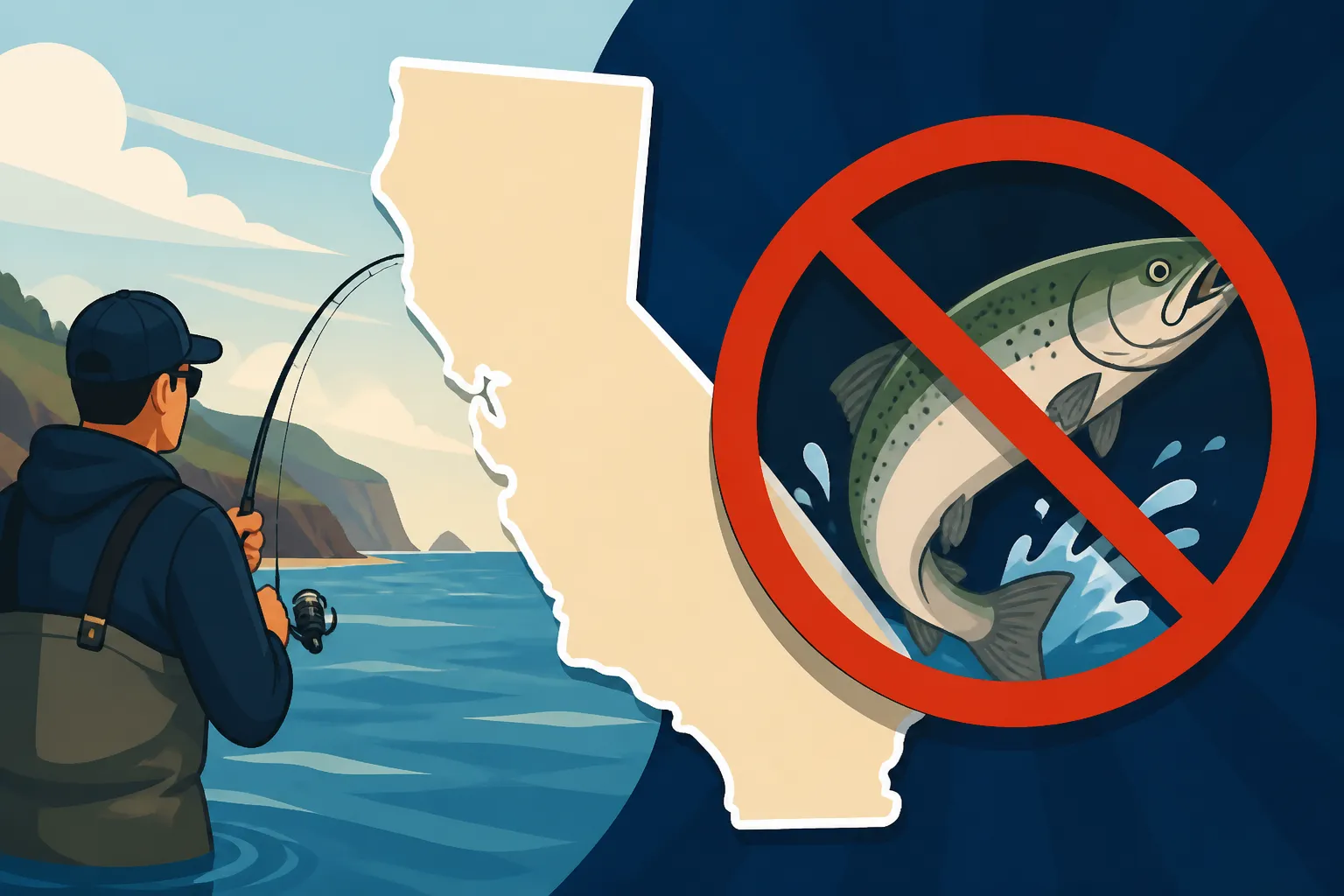
There's nothing quite as deflating as hearing that the highly anticipated California salmon season has been closed, often without much warning. It throws a wrench into carefully planned fishing trips, impacts local businesses, and leaves many anglers wondering, "Why again?" This guide is here to untangle the complexities behind California's salmon closures, explaining the environmental factors, the regulatory processes, and how you can still enjoy fishing in the Golden State when these vital seasons are put on hold.
Understanding California Salmon Closures
The news of a salmon season closure in California can feel like a punch to the gut for many anglers. We plan our vacations, save up for tackle, and dream of those chrome kings hitting our lines, only to have those dreams dashed by an announcement from the authorities. It’s a recurring frustration, but one that stems from deeply rooted biological and environmental concerns. Understanding these closures means looking at the life cycle of salmon and the myriad pressures they face.
Why Do Salmon Seasons Close?
The primary reason for a salmon season closure is always the same: low fish abundance, particularly of the Chinook (King) salmon, which is the cornerstone of California's sport and commercial salmon fisheries. These closures aren't arbitrary; they are the result of rigorous scientific assessment and monitoring by federal and state agencies. The health of our salmon populations is incredibly delicate, influenced by a complex web of environmental factors.
One of the biggest culprits often pointed to is ocean conditions. Salmon spend a significant portion of their lives in the Pacific Ocean, where their survival is dictated by the availability of food like krill and anchovies, and the presence of predators. Warm water events, like marine heatwaves or El Niño cycles, can drastically reduce the productivity of these ocean feeding grounds, leading to poor survival rates for juvenile salmon heading out to sea. When these young fish don't make it, there are fewer adults returning to spawn years later.
Then there's the critical issue of habitat health and water management in our freshwater river systems. California has experienced prolonged periods of severe drought in recent years, which directly impacts river flows and water temperatures. Salmon need cool, clean water to successfully migrate upstream, spawn, and for their eggs and fry to develop. When rivers run low and warm, or when too much water is diverted for agriculture and urban use, it creates impassable barriers or lethal conditions for salmon. Dams also block historical spawning grounds, and while fish ladders and hatcheries help, they can't fully replicate natural river systems. For example, the Sacramento River and the Klamath River are vital arteries for Chinook salmon, and when conditions in these rivers deteriorate, the entire stock suffers. Predation, both natural and from invasive species, also plays a role, especially on vulnerable juvenile salmon. Ultimately, it’s a confluence of these factors, often exacerbated by a changing climate, that drives salmon populations down to levels where protective measures, like closures, become absolutely necessary.
The Impact on Anglers and the Fishing Industry
When a salmon season is closed, it’s not just a personal disappointment for individual anglers; it sends ripple effects throughout coastal communities and the broader fishing industry. Think about charter boat captains who rely on salmon trips for a significant portion of their income. A closure means their bookings evaporate, forcing them to find alternative fisheries or, in some cases, park their boats for the season. This impacts their deckhands, who depend on tips and wages, and the maintenance crews who keep the vessels running.
Local bait and tackle shops, already operating on tight margins, feel the pinch immediately. Fewer anglers mean fewer sales of specialized salmon gear, bait, and even basic fishing supplies. Restaurants, hotels, and gas stations in towns like Fort Bragg, Bodega Bay, or Eureka, which typically see a surge of tourism during salmon season, also suffer. It's a tough pill to swallow for everyone involved, especially when people have invested heavily in specialized equipment, perhaps picking up a new trolling rod or a cooler from Amazon just for salmon fishing. The frustration is palpable, and it often means redirecting efforts towards other species or simply waiting it out, hoping for better seasons ahead.
The Regulatory Process Behind Closures
The decision to close a salmon season isn't made lightly or quickly. It’s a comprehensive process that involves multiple agencies, extensive scientific data, and careful consideration of economic and social impacts. This isn't just a California thing; salmon stocks migrate up and down the Pacific Coast, meaning state and federal entities often work together to manage the resource effectively across multiple jurisdictions.
Key Agencies and Their Roles
In California, the primary state agency responsible for managing salmon resources is the California Department of Fish and Wildlife (CDFW). They are on the ground, conducting research, monitoring river conditions, performing fish counts (known as escapement counts when salmon return to spawn), and managing hatcheries. Their scientists provide crucial data on the health and abundance of salmon stocks within California's inland and coastal waters. The CDFW also enforces fishing regulations, ensuring compliance with state laws.
However, ocean salmon fisheries, which impact migrating salmon along the entire Pacific Coast, fall under the jurisdiction of the federal Pacific Fishery Management Council (PFMC). The PFMC is one of eight regional fishery management councils established by the Magnuson-Stevens Fishery Conservation and Management Act. It’s comprised of representatives from California, Oregon, Washington, and Idaho, along with federal fisheries experts. The PFMC is responsible for developing management plans for fisheries within the 3-200 nautical mile Exclusive Economic Zone off the Pacific coast. They analyze vast amounts of data, including ocean abundance forecasts, river escapement goals, and hatchery production, to recommend season dates, bag limits, and size limits to the National Oceanic and Atmospheric Administration (NOAA) Fisheries. Ultimately, NOAA Fisheries has the final say in setting federal salmon seasons, which state agencies then typically align with for consistency.
How Decisions Are Made
The process for determining salmon seasons and potential closures is a methodical, multi-step endeavor that begins long before the fishing poles come out. It starts with data collection and scientific assessments. Throughout the year, CDFW and other agencies collect data on juvenile salmon out-migration, ocean conditions, and adult returns to spawning grounds. Fish counters at dams, aerial surveys, and creel census programs (where biologists interview anglers about their catches) all contribute to a comprehensive picture.
Around late winter and early spring, the PFMC convenes to begin its annual salmon season setting process. They receive ocean abundance projections for various Chinook salmon stocks, particularly the Sacramento River Fall Chinook (SRFC) and Klamath River Fall Chinook (KRFC) — these are the two main stocks that drive California’s salmon fishing opportunities. These projections estimate how many adult salmon are expected to be in the ocean in the upcoming year. Scientists then use these numbers to calculate "allowable harvest" levels, ensuring enough fish return to spawn to meet conservation goals.
This is where things get really dynamic. The PFMC holds several public meetings and hearings along the coast, typically in March and April. During these meetings, stakeholders – including commercial fishermen, sportfishing representatives, conservation groups, tribal representatives, and individual anglers – provide input on various season options. It's a highly participatory process where different interests voice their concerns and preferences. For instance, sometimes a specific proposal might allow for a very limited season but require a California Steelhead Report Card or specific gear restrictions. The PFMC then reviews all the data, public testimony, and economic analyses to develop a final set of recommendations. These recommendations are then forwarded to NOAA Fisheries, which issues the final regulations for federal waters. States like California then adopt complementary regulations for state waters. If the projected abundance of salmon is critically low, or if there are concerns about specific weak stocks, a full closure is often the unfortunate but necessary outcome to protect the future of the fishery.
Navigating Salmon Closures and Future Outlook
While salmon closures are undoubtedly frustrating, they don't have to spell the end of your fishing season. It's all about staying informed, adapting your plans, and understanding that these measures are vital for the long-term health of California’s precious salmon populations.
Staying Informed About Current Regulations
The single most important thing you can do as an angler is to stay informed about the ever-changing regulations. Salmon seasons, especially, can be incredibly dynamic, sometimes even changing mid-season if conditions warrant. Your first and most reliable source should always be the official California Department of Fish and Wildlife (CDFW) website. They publish emergency closures, updated regulations, and the full California Fishing Regulation Booklet Explained. Make it a habit to check their "Ocean Salmon" section specifically before planning any trip.
Beyond the official channels, many reputable local bait shops, sportfishing landings like those in San Diego or Half Moon Bay, and online fishing forums provide excellent, real-time updates. These local resources often have the most up-to-the-minute intel on what’s biting and what's open. Sometimes you'll find fishing guides or charters posting updates on their social media, which can be very helpful. Remember, ignorance of the law is no excuse, and fishing out of season or violating limits can lead to significant fines or even loss of fishing privileges. So, if you're ever in doubt, just wait until you've confirmed the season is open and you understand all the California Salmon Regulations and Limits.
Alternative Fishing Opportunities
When salmon season closes, it’s certainly a bummer, but California is a truly diverse fishing destination with a wealth of other opportunities! Don't let a single species closure keep you off the water. Instead, see it as a chance to explore new fisheries or refine your skills targeting different species.
If you love saltwater fishing, consider redirecting your efforts to rockfish and lingcod. These groundfish species are abundant along California's coast and offer fantastic action. Just make sure you understand the often complex California Rockfish Regulations and Limits, especially concerning depth restrictions, which change frequently. Halibut fishing can also be a blast, especially drifting bays like San Francisco Bay or Morro Bay, or along coastal sandy bottoms. Check out the California Halibut Regulations and Limits for current size and bag limits. Yellowtail, bass (calico, sand, spotted), and even some of the pelagic tuna species (bluefin, yellowfin, albacore) can provide thrilling offshore action, especially out of Southern California ports. Many party boats shift their focus to these species when salmon fishing is not an option. You might even find some excellent deals on jigging rods or heavy reels on Amazon if you need to gear up for these tougher fighters.
For freshwater anglers, there’s always trout fishing in the many lakes and rivers of the Sierra Nevada, the Eastern Sierra, or stocked local ponds. Bass fishing, both largemouth and smallmouth, is phenomenal in reservoirs like Clear Lake, Lake Shasta, and Castaic Lake. And let's not forget the mighty striped bass in the California Delta or coastal surf, or the impressive sturgeon in the bays and delta, which requires a specific California Sturgeon Report Card but offers a truly unique challenge. The key is to be flexible and open to new experiences, and you'll find California's waters rarely disappoint, even without salmon.
Conservation Efforts and What Anglers Can Do
Salmon closures aren't just about stopping fishing; they are a critical tool in a larger conservation strategy aimed at rebuilding and sustaining salmon populations. Understanding these efforts can help us, as anglers, feel more connected to the resource and empower us to contribute positively.
Many organizations are actively involved in habitat restoration projects. This includes removing barriers to fish passage, restoring riparian vegetation along riverbanks to provide shade and reduce water temperatures, and improving gravel beds for spawning. Groups like Trout Unlimited, California Trout, and local watershed councils often lead these initiatives, and they frequently look for volunteers. Water management practices are also constantly being evaluated, with ongoing debates about balancing agricultural, urban, and environmental water needs. Protecting critical cold-water pools behind dams and ensuring adequate downstream flows during salmon migration periods are crucial.
As individual anglers, even when a season is closed, there's still plenty we can do. First and foremost, respect all regulations, even those for other species. This includes proper catch-and-release techniques to minimize stress on incidentally caught fish. Support organizations dedicated to salmon conservation. Consider purchasing a California Ocean Enhancement Stamp when you renew your license, as funds from this stamp go directly towards improving marine fish habitats and populations. Educate yourself and others on the challenges salmon face. And when seasons are open, practice responsible angling, taking only what you need and adhering to all bag and size limits. Our collective actions, both on and off the water, contribute to the health of these incredible fish and hopefully, to more open salmon seasons in the future.
| Factor Contributing to Salmon Closures | Impact on Salmon Population | Angler/Industry Effect | What Anglers Can Do |
|---|---|---|---|
| Poor Ocean Conditions | Reduced food, increased predation, low survival of juveniles. | Fewer fish available for harvest, closures. | Support marine conservation. |
| Drought & Water Diversion | Low river flows, warm water, poor spawning/rearing habitat. | Fewer fish returning to rivers, closures. | Advocate for water conservation, support habitat projects. |
| Habitat Degradation | Blocked migration routes, polluted waterways, lack of spawning gravel. | Decreased natural production, weak stocks. | Volunteer for cleanups, support restoration efforts. |
| Predation & Disease | High mortality rates, especially for juvenile fish. | Reduced overall numbers. | Understand ecosystem balance. |
| Climate Change | Exacerbates all above factors (warmer oceans, extreme droughts/floods). | Long-term instability, more frequent closures. | Practice sustainable living, support policy changes. |
Disclaimer
The information provided in this guide is for general informational purposes only and is subject to change. Fishing regulations, season dates, and limits are frequently updated by the California Department of Fish and Wildlife (CDFW) and federal agencies. Always consult the official CDFW website or the most current California sport fishing regulations booklet before planning any fishing trip to ensure compliance with all applicable laws.