California Rockfish Size Limit Explained
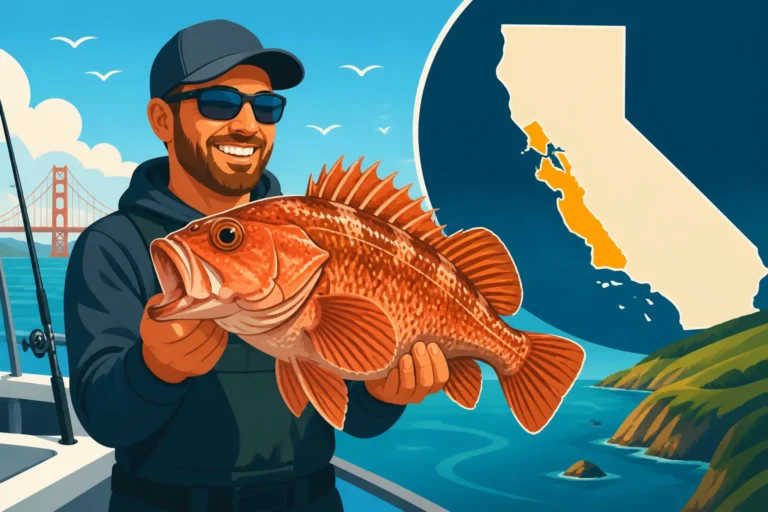
Navigating the ever-changing landscape of California's fishing regulations can feel like trying to tie a tiny fly on a rocking boat – confusing, frustrating, and sometimes you just want to throw your hands up in exasperation! When it comes to rockfish, those wonderfully diverse and delicious bottom dwellers, understanding the size limits is absolutely critical. This guide is here to untangle the complexities, explain why these rules exist, and give you practical advice so you can hit the water with confidence, knowing you're fishing legally and responsibly.
Why California Rockfish Size Limits Exist
It's easy to look at a regulation and just see a roadblock, another rule cramping your style. But when it comes to rockfish size limits in California, these aren't just arbitrary lines drawn in the sand (or, well, the ocean floor). They're thoughtful measures put in place to ensure we can all keep enjoying this incredible fishery for generations to come.
Protecting Juvenile Fish Populations
Think of it like this: every rockfish you catch that's too small hasn't had the chance to mature and reproduce yet. It's like harvesting apples from a tree before they're ripe – you're diminishing the future yield. Juvenile rockfish are the backbone of tomorrow's fishery. If too many of them are removed, the population struggles to replenish itself, leading to fewer fish for everyone down the line. Many rockfish species are slow-growing and long-lived, making them particularly vulnerable to overfishing if juveniles aren't protected. By setting minimum size limits, the California Department of Fish and Wildlife (CDFW) aims to give these young fish a fighting chance to grow up, spawn at least once, and contribute to the health and sustainability of their species. It’s a vital part of a comprehensive conservation strategy, working hand-in-hand with rules like the various California Rockfish Conservation Areas.
Ensuring a Sustainable Fishery for Everyone
Ultimately, these size limits are about balance. Anglers want to catch fish, and who can blame them? The thrill of a rockfish bite, the anticipation of reeling it in, and the prospect of a tasty dinner are all part of the experience. But without proper management, that experience could disappear. The CDFW, along with federal agencies, monitors rockfish populations closely. When they see declines or vulnerabilities, they implement or adjust regulations to help the species recover or maintain healthy numbers. This isn't just for the fish; it's for us. It ensures that the commercial fishing industry can continue to operate sustainably, and more importantly for us recreational anglers, that our kids and grandkids will still be able to drop a line and pull up a beautiful vermilion or copper rockfish off the coast of California. These limits are part of the larger framework of California Fishing Regulations Explained, designed to keep our marine ecosystems thriving.
Decoding the General California Rockfish Size Limits
Alright, let's get down to brass tacks. California's rockfish size limits aren't a one-size-fits-all deal, which can definitely add to the confusion. However, there are some overarching rules, and then specific exceptions that you absolutely need to know before you head out on the water.
The Overall 10-Inch Minimum Rule
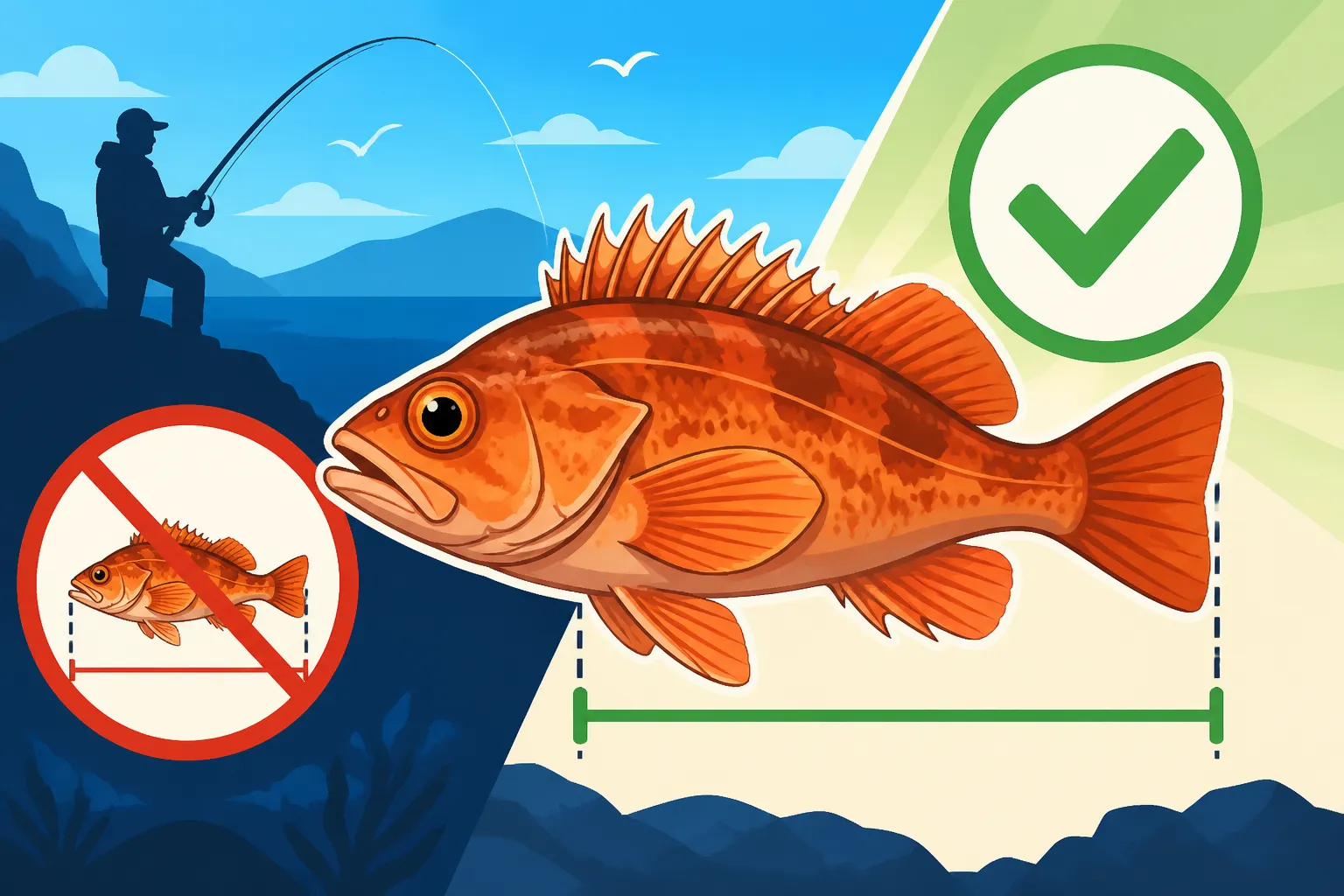
For many of the common rockfish species you'll encounter along the California coast, there’s a general minimum size limit of 10 inches total length. This is your default guideline. When you pull up a beautiful rockfish, your first thought should be, "Is this at least 10 inches long?" This general rule applies to a good number of the species that fall under the "shelf" rockfish category, which includes a diverse group of species found from nearshore waters out to deeper reefs.
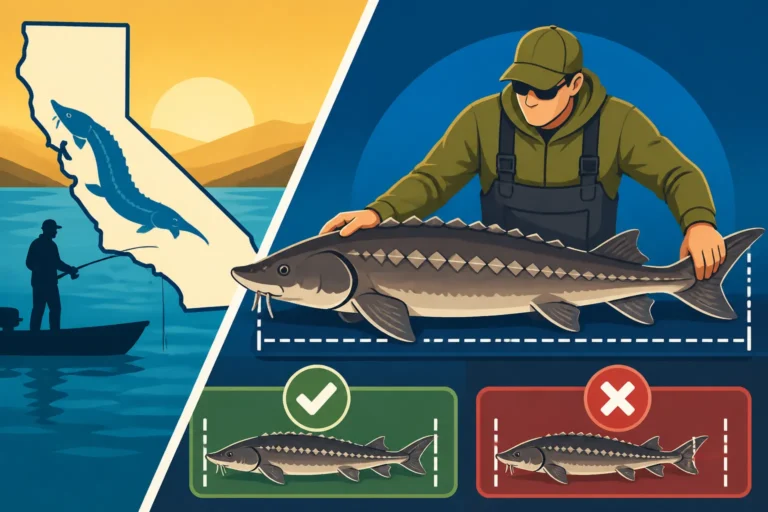
It’s crucial to understand how to measure accurately. A fish’s total length is measured from the tip of its snout (mouth closed) to the farthest tip of its tail fin, with the fish lying flat on its side. Imagine you've just hooked a nice olive rockfish off the rocky reefs near Monterey Bay. You bring it aboard, and before you even think about putting it in the cooler, you lay it flat against your measuring board. If that tail fin just barely kisses the 10-inch mark, you're usually good to go for these general species. If it's shorter, you know it's time for a careful release. Always remember, the regulations are about conserving the stock, so being precise is key.
Specific Species with Different Minimums
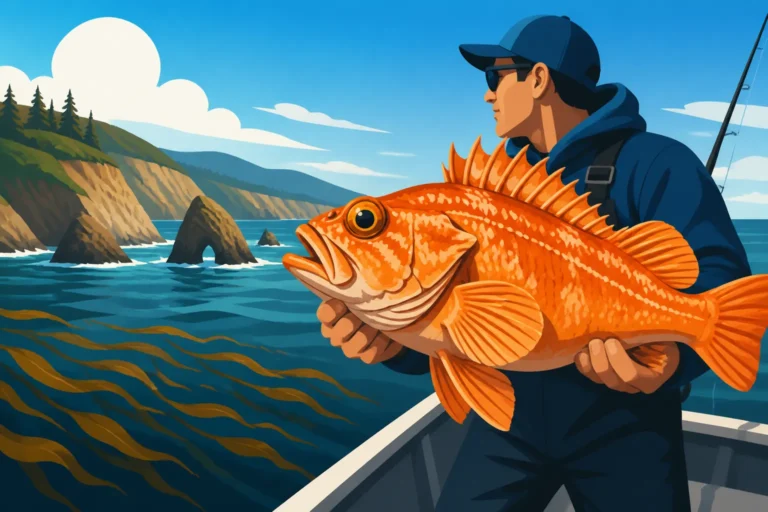
Now, here's where it gets a little more nuanced, and frankly, sometimes a bit tricky. Not all rockfish are created equal in the eyes of the law. Several prominent species have their own specific minimum size limits that are often larger than the general 10-inch rule. The most common one that trips up anglers is the Vermilion Rockfish, often called "reds" or "red snapper." These beauties often have a minimum size limit of 12 inches. You might pull up a 10.5-inch vermilion, think you’re in the clear, but if you don't know the specific rule for that species, you're actually out of compliance.
Another example is the Bocaccio, which also generally falls under a 10-inch minimum, but historically has seen its regulations shift based on stock assessments, sometimes with even larger limits or specific seasons. Other species like Lingcod, while technically a member of the greenling family and not a rockfish, are often caught in the same habitat and have a strict 22-inch minimum size limit. These specific rules exist because certain species grow slower, mature later, or face different population pressures. Knowing your fish is paramount! This is why investing in a good fish identification guide, or even a laminated one you can keep on your boat, is a smart move. You can often find excellent, waterproof fish ID charts on Amazon that are perfect for this.
To help visualize, here's a quick comparison of some common species:
| Species (Common Name) | General Minimum Size Limit (Total Length) | Notes |
|---|---|---|
| Most Rockfish Species | 10 inches | Applies to many diverse species like Olive, Black, Blue, Gopher, Copper, Kelp, China, Brown, etc. |
| Vermilion Rockfish | 12 inches | Distinctive bright red/orange color, often mottled. One of the most common exceptions to the 10-inch rule. |
| Lingcod | 22 inches | Not a true rockfish, but often caught in similar habitats. Distinctive elongated body and large mouth. |
| Cabezon | 15 inches | Not a rockfish, but a common nearshore bottom fish. Large head, mottled coloration. |
Note: Always consult the current CDFW regulations booklet for the most up-to-date and complete information, as these can change annually or even in-season.
"No Size Limit" Exceptions
While most rockfish have a minimum size, there are a few exceptions where a species might not have a minimum size limit. These are typically smaller species that don't grow very large, even as adults. Examples might include certain small rockfish like Grass Rockfish, Greenspotted Rockfish, or similar "nearshore" species.
However, "no size limit" never means "no rules at all." Even if there's no minimum size, these species are still subject to the overall California Rockfish Bag Limit Explained. For instance, you might be allowed a certain number of rockfish per day, and even those without a size limit still count towards that total. So, while you might keep a 6-inch grass rockfish, you couldn't keep an unlimited number of them. The key takeaway here is accurate identification. If you're not absolutely sure what species of rockfish you've caught, especially if it's smaller than the general 10-inch rule, it's always safest to measure it against the 10-inch standard, or better yet, release it gently to fight another day.
Regional Variations and Depth Restrictions
Just when you think you've got the size limits figured out, California throws another curveball: regional variations and depth restrictions. This state is massive, with incredibly diverse marine ecosystems, and what's legal in Crescent City might be entirely different in San Diego.
How Management Areas Impact Size Limits
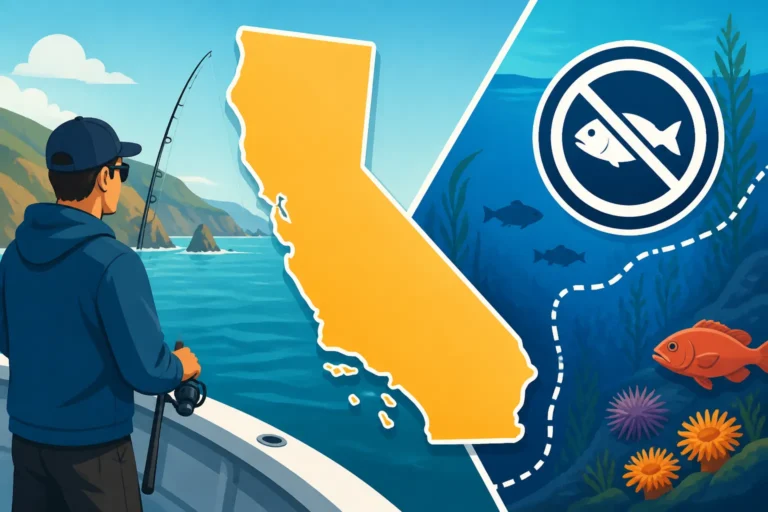
California's coastline is divided into different Groundfish Management Areas (GMAs) by the CDFW, sometimes overlapping with federal management zones. These areas, like the Northern, Central, and Southern Management Areas, often have their own specific seasons, bag limits, and even size limits for certain species, including rockfish. What might be open in the North Coast Management Area could be closed in the Central Coast Management Area, or vice versa, and this can extend to the specific size limits for individual rockfish species.
For example, a common scenario is that the general rockfish season or specific depth limits might vary significantly between areas. While the size limits for a specific fish like Vermilion Rockfish might stay consistent statewide (e.g., 12 inches), the ability to target them (due to depth restrictions or season closures) will absolutely change by region. This is particularly true for nearshore rockfish species, whose populations are often more localized. If you're planning a trip from Southern California up to the Bay Area to try fishing for rockfish, you absolutely must check the regulations for that specific region. It's not enough to know the rules for your home port; you need to know the rules for where you will be fishing. This can impact your trip planning immensely, right down to the gear you pack.
The Importance of Up-to-Date Information
I can't stress this enough: California fishing regulations, especially for ocean species like rockfish, can change frequently. Sometimes regulations are adjusted seasonally, sometimes they're changed mid-year due to emergency closures or new stock assessments. Relying on an old printout or what your buddy told you last year is a recipe for disaster. The penalties for California Fishing License Fines and Penalties can be steep, and ignorance is rarely an acceptable excuse.
Your best friends for staying informed are the official CDFW website and their annual sport fishing regulations booklet. The online version is usually the most current, as it can be updated more frequently than the printed booklet. Many seasoned anglers print out the relevant pages for their fishing zone and keep them in a waterproof binder on the boat or readily accessible on their phone or tablet. Knowing How to Read the California Fishing Regulations Booklet effectively will save you a lot of headaches and potential fines. Always double-check regulations right before your trip, even if you think you know them by heart. It’s better to spend an extra ten minutes reviewing than to face a citation or, worse, contribute to unsustainable fishing practices.
Practical Tips for Adhering to Size Limits
Alright, you've read the rules, you understand why they exist, and you're committed to doing things the right way. Now, let's talk practical application on the water. Because actually measuring a wriggly fish on a moving boat in real-time is a different beast than reading about it on a screen!
Essential Gear for Measuring Fish
You can't follow size limits if you can't accurately measure your catch. This might sound obvious, but I've seen countless anglers try to "eyeball" it or use a bent-up tape measure that's seen better days. That's just asking for trouble.
First and foremost, invest in a good, rigid fish measuring device. A simple, flat plastic or aluminum fish ruler is perfect. These are typically marked clearly in inches and often include lines or labels for common species' minimums. You can find excellent options on Amazon, including stick-on rulers for your cooler lid or gunwale, or even specialized fish boards that make measuring quick and easy. Many experienced anglers prefer a bump board style ruler, which has a vertical stop at one end; you simply place the fish's nose against the stop and read the measurement at the tail. This ensures consistency and accuracy. Make sure your chosen ruler is long enough for the species you're targeting – for rockfish, anything up to 24 inches should cover most regulations. Keep it easily accessible, not buried under a pile of gear. When that fish comes over the rail, you want to be able to measure it immediately.
Handling and Releasing Undersized Fish Properly
Let's face it: catching an undersized fish happens to everyone. The key is how you handle it. Your goal is to get that fish back into the water as quickly and unharmed as possible, especially if you're pulling it up from deeper water.
When you bring up a rockfish, measure it swiftly but gently. Minimize its time out of the water. Avoid letting it flop around on the deck; if possible, measure it while it's still in a net or gently held over a bucket of seawater. Use wet hands if you need to touch the fish directly, as dry hands can remove their protective slime coat. If the fish is undersized, get it back in the water without delay. For rockfish caught in deeper water (say, over 30 feet), they often suffer from barotrauma – essentially, the rapid change in pressure causes their swim bladder to expand, making it difficult for them to swim back down. In California, it's actually required to use a descending device or a tool like a "fizzer" (a hypodermic needle to puncture the swim bladder) when releasing rockfish exhibiting signs of barotrauma, especially when fishing outside of 30 feet of water. These devices are designed to get the fish back down to the depth they came from, allowing them to recompress and survive. You can also find a variety of descending devices, from simple weighted clamps to more sophisticated release systems, readily available on Amazon. Proper release techniques are not just good sportsmanship; they're vital for the survival of the fish and are part of the California Catch-and-Release Rules.
When in Doubt, Let it Go
This is perhaps the simplest, most universal piece of advice for any angler encountering a fish that might be on the edge of the legal limit or a species they're not quite sure about. If you're truly unsure about the species, or if its measurement is right on the cusp of the minimum, the safest and most responsible action is to release it.
It's better to err on the side of conservation than to risk a hefty fine or contribute to the decline of a fish stock. The feeling of catching a limit of legal fish is far more rewarding than the anxiety of keeping one that might be undersized. Furthermore, releasing fish helps ensure robust populations for your next fishing adventure. Remember, every fish you release has a chance to grow larger, reproduce, and be caught again by you or another angler. This mindset is at the heart of sustainable angling and contributes directly to ensuring that California remains one of the best places to fish for rockfish.
Disclaimer
The information provided in this guide is for general informational purposes only and is subject to change. Fishing regulations in California are complex and can be updated frequently by the California Department of Fish and Wildlife (CDFW) and other governing bodies. It is the sole responsibility of the angler to consult the most current official California Sport Fishing Regulations booklet and any in-season updates or emergency closures before engaging in any fishing activity. Failure to comply with regulations can result in significant fines and penalties.