California Tuna Bag Limit Explained
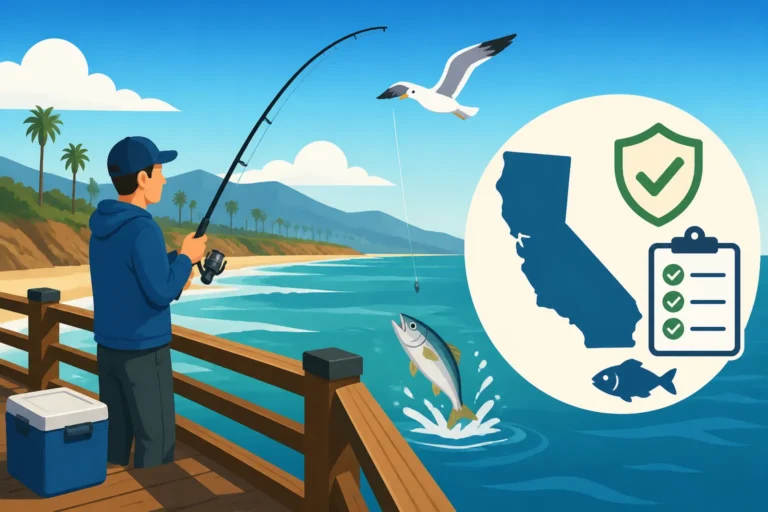
The thrill of offshore fishing, the scream of the reel as a powerful tuna takes your bait, it's an experience that hooks so many of us in California. But let's be honest, figuring out the ever-changing California tuna bag limits can feel like trying to untangle a bird's nest of fishing line. One minute you think you've got it, the next you're questioning everything. This guide is here to cut through that confusion, breaking down the specific regulations for tuna species in California so you can focus on the fight, not the fines.
Understanding the Ever-Changing World of Tuna Regulations in California
Fishing for tuna in California is an incredible adventure, but it comes with a responsibility to understand and adhere to the rules. These aren't just arbitrary numbers; they're in place to protect these magnificent fish populations and ensure healthy fisheries for generations to come. It’s easy to get frustrated when regulations shift, but a little homework upfront can save you a lot of headache on the water.
Why Tuna Limits Aren't Just Bureaucracy
Tuna, especially species like bluefin, are highly migratory and sought after globally. Their populations are managed by a complex web of international agreements, federal agencies like NOAA Fisheries, and our very own California Department of Fish and Wildlife (CDFW). These limits are designed to prevent overfishing, allow stocks to rebuild, and maintain ecological balance. Imagine if everyone could keep as many as they caught – our incredible tuna runs wouldn't last long, and the future of sportfishing in California would be bleak. The limits reflect scientific assessments of fish stocks, reproductive cycles, and migration patterns, aiming for long-term sustainability. It's about ensuring that those epic offshore days remain possible for all of us.
The Big Picture: Federal vs. State Waters
Here's where it can get a little tricky: fishing regulations often differ slightly depending on whether you're in state or federal waters. In California, state waters generally extend three nautical miles offshore. Beyond that, you're in federal waters, where regulations from NOAA Fisheries (specifically the Highly Migratory Species or HMS division) often come into play. While California often aligns its regulations with federal guidelines for HMS species like tuna, there can be subtle differences or specific state-only rules.
For most recreational offshore anglers targeting tuna, you'll likely be operating in federal waters beyond the 3-mile line. However, always check both federal and state regulations, especially if you're fishing closer to shore or transitioning between zones. Charter captains are usually well-versed in these distinctions, but as a responsible angler, it's always good to have your own understanding. A great starting point for clarifying these zones and their specific rules is the California Saltwater Fishing Regulations guide.
Key Tuna Species You'll Encounter Off California
California's waters are a hotspot for several exciting tuna species, each with its own characteristics and, yes, its own set of rules. Knowing what you're targeting is the first step to understanding the relevant bag limit.
- Bluefin Tuna ( Thunnus orientalis): These are the kings of the California offshore scene, known for their incredible power and delicious meat. They often show up in massive schools, drawing anglers from all over. They're typically found further offshore, especially off Southern California, from San Diego up to areas like Dana Point and even occasionally further north.
- Yellowfin Tuna (Thunnus albacares): Another highly prized species, Yellowfin are recognizable by their vibrant yellow finlets and long, sickle-shaped anal and dorsal fins. They're common off Southern California, especially during warmer water years, often mixed in with other tropical tunas.
- Albacore Tuna (Thunnus alalunga): Known as "longfins" for their exceptionally long pectoral fins, Albacore are famous for their white, mild-flavored meat. Their migrations vary wildly year-to-year, but when they show up, it's usually in big numbers, offering fast-paced action.
- Skipjack Tuna (Katsuwonus pelamis): Smaller than bluefin or yellowfin, Skipjack are often called "footballs" due to their stocky build. They're incredibly aggressive and are a blast to catch on lighter tackle, often found in large schools. They're also an important food source for larger predators.
- Pacific Bonito (Sarda chiliensis): While technically in the tuna family, Bonito are usually treated separately in terms of regulations and fishing strategy. They're fast, strong, and plentiful, providing great action closer to shore and in bays.
Each of these species contributes to the diverse fishery we have here, and understanding their individual limits is key to a responsible and legal day on the water.
Decoding California's Tuna Bag and Possession Limits by Species
Alright, let's get into the nitty-gritty of the numbers. It’s important to remember that these regulations are subject to change, sometimes even mid-season, so always double-check the most current CDFW and NOAA Fisheries regulations before heading out. The California Fishing Regulation Booklet Explained is an essential read for every angler.
Bluefin Tuna: The Elusive Trophy
Bluefin tuna have become the target for many offshore anglers in recent years, especially off Southern California. The regulations for Bluefin are often among the most restrictive due to their conservation status and global demand.
Currently, the California sport fishing regulations for Bluefin Tuna specify:
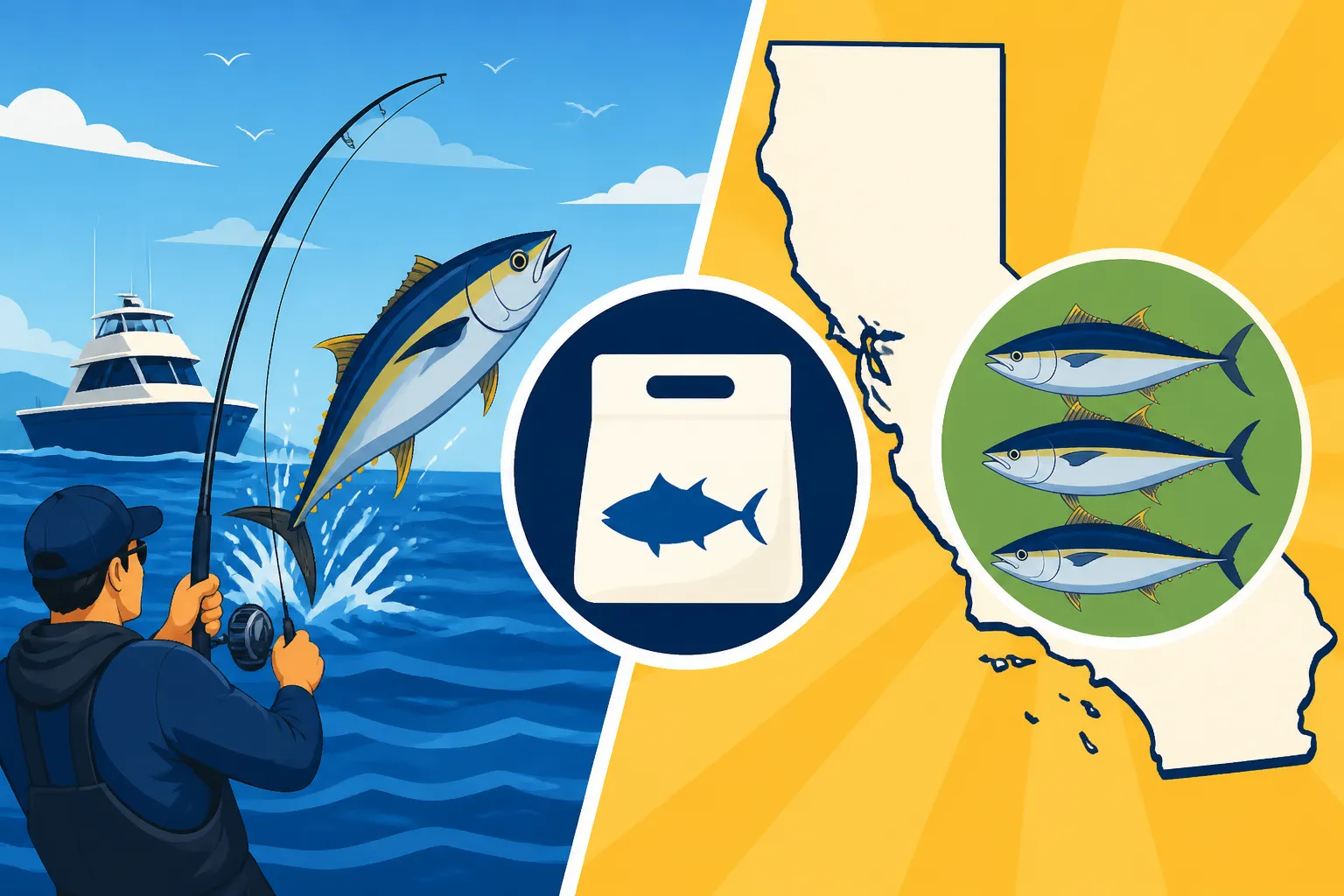
- Daily Bag Limit: 2 fish per person.
- Minimum Size: None specified by California for recreational sport fishing, though federal rules can have size components, so verify with NOAA Fisheries if in federal waters.
This means that each licensed angler on board a vessel can keep two bluefin tuna per day. There isn't typically a boat limit for private recreational vessels, but commercial operations or permitted charter/headboats might have different rules. If you're out on a private boat with three anglers, theoretically you could keep six bluefin. However, because these fish are such a huge draw, and their populations fluctuate, these limits can be adjusted. Always make sure to check the Best Season for Bluefin Tuna in California for the latest information before you plan your trip. The CDFW website or their official app is your most reliable source.
Yellowfin, Skipjack, and Other Tropical Tunas: An Aggregate Approach
For many other tuna species, California utilizes an aggregate bag limit, meaning several species are grouped together under a single limit. This can sometimes be the source of confusion for anglers.
For Yellowfin Tuna, Skipjack Tuna, Bigeye Tuna, and other miscellaneous tunas (excluding Bluefin and Albacore), the current California sport fishing regulations state:
- Daily Aggregate Bag Limit: 10 fish in combination.
- Species-Specific Limit within Aggregate: No more than 5 of any one species (e.g., Yellowfin, Skipjack, Bigeye) within that 10-fish total.
Let's break that down with an example because this is where the "tangled line" feeling often kicks in. If you catch 5 Yellowfin Tuna, you can still catch 5 more fish from the other species in this aggregate group (e.g., 5 Skipjack) for a total of 10 fish. However, you cannot catch 6 Yellowfin Tuna, even if you haven't caught any other species from that group. The "no more than 5 of any one species" is a hard cap within this particular aggregate. It’s designed to diversify effort and protect individual species within the mixed schools often encountered offshore. This regulation can be a bit challenging to manage on a hot bite, so it’s crucial to keep a mental tally, or better yet, a written one, as you fish.
Albacore Tuna: The Long-Finned Migrators
Albacore tuna, when they decide to bless our waters with their presence, often do so in incredible numbers. Their movements are highly dependent on water temperature and bait availability, leading to inconsistent seasons. When they are here, though, the action can be non-stop.
For Albacore Tuna, the California sport fishing regulations currently state:
- Daily Bag Limit: 10 fish per person.
- Minimum Size: None specified.
This limit is separate from the bluefin limit and the aggregate limit for yellowfin, skipjack, etc. So, if you're having an amazing day and catching both Albacore and Bluefin, you would apply the 10-fish limit for Albacore and the 2-fish limit for Bluefin independently. This is typically a more generous limit, reflecting the broader population dynamics of Albacore when they are present off our coast.
Pacific Bonito: A Separate Category
Pacific Bonito are often mistaken for small tuna, and while they're related, they have their own distinct regulations. They're a fantastic light-tackle fish, providing quick, exciting fights, and are often caught closer to shore or in kelp beds.
For Pacific Bonito, the California sport fishing regulations currently state:
- Daily Bag Limit: 10 fish per person.
- Minimum Size: 24 inches fork length, or 5 pounds. However, up to five Bonito less than 24 inches fork length and less than 5 pounds may be taken.
This rule means you can keep 10 Bonito per day. Within that limit, you can keep up to five "smaller" Bonito (under 24 inches AND under 5 pounds). If a Bonito is either 24 inches or longer or 5 pounds or heavier, it counts as a "legal" fish regardless of its size relative to the five-fish smaller-bonito allowance. This nuance is important to remember when you're sorting through your catch. Many anglers use Bonito as bait for larger offshore species, making them a valuable part of the fishing ecosystem.
To summarize these limits for clarity, here’s a quick reference table based on current CDFW regulations for recreational anglers in California:
| Tuna Species Group | Daily Bag Limit (Per Person) | Minimum Size (Recreational) | Notes |
|---|---|---|---|
| Bluefin Tuna | 2 fish | None specified | Highly sought-after. Always check for potential federal water variations. |
| Yellowfin, Skipjack, Bigeye, & Other Tunas | 10 fish (aggregate) | None specified | No more than 5 of any single species within this 10-fish aggregate (e.g., max 5 Yellowfin, max 5 Skipjack, etc.). |
| Albacore Tuna | 10 fish | None specified | Separate limit from other tunas. |
| Pacific Bonito | 10 fish | 24 inches Fork Length OR 5 lbs | Up to five Bonito less than 24 inches FL AND less than 5 lbs may be kept. The remaining fish (up to 5 more) must meet the 24-inch FL OR 5 lb criteria. |
Disclaimer: Regulations are subject to change. Always consult the current California Department of Fish and Wildlife (CDFW) Ocean Sport Fishing Regulations booklet and NOAA Fisheries Highly Migratory Species (HMS) regulations before fishing.
Beyond the Numbers: What Else You Need to Know
Knowing the bag limits is a fantastic start, but there are a few other critical aspects of California fishing regulations that every tuna angler needs to be aware of. Overlooking these details can lead to fines and a ruined day on the water, even if your catch count is perfect.
Daily Bag Limit vs. Possession Limit: Don't Get Caught Off Guard
This is a really common point of confusion, especially for anglers planning multi-day trips or those who might keep their fish for several days.
- Daily Bag Limit: This is the maximum number of fish you can take in a single day (from midnight to midnight). So, if the Bluefin limit is 2, you can only catch and keep 2 bluefin on any given calendar day.
- Possession Limit: This is the maximum number of fish you can have in your possession at any one time, whether they're fresh, frozen, filleted, or otherwise processed. For most finfish in California, the possession limit is the same as the daily bag limit. However, if you're on a multi-day trip, say a 2-day offshore excursion, and the daily limit for Bluefin is 2 fish, you could theoretically catch 2 on day one and 2 on day two, meaning you would have 4 Bluefin in possession by the end of your trip. The general rule is you cannot possess more than one daily bag limit unless you're on a trip of more than one day, and you have proof of the dates fished. This proof is crucial – charter boats will often provide it, but if you're on a private boat, you need to be prepared to demonstrate when and where the fish were caught. Always consult California Fishing Regulations Explained for comprehensive details on possession limits, especially for long-range trips.
A critical note on processed fish: if your fish are filleted or otherwise processed, they must meet minimum size requirements (if applicable) and be readily identifiable by species until you get home. It’s always best to keep enough of the skin attached to ensure identification.
The Importance of Your California Fishing License and Report Cards
Before you even think about chasing tuna, you absolutely need a valid California Fishing License Guide. This isn't optional, and ignoring this fundamental requirement is a quick way to get a hefty fine. Your license revenue directly supports the conservation and management of California's fisheries, so it's an investment in the sport we all love.
Beyond the general license, certain species require report cards. While tuna currently do not require a specific report card (unlike species like Sturgeon, Steelhead, or Salmon), it's crucial to be aware of other species you might incidentally catch that do require them. For example, if you decide to try for halibut inshore after your tuna trip, you'd need to know the California Halibut Size and Bag Limits and if any report cards apply. Always double-check the CDFW regulations for any new or updated report card requirements, as these can change.
How to Stay Current: Your Lifeline to Compliance
Regulations change. This isn't just a boilerplate statement; it's a reality of fishing in a dynamic ecosystem with evolving management needs. What was legal last year, or even last month, might be different today. Getting your information from a casual conversation on the dock isn't enough.
Your most reliable sources are:
- The Official CDFW Ocean Sport Fishing Regulations Booklet: Available online as a PDF, and often printed at tackle shops. Make sure you have the current year's version. You can usually find a link to download it right on the CDFW website.
- NOAA Fisheries Website (Highly Migratory Species): For federal waters, NOAA Fisheries is the authority. Their website provides up-to-the-minute updates, especially for species like Bluefin Tuna which are managed under broader federal plans.
- Local Tackle Shops: These often have posters, flyers, and knowledgeable staff who can help clarify local regulations, though always cross-reference with official sources.
- Charter Captains: Reputable charter captains are generally meticulous about staying informed. They are responsible for adhering to regulations for their vessel and clients, making them a great resource for current rules on the day of your trip. Consider booking a trip on one of the many California Fishing Charters: Complete Guide available.
Making it a habit to check these sources a few days before every trip is the best way to ensure you're compliant. Bookmark the relevant pages on your phone or print them out if you're heading somewhere with spotty reception.
Making Your Tuna Trip Successful and Sustainable
Chasing tuna offshore is an incredible experience, blending skill, endurance, and a bit of luck. To truly make the most of it, you need the right tools and a commitment to responsible angling practices.
Essential Gear for a California Tuna Adventure
You wouldn't go hiking Mount Whitney in flip-flops, and you shouldn't go tuna fishing with inadequate gear. These fish are powerful, and undergunned equipment leads to lost fish and prolonged fights that stress the animal unnecessarily.
- Rods and Reels: You'll want sturdy setups capable of handling hard-fighting fish. For Bluefin, think heavy conventional gear, often 60-100 lb braided line with fluorocarbon leaders. Brands like Penn, Shimano, and Daiwa offer excellent offshore reels. For Yellowfin and Albacore, you might scale down slightly, but still, err on the side of heavy-duty. Don't cheap out here; a quality setup is an investment. You can find many robust options on Amazon.
- Line and Leaders: Braided line is standard for its strength and sensitivity. Pair it with high-quality fluorocarbon leaders (usually 40-80 lb test, depending on the species and conditions) for invisibility and abrasion resistance.
- Hooks and Terminal Tackle: Strong, sharp hooks are paramount. Circle hooks are often preferred or even required in some fisheries, as they reduce gut-hooking and improve survival rates for released fish. Carry a variety of swivels, sinkers, and jigging spoons.
- Coolers and Ice: This is non-negotiable for tuna. These fish spoil quickly if not properly iced. Bring large, well-insulated coolers (like those from Yeti or Igloo) packed with plenty of ice or ice slurry. The sooner you get your catch on ice, the better the quality of the meat. A good rule of thumb is at least two pounds of ice per pound of fish.
- Safety Gear: Don't forget your personal safety equipment! Life jackets, a VHF radio, flares, a first-aid kit, and an EPIRB or PLB are all vital for offshore safety. A good pair of polarized sunglasses will help you spot fish on the surface.
Best Practices for Responsible Tuna Angling
Catching tuna is only half the battle; knowing how to handle them responsibly is equally important.
- Know Your Limits (Literally): This guide is a start, but always verify current regulations. If you're unsure about a fish's species or its legal size/limit, release it carefully. It's better to be safe than sorry.
- Proper Fish Handling: Once you've caught a legal fish you intend to keep, dispatch it quickly and humanely. A strong club or a sharp spike (iki-jime) to the brain is effective. Bleed the fish immediately by cutting the gills or severing the caudal artery near the tail. This improves meat quality significantly. Get it on ice as fast as possible.
- Catch and Release Best Practices: If you're releasing fish (either because they're undersized, over your limit, or you simply don't need more), minimize handling. Use barbless hooks or crimp down barbs to make hook removal easier. Keep the fish in the water as much as possible, use a de-hooker, and avoid touching their gills or eyes.
- Waste Not, Want Not: Tuna are incredible table fare. If you're keeping fish, commit to utilizing your catch. Share it with friends and family, freeze it properly, or even learn to can or smoke it. Respect the resource by ensuring nothing goes to waste.
When and Where to Find California Tuna
Tuna fishing in California is heavily influenced by seasons, water temperatures, and bait concentrations. Generally, the summer and fall months (roughly July through October) offer the best chances for Bluefin, Yellowfin, and Albacore, especially off Southern California. However, warmer water currents can extend these seasons or bring fish further north.
- Southern California Hotspots: San Diego is renowned as a tuna fishing hub, with boats running out of Point Loma, Mission Bay, and Oceanside. Further north, areas around Dana Point, Long Beach, and the Channel Islands can also be productive. These are often the starting points for California Deep Sea Fishing Charter Guide trips.
- Offshore Banks and Islands: Tuna often congregate around offshore banks like the Cortez Bank and Tanner Bank, as well as the Channel Islands. These structures create upwellings and attract bait, which in turn draws tuna.
- Water Temperature and Chlorophyll Breaks: Smart anglers, and especially charter captains, constantly monitor sea surface temperature (SST) charts and chlorophyll charts (which indicate bait concentrations). Tuna prefer specific temperature ranges and often feed along temperature breaks or where nutrient-rich upwellings create bait-rich zones. Checking fishing reports and talking to local tackle shops (or your charter captain) are excellent ways to get real-time intelligence. You can also explore specific guides like How to Catch Bluefin Tuna off California or How to Catch Albacore Tuna in California for more detailed strategies.
By combining an understanding of these essential regulations with the right gear and responsible fishing practices, you're well on your way to a successful and sustainable tuna fishing adventure in the incredible waters of California. Tight lines!
Disclaimer
Please remember that fishing regulations, including bag and size limits, are subject to change by the California Department of Fish and Wildlife (CDFW) and federal agencies like NOAA Fisheries. It is the angler's responsibility to review and comply with the most current regulations before engaging in any fishing activity. This guide is for informational purposes only and should not be considered a substitute for official regulatory publications.