California Rockfish Rules in the Central Coast Management Area
Oh, the sheer maze of California fishing regulations! It can feel like you need a law degree just to figure out when and where you can wet a line, especially when it comes to rockfish. There's nothing more frustrating than heading out for a day on the water, only to realize you've misunderstood a crucial rule and risked a citation or, worse, impacting the very fish populations we love to chase. This guide is here to untangle the specific, often tricky, rockfish rules for one of California's most cherished fishing grounds: the Central Coast Management Area, so you can fish with confidence and peace of mind.
Understanding the Central Coast Management Area for Rockfish
Before we dive into the nitty-gritty of regulations, let's get our bearings straight. The Central Coast Management Area (CCMA) isn't just a vague stretch of coastline; it's a precisely defined zone that influences how and when you can fish for rockfish. This area is a significant portion of California's coast, and its unique blend of habitats, from kelp forests to deep rocky reefs, supports a diverse array of rockfish species.
Defining the Central Coast Boundaries
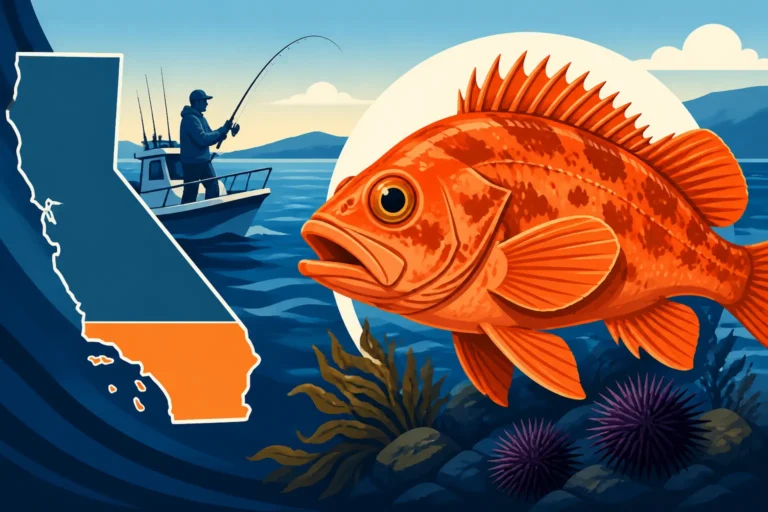
The Central Coast Management Area for groundfish, which includes our beloved rockfish, spans from Point Conception in Santa Barbara County all the way north to 38°57.5' N latitude (which is roughly near Alder Creek, just north of Point Arena in Mendocino County). This encompasses some truly iconic fishing destinations, from the productive waters off Santa Barbara and Morro Bay to the rugged coastline near Monterey Bay and up through the thriving fishing communities around Bodega Bay. You'll find a different vibe and different prevalent species as you move along this stretch, but the overarching regulations for rockfish generally apply throughout. Knowing these boundaries is your first step to staying compliant, because fishing even a mile outside this zone could put you under a different set of rules entirely.
Why Regional Management Matters
You might wonder why California breaks down its coastline into different management areas for groundfish. It's not just to make things confusing, I promise! The reason is ecological. Different regions along the California coast have distinct oceanographic conditions, fish populations, and fishing pressures. What works to manage rockfish in the warmer, more southerly waters of Southern California might not be appropriate for the cooler, deeper habitats of the Central or Northern Coasts. These regional management strategies are designed to protect local fish stocks, account for specific species distribution, and ensure sustainable fishing for generations to come. It’s a nuanced approach that tries to balance angler access with critical conservation needs. For instance, the timing of spawning or the migration patterns of certain rockfish can vary significantly from north to south, necessitating different seasonal closures or depth restrictions.
Key Rockfish Regulations: Seasons, Depth, and Limits
Alright, let's talk about the rules that directly impact your fishing day in the Central Coast Management Area. These aren't just suggestions; they're the law, and they're put in place to ensure that these incredible fish populations can thrive. It's a lot to remember, but I'll break down the most critical components.
Understanding Open and Closed Seasons
The rockfish season in the Central Coast Management Area isn't a year-round free-for-all, especially for boat-based anglers. These seasons are often determined by the California Department of Fish and Wildlife (CDFW) based on scientific assessments of fish stocks and federal guidelines. Typically, you'll find an open season for boat-based groundfish fishing that runs for several months, often starting in spring and extending through late fall. However, these dates can and do change annually, so always double-check the most current CDFW Sport Fishing Regulations booklet or their website before planning your trip.
For example, a common pattern might see the season open around May 1st and run through December 31st for boat-based anglers targeting the deeper, shelf-dwelling rockfish. During the "off-season," certain areas or depths might be completely closed, or only shore-based fishing might be permitted for specific species. This annual variation highlights why it's so important to be proactive and look up the specific dates for the year you plan to fish. I usually make it a habit to check the CDFW site in late winter or early spring to get the definitive schedule. Remember, these closures aren't arbitrary; they're often designed to protect fish during critical spawning periods or when they are more vulnerable to fishing pressure.
Depth Restrictions: The 300-Foot Rule and Beyond
This is arguably one of the most critical and often misunderstood regulations for rockfish in the Central Coast. Historically, depth restrictions have been implemented to protect deeper-dwelling rockfish species, many of which are long-lived and slow to reproduce, making them particularly susceptible to overfishing. These species also suffer from barotrauma (swim bladder expansion) when brought up from extreme depths, which means catch-and-release isn't a viable option for them.
For boat-based fishing in the Central Coast, recent years have seen a general depth limit of 300 feet (50 fathoms) for the take of rockfish, cabezon, and lingcod. This means you cannot target or retain these species in waters deeper than 300 feet. It's crucial to have a reliable depth finder on your boat and be mindful of your drifts. Even if you start in 250 feet, a long drift could quickly take you into deeper, prohibited waters. There can also be specific, temporary seasonal modifications to this depth limit, sometimes allowing shallower fishing (e.g., 60 feet) during certain months, or even outright closures in deeper waters. Always consult the official regulations for the precise depth limits applicable during your fishing window. For many anglers, this means focusing on the nearshore reefs and kelp beds, or fishing shallower banks where the 300-foot rule is less of a constant concern.
Bag and Size Limits for Rockfish and Associated Species
While "rockfish" refers to a huge family of species, the regulations boil down to an aggregate bag limit, along with specific rules for certain high-value or vulnerable species.
Here's a general overview, but again, always check current regulations:
- Aggregate Rockfish Bag Limit: Typically, you can keep a combined total of 10 rockfish per person per day. This means you can catch any mix of legal rockfish species, as long as the total doesn't exceed ten.
- Species-Specific Sub-Limits: Within that 10-fish aggregate, there are often stricter sub-limits for particular species:
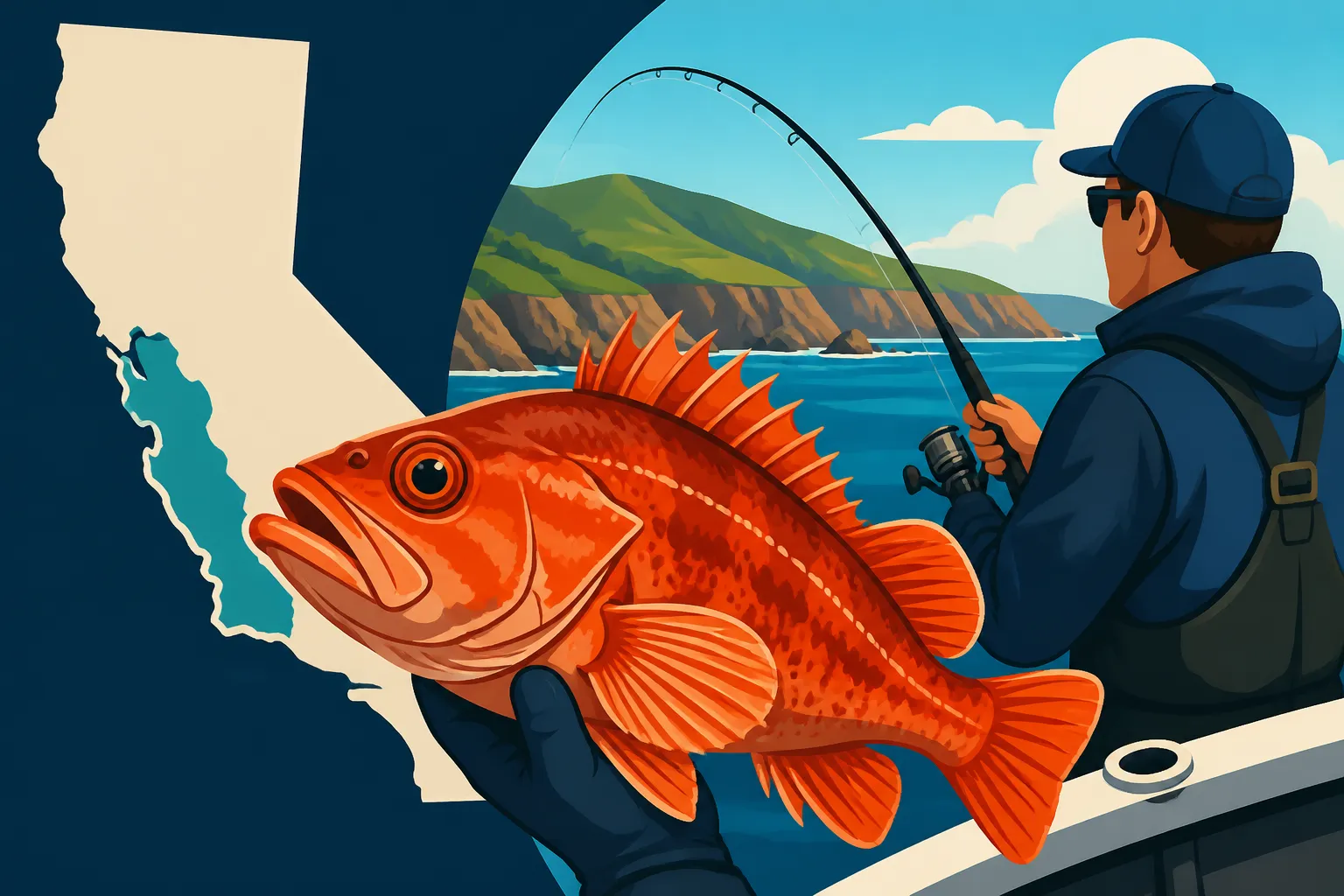
- Vermilion Rockfish: Often limited to 5 fish within the 10-rockfish aggregate. These vibrant red fish are highly sought after but need careful management.
- Cabezon: Limited to 2 fish per person. There's also a minimum size limit of 15 inches for cabezon.
- Lingcod: Limited to 2 fish per person. Lingcod also have a minimum size limit of 22 inches.
- Canary Rockfish: These distinctive orange-yellow rockfish are typically part of the 10-fish aggregate, but sometimes conservation concerns lead to them being entirely prohibited or having a zero sub-limit.
- Barbless Hooks: For groundfish, including all rockfish, lingcod, and cabezon, barbless hooks are mandatory. This is a federal requirement designed to reduce injury to fish that are caught and released, particularly those that might be undersized or prohibited. You can buy barbless hooks directly, or simply crimp down the barbs on your regular hooks with a pair of pliers. It's a simple, effective conservation measure that all responsible anglers should embrace.
It's easy to get excited and fill your cooler, but constantly keeping track of your count and checking your fish against any size requirements is crucial. An accidental extra vermilion or an undersized lingcod can lead to a hefty fine and a ruined trip. A handy fishing app or even a laminated card with the key regulations can be a lifesaver.
| Species Group | Season (Boat-Based) | General Depth Limit | Aggregate Bag Limit | Specific Sub-Limits | Size Limits | Barbless Hooks |
|---|---|---|---|---|---|---|
| Rockfish (General) | Check CDFW Annually (typically Spring-Fall) | 300 feet (50 fathoms) | 10 fish | 5 Vermilion Rockfish | None (most rockfish) | Required |
| Lingcod | Check CDFW Annually (typically Spring-Fall) | 300 feet (50 fathoms) | 2 fish (within rockfish aggregate) | 22 inches minimum | Required | |
| Cabezon | Check CDFW Annually (typically Spring-Fall) | 300 feet (50 fathoms) | 2 fish (within rockfish aggregate) | 15 inches minimum | Required | |
| Canary Rockfish | Check CDFW Annually | 300 feet (50 fathoms) | Often 0-1 fish (within aggregate) | None | Required |
Note: This table provides a general overview. Always consult the most current California Sport Fishing Regulations booklet or the CDFW website for precise and up-to-date information, as regulations are subject to change.
Species-Specific Considerations within the Central Coast
While the general rockfish regulations cover a broad spectrum of species, a few particular fish frequently caught alongside rockfish in the Central Coast Management Area have their own distinct rules. Paying attention to these specifics is key to a legal and ethical fishing trip.
Lingcod: The Toothiest Groundfish
Lingcod are a prized catch in the Central Coast, known for their aggressive strikes and delicious white meat. However, they are also part of the broader groundfish complex and are subject to specific regulations that deserve extra attention. As mentioned, there's a minimum size limit of 22 inches and a bag limit of two fish per person per day, which counts towards your overall 10-fish rockfish aggregate. It's not uncommon to catch smaller lingcod, so having a measuring device readily accessible is essential. Many anglers will attach a tape measure to their tackle box or boat rail for quick verification.
Lingcod are ambush predators, often found lurking near rocky structures, kelp forests, and pinnacles. They’ll readily hit jigs, swimbaits, and live bait. If you're specifically targeting lingcod, remember they are generally found in the same depths as other rockfish, meaning the 300-foot depth restriction applies. Catching an undersized lingcod is a common occurrence, so being prepared for proper catch-and-release is vital. Unhooking them carefully and, if necessary, using a descending device for fish caught in deeper water can significantly increase their survival rate. You can find robust descending devices on Amazon if you're looking to add one to your safety gear.
Cabezon: The Masters of Camouflage
Cabezon, another member of the groundfish family, are masters of camouflage, blending seamlessly into their rocky surroundings. While not as large as lingcod, they offer a good fight and are excellent table fare. Similar to lingcod, cabezon have specific rules: a minimum size limit of 15 inches and a bag limit of two fish per person per day, also counting towards your 10-fish rockfish aggregate.
Cabezon are often found in shallower rocky areas, tide pools, and kelp beds, making them accessible to both boat and shore anglers. They prefer cut bait, shrimp, or small jigs. Because they inhabit shallower waters, catch-and-release is often more successful for cabezon, provided you handle them gently. Being able to quickly measure and identify your catch is crucial, as their camouflaged appearance can sometimes lead to misidentification, especially if you're new to fishing the area. Taking a moment to confirm the species and size prevents accidental violations.
Other Rockfish Species and Their Nuances
Beyond vermilion, lingcod, and cabezon, the Central Coast is home to a multitude of other rockfish species. You'll encounter copper rockfish, gopher rockfish, greenspotted rockfish, yellowtail rockfish, and sometimes even the distinctively large bocaccio. While most of these fall under the general 10-fish aggregate bag limit without individual size restrictions, it’s still important to be aware of their appearance.
Occasionally, specific conservation concerns might lead to a particular species being prohibited entirely or having a zero bag limit for a season. For example, historically, canary rockfish have faced significant conservation challenges, and anglers often had a zero bag limit for them. While efforts have led to their recovery, it’s a good example of how targeted management can shift. Always keep an eye out for these specific prohibitions in the annual regulations. Understanding the nuances for each species not only ensures compliance but also enhances your appreciation for the rich biodiversity found in the California Rockfish Species Identified section of our site.
Navigating Marine Protected Areas and Best Practices
Fishing in California is deeply intertwined with conservation efforts, and nowhere is this more evident than with the state's Marine Protected Areas (MPAs). Understanding these zones, along with adopting responsible fishing practices, is crucial for preserving the Central Coast's marine ecosystems.
The Role of Marine Protected Areas
California has established a network of Marine Protected Areas (MPAs) along its entire coastline, including significant portions of the Central Coast. These areas are like underwater parks, designed to protect marine habitats and allow fish populations to recover and thrive. MPAs come in different designations: State Marine Reserves (SMRs) are typically "no-take" zones where all fishing and extraction are prohibited, while State Marine Parks (SMPs) and State Marine Conservation Areas (SMCAs) may allow some limited recreational fishing or commercial take.
It's absolutely essential to know where these MPAs are located and what activities are allowed within them. Many popular fishing spots along the Central Coast, such as areas within Monterey Bay, Morro Bay, or near the Channel Islands, have adjacent or overlapping MPAs. Fishing in a "no-take" zone, even accidentally, can lead to severe penalties. Before every trip, I strongly recommend checking an up-to-date MPA map (many great resources are available online, and some charting apps even overlay MPA boundaries). This step alone can save you a lot of headache and protect our precious marine resources. Our guide on California Marine Protected Areas Explained offers a deeper dive into this critical topic.
Essential Gear for Compliant and Ethical Fishing
Having the right gear isn't just about catching fish; it's about fishing responsibly and legally. For rockfish fishing in the Central Coast, a few items are non-negotiable:
- Measuring Device: A tape measure or ruler is critical for ensuring your lingcod and cabezon meet the minimum size requirements. Attach it to your boat, tackle box, or keep it easily accessible.
- Barbless Hooks: As discussed, these are mandatory for groundfish. Always ensure your hooks are barbless (either purchased as such or crimped). It's a small change that makes a big difference for released fish.
- Fish Descending Device or Release Tool: For rockfish caught from deeper waters (especially anything near or beyond 60-100 feet), a descending device is a game-changer. These tools allow you to safely return rockfish to depth, reversing the effects of barotrauma and significantly increasing their survival chances. While not always legally required for recreational anglers, using one is a strong ethical practice. Various models are available, from simple weighted clamps to more sophisticated mechanisms; you can find a good selection on Amazon to suit your style.
- Regulations Booklet/App: Always have the most current California Sport Fishing Regulations booklet with you, or a reliable app that provides the official rules. Trying to remember every detail is tough, and having a reference point can clear up any last-minute questions. Our comprehensive California Fishing Regulations Explained can also serve as a quick guide.
Best Practices for Sustainable Rockfish Fishing
Beyond just following the rules, embracing best practices helps ensure healthy fish populations for the future.
- Mindful Catch and Release: For fish you don't intend to keep (or those that are undersized/prohibited), handle them with care. Minimize their time out of water, use wet hands when handling, and support their body weight. If they show signs of barotrauma (bulging eyes, distended stomach, stomach extruded from mouth), use a descending device to return them to depth quickly.
- Targeting in Season: Stick to the open seasons for specific species and areas. Fishing outside these windows puts undue pressure on vulnerable fish.
- Diversify Your Catch: Instead of solely targeting one species, try to diversify what you're fishing for. This reduces pressure on any single stock. The Central Coast offers many other species, from halibut to various surfperch, depending on the season and location.
- Report Violations: If you witness illegal fishing activity, don't hesitate to report it to the CDFW CalTIP hotline. This is a crucial step in protecting our shared resources from those who disregard the regulations.
- Stay Informed: Regulations change. Seriously, they do! Make it a habit to check the CDFW website annually, or even before each major trip, for any updates to seasons, depth limits, or bag limits. This proactive approach ensures you're always fishing legally and responsibly.
By understanding the boundaries, adhering to the specific rules for rockfish, lingcod, and cabezon, respecting MPAs, and adopting a mindset of conservation, you can enjoy the incredible rockfish fishing opportunities that California's Central Coast Management Area has to offer for years to come. Tight lines, and fish smart!
Disclaimer
Please remember that fishing regulations, including those for rockfish in the Central Coast Management Area, are subject to change by the California Department of Fish and Wildlife (CDFW). While this guide strives to provide accurate and up-to-date information, it is not a substitute for the official CDFW Sport Fishing Regulations booklet. Always consult the most current official regulations before heading out on your fishing trip to ensure full compliance.