Diamond Valley Lake Fishing Guide
Finding that perfect freshwater fishing spot in Southern California can feel like searching for a needle in a haystack, especially one that promises not just beauty but also a legitimate shot at trophy-sized fish. It's easy to get frustrated with overcrowded lakes or those that just don't live up to the hype. This guide is going to take you deep into everything you need to know about fishing at Diamond Valley Lake, revealing why this reservoir is a true gem and how you can maximize your chances for an unforgettable day on the water.
Unveiling Diamond Valley Lake: A Southern California Oasis
Diamond Valley Lake isn't just another body of water; it's a monumental achievement in water storage and a flourishing ecosystem for anglers. Located near Hemet in Riverside County, this reservoir was completed in 1999, making it one of California's newest and largest reservoirs. Its sheer size – over 4,500 surface acres at full capacity and depths exceeding 260 feet – creates an incredible diversity of habitat for various fish species, providing a rich challenge for any angler.
A Modern Marvel with Natural Roots
What makes Diamond Valley Lake so special isn't just its size, but how it was designed and managed. The Metropolitan Water District of Southern California developed it primarily for emergency water storage, but from its inception, careful attention was paid to creating an ideal environment for fish. Before filling, substantial amounts of brush and timber were left in place, creating natural structure and cover that fish absolutely thrive in. This foresight has resulted in an incredibly healthy and productive fishery, quickly earning it a reputation as a premier destination for bass and trout fishing.
The lake itself is nestled amidst rolling hills, offering stunning panoramic views that can make you forget you're just a short drive from bustling urban centers. There's a real sense of wildness here, with careful management to preserve the natural aesthetic and prevent overdevelopment. You won't find endless rows of lakeside cabins; instead, you'll experience a pristine environment focused on recreation and conservation.
Accessibility and Amenities for Anglers
Despite its massive scale, Diamond Valley Lake is remarkably accessible, offering various points of entry and amenities designed with anglers in mind. The main marina, located on the north side of the lake, provides boat launching ramps, boat rentals (from pontoon boats to fishing skiffs), and a well-stocked bait and tackle shop. This shop is an invaluable resource, often providing up-to-the-minute fishing reports and local insights that can be a game-changer for your day.
For those who prefer to fish from shore, there are designated areas with easy access, particularly around the marina and the East Dam. While shore access is more limited than on some other lakes due to the steep terrain in many areas, the accessible spots are usually productive, especially during certain times of the year. The lake also features interpretive trails and a visitor center, which adds to the overall experience, even for non-fishing companions.
The Diverse Denizens of Diamond Valley Lake
Diamond Valley Lake is renowned for its incredible variety and size of fish species, offering something for every type of angler. From hard-fighting bass to plump trout and abundant panfish, the lake's well-managed ecosystem supports a thriving population of several highly sought-after game fish.
Largemouth Bass: The Lake's Crown Jewel
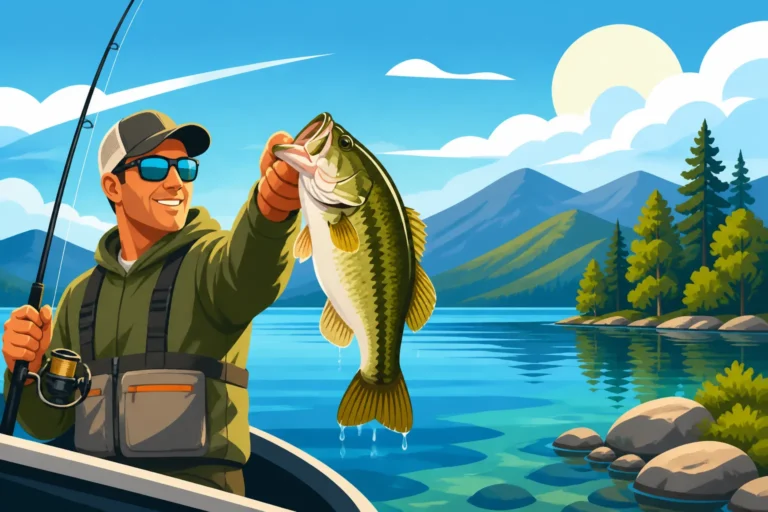
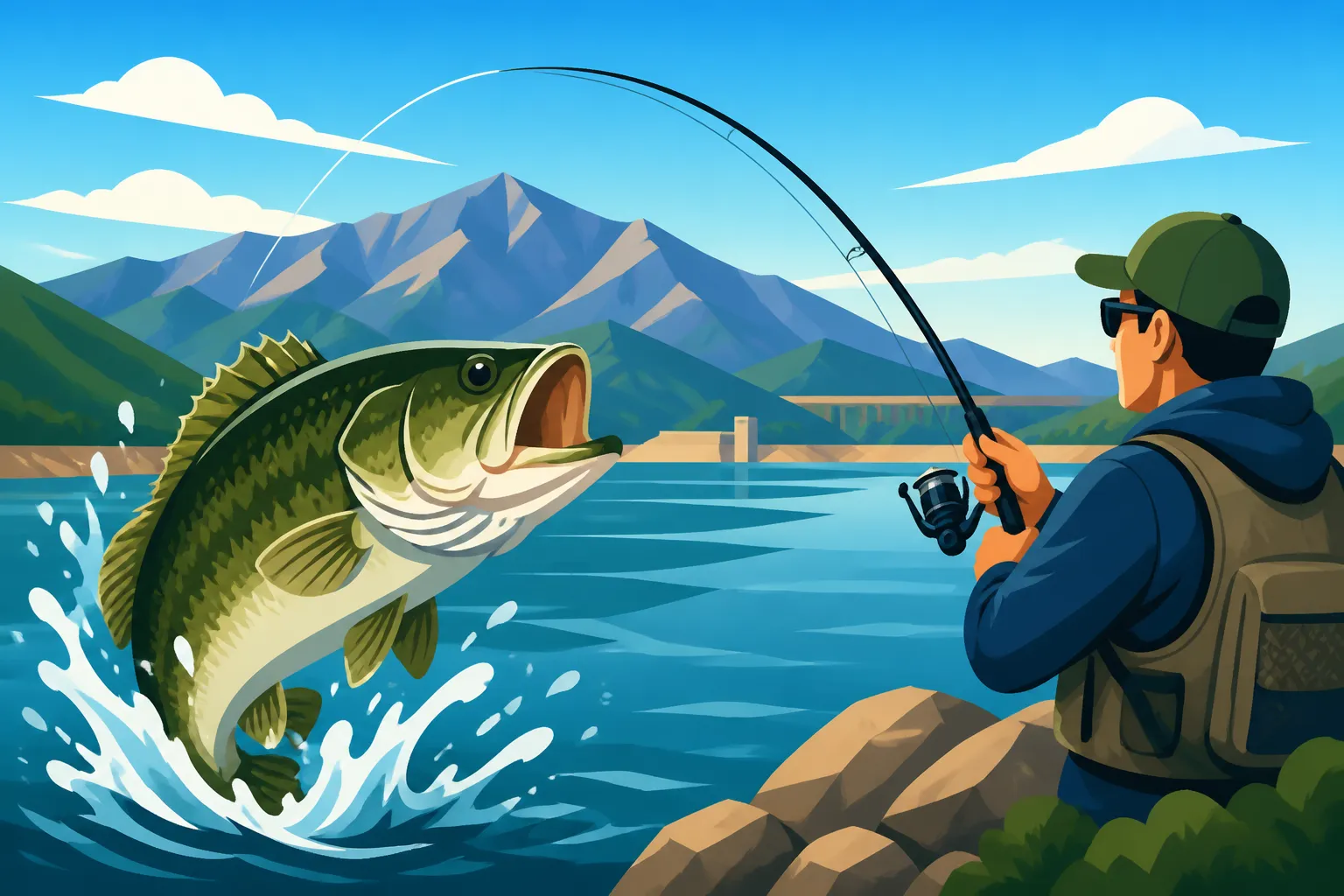
Without a doubt, largemouth bass are the undisputed kings of Diamond Valley Lake. The lake's deep, clear waters, coupled with abundant submerged structure from its pre-fill vegetation, create a perfect habitat for these apex predators. Anglers consistently pull out bass weighing over 5 pounds, and double-digit monsters are not uncommon, making it a bucket-list destination for many bass enthusiasts. You can find detailed information on California Bass Fishing Regulations to ensure you're always in compliance.
These bass exhibit classic behaviors: in warmer months, they patrol shallower coves and points, particularly around brush piles and rock structures, ambushing unsuspecting prey. During colder periods, they often drop into deeper water, relating to ledges, drop-offs, and even suspended schools of baitfish. The sheer size of the lake means there's always a new spot to explore, and the fish can be found in various depths depending on the season, water temperature, and prevailing weather patterns. For anglers looking to specifically target these beauties, understanding How to Fish for Largemouth Bass in California is crucial.
Striped Bass: The Speed Demons of the Deep
While not as prevalent as largemouth, the striped bass population in Diamond Valley Lake offers an exhilarating challenge. These powerful fish are known for their strong runs and aggressive strikes, providing an intense fight. Stripers in Diamond Valley often school up, especially when actively feeding on threadfin shad, their primary forage. They tend to prefer the main body of the lake, often suspending over open water or cruising deeper points and humps.
Locating schools of stripers often requires electronics, but once you find them, the action can be fast and furious. Early mornings and evenings are prime times, particularly when they push baitfish to the surface, creating thrilling topwater opportunities. Anglers often troll large lures or cast swimbaits into these feeding frenzies. Make sure you're up to date on California Striped Bass Regulations before you head out.
Rainbow Trout: Cold-Water Champions
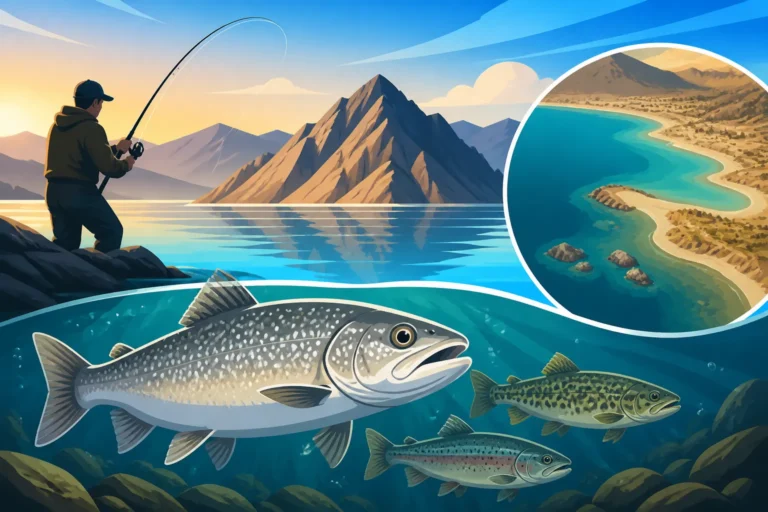
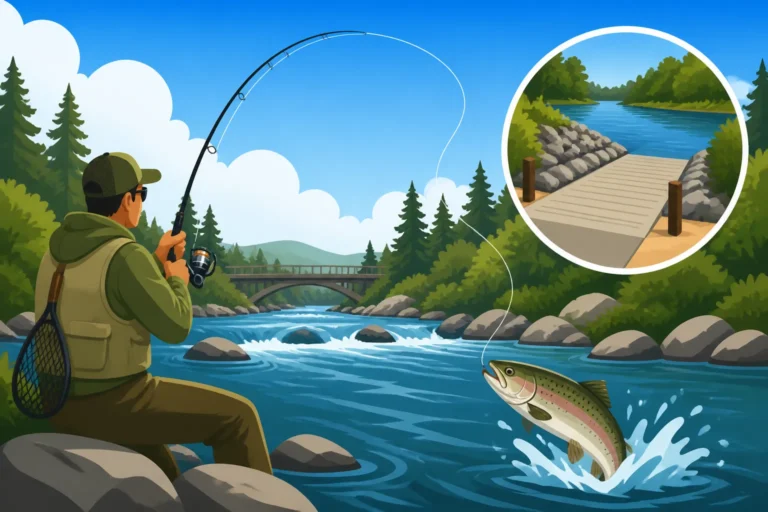
Diamond Valley Lake is one of the few Southern California reservoirs that supports a year-round trout fishery, thanks to its deep, cold water. While trophy trout fishing often peaks in the colder months, the Department of Fish and Wildlife (CDFW) regularly stocks the lake, ensuring a steady supply for anglers. These stocked trout quickly adapt to the lake's rich environment, growing fat on the abundant threadfin shad.
Trout fishing is particularly popular from fall through spring when the surface water temperatures are cooler. They can be caught from shore, especially around the dams, and by boaters trolling spoons or bait at various depths. During the summer, trout descend into the deeper, cooler thermocline, requiring downriggers or weighted lines to reach them. Knowing the California Trout Limits and Regulations is essential for a responsible catch.
Panfish and Catfish: Family-Friendly Fun
Beyond the glamour species, Diamond Valley Lake offers excellent opportunities for panfish and catfish, making it a fantastic destination for families or those looking for more consistent action. Bluegill and redear sunfish are abundant, especially in shallower, brushy areas and around the marina docks. They respond well to small jigs, worms, or crickets, providing steady entertainment for anglers of all ages.
Channel catfish also thrive in the lake's warm waters during the summer months. They grow to impressive sizes and offer a strong fight. Catfish are typically found in deeper coves, around submerged structures, and near the bottom, especially after sunset. Stink baits, cut bait, or nightcrawlers fished on the bottom are highly effective for these whiskered warriors.
Here's a quick overview of the prime species and their peak seasons:
| Species | Peak Fishing Season | Common Baits/Lures | Typical Locations | Size Potential (Lbs) |
|---|---|---|---|---|
| Largemouth Bass | Spring, Fall, Early Summer | Jigs, Worms, Crankbaits, Swimbaits | Coves, Points, Brush Piles, Rock Piles | 3-10+ |
| Striped Bass | Summer, Fall | Trolled Plugs, Swimbaits, Anchovies | Main Lake Body, Open Water, Deep Points | 5-20 |
| Rainbow Trout | Fall, Winter, Spring | PowerBait, Spoons, Rapalas, Nightcrawlers | Dams, Open Water (Trolling), Deeper Coves | 1-5+ |
| Bluegill/Redear | Spring, Summer | Worms, Crickets, Small Jigs | Shallow Coves, Docks, Brushy Areas | 0.5-1 |
| Channel Catfish | Summer, Early Fall | Stink Bait, Cut Bait, Nightcrawlers | Deep Coves, Bottom Structures | 5-15 |
Mastering Techniques and Tactics at Diamond Valley Lake
Fishing at Diamond Valley Lake requires adaptability and a willingness to try different techniques, given its diverse habitats and varied fish species. Whether you're a seasoned pro or just starting, understanding the effective methods for this unique lake will significantly boost your success.
Trolling: Covering Water for Trout and Stripers
Trolling is an incredibly effective strategy, especially for covering large expanses of water to locate schools of trout and striped bass. For trout, light tackle with small spoons like Thomas Buoyants or Rapala F7/F9 models in various colors, or even slow-trolled PowerBait, can be deadly. Varying your depth is key, using lead core line, diving planes, or downriggers to present your lure at the right level, especially when trout retreat to cooler depths.
For striped bass, scaling up your tackle and lure size is crucial. Larger spoons, swimbaits, and deep-diving crankbaits are excellent choices. Pay close attention to your fish finder; stripers often suspend in open water. Trolling around prominent points, submerged islands, and along the main lake channel can produce big results. The speed of your troll can be critical, so experiment until you find what triggers bites on a given day.
Jigging: Vertical Presentation for Deep Fish
When fish are holding tight to structure or suspended in deep water, jigging becomes a primary tactic. This technique is particularly effective for striped bass, large mouth bass, and even deep-holding trout. Metal jigs, especially Kastmasters or vertical jigs, dropped directly onto sonar marks can elicit aggressive reaction strikes. The retrieve can vary: a slow lift-and-drop, a faster rip-and-fall, or even just subtle shakes can be effective.
For largemouth bass relating to submerged timber or rock piles, Texas-rigged or Carolina-rigged plastics, or even drop-shot rigs, are excellent options. These allow you to maintain contact with the bottom and present a bait right in the fish's face without constantly snagging. Pay attention to subtle bites, as deep-water fish can often be finicky.
Shore Fishing: Accessible Opportunities
Don't have a boat? No problem! Diamond Valley Lake offers solid shore fishing opportunities, particularly around the recreation areas and the two dams. For trout, PowerBait or inflated nightcrawlers fished on a Carolina rig near the bottom are classic and effective setups. These spots are also productive for panfish, using small pieces of worm under a bobber.
For bass, especially during the spring spawn or cooler fall months, walking the accessible shoreline areas and casting plastics, spinnerbaits, or shallow crankbaits around visible structure can yield good results. Focus on areas with points, coves, and any visible brush. While boat access opens up more of the lake, diligent shore anglers can still have a very rewarding day.
Kayak and Float Tube Fishing: Stealth and Reach
For anglers seeking a more intimate experience or wanting to reach spots inaccessible to larger boats, kayaks and float tubes are fantastic options. These stealthy crafts allow you to navigate tight coves, slip into brushy areas, and quietly approach wary fish. They are particularly effective for targeting largemouth bass in the numerous submerged structure fields and coves.
Kayakers often employ techniques similar to boat anglers but with a focus on precision casting. Paddle-powered vessels allow you to slow down and dissect an area thoroughly, presenting jigs, worms, or topwater lures with pinpoint accuracy. Safety is paramount, so always wear a PFD, be mindful of wind conditions, and let someone know your float plan. You can easily find information on boat rentals or guided kayak trips through platforms like FishingBooker, which often lists local guides familiar with the lake.
Decoding Diamond Valley Lake's Seasons
Understanding the seasonal patterns at Diamond Valley Lake is absolutely critical to consistent fishing success. The lake's diverse ecosystem reacts strongly to changes in water temperature, sunlight, and weather, influencing where fish will be and what they'll be willing to bite. A successful trip often hinges on aligning your strategy with the prevailing conditions. To get a broader perspective, consider checking out a California Fishing Seasons: Month-by-Month Guide.
Spring Fling: Explosion of Activity
Spring is arguably one of the most exciting times to fish Diamond Valley Lake. As water temperatures begin to rise, fish become incredibly active, shaking off the winter lethargy. This is prime time for largemouth bass, as they move into shallower water for their spawning ritual. Look for them in protected coves, on flats, and around any emergent or submerged vegetation. Soft plastics, jigs, and slow-moving crankbaits are highly effective during this period.
Trout fishing remains strong in spring, especially early in the season before surface temperatures get too warm. They will be more scattered throughout the water column, but still accessible to trollers and shore anglers. Panfish also begin to become very active, gathering in large numbers in shallow, sunny areas. Spring also brings opportunities for striped bass as they begin to school up and feed more aggressively.
Summer Heat: Deep-Water Challenges and Night Bites
Summer fishing at Diamond Valley Lake often means dealing with warmer surface temperatures, which pushes many species into deeper, cooler water. This is when your electronics become your best friend. For largemouth bass, focus on deep points, submerged humps, rock piles, and the thermocline. Drop-shotting, deep-diving crankbaits, and heavy jigs are key. Early mornings and late evenings, or even night fishing, can be incredibly productive as bass move shallower to feed under cover of darkness.
Striped bass fishing can be phenomenal in the summer, especially if you can locate large schools feeding on shad in the main lake body. Trolling deep with large lures or live bait, or vertical jigging, are primary methods. Trout will be deep, requiring downriggers or heavy weights to reach them, often concentrating near the dams or in the deepest parts of the lake. Catfish, however, love the warm water and can be caught throughout the summer, particularly in the evenings and overnight.
Autumn Action: The Feast Before the Fast
Fall is another fantastic season for fishing at Diamond Valley Lake as water temperatures start to cool down, triggering a strong feeding response in most species. Fish are actively gorging themselves, preparing for winter. Largemouth and striped bass become incredibly aggressive, chasing baitfish in frenzied attacks. Topwater lures can produce explosive strikes in the mornings and evenings, while crankbaits, swimbaits, and spinnerbaits are effective throughout the day as fish push bait into coves and onto points.
Trout fishing ramps back up significantly in the fall as the surface water cools down, making them more accessible to shore anglers and trollers. The CDFW often conducts stockings in the fall, providing fresh batches of catchable fish. Panfish remain active, often schooling up in deeper water, but still willing to bite on small baits. The fall bite can be some of the most consistent and exciting fishing of the year.
Winter Wonders: Cold Water, Big Fish
While many anglers might shy away from winter, Diamond Valley Lake can offer some of the best opportunities for trophy-sized fish, especially largemouth bass and rainbow trout. Cold water slows fish metabolism, but they still need to feed. Bass often hold tight to deep structure, reacting to slow presentations like jigs, drop-shot worms, and spoons. The bites can be subtle, but the fish you hook are often substantial.
Trout fishing is at its peak during the winter months. The cold water distributes them throughout the water column, and they are actively feeding. Trolling spoons or stickbaits at varying depths, or casting PowerBait from shore, are reliable methods. It's not uncommon to catch larger, holdover trout during this time. Stripers might be a bit more sporadic, but when you find a school, they can be eager to bite. Winter fishing requires patience and proper clothing, but the rewards can be truly memorable.
Navigating Regulations and Facilities at the Lake
Before you even think about casting a line, understanding the specific rules and regulations governing Diamond Valley Lake, as well as the available facilities, is paramount. This isn't just about avoiding fines; it's about ensuring a safe, enjoyable, and sustainable fishing experience for everyone.
License Requirements and Local Rules
The very first thing you'll need is a valid California Fishing License Guide. This applies to anyone 16 years or older, whether you're fishing from a boat, float tube, or the shore. You can easily purchase your license online through the CDFW website or from authorized license agents throughout the state. Keep in mind that beyond the state-wide regulations, Diamond Valley Lake has its own specific rules and restrictions, primarily enforced by the Western Municipal Water District, which manages the lake's recreational activities. Always check their official website or inquire at the marina for the most up-to-date local rules, which can include specific bait restrictions, speed limits for boats, and designated fishing areas.
For example, lead fishing tackle is prohibited at Diamond Valley Lake to protect wildlife, particularly bald eagles. You'll need to use non-lead alternatives. This might be a slight adjustment if you're used to lead weights, but it's an important conservation measure. Always carry your physical license or a clear digital copy with you, as wardens do patrol the lake regularly.
Boat and Launch Regulations
Diamond Valley Lake takes great care to prevent the introduction of invasive species, which means strict boat inspection procedures are in place. Every vessel, including kayaks, canoes, and float tubes, must undergo an inspection for quagga and zebra mussels before launching. This often involves a thorough check and might require a quarantine period if your boat has been in certain waters recently. It can be a bit of a hassle, but it's absolutely vital to protect the lake's ecosystem.
The main marina offers multiple launch ramps, but be aware of peak times, especially on weekends and holidays, as lines can form. There's usually a launch fee, in addition to any required lake use permits. The lake has specific speed limits in certain areas, particularly closer to shore and around the marina, so pay attention to buoy markers. For those without their own vessel, the marina offers a range of rental boats, including fishing skiffs equipped with basic fishing gear, which can be a great option for a spontaneous trip or for visitors.
Amenities and Services for a Comfortable Trip
Diamond Valley Lake is well-equipped to make your fishing trip comfortable and convenient. The main marina features a bait and tackle shop that's often stocked with local favorites, live bait, and the lures that are currently producing fish. This is a great place to get a last-minute fishing report from the staff, who are usually very knowledgeable about current conditions and hot spots.
Restrooms, picnic areas, and ample parking are available. There are also designated accessible fishing areas, ensuring that anglers with mobility challenges can still enjoy the lake. If you're planning a multi-day trip, there are lodging options available in nearby Hemet and other surrounding communities. Remember, while the lake offers fantastic fishing, it’s also a place to enjoy nature, so pack out everything you pack in and help keep this pristine environment clean. For planning a guided trip, consider using services like FishingBooker, where you can find local captains who offer both boat and shore-based fishing excursions.
Essential Tips for a Successful Diamond Valley Lake Adventure
A memorable and successful fishing trip to Diamond Valley Lake involves more than just knowing where to cast. It's about preparedness, understanding the nuances of the lake, and embracing the overall experience. Here are some pro tips to help you make the most of your adventure.
Gear Up Smart: Rods, Reels, and Lines
When it comes to gear, versatility is key for Diamond Valley Lake. For bass, a medium-heavy baitcasting setup with 15-20 lb fluorocarbon or braided line is a solid choice for throwing larger jigs, crankbaits, and swimbaits. A medium-light spinning rod with 6-10 lb fluorocarbon or monofilament will be perfect for finesse techniques like drop-shotting, lighter plastics, and covering panfish. Having both options on hand will prepare you for varying conditions and species.
For trout, a lighter spinning setup is ideal, typically 4-8 lb monofilament or fluorocarbon. This allows for longer casts with lighter baits and a more sporting fight. If you plan on trolling, consider a dedicated trolling setup with a line counter reel to precisely track your depth. Always bring a variety of lures and baits, as what works one day might not work the next. Local tackle shops are great resources for current hot baits.
Weather Watch and Water Wisdom
Southern California weather can be fickle, even if it often seems sunny. Always check the forecast before heading out. High winds can make boating dangerous and severely impact fishing, especially in a large open reservoir like Diamond Valley Lake. Mornings can be chilly, even if the afternoon heats up, so dress in layers. Sun protection is non-negotiable: hats, sunglasses, and high-SPF sunscreen are a must.
Understanding the water itself is crucial. Pay attention to water clarity; it impacts lure choice and presentation. Look for current breaks, depth changes, and temperature fluctuations, especially if you have a fish finder with temperature gauges. Fish are creatures of comfort and will often relate to these subtle changes. If you are targeting Best Time of Day to Fish in California, knowing how weather fronts and barometric pressure affect fish behavior can give you an edge.
Conservation and Catch-and-Release
Diamond Valley Lake is not just about catching fish; it's about protecting a pristine fishery for future generations. Practicing responsible catch-and-release, especially for trophy-sized bass and stripers, is highly encouraged. Handle fish gently, minimize their time out of water, and use appropriate tools like de-hookers. Consider crushing barbs on your hooks to make release easier and less damaging.
Adhering to all California Freshwater Fishing Regulations and local rules regarding bag and size limits for all species is not just a legal requirement but a moral one. Reporting any suspicious activity or violations to the lake authorities helps maintain the health of the fishery. By being a responsible angler, you contribute to making Diamond Valley Lake remain one of the Best Lakes to Fish in California.
Utilizing Resources: Reports and Guides
Before any trip, checking recent fishing reports is invaluable. Many local tackle shops and online forums offer daily or weekly updates on what's biting, where, and on what. These reports can save you a lot of time and guesswork. Websites like FishingBooker often aggregate reports and offer a way to connect with local fishing guides who specialize in Diamond Valley Lake. These guides possess an intimate knowledge of the lake's contours, current fish patterns, and seasonal changes, which can drastically improve your chances, especially if you're new to the area or targeting a specific species. A guided trip can be an excellent investment, turning a frustrating day into a productive one.
Disclaimer
Fishing regulations and conditions can change rapidly. Always consult the official California Department of Fish and Wildlife (CDFW) regulations booklet and the local Diamond Valley Lake management authority's website or marina for the most current rules and safety information before embarking on any fishing trip.