San Diego Fishing Guide
There's nothing quite like the dream of a perfect fishing trip, but let's be honest, trying to figure out where to cast your line in a massive, diverse place like San Diego can feel utterly overwhelming. You've got the ocean, the bays, the piers – so many options, so many fish, and seemingly endless regulations. It's enough to make you just want to stay home. But don't despair! This comprehensive guide is here to untangle the confusion, helping you confidently navigate San Diego's incredible fishing scene, from tranquil bay waters to the exhilarating offshore blue.
Why San Diego is a Premier Fishing Destination
San Diego isn't just a pretty face with sun-drenched beaches and tacos; it's a genuine angler's paradise, offering an astounding variety of fishing experiences that can satisfy everyone from a casual vacationer to a seasoned big-game hunter. What makes it so special? It boils down to a fantastic combination of geography, marine biology, and a climate that just keeps on giving.
Diverse Habitats and Abundant Marine Life
Imagine a place where canyons plummet thousands of feet just a short boat ride from shore, where kelp forests sway gently, teeming with life, and where shallow bays nurture a different world entirely. That's San Diego. This incredible diversity in underwater topography creates a smorgasbord of habitats that attract an astonishing array of fish species. You've got rocky reefs and artificial structures holding rockfish and lingcod, vast expanses of open ocean where tuna and dorado roam, and the calmer, nutrient-rich waters of San Diego Bay and Mission Bay, perfect for halibut, bass, and croaker. It's not just one type of fishing; it's a whole ecosystem waiting to be explored. This rich environment supports robust populations of both resident species and migratory giants, making every trip a potential adventure.
The warm currents, particularly the influence of the Pacific Decadal Oscillation and El Niño events, often bring exotic pelagic species further north than you might expect, turning an ordinary day into a chase for marlin or even wahoo. It's this unique confluence of cold, nutrient-rich upwellings and warmer offshore currents that creates such a vibrant fishery, constantly surprising anglers with unexpected catches. Understanding these unique characteristics is key to maximizing your success when fishing in California.
Favorable Climate and Year-Round Opportunities
One of the biggest frustrations for anglers elsewhere is the relentless march of the seasons, often shutting down fishing opportunities for months. Not so in San Diego! Our Mediterranean climate means mild winters and warm, sunny summers, translating into fishing practically all year long. While certain species have their peak seasons, you're rarely completely out of luck no matter when you visit.
During the summer and fall, the offshore bite heats up, with migratory species like tuna and yellowtail making their appearance, often pushing right up to our local waters. But even in the "off-season" of winter, you can still find excellent fishing for rockfish, sand bass, and even some resident yellowtail in the kelp. Freshwater opportunities in nearby lakes remain strong, too. This consistent opportunity means less planning around fickle weather and more time with a line in the water, which, let's face it, is what we're all after. It's this reliable access that truly sets San Diego apart as a top-tier fishing destination, minimizing the "will the weather hold?" anxiety that often plagues anglers in other regions.
Top Fishing Spots in San Diego
San Diego offers such a wide variety of fishing locales that it can sometimes feel like choosing your favorite child. From the bustling, easily accessible piers to the serene bay waters, and out to the vast, mysterious deep blue, there’s a perfect spot for every angler and every mood.
Pier Fishing Adventures
For many, pier fishing is the gateway to the sport. It's accessible, often doesn't require a fishing license (a huge bonus!), and offers a relaxed atmosphere perfect for families or beginners. San Diego boasts some fantastic piers that consistently produce a variety of catches.
The Ocean Beach Pier is one of the longest concrete piers on the West Coast, extending out over 1,900 feet. Here, you can target mackerel, bonito, surfperch, and sometimes even small sharks or halibut, especially on a high tide. The convenience of nearby bait shops and amenities makes it a popular spot. It’s a classic California pier fishing experience, offering ocean breezes and a lively atmosphere without needing a boat. For more details on what you need, you might find our guide on California Pier Fishing License Rules helpful.
The Imperial Beach Pier further south is another excellent choice, known for similar species but often with fewer crowds. Anglers here regularly pull in corbina, halibut, and various surfperch. Don't underestimate the humble pier; these are active fisheries where bait choices, from cut squid to anchovies, can make a significant difference. Early mornings or late evenings often yield the best results when the crowds thin out and fish become more active.
Bay and Inshore Fishing Hotspots
If you're looking for calmer waters and a different set of species, San Diego's bays are absolutely fantastic. These protected waters are perfect for kayak fishing, small boat excursions, or even shore fishing in designated areas.
San Diego Bay is a sprawling, productive estuary teeming with life. From the northern reaches near Shelter Island down to the southern bays, you can find a bounty of fish. Halibut are a prime target here, often found lurking on sandy bottoms or near structure. Spotties (spotted bay bass) are abundant and offer consistent action on light tackle, making them a fantastic target for beginners. You can also catch croaker, mackerel, and even small sharks. Kayak anglers particularly love cruising the bay's edges, casting into kelp beds or around docks. Fishing near the Coronado Bridge pylons can be particularly productive for a variety of species, but always be mindful of boat traffic and navigation channels.
Mission Bay is another excellent inshore option, though generally shallower than San Diego Bay. It's a great spot for targeting halibut, especially around the channels and inlets connecting to the ocean. Spotted bay bass are also prolific here, as are various types of croaker. The calmer waters make it ideal for paddleboarding or small boat fishing. Many anglers enjoy casting plastics or live bait around the numerous bridges and structure within the bay. Both bays offer fantastic opportunities for both bait and lure fishermen, and the sheltered nature means you can often fish comfortably even when the ocean is too rough.
Offshore and Deep-Sea Thrills
This is where San Diego truly shines for many anglers – the call of the open ocean. Just a short run from the harbor, you can find yourself in incredibly productive waters, chasing some of the most sought-after game fish on the West Coast.
The offshore scene is most famous for its incredible tuna fishery. Bluefin tuna, yellowfin tuna, and albacore tuna migrate through these waters, offering world-class angling opportunities, especially from summer through fall. These trips often involve long runs, sometimes 50-100 miles offshore, but the reward of a powerful tuna on the line is unparalleled. Techniques range from kite fishing and chunking to heavy jigging and trolling. Many anglers rely on experienced captains to find the schools, often identifiable by birds working the surface or sonar readings. If you're looking to target these powerful fish, our guide on How to Catch Bluefin Tuna off California can provide invaluable tips.
Beyond tuna, the offshore banks and islands, such as the Coronado Islands (just south of the border) and Catalina Island (further north), are hotspots for yellowtail, barracuda, and a variety of rockfish and lingcod. Yellowtail are fierce fighters, often found in kelp paddies or over structure, and can be caught on surface irons, jigs, or live bait. Rockfish and lingcod are bottom dwellers, requiring different tactics, typically involving heavy lead and bait or jigs dropped to significant depths. These deeper waters are also home to other groundfish, and understanding specific limits is crucial. The opportunities offshore are vast, from half-day trips targeting local species to multi-day excursions chasing trophy tuna far from shore.
Here's a quick look at some key San Diego fishing spots and what you might catch:
| Fishing Spot | Primary Target Species | Best Fishing Style | License Required? | Notes |
|---|---|---|---|---|
| Ocean Beach Pier | Mackerel, Bonito, Surfperch, Small Sharks, Halibut | Bait, Lures | No | Longest concrete pier on West Coast, good amenities. |
| Imperial Beach Pier | Corbina, Halibut, Surfperch, Croaker | Bait | No | Less crowded, excellent for surf species. |
| San Diego Bay | Spotted Bay Bass, Halibut, Croaker, Mackerel, Shark | Boat, Kayak, Shore, Bait | Yes | Sheltered, diverse species, great for light tackle. |
| Mission Bay | Halibut, Spotted Bay Bass, Croaker | Boat, Kayak, Shore, Bait | Yes | Shallower, good for flatfish, popular for plastics. |
| Offshore Banks/Canyons | Bluefin Tuna, Yellowfin Tuna, Albacore Tuna, Dorado | Charter Boat, Trolling | Yes | Requires significant boat travel, big game fishing. |
| Coronado Islands | Yellowtail, Barracuda, Rockfish, Lingcod | Charter Boat, Jigging | Yes (and Mexican) | Offers diverse species, often requires passport for Mexican waters. |
| Kelp Beds (Local) | Calico Bass, Sand Bass, Yellowtail | Boat, Kayak, Lures, Bait | Yes | Close to shore, excellent habitat for bass. |
Note: While a license isn't required when fishing from a public pier, if you plan to fish from a boat, kayak, or the shore, you will absolutely need a valid California fishing license.
Popular Fish Species and How to Catch Them
San Diego's waters are a vibrant melting pot of marine life, offering a truly diverse angling experience. Whether you're chasing the thrill of a surface bite or patiently waiting for a tug from the depths, there's a fish out there for you.
Coastal Favorites
Close to shore, a whole host of exciting species provide consistent action, often without needing to venture far. These are the workhorses of the San Diego fishery, providing endless entertainment and often delicious meals.
California Halibut are a highly prized flatfish found on sandy bottoms in both the bays and nearshore ocean areas. They are ambush predators, often camouflaged and waiting for unsuspecting prey. The best way to target halibut is by slow-trolling live bait like anchovies or sardines, or drifting with a leadhead jig tipped with a plastic grub or dead bait. Look for them in areas where sand meets structure, like the edges of kelp beds or channels in the bays. They tend to bite best on a moving tide, which helps present your bait naturally. Knowing the California Halibut Size and Bag Limits is crucial for responsible fishing.
Spotted Bay Bass are a staple in San Diego's bays and harbor areas. While not huge, they are feisty fighters on light tackle and incredibly abundant, making them perfect for consistent action. They love structure – think docks, pilings, rock piles, and submerged debris. Small plastic grubs on leadheads, drop-shot rigs, or even small surface lures can be incredibly effective. They're often aggressive and will hit a variety of presentations, making them a fantastic target for beginners and experienced anglers alike seeking steady entertainment.
Surfperch species, including barred surfperch and redtail surfperch, are often found right off the beaches, offering a rewarding experience for shore anglers. They feed in the surf zone, picking off small crustaceans and worms. The best setup is a light spinning rod with a Carolina rig or a high-low rig, using small pieces of lugworms, sand crabs, or Gulp! sandworms as bait. Look for depressions, rip currents, and areas where the waves break, as these often hold feeding schools of perch.
Pelagic Powerhouses
For those who crave adrenaline and the challenge of battling strong, fast-moving fish, San Diego's offshore waters deliver. These are the trophy fish that dreams are made of, requiring heavier tackle and often longer journeys.
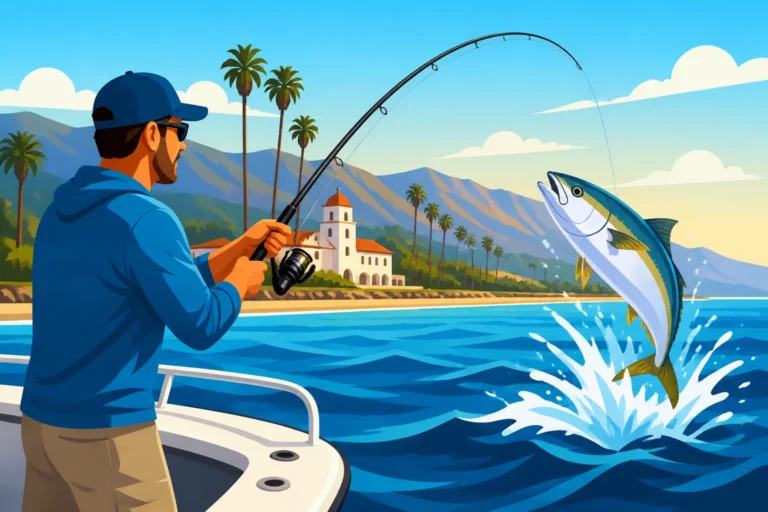
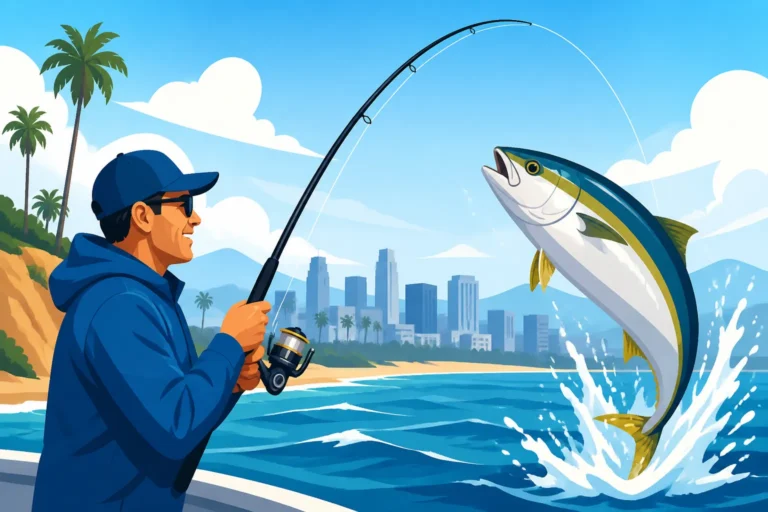
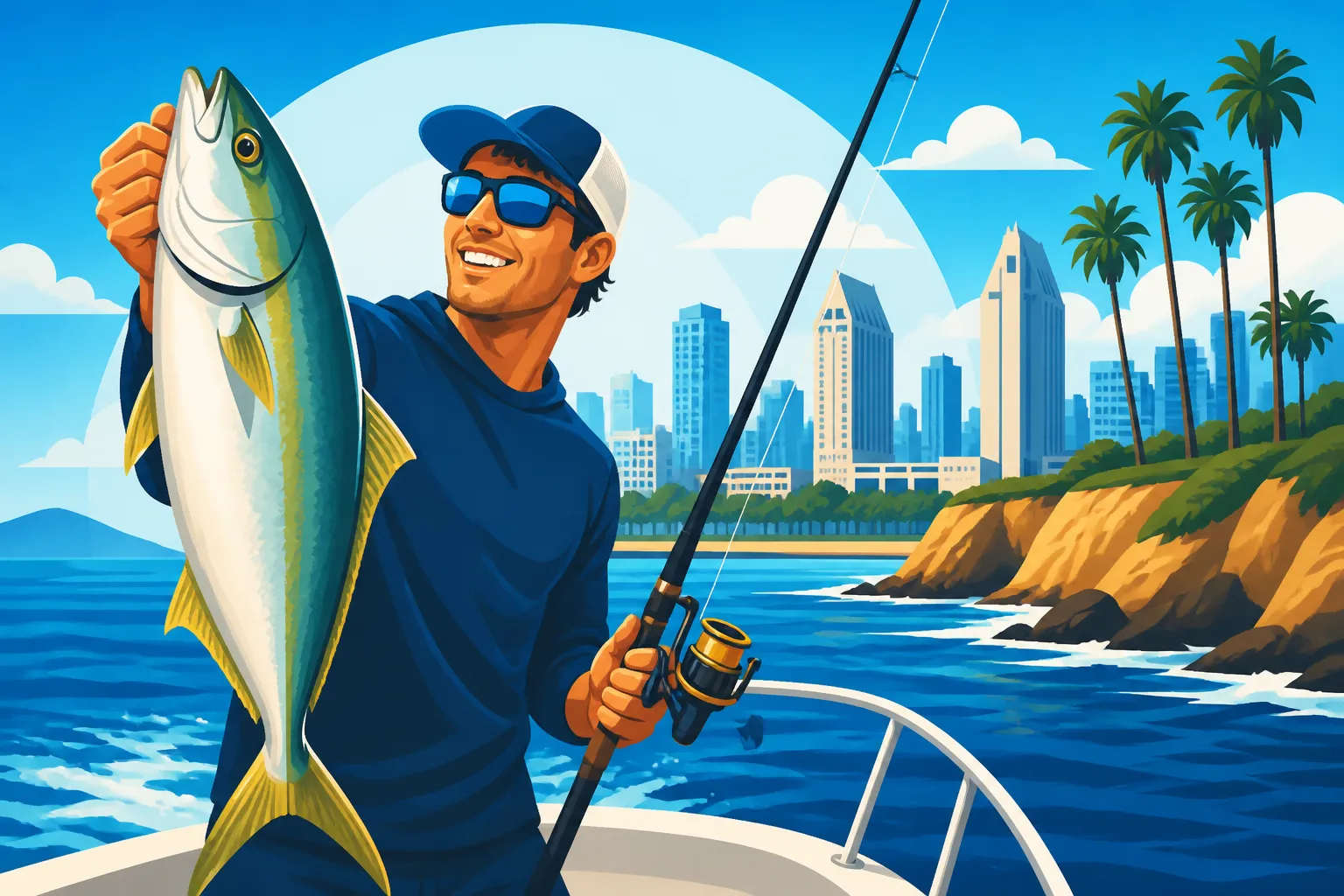
Yellowtail are legendary in Southern California for their incredible fighting spirit and delicious meat. Often found around kelp paddies, offshore islands like the Coronado Islands, or over submerged banks, they can be caught using a variety of methods. Live bait, especially sardines or mackerel, is highly effective, either fly-lined or fished on a dropper loop. Surface irons cast into boils or yo-yo jigs dropped to deeper schools also work wonders. Their powerful runs will test your gear and your stamina, making them one of the most exciting catches. If you're specifically chasing these torpedoes, our dedicated California Yellowtail Fishing Guide offers a wealth of information.
Bluefin Tuna are the ultimate prize for many San Diego anglers, known for their immense power and incredible speed. These highly migratory fish can range from 20-pounders to giants over 300 pounds. Targeting bluefin often involves long-range trips, relying on sonar and spotting surface activity. Techniques include kite fishing with live bait, heavy jigging with large metal lures, and chunking with cut bait. When a big bluefin hits, be prepared for a long, grueling fight that will push you to your limits. This is truly a bucket-list fish. For serious tuna anglers, understanding offshore techniques is paramount.
Dorado (Mahi-Mahi) are another vibrant, hard-fighting pelagic species that venture into San Diego waters during warmer months. Easily identifiable by their brilliant colors and distinct head shape (especially in males), they are often found under kelp paddies, floating debris, or near temperature breaks. Trolling lures or casting live bait or small jigs to kelp paddies can be incredibly effective. Dorado are aggressive eaters and put on an aerial show when hooked, adding to the excitement.
Bottom Dwellers and Reef Residents
Beneath the surface, the rocky reefs and ledges off San Diego's coast harbor a different kind of fishery, rich with diverse bottom-dwelling species.
Rockfish, a collective term for many species like vermilion rockfish, bocaccio, and various scorpionfish, are abundant over rocky structures. They are typically caught by dropping weighted baits or jigs to the bottom. Multiple hooks are often used on a gangion or dropper loop rig to maximize your chances. While many species are smaller, some can grow quite large. Understanding the specific California Rockfish Regulations and Limits is incredibly important, as depth restrictions and bag limits vary.
Lingcod are predatory bottom dwellers, easily recognized by their large mouths and sharp teeth. They ambush prey from rocky crevices and wrecks. Anglers specifically target them with large swimbaits, heavy jigs, or live mackerel fished directly on the bottom over rocky reefs. Lingcod offer a powerful fight and are excellent table fare, making them a highly sought-after catch for many deep-sea anglers.
Navigating San Diego's Fishing Regulations and Licenses
Okay, let's talk about the nitty-gritty that no one really loves but everyone absolutely needs to understand: fishing regulations and licenses. The California Department of Fish and Wildlife (CDFW) sets the rules, and trust me, they're serious about them. Ignorance is definitely not bliss when it comes to fines or, worse, losing your fishing privileges.
Understanding California Fishing License Requirements
The golden rule of fishing in California is simple: if you're 16 years or older and fishing anywhere other than a public pier or a designated "free fishing day" (which San Diego participates in), you need a fishing license. Period. This applies whether you're fishing from the shore, a kayak, a private boat, or even a party boat. Yes, even if you're on a charter where the boat might have a blanket permit, you still need your individual license.
You can purchase your California fishing license online through the CDFW website, at most tackle shops, or at sporting goods stores like a local Turner's Outdoorsman. There are different options: annual licenses, one-day, two-day, and even lifetime licenses. If you're just visiting for a quick trip, a short-term option is probably best. Be sure to carry your license with you while fishing; a digital copy on your phone is usually acceptable, but a physical copy never hurts. It's truly the first step before you even think about rigging up a rod. For a complete breakdown, check out our California Fishing License Guide.
Key Saltwater Regulations to Know
California's saltwater regulations are dynamic and can be complex, especially with different rules for various species and management areas. It's not just about needing a license; it's about knowing what you can and cannot catch, how many, and how big they need to be.
- Bag and Size Limits: Almost every species has a minimum size limit and a daily bag limit (how many you can keep). For example, California halibut have a minimum size of 22 inches, and you can only keep two per day. Rockfish regulations often change, sometimes seasonally and sometimes by region, with depth restrictions often enforced to protect certain species. Always consult the current CDFW Ocean Sport Fishing Regulations booklet or the CDFW website before heading out.
- Seasons: Some species, like certain types of salmon or rockfish, have specific open and closed seasons. Fishing for them outside these seasons is illegal. This is particularly relevant for species that spawn or are vulnerable during certain times of the year.
- Gear Restrictions: Certain gear types are prohibited for specific species or in certain areas. For instance, using barbed hooks is restricted in some freshwater trout waters, though generally allowed in saltwater. However, there are rules around types of nets and traps. Always double-check. Our comprehensive California Saltwater Fishing Regulations article can help clarify these details.
- Marine Protected Areas (MPAs): San Diego, like much of California's coast, has several Marine Protected Areas (MPAs) where fishing is either restricted or completely prohibited. These areas are vital for conservation, but it's your responsibility to know where they are. Ignorance is no excuse, and wardens patrol these areas. Familiarize yourself with local MPA maps before dropping a line.
Report Cards and Conservation Efforts
Beyond the standard license, some highly managed species require a special report card. This isn't just an extra hoop to jump through; it's a critical tool for the CDFW to monitor catch rates and manage fish populations sustainably.
In San Diego's saltwater environment, species like sturgeon and spiny lobster require a report card. You must accurately fill out these cards immediately after catching the fish and return them to the CDFW by the specified deadline, even if you didn't catch anything. Failing to do so can result in fines. These cards provide invaluable data that helps biologists make informed decisions about future regulations, ensuring that these incredible fisheries remain healthy for generations to come. It’s a small effort on your part for a massive benefit to the resource. Understanding the difference between a license and a report card is a common point of confusion, so knowing about California Fishing Report Cards Explained is definitely worth a read.
Exploring San Diego Fishing Charters and Guides
Sometimes, the best way to experience San Diego's fishing bounty, especially for offshore species or if you're new to the area, is to hop on a fishing charter or hire a local guide. It takes the guesswork out of finding the fish and navigating regulations, allowing you to focus on the fun part: catching!
Choosing the Right Charter Experience
San Diego offers a fantastic array of charter options, catering to different budgets, group sizes, and fishing aspirations. It's not a one-size-fits-all situation, so thinking about what kind of trip you want is key.
-
Party Boats (Open Party): These are the most common and often the most budget-friendly option. You pay for a spot on a larger boat (often called a sportfishing boat) with other anglers, sometimes 30-50 people or more. They typically run half-day, full-day, or even overnight trips. The crew handles navigation, finds the fish, and provides guidance. Tackle rentals are usually available, and deckhands will help with rigging, netting fish, and cleaning your catch. Companies like H&M Landing, Fisherman's Landing, and Point Loma Sportfishing are iconic San Diego operations running these types of trips. They're excellent for beginners, solo anglers, or groups who don't mind sharing the rail. You can find many of these options easily by browsing on platforms like FishingBooker.
-
Private Charters: If you prefer a more personalized experience, a private charter is the way to go. You hire the entire boat and captain for your group (usually 1-6 people). This allows for much more flexibility in target species, fishing locations, and departure/return times. The captain and crew can provide more individualized instruction and attention. Private charters are ideal for families, corporate outings, or serious anglers who want to focus on a specific technique or target a particular species. While more expensive, the tailored experience and intimate setting are often well worth the cost. You can often find highly-rated private charters through online booking services such as FishingBooker, allowing you to compare options and read reviews.
-
Specialized Trips: Beyond the standard half-day or full-day trips, San Diego also offers specialized charters. These include dedicated long-range tuna trips (often 1.5 days to multiple days), overnight offshore trips, twilight runs for specific species like squid or rockfish, and even fly-fishing-specific guides for inshore or bay waters. If you have a particular goal in mind, it's worth asking charter companies about their specialty trips. Knowing how to book a California Fishing Charter effectively can save you time and money.
What to Expect on a Party Boat vs. Private Charter
The experience on a party boat is quite different from a private charter, and knowing the distinctions will help you choose wisely.
On a party boat, expect a bustling atmosphere. You'll be fishing shoulder-to-shoulder with other anglers, and while the deckhands are incredibly helpful, their attention is divided among many people. You'll likely be fishing for whatever species are most active and abundant at the time, which the captain will determine based on recent scouting and reports. It’s a fantastic social experience, and you can learn a lot by observing experienced anglers. However, it can feel a bit competitive, and personal space is limited. The focus is on getting as many fish on board for the group as possible. For a deeper dive into what party boat trips entail, our article on California Party Boat Fishing Explained is a great resource.
With a private charter, the boat is yours. The captain and crew's focus is entirely on your group. This means you can discuss your preferences for species, locations, and techniques directly with the captain. If you want to spend the whole day targeting yellowtail with specific lures, they'll do their best to make that happen. There's more space, less crowding, and usually a more relaxed pace. Instruction is one-on-one, making it ideal for learning new techniques or for groups with varying skill levels. Many reputable charters in San Diego offer excellent experiences, and researching options on platforms like FishingBooker ensures you find one that matches your needs. While the cost is higher, the customized nature of the trip often results in a more memorable and productive day on the water.
Disclaimer
Fishing involves inherent risks. Always prioritize safety, understand and follow all local and state regulations, and be mindful of weather conditions. The information provided in this guide is for informational purposes only and should not be considered legal or professional advice. Regulations can change, so always consult the latest California Department of Fish and Wildlife (CDFW) official resources before planning your trip.