Farallon Islands Fishing Guide
Venturing out to the Farallon Islands can feel like stepping into a whole different world, a place of wild, untamed beauty that’s both exhilarating and a little daunting for anglers. Many of us dream of catching big, powerful fish, but the thought of navigating offshore waters and understanding the unique challenges of a remote fishing ground can be overwhelming. This comprehensive guide is here to demystify fishing the Farallones, giving you the confidence and knowledge to tackle this incredible California angling adventure.
Why the Farallon Islands Are a Premier Fishing Destination
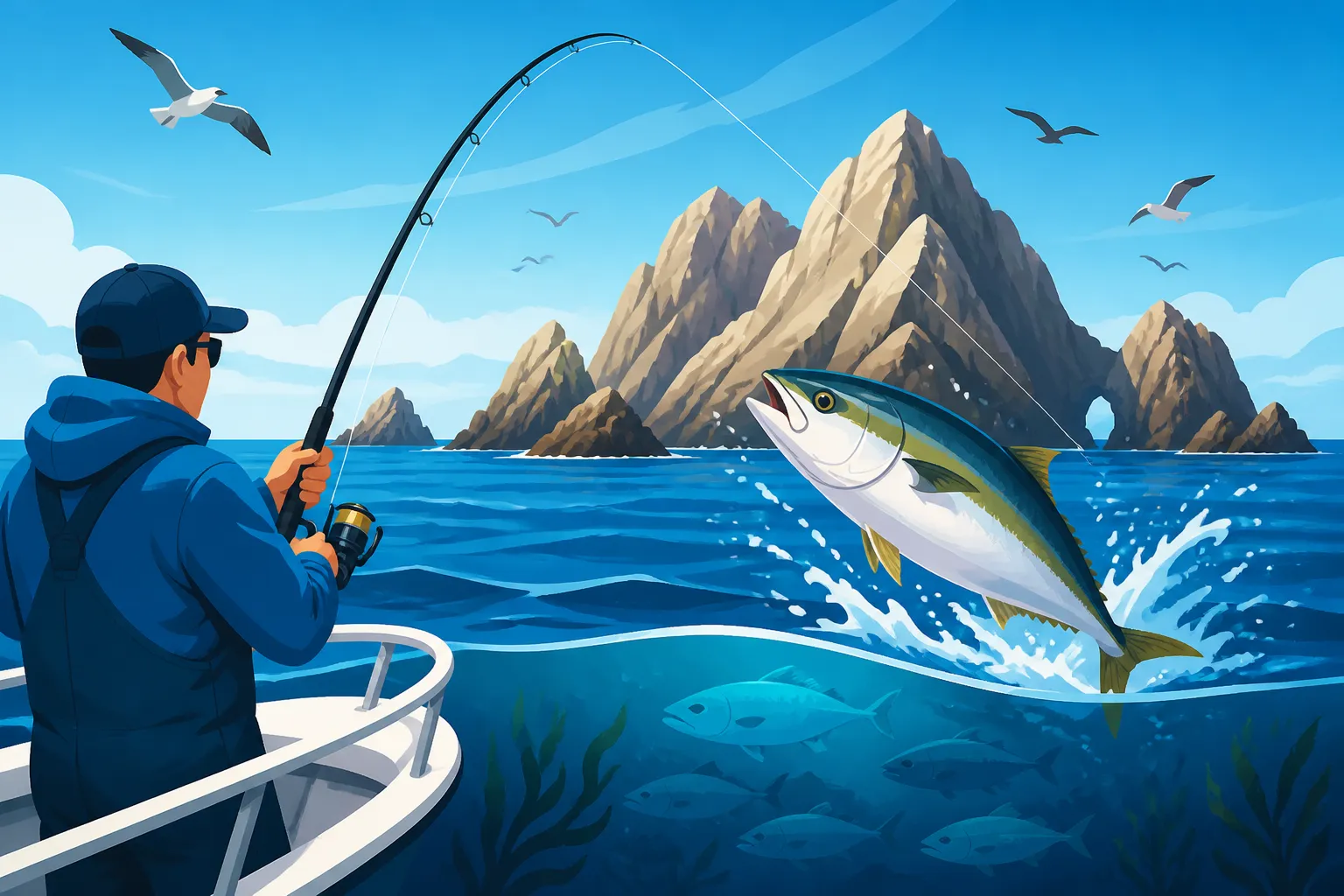
The Farallon Islands, a cluster of rugged islands and sea stacks located about 28 miles west of San Francisco, aren't just a picturesque landmark; they are a vibrant, productive fishing grounds that draw serious anglers from all over. This remote archipelago is more than just rocks in the ocean; it's a critical ecosystem that supports an astonishing array of marine life, making it a bucket-list destination for many.
A Unique Ecosystem and Abundant Marine Life
The magic of the Farallones lies in its unique oceanographic conditions. Here, nutrient-rich upwellings from the deep ocean create a veritable buffet for all sorts of sea creatures, from tiny krill to massive whales. This abundance of food forms the base of a robust food chain, attracting baitfish in huge numbers, which in turn draws in larger predatory fish. You'll find yourself amidst a thriving ecosystem where seabirds dive, seals and sea lions bask on the rocks, and even whales breach, all signs of a healthy and active marine environment. This rich biodiversity isn't just for show; it's what makes the fishing so spectacular, offering unparalleled opportunities to target a diverse range of species. It's truly a place where you feel connected to the wild heart of the Pacific.
The Challenge and Reward of Offshore Fishing
Let's be real, fishing the Farallones isn't your casual pier outing. This is legitimate offshore fishing, meaning you're dealing with ocean swells, potentially challenging weather, and a significant boat ride to get there. It requires a certain level of preparedness and a willingness to embrace the elements. But oh, the reward! The thrill of hooking into a powerful Lingcod that fights like a freight train, or the heart-stopping moment a massive Bluefin Tuna hits your bait, is an experience that few other spots can offer. The sheer size and fighting spirit of the fish out here are often in a different league compared to inshore fishing. Plus, the feeling of accomplishment when you bring in a trophy fish from these challenging waters is simply unmatched. It’s not just about the fish; it’s about the adventure, the raw beauty of the open ocean, and the satisfaction of testing your skills against nature's best.
What You Can Expect to Catch at the Farallones
The Farallon Islands are renowned for their diverse and prolific fishing opportunities, attracting anglers eager to target a variety of highly sought-after species. Depending on the season and prevailing conditions, you could be battling anything from bottom-dwelling giants to pelagic speedsters.
Prized Game Fish Targets
When you head out to the Farallones, you're primarily setting your sights on some of California's most exciting game fish. For many, the holy grail here is a trophy Lingcod. These prehistoric-looking predators lurk in the rocky crevices and boast an aggressive bite and a powerful fight. Alongside them, various species of Rockfish, like Vermilion, Canary, and Copper Rockfish, are abundant, offering consistent action and delicious fillets. You can learn more about specific species in our guide to California Rockfish Species Identified.
During certain times of the year, especially late summer and fall, the waters around the Farallones become prime territory for pelagic species. Think hard-fighting Yellowtail, powerful Albacore, and even the formidable Bluefin Tuna. These migratory fish follow bait schools, and when they're in the area, the action can be absolutely insane. Imagine the adrenaline rush of a screaming reel as a Bluefin strips line off your spool! For those targeting these big game fish, having the right gear and knowing the local hot spots are absolutely crucial.
Seasonal Opportunities for Different Species
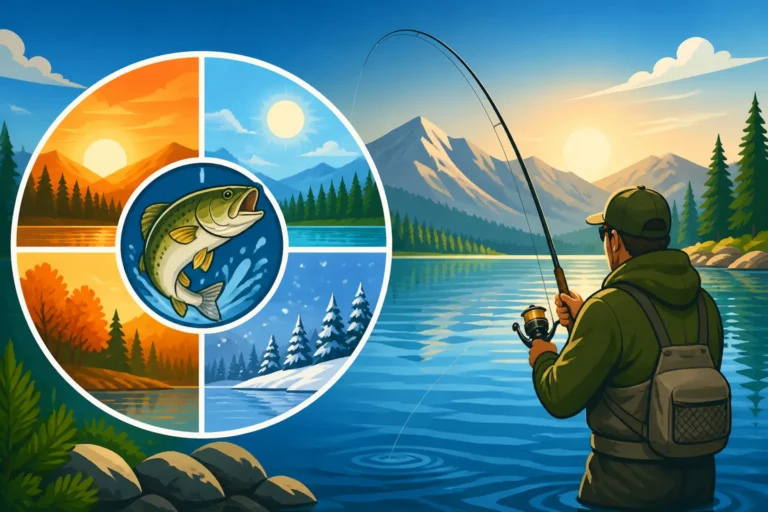
Fishing at the Farallones is a year-round possibility, but the type of fishing and the primary target species shift dramatically with the seasons. Understanding these seasonal patterns is key to planning a successful trip. Winter and early spring often bring excellent opportunities for Dungeness Crab, which you can often combine with some fantastic rockfishing. As spring progresses into summer, the focus typically shifts to salmon, and then by late summer and fall, the offshore tuna bite can ignite, drawing boats far offshore.
It's crucial to stay updated on current regulations and seasons, as they can change annually. For instance, the California Salmon Season Dates Explained is an essential read before heading out. The California Department of Fish and Wildlife (CDFW) regularly updates season openings and closures, especially for highly managed species like salmon and groundfish. Always check the latest California Fishing Regulations Explained before you go to ensure you're compliant.
Here's a general overview of what you might expect throughout the year:
| Season | Primary Target Species | Typical Techniques | Notes |
|---|---|---|---|
| Winter | Lingcod, Rockfish, Dungeness Crab | Jigging, Bait Fishing (bottom) | Focus on bottom fishing. Crab season usually opens in November. |
| Spring | Lingcod, Rockfish, Halibut, Sturgeon (inshore areas) | Jigging, Mooching, Trolling, Drifting | Lingcod bite can be red hot. Halibut start to show. |
| Summer | Salmon, Rockfish, Lingcod, Halibut, Yellowtail (late) | Trolling, Mooching, Jigging, Live Bait | Peak season for Salmon. Offshore pelagics begin to arrive. |
| Fall | Bluefin Tuna, Albacore Tuna, Yellowtail, Rockfish | Trolling, Jigging, Kite Fishing, Live Bait | Prime tuna season offshore. Excellent groundfish action. |
Remember, this is a generalization. Weather, ocean currents, and bait migration patterns can all influence what's biting on any given day. Local knowledge from charter captains or updated California Fishing Reports are invaluable resources.
Planning Your Farallon Islands Fishing Trip
Heading out to the Farallones requires more than just a fishing rod; it demands careful planning and preparation. Because of its offshore location, safety, vessel choice, and understanding regulations are paramount.
Choosing the Right Charter and Boat
For most anglers, especially those without a large, ocean-worthy vessel, booking a charter is the way to go for a Farallon Islands trip. These are specialized operations with experienced captains and crews who know these waters like the back of their hand. When looking for a charter, consider a few things:
- Experience with the Farallones: Ensure the charter regularly fishes these waters and has a proven track record. The Farallones can be fickle, and local knowledge makes all the difference.
- Target Species: Some boats specialize in rockfish and lingcod, while others are geared up for offshore tuna. Make sure the boat's focus aligns with what you want to catch. You can often find listings on platforms like FishingBooker that specify target species.
- Boat Type: Are you looking for a private charter for a small group, or an "open party" boat where you pay for a spot alongside other anglers? Both have their pros and cons regarding cost, flexibility, and space. For comprehensive options, check out our guide to California Fishing Charters: Complete Guide.
- Amenities: Offshore trips can be long. Look for boats with comfortable cabins, restrooms, and a galley, especially for longer runs.
Booking in advance, particularly for popular seasons or weekends, is highly recommended. Many charters book out weeks or even months ahead. Platforms like FishingBooker are excellent resources for comparing different charters, checking their availability, and reading reviews from other anglers to help you make an informed decision.
Essential Gear and Preparations
You absolutely don't want to show up unprepared for a Farallones trip. Here's a rundown of what to consider:
- Fishing License: This is non-negotiable. You'll need a valid California Fishing License Guide, and depending on your target species, possibly a report card (like a California Steelhead Report Card or California Sturgeon Report Card) or an Ocean Enhancement Stamp. Even on a charter, you're responsible for your own license.
- Rods and Reels: If you're on a charter, they usually provide gear, but serious anglers often prefer their own. For rockfish and lingcod, a stout 7-8 foot rod with a conventional reel spooled with 50-80 lb braided line is standard. For tuna, you'll need heavier gear, often 80-130 lb outfits, with strong drags.
- Terminal Tackle: Bring a good selection of jigs (4-16 oz, depending on depth and current), plastics, swimbaits, and heavy-duty leaders. For bait fishing, bring circle hooks in various sizes.
- Appropriate Clothing: Dress in layers! It can be cold and foggy in the mornings, warm up by midday, and get breezy and damp in the afternoon. Waterproof outerwear is essential.
- Food and Drink: Pack plenty of snacks, lunch, and water. Offshore trips can be long, and you'll burn calories battling fish.
- Sun Protection: Even on cloudy days, UV rays are intense on the water. Bring sunscreen, a wide-brimmed hat, and polarized sunglasses.
- Seasickness Medication: If you're prone to seasickness, take preventative measures before you get on the boat. Bonine or Dramamine taken the night before and again in the morning can make a huge difference. There's nothing worse than being miserable on a once-in-a-lifetime trip.
- Cooler: Have a good-sized cooler with ice in your car for taking your catch home. Most charters will bag your fish for you.
For a more detailed checklist, check out our guide on What to Bring on a California Fishing Charter.
Navigating Regulations and Report Cards
California has some of the most complex fishing regulations in the country, and fishing around the Farallones is no exception. These rules are in place to protect fish populations and ensure sustainable fishing for future generations, but they can definitely be a headache to keep track of.
- Marine Protected Areas (MPAs): The Farallon Islands are part of a federally protected wildlife refuge, and the surrounding waters include several state-managed Marine Protected Areas. These MPAs often have strict "no-take" zones or limited fishing zones. Your charter captain will know these boundaries, but it's good to be aware. Familiarize yourself with California Marine Protected Areas Explained.
- Bag and Size Limits: Every species has specific regulations regarding how many you can keep and their minimum (and sometimes maximum) size. This is particularly important for Rockfish and Lingcod. Pay close attention to California Rockfish Depth Restrictions, which can change throughout the year and impact where you can fish for certain species.
- Seasonal Closures: As mentioned, certain fisheries, like salmon and some groundfish species, have specific opening and closing dates that vary annually based on scientific assessments of fish stocks.
- Report Cards: For some species, like Sturgeon or Steelhead, you'll need to purchase a specific report card in addition to your fishing license. This helps the CDFW track catches and manage populations. Understand the nuances with our guide to California Fishing Report Cards Explained.
Before your trip, always consult the current CDFW Ocean Sport Fishing Regulations booklet or their website. Your charter captain will also brief you on the day's rules, but personal knowledge is always a good idea. Compliance is critical; fines for violations can be steep, and nobody wants their fishing adventure ruined by a citation.
Techniques and Tips for Success at the Farallones
Fishing the Farallones isn't just about showing up; it's about employing the right techniques and knowing how to adapt to conditions to maximize your chances of success.
Mastering Rockfish and Lingcod Tactics
Rockfish and Lingcod are the bread and butter of Farallon Islands bottom fishing. They thrive in the rocky, reef-filled terrain around the islands.
- Jigging: This is arguably the most popular and effective method. Use heavy metal jigs (4-16 ounces, depending on current and depth) in colors like chrome, blue/white, green, or red/white. Drop your jig to the bottom, then retrieve it with a series of aggressive lifts and drops, mimicking a wounded baitfish. Bites often come on the fall, so pay close attention. A good technique involves lifting the rod tip sharply about 3-5 feet, then letting the jig flutter back down on a semi-slack line. When you feel that subtle tap, set the hook hard!
- Bait Fishing: Live bait, such as sardines or mackerel, is incredibly effective for both Lingcod and larger rockfish. If live bait isn't available, cut bait like squid or anchovies can also work. Rig it on a dropper loop or a sliding sinker rig with a stout circle hook. Drop it to the bottom and let it soak, occasionally lifting and dropping to attract attention. Lingcod are particularly fond of larger baits presented close to structure.
- Artificial Lures: Large swimbaits or grub-tail jigs in natural baitfish colors can also be deadly, especially when fished slowly along the bottom. For Lingcod, sometimes a whole dead mackerel or sardine rigged on a heavy lead head can entice a strike.
- Depth and Structure: Rockfish and Lingcod are structure-oriented. Your captain will position the boat over rocky reefs, pinnacles, and ledges. Pay attention to your sonar and try to keep your bait or lure as close to the bottom structure as possible without getting continuously snagged. The "California Rockfish Rules in the Central Management Area" will provide specific guidance for that region.
Remember to bring plenty of extra jigs and leaders, as snags are an inevitable part of fishing these rocky bottom structures. A "second-rod stamp" can be very helpful if you want to experiment with different setups simultaneously.
Strategies for Tuna, Salmon, and Halibut
While rockfish are a staple, the Farallones also offer incredible opportunities for pelagic species when conditions are right.
- Tuna (Bluefin, Albacore, Yellowfin): When tuna show up, it's typically an offshore game, often miles beyond the immediate vicinity of the Farallones, though they can push closer. The main techniques are trolling, casting, and kite fishing.
- Trolling: Boats will often troll a spread of cedar plugs, feathers, or lipped lures to locate schools. Once a jig strike occurs, anglers will often "chum" with live bait (sardines or anchovies) to get the school into a frenzy, allowing for casting with live bait on circle hooks, iron jigs, or surface poppers.
- Casting: When tuna are boiling on the surface or breaking around the boat, casting heavy iron jigs (like Salas 7X or Tady 45) or poppers into the fray can lead to explosive strikes. Our guide on How to Catch Bluefin Tuna off California can give you more specific tactics.
- Kite Fishing: For larger, more wary Bluefin, kite fishing with a live bait (like a mackerel) suspended just at the surface can be extremely effective, keeping the line out of the water and presenting a natural, struggling bait.
- Knowing the Best Season for Bluefin Tuna in California is key for planning these specialized trips.
- Salmon: Salmon fishing around the Farallones is primarily done by trolling. Charters will run a spread of various lures and baits at different depths.
- Downriggers: These devices are essential for presenting spoons, hoochies, or bait (like anchovies or herring) at precise depths where salmon are feeding.
- Flashers and Dodgers: These attractors are often used in conjunction with lures or bait to draw attention and mimic schooling baitfish.
- Mooching: This is a classic Pacific Northwest technique that's also popular in California. It involves drifting with cut bait (usually herring or anchovy) slowly sinking, often with some weight, allowing for a natural presentation.
- Regulations for salmon can be particularly complex and vary year to year, so always check the California Salmon Season Dates Explained.
- Halibut: While more commonly targeted in bays and nearshore areas, larger Halibut can be found closer to the Farallones, especially on sandy patches surrounding rocky structure.
- Drifting: Drifting with live bait (anchovies, sardines, or small mackerel) or large grub-tail swimbaits along the bottom is a common and effective technique.
- Barbless Hooks: Remember, barbless hooks are required in many California waters, especially for salmon and often recommended for other species to promote catch and release. This is important for "California Catch-and-Release Rules."
- Make sure you're up to date on California Halibut Size and Bag Limits before you head out.
Success with these migratory and pelagic species often depends on finding the bait schools they follow. Your captain's expertise, combined with up-to-the-minute fishing reports, will be your best asset. Be prepared to switch techniques quickly if the fish are finicky or if a new opportunity arises.
Disclaimer
Fishing in the ocean, especially offshore, inherently involves risks. Weather conditions can change rapidly, and seas can become rough. Always follow the instructions of your captain and crew. The information provided in this guide is for general informational purposes only and does not constitute professional advice. Fishing regulations are subject to change by the California Department of Fish and Wildlife (CDFW). It is always your responsibility to consult the latest official regulations before engaging in any fishing activity.