Huntington Beach Pier Fishing Guide
There's nothing quite like the salty air, the rhythmic crash of waves, and the anticipation of a tug on your line, especially when you're casting from an iconic landmark like the Huntington Beach Pier. But let's be real, showing up to a massive structure like this can feel a bit overwhelming if you're not sure where to start, what you can legally catch, or what gear even makes sense. This guide is here to cut through that confusion, giving you the lowdown on everything you need to know to make your next fishing trip to the Huntington Beach Pier a truly successful and enjoyable experience.
Why Huntington Beach Pier is a Premier Angling Destination
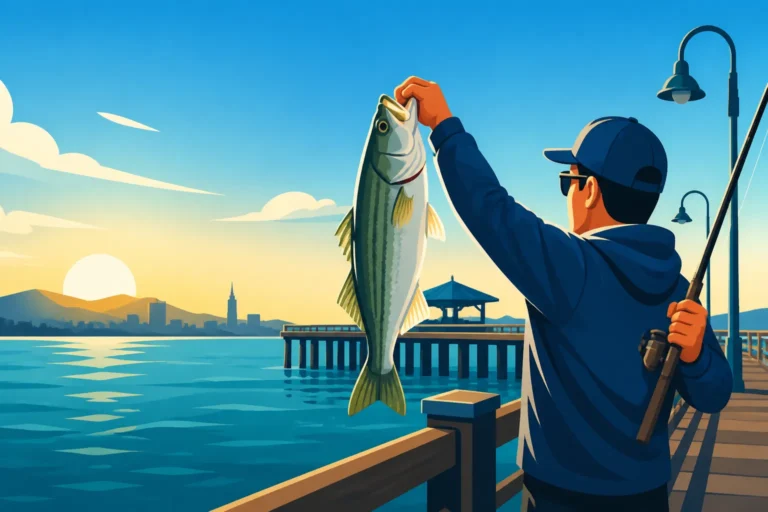
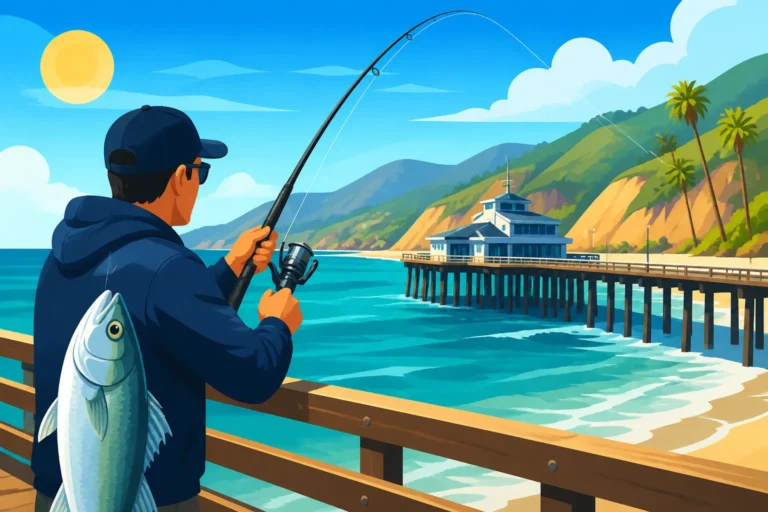
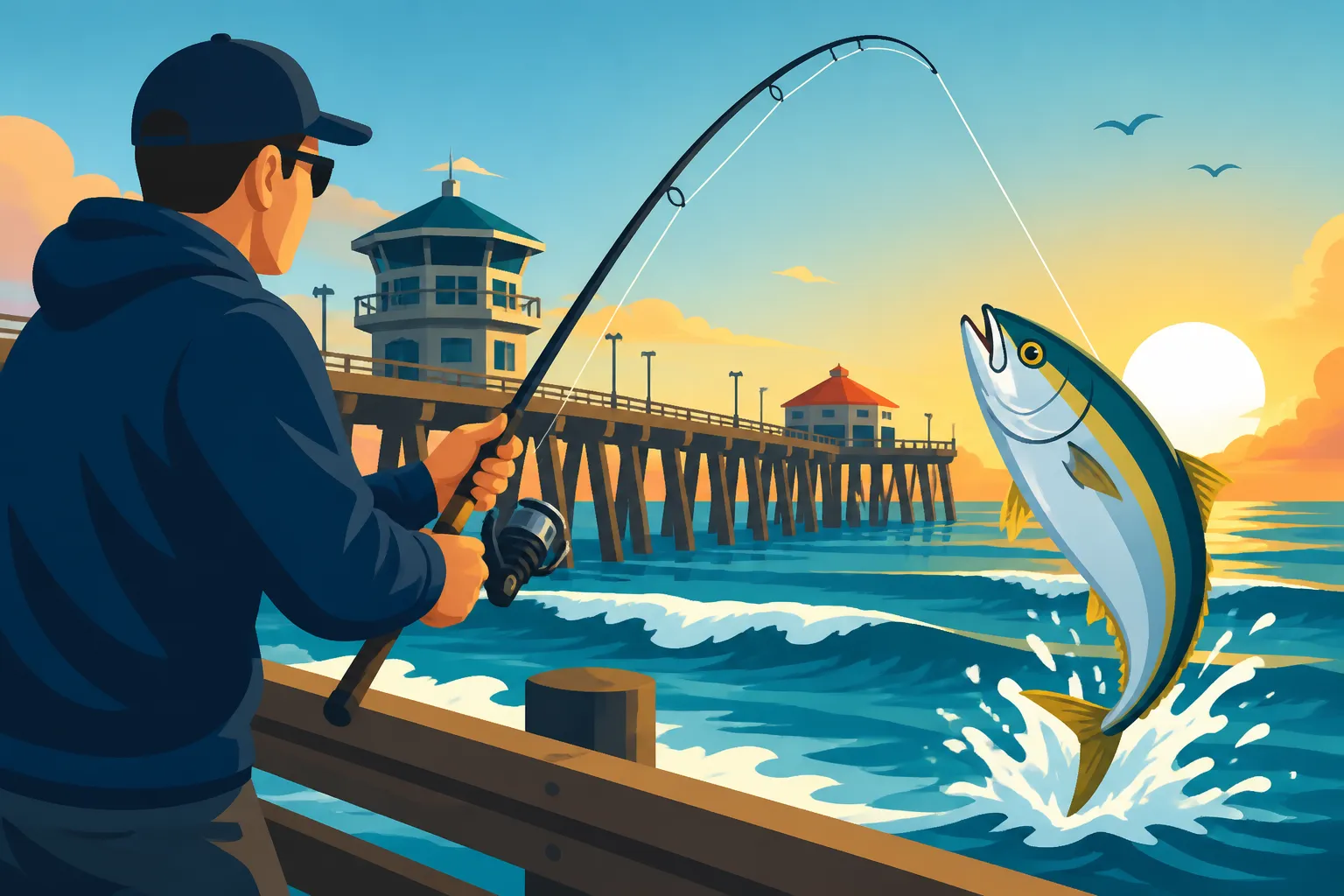
Huntington Beach Pier, often affectionately called "Surf City USA" pier, isn't just a picturesque spot for tourists to stroll; it's a bustling hub for anglers of all skill levels. This pier stretches an impressive 1,850 feet into the Pacific Ocean, offering access to deeper waters and a wider variety of fish than many other Southern California coastal spots. Its sheer length means you can escape some of the nearshore commotion and target species that prefer slightly more offshore environments, all without needing a boat.
The Pier's Unique Ecosystem and Accessibility
One of the biggest advantages of fishing from the Huntington Beach Pier is the thriving ecosystem it supports. The pilings themselves act like an artificial reef, attracting baitfish which in turn draw in larger predatory species. Think of it as a vertical underwater forest, providing shelter and feeding grounds. You'll find a dynamic environment teeming with life right beneath your feet. Plus, the pier is entirely free to access, making it one of the most budget-friendly ways to get a line in the water in California. No boat rental fees, no launch ramps, just walk right on with your gear. This accessibility is a huge draw for families, beginners, and seasoned anglers alike.
No Fishing License Required for Pier Fishing
This is often the first question on many new anglers' minds, and it's fantastic news: you generally do not need a California fishing license when fishing from a public pier in ocean waters. This makes Huntington Beach Pier an ideal spot for spontaneous fishing trips or for introducing friends and family to the sport without the hassle and cost of obtaining a license. However, it's crucial to remember that this exemption applies only to public ocean piers. If you venture onto a private pier, a jetty, or into a boat, the rules change, and a valid license would be required. It’s always smart to double-check the specific regulations as they can sometimes evolve, especially for sensitive species or in certain areas. To understand more about these nuances, you might want to read our comprehensive guide on California Pier Fishing License Rules.
What You Can Expect to Catch at Huntington Beach Pier
The beauty of pier fishing at Huntington Beach is the sheer diversity of species that call these waters home throughout the year. From small, feisty panfish perfect for kids to larger game fish that give a real fight, there's always something to keep things interesting. Knowing what to target can greatly improve your chances of success and help you prepare the right bait and tackle.
Common Pier Species and Seasonal Targets
During the warmer months, typically from late spring through fall, the pier comes alive with various pelagic species. You'll frequently encounter Pacific Mackerel, known for their speed and abundance. They're fantastic fighters on light tackle and make great bait for larger fish. Alongside them, Jack Mackerel are also prevalent.
As the water warms even further, you might see schools of Bonito chasing bait, offering exhilarating topwater action. And, of course, the ever-popular California Halibut are a prime target, especially if you're drifting live bait on the bottom or using cut squid. Surfperch species like Barred Surfperch and Walleye Surfperch are year-round residents, often found closer to the pilings. You can learn more about specific regulations for this prized flatfish in our California Halibut Size and Bag Limits guide.
Here's a quick look at some key species and their typical seasons:
| Species | Primary Season | Preferred Bait/Lures | General Technique |
|---|---|---|---|
| Pacific Mackerel | Spring – Fall | Sabiki rigs, small spoons, cut bait | Jigging, casting |
| Jack Mackerel | Spring – Fall | Sabiki rigs, small plastics | Jigging, casting |
| Bonito | Summer – Early Fall | Spoons, small casting jigs, live bait | Fast retrieve, fly-lining live bait |
| California Halibut | Spring – Fall | Live anchovies/sardines, cut squid | Bottom fishing, dropper loop rig |
| Barred Surfperch | Year-round | Sand crabs, Gulp! sandworms, lugworms | Bottom fishing, high-low rig |
| Walleye Surfperch | Year-round | Small pieces of shrimp, squid | Bottom fishing, light tackle |
| Queenfish (Croaker) | Summer – Fall | Small pieces of squid, shrimp | Bottom fishing, light tackle |
| White Croaker | Year-round | Small pieces of squid, shrimp | Bottom fishing, light tackle |
| Yellowfin Croaker | Summer – Fall | Sand crabs, shrimp | Bottom fishing, closer to shore |
| Leopard Shark | Spring – Fall | Mackerel chunks, squid | Heavy bottom fishing, wire leader |
| Bat Ray | Year-round | Mackerel, squid, anchovies | Heavy bottom fishing, strong tackle |
Note: Always verify current bag limits and size restrictions with the latest CDFW regulations booklet or online resources, as these can change annually.
Unexpected Catches and Special Regulations
Beyond the usual suspects, you might be surprised by what else bites your line at Huntington Beach Pier. Occasionally, anglers hook into smaller Sharks (like Leopard Sharks or Gray Smoothhounds), Bat Rays, or even a stray White Seabass or Yellowtail if schools happen to pass close to the pier, though these are much rarer. These larger species require heavier tackle and a bit of luck.
It's absolutely essential to be aware of California's saltwater fishing regulations, even though you don't need a license on the pier. Certain species have specific bag and size limits, and some may have seasonal closures or even be completely protected. For instance, specific types of Rockfish may have depth restrictions or seasonal closures in nearby areas that might affect what you can keep, even if they wander near the pier. It's not uncommon for regulations to shift, so a quick check of the California Saltwater Fishing Regulations before you head out is always a good idea. Knowing these rules ensures you're fishing responsibly and legally.
Essential Gear and Techniques for Huntington Beach Pier Fishing
Having the right gear and understanding effective techniques are paramount to a successful day of pier fishing. While you don't need a fully loaded boat, a few key pieces of equipment and a grasp of local tactics will give you a significant advantage.
Rod and Reel Setups
For most pier fishing at Huntington Beach, you'll want a versatile setup that can handle a range of species.
- Light to Medium Setup (Most Common): A 7 to 9-foot medium-action spinning rod paired with a 3000-4000 size spinning reel is a great all-around choice. Spool it with 10-20 lb monofilament or braided line with a fluorocarbon leader. This setup is perfect for surfperch, croaker, mackerel, and even smaller halibut. Brands like Shimano and Penn offer reliable and durable options that stand up well to saltwater environments.
- Heavy Setup (For Bigger Game): If you're specifically targeting larger fish like sharks, bat rays, or hoping for a chance at a legal halibut, you'll want something more robust. An 8 to 10-foot heavy-action conventional or spinning rod with a 6000-8000 size reel spooled with 30-50 lb braided line and a heavy mono/fluorocarbon leader (or even a wire leader for sharks) is appropriate. You'll need the backbone to cast heavier weights and pull in larger fish.
Remember, saltwater is corrosive, so always rinse your rod and reel thoroughly with fresh water after each outing, even if you just wiped them down. This simple step will dramatically extend the life of your equipment.
Baits and Lures That Get Bites
Choosing the right bait can make or break your day on the pier.
- Natural Baits:
- Cut Squid: This is arguably the most versatile bait for pier fishing. It's tough, stays on the hook well, and attracts almost everything from surfperch and croaker to halibut and sharks. Cut it into strips or small squares. You can often buy frozen squid at local bait shops or sometimes even at the small tackle shop on the pier itself.
- Shrimp: Fresh or frozen, shrimp (peeled or unpeeled) is another excellent general-purpose bait for panfish and smaller bottom dwellers.
- Mackerel/Anchovies: Live or cut, these are fantastic for targeting larger predatory fish like halibut, bonito, or even sharks. Live bait might be harder to come by directly on the pier, but some local bait shops nearby often carry them. If you can catch your own mackerel using a Sabiki rig, you've got prime fresh bait.
- Sand Crabs: A favorite for surfperch, especially during certain times of the year. You might need to dig these up from the beach yourself, but they are incredibly effective.
- Artificial Lures:
- Sabiki Rigs: These are a must-have for catching baitfish like mackerel and anchovies. They consist of multiple small, flashy hooks designed to mimic tiny baitfish. Just drop them down and jig gently.
- Small Metal Jigs/Spoons: For mackerel, bonito, and even some smaller barracuda, casting and retrieving small, shiny metal jigs or spoons can be incredibly effective. Look for jigs weighing between 1/2 to 1 ounce.
- Soft Plastics: Grubs or small swimbaits can entice surfperch and croaker, especially if tipped with a small piece of bait. Gulp! sandworms are particularly popular.
A handy tip: Sometimes, the fish are picky. It's always a good idea to bring a variety of baits and lures. What worked yesterday might not work today! You might find more specific recommendations in our guide to Best Bait for California Halibut.
Effective Pier Fishing Rigs
- Dropper Loop Rig (Hi-Lo Rig): This is the go-to rig for most pier anglers. It allows you to present two baited hooks at different depths off the bottom. Tie a loop, then create two smaller loops from that, add hooks, and a sinker at the bottom. It’s incredibly effective for catching multiple fish at once and is ideal for surfperch, croaker, and even halibut when using cut bait.
- Carolina Rig (Sliding Sinker Rig): Best for a more natural presentation of bait on the bottom, especially when targeting halibut or larger bottom fish. Thread an egg sinker onto your main line, then a bead, then tie on a swivel. Attach a fluorocarbon leader (18-36 inches) to the other end of the swivel, and finally your hook. This allows the fish to pick up the bait without feeling the weight of the sinker immediately.
- Fish Finder Rig: Similar to a Carolina rig but designed for heavier sinkers, making it ideal for targeting larger species like sharks or rays. The sinker slides freely on a line, allowing fish to run with the bait without resistance.
- Sabiki Rig: As mentioned, specifically for baitfish. Attach one end to your main line, and a small sinker (1-2 oz) or casting lure to the bottom snap. Gently jig to attract schools of mackerel.
It’s always a good idea to tie these rigs before you head out, but knowing how to tie them on the fly can save your day if you snag and break off.
Navigating the Rules and Etiquette for Huntington Beach Pier
Fishing from a public pier like Huntington Beach is a fantastic way to enjoy the sport, but it comes with a shared responsibility. Adhering to regulations and practicing good etiquette ensures everyone has a pleasant experience and that our marine resources are protected for future generations.
California Department of Fish and Wildlife Regulations
Even though you don't need a state license on the pier, all other California Department of Fish and Wildlife (CDFW) regulations still apply. This includes:
- Bag and Size Limits: Every species has specific limits on how many you can keep and what minimum size they must be. For example, if you catch a halibut that's under the legal size, it must be immediately released back into the water. Knowing your California Fishing Bag and Size Limits is non-negotiable.
- Closed Seasons: Some species have specific seasons when they cannot be targeted or kept. This is usually to protect them during spawning or migration. For instance, specific Salmon seasons can change yearly, and while less likely from the pier, it's good to be aware.
- Restricted Gear: There might be rules about the number of hooks you can use, or specific gear that is prohibited (e.g., gill nets are definitely out!).
- Species Identification: It's your responsibility to correctly identify your catch to ensure you're complying with all regulations. If you're unsure, it's always best to release the fish.
The CDFW website is your best friend for up-to-date information, but you can also find summarized regulations in the annual fishing booklet or sometimes posted at the pier entrance.
Unwritten Rules and Pier Etiquette
Beyond the official rules, there are some unwritten guidelines that help keep the peace and ensure a positive environment for all pier-goers:
- Respect Others' Space: Piers can get crowded, especially on weekends. Try not to cast too close to other anglers, and if you hook a fish that starts to run into someone else's line, politely call out "Fish on!" to alert them.
- Keep It Clean: Pack out everything you pack in. Dispose of all trash, including discarded fishing line and bait containers, in designated bins. Nobody likes stepping on old bait or getting tangled in line.
- Be Mindful of Non-Anglers: The pier is for everyone – sightseers, diners, and walkers. Be aware of your backcast, don't leave gear sprawled across the walkway, and keep your lines from becoming a tripping hazard.
- Don't Monopolize a Spot: If a section of the pier is particularly productive, it's generally good form to share the wealth. After catching a few, consider moving to allow others a chance.
- Handle Fish Responsibly: If you're releasing fish, do so quickly and carefully. Minimize their time out of water. If you're keeping fish, dispatch them humanely and store them properly in a cooler.
- Bring a Pier Net: For larger fish, a sturdy pier net (often called a hoop net or gaff net) is essential to safely bring your catch up from the water without breaking your line or damaging the fish. Never try to swing a large fish onto the pier.
When it comes to local knowledge and finding out what's currently biting, talking to the seasoned anglers on the pier can be invaluable. You might also find that resources like FishingBooker, while primarily for booking charters, often have sections with local fishing reports and insights from captains who regularly fish the surrounding waters, which can indirectly inform your pier strategy. It's a great way to stay tuned into local conditions and hot spots.
Advanced Tips for Boosting Your Success
While pier fishing is often seen as entry-level, there are definitely ways to refine your approach and significantly improve your catch rate. Thinking a bit more strategically about your timing, location on the pier, and tackle choices can make a world of difference.
Timing Your Trip for Optimal Fishing
Timing is everything in fishing, and pier fishing is no exception.
- Tides: For many inshore and pier species, incoming and outgoing tides can be crucial. Moving water often stimulates fish activity as it stirs up bait and nutrients. Generally, the hours around high and low tide, when the water movement is strongest, tend to be the most productive. Keep an eye on local tide charts for Huntington Beach.
- Time of Day: Early morning and late evening (dawn and dusk) are often prime times. The lower light conditions make predatory fish feel more comfortable hunting in shallower waters, and baitfish are more active. Night fishing can also be incredibly productive for certain species like sharks and rays.
- Seasonality: As discussed earlier, different species are more prevalent during certain seasons. If you're targeting mackerel, summer and fall are your best bet. For a more in-depth look at seasonal patterns, check out our California Fishing Seasons: Month-by-Month Guide.
- Weather Conditions: Overcast days can sometimes lead to better fishing, as bright sun can push fish into deeper or shadier areas. After a good storm, the water might be stirred up, which can sometimes concentrate bait and lead to a feeding frenzy, but excessively rough conditions can also make fishing difficult and dangerous.
Choosing Your Spot on the Pier Wisely
The Huntington Beach Pier is long, and different sections offer access to different environments and, consequently, different fish.
- Nearshore (Closer to the Beach): This area is typically shallower and often holds surfperch, croaker, and smaller bottom fish. It's a great spot for lighter tackle and kids. Look for areas where the waves break, as these often hold feeding fish.
- Mid-Pier: As you move further out, the water deepens, and you start to access a wider variety of species. This is a good general zone for mackerel, bonito, and bottom fishing for halibut. The pilings here also provide more structure.
- Pier End: The very end of the pier gives you access to the deepest water and can sometimes put you over schools of pelagic fish that are further offshore. This is often where anglers targeting larger species like sharks or the occasional yellowtail will set up. However, it can also be the busiest section.
Don't be afraid to move around if your current spot isn't producing. Sometimes, just a short walk down the pier can put you right on the fish. Observing where other anglers are catching fish and what techniques they're using can also give you valuable clues.
Advanced Rigging and Bait Presentation
Once you've mastered the basic rigs, consider these refinements:
- Leader Material and Length: Using a fluorocarbon leader is often beneficial, as it's nearly invisible underwater and can encourage bites from finicky fish. Experiment with leader lengths; sometimes a longer leader (3-4 feet) for halibut can make your bait appear more natural.
- Hook Size: Match your hook size to your bait and target species. Too large a hook for a small bait, and you'll miss bites. Too small for a large bait, and you might lose the fish. Circle hooks are excellent for preventing gut-hooking, especially if you're practicing catch and release.
- Live Bait Rigging: If you're lucky enough to have live bait, learning how to hook them properly (e.g., through the nose or dorsal fin) so they stay lively and natural-looking is crucial. For halibut, a live anchovy or sardine drifted near the bottom is incredibly effective.
- Chumming (with caution): While not always permitted or practical on a busy pier, a small amount of chum (e.g., chopped mackerel or crushed mussels) can sometimes attract baitfish and, in turn, larger predators. Always check local regulations regarding chumming and be mindful not to foul the water for others.
Platforms like FishingBooker, while focused on guided trips, can sometimes feature local guides who post about specific rigging techniques or bait preferences for various species in Southern California. Even if you're pier fishing, those insights can be gold for understanding local fish behavior.
Conservation and Responsible Angling
As anglers, we're stewards of the environment. Fishing responsibly isn't just about following rules; it's about making conscious choices that contribute to the health of our oceans and fish populations.
Catch and Release Best Practices
If you're not planning to keep your catch, or if it's undersized, practicing proper catch and release is vital for the fish's survival.
- Handle with Wet Hands: Always wet your hands before touching a fish. Dry hands can remove the protective slime coat, making the fish susceptible to disease.
- Minimize Air Exposure: Keep the fish in the water as much as possible. If you must lift it for a quick photo, do so quickly and support its body, especially for larger fish.
- Use Barbless Hooks: Barbless hooks, or hooks with crushed barbs, are much easier to remove, causing less damage to the fish. Many anglers voluntarily crimp their barbs for this reason.
- Proper Hook Removal: Use pliers or a dehooking tool to remove hooks cleanly and quickly. If a fish is deeply hooked, it's often best to cut the line as close to the hook as possible rather than trying to rip it out, which can cause internal damage.
- Revive the Fish: If a fish looks sluggish, hold it gently in the water, facing into the current, and move it back and forth until it regains strength and can swim away on its own.
Protecting Marine Protected Areas (MPAs)
California has a robust network of Marine Protected Areas (MPAs) designed to conserve marine life and habitats. While Huntington Beach Pier itself is generally open for fishing, nearby MPAs might have very strict regulations, including "no-take" zones or restrictions on specific types of fishing. It's crucial to know exactly where these boundaries are if you're venturing beyond the pier. You can find maps and detailed explanations of these areas in our California Marine Protected Areas Explained guide. Fishing within an MPA often carries heavy fines, so always double-check your location.
By following these guidelines, you're not just ensuring your own enjoyable trip, but also contributing to the long-term sustainability of the incredible fishing opportunities California offers. Happy fishing from the Huntington Beach Pier!
Disclaimer
The information provided in this guide is for general informational purposes only and is subject to change. Fishing regulations, seasons, and limits are set by the California Department of Fish and Wildlife (CDFW) and can be modified at any time. It is the angler's responsibility to consult the most current CDFW regulations booklet or website before engaging in any fishing activity to ensure compliance with all applicable laws and rules. We do not guarantee the accuracy or completeness of this information, and fishing involves inherent risks. Please fish safely and responsibly.