Best Time to Fish Clear Lake
Oh, Clear Lake! If you've ever dreamt of battling a truly monstrous largemouth bass, chances are Clear Lake has danced through your thoughts. But let's be real, showing up to a new lake, or even a familiar one, without a clue about the best time to wet a line can feel like playing a lottery where the odds are stacked against you. It's frustrating to invest your time, fuel, and gear only to find the fish have ghosted you. This guide is designed to cut through that guesswork, giving you the insider scoop on the absolute best times to fish Clear Lake, California, ensuring you spend less time wondering and more time reeling in those legendary catches.
Understanding Clear Lake's Unique Fishery
Clear Lake isn't just any lake; it's a living legend in the fishing world, particularly for bass anglers. It’s got a personality, and understanding that personality is key to knowing when to approach it.
What Makes Clear Lake So Special?
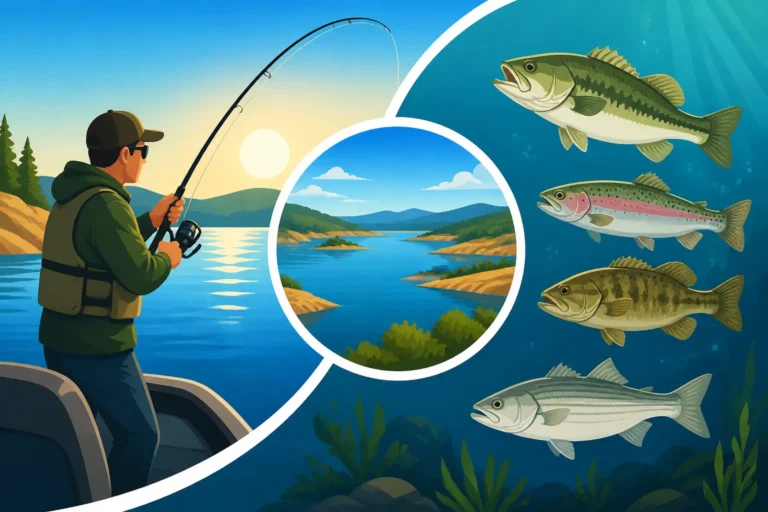
Clear Lake holds the title of California's largest natural freshwater lake, and its shallow, nutrient-rich waters are a biological powerhouse. Unlike many deep, clear mountain lakes, Clear Lake is relatively shallow with an average depth of around 27 feet, though some spots can dip to over 50 feet. This shallow nature, combined with its fertile sediment, creates an incredible abundance of aquatic life, from plankton and insect larvae to baitfish like Hitch,Threadfin Shad, and even resident Sacramento Perch. This rich food chain is precisely what allows fish, especially largemouth bass, to grow to truly impressive sizes.
The lake also experiences significant temperature swings throughout the year, which directly influences fish behavior. In summer, surface temperatures can soar, while winter sees them plummet. These thermal shifts dictate where fish will be, what they'll be eating, and how aggressive they'll be. For instance, knowing that the lake can "turn over" or experience significant algae blooms in warmer months can help you anticipate tougher fishing conditions or adapt your tactics. The structure here is also unique, with vast tules (common reeds), thick stands of submerged hydrilla, rock piles, and old docks providing endless ambush points for predatory fish.
Primary Target Species
While Clear Lake is renowned for its bass, it's also a fantastic multi-species fishery. Knowing what you're targeting helps narrow down the "best time."
Largemouth Bass: The Undisputed King
When people talk about fishing Clear Lake, 99% of the time they're talking about largemouth bass. This lake consistently produces some of the biggest bass in the state, with numerous 10-pounders caught every year, and even bigger specimens making headlines. The sheer abundance and size of these fish are what draw anglers from all over the country. They thrive in the lake's rich ecosystem, using the ample cover for hunting and protection. If you're coming to Clear Lake, it’s likely you’re dreaming of that trophy bass, and thankfully, Clear Lake often delivers.
Crappie, Catfish, and Bluegill: Consistent Action
Beyond the bass, Clear Lake offers excellent opportunities for other species. Black Crappie can be found in incredible numbers, especially around submerged brush and docks, providing fast action, particularly for those looking for a tasty meal. Channel Catfish are also plentiful and grow large, offering powerful fights, often preferring the deeper, muddier areas. And for family-friendly fun or just consistent bites, the Bluegill population is robust, often found in shallow, weedy areas. These panfish and catfish are often more forgiving in terms of timing than the notoriously finicky largemouth.
Seasonal Breakdown: When Clear Lake Truly Shines
Clear Lake offers fishing year-round, but each season brings its own set of challenges and, more importantly, unique opportunities. Understanding these seasonal shifts is crucial for planning a successful trip.
Spring into Action: The Pre-Spawn and Spawn Frenzy
If there's one season that gets Clear Lake anglers absolutely buzzing, it's spring. This is arguably the best time to fish Clear Lake for trophy largemouth bass, period. As water temperatures begin to climb from the chilly winter lows into the mid-50s and then 60s Fahrenheit, the bass metabolism kicks into high gear. They migrate from their deeper winter haunts into shallower staging areas, gorging themselves in preparation for the upcoming spawn.
The pre-spawn period, typically from late February through April, is characterized by aggressive feeding. Bass are looking for big meals to build energy, making them susceptible to a wide range of baits. Spinnerbaits, swimbaits, jerkbaits, and even large lipless crankbaits fished around emergent vegetation, rocky points, and submerged timber can be incredibly effective. As the water warms further into the low 60s, the spawn begins in earnest, usually peaking from April through May. During this time, you'll find bass, both males and females, guarding nests in shallow, clear areas. Sight-fishing becomes a viable, albeit controversial, technique. Soft plastics like Senkos, flukes, and creature baits pitched to beds can elicit a strike. Remember, during the spawn, bass are less focused on eating and more on protection, so a slow, persistent approach is often needed. Post-spawn bass, usually by late May and early June, are often recovering and can be found transitioning to deeper cover, still eating but perhaps less aggressively than during pre-spawn.
Internal Link: For more in-depth tactics for catching bass during this crucial period, check out our guide on how to fish for Largemouth Bass in California. And if you're curious about the biological timing, our article on California Bass Spawn Timing and Tactics dives deep into when this magic happens across the state.
Summer Heat: Early Mornings and Late Evenings
Summer fishing on Clear Lake, from June through August, can be a mixed bag, but don't let the heat deter you entirely. While the midday sun can make for tough fishing, especially for bass, the early mornings and late evenings often offer fantastic opportunities. As water temperatures frequently climb into the high 70s and even low 80s, bass will seek refuge in deeper, cooler water or in the thickest, shadiest cover they can find.
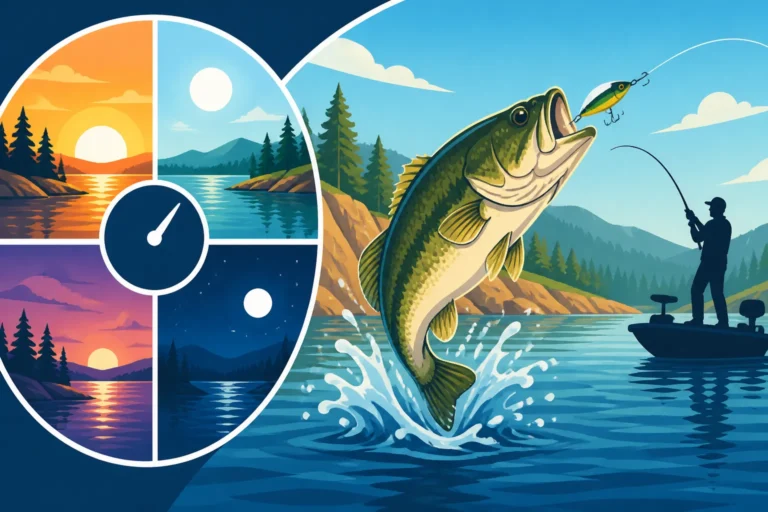
Topwater action can be absolutely phenomenal at dawn and dusk, particularly over submerged hydrilla beds or around the edges of tules. Poppers, frogs, and walking baits thrown into these areas can trigger explosive strikes. During the day, anglers often switch to deeper presentations like drop-shotting, Carolina rigging, or deep cranking ledges and points. Pitching jigs or heavy Texas-rigged plastics into dense weed mats or under docks is also a productive strategy when the sun is high. Crappie fishing can also be excellent in summer, with schools often congregating around bridge pilings, submerged brush, and marina docks. They respond well to small jigs and minnows. Remember that boat traffic can increase significantly during the summer months, especially on weekends, so consider fishing during weekdays or in less frequented areas.
Fall Feast: Post-Spawn Recovery and Feeding Blitz
Fall on Clear Lake, roughly September through November, is another prime time for anglers, often rivaling spring in terms of consistent action and quality fish. As the scorching summer temperatures begin to moderate and the water cools, bass transition into a heavy feeding mode, similar to the pre-spawn, but with a different energy. They are actively bulking up for the leaner winter months ahead.
This season is characterized by bass chasing baitfish. You'll often find them schooling up and actively busting bait on the surface, especially in the mornings and evenings. Reaction baits like crankbaits, spinnerbaits, and Rat-L-Traps shine during this period, as do swimbaits and topwater lures. The fish are less pressured than in spring and often more willing to chase. This is also a fantastic time for jig fishing around structure like rock piles, docks, and submerged timber as bass relate to these features while hunting. The cooler weather also means more comfortable fishing conditions for anglers, with fewer crowds than in peak summer. This is an excellent time to explore different areas of the lake, as bass will be spread out and actively feeding throughout.
Winter Wonders: Challenging but Rewarding
Winter fishing on Clear Lake, from December through February, is often overlooked, but it can produce some of the biggest bass of the year for those willing to brave the colder conditions. The key here is patience and a slower approach. As water temperatures drop into the 40s and low 50s, bass become lethargic. They'll move to deeper, more stable water, often congregating in schools.
Vertical presentations are your friend in winter. Jigs, spoons, and slow-rolled swimbaits fished along ledges, drop-offs, and in deeper channels can be incredibly effective. A common tactic is to find schools of baitfish with your electronics, as bass will likely be nearby, albeit deeper. Fishing slow is absolutely paramount; presentations that might seem agonizingly slow in summer are often perfect for winter bass. Clear Lake is known for producing giants in winter, as these big, old fish are still in there, just requiring a different strategy. Crappie fishing can also be surprisingly good in winter, as they school up tightly in deeper brush piles, making them easier to target once found.
Targeting Specific Species: Peak Times for Your Favorite Catch
While the seasonal overview gives you a good general idea, let's drill down into the best times for specific species you might be hoping to encounter in Clear Lake.
Largemouth Bass: The Undisputed King
For trophy largemouth bass, early spring (March-April) stands out. This is when the biggest females are heaviest with roe and are aggressively feeding in preparation for the spawn. You're looking for that 10+ pound fish, and this is your best window. However, for sheer numbers of active, aggressive bass, late spring (April-May) during the spawn, or fall (September-October) when they're feeding up for winter, are fantastic.
During the pre-spawn, focus on transition areas where bass move from deep to shallow. Think about points, submerged humps, and the edges of weed lines. During the spawn itself, look for flatter, protected coves with hard bottom. Post-spawn and into summer, they'll be in deeper cover, around docks, and in dense mats of hydrilla. In fall, they'll chase baitfish in open water and around structural elements. Winter sees them congregating in deeper channels and rock piles. Your electronics will be your best friend to locate schools in deeper water.
Internal Link: If you're serious about your bass fishing, don't miss our detailed guide on Best Lures for California Largemouth Bass to stock your tackle box for success. And to truly understand the seasonal nuances for bigger fish, consider reading up on the Best Season to Catch Largemouth Bass in California.
Crappie: Panfish Paradise
If you're after delicious crappie, Clear Lake is an excellent choice. The best time for crappie is generally late winter through early spring (February-April) and again in fall (October-November). In late winter, they begin to school up in large numbers in deeper brush piles and submerged structure as they prepare for their spawn. As spring arrives and the water warms, they move shallower to spawn, often found in dense schools around docks, tules, and submerged trees. This is when you can really rack up the numbers.
During the warmer months of summer, crappie will retreat to deeper, cooler water, often suspending over structure or relating to shaded areas under docks and bridge pilings. They're still catchable, but require more precise location. Fall brings another surge of activity as they feed aggressively before winter, often schooling up again. Small jigs, minnows, and even tiny spinnerbaits are incredibly effective.
Catfish and Bluegill: Consistent Action
For Channel Catfish, you'll find consistent action throughout the late spring, summer, and fall (May-October). Catfish are less sensitive to warm water than bass and crappie, and actually thrive in it. Night fishing for catfish during the summer can be incredibly productive, especially with stink baits, cut bait, or even chicken livers. They prefer the deeper, muddier areas of the lake.
Bluegill, on the other hand, are pretty much a year-round target, but they become particularly active and easy to catch during their spawn in late spring and early summer (May-July). You'll find them in large numbers in shallow, warm water, often congregating around dense vegetation, docks, and rocky shorelines. They are an excellent target for kids or beginners, responding well to small worms, crickets, or tiny jigs under a bobber. You can often spot their "beds" – small circular depressions in the shallows – during the spawn.
Here’s a quick overview of the prime times for Clear Lake's most sought-after species:
| Species | Best Season(s) | Peak Months | Key Tactics |
|---|---|---|---|
| Largemouth Bass | Spring, Fall, Winter | March-May, Sept-Oct, Dec-Feb | Jigs, Plastics, Crankbaits, Swimbaiting, Topwater (Summer) |
| Crappie | Spring, Fall | Feb-April, Oct-Nov | Small Jigs, Minnows, Trolling |
| Channel Catfish | Summer, Fall | May-Oct | Stink Bait, Cut Bait, Night Fishing |
| Bluegill | Spring, Summer | May-July | Worms, Crickets, Small Jigs, Bobber Fishing |
Factors Beyond the Calendar: Maximizing Your Chances Any Time of Year
While knowing the best time of year is a huge advantage, fishing is rarely as simple as marking a date on a calendar. Several other factors play a crucial role in your success on Clear Lake.
Weather and Water Conditions: The Daily Impact
The weather and water conditions on any given day can dramatically influence fish behavior, sometimes more so than the time of year itself. A sudden cold front, for instance, can shut down a hot bite almost instantly, pushing fish deeper and making them lethargic. Conversely, a stable period of warm, cloudy weather can activate a feeding frenzy.
Temperature Swings
Rapid drops in air temperature, especially after a warm spell, can send bass into shock, making them difficult to catch. They'll often move to deeper, more stable thermoclines if present, or seek out dense cover. Slow-moving fronts with consistent weather are generally better for fishing. Similarly, water temperature itself is a major factor. Learning to read your fish finder for water temperature, and understanding the ideal range for your target species, can be invaluable. For largemouth bass, water temperatures between 55-75°F are generally considered prime.
Wind and Cloud Cover
Wind can be a double-edged sword. A light chop on the water surface can break up light penetration, making fish more comfortable in shallower water and obscuring your presence. This often makes for an excellent bite, especially with reaction baits like spinnerbaits and crankbaits. However, strong winds can make boat control and casting extremely difficult, and stir up sediment, reducing visibility. Cloudy days are often excellent for fishing, as they mimic low-light conditions, encouraging fish to remain active longer. Bright, sunny, calm days can make fishing tougher, especially in clear water, forcing you to use more subtle presentations or target deeper cover.
Internal Link: Understanding how these elements interact is key. Our guide on How Weather Affects California Fishing offers even more insights into planning your trips around the forecasts.
Moon Phases and Tides
While Clear Lake is a freshwater lake and therefore not subject to ocean tides, moon phases can still have a subtle influence on fish activity, particularly for bass. Many experienced anglers swear by the idea that fish, especially during new and full moon phases, can be more active due to gravitational pull influencing baitfish and predator behavior, or simply increased nocturnal feeding opportunities under a bright moon. It's not as pronounced as ocean tides, but it's another layer to consider.
For freshwater, focus less on "tides" and more on the general light levels at night. A full moon, for instance, can lead to bass feeding heavily overnight, making them less active during the day. Conversely, a new moon offers complete darkness, which might mean bass are more aggressive during twilight hours. Keeping a fishing journal where you note moon phases alongside your catch rates can help you identify patterns specific to Clear Lake.
Choosing the Right Gear and Techniques
Even with the perfect timing, the wrong gear or technique will leave you empty-handed. Clear Lake offers diverse fishing environments, from open water to dense weed beds, requiring adaptable anglers.
Rods, Reels, and Line
For largemouth bass, having a versatile setup is crucial. Medium-heavy to heavy casting rods (6'6" to 7'6") paired with baitcasting reels are standard. You'll want a variety of lines: fluorocarbon for sensitivity and low visibility when fishing soft plastics or jigs, monofilament for topwater lures or crankbaits, and braided line for heavy cover applications like frogging or punching through thick mats.
For crappie, a light action spinning rod (5'6" to 6'6") with light monofilament or fluorocarbon line (4-6 lb test) is ideal. Catfish often require heavier tackle, a medium-heavy spinning or casting rod with 15-30 lb mono or braid to handle their strong pulls.
Baits and Lures
Clear Lake bass respond to a huge variety of lures, so having a diverse tackle box is essential. For spring pre-spawn, think reaction baits like deep-diving crankbaits, lipless crankbaits, and spinnerbaits. During the spawn, soft plastics like Senkos, Yamamoto worms, and creature baits pitched to beds are standard. Summer calls for topwater frogs over mats, Texas-rigged plastics, jigs, and drop-shots for deeper fish. Fall is prime for chasing baits like lipless cranks, swimbaits, and jerkbaits. In winter, slow-moving jigs, spoons, and subtle shaky heads are effective.
For crappie, small tube jigs, grub jigs, and live minnows are irresistible. Catfish love stink baits, cut bait, chicken livers, and nightcrawlers. Bluegill are easily caught on small pieces of worm, crickets, or tiny Panfish jigs.
Internal Link: To make sure you're geared up properly for the local rules, consider reviewing the California Freshwater Bag Limits by Species before your trip. Also, for detailed bait and lure recommendations, our guide on Best Baits and Lures for Largemouth Bass in California is a must-read.
Utilizing Resources: Fishing Reports and Guides
One of the absolute best ways to dial in the "best time" for your specific trip, regardless of the season, is to consult current fishing reports. Local bait shops around Clear Lake, like Lakeshore Bait & Tackle or Clear Lake Outdoors, often have up-to-the-minute information on what's biting, where, and on what. Websites and forums dedicated to Clear Lake fishing are also invaluable. These reports can tell you if the spawn is early or late, if the fish are on a specific pattern, or if certain areas are hot.
If you're new to Clear Lake or want to maximize your chances, consider hiring a local guide. Guides spend hundreds of days a year on the water and know the lake intimately. They can put you on fish faster than you ever could on your own and teach you local techniques. You can find excellent local guides through platforms like FishingBooker, which lists a variety of experienced Clear Lake charters and independent guides. They often specialize in bass, but some also target crappie or catfish. A guide can save you days of searching and increase your likelihood of landing that trophy.
Internal Link: Learning How to Read California Fishing Reports effectively will transform your planning process, giving you actionable insights straight from the water. And for a broader understanding of regulations, a read through our California Fishing Regulations Explained guide is always a good idea.
Final Thoughts on Timing Your Trip
Ultimately, the "best time to fish Clear Lake" can vary depending on what you're hoping to catch and what kind of fishing experience you're seeking. If a trophy largemouth is your dream, spring is usually your best bet. If consistent action and good numbers are your goal, spring and fall are both phenomenal. If you prefer solitude and the chance at a truly giant bass, don't overlook winter. Even summer can be great if you embrace early mornings or late evenings and focus on specific techniques.
The key is to combine seasonal knowledge with daily conditions, and not be afraid to adapt your approach. Clear Lake is a dynamic fishery, and the anglers who consistently catch fish are those who understand its rhythms and are willing to adjust. Now that you're armed with this knowledge, you're well on your way to a memorable and successful trip to California's legendary Clear Lake!
Disclaimer
Fishing conditions, regulations, and fish behavior can change rapidly. Always check the latest California Department of Fish and Wildlife (CDFW) regulations before your trip. This guide provides general information and should not be considered a substitute for current official regulations or professional guidance.