Best Time to Fish Don Pedro Reservoir
Hitting the water at Don Pedro Reservoir only to find the fish aren't biting can be incredibly frustrating. We've all been there, casting into what feels like an empty lake, wondering if we picked the wrong day, the wrong time, or even the wrong season. Understanding the nuances of when and how to fish this magnificent body of water can drastically improve your chances of success. This guide is dedicated to breaking down the best times to fish Don Pedro Reservoir, helping you synchronize your angling efforts with the fish's natural rhythms.
Unveiling Don Pedro Reservoir: A California Fishing Gem
Don Pedro Reservoir is more than just a body of water; it's a dynamic ecosystem nestled in the foothills of the Sierra Nevada, offering diverse fishing opportunities. Knowing a bit about its layout and its aquatic residents is the first step to unlocking its secrets.
Location, Size, and General Characteristics
Don Pedro Reservoir is situated in Tuolumne County, California, about two hours southeast of Sacramento and an hour east of Modesto, making it a popular destination for anglers from Northern and Central California. Formed by the Don Pedro Dam on the Tuolumne River, it's one of the largest man-made lakes in California, boasting over 160 miles of shoreline when full and covering more than 13,000 surface acres. This immense size means varied terrain, from steep, rocky cliffs and deep channels to sprawling coves and submerged timber, providing diverse habitats for a multitude of fish species.
The reservoir's depth can reach over 400 feet, creating distinct thermal layers throughout the year that significantly influence where fish will be found. The water clarity often varies, from clear in some deeper sections to stained in tributary arms, especially after significant rainfall. These characteristics are crucial for understanding how fish behave and where they'll hold, and thus, when they'll be most active. Its fluctuating water levels, especially during dry years or heavy snowmelt, also play a role, altering access points and changing fish patterns.
The Diverse Fish Species of Don Pedro
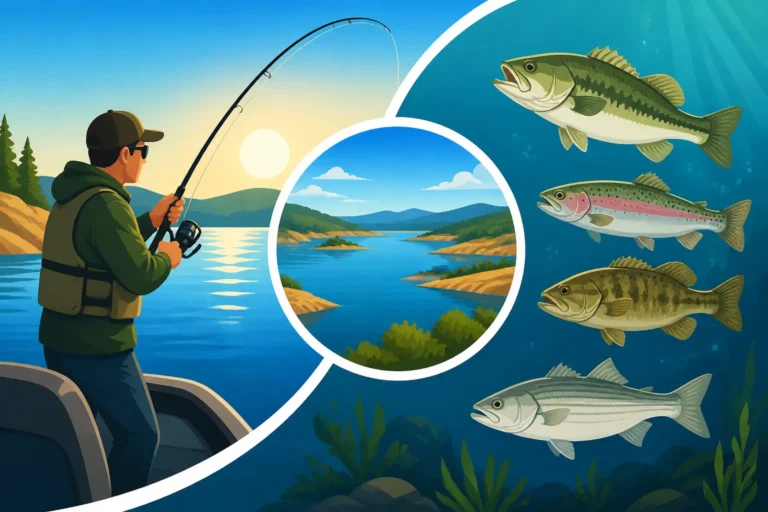
Don Pedro Reservoir is a veritable smorgasbord for anglers, home to a wide array of popular sport fish. Each species has its own preferred habitat, feeding patterns, and, crucially, peak activity times, which means tailoring your approach is key.
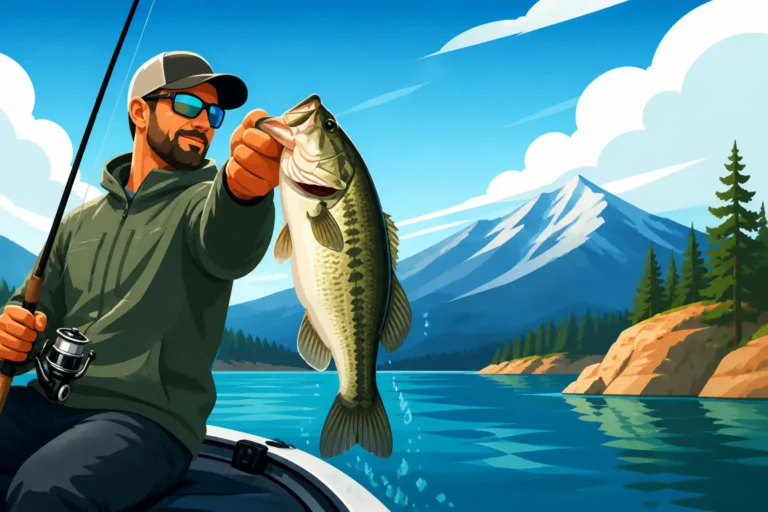
Largemouth and Smallmouth Bass: These are arguably the most sought-after species at Don Pedro. Largemouth bass tend to prefer the warmer, shallower, and more structure-rich areas, often hiding in submerged brush, rock piles, or around docks. Smallmouth bass, on the other hand, favor rocky points, ledges, and deeper, cooler water. Both offer exciting topwater action during certain periods, but their feeding windows can vary dramatically throughout the day and year. Understanding California Bass Fishing Regulations is paramount before you cast a line for these hard-fighting fish.
Kokanee Salmon: For many, kokanee are the crown jewel of Don Pedro. These landlocked sockeye salmon are delicious and offer a unique challenge. They are plankton feeders and typically inhabit the cooler, deeper sections of the lake, often suspended in the water column. Their movements are highly dictated by water temperature and light conditions, making precise timing essential for a successful outing. Serious kokanee anglers meticulously track their seasonal patterns and use specialized trolling techniques.
Trout (Rainbow and Brown): While not as dominant as kokanee, Don Pedro does hold healthy populations of rainbow and brown trout, many of which are stocked by the California Department of Fish and Wildlife. These trout often follow similar temperature preferences to kokanee but can also be found closer to shore during cooler months or near inflowing streams. They provide consistent action, especially for those who enjoy trolling or bait fishing. If you're targeting these, familiarizing yourself with California Trout Limits and Regulations is a must.
Crappie and Catfish: For those looking for a different kind of fight or a tasty meal, crappie and channel catfish are abundant. Crappie school up around submerged trees, brush, and structure, particularly in shallower coves during their spawn. Catfish, known for their powerful pulls, lurk in deeper holes, channels, and along muddy bottoms, often becoming more active in the evenings and overnight.
Decoding Don Pedro's Best Fishing Times by Season
To truly master fishing Don Pedro, you need to think seasonally. The reservoir transforms throughout the year, and with it, the fish's behavior and locations. Let's break down the optimal fishing strategies for each season.
Spring Fishing: The Spawn and the Surface Bite (March-May)
Ah, spring! This is arguably one of the most exciting times to fish Don Pedro Reservoir. As the days lengthen and the water temperatures gradually climb from the mid-50s into the low 60s, a switch flips for many species. This is particularly true for bass, which move into shallower waters for their annual spawn.
During March and April, largemouth and smallmouth bass begin to stage in pre-spawn areas, often congregating on points, secondary humps, and the mouths of coves as they prepare to move onto beds. They're aggressively feeding to build energy for the spawn, making them highly susceptible to a variety of lures. Later in spring, typically late April and May, they'll be actively spawning, often visible on their nests in clear, shallow water. This period offers fantastic opportunities for sight fishing. Post-spawn bass, while sometimes lethargic right after spawning, will quickly resume aggressive feeding to recover, often moving to slightly deeper cover near their spawning areas. Look for them around submerged brush, docks, and rock outcroppings in depths from 5 to 20 feet. Topwater lures can be incredibly effective during the early mornings and late evenings as bass chase baitfish.
For kokanee salmon, spring sees them beginning to ascend from the deepest parts of the lake. They'll generally be found deeper than the bass, but still shallower than in the dead of winter. Trolling with dodgers and small hoochies or wedding rings at depths of 30-60 feet can be very productive. As the water warms, their activity level increases, making them more willing to chase trolled presentations. Trout, particularly rainbows, will also be active, cruising the upper water column and shorelines, especially where fresh water flows in. Bait like PowerBait or nightcrawlers under a bobber, or small spinners, can yield good results.
Summer Strategies: Deep Water and Early Mornings (June-August)
Summer at Don Pedro is characterized by rising water temperatures, which can make fishing a bit more challenging, but certainly not impossible. As surface temperatures climb into the 70s and even 80s, many fish species seek refuge in cooler, deeper waters.
For bass, the prime bite often shifts to the early morning and late evening hours, and even into the night, when surface temperatures are cooler. During the day, you'll need to target deeper structure – humps, ledges, main lake points, and submerged trees in 20-50 feet of water. Techniques like drop-shotting, deep crankbaits, jigs, and Carolina rigs are essential for getting down to where the fish are holding. Look for areas with good oxygen and cover, often near the main river channel or where cooler water from tributaries enters the lake. The bite can be tough mid-day, but patience and persistence with deep-water presentations can pay off with some of the lake's larger bass.
Kokanee salmon are in their prime during the summer. They typically stratify in the thermocline – the layer where water temperature changes rapidly – which usually sits anywhere from 40 to 80 feet deep, sometimes even deeper. Trolling becomes the dominant technique, often with multiple downriggers to cover different depths. Flashers and dodgers paired with kokanee-specific lures like Macks Lure Kokanee Killer, Apex, or Wee Gs in various colors (pinks, oranges, greens) are highly effective. Pay close attention to your fish finder to locate schools of kokanee and baitfish, and adjust your trolling depth accordingly. These fish are sensitive to light, so cloudy days or early mornings can offer a prolonged bite.
Catfish thrive in the warm summer waters. They'll be found in deeper channels and flats, and fishing with cut bait, chicken livers, or stink baits on the bottom in the evening and overnight can be incredibly productive. Crappie, too, can be found schooling around submerged brush in shaded coves, especially during low light hours.
Fall Feast: Aggressive Feeding and Transition (September-November)
Fall at Don Pedro is another fantastic time to fish, often considered by many to be the best overall season. As the scorching summer heat gives way to cooler temperatures, the entire ecosystem undergoes a significant shift. Water temperatures gradually begin to drop, and fish become incredibly active, instinctively trying to gorge themselves in preparation for the leaner winter months.
Bass, both largemouth and smallmouth, will be on the hunt. The cooler water allows them to move more freely throughout the water column, often pushing baitfish into shallower coves and creek arms. This is when you can see explosive topwater action, especially during dawn and dusk. Crankbaits, spinnerbaits, jerkbaits, and swimbaits become highly effective as bass chase down schools of shad. Look for active schooling bass near main lake points, channel swings, and around submerged islands. The fall bite can be some of the most consistent and exciting fishing of the year.
Kokanee salmon continue to be a strong target in the fall, particularly early in the season. As the water cools, they might move slightly shallower or spread out more, but still within the thermocline. Trolling techniques remain effective, and you might find them in slightly different areas than in summer. However, as winter approaches, their numbers in the catch might dwindle as they complete their life cycle. For those who want to experience the thrill of targeting other species, you can find a guide through services like FishingBooker that specializes in fall bass or trout fishing.
Trout fishing picks up significantly in the fall as well. The cooler water energizes them, and they'll be actively feeding on insects and baitfish. Trolling spoons or stickbaits, or casting spinners and small crankbaits along rocky shorelines and points, can be very productive. Bank anglers will find success with PowerBait or nightcrawlers, especially after recent stockings.
Winter Wonderland: Slow But Productive (December-February)
Winter at Don Pedro Reservoir sees the coldest water temperatures, typically dropping into the high 40s to low 50s. While fishing can slow down considerably compared to other seasons, it can still be very rewarding for those who brave the chill and adjust their tactics. This is often the time for trophy fish, as larger, lethargic fish are less apt to chase but might be enticed by slow presentations.
Bass will hold in deeper water, often suspending over structure or hugging the bottom in 30-60+ feet. They become much less active, so slow, subtle presentations are key. Jigs, heavily weighted worms on a Carolina rig, or slow-rolled swimbaits fished painstakingly slowly can trigger strikes. Look for them in areas with warmer bottom temperatures, which can sometimes be found near deep points or channel bends. The bite will be light, so sensitive rods and braided line with a fluorocarbon leader are crucial for detecting those subtle taps. On warmer, sunny days, bass might move up onto sun-drenched rocky banks for a short feeding window in the afternoon.
Kokanee salmon fishing can be challenging in winter, as they often retreat to the deepest parts of the lake and their metabolism slows. However, if you can locate them, vertical jigging with small spoons or slow-trolling micro-lures can sometimes coax a bite. This is a time when having a good fish finder and understanding California Fishing Reports by region can make a huge difference.
Trout, especially rainbows, can offer consistent action in winter. They remain active in the cooler water, often cruising shallower areas than bass, particularly near inlets or areas with submerged vegetation. Trolling spoons or bait behind a dodger, or fishing PowerBait or nightcrawlers from the bank, can be quite effective. Winter is also a great time to target catfish in deeper holes, as they remain somewhat active, especially during warmer spells.
Here's a quick reference table to help visualize the seasonal patterns:
| Species | Spring (Mar-May) | Summer (Jun-Aug) | Fall (Sep-Nov) | Winter (Dec-Feb) |
|---|---|---|---|---|
| Largemouth Bass | Pre-spawn/Spawn, shallow, aggressive. Topwater, jigs, crankbaits. | Deeper structure, early/late bite. Drop-shot, deep cranks, jigs. | Aggressive feeding, shallow/mid-depth. Topwater, cranks, swimbaits. | Deep, slow bite. Jigs, worms, slow presentations. |
| Smallmouth Bass | Pre-spawn/Spawn, rocky points, aggressive. Jigs, tubes, crankbaits. | Deep rocky points, ledges. Drop-shot, jigs, shaky heads. | Active feeding, rocky structure. Jerkbaits, crankbaits, jigs. | Deep, subtle bite on rocky structure. Jigs, finesse worms. |
| Kokanee Salmon | Ascending, mid-depths (30-60 ft). Trolling dodgers & hoochies. | Thermocline (40-80+ ft), active. Trolling flashers & specialized lures. | Active feeding, potentially shallower. Trolling. | Deep, slow, challenging. Vertical jigging, micro-lures. |
| Trout (Rainbow) | Active, near shore/inlets. Trolling, bait, spinners. | Deeper, cooler water. Trolling spoons, bait. | Very active, widespread. Trolling, casting, bait. | Consistent, near shore/inlets. Trolling, bait, spinners. |
| Catfish | Active, shallow coves. Cut bait, worms. | Very active, deep channels/flats, night. Cut bait, stink baits. | Active, varied depths. Cut bait, nightcrawlers. | Slow but catchable, deep holes. Cut bait, prepared baits. |
| Crappie | Spawning, shallow brush. Jigs, minnows. | Schooling deep brush, low light. Jigs, minnows. | Active, brush piles. Jigs, minnows. | Deep brush, slow bite. Jigs, minnows. |
Mastering Daily Timing and Environmental Factors
Beyond the seasonal shifts, the daily rhythm of Don Pedro and the unpredictable nature of weather play equally important roles in determining the best time to fish.
Optimal Times of Day for Various Species
Just because it's the "right" season doesn't mean every hour of the day will be equally productive. Fish have daily routines influenced by light, temperature, and feeding instincts.
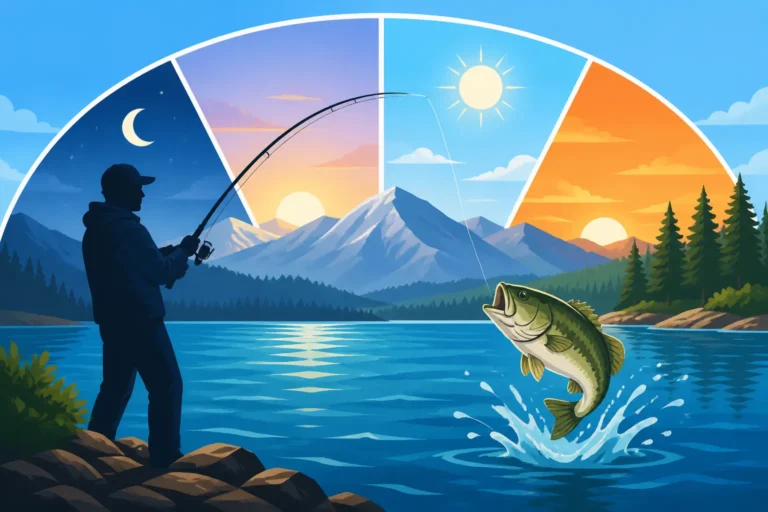
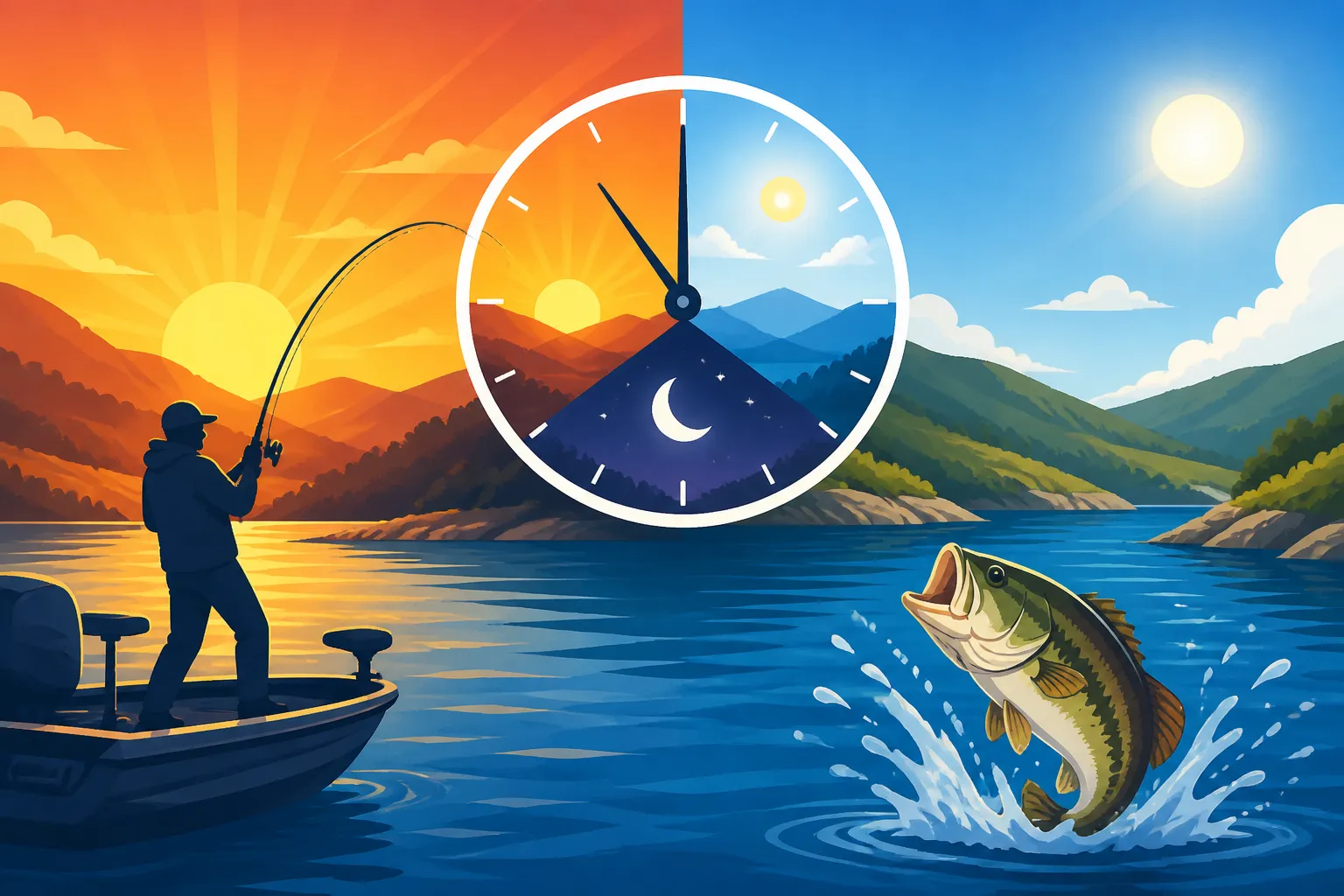
Sunrise and Sunset: These are almost universally the best times to fish for most species in Don Pedro. The low light conditions at dawn and dusk trigger active feeding periods for bass, trout, and even kokanee. Bass will often move shallower to ambush baitfish, making topwater lures incredibly effective. Trout will also cruise closer to shorelines during these cooler, dimmer periods. For kokanee, the reduced light intensity means they might rise slightly in the water column or become more aggressive towards trolled lures. This "golden hour" phenomenon is real, and it's when you often see the most consistent action.
Mid-Day: As the sun climbs high, fish typically retreat to deeper, cooler, or more shaded areas. For bass, this means targeting deep structure, shaded docks, or heavy cover. For kokanee, it means staying firmly within the thermocline. Mid-day can be productive if you're willing to work deeper or more precisely, but it generally requires a slower presentation and more patience. This is often a good time for a relaxed picnic on shore before heading back out for the evening bite.
Night Fishing: Don Pedro is an excellent night fishing destination, especially during the warmer summer months. Catfish become highly active after dark, cruising shallow flats and channels in search of food. Largemouth bass also feed heavily at night, particularly on larger baits, making big swimbaits, jigs, or slow-rolled spinnerbaits effective around lighted docks or shallow points. For a unique experience, consider targeting crappie under submersible lights, which attract baitfish and, in turn, crappie. Just remember to have proper lighting, navigation, and safety gear if you're out on the water after dark.
Understanding Weather and Water Influences
Weather isn't just about comfort for the angler; it profoundly impacts fish behavior.
Water Temperature: This is perhaps the single most critical factor. Each species has an optimal temperature range for feeding and activity. Bass, for instance, are most active when water temperatures are between 60-75°F. Kokanee prefer cooler water, usually in the 50s. A sudden drop or rise in temperature can put fish off the bite for days. Using a water temperature gauge is invaluable. Look for subtle temperature breaks where two different water temperatures meet, as these can concentrate baitfish and predators.
Clarity: Water clarity affects how fish feed and how visible your lures are. In clear water, fish are often more wary, requiring longer leaders, smaller baits, and more natural colors. Stained or turbid water, often after heavy rains or significant runoff, can make fish more aggressive as their visibility is reduced, prompting them to strike at larger, noisier, or brighter-colored lures. Conversely, extremely muddy water can shut down the bite entirely.
Wind: A little wind can be your best friend. A chop on the water breaks up the surface, making it harder for fish to see you and often stimulating them to feed more aggressively. It also creates current and pushes baitfish, concentrating them in certain areas. Wind-blown points and banks are often prime fishing spots. However, too much wind can make boat control and casting difficult, making fishing unproductive and even unsafe.
Rain and Barometric Pressure: A light, steady rain can sometimes trigger an excellent bite, especially for bass, as it cools the surface water and washes terrestrial insects into the lake. Heavy storms, however, often bring a sudden drop in barometric pressure, which can make fish lethargic and less willing to bite. Generally, a stable or slowly falling barometer is good, while a rapidly falling barometer often signals a tough bite. Understanding these nuances is part of becoming a seasoned angler.
Essential Gear, Tactics, and Local Insights
Having the right gear and knowing how to use it is just as important as knowing when to go. Don Pedro's diverse environment demands a versatile approach.
Recommended Lures, Baits, and Tackle
Matching your presentation to the species and conditions is paramount.
For Bass:
- Spring: Spinnerbaits, chatterbaits, lipless crankbaits, jigs (football and skipping), finesse worms (drop-shot, Texas rig), jerkbaits, and topwater lures (poppers, walking baits) are all great options. Look for bold colors in stained water, natural colors in clear water.
- Summer: Deep-diving crankbaits, heavy jigs, Carolina rigs with lizards or worms, drop-shot worms, and shaky heads are excellent for probing deep structure. Early morning topwater or frogs around mats.
- Fall: Crankbaits (medium and deep runners), reaction baits like spinnerbaits and swimbaits, topwater lures, and jigs. Mimic baitfish patterns.
- Winter: Football jigs, heavily weighted finesse worms (drop-shot, shaky head), and blade baits for deep, slow presentations. Small profile, subtle action.
For targeting bass, a medium-heavy baitcasting rod with a fast action, paired with a reliable reel spooled with 12-17 lb fluorocarbon or 30-50 lb braided line (with a fluorocarbon leader), is a versatile setup.
For Kokanee Salmon:
- Year-round (seasonal adjustments for depth): Small trolling lures like mini hoochies, wedding rings, Apex lures, and small spoons (e.g., Koke-A-Nut, Uncle Larry's) are key. These are almost always fished behind a dodger or flasher, which attracts attention and imparts action. Popular colors include pink, orange, chartreuse, and sometimes red or purple. Tip your lure with shoepeg corn marinated in scent (garlic, anise).
For kokanee, a light to medium-light action trolling rod with a sensitive tip, paired with a line counter reel spooled with 8-12 lb monofilament or fluorocarbon, is ideal. Downriggers are essential for precise depth control. You can learn more about specific baits and techniques in our guide on California Kokanee Salmon Fishing Tips.
For Trout:
- Year-round: PowerBait (chartreuse, rainbow, garlic), inflated nightcrawlers, small spoons (Kastmasters, Little Cleos), spinners (Mepps, Rooster Tails), and small stickbaits for trolling. Fly fishing can also be productive in certain areas, especially near inlets.
A light to medium-light spinning rod with 4-6 lb test line is perfect for trout.
For Catfish:
- Year-round: Cut bait (mackerel, anchovy), chicken livers, prepared stink baits, and nightcrawlers. Fish on the bottom with a Carolina rig or a slip-sinker rig.
A medium-heavy rod with 15-25 lb test monofilament or braid is suitable for catfish.
Proven Fishing Techniques for Don Pedro's Waters
Different techniques unlock different opportunities across Don Pedro.
Trolling: This is hands-down the most effective method for kokanee and often for trout. Using downriggers allows you to present lures at precise depths in the water column where these fish are feeding. Vary your speed, lure color, and depth until you find what the fish are hitting. Long-lining (trolling without downriggers) can also be effective for trout and shallower kokanee, especially in spring and fall.
Casting and Retrieving: For bass, casting lures like crankbaits, spinnerbaits, and swimbaits to cover water and trigger reaction strikes is fundamental. For finesse presentations, casting jigs, drop-shot rigs, and Texas-rigged worms allows you to thoroughly work specific pieces of structure. Knowing how to fish for Largemouth Bass in California will provide invaluable insight.
Vertical Jigging: This technique is especially useful in winter for deep bass or when you mark fish directly beneath your boat (often kokanee or schooling bass). Small metal jigs or blade baits dropped directly down and worked with a sharp lift-and-fall motion can entice strikes from lethargic fish.
Bank Fishing: Don Pedro offers numerous access points for bank anglers. While you won't cover as much water as from a boat, areas around the marinas, public recreation sites like Blue Oaks, Moccasin Point, and Fleming Meadows, can be very productive for trout, catfish, and even bass, particularly during spring and fall. Using bait under a bobber or on the bottom is typical, but casting spinners and small spoons can also work wonders.
The Value of Local Guides and Resources
Don Pedro is a huge, complex body of water, and frankly, figuring it all out on your own can take years. That's why local guides and up-to-date resources are invaluable.
A good fishing guide, especially one specializing in Don Pedro, brings years of experience, current knowledge of fish patterns, and often, specialized equipment. They know the secret coves, the productive depths, and the exact lure colors that are hot right now. For first-timers or those looking to master a specific technique like kokanee trolling, investing in a guided trip can accelerate your learning curve dramatically. Many excellent guides operate on Don Pedro, and you can often find reputable ones and read reviews on platforms like FishingBooker, which provides a straightforward way to compare services and availability.
Beyond guides, regularly check local tackle shops in towns like Oakdale or Sonora. They are treasure troves of information, often posting recent catch reports and offering advice on bait and techniques specific to current conditions. Online forums and social media groups dedicated to Don Pedro fishing can also provide real-time insights and connect you with other passionate anglers. And don't forget the importance of official sources like the California Department of Fish and Wildlife website for updated stocking schedules and regulations. If you're planning a trip and want to maximize your chances, consider browsing FishingBooker for highly-rated local guides who can put you on the fish.
Navigating California Fishing Regulations at Don Pedro
Compliance with regulations isn't just about avoiding fines; it's about preserving the incredible fishing opportunities at Don Pedro for future generations.
Licensing, Report Cards, and Bag Limits
Before you even think about casting a line, ensure you have a valid California fishing license. This is non-negotiable for anyone aged 16 or older. You can purchase a license online through the California Department of Fish and Wildlife (CDFW) website or in person at most sporting goods stores and bait shops. It's usually wise to check out our detailed guide on the California Fishing License Guide to make sure you're covered.
Beyond the general license, if you plan on targeting specific species like salmon (including kokanee, even though they're landlocked), you'll also need a California Fishing Report Card. For kokanee, this is usually the California Salmon Report Card. These cards help the CDFW gather critical data on catch rates, which is vital for managing fish populations. Make sure you understand how to properly fill out and return your report card by the deadline, usually January 31st of the following year.
Every species has specific bag and size limits designed to maintain healthy populations. For instance, bass often have minimum size limits and daily bag limits that vary by water body. Kokanee typically have a generous daily bag limit, but it's crucial to know the current regulations, as they can change annually based on population assessments. Always consult the current CDFW Sport Fishing Regulations booklet, available online and at license vendors, before your trip. Pay close attention to "special regulations" for specific waters, as Don Pedro might have unique rules not applicable statewide.
Respecting the Resource: Catch and Release Practices
While harvesting fish for the table is part of the angling experience, practicing responsible catch and release, especially for bass and larger trout, contributes significantly to a healthy fishery. If you plan to release fish, handle them with care.
Here are some best practices:
- Minimize Handling: Keep the fish in the water as much as possible. If you must bring it aboard, wet your hands before touching it to protect its slime coat.
- Use Barbless Hooks: Many anglers pinch down barbs on their hooks, making removal much easier and less traumatic for the fish. California has a California Barbless Hook Requirements rule in some designated waters, so check if Don Pedro is one of them.
- Quick Release: Have your camera ready for a quick photo, then release the fish promptly. Avoid excessively long fights, especially in warm water, as they can exhaust the fish.
- Proper De-hooking Tools: Keep needle-nose pliers or a de-hooking tool handy for quick and safe hook removal.
- Revive If Needed: If a fish appears lethargic, hold it gently in the water, facing into the current, until it regains its strength and can swim away on its own.
By adhering to regulations and practicing ethical angling, you ensure that Don Pedro Reservoir remains a fantastic fishing destination for years to come. Whether you're chasing trophy bass, delicious kokanee, or feisty trout, understanding the "when" of Don Pedro is your ultimate advantage. Tight lines out there!
Disclaimer
Fishing regulations, seasons, and conditions can change rapidly. Always consult the latest official California Department of Fish and Wildlife (CDFW) regulations booklet and local advisories before heading out. This guide is for informational purposes only and does not supersede official government regulations.