Best Time to Fish Crowley Lake
One of the biggest head-scratchers for any angler planning a trip to the Eastern Sierra is trying to figure out the perfect time to hit Crowley Lake. It's a huge body of water, and the fish behavior can change dramatically with the seasons, leaving many folks wondering if they've picked the right weekend. This guide is going to walk you through the nuances of Crowley Lake's fishing calendar, giving you a clear picture of what to expect throughout the year and how to maximize your chances for a truly memorable catch.
Why Crowley Lake Holds a Special Place for Anglers
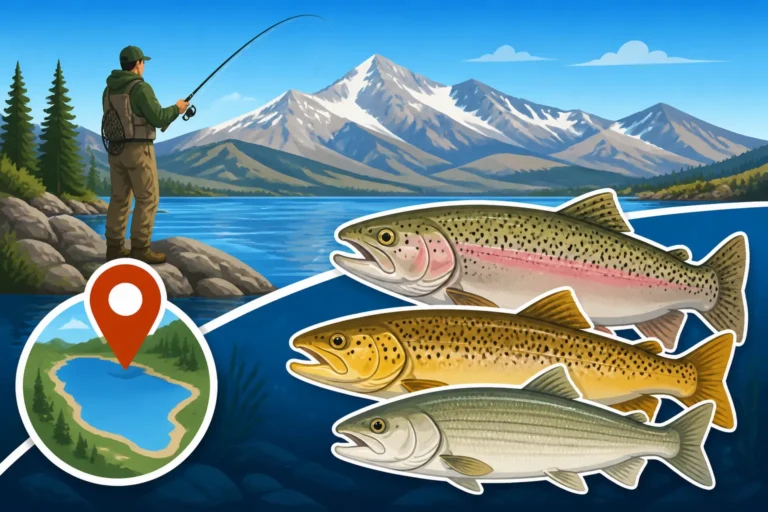
Crowley Lake isn't just any reservoir; it's an iconic destination nestled in the stunning Eastern Sierra, renowned for its fantastic trout fishing. This high-elevation impoundment is managed carefully to produce robust populations of trophy-sized Rainbow, Brown, and Cutthroat trout, along with a healthy contingent of Kokanee salmon. The sheer size of the lake, combined with its abundant aquatic insect life, creates a perfect habitat for these fish to grow large and put up a serious fight. But because it's such a diverse fishery, knowing when to go and what to target can feel a bit overwhelming, especially if you're traveling a long distance to get there. The conditions that make for a great day in May might be totally different from what you'd experience in September.
Understanding Crowley Lake's Fishing Seasons
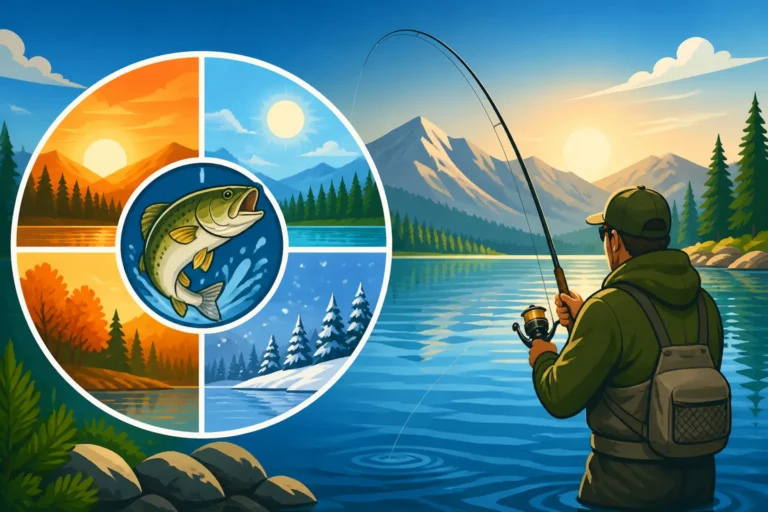
Crowley Lake's fishing season typically opens on the last Saturday of April and closes on November 15th, or earlier if conditions dictate. Each period offers a unique experience, influenced by water temperature, insect activity, and fish behavior.
Spring: Thawing and Awakening
Ah, spring at Crowley! This is arguably one of the most anticipated times for many anglers. The lake has been locked under ice all winter, and as the snow melts and the ice recedes, the fish are absolutely ravenous. Typically, the season kicks off on the last Saturday of April, and it's often a mad dash to get out there. The fish are hungry, having spent the winter under the ice, and they are actively feeding in the shallower, warmer waters where new insect life is beginning to emerge.
During April and May, the water temperatures are still quite cold, usually in the low 40s to low 50s Fahrenheit. This means the trout are often concentrated in specific areas, particularly near the inlets where fresh snowmelt brings in nutrients and slightly warmer water. Think of places like the Owens River channel and McGee Bay, where they'll be cruising for an easy meal. Fly fishing with midges is often the most productive method, as these tiny insects are hatching in huge numbers. Anglers using indicators and small nymph patterns can have incredible success. For those who prefer bait, PowerBait or nightcrawlers fished off the bottom can also be very effective, especially from shore or anchored boats. The initial weeks after opening day can see some truly spectacular catches, but prepare for unpredictable weather – it can go from sunny and calm to windy and snowy in a blink.
Summer: High Season and Warmth
As June transitions into July and August, Crowley Lake truly enters its summer stride. The weather becomes consistently warm, and water temperatures can climb into the 60s Fahrenheit, particularly in the shallower bays. This warmth changes the game for the trout. While they're still active, they often move to deeper, cooler waters during the heat of the day. This is when you'll see a lot more boat traffic, with anglers trolling or drifting in the deeper channels and across the open lake.
Early mornings and late evenings become prime time for surface action, especially around the weed beds and structures where fish might come up to feed on caddis, damsel flies, or even smaller baitfish. Trolling with spoons like Thomas Buoyants or Rapalas, or even F-Lures with a bit of flash, can be highly effective for covering water and finding those scattered fish. Downriggers can be really helpful here to get your lures down to the thermocline where the bigger fish are lurking. Bank anglers might find success by targeting cooler water near springs or deeper drop-offs, often with PowerBait or inflated nightcrawlers. Don't forget about the Kokanee salmon during summer; they’ll often be schooling in deeper water and can be targeted with small dodgers and Kokanee-specific lures. It's a fantastic time for family fishing trips, though patience might be required during the midday lull. If you're looking for a guided trip, consider checking out options on FishingBooker to see what local captains recommend for summer conditions.
Fall: Trophy Time and Cooler Waters
For many serious anglers, fall is the undisputed champion season at Crowley Lake. From September through the lake's closing in mid-November, the conditions are often ideal for targeting trophy trout. The air temperatures cool significantly, which, in turn, causes the lake's water temperatures to drop. This cooling trend invigorates the trout, making them much more active and aggressive as they feed heavily in preparation for winter.
Brown trout, in particular, become very active as they begin their pre-spawn migrations. They move into shallower areas and near structure, often looking for larger meals. This is when tossing streamers or larger swimbaits can entice a truly massive brown. Fly anglers will have a field day with various nymph patterns, especially around the "green weed" areas, and the midge hatches often continue strong. The cooler, clearer water means fish are more willing to chase, and the sheer number of fish in the system makes for exciting days. This is also when you might encounter some of the largest Rainbow and Cutthroat trout of the season. The crowds tend to thin out after the initial fall rush, offering a more serene experience for those willing to brave the crisper autumn air. When considering fall trips, checking the current California Fishing Report Cards Explained for specific species like salmon or steelhead can be crucial for understanding regulations.
Winter: The Off-Season (and Anticipation)
While many of California’s lower-elevation lakes remain open year-round, Crowley Lake is a high-mountain fishery, and as such, it typically closes its fishing season on November 15th, or sometimes earlier if heavy snow and ice make access impossible. For those long winter months, Crowley Lake is often frozen solid, creating a stunning, tranquil landscape under a blanket of snow. There is no ice fishing permitted on Crowley Lake itself.
However, winter at Crowley isn't completely devoid of angler interest. It's a time of eager anticipation for "ice-off." Dedicated anglers often keep a close eye on weather patterns and snowmelt in late winter and early spring, hoping to predict the exact moment the ice will break up and the lake will become fishable again. This anticipation builds towards the grand opening day in late April. Knowing about the different California Fishing Regulations Explained can give you a head start for next year's season opening.
Key Factors Influencing Fishing Success
Beyond just the time of year, several crucial environmental factors play a massive role in how good your day on Crowley Lake will be.
Water Temperature
This is perhaps the single most important factor. Trout are cold-blooded creatures, and their activity levels are directly tied to water temperature.
- Cold Water (40-50°F): Often found in spring and late fall. Fish are sluggish but hungry. They tend to congregate in shallower, slightly warmer areas or near inlets, feeding opportunistically. Slower presentations and smaller baits or flies are key.
- Optimal Water (50-60°F): Ideal for active feeding and fighting. Fish are spread out and aggressive. This temperature range encourages vigorous insect hatches and strong metabolism in the fish, making them chase lures and flies. You'll find these conditions typically in late spring, early summer, and throughout the fall.
- Warm Water (60°F+): Common in mid-summer. Fish become stressed and seek deeper, cooler waters. Fishing can be tougher during the day, with best results found during cooler low-light hours. Focus on the thermocline or deep structure.
Trout Spawning Cycles
Different trout species have different spawning times, which impacts their behavior and location in the lake.
- Rainbow Trout: Generally spring spawners, but Crowley's unique environment can see some earlier activity. During their pre-spawn, they are often aggressive feeders.
- Brown Trout: Primarily fall spawners. As autumn progresses, brown trout become increasingly aggressive as they prepare to move into tributaries to lay eggs. This makes them a prime target for trophy hunters in September and October, often near structure or stream mouths.
- Cutthroat Trout: Also typically spring spawners, often migrating into tributary streams. Understanding their movements can help you locate them during their active feeding periods before and after the spawn. These trout are often found in areas with good weed growth, searching for insect larvae.
Insect Hatches
Crowley Lake is famous for its prolific insect life, and understanding the dominant hatches can make or break a fly-fishing trip.
- Midges: These tiny insects are the bread and butter of Crowley fishing, hatching year-round, but especially important in spring and fall. Imitations are critical for consistent success, often fished under an indicator.
- Caddisflies: Hatching in spring and summer, caddis pupa and adult patterns can be very effective, especially during evening hatches.
- Damselflies: Significant in summer, particularly around weed beds. Trout will actively chase damsel nymphs, making them a great target for fly anglers.
- Mayflies: While not as dominant as midges, various mayfly species hatch throughout the warmer months, providing additional feeding opportunities.
Weather Patterns and Barometric Pressure
Just like anywhere else, weather at Crowley Lake plays a huge role.
- Sunny vs. Cloudy: Bright, sunny days can drive fish deeper, while overcast conditions often encourage them to feed in shallower water.
- Wind: Wind can be a blessing or a curse. A light chop can break up the surface, making fish less wary, but strong winds can make boat control and casting difficult, especially for fly fishing.
- Barometric Pressure: Stable or rising barometric pressure often corresponds with active feeding, while rapidly dropping pressure (signaling a storm) can shut down the bite. Always check the forecast before heading out to this high-elevation lake.
Best Times by Species at Crowley Lake
While Crowley Lake is primarily a trout fishery, each species has its nuances regarding optimal fishing times.
Rainbow Trout
Rainbows are the most abundant species in Crowley Lake and are generally active throughout the entire season.
- Spring (Opening Day – June): Excellent. Rainbows are hungry and active, often found in shallower water near inflows as the lake warms up. Midges and small nymphs are key for fly anglers, while PowerBait and inflated nightcrawlers work well for bait.
- Summer (July – August): Good. They move to deeper, cooler water during the day but can be found shallow during low-light hours. Trolling with spoons or small swimbaits at depth is effective.
- Fall (September – October): Very Good. As water cools, they become aggressive again, actively feeding. Streamers, nymphs, and trolled lures all produce.
Brown Trout
Browns are often the target for trophy hunters, known for their size and elusive nature.
- Spring (Opening Day – June): Good. After winter, they are opportunistic feeders. Look for them cruising structure.
- Summer (July – August): Fair. They can be tough to find in summer as they seek deep, cool water. Best targeted early or late in the day with larger presentations.
- Fall (September – October): Excellent. This is prime time for big browns. They become very aggressive as they prepare for their spawn. Target them with large streamers, stickbaits, or swimbaits near rocky points, drop-offs, and stream mouths. This is the time to chase that personal best.
Cutthroat Trout
Crowley's Cutthroat are known for their beautiful markings and strong fights.
- Spring (Opening Day – June): Very Good. Similar to rainbows, they are active in shallower areas, particularly around weed beds and areas with emerging insect life. Midge and callibaetis patterns can be very effective.
- Summer (July – August): Good. They'll follow bait and insects into deeper water but remain catchable.
- Fall (September – October): Good. Still active feeders, though often overshadowed by the larger brown trout chasing. Focus on general trout tactics.
Kokanee Salmon
These landlocked sockeye salmon offer a different kind of fight and are excellent table fare.
- Summer (July – August): Excellent. Kokanee are most actively targeted in the summer months when they school up in deeper parts of the lake. Trolling with dodgers and small, brightly colored lures or scented baits like corn is the most common and effective method.
- Fall (September – October): Fair to Good. As fall progresses, they begin their spawning run and turn red, becoming less interested in feeding and more focused on reproduction. While still catchable, their meat quality declines.
Crowley Lake Fishing Calendar
Here’s a quick overview of what to expect throughout the open season at Crowley Lake:
| Month | Primary Target Species | Key Activity/Conditions | Recommended Techniques | Notes |
|---|---|---|---|---|
| Late April | Rainbow, Cutthroat, Brown | Opening Day frenzy, ice-off, cold water, hungry fish | Midges, nymphs (fly fishing); PowerBait, nightcrawlers (bait) | Crowded. Fish concentrated in shallow, warmer areas. |
| May | Rainbow, Cutthroat, Brown | Continued ice-off recovery, strong midge hatches | Fly fishing (midges, nymphs); trolling, bait from shore/boat | Excellent overall trout fishing. Weather can be variable. |
| June | Rainbow, Cutthroat, Brown, Kokanee | Water warming, increasing insect activity (caddis, damsels) | Fly fishing (nymphs, dries); trolling (spoons, Rapalas) | Fish beginning to spread out; good action for all species. |
| July | Rainbow, Kokanee, Brown | Peak summer warmth, fish deeper during day | Trolling with downriggers; early/late surface action | Focus on deeper water, low-light hours. Good for Kokanee. |
| August | Rainbow, Kokanee, Brown | Warmest water, consistent deep trolling | Trolling (dodgers/lures for Kokanee, larger spoons for trout) | Kokanee highly active. Trout can be challenging mid-day. |
| September | Brown, Rainbow, Cutthroat | Water cooling, brown trout pre-spawn activity | Streamers, large nymphs (fly); trolling, jigging, swimbaits | Prime time for trophy brown trout. |
| October | Brown, Rainbow, Cutthroat | Continued cooling, aggressive feeding, fewer crowds | Same as September; focus on structure, drop-offs | Excellent all-around trout fishing. Beautiful fall colors. |
| Early Nov | Brown, Rainbow, Cutthroat | Last weeks of season, cold water, very active fish | Similar to October, but slower presentations might be needed | Season close on Nov 15. Check weather, limited services. |
Essential Tips for Maximizing Your Crowley Trip
No matter when you decide to visit Crowley Lake, a little preparation goes a long way to ensure a successful and enjoyable trip.
Check Current Conditions Religiously
Crowley Lake is in a dynamic mountain environment, and conditions can change rapidly. Before you even leave home, make it a habit to check current local fishing reports and weather forecasts. Look for information on water temperature, clarity, recent plant schedules (if applicable, though Crowley is largely a wild-managed fishery with some stocking), and what flies or lures are currently performing well. Many local tackle shops in Bishop, Mammoth Lakes, or June Lake provide up-to-the-minute reports that are invaluable. These resources often include details on specific bays or areas that are hot. For instance, sometimes McGee Bay is on fire, while the North Arm is quiet. Staying informed can save you a lot of wasted time on the water.
Gear and Techniques for Each Season
Having the right gear is critical. You wouldn't use a heavy salmon setup for delicate midge fishing, right?
- Spring & Fall Fly Fishing: A 5 or 6-weight fly rod is versatile. You'll want a floating line for indicator nymphing (especially with midges like zebra midges or larva patterns) and a sinking line or sink-tip for streamers if targeting bigger browns. Leaders should be long and fluorocarbon for stealth.
- Summer Trolling: A medium-light spinning or casting rod with 8-10 lb test line is good. Having a variety of lures is key: spoons (like Thomas Buoyants, Kastmasters), Rapalas, or specialized Kokanee rigs (dodgers, wedding rings). Don't forget downriggers if you plan to target deeper fish.
- Bait Fishing (all seasons): A medium-action spinning rod with 6-8 lb test. A selection of PowerBait (chartreuse, rainbow), inflated nightcrawlers, and a variety of sinkers and hooks (sizes 6-10) will cover most situations. Remember a net for landing fish, especially the larger ones. For more specific guidance on what to use, a comprehensive guide to California Trout Fishing Techniques can be incredibly helpful.
Consult Local Experts and Reports
There's no substitute for local knowledge. Stop by tackle shops like The Troutfitter in Mammoth Lakes or Crowley Lake Fish Camp. The folks working there live and breathe Crowley Lake fishing. They can tell you exactly what’s hatching, what depth the fish are holding at, and even point you to the hottest spots of the week. Many even offer guide services if you're keen to learn the ropes from a pro. When planning a trip, especially if you're coming from out of town, consider looking for a local guide on platforms like FishingBooker. They can save you hours of trial and error, getting you straight to the fish. Also, keep an eye on online forums and social media groups dedicated to Eastern Sierra fishing; anglers often share their success stories and tips there.
Crowley Lake truly is a jewel of the Eastern Sierra, offering world-class trout fishing experiences across its diverse seasons. By understanding the rhythms of the lake and its fish, you can significantly increase your chances of having an unforgettable day on the water.
Disclaimer
The information provided in this guide is for general informational purposes only and is subject to change. Fishing regulations, season dates, and conditions can vary significantly and are regularly updated by the California Department of Fish and Wildlife (CDFW). Always consult the latest official CDFW regulations booklet or website before heading out to fish in California.