California Trolling Tips and Techniques
Let's face it, trolling in California's incredibly diverse waters can feel like an art form, not just a technique. You've got everything from vast, deep mountain lakes to turbulent coastal bays and the endless blue of the Pacific. Figuring out the right speed, depth, lure, and even where to start can be daunting, leading to frustrating days with an empty cooler. This comprehensive guide is here to demystify California trolling, offering practical tips and techniques to help you consistently put fish in the boat, no matter your target species or chosen waterway.
Understanding California's Trolling Environments
California's unique geography presents a fantastic array of trolling opportunities, but each environment comes with its own set of challenges and specific strategies. What works in a serene alpine lake certainly won't cut it offshore, and vice-versa. Understanding these differences is your first step to becoming a more effective troller.
Freshwater Lakes and Reservoirs
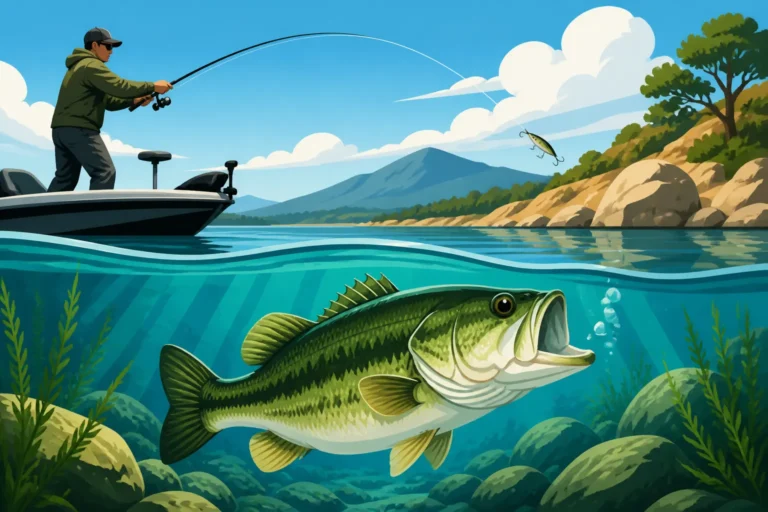
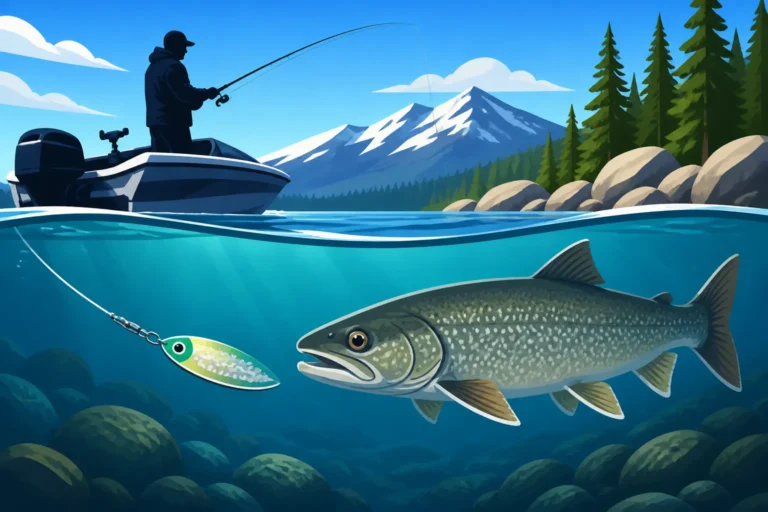
When you're out on one of California's many freshwater lakes or reservoirs, like the sprawling Lake Shasta or the picturesque Lake Tahoe, you're primarily targeting species like trout, kokanee salmon, and sometimes even landlocked stripers or bass. These environments often feature clear water, significant depth variations, and distinct thermoclines that dictate where fish will be holding.
For example, trout and kokanee often prefer cooler waters, so finding that thermocline – the layer where warm surface water meets colder deep water – is absolutely crucial. This might mean running your lures anywhere from 20 to 100 feet deep, depending on the time of year and the specific lake. You'll also encounter structure like submerged trees, rock piles, and old creek beds that can hold baitfish and, consequently, predator fish. Trolling in these areas requires precision to avoid snags while still presenting your lure effectively. The challenges often include dealing with recreational boat traffic, adapting to sudden weather changes, and deciphering sometimes subtle bite patterns.
Coastal Bays and Estuaries
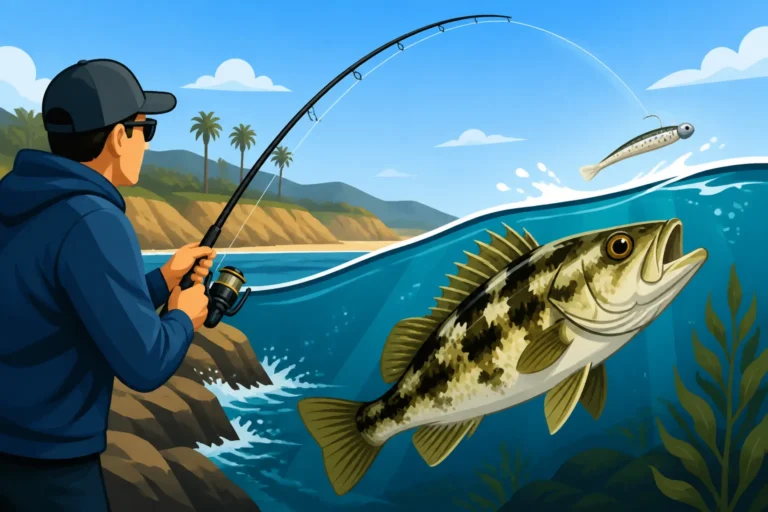
Shifting gears to coastal bays and estuaries, such as San Francisco Bay or Morro Bay, the game changes entirely. Here, you're contending with powerful tides, fluctuating salinity, and often murky waters. Target species frequently include California halibut, striped bass, and even some migratory salmon. Trolling in these areas is less about depth and more about current, structure, and bait presence.
The dynamic nature of tides means that fish will position themselves differently throughout the day, often congregating in areas where current brings them an easy meal. Think about the mouths of sloughs, channel edges, or around prominent structures like bridges and jetties. Because visibility can be low, scent and vibration become incredibly important. You might find yourself trolling shallower, often within 10-30 feet of the bottom, especially when targeting halibut that are ambushing prey. One of the biggest frustrations here can be dealing with weed lines and debris that foul your lines, requiring constant vigilance and clean-up. Understanding the local California Halibut Regulations and Limits is paramount before heading out.
Offshore Pelagic Zones
Finally, when you venture out into the vast blue of California's offshore pelagic zones, from San Diego up to Bodega Bay, you're entering a realm of fast-moving, hard-fighting species like bluefin tuna, yellowtail, dorado (mahi-mahi), and even some albacore. This is a big water game, often involving long runs and searching for signs of life.
The open ocean means you're looking for different cues: temperature breaks, current seams, bird activity (especially diving birds indicating baitfish), and debris lines. Trolling here is often done at higher speeds, covering significant ground to locate schools of fish. Your lures are typically much larger, designed to mimic mackerel, squid, or other pelagic baitfish. The depth is less of a concern than in freshwater, as these fish are often cruising near the surface or just below, following bait. The biggest challenges here are the unpredictable ocean conditions, the sheer scale of the search, and the intense, often chaotic, fight when you finally hook into a powerful tuna. Knowing California Offshore Fishing Techniques is a skill honed over many trips.
Essential Trolling Gear for California Waters
Having the right equipment is non-negotiable for successful trolling in California. It's not just about having a rod and reel; it's about matching your gear to the environment and the species you're pursuing. Skimping on tackle can lead to lost fish, frustrating break-offs, and an overall less enjoyable experience.
Rods, Reels, and Lines for Trolling
The right rod and reel combo can make all the difference, providing the backbone to handle powerful strikes and the leverage to fight fish, sometimes for extended periods.
For freshwater trolling, especially for trout and kokanee, you'll want a medium-light to medium action rod, typically 7-9 feet long, paired with a small to medium-sized level-wind reel or a sturdy spinning reel. These setups are sensitive enough to detect subtle bites but still have enough power for fighting active fish. Line choices often lean towards 8-12 lb monofilament or fluorocarbon, sometimes incorporating lead core line for depth control. When fishing larger lakes for bigger trout or even landlocked stripers, you might step up to a medium-heavy rod and a reel spooled with 15-20 lb braid with a fluorocarbon leader. A good quality reel will ensure smooth drag performance, which is vital when a big fish makes a sudden run. You can find excellent options on Amazon for these setups, often at competitive prices.
Transitioning to saltwater, particularly for inshore species like halibut and striped bass, a medium to medium-heavy trolling rod, around 6-7 feet, with a fast action tip and strong backbone is ideal. These are usually paired with conventional reels spooled with 30-50 lb braided line, often with a 20-40 lb fluorocarbon leader. The braid offers incredible sensitivity for detecting light bites and reduced diameter for cutting through currents, while the fluorocarbon leader provides invisibility and abrasion resistance. For offshore pelagic species like tuna, you're looking at heavy-duty conventional setups, often 50-80 lb class rods and reels spooled with 80-130 lb braided line, sometimes even heavier, designed to handle the sheer power and speed of these offshore beasts.
Lures, Baits, and Terminal Tackle
This is where the artistry of trolling really comes into play. The right presentation is everything, and having a diverse tackle box is key.
For freshwater trout and kokanee, spoons are king. Brands like Dick Nite, Wedding Ring, and Needlefish are perennial favorites. Small hootchies and dodgers are also incredibly effective for kokanee, mimicking plankton or small baitfish. Trolling flies, particularly dry flies or nymphs under a strike indicator, can also be deadly in certain conditions. Live bait, like minnows or worms, can be trolled effectively with the right rigging. Terminal tackle will include swivels to prevent line twist, small snaps for quick lure changes, and various weights or trolling sinkers to get your presentation to the desired depth. Make sure to check out some of the Best Lures for California Trout before your next trip.
In saltwater, especially for halibut, lead head jigs tipped with plastic swimbaits (like those from Big Hammer or Berkley Gulp!) are incredibly popular and effective when trolled slowly along the bottom. Large bucktail jigs can also work wonders. For striped bass, lipped crankbaits that dive to specific depths, soft plastic swimbaits, and even large spoons are go-to choices. When targeting offshore tuna and yellowtail, you'll need a range of large trolling lures: skirted lures (often called "tuna feathers" or "jet heads") in various colors, diving plugs that imitate mackerel or sardines, and even cedar plugs. Live bait, such as mackerel or sardines, trolled on circle hooks, is often the most effective method for aggressive game fish. Always ensure your terminal tackle, including hooks, swivels, and leader material, is robust enough to handle the size and fight of your target species.
Downriggers, Planer Boards, and Lead Core
These specialized tools allow you to precisely control your lure's depth and spread, significantly increasing your trolling efficiency and coverage.
Downriggers are essential for precise depth control, particularly in freshwater lakes for trout and kokanee, but also offshore for species that hold deeper. They use a heavy cannonball weight (often 8-15 lbs) on a steel cable to pull your main line down. A release clip holds your fishing line, and when a fish strikes, the line pops free, allowing you to fight the fish directly without the weight. This is invaluable for presenting lures at exact depths in the water column, especially when fish are concentrated in a specific thermal layer. Many modern downriggers, like those from Cannon or Scotty, offer electric retrieval and depth-tracking features, making them a joy to use.
Planer boards are devices that trail off to the side of the boat, pulling your fishing lines away from the prop wash and allowing you to cover a wider swath of water. This is incredibly useful in freshwater to present multiple lines without tangles, effectively creating a "spread." In saltwater, especially for salmon, larger planer boards can also be used to get lures away from the boat, presenting them to less wary fish.
Lead core line is another excellent tool for depth control, especially for freshwater applications where downriggers might be overkill or impractical. This line has a lead core wrapped in a braided sheath, causing it to sink. Typically, one color of lead core (usually 10 yards) will sink your lure approximately 5 feet at a trolling speed of 2 mph. By knowing how many colors you have out, you can estimate your lure's depth. It requires a slightly larger reel due to its thicker diameter but offers a very effective and relatively simple way to get lures deep without additional weights on your main line.
| Trolling Gear | Primary Use Case | Key Advantages | Considerations |
|---|---|---|---|
| Downriggers | Deep-water precision, e.g., Kokanee, Lake Trout | Exact depth control, clean fight | Heavy, can be cumbersome, specialized |
| Planer Boards | Spreading lines, covering wide area | Avoids prop wash, presents to wary fish | Requires open water, can be tricky in turns |
| Lead Core Line | Moderate depth control, simpler setup | No external weights, good for varied depths | Thicker diameter, less direct feel, slow retrieval |
| Diving Planers | Depth control without heavy weights | Compact, adjustable dive depth | Can interfere with fight, adds drag |
Trolling Techniques for Different Species
Effective trolling isn't just about dragging a lure behind a boat; it's about understanding the specific behaviors and preferences of your target species. Each fish demands a slightly different approach, from speed and depth to lure choice and presentation.
Trolling for Salmon and Steelhead
In California, salmon and steelhead trolling are primarily freshwater pursuits in rivers and large reservoirs, though Chinook (King) salmon are also a major target offshore. For freshwater California Salmon Fishing Regulations, it's important to remember that seasons and regulations can vary wildly by river system.
When targeting salmon, especially Chinook and coho in the ocean or large bays like San Francisco Bay, you'll typically be looking for bait balls on your sonar. Trolling speeds usually range from 2.0 to 3.5 mph. Key to success is finding the right depth. Salmon often feed in the upper water column but can hold much deeper. Downriggers are almost always essential here, often set at depths ranging from 30 to 100+ feet, depending on conditions and the behavior of the baitfish. Favorite lures include large spoons (e.g., Silver Horde, Coyote), hootchies, and Brad's Killerfish plugs, often fished behind a dodger or flasher. Scent is also incredibly important; adding bait scents to your lures or even wrapping a strip of herring on your hook can be a game-changer. Keeping an eye on the California Salmon Season Dates Explained is crucial, as they can change based on fish returns and environmental factors. For river-run steelhead, smaller, more subtle presentations like small plugs or even flies trolled slowly in deeper pools can be effective.
Trolling for Trout and Kokanee
Trout and kokanee salmon are staples of California's mountain lakes and reservoirs. These fish are often found in specific temperature zones, making precise depth control vital.
For rainbow trout and brown trout, trolling speeds are generally slower, around 1.5 to 2.5 mph. Your target depth will depend on the season; in spring, they might be shallower, but as summer heats up, they'll retreat to the thermocline. Lead core line or downriggers are incredibly effective for getting small spoons (e.g., Kastmaster, Little Cleo), small crankbaits, or even trolled nightcrawlers (rigged on a wedding ring or similar spinner) down to where the fish are. When a lake undergoes a trout stocking, as many DFW-managed lakes do, trout can be found in a wider range of depths, sometimes even near the surface. You'll want to review How to Fish for Trout in California for more specific tips.
Kokanee salmon are a different beast. They are plankton eaters, often schooling tightly and holding at very specific depths. Trolling for kokanee is almost exclusively done with downriggers to maintain perfect depth. Speeds are typically slower, 0.8 to 1.5 mph. The most popular lures are small hootchies or mini squids, often in bright pinks, oranges, or chartreuses, fished behind a small dodger or flasher (like a Paulina Peak or Sep's dodger). Scent is paramount for kokanee; krill, garlic, or a combination often sprayed or injected into the hootchie, can draw them in. Finding that exact depth where the kokanee are schooled is the key, and your sonar will be your best friend.
Trolling for Halibut and Striped Bass
These two species are often found in similar estuarine and bay environments, but their trolling tactics can differ significantly due to their feeding habits.
California halibut are ambush predators, often lying flat on the bottom, camouflaged, waiting for an unsuspecting meal to swim by. This means your trolling technique needs to get your lure right in their face. Slow trolling is critical, typically 0.8 to 1.5 mph, just enough to get your lure wiggling enticingly. You want your lure to "dust" the bottom, occasionally kicking up a puff of sand or mud. Lead head jigs with plastic swimbaits are incredibly effective, as are live bait offerings like anchovies, sardines, or small smelt trolled on a dropper loop rig. Using a three-way swivel with a lead weight on a short dropper and your lure on a longer leader is a common setup. Target sandy or muddy flats, channel edges, and areas with current breaks. Remember to be mindful of the California Halibut Size and Bag Limits to ensure you're fishing legally.
Striped bass, on the other hand, are more active hunters, often chasing baitfish schools in open water or along current lines. Trolling for stripers, particularly in the California Delta or large bays, can be done at slightly higher speeds, 2.0 to 4.0 mph, depending on the lure and water conditions. Large diving crankbaits (e.g., Bomber, Yo-Zuri), umbrella rigs, or large swimbaits are popular choices. These lures are designed to imitate larger baitfish like shad or anchovies. Stripers are often found around structure, current seams, and areas where baitfish are abundant. Depth can vary, but often they are found in the middle to upper water column, especially during feeding frenzies. Make sure you're up to date on California Striped Bass Regulations before your trip.
Trolling for Tuna and Yellowtail
This is where California's offshore scene truly shines, offering thrilling battles with powerful pelagic species.
Bluefin tuna and yellowfin tuna are high-speed, hard-fighting fish that require robust gear and aggressive tactics. Trolling speeds can range from 6 to 10+ mph, aiming to cover vast expanses of ocean. Skirted lures, often referred to as "jigs," in various colors (typically black-and-purple, Mexican flag, or green-and-yellow) are incredibly popular. Cedar plugs are also a traditional and effective choice. Spreader bars, designed to mimic a school of baitfish, can be very effective in drawing tuna to your spread. Often, a combination of lures at different distances behind the boat, creating a "spread," is used. When a tuna hits, it's usually explosive! Live bait is also a top choice once a school is located. For more on this, check out How to Catch Bluefin Tuna off California.
Yellowtail, known for their aggressive strikes and powerful runs, are often found around kelp paddies, high spots, and submerged structure. Trolling for yellowtail can involve speeds similar to tuna, but also slower presentations when fishing around kelp. Trolling diving plugs (e.g., Rapala X-Rap, Nomad Design DTX Minnow) that imitate mackerel or sardines is very effective. Surface iron or stickbaits can also be trolled. When you find a kelp paddy, trolling around its edges or even just outside it can yield fantastic results. Once a fish hits, the fight is characterized by strong, downward pulls. You'll want to explore the California Yellowtail Fishing Guide for in-depth tactics.
Reading the Water and Maximizing Success
Trolling effectively is as much about reading the environment as it is about dragging a lure. The most successful anglers are constantly interpreting clues from their electronics, the water itself, and even the behavior of other boats.
Interpreting Sonar and Electronics
Your fish finder (sonar) and GPS are your best friends on the water, providing invaluable insights into what's happening beneath the surface. Don't just turn them on; learn to read them.
A good sonar unit will show you depth, water temperature, and, most importantly, fish arches or bait balls. Learning to distinguish between small baitfish schools and larger predator fish arches takes practice. For instance, a tightly packed school of bait might appear as a dense cloud, while individual large fish might show up as distinct, strong arches. The presence of bait is often the biggest indicator of where game fish will be. For freshwater, look for suspended fish in the thermocline. For saltwater, watch for bait near structure, current breaks, or suspended in the open ocean. Your GPS, meanwhile, is crucial for marking productive spots, tracking your trolling path, and identifying specific contours or structure. If you get a bite or see good fish sign, mark it immediately. This allows you to make precise turns and troll back through the productive zone. Many modern units also offer side-scanning or down-scanning features, giving you an even clearer picture of submerged structure and fish holding close to it.
Understanding Tides, Currents, and Water Temperature
These environmental factors have a profound impact on fish behavior and, consequently, your trolling success. Ignoring them is like fishing blind.
Tides and Currents: In saltwater, tides create currents, and currents move bait and position fish. An incoming or outgoing tide might be more productive depending on the location and species. For example, halibut often bite best on a slowing tide, while striped bass might prefer a stronger current to ambush prey. Learn to read tidal charts for your fishing area. Strong currents can also affect your lure's depth and action, requiring adjustments to your speed or weight. Always troll with the current or against it, rarely across it, as this can create unnatural lure action and make depth control difficult.
Water Temperature: Temperature is arguably the single most important factor for many fish species. Every fish has a preferred temperature range. Trout and kokanee love cold water; tuna and dorado chase warm water. Your boat's temperature gauge is a vital tool. In freshwater, pay attention to the thermocline, as fish will often congregate along it. Offshore, look for temperature breaks where cooler, nutrient-rich water meets warmer surface water; these often concentrate bait and predators. A sudden drop or rise in temperature as you troll can indicate a productive zone or a barren one.
Adjusting Speed and Depth
Once you've got your gear ready and your electronics humming, fine-tuning your speed and depth is where you turn observations into action.
Speed: This is rarely a set-it-and-forget-it parameter. Different lures have optimal speeds at which they perform their best, and different species react to different retrieve rates. Spoons often need a faster troll to impart their wobbling action, while live baits might require a very slow "mooching" speed. If you're not getting bites, try varying your speed. Even small adjustments of 0.1 to 0.5 mph can make a huge difference. Watch your rod tips – are your lures working properly? Is the action natural? If you're getting short strikes, sometimes speeding up or slowing down can entice a more committed bite.
Depth: Getting your lure to the right depth is crucial. This is where tools like downriggers, lead core, and diving planers shine. Always keep an eye on your sonar. Are the fish suspended at 40 feet? Then get your lures to 40 feet. Is your target bottom-dwelling like halibut? Then keep your lure within a few feet of the bottom, occasionally making contact. Factors like current, line diameter, and lure resistance will affect your actual depth, so monitor your electronics closely. Sometimes fish will move up or down the water column throughout the day, so don't be afraid to experiment with different depths until you find the sweet spot.
Advanced Trolling Strategies and Troubleshooting
Even with the best gear and knowledge, trolling can throw curveballs. Mastering advanced strategies and knowing how to troubleshoot common issues will significantly improve your catch rates and reduce frustration.
Pattern Trolling and Spreader Bars
Moving beyond just dragging a single line, advanced anglers use patterns and specialized rigs to maximize their chances.
Pattern Trolling: This involves creating a specific arrangement of lures at different depths and distances behind the boat. For offshore tuna, a typical spread might involve a couple of long lines way out back (e.g., 200-300 feet), a couple of short lines closer to the boat (e.g., 50-100 feet), and perhaps a "shotgun" lure extra far back down the middle. Each lure would likely be at a different depth, using a combination of topwater plugs, diving plugs, and subsurface skirts. The goal is to cover as much of the water column and horizontal spread as possible, mimicking a natural school of baitfish. When one rod gets a bite, it tells you something about what the fish are keying in on, and you can then adjust the rest of your spread accordingly. This also applies to freshwater, where multiple lines at varying depths and distances using planer boards can draw in wary fish.
Spreader Bars: These are truly effective tools for offshore pelagic species, particularly tuna. A spreader bar is a rigid or flexible bar with multiple teaser lures or squids attached, often ending with a "stinger" lure that has the hook. When trolled, the bar and teasers create the illusion of a small school of baitfish scattering through the water, attracting the attention of large predators. The main idea is that the fish will come in to attack the "school," and then hit the hooked stinger lure which is usually slightly different or positioned to be the easiest target. These can be incredibly productive, drawing fish in from a distance and triggering aggressive strikes. You can find ready-to-deploy spreader bars for various species and conditions on Amazon, often with different color and size configurations.
Dealing with Fouled Lines and Weeds
One of the most common and frustrating aspects of trolling, particularly in bays, estuaries, or near shorelines, is dealing with fouled lines and weeds. It's a universal problem that can quickly ruin a productive bite.
Fouled Lines: This often happens when lines get too close together, especially during turns or when one line picks up a fish and swings into another. Trolling with an organized spread, using planer boards, or simply maintaining appropriate spacing between your lines can minimize this. If you're running multiple downriggers, stagger their depths slightly. When a fish hits, clear any adjacent lines immediately to prevent tangles. Sometimes, a "tangle diver" or small piece of bright tape on your line can help you visually track your lines and anticipate issues. If you do get a foul, reel in slowly and methodically to untangle rather than yanking, which can make things worse.
Weeds and Debris: California's waters, especially bays and rivers, can have a lot of floating vegetation, kelp, or debris. A fouled lure is a dead lure – it won't have the right action and won't catch fish. The best defense is constant vigilance. Periodically check your rod tips for unusual action or slack, which can indicate a fouled lure. Implement a routine to check and clear your lines every 15-30 minutes, especially if you're in an area known for weeds. A simple line-clearing tool or even a stick can help dislodge debris without reeling in the entire line. For heavy weed areas, consider using weedless lures or presentations, or simply move to a cleaner trolling lane.
Safety and Regulations Specific to Trolling
Beyond just catching fish, safety and adherence to regulations are paramount for any angler. Trolling adds a few specific considerations to the list.
Safety: When trolling, especially offshore, you're often covering long distances, sometimes in unpredictable conditions. Always check the marine weather forecast before heading out and keep an eye on changing conditions. Ensure your boat is properly equipped with all required safety gear, including PFDs (life jackets), flares, a horn, and a functioning VHF radio. If you're running multiple lines, be aware of line entanglement hazards, both with other lines and with your boat's propulsion. Communicate with your crew about where lines are deployed and when you're making turns. For long offshore trips, let someone ashore know your float plan.
Regulations: California fishing regulations are complex and vary significantly by region, species, and season. Before every trip, it's absolutely essential to consult the latest California Department of Fish and Wildlife (CDFW) regulations booklet or their website. Pay close attention to:
- California Fishing License Guide: Ensure every angler on board has a valid license. Even if someone isn't actively fishing but is helping with lines, they might need one.
- Bag and Size Limits: Know the specific limits for the species you're targeting. For instance, California Salmon Report Cards are often required even for catch-and-release, and they must be filled out correctly.
- Season Dates: Open and closed seasons can change annually, especially for salmon and rockfish.
- Gear Restrictions: Some areas or species have specific rules, such as barbless hooks only, or restrictions on the number of hooks per lure.
- Marine Protected Areas (MPAs): Know where these "no-take" zones are located. Unknowingly trolling through an MPA can lead to significant fines.
- Depth Restrictions: For certain species like rockfish, there are specific depth restrictions that vary by management area and season, as outlined in California Rockfish Depth Restrictions.
Always remember, regulations are there for conservation and safety, so familiarize yourself with them thoroughly.
Disclaimer
Please note that fishing regulations, seasons, and limits in California are subject to change by the California Department of Fish and Wildlife (CDFW). While every effort has been made to provide accurate and up-to-date information, it is the angler's responsibility to verify current regulations before engaging in any fishing activity. Always consult the official CDFW website or the current California Sport Fishing Regulations booklet for the most precise and legally binding information. Fishing inherently carries risks; exercise caution and prioritize safety on the water.