Best Season for Rockfish in California
If you've ever tried to plan a rockfish trip in California, you know the frustration of navigating constantly shifting regulations and region-specific rules. It feels like you need a law degree just to figure out when and where you can legally drop a line for these incredible bottom dwellers. This guide is here to untangle that knot, diving deep into the complexities of California's rockfish seasons, breaking down the regional differences, and giving you the clearest picture possible so you can spend less time guessing and more time fishing.
The Complex World of California Rockfish Regulations
California's coast is teeming with a diverse array of rockfish species, from the vibrant vermilion to the elusive lingcod, but fishing for them isn't as simple as just heading out to the nearest reef. The regulations surrounding rockfish, along with other groundfish, are notoriously intricate, largely due to conservation efforts aimed at rebuilding depleted stocks and ensuring sustainable fishing for future generations. This complexity can be a real headache for anglers, making it hard to pinpoint the "best" season without a thorough understanding of the rules.
Why Rockfish Seasons Are So Complicated
The main reason rockfish regulations are so convoluted stems from a combination of scientific data, conservation goals, and the sheer number of species involved. Rockfish are generally slow-growing and long-lived, making them particularly vulnerable to overfishing. Many species also suffer from barotrauma—the effect of rapid pressure changes when brought up from deep water—which significantly reduces their survival rate if released. To combat these issues, the California Department of Fish and Wildlife (CDFW) and the Pacific Fishery Management Council (PFMC) implement strict management measures, including seasonal closures, depth restrictions, and bag limits. These regulations are not static; they can change annually based on stock assessments, environmental conditions, and federal mandates. It’s not just about when you can fish, but also how deep, what you can keep, and even what gear you can use. Understanding these nuances is key to a successful and legal rockfish outing.
The Groundfish Management Plan
Rockfish are managed under the Pacific Coast Groundfish Fishery Management Plan, which is a big, overarching strategy designed to protect a whole host of bottom-dwelling species. This plan divides the coast into different management areas, each with its own specific regulations. What might be open in Southern California could be completely closed or have different depth limits in Northern California. This regional approach is crucial because fish populations and fishing pressures vary significantly along our vast coastline. It means you can't just look up one statewide rule and expect it to apply everywhere. You really have to dig into the specifics for your intended fishing location. Plus, within this plan, species like lingcod and cabezon are often grouped with rockfish, sharing similar seasonal and depth restrictions, adding another layer of complexity. If you're looking for a deeper dive into the overall regulatory framework, checking out the California Fishing Regulations Explained guide can give you a solid foundation.
Statewide Rockfish Season Dynamics
While the specifics always boil down to regional rules, there are some overarching dynamics that apply to rockfish seasons across California. Most anglers hope for a long, open season, but conservation efforts mean these periods are carefully managed. It's rare to have a year-round open season for rockfish, and when closures occur, they can often be extensive, sometimes even spanning several months to protect spawning fish or juvenile populations.
General Opening and Closing Dates
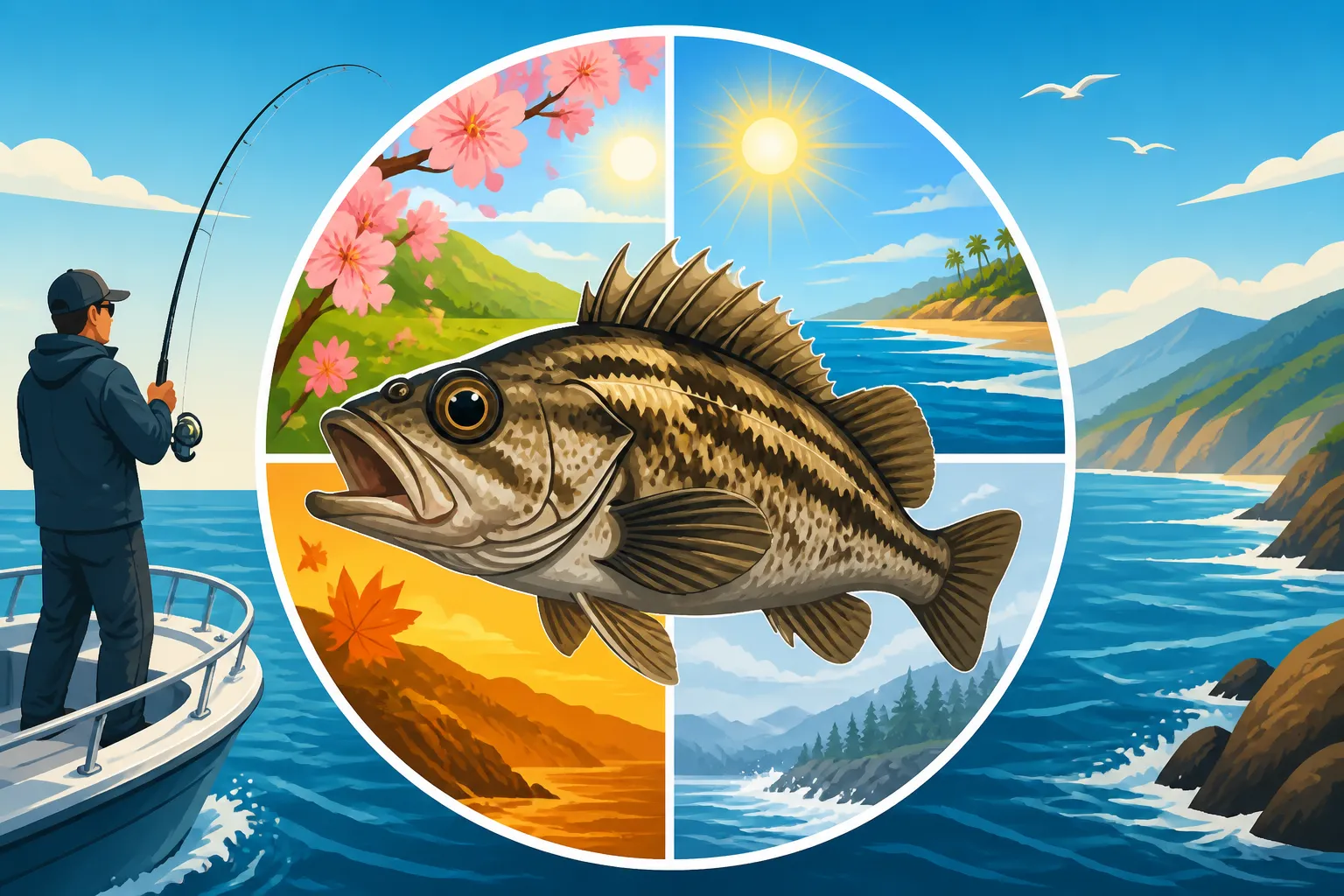
Typically, the rockfish season in California opens sometime in spring, often in April or May, and runs through the fall or early winter, sometimes closing as early as November or December. However, these dates are highly variable and are subject to change year by year. For instance, in some years, certain areas might open earlier or close later based on scientific assessments of fish stocks. It's like a perpetual puzzle, where the pieces shift every twelve months. The CDFW usually releases the official sport fishing regulations booklet late in the calendar year or early the following year, which is absolutely essential for planning. Many anglers find it helpful to keep an eye on the CDFW website or local tackle shop reports for the most up-to-date information. Missing these updates can lead to unintended violations, which no one wants. For comprehensive details on what to expect, refer to the California Fishing Regulations Explained.
Nearshore vs. Offshore Groundfish Differences
One of the critical distinctions to grasp is the difference between "nearshore" and "offshore" groundfish. This isn't just about how far you travel from shore; it's about depth and the species you're targeting, which in turn dictates different sets of rules. Nearshore species, generally found in shallower waters (think 0-120 feet), include species like gopher rockfish, kelp bass, and sometimes vermilion rockfish if they're holding shallow. Offshore groundfish are those found in deeper waters, often beyond 120 feet, and include species like bocaccio, chilipepper, and other deepwater rockfish.
The regulations often impose strict depth restrictions, sometimes even creating "Rockfish Conservation Areas" or RCAs, where fishing for groundfish is prohibited entirely to protect deep-dwelling species. This means that even if the season is open, you might be limited to fishing only in shallower depths (e.g., 50-200 feet, or even shallower at times), making it challenging to target certain species. These depth limits are dynamic and can be the single most frustrating aspect for offshore anglers, forcing them to adapt their techniques or focus on other species during certain periods. If you're planning a trip, make sure you understand the nuances between California Nearshore vs Offshore Rockfish Rules.
Regional Variations in Rockfish Seasons
California is a long state, stretching over 800 miles of coastline, and it’s no surprise that what applies to rockfish fishing in Crescent City might be entirely different from the rules in San Diego. The CDFW, in coordination with federal agencies, divides the coast into specific management areas, each with its own set of rules, seasons, and depth restrictions for groundfish. This regional approach is crucial for effective fisheries management, but it means you must know which zone you're fishing in.
Northern Management Area
The Northern Management Area generally covers the waters from the California-Oregon border down to the area near Cape Mendocino. This region, encompassing places like Crescent City, Eureka, and Fort Bragg, often experiences shorter and more restrictive rockfish seasons compared to the southern parts of the state. The weather here can be more unpredictable, and the fishing pressure might differ, leading to different management strategies.
Typically, the season in this area might open later in the spring and close earlier in the fall. Depth restrictions can also be quite stringent, often limiting fishing to shallower depths to protect specific deep-dwelling rockfish populations that are more prevalent or vulnerable here. For instance, the rockfish rules in the Northern Management Area might see a full closure on certain species for much of the winter and early spring, making the summer and early fall your primary windows. Always double-check the precise coordinates defining this zone, as a few miles can make all the difference in compliance.
San Francisco and Central Management Area
Moving south, the San Francisco and Central Management Area typically spans from the southern end of the Northern Management Area down through the San Francisco Bay, Monterey, and often extending down to Point Conception near Santa Barbara. This is a vast and incredibly popular fishing region, drawing anglers to hot spots like the Farallon Islands, various reefs off Half Moon Bay, and the deep canyons of Monterey Bay.
The rockfish season here usually opens in late spring (e.g., May 1st) and often extends through the end of the year, sometimes with specific closures during the winter months. However, the exact dates and, more importantly, the depth limits can fluctuate annually. For example, in some years, fishing might be restricted to 240 feet or shallower, while in others, it could be pushed to 300 feet. These depth changes are critically important, as many popular rockfish species inhabit specific depth ranges. Anglers often refer to the California Rockfish Rules in the Central Management Area for detailed planning. It’s also worth noting that salmon season often overlaps with rockfish in this region, and specific rules apply when targeting both.
Southern Management Area
The Southern Management Area generally covers the coast from Point Conception south to the U.S.-Mexico border, including major fishing hubs like Santa Barbara, Los Angeles, Orange County, and San Diego. This region often enjoys the longest and most consistent rockfish seasons, sometimes opening as early as March and extending well into December, with some flexibility even into January and February depending on the year's regulations.
The sheer volume of anglers and the accessibility to offshore islands like the Channel Islands mean that this area sees significant fishing pressure. However, the warmer waters and diverse ecosystems also support robust populations of various rockfish and other groundfish species. Depth limits are still a factor, but they can sometimes be more lenient than in the northern zones, or at least offer more consistent access to deeper waters during the open season. Many popular species, including vermilion rockfish, lingcod, and various "reds," are plentiful here. Keep an eye on the California Rockfish Rules in the Southern Management Area for detailed guidelines. It's often the most active area for charter boats and private recreational anglers pursuing a variety of bottom fish.
| Management Area | Typical Open Period | Common Depth Restrictions | Notable Cities/Regions |
|---|---|---|---|
| Northern CA | May – October | Often 0-120 ft, highly variable | Crescent City, Eureka, Fort Bragg |
| Central CA | May – December | Often 0-240 ft, can change | San Francisco, Monterey, Santa Cruz |
| Southern CA | March – December | Often 0-300 ft, more consistent | Los Angeles, San Diego, Santa Barbara |
Note: These are typical ranges. Always consult the current CDFW regulations for precise, up-to-date information before fishing.
Depth Restrictions and Marine Protected Areas
Beyond the seasonal opening and closing dates, two critical components often dictate where and how you can fish for rockfish: depth restrictions and Marine Protected Areas (MPAs). Ignoring these can quickly lead to fines or worse, so understanding them isn't just good practice—it's absolutely essential.
Navigating Depth Limits for Rockfish
Depth restrictions are put in place primarily to protect specific deep-dwelling rockfish species that are particularly susceptible to overfishing and barotrauma. When you bring a fish up from hundreds of feet, the rapid change in pressure can severely damage their swim bladder and other internal organs, making their survival rate very low if released. To prevent this, regulations often stipulate a maximum depth you can fish. This could mean you're only allowed to fish in waters 200 feet deep or shallower, even if the seabed drops to 1,000 feet just beyond that point.
These limits are not static; they change annually and regionally, and sometimes even mid-season if fisheries managers see a need. It's not uncommon to hear of the "rockfish line" – an imaginary boundary parallel to the coast at a specific depth, which anglers must not cross when targeting groundfish. Modern fishfinders with GPS are invaluable tools here, allowing you to monitor your depth and position precisely. Always check the California Rockfish Depth Restrictions before heading out, as these can make or break your trip's legality. For those looking to return a fish from deep water, investing in a descending device – which is now often required or highly recommended by the CDFW – is critical for increasing survivability. You can find various models for descending devices on Amazon, often alongside other essential tackle.
Fishing Around Marine Protected Areas (MPAs)
California has established an extensive network of Marine Protected Areas (MPAs) along its coast, which function much like state or national parks underwater. Within these zones, fishing is either severely restricted or completely prohibited, depending on the specific MPA designation. These areas are vital for conservation, serving as safe havens for marine life to breed, grow, and spill over into surrounding waters.
For rockfish anglers, MPAs represent "no-go" zones. You cannot fish for rockfish, or often any other species, within their boundaries. The problem is, these boundaries aren't always intuitively obvious. They are designated by precise GPS coordinates, which means you absolutely need to know where they are. Before any trip, it’s critical to consult up-to-date MPA maps. Many online resources and fishing apps now integrate these boundaries directly onto their charts, making it easier to identify and avoid them. For a thorough explanation, read our guide on California Marine Protected Areas Explained. Fishing within an MPA, even accidentally, can result in significant fines and penalties, so err on the side of caution.
Best Times and Techniques for Targeting Rockfish
Once you've navigated the labyrinth of regulations and confirmed the season is open for your chosen area and depth, it's time to focus on the fun part: actually catching some rockfish! While the official season defines when you can fish, certain periods within that window can offer better results due to fish behavior, weather, and ocean conditions.
Optimal Weather and Ocean Conditions
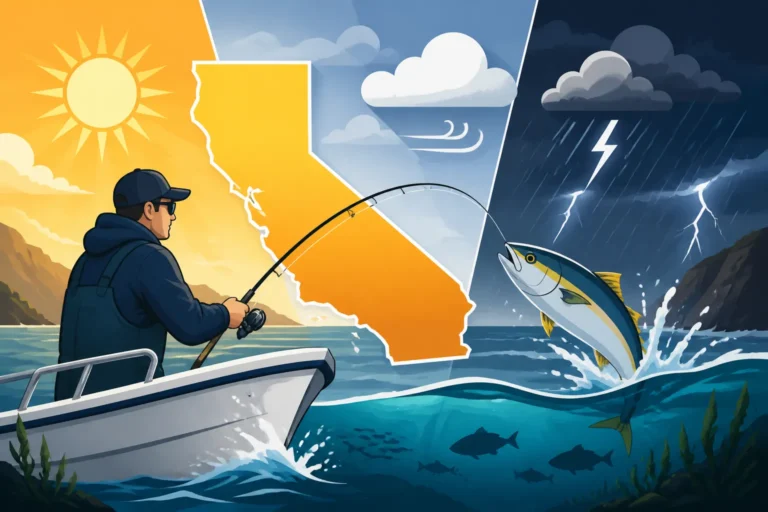
Rockfish, being bottom dwellers, are less affected by surface conditions than pelagic species, but weather and ocean currents still play a huge role in angler comfort and success. Calm seas are always preferred, not just for safety but because they allow for better boat positioning and jigging control. Choppy conditions make it difficult to keep your bait or lure on the bottom, and can certainly lead to seasickness for many. When the ocean is too rough, many charter boats will cancel their trips, and private boaters are often advised to stay in port.
Beyond calm seas, paying attention to currents can also be beneficial. A moderate current can help spread scent from your bait and allow jigs to drift naturally, but too strong a current can make it impossible to hold bottom with reasonable weight. Look for periods of light wind and gentle swells. Often, days immediately following a storm, once the swells have died down, can be excellent as the stirred-up water can make fish more active. Water temperature, while more critical for pelagics, can also influence rockfish movements to some extent, with many species preferring cooler, more stable conditions.
Effective Baits and Lures for Rockfish
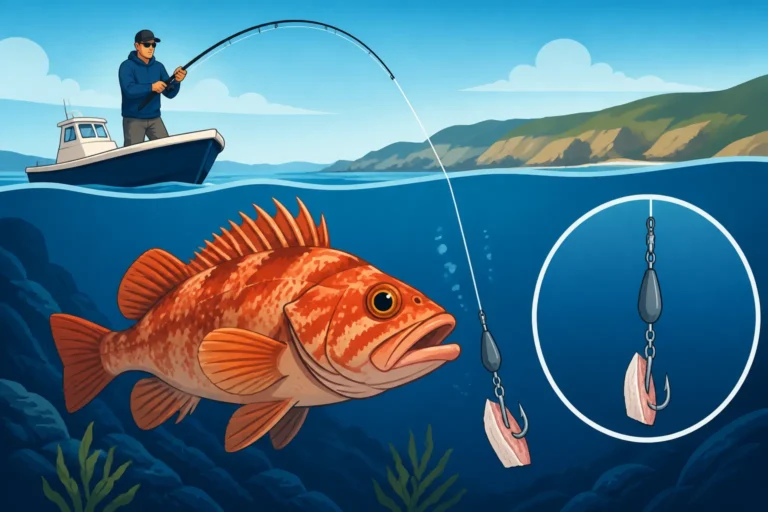
Rockfish aren't particularly picky eaters, but having the right presentation can make all the difference. When it comes to bait, fresh squid is almost universally effective, either whole for larger fish like lingcod or cut into strips for smaller rockfish. Live bait, such as anchovies or sardines, can also be deadly, especially when drifted over reefs. Other common baits include cut mackerel, shrimp, and even chunks of finfish.
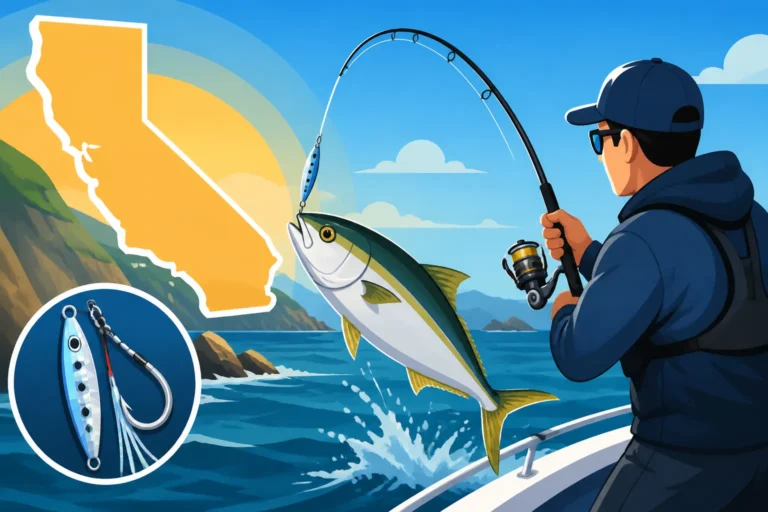
For artificial lures, lead jigs are incredibly popular and effective. Brands like Berkley and Daiwa offer a wide range of jig styles and weights suitable for different depths and species. The key is to match the hatch and use a jig heavy enough to reach the bottom quickly and stay there. Metal jigs in vertical retrieve patterns work wonders, and soft plastics rigged on lead heads, often called "grub jigs" or "swimbaits," are also excellent, mimicking smaller baitfish. Combining a jig with a piece of bait, like a squid strip, can be a potent combination, offering both visual appeal and scent. A good selection of these can easily be found on Amazon. For specific recommendations, check out our guide on Best Rigs for California Rockfish.
Gear and Specific Regulations for Rockfish
Getting your gear dialed in and understanding the finer points of the regulations beyond just seasons and depths can significantly impact your success and compliance. From the right rod and reel to understanding bag limits, every detail matters.
Essential Tackle for Rockfish Anglers
For rockfish, a medium-heavy to heavy conventional rod and reel setup is usually ideal, especially when fishing deeper waters. You need a rod with enough backbone to haul up heavy lead and strong fish from the bottom, but with a sensitive enough tip to feel those subtle bites. A good quality conventional reel, loaded with 40-60 lb braided line, is standard. Braided line is preferred for its strength-to-diameter ratio and minimal stretch, which helps you feel the bite in deep water and get a solid hookset. A fluorocarbon leader of 30-50 lb test is also recommended for abrasion resistance against rocks and invisibility in the water.
Beyond the rod and reel, you'll need plenty of lead weights (often 8-16 oz or more, depending on current and depth), a variety of hooks (j-hooks are common, but circle hooks are often required or recommended for certain species or in specific areas), and terminal tackle like swivels and snaps. Don't forget a sturdy gaff or net for landing larger fish, and a cooler with plenty of ice to keep your catch fresh. And as mentioned, a descending device is becoming an indispensable, and sometimes mandatory, piece of equipment. You can assemble a robust rockfishing kit through a diverse selection of products on Amazon.
Bag and Size Limits
Even when the season is open, there are strict limits on how many fish you can keep (bag limit) and how big they must be (size limit). These limits are in place to ensure a sustainable harvest and prevent overfishing. The general bag limit for rockfish in California is often 10 fish per person per day, but this is a combined limit for all rockfish species, with further restrictions on certain species within that 10-fish total. For example, there might be a sub-limit of only one or two lingcod within your 10-fish bag.
Size limits are also crucial. Lingcod, for example, typically have a minimum size limit, often around 22-24 inches, to protect juvenile fish and allow them to spawn at least once. Other rockfish species might not have individual size limits, but the overall health of the fishery is often monitored. Always measure your fish immediately upon catching them, and if they don't meet the minimum size, release them quickly and carefully. Keep an eye on the California Rockfish Bag Limit Explained and California Rockfish Size Limit Explained for the specific numbers for your current fishing year. Remember, releasing fish that are too small or over the limit from deep water requires the use of a descending device to minimize mortality.
The Barbless Hook Requirement
One regulation that sometimes catches anglers off guard is the requirement for barbless hooks when fishing for groundfish. This rule is designed to reduce harm to released fish, allowing for easier and quicker unhooking, which increases their chances of survival. This applies whether you're using bait or artificial lures.
Many hooks sold in tackle shops are barbed, so if you're buying new hooks, make sure to look for "barbless" ones. If you already have barbed hooks, you can easily convert them by crimping down the barb with a pair of pliers. It’s a simple step that makes a huge difference for conservation, and it’s a non-negotiable legal requirement when targeting groundfish in California. Always ensure your gear is compliant before you hit the water.
Disclaimer
Fishing regulations, seasons, and limits in California are subject to change at any time by the California Department of Fish and Wildlife (CDFW) and federal agencies. While we strive to provide the most accurate and up-to-date information, it is the angler's responsibility to consult the latest official CDFW sport fishing regulations booklet or website before engaging in any fishing activity. This guide is for informational purposes only and should not be considered legal advice.