How to Fish for Halibut in California
Ah, the California halibut! There's something truly special about chasing these elusive "barn doors" – those flat, cunning predators that can test even the most seasoned angler. If you've ever spent hours on the water, meticulously working a jig or slow-trolling live bait, only to feel that tell-tale thud and then the exhilarating fight of a big halibut, you know exactly what I'm talking about. But for many, figuring out how to consistently put these fantastic fish in the cooler can feel like a lifelong puzzle. Well, don't worry, because this guide is all about breaking down the secrets to successful halibut fishing in California, from understanding their behavior to mastering the best techniques.
Understanding the Elusive California Halibut
Before we even cast a line, it's crucial to get inside the head of a California halibut. These aren't your flashy, high-flying game fish; they're masters of ambush, perfectly camouflaged and often lying in wait. Knowing their habits is half the battle to figuring out how to catch them.
Where These Flatfish Hang Out
California halibut are primarily bottom dwellers, perfectly evolved to blend in with sandy or muddy substrates. You'll find them predominantly in coastal waters, often in relatively shallow depths, though bigger ones can sometimes be found deeper, especially during certain times of the year. They absolutely love structure, but not necessarily rocky reefs like some other species. Think more along the lines of sand flats adjacent to rocky outcroppings, eelgrass beds, channels, and humps where baitfish might congregate.
For instance, if you're fishing in a place like San Francisco Bay, you'll want to target the edges of channels, sandy spots near pier pilings, or even the flats closer to shore during a good tide swing. Down south, in areas like San Diego Bay or near the Huntington Beach Pier, they'll often hold in similar environments, especially where there's a good current to bring food to them. Estuaries and bays are prime halibut territory because they offer both protection and a rich food source. They'll often move in and out with the tides, following baitfish that seek refuge in these calmer waters. Knowing the Best Saltwater Fishing Spots in California is a huge advantage, as many of these areas are halibut hotspots.
When to Target California Halibut
Timing is absolutely everything when it comes to halibut fishing. While you can catch them year-round in certain areas, there are definite peak seasons and specific tidal windows that dramatically increase your chances. Generally, spring through late summer is considered prime time. As ocean temperatures rise, baitfish become more abundant and active, drawing halibut into shallower waters to feed. This makes them more accessible to anglers, whether you're fishing from a boat, kayak, or even the surf.
Tides are another massive factor. Halibut are opportunistic predators, and a moving tide helps them by stirring up the bottom, disorienting bait, and pushing food directly into their strike zone. Many veteran anglers swear by the incoming or outgoing tides, especially the periods around slack tide when the current is changing directions. A strong current can make it hard for them to ambush prey, but a gentle flow is perfect. Always check your local tide charts before heading out. Understanding California Fishing Seasons: Month-by-Month Guide can give you a general idea, but really dialing into those daily tides for halibut is a game-changer. For instance, in an estuary like the one leading into Morro Bay, the first few hours of an outgoing tide can be absolutely lights-out as baitfish flush out of the shallower flats.
Essential Gear for the Dedicated Halibut Angler
You don't need a boatload of highly specialized gear to catch halibut, but having the right tools for the job will definitely improve your success rate. It's about efficiency and presenting your bait or lure naturally.
Rods, Reels, and Line Configurations
For halibut, you want a setup that's sensitive enough to detect those subtle bites, yet powerful enough to handle a decent-sized fish. A medium-heavy to heavy conventional or spinning rod, typically 7 to 8 feet long, is a solid choice. Look for a rod with a fast action tip that will transmit even the lightest tap, but with plenty of backbone to really lean into a heavy fish that's trying to dig into the bottom.
Pair that with a reliable reel. A star-drag conventional reel like a Penn Fathom or an Avet MXJ is fantastic for boat fishing, especially when drifting live bait, giving you excellent control over your line and drag. If you prefer spinning gear, a 4000 to 6000 series reel with a smooth drag system is ideal. Brands like Shimano or Daiwa offer excellent options that you can often find readily available on Amazon. For line, I highly recommend 30-50 lb braided mainline. Braid has almost no stretch, which means you feel everything, and its thin diameter cuts through the water better, helping your bait stay down. Always, always tie on a fluorocarbon leader, typically 20-40 lb test. Fluorocarbon is nearly invisible underwater and has good abrasion resistance, which is crucial around structure or for those toothy bites.
The Business End: Hooks, Weights, and Rigs
This is where the rubber meets the road. Your terminal tackle is what presents your offering to the fish, and getting it right can make all the difference.
- Hooks: For live bait, you'll generally want a single, sharp 3/0 to 6/0 circle hook or an Octopus-style hook. Circle hooks are fantastic for halibut because they tend to hook the fish in the corner of the mouth, leading to fewer gut-hooked fish and easier releases. When using artificials, the hooks usually come pre-rigged on the lure.
- Weights: Depending on the current and depth, you'll need various sinker sizes. Pyramid or cannonball sinkers from 1 to 8 ounces are common. For drift fishing, you want just enough weight to keep your bait near the bottom without dragging excessively.
- Rigs: The most popular rig for halibut in California is often a modified Carolina rig or a dropper loop.
- Carolina Rig: This involves threading your main line through an egg sinker, then tying on a swivel. Below the swivel, you'll have about 18-36 inches of fluorocarbon leader leading to your hook. This allows your bait to swim freely and naturally away from the weight.
- Dropper Loop Rig: Many anglers in areas like the San Francisco Bay swear by a simple dropper loop rig, especially when using live bait. You tie a dropper loop a foot or two above your sinker, then attach a short leader (6-12 inches) to that loop, with your hook at the end. This suspends your bait just above the bottom.
- For California Halibut Size and Bag Limits, always make sure your rig complies with any specific regulations regarding hook types or sizes.
Baits and Lures That Get the Bite
Halibut are predators, and they're not too picky if it looks like an easy meal. However, some offerings are undeniably more effective than others.
Live Bait Supremacy
When it comes to California halibut, live bait is king. Period. Nothing beats a struggling, shimmering baitfish for getting a halibut's attention. The most common and effective live baits include:
- Sardines: These are probably the most popular, especially for larger halibut. They're oily, active, and halibut absolutely love them.
- Anchovies: Smaller and more delicate, anchovies are excellent when halibut are keyed in on smaller forage. They're often fished in schools, which mimics natural conditions.
- Mackerel: Larger mackerel can be cut into strips or used as a whole bait for trophy-sized halibut.
- Smelt: Often found in bays and estuaries, smelt are another fantastic, natural food source.
The key to live bait is keeping it healthy and lively. A good bait tank is essential, and always hook your bait in a way that allows it to swim naturally – typically through the nose or lightly through the back, avoiding the spine. For more detailed insights, check out our guide on the Best Bait for California Halibut.
The Art of Artificial Lures
While live bait often reigns supreme, artificial lures can be incredibly effective, especially when live bait is scarce or when you want to cover a lot of ground.
- Swimbaits: Soft plastic swimbaits, especially those mimicking anchovies or sardines, are lethal. Colors like white, sardine, or mackerel patterns are always a good bet. Popular brands include Big Hammer and MC Swimbaits. You can usually find a great selection of these on Amazon. The size of the swimbait should generally match the local baitfish, so having a few different sizes is a smart move.
- Jerkbaits/Hard Baits: These can be very effective when trolled or cast and retrieved in a twitchy manner. They often have a lifelike action that mimics a wounded baitfish.
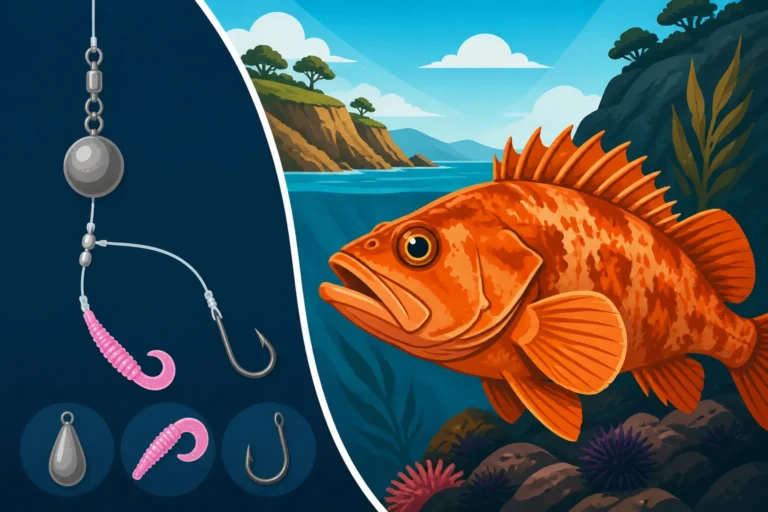
- Grub Tails/Curly Tails: Simple but effective, these soft plastics on a lead head can be jigged or dragged along the bottom. The fluttering tail provides irresistible action.
The advantage of artificials is that they're always available and don't require the hassle of keeping live bait alive. They're also great for covering water and actively seeking out fish.
Top Techniques for Landing California Halibut
Now that you know where they live and what gear to use, let's talk about the techniques that put fish on the deck (or sand).
Drifting with Live Bait
This is, hands down, one of the most productive methods for halibut fishing from a boat. The idea is to present your live bait naturally as your boat drifts over prime halibut habitat.
The process is fairly straightforward:
- Find your spot: Locate areas with sandy bottoms, channels, or the edges of structure where halibut are known to frequent. Looking for bait balls on your sonar is always a good sign.
- Set up your drift: Position your boat upcurrent or upwind from your target area. Deploy a drift sock (sea anchor) if the wind or current is too strong, as it will slow your drift and keep your boat oriented better. You want a slow, controlled drift, ideally 0.5 to 1.5 knots.
- Deploy your bait: Drop your live bait rig to the bottom. Once it hits, reel up a few cranks, just enough to keep it off the immediate bottom but still within the strike zone. You want the bait to swim naturally, not drag.
- Feel the bite: Halibut bites can be subtle. Sometimes it's a gentle tap, other times a solid thud. Often, a halibut will "mouth" the bait first, swimming off a short distance before really committing. Resist the urge to set the hook immediately. Let the fish take the bait, feel the weight of it, and then slowly lift the rod to feel for continuous pressure. If it's a halibut, it'll start to swim off. Then, set the hook with a strong, sweeping motion.
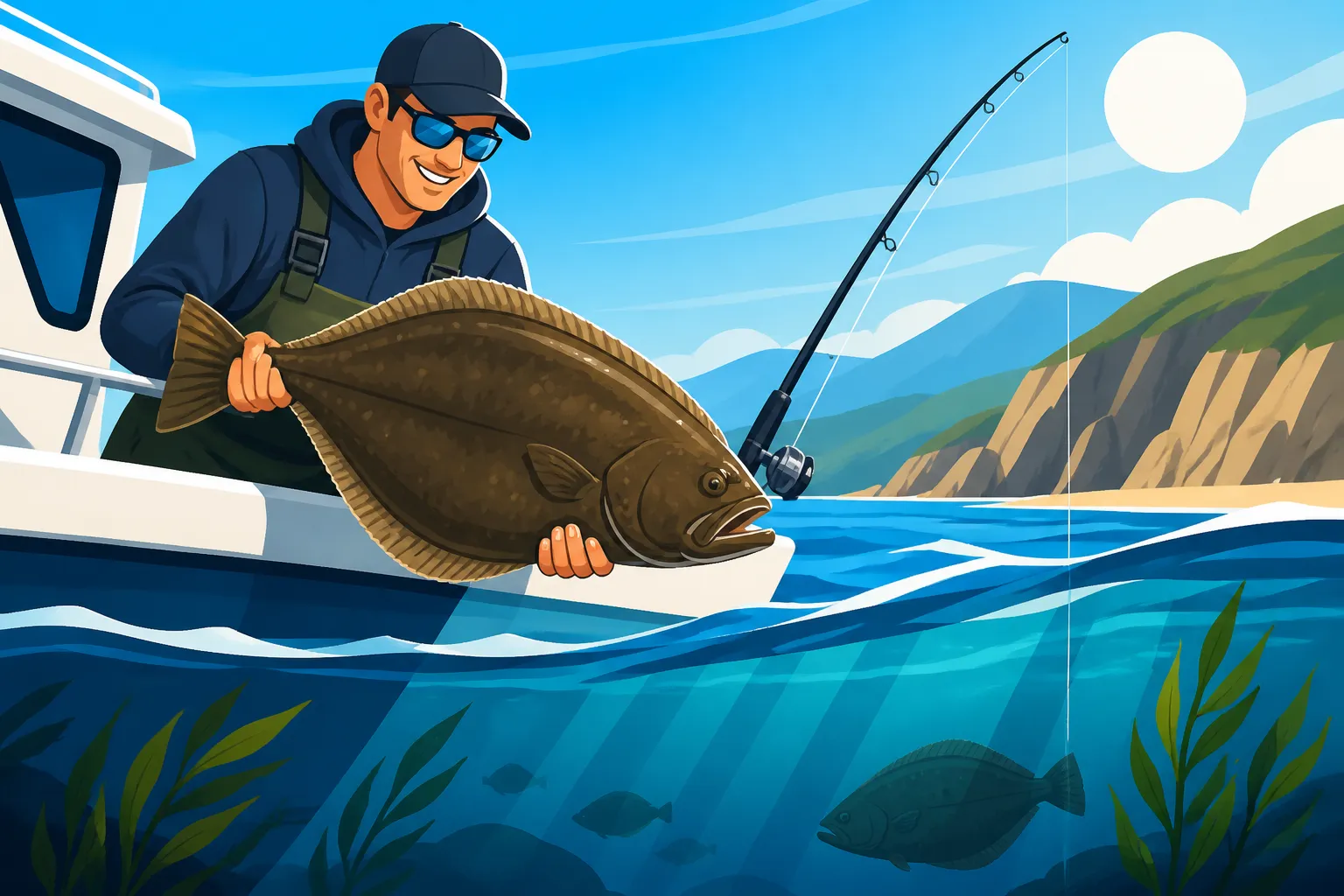
- Fight the fish: Once hooked, halibut tend to make powerful, short runs and often try to "dog" you on the bottom. Keep steady pressure, pump the rod, and retrieve line. If they feel resistance, they might try to dig in, making it feel like you're stuck on the bottom. Don't horse them, but don't let them rest either. They have soft mouths, so a consistent, not overly aggressive, drag setting is key.
Jigging and Retrieving Artificials
If you prefer to be more active, jigging or retrieving artificial lures can be incredibly effective, especially when you're targeting specific humps, ledges, or when fishing from a pier or kayak.
- Vertical Jigging: This is great for boat anglers over deeper structure or schools of fish. Drop a heavy swimbait or metal jig to the bottom. Once it hits, reel up a few feet and work the jig with a sharp lift of the rod tip, then let it flutter back down on a semi-slack line. Most bites occur on the fall. Vary your retrieve speed and jigging motion until you find what works. The key is to mimic a wounded baitfish.
- Casting and Retrieving: From a boat, kayak, or pier, casting swimbaits or other soft plastics and retrieving them with a slow, steady roll or a series of twitches can be deadly. The trick is to keep the lure as close to the bottom as possible without constantly snagging. Experiment with different weights to find the right sink rate for the depth and current. In areas like the San Diego Bay, you might find success casting a chartreuse swimbait along the shallower channels.
Surf Fishing for Halibut
Catching a halibut from the sand is one of the most rewarding experiences in California fishing. It requires a different approach, but the principles remain the same: presentation and patience.
- Reading the Surf: Look for structure in the sand: troughs, sandbars, rip currents, and areas where waves are breaking differently. Halibut will often position themselves in these areas, waiting for baitfish to be washed out or to swim by. The deeper troughs running parallel to the beach are excellent ambush points. Our California Surf Fishing Guide has even more detail on how to read the beach.
- Best Baits/Lures: Live or fresh dead anchovies, sardines, or strips of mackerel are fantastic. Rig them on a Carolina rig with a pyramid sinker that's heavy enough to hold bottom in the surf. Soft plastic swimbaits, especially those with a paddle tail, can also be very effective.
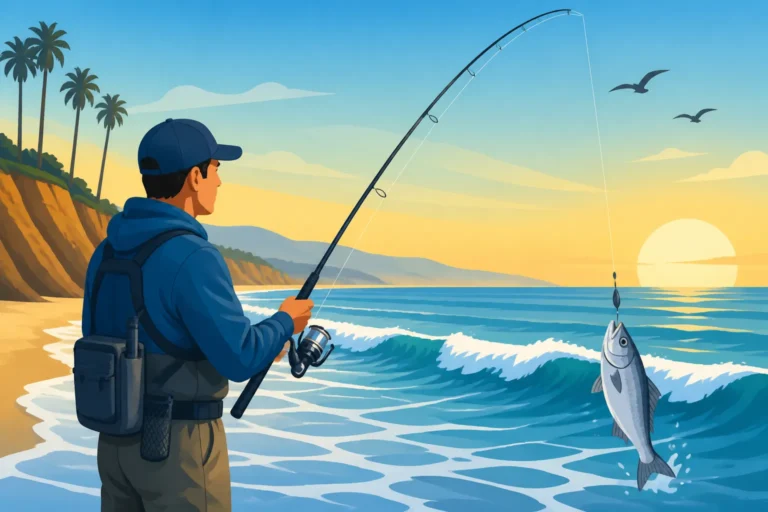
- Casting and Retrieving: Cast beyond the breaking waves into the trough. Let your weight settle, then slowly reel in, pausing occasionally to let the bait or lure rest on the bottom. A very slow retrieve, sometimes with a twitch or two, is often best. Halibut aren't usually chasing bait at high speed in the surf; they're waiting for an easy meal. Early mornings or late evenings, especially on an incoming tide, can be prime times.
- Patience is Key: Surf fishing requires a lot of patience. You might make dozens of casts before getting a bite, but that moment when a big halibut slams your bait in the wash is unforgettable.
Regulations and Conservation for California Halibut
It's super important to stay informed about the current fishing regulations to ensure we're all doing our part to conserve this incredible fishery. Regulations can change, so always check the latest California Department of Fish and Wildlife (CDFW) guidelines before you head out.
Here are a few key things to always keep in mind:
| Regulation Aspect | Typical Considerations (Always Verify Current Rules) |
|---|---|
| Minimum Size Limit | Usually 22 inches total length (fork length for some species) |
| Bag Limit | Often 5 fish per person per day |
| Season | Open year-round in most areas, but confirm local exceptions |
| Gear Restrictions | No more than 3 hooks per line in some areas |
| Measuring | Measure from the tip of the jaw to the tip of the tail, unpinched |
It's critical to know the California Fishing Regulations Explained and specifically California Halibut Size and Bag Limits for the current year. These rules are in place for a reason – to ensure healthy populations for future generations of anglers. Always measure your fish carefully. If it's undersized, release it gently and quickly. Consider using a de-hooking tool to minimize harm.
Also, be aware of Marine Protected Areas (MPAs). You can't fish everywhere in California, and some areas are designated as "no-take" zones. Knowing where these are is essential to avoid violations. You can learn more about California Marine Protected Areas Explained to stay compliant.
And of course, don't forget your fishing license! Anyone 16 years or older needs one to fish in California. You can find out all about the requirements in the California Fishing License Guide.
Fishing for California halibut is a rewarding pursuit that combines skill, patience, and a bit of luck. By understanding their habits, gearing up properly, and mastering the right techniques, you'll significantly increase your chances of bringing home one of these delicious and hard-fighting flatfish. Tight lines out there!
Disclaimer
The information provided in this guide is for general informational purposes only and is not intended as legal advice or a substitute for consulting the official California Department of Fish and Wildlife regulations. Fishing regulations, seasons, and limits can change frequently. Always consult the most current official CDFW regulations before engaging in any fishing activities.